


- Phantom Energy Sucking Power 24/7 – 7 Home Electronics Quietly Inflating Utility Bills - November 14, 2026
- A Million-Mile Storm Raging for Centuries – 6 Violent Weather Wonders in Our System - November 14, 2026
- Animals Flee Hours Before the Tremor – 7 Natural Warnings Before Disasters Strike - November 14, 2026
Most planets spin like tops that lean a little. Uranus rolls along its orbit more like a ball. Its axis is tipped so far over that its poles take turns facing the Sun.
The strange orientation has been known for decades, and the explanation still isn’t settled. New work published through 2026 has reopened the question of how the planet got this way.
How Extreme the Tilt Really Is
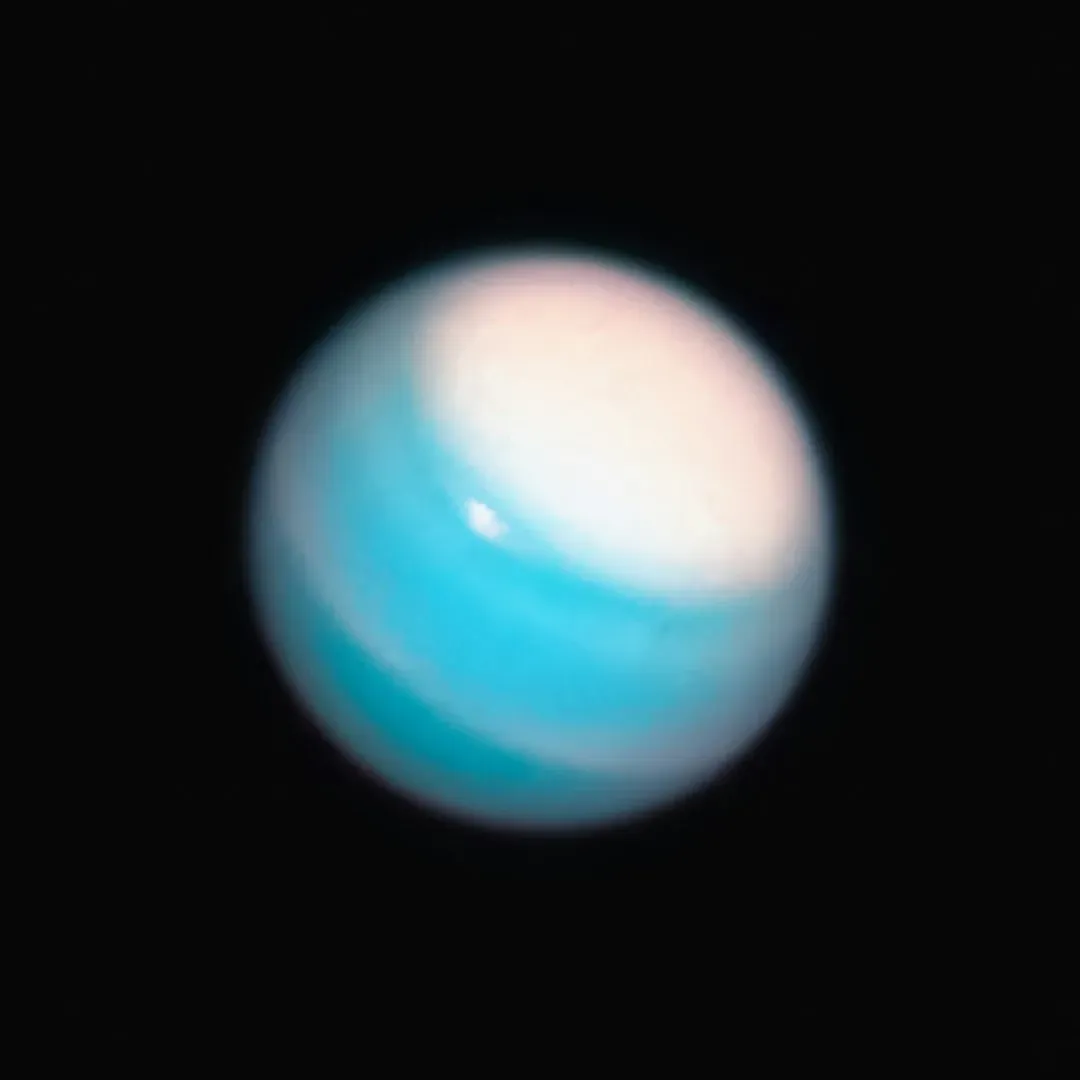
Uranus has an axial tilt of about 97.77 degrees, which makes it one of the most extreme in the solar system. Earth’s tilt is only about twenty three degrees. Anything above ninety degrees means the planet technically spins backward relative to a perfectly upright orientation.
Some research papers quote a slightly different figure, such as 98.7 degrees, depending on the method used. That is why the number is usually rounded to 98 degrees.
What the Tilt Does to Its Seasons
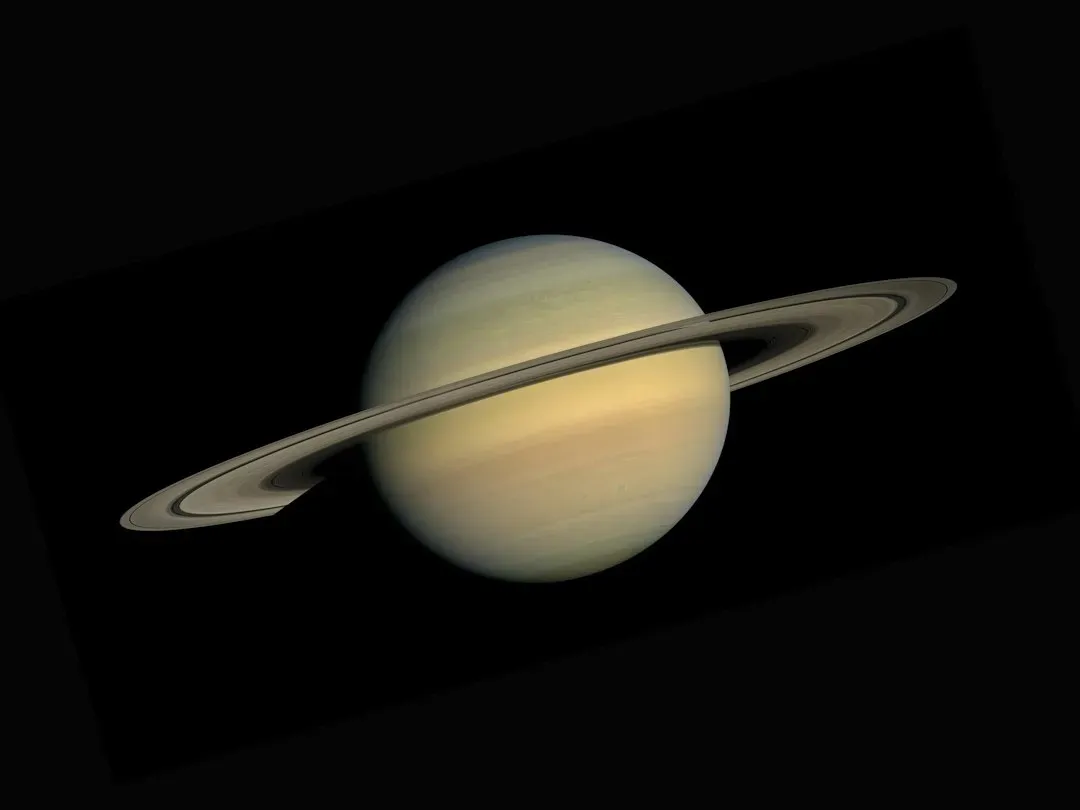
The tilt makes for extreme seasons. One pole points toward the Sun for 21 years, followed by long transitional seasons. A full orbit takes about eighty four Earth years, so each pole gets decades of continuous sunlight and then decades of darkness.
The rings also change their viewing angle from Earth over the same orbit. Their appearance shifts radically as the planet moves around the Sun.
The Giant Impact Theory
The most popular explanation is a collision. With an obliquity of 98° and its major moons orbiting in the same tilted plane, the common explanation is that a giant impact sent the young Uranus spinning in a new direction. The idea dates back to work by Safronov in 1966.
Simulations support it. An oblique collision with a massive object of two to three Earth masses can tilt the planet on its side. Such an event could also have thrown out enough material to build a disk around the planet.
What the Computer Simulations Showed
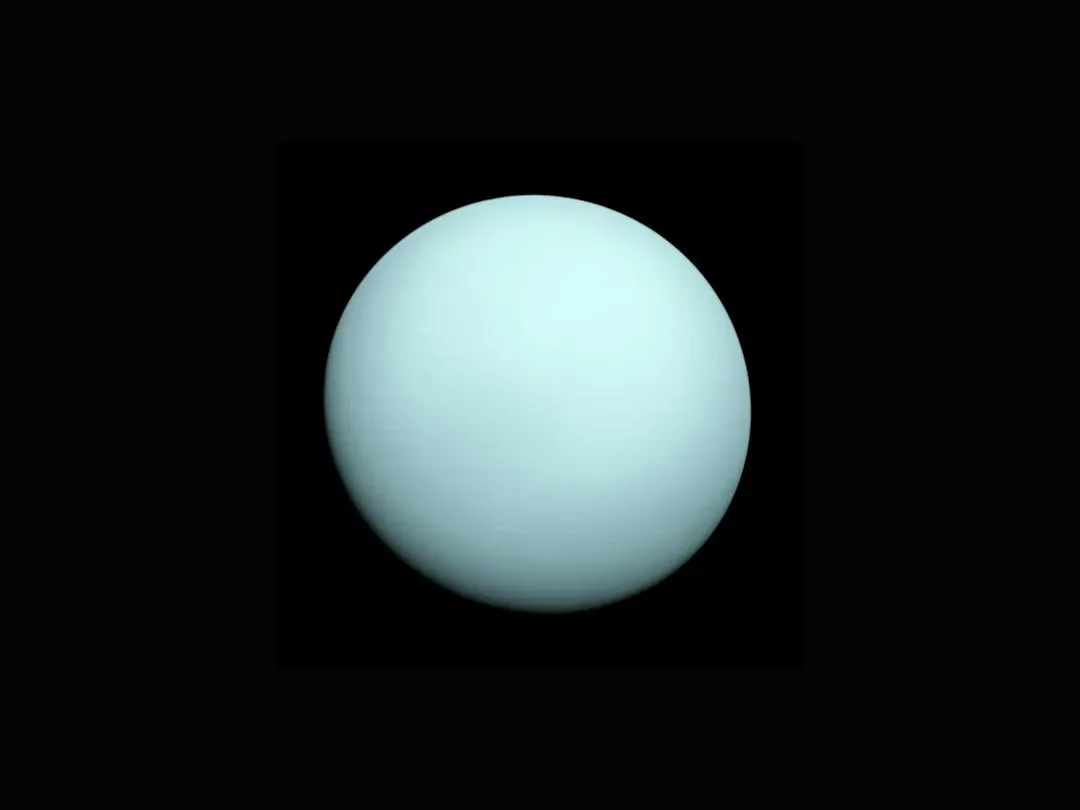
A Durham University team led by Jacob Kegerreis ran high resolution simulations of these collisions. They indicated that an object about twice the size of Earth could have struck Uranus and altered its tilt. The impactor was likely a young protoplanet made of rock and ice.
One notable result was that Uranus could keep its atmosphere. The object may only have grazed the planet, hitting hard enough to change its tilt but not to strip away its air.
Problems With the Collision Story
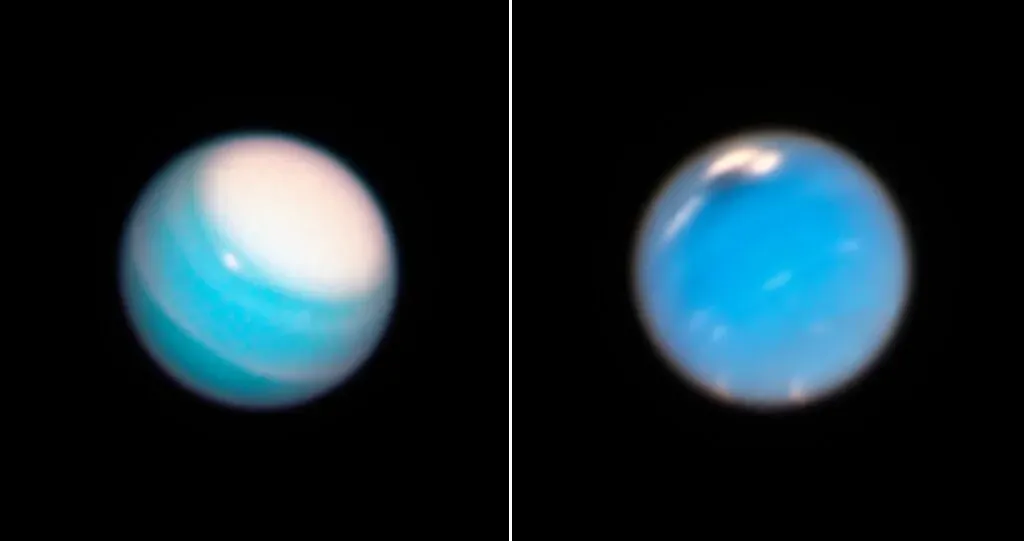
The impact idea has weak spots. Uranus and Neptune spin at similar rates, about 17.2 hours and 16.1 hours. One study found that the impactors needed to explain both planets’ tilts are unlikely to spin both planets down in a similar way.
The moons raise another issue. The prograde satellite system at first glance appears incompatible with a giant impact. Researchers have also pointed out that no surviving impactor or unique signature has been found.
The Missing Moon Alternative
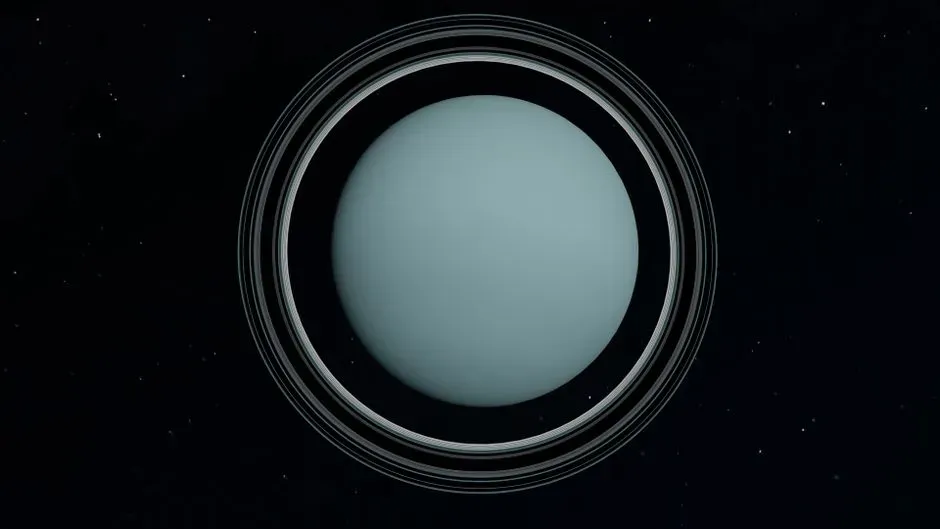
A gentler idea involves a lost moon. A substantial ancient moon migrating outward could have changed how fast Uranus’s spin axis wobbles, producing a gravitational resonance. Over millions of years, the planet’s tilt would creep upward.
Work by Saillenfest and colleagues in 2022 explored this path. A moon with only a small fraction of Uranus’s mass could pull the planet toward an obliquity near ninety degrees. Another proposal, from 2022, suggested that a hypothetical distant ninth planet could tilt Uranus through a spin orbit resonance.
New Evidence From the Moons in 2026
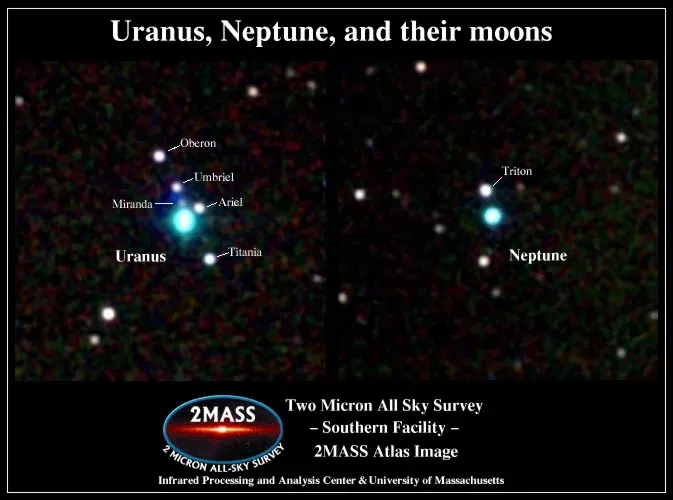
A 2026 study looked at the chemistry of Uranus’s large moons. The deuterium to hydrogen ratios of the moons were about five times larger than that of Uranus itself. Instead, they resemble icy comets from the outer solar system.
This suggests the moons did not form from Uranus’s own material. The authors therefore called a single impact that both tilted the planet and created the moons highly unlikely. They offered two alternatives: Uranus tidally disrupting a passing body, or impact debris realigning moons that already existed.
Why the Debate Remains Open
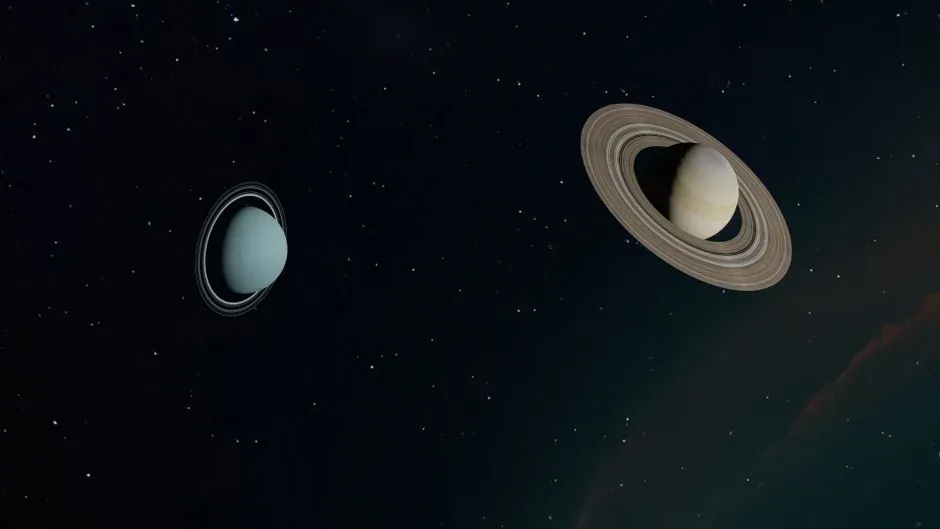
Even with that result, impacts have not been ruled out entirely. As the same analysis put it, impacts likely helped drive up Uranus’s tilt, even if they weren’t the primary cause. The tilt and the moons may therefore have separate histories.
Data is the other limit. Voyager 2 is the only spacecraft to visit, and in 1986 it saw one specific geometry during a particular season, with the south pole directed at the Sun. A dedicated orbiter would be needed to test the competing ideas in detail.
What Researchers Are Studying Next
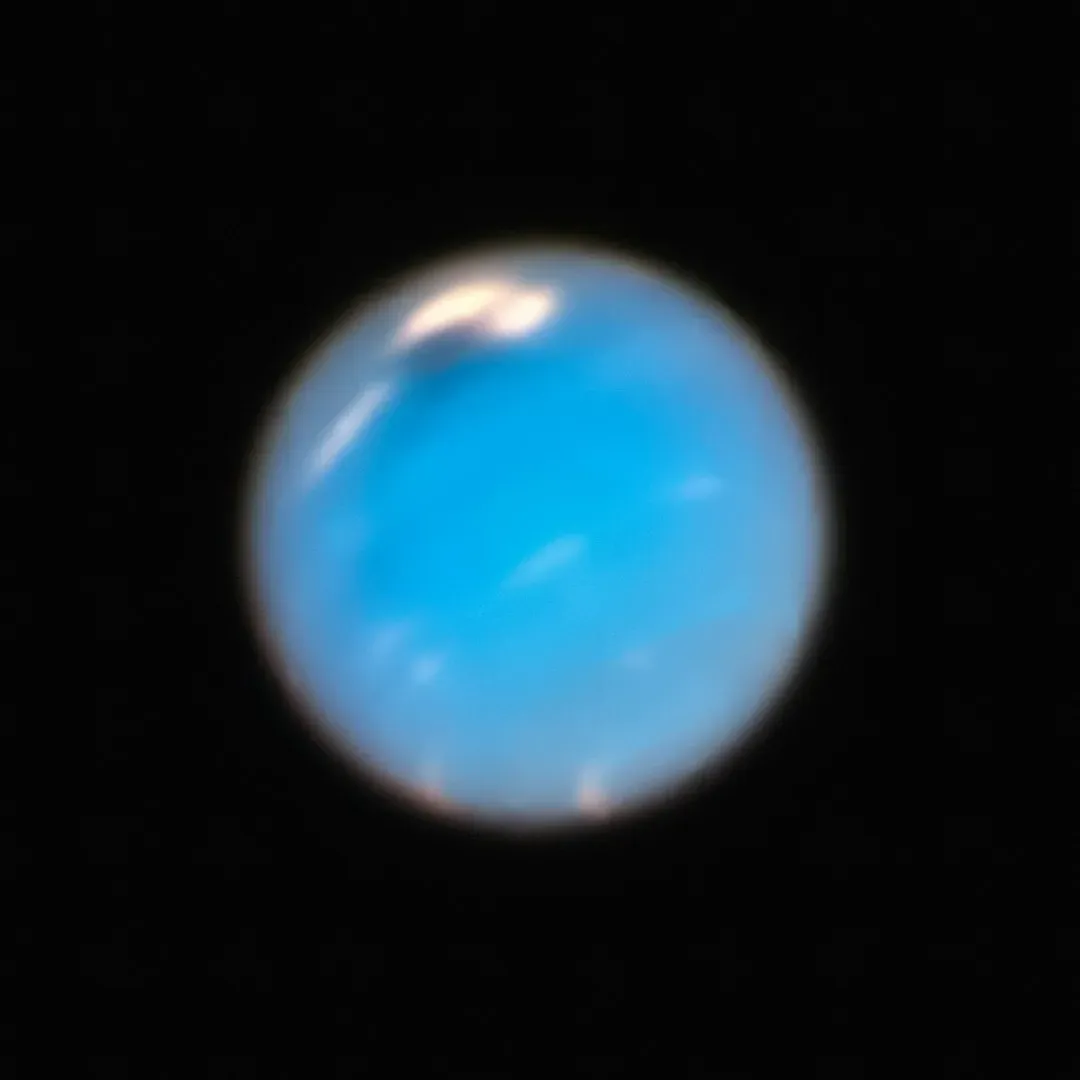
Observations continue from afar. A 2025 Hubble study examined the four largest moons, looking for signs of interaction between Uranus’s magnetosphere and their surfaces. The planet’s magnetic field, tilted by nearly 60 degrees, adds another puzzle that any origin story has to explain.
For now, scientists agree on the measurements but not on the cause. The giant impact, the vanished moon, and a mix of both remain on the table until new data narrows the field.
