

If your family piled into a station wagon in the 1980s, the route probably ran through a national park, a desert highway or a stretch of coast. Those places looked permanent then. A postcard of a glacier or a boat ramp on a big reservoir seemed like a safe bet for the next forty years.
Plenty of those stops still draw crowds, but some of them look different now. Here are nine classic destinations and what has changed in each, with figures from recent reporting where they exist.
Glacier National Park, Montana
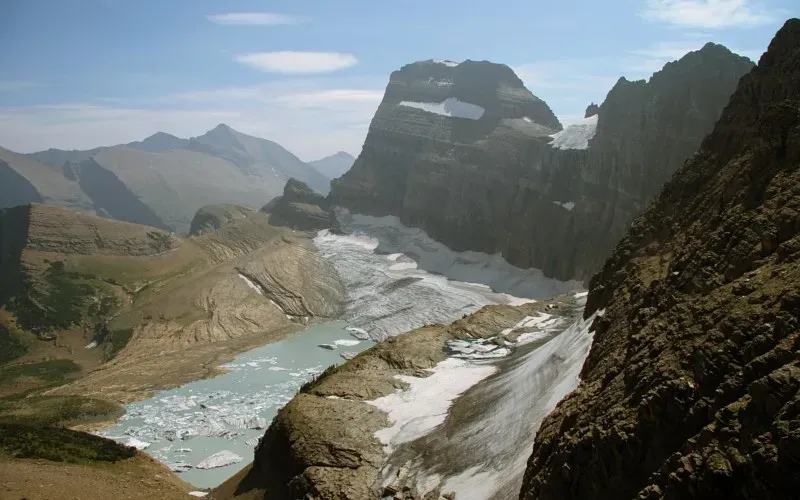
Going-to-the-Sun Road was a bucket list drive long before the ’80s, and the ice above it was part of the draw. The park had roughly 150 glaciers when it was established, and scientists count 25 active ones as of 2026. That is a steep drop even from a decade ago.
Grinnell Glacier is the one many hikers aim for. It covered 525 acres in 1900 and now covers roughly 100 acres. A 2017 USGS comparison also found that warming had shrunk 39 named glaciers in Montana since 1966, so the loss is well documented.
Yellowstone National Park, Wyoming
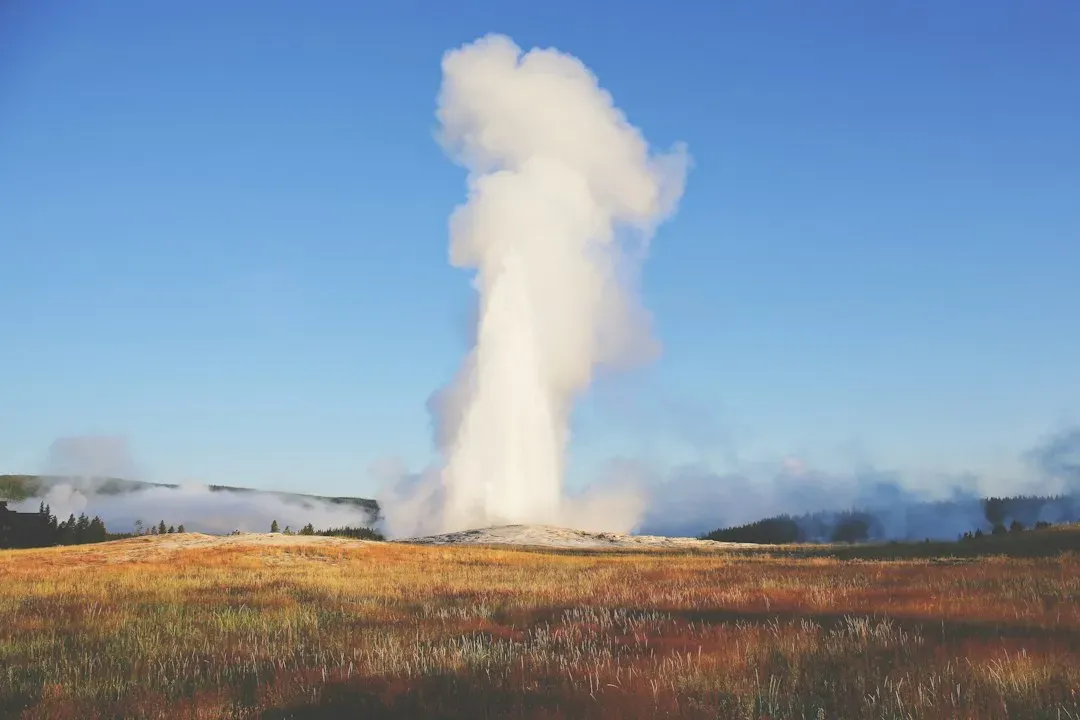
Old Faithful and the bison traffic jams haven’t gone anywhere. What has shifted is winter and water. A Montana State University study reported in August 2026 found a clear connection between low snowpack and human caused climate change.
The park felt it this past winter, when snowmobilers and snow coaches dealt with warm days and dry patches of road. Researchers have also noted that the decline in snowpack has cut Yellowstone River flows by about a quarter, and that summer fishing restrictions are now the norm on rivers because of low flows and warm water. Anglers who remember the ’80s may notice the difference most.
Lake Powell and Glen Canyon, Arizona and Utah
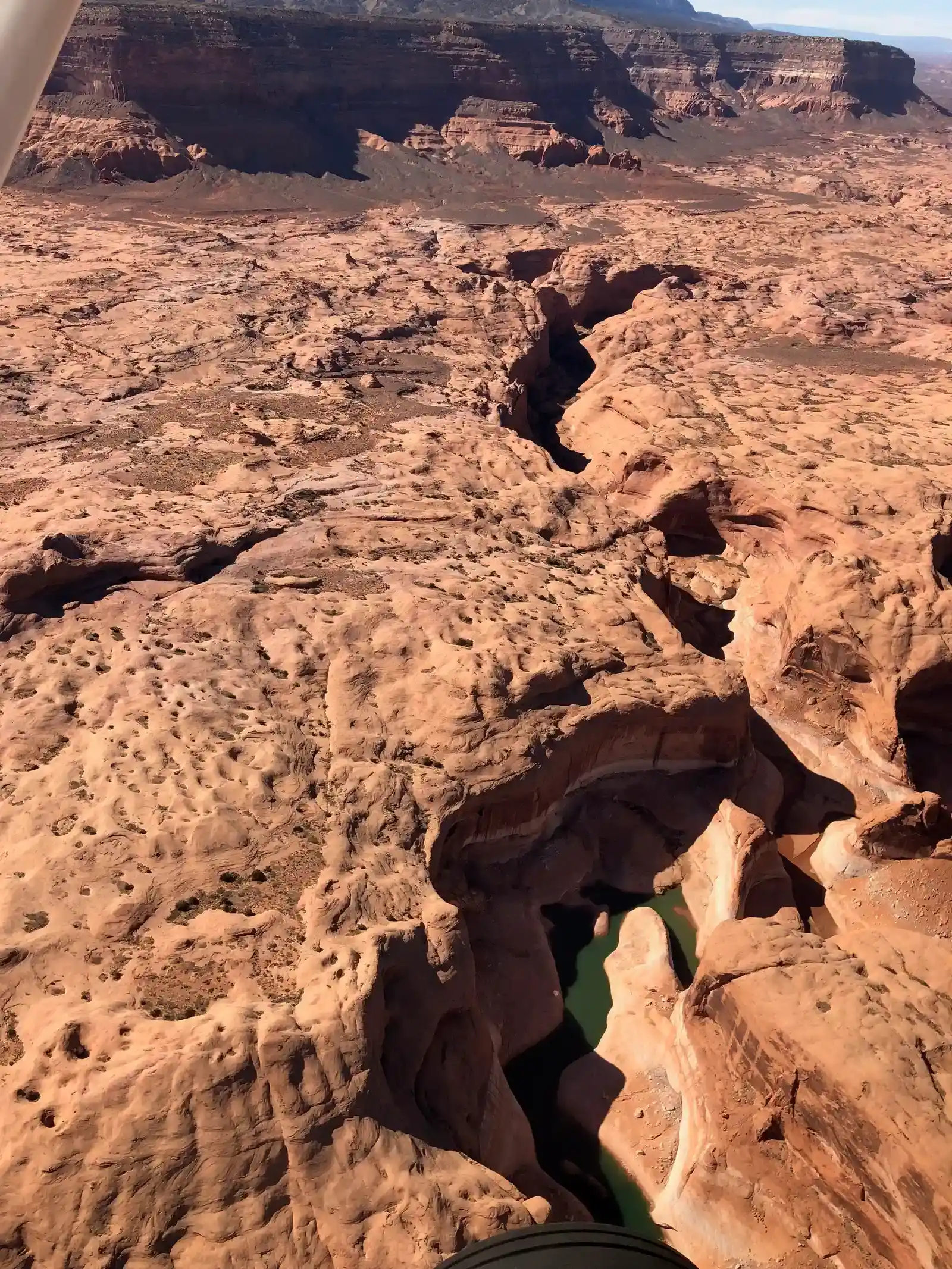
Houseboat vacations on Lake Powell were a Western rite of passage for decades. In August 2026 the lake dropped to 3,519.9 feet above sea level, below the previous record low set in April 2023. By then it was more than 20 feet lower than at the beginning of 2026.
The main cause was a thin snow year. The weak mountain snowpack of winter 2025 to 2026 reached the lake by summer, and inflows dwindled. By late summer the reservoir held only about 22 percent of its capacity, and boat ramps and canyon access have suffered accordingly.
Lake Mead and Hoover Dam, Nevada and Arizona
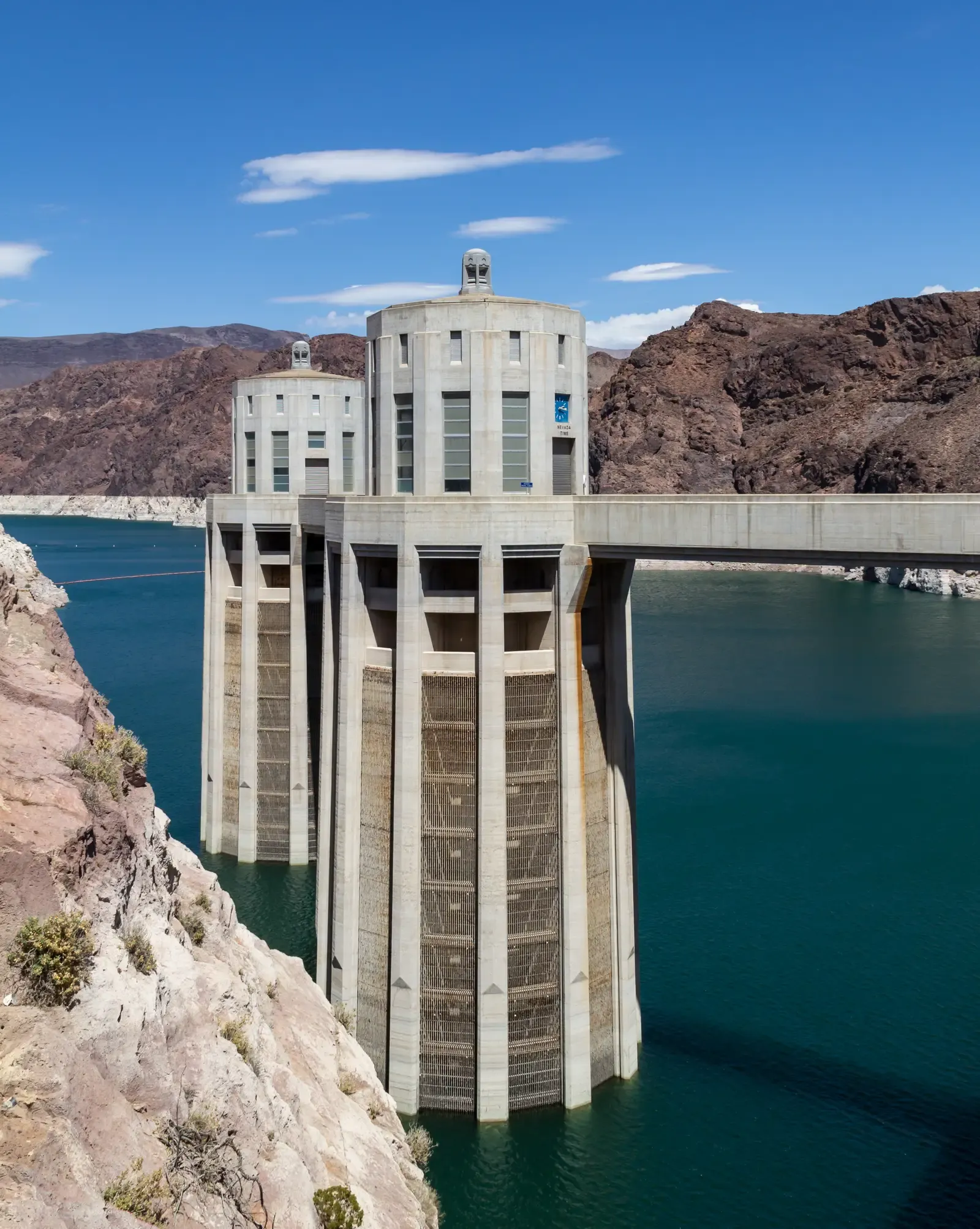
The drive from Las Vegas out to Hoover Dam was an easy side trip for ’80s travelers. The reservoir behind it has been sinking too. In July 2026, Powell and Mead together reached a combined level not seen since 1957.
Mead itself also hit record low levels in August 2026. The stakes go beyond scenery, because the river system supplies water and power to more than 40 million people. The Sierra Club has warned that a further 20 foot drop would reduce Hoover Dam hydropower production by 40 percent.
Death Valley National Park, California
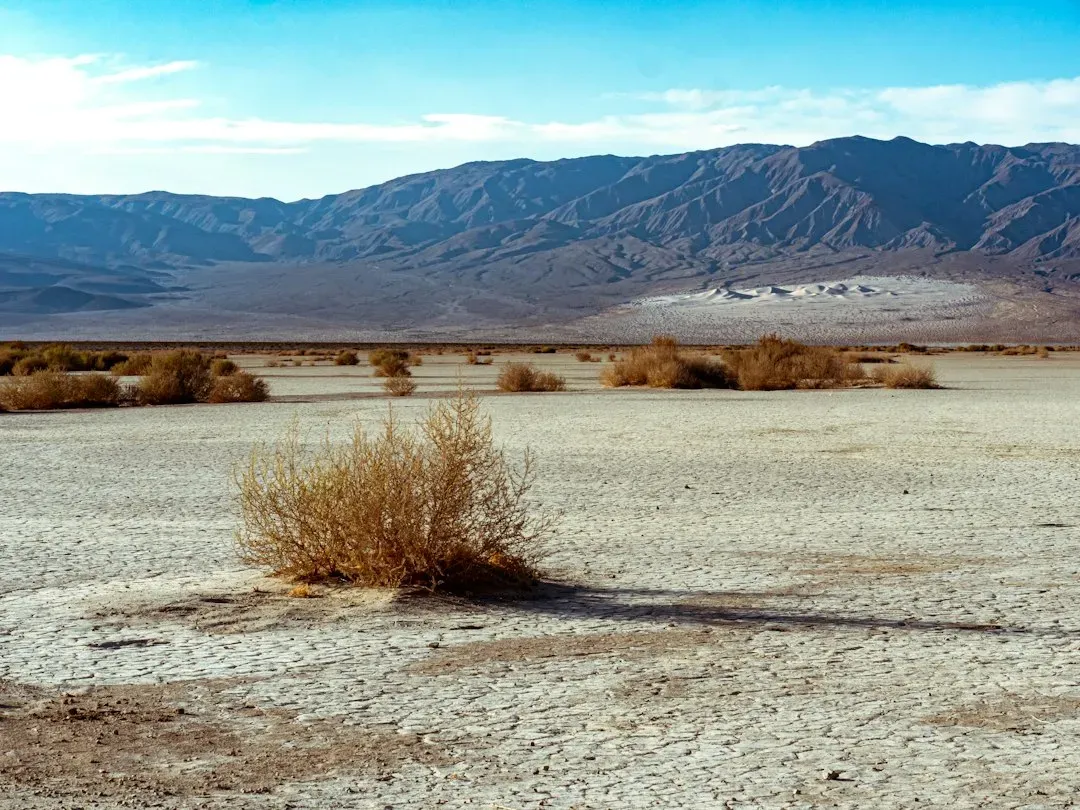
Stopping at Badwater Basin and the Furnace Creek thermometer was a ritual for desert road trippers. The park was always hot, but July 2024 pushed things further, when Furnace Creek recorded 129 degrees Fahrenheit on July 7. That reading is among the highest temperatures reliably measured on Earth.
Park officials now put heavy emphasis on summer safety, with warnings against hiking at low elevations in the afternoon. A 2024 heat wave also led to at least one visitor death in the park. Extreme heat is no longer a curiosity at the roadside sign. It shapes when and how people can visit.
Joshua Tree National Park, California
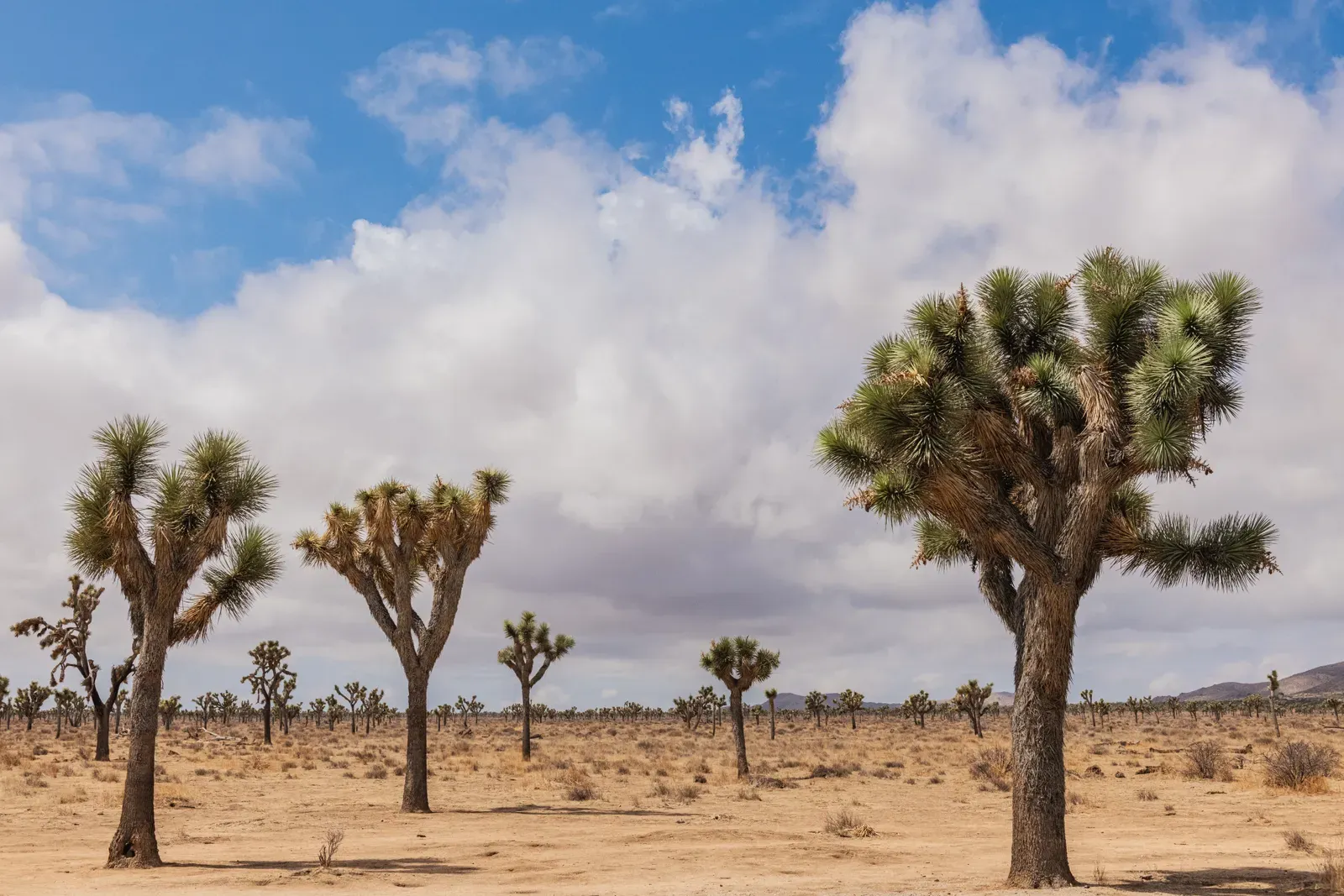
The twisted trees that give the park its name were a favorite photo stop for travelers on the way between Los Angeles and Arizona. Hotter, drier conditions threaten the western Joshua tree, which has trouble producing seedlings that survive in a warming desert. California responded with the Western Joshua Tree Conservation Act, which took effect in 2023.
Wildfire is a second worry. Invasive grasses carry flames through desert landscapes that never evolved to burn, and a burned Joshua tree rarely recovers. The park’s famous skyline may look different for the next generation of visitors.
The Florida Keys, Florida
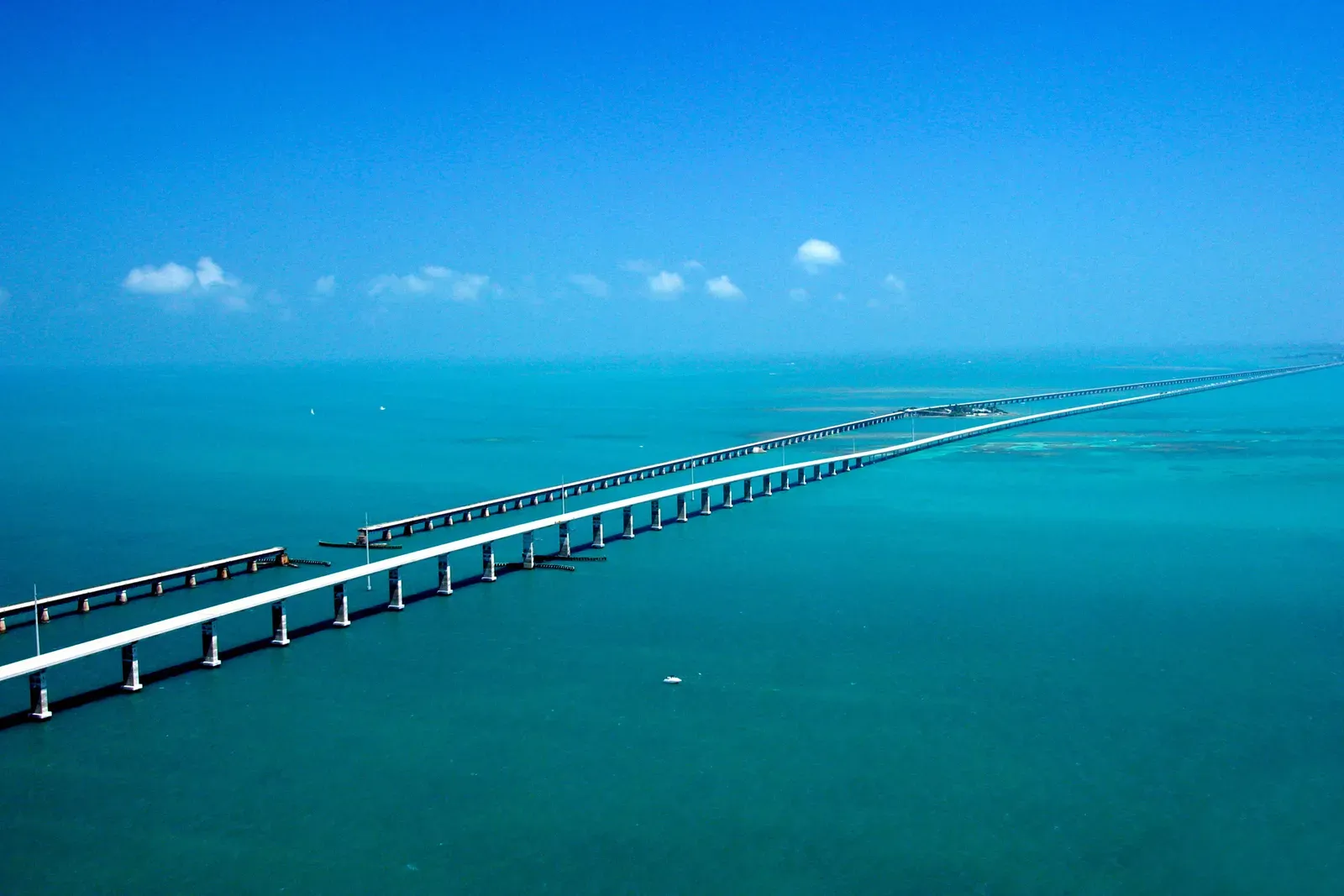
The Overseas Highway, with its Seven Mile Bridge and Key West at the end, was the classic southern road trip. Water is now part of daily life there. King tides regularly flood roads and yards in the Keys, a pattern often called sunny day flooding.
The long record backs this up, since Key West Harbor tide data show a rise of 0.87 foot from 1913 to 2024. Monroe County has planned to spend 1.8 billion dollars over 25 years to raise 150 miles of road. One neighborhood, Stillwright Point in Key Largo, has a 40 million dollar flooding mitigation project in the works, because street flooding there can last for weeks.
The Outer Banks, North Carolina
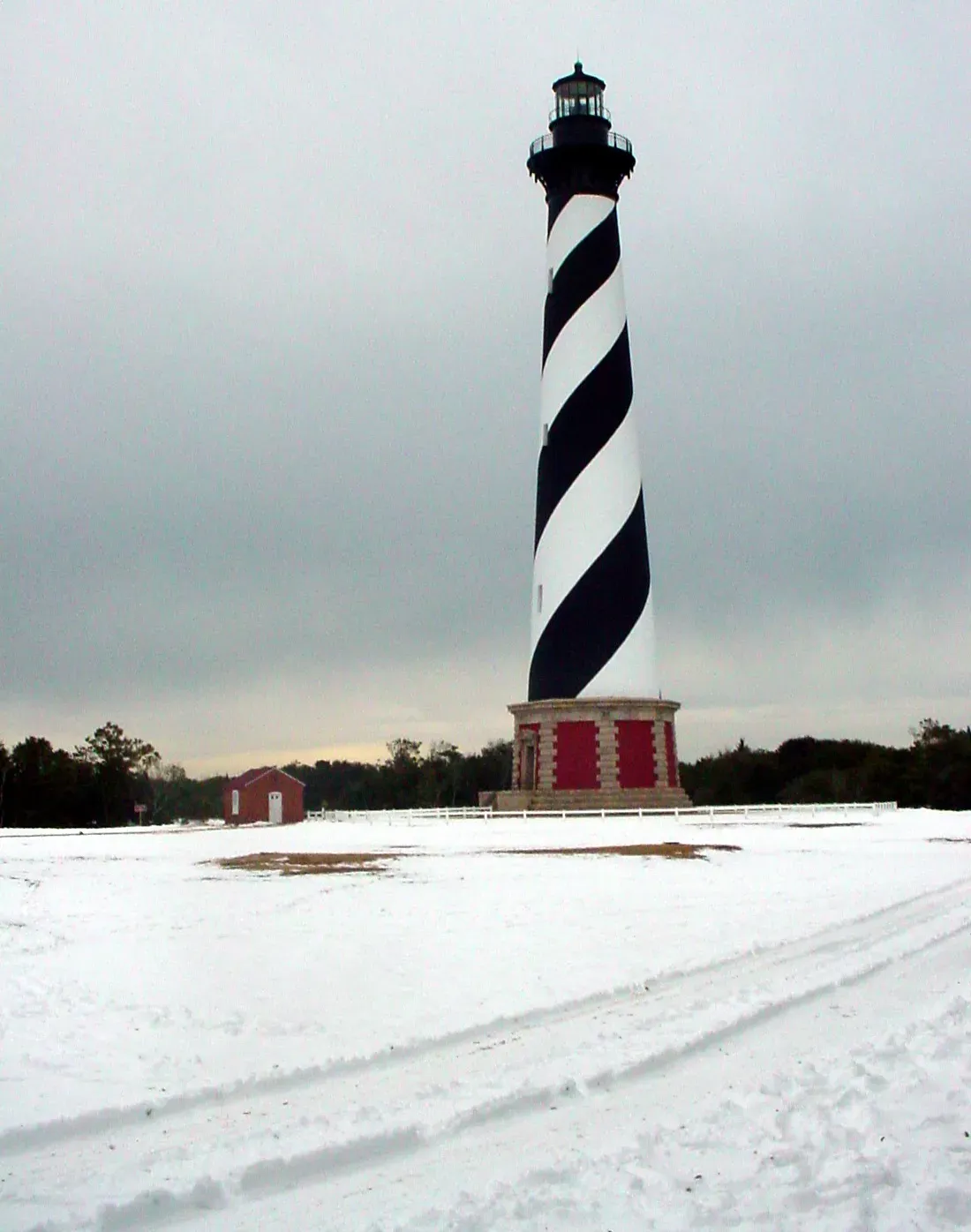
The Outer Banks drew families to Hatteras, Kitty Hawk and Nags Head with lighthouses and wide beaches. These barrier islands are among the most exposed pieces of the East Coast, and rising seas combine with stronger storm surge to erode the shoreline. Oceanfront houses in places like Rodanthe have collapsed into the surf in recent years.
The Cape Hatteras Lighthouse was moved inland in 1999 to avoid the encroaching ocean, a sign that the problem is decades old. Highway 12, the narrow road that ties the islands together, is often covered by sand and overwash after storms. Visitors still come, but the route has become less dependable.
Great Smoky Mountains, Tennessee and North Carolina
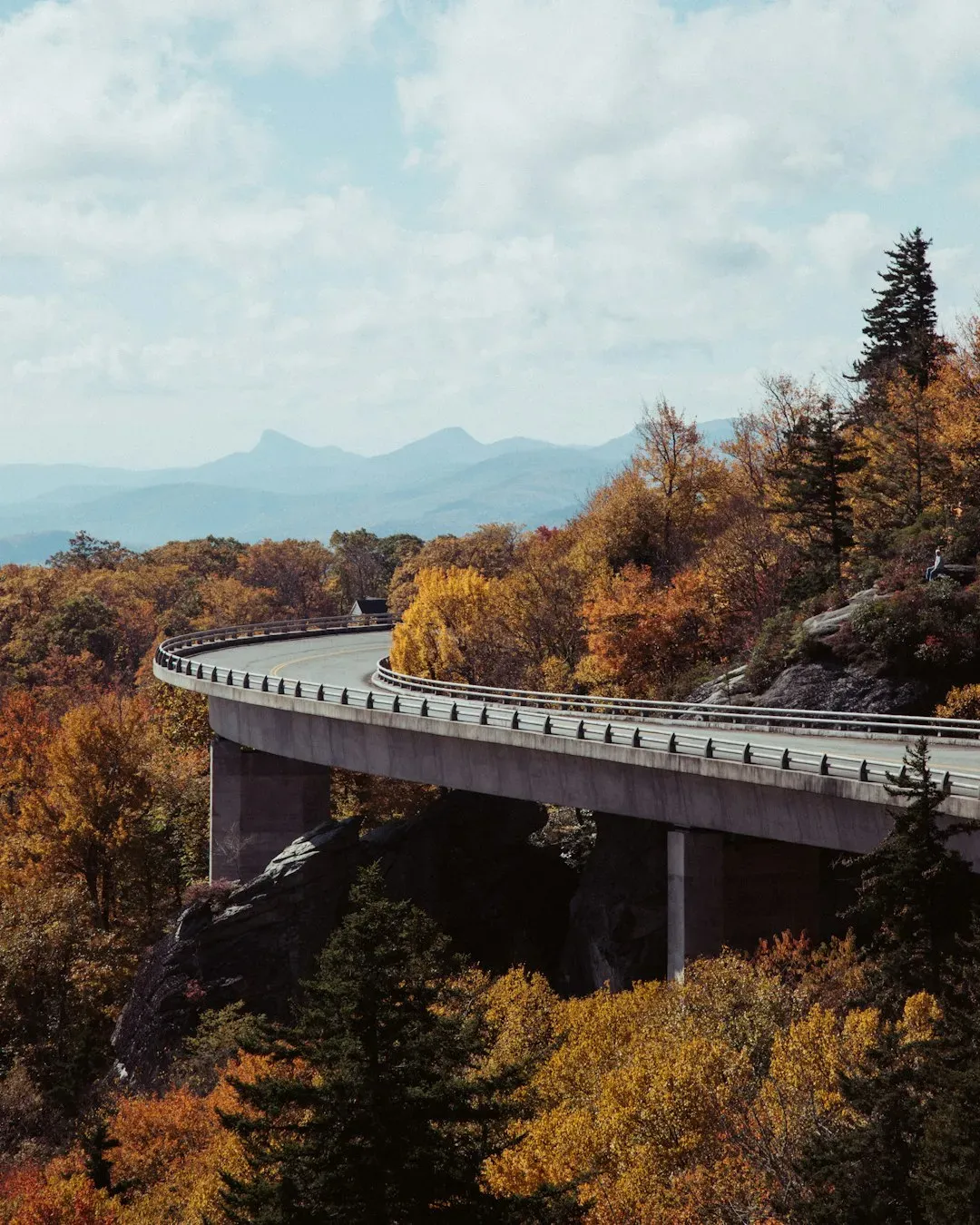
The Smokies are the most visited national park in the country, and they were a staple of ’80s family drives along the Blue Ridge Parkway. In September 2024, Hurricane Helene dumped extreme rain across western North Carolina, causing deadly flooding and landslides. Scientists note that a warmer atmosphere holds more moisture, which can raise rainfall totals in tropical storms.
The damage hit roads, towns and trails across the region, and parts of the Blue Ridge Parkway stayed closed for a long time while crews rebuilt. Warm winters and shifting seasons are also affecting the forest and fall colors that bring people there. The mountains remain open, though travelers should check road conditions before heading out.

- The Shoreline Sucked Dry in Seconds – 5 Tsunami Signals Beachgoers Mistake for Low Tide - November 14, 2026
- 9 Dark-Sky Destinations Around the World Where the Stars Look Unreal - November 14, 2026
- The Fault Line That Never Slips – 7 Locked Seismic Zones Overdue for a Massive Release - November 14, 2026
