

Picture a calm afternoon on the sand. The water slides back farther than you’ve ever seen it go, and the wet seabed shines in the sun. Most people would reach for their phones and walk out to look.
That reaction is natural, and it’s also the one safety agencies warn about. A receding ocean can be an ordinary tide, but it can also be the first physical sign of a tsunami. The details below show how to tell the difference, and why guessing wrong costs so much.
The Water Pulls Back Too Fast and Too Far
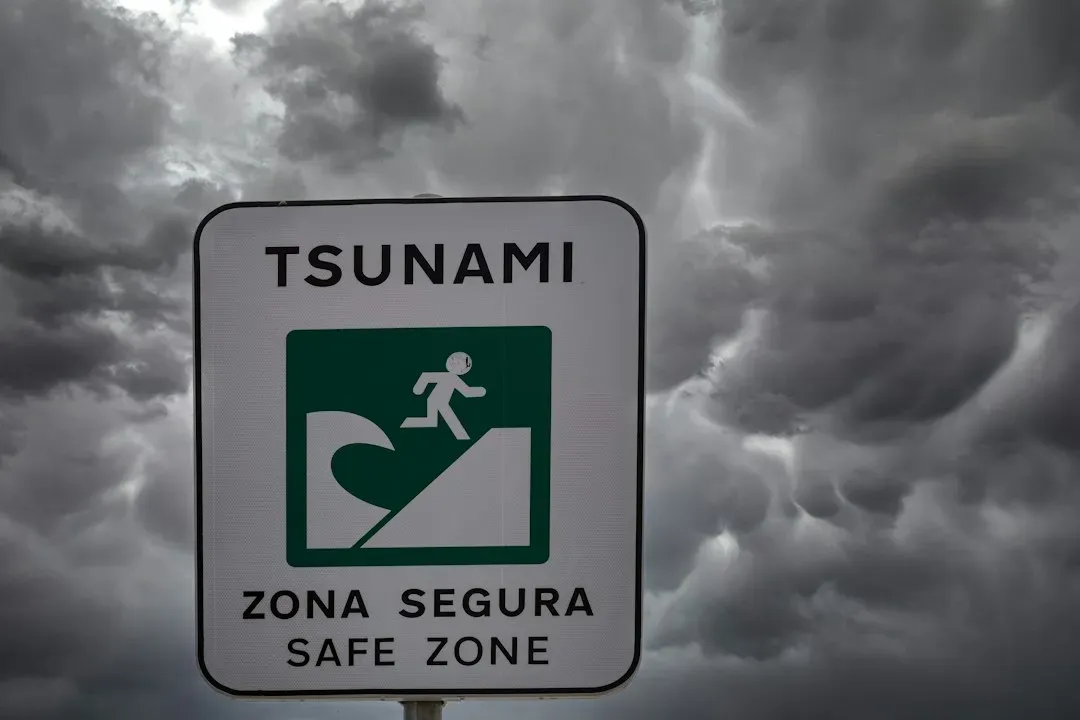
A normal low tide is slow. It takes hours, and the shoreline moves back in a steady, predictable way that tide tables can forecast. A tsunami drawdown happens in minutes, sometimes less, and it doesn’t match any schedule.
NOAA’s tsunami program lists a rapid fall or rise in coastal water as one of the natural warning signs. This happens when the trough of the wave reaches shore before the crest. If the sea is draining away and no tide chart explains it, treat it as a warning.
Shaking Came First, Even if It Felt Mild
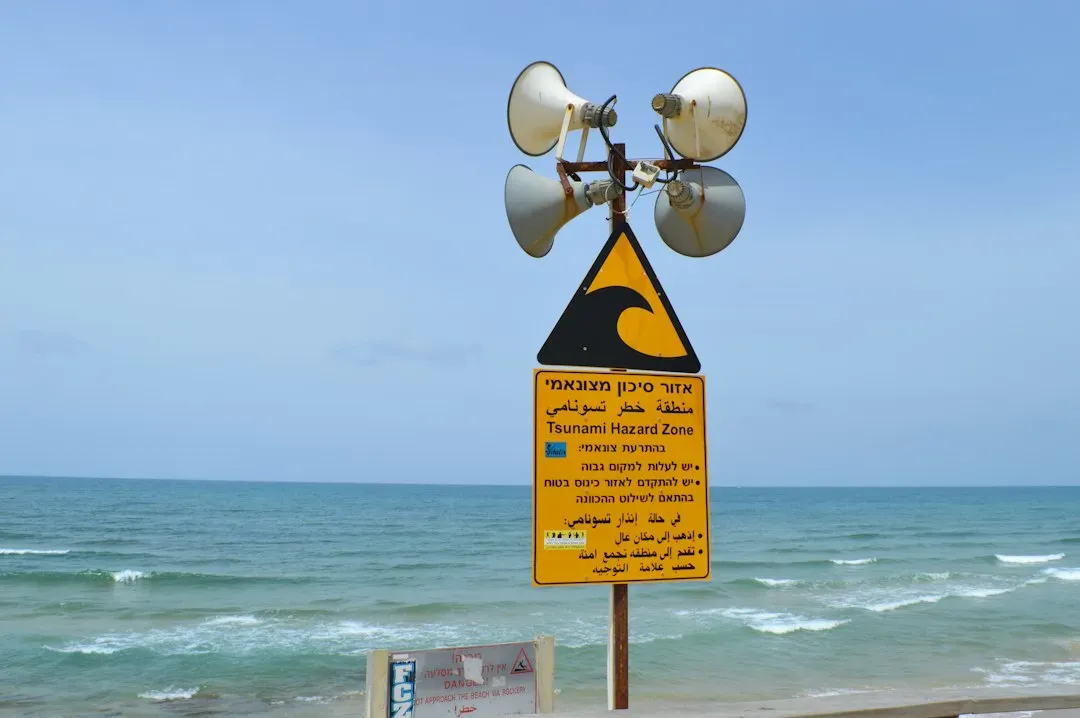
Many tsunamis near the coast are triggered by earthquakes. Official guidance says that if you feel strong or long shaking while you’re near the sea, you shouldn’t wait for an alert. Move to high ground or inland straight away.
The word “long” matters here. A large undersea quake can produce slow, rolling movement that lasts a while without being violent. Beachgoers sometimes dismiss it, then see the water retreat and assume the two events are unrelated.
A Roar Comes From the Ocean
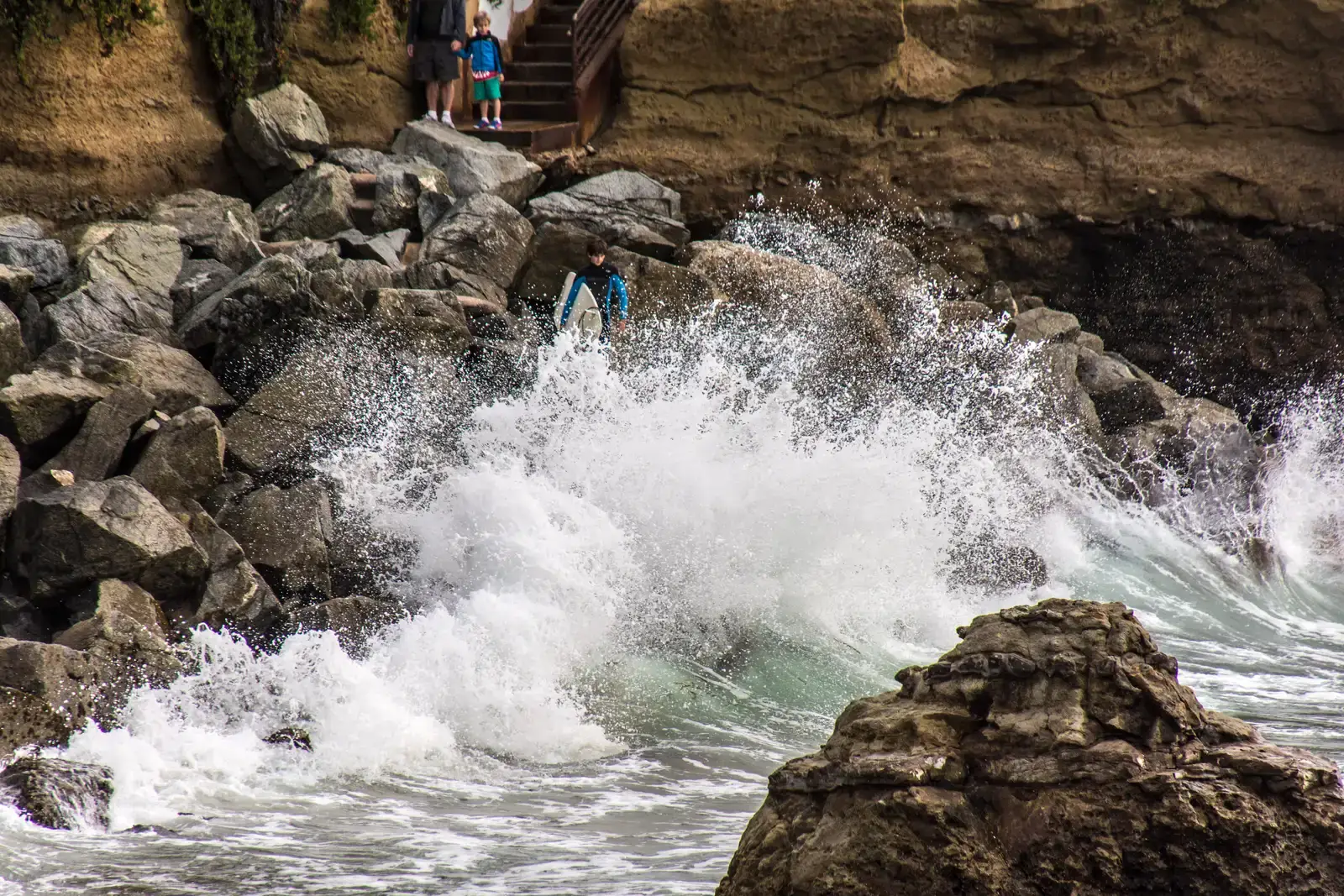
NOAA also names an unusual loud roar from the ocean as a natural warning. Survivors of past events have often compared it to a train or a jet engine. It isn’t the sound of ordinary surf.
On a busy beach with music, traffic and crowds, that sound can be easy to miss. If you do hear it, especially together with changes in the water, don’t wait to see more. Sound can carry the warning when your eyes can’t yet see the wave.
The Exposed Seabed Draws a Crowd
A drained shoreline reveals rocks, reefs and stranded fish that most people never see. That’s exactly why it’s dangerous, because curiosity pulls people toward the sea just as the wave is building. Reports from the 2004 Indian Ocean tsunami describe people on beaches who noticed the retreating water and didn’t realize what it meant.
Tsunami education programs now stress one simple habit. Don’t go down to look, and don’t try to film it from the sand. If the seabed is showing and you haven’t checked any official source, walk uphill and check from there.
Alerts and Sirens Are Telling You the Same Thing
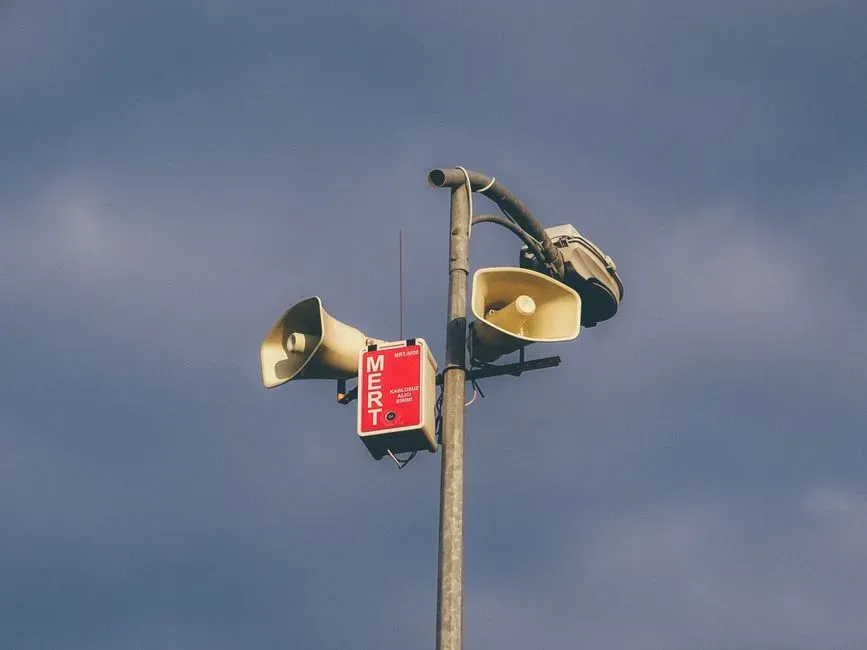
Natural signs don’t always come with official confirmation, though they sometimes do. Coastal communities use sirens, phone alerts, radio and local messaging to announce a tsunami warning. In July 2025, a very large earthquake off Russia’s Kamchatka Peninsula led to tsunami alerts and evacuations across parts of the Pacific, a reminder that distant events can reach shore.
Waves also don’t arrive just once. Agencies note that a tsunami is a series of waves, and the gap between them can run from several minutes to about an hour. The first wave isn’t always the largest, so stay in a safe place until officials say it’s over.
What to Do Next
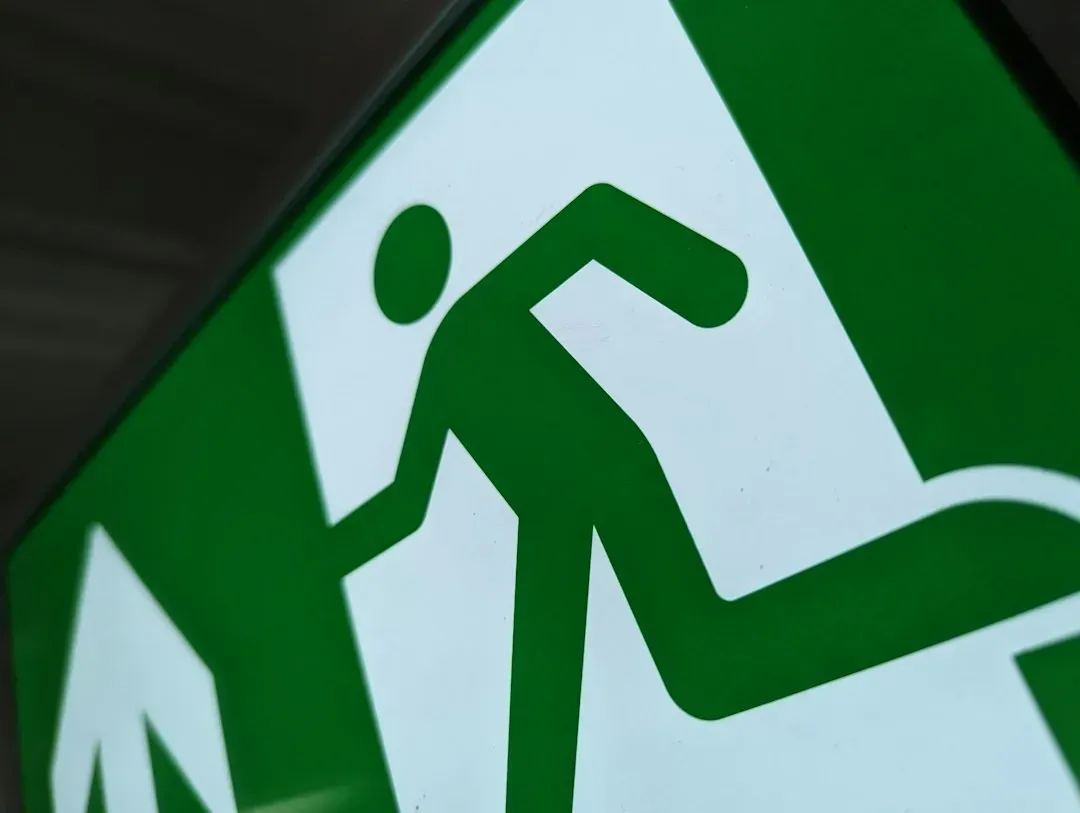
Leave the beach on foot if you can, and head to high ground or well inland. Follow posted evacuation routes, which many coastal towns mark with blue signs. Don’t wait for every sign to appear before you act.
Any one of these signals is enough reason to move. A false alarm costs you a few minutes. Staying on the shoreline to find out can cost far more.

- The Shoreline Sucked Dry in Seconds – 5 Tsunami Signals Beachgoers Mistake for Low Tide - November 14, 2026
- 9 Dark-Sky Destinations Around the World Where the Stars Look Unreal - November 14, 2026
- The Fault Line That Never Slips – 7 Locked Seismic Zones Overdue for a Massive Release - November 14, 2026
