

- Paper Straws Ineligible for Curb Pick-Up – 6 Paper Swaps Sorting Facilities Can’t Process - November 16, 2026
- Cotton Totes Carry a 20,000-Use Footprint – 6 Everyday Eco-Swaps Worse Than Plastic - November 16, 2026
- Ravens Cooperative-Hunting With Wild Wolves – 7 Surprising Animal Partnerships - November 16, 2026
You walk out to the car on a cloudless morning, and the air feels dry and still. The windshield looks fine, yet the side mirrors are coated in a gray film of moisture. Meanwhile, the paint on the roof is beaded with dew.
It seems odd that a clear sky, which usually means good weather, would leave your mirrors wet. The explanation comes from basic heat physics, and it explains why the mirrors fog before almost anything else on the car.
Surfaces Can Be Colder Than the Air
Most people assume that anything left outside matches the air temperature. That isn’t quite true overnight. An exposed surface keeps trading heat with its surroundings, and on a clear night it can lose more than it gains.
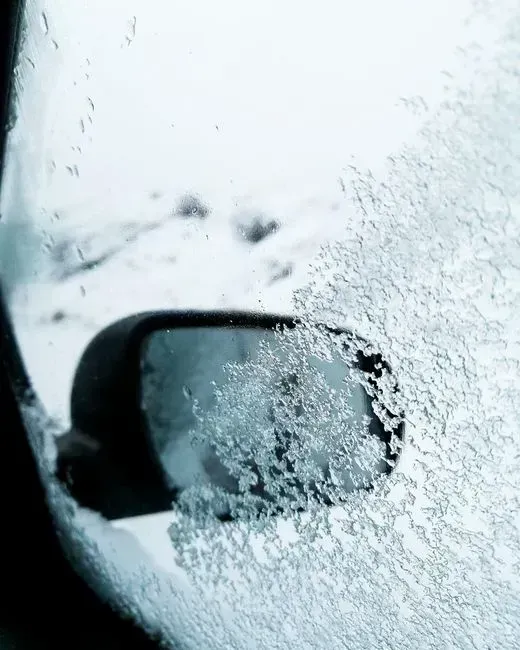
The result is that a mirror’s glass can sit several degrees below the temperature a thermometer reads in the air. The gap is often just a few degrees Celsius, but that’s enough to matter. Dew forms when a surface drops below the dew point, even if the air itself stays above it.
What Radiative Cooling Actually Means
Every object gives off thermal infrared radiation, and the amount depends on its temperature. Glass, paint and plastic are all efficient emitters in the infrared range. During the day, sunlight more than makes up for this loss.
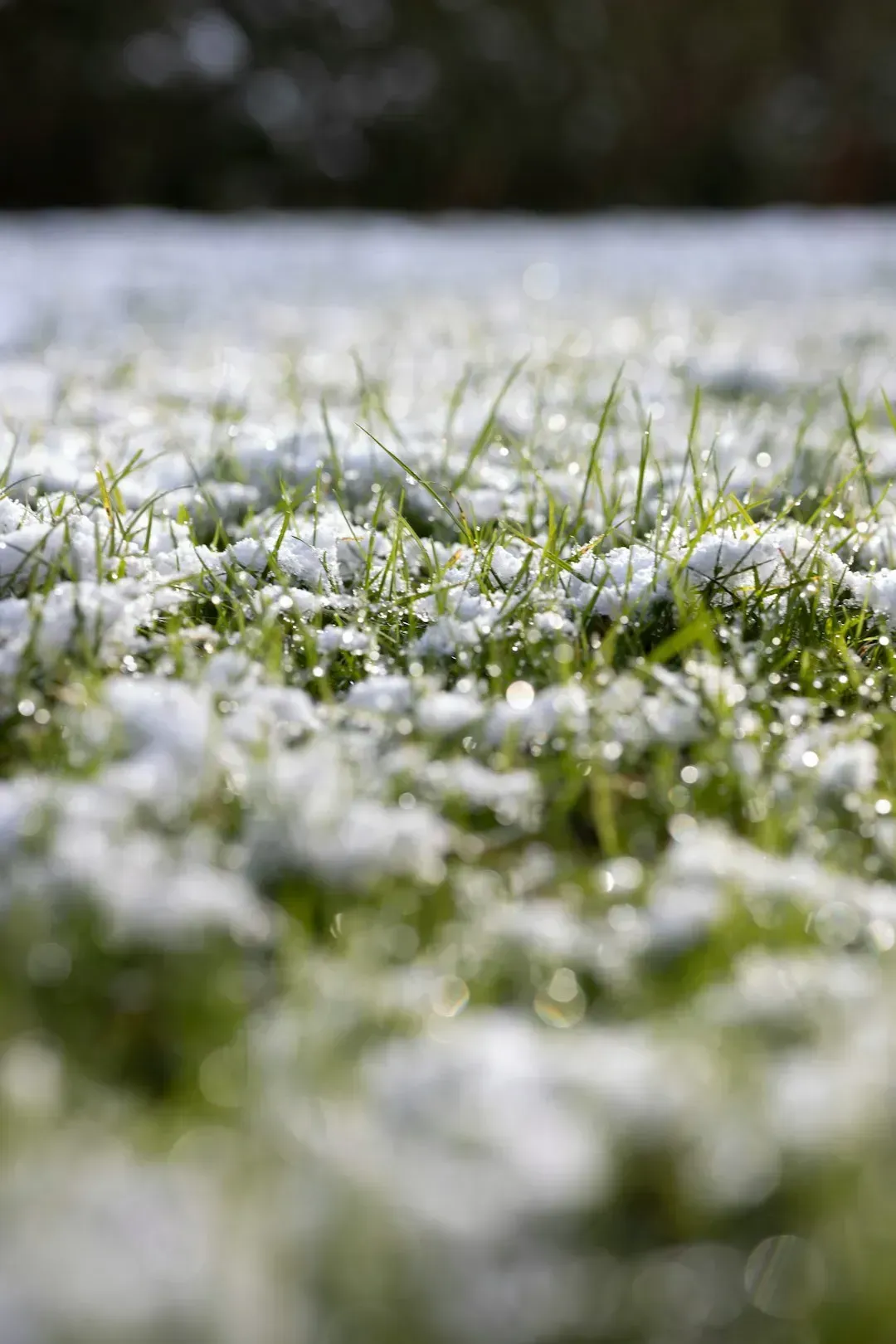
After sunset, the incoming solar energy stops. The surface keeps radiating heat upward, so it cools steadily. This process is called radiative cooling, and it is the same mechanism behind frost on grass and dew on rooftops.
Why Clear Skies Make It Worse

Clouds act like a blanket. They absorb infrared radiation from the ground and send a good share of it back down, which slows cooling. Water vapor and clouds in the lower atmosphere are the main reason cloudy nights stay milder.
On a clear night, much of that radiation escapes toward the cold upper atmosphere and space. The sky acts as a very cold backdrop, far colder than the ground. NOAA’s National Weather Service describes this as the reason dew and frost are most likely under clear, calm skies.
The Role of Dew Point and Humidity

Condensation depends on moisture in the air as well as on temperature. The dew point is the temperature at which air becomes saturated and water vapor begins to turn into liquid. If a surface cools below that value, droplets appear on it.
This explains why a morning can feel dry and still produce wet mirrors. Relative humidity may look modest in the afternoon, yet it climbs as the night cools. By dawn, the air close to the ground is often near saturation, so a slightly colder surface easily crosses the threshold.
Why Mirrors Fog Before the Windshield
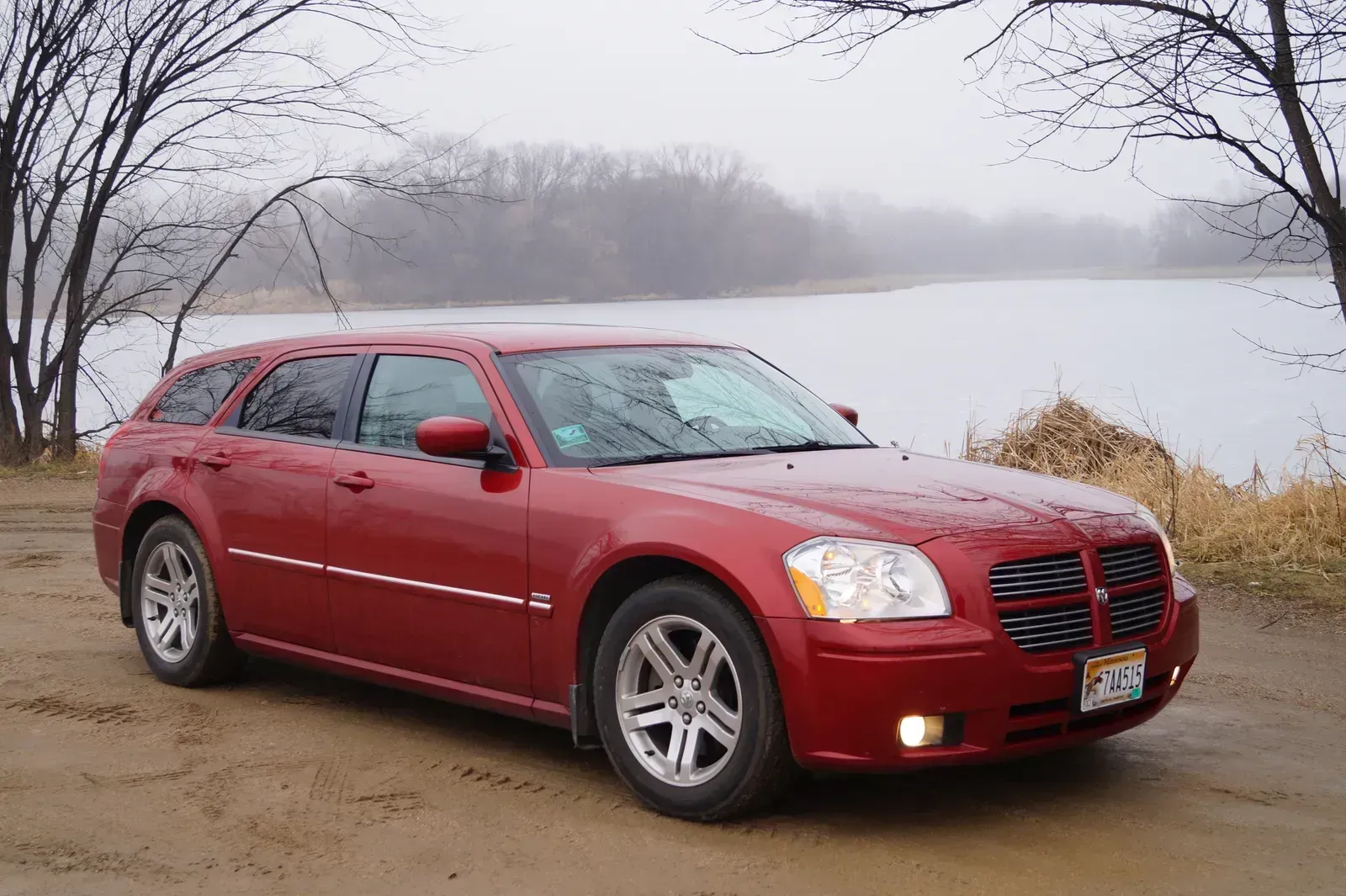
Side mirrors stick out from the car body, so they are exposed to the sky on several sides. The car’s metal body holds more heat, and the cabin can stay warmer for a while after parking. Mirror housings are thin and have little thermal mass, which means they lose heat quickly.
Glass also emits infrared very efficiently. A mirror therefore cools fast and can drop below the dew point earlier than thicker or better insulated parts. Roofs and hoods behave similarly for much the same reasons, which is why they often collect dew too.
Wind, Shelter and Parking Spot

Light wind matters more than people expect. Calm air lets a thin cold layer form next to a surface, and that layer is where condensation develops. A steady breeze mixes warmer air in and often prevents dew, though very light air can still allow it.
Shelter changes the picture a lot. A car under a tree, a carport or an eave sees less open sky, so it radiates less heat to space and stays warmer. A car parked in an open lot is the one most likely to wake up wet.
Dew, Frost and the Freezing Line
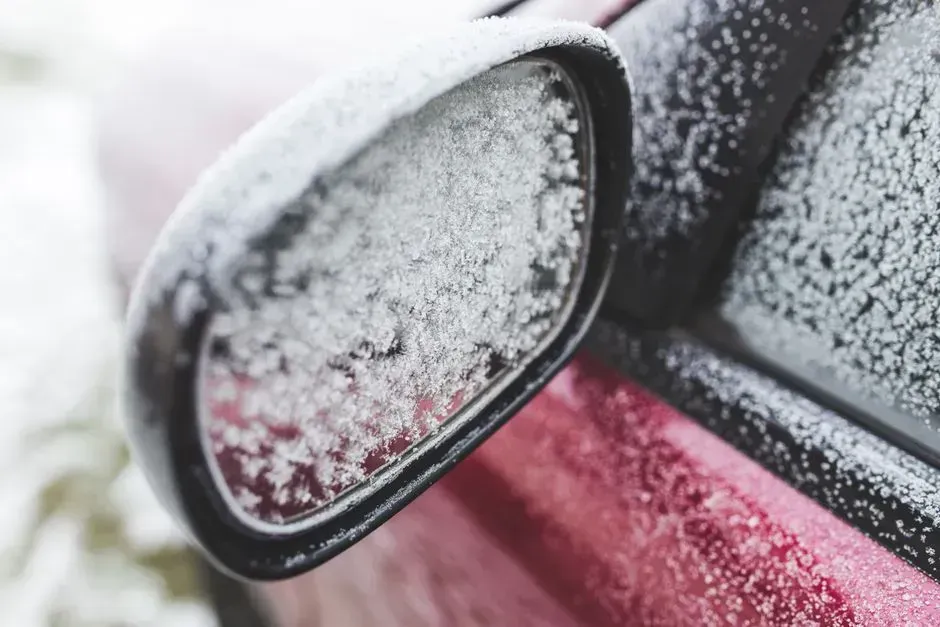
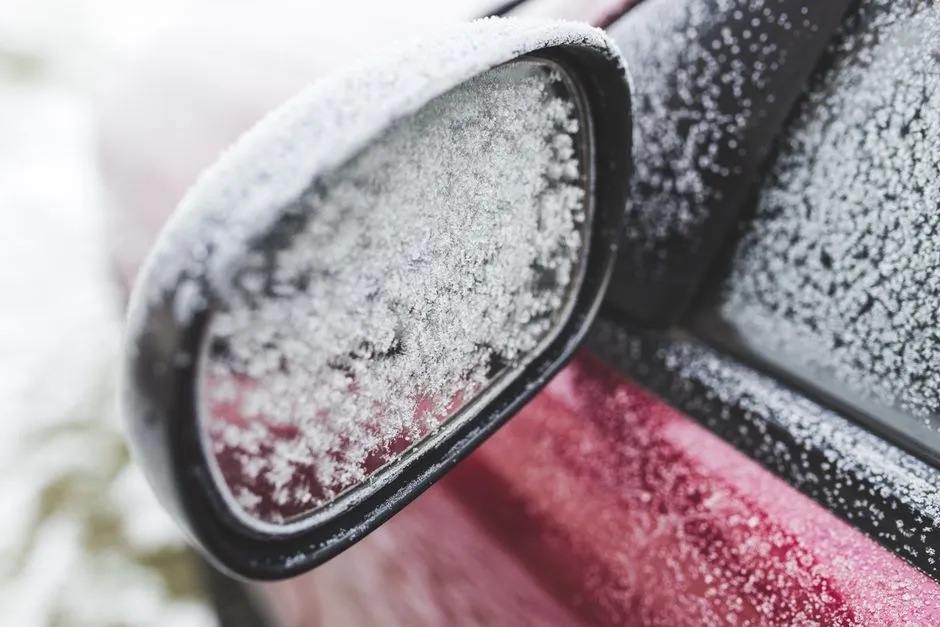
When the surface temperature falls below freezing, the same process can produce frost instead of dew. Water vapor then deposits directly as ice crystals, which is why mirrors sometimes show a fine white coating. Frost can form even when the air temperature reads a degree or two above freezing.
That is why weather services issue frost advisories based on forecast lows near the mid-thirties Fahrenheit under clear, calm conditions. The air reading alone doesn’t tell you what the exposed surfaces are doing. Mirror glass is a good example of that gap.
Practical Ways to Reduce Fogging
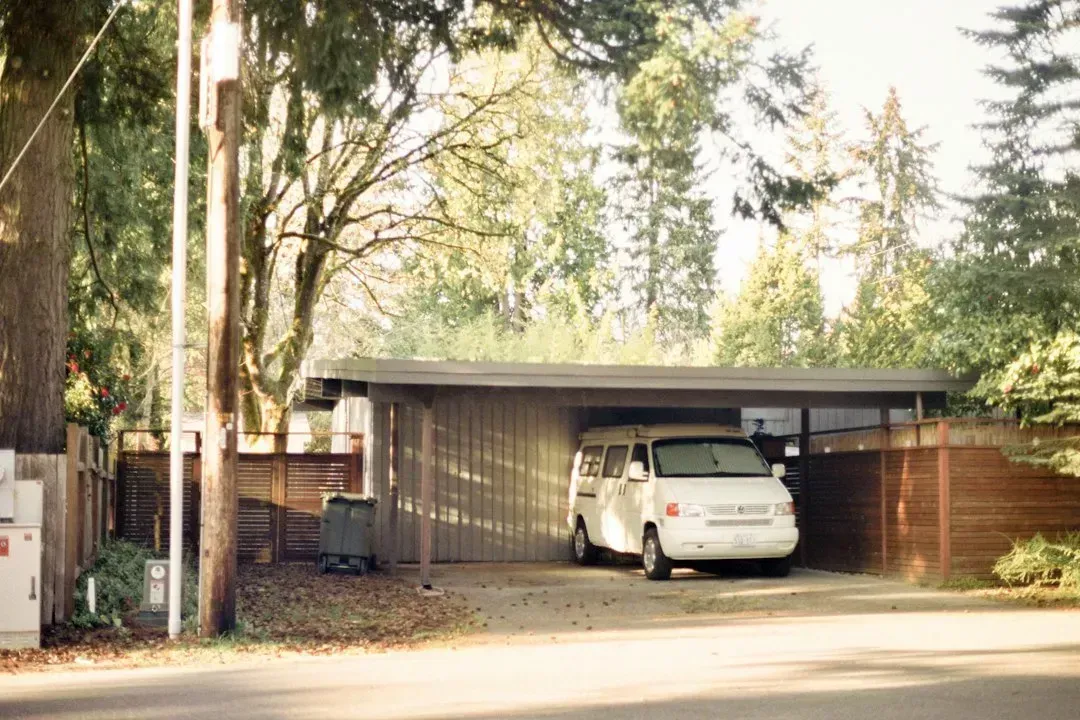
The simplest fix is to block the view of the sky. A carport, garage or even parking beneath a tree will cut radiative loss and usually keeps mirrors drier. Mirror covers work on the same principle, since they add an insulating layer between the glass and the open sky.
Many modern cars also have heated mirrors, which warm the glass above the dew point within a minute or two. Hydrophobic glass treatments can help water bead and clear faster, though they don’t stop condensation from forming. A clean microfiber cloth remains the cheapest, most reliable option.
Why the Same Physics Matters Beyond Cars
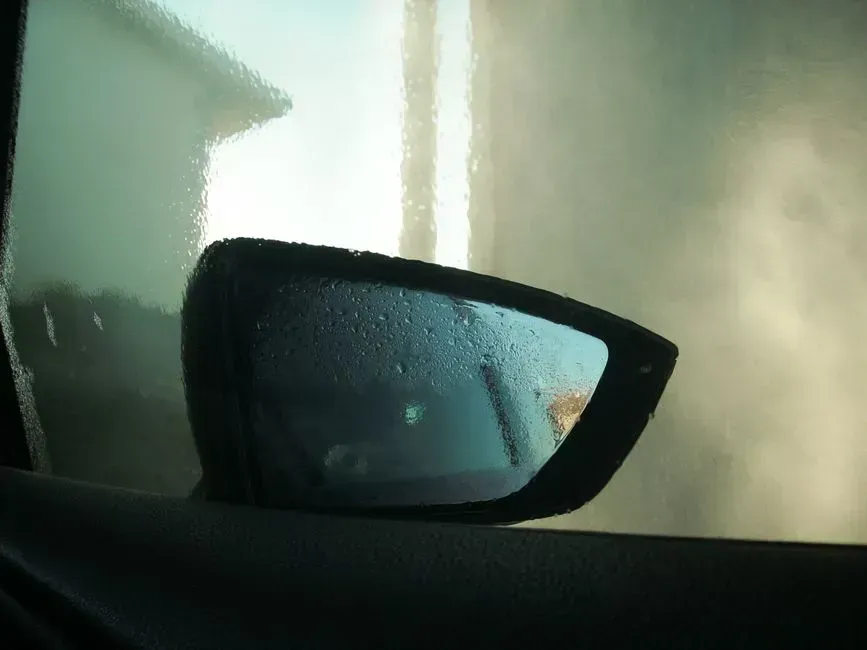
Radiative cooling is more than a morning annoyance. Researchers have studied special materials that reflect sunlight and emit heat to space so effectively that they stay cooler than the surrounding air, even in daylight. These designs are being explored for building cooling and energy savings.
Other groups are working on dew harvesting panels that collect drinking water from the air using the same effect. Your foggy mirror is a small, everyday version of that process. It’s the sky pulling heat away from glass, one clear night at a time.
