

The year 2025 opened with scenes that felt almost apocalyptic. Entire neighborhoods in Los Angeles reduced to ash, smoke columns visible from space, and hundreds of thousands of people scrambling to leave their homes with little more than what they could carry. What unfolded in Southern California was not a typical wildfire season gone slightly wrong. It was a structural rupture, a glimpse into what researchers have been warning about for years.
The fires were no anomaly. They arrived at the intersection of record drought, accumulated vegetation, and near-historic Santa Ana winds. Taken together, the conditions created something researchers now struggle to describe without invoking the word “unprecedented.” The science connecting these events to a warming climate has never been more direct, or more urgent.
The Scale of the January 2025 Disaster
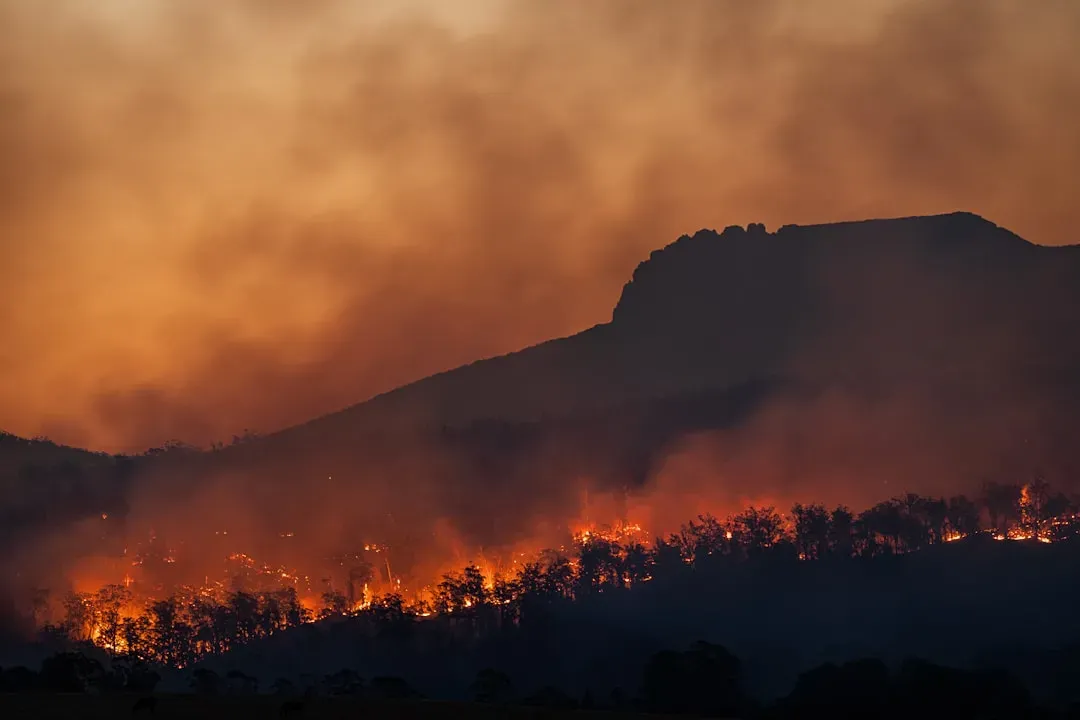
From January 7 to 31, 2025, fourteen destructive wildfires affected the Los Angeles metropolitan area and San Diego County, exacerbated by drought conditions, low humidity, a buildup of vegetation from the previous winter, and hurricane-force Santa Ana winds that in some places reached 100 miles per hour. The speed at which those fires moved through densely built communities shocked even experienced fire professionals.
The wildfires killed at least 31 people, forced more than 200,000 to evacuate, destroyed more than 18,000 homes and structures, and burned more than 57,529 acres. Most of the damage came from the two largest fires: the Eaton Fire in Altadena and the Palisades Fire in Pacific Palisades, both of which were fully contained on January 31. Rankings from the California Department of Forestry and Fire Protection indicate that the Eaton Fire was the second most destructive fire in state history, and the Pacific Palisades fire was third.
What Made These Fires So Extreme
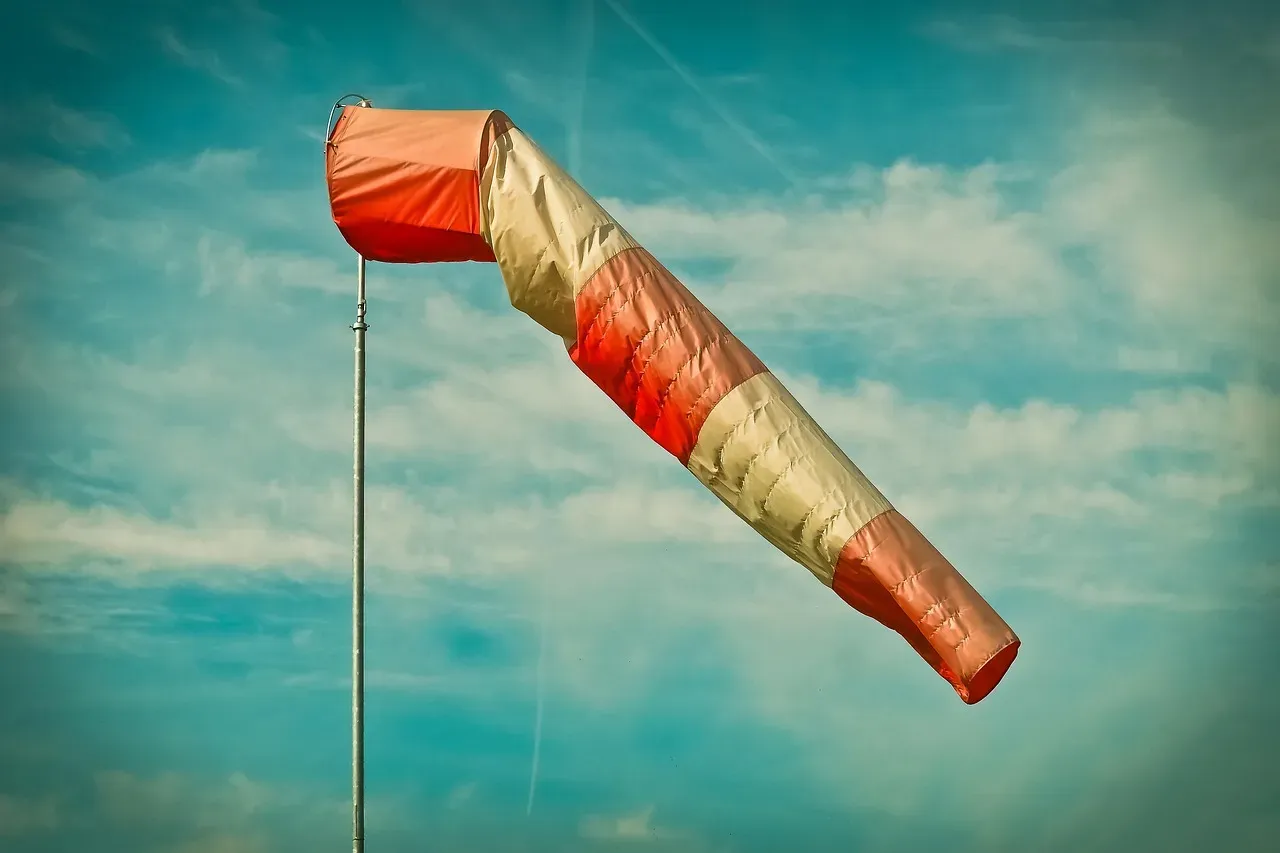
Research points to a combination of compounding factors: a buildup of fuels from 2022 to 2024, followed by a very warm summer in 2024, winter rains that largely failed to materialize in November and December, and on top of all that, a nearly unprecedented Santa Ana wind event that proved critical for the rapid spread of wildfires beginning January 7, 2025.
Just before the fires broke out, the fuel moisture content of small-diameter woody vegetation was under 10 percent, far below average for mid-winter, a sign the landscape was extremely flammable. A separate rapid attribution analysis by the World Weather Attribution team found that the long-term global warming trend of 1.3 degrees Celsius increased the intensity of the extreme fire weather conditions of early January by about 6 percent.
A Catastrophe Measured in Dollars and Demolished Lives
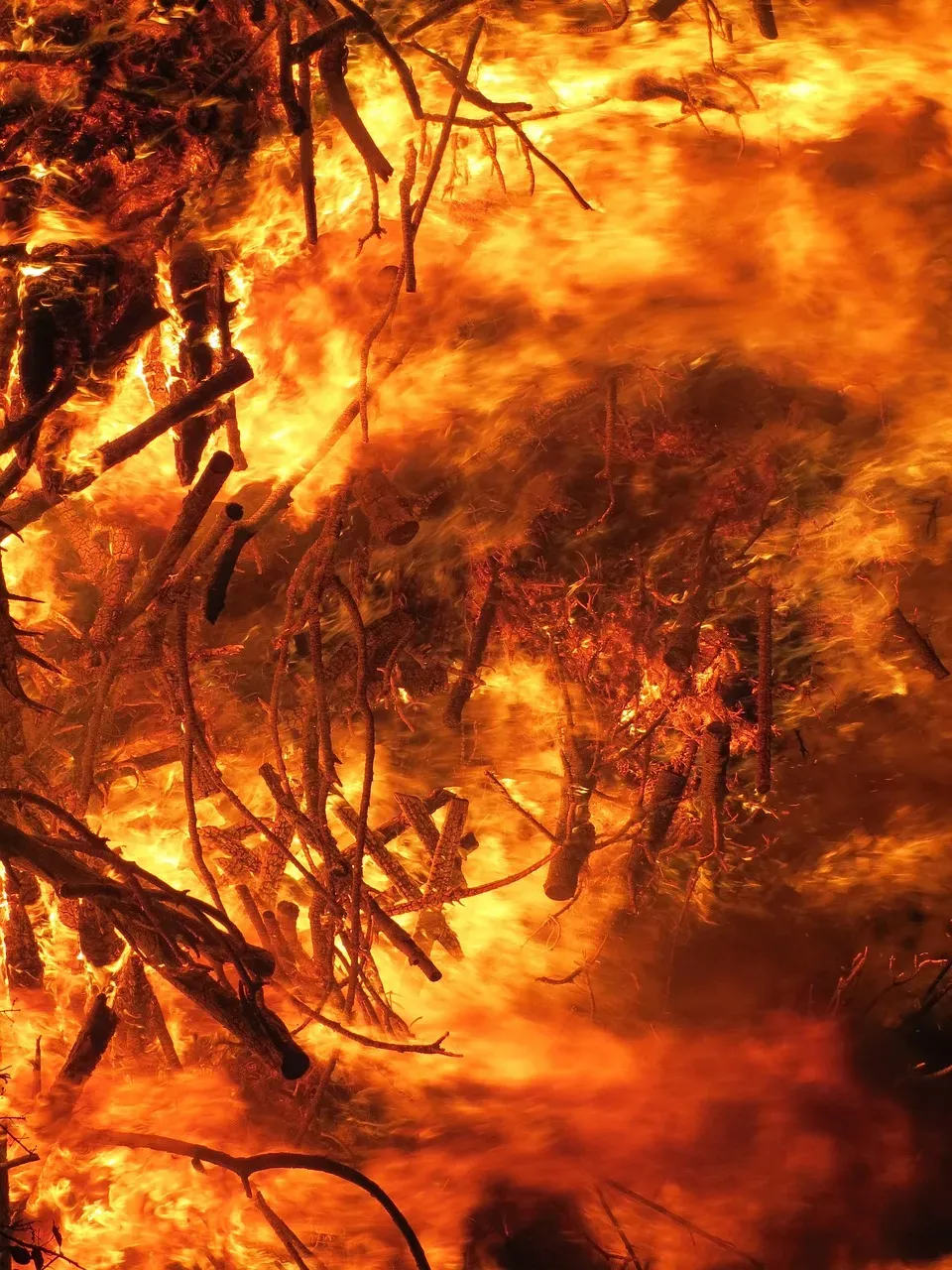
The financial impact of the LA fires was immense. Economic damage estimates range from $250 billion to $275 billion, placing the 2025 LA wildfires among the most expensive natural disasters in American history. The California Department of Insurance estimated insured losses at around $30 billion, while the disruption of the fires caused an economic activity decline estimated at $4.6 billion, representing a drop of nearly half a percent in California’s GDP.
The property insurance market, already under strain in California, was further destabilized. FAIR Plan coverage expanded roughly three times over since 2021, and private insurance companies still in the market began making double-digit rate increases. For many residents, the financial damage extended far beyond what any policy could cover.
The Hidden Death Toll
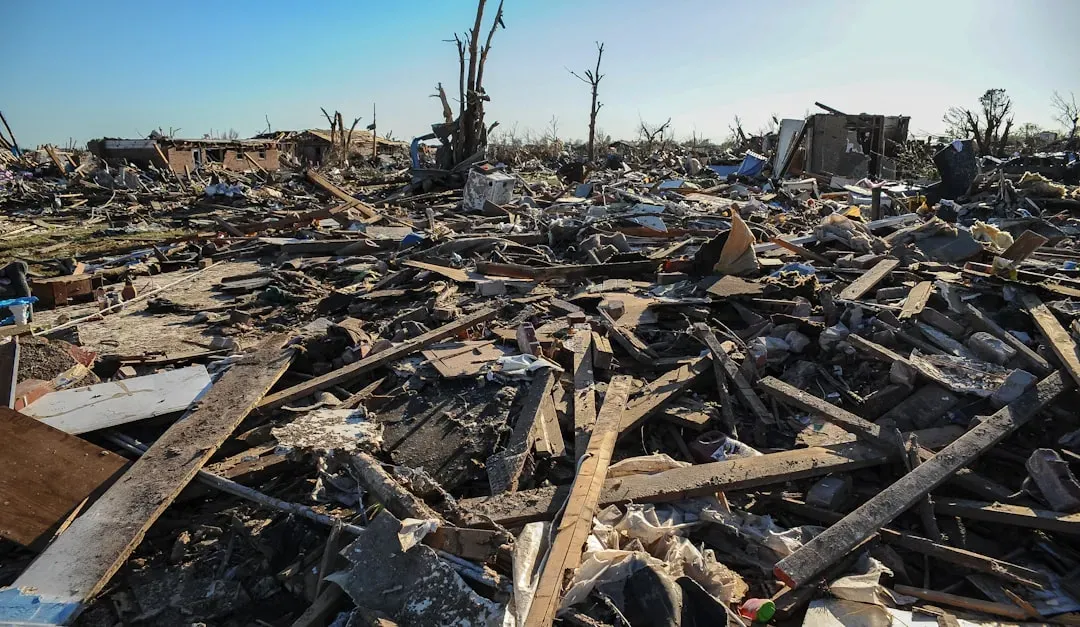
The official death toll from the January 2025 wildfires in Los Angeles County lists just 31 fatalities, but a new study estimates the actual number is closer to 440. The extra deaths stem not just from flames; smoke, air pollution exposure, disrupted healthcare, and stress on the medical system all played a part in the excess mortality.
Analyzing weekly all-cause death counts from January 5 to February 1, 2025, researchers observed 6,371 actual deaths, compared to 5,931 expected deaths, reflecting a 7 percent increase in mortality as the fires swept through the county. In August 2025, researchers from Boston University’s School of Public Health and the University of Helsinki published that study through the American Medical Association, connecting up to 440 deaths to the wildfires.
Wildfire Smoke as a Public Health Emergency
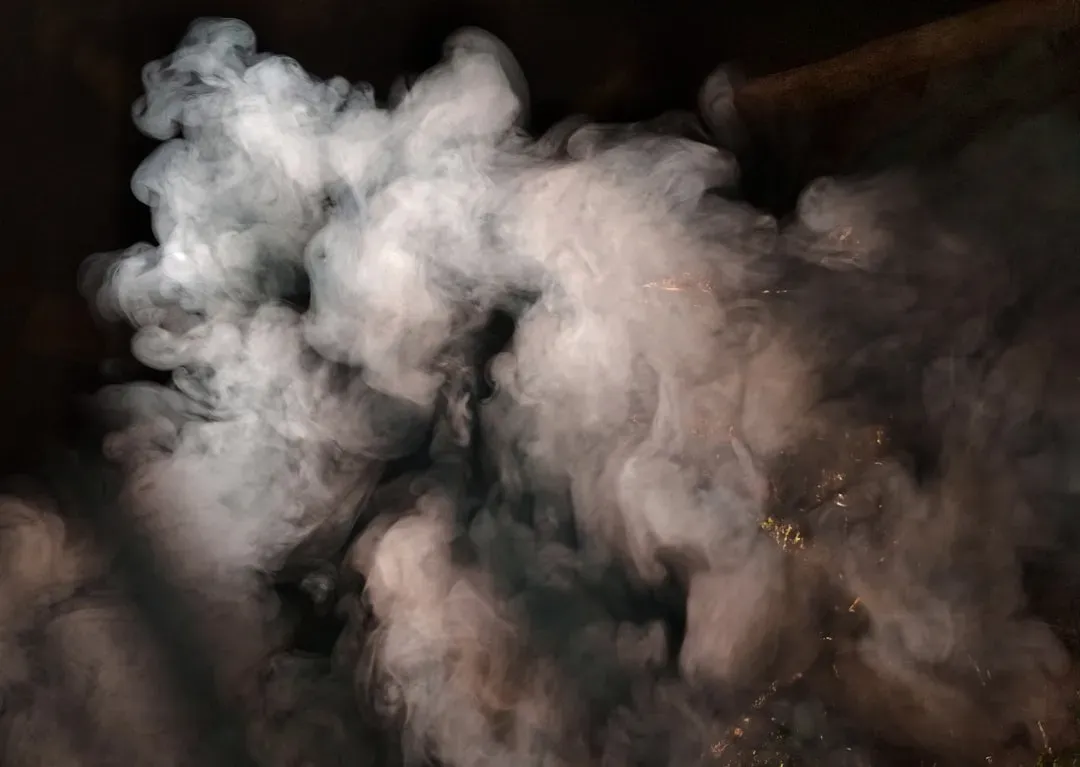
Emerging research shows that climate change is making wildfire smoke and the related health effects measurably worse. Per-person exposure to harmful wildfire smoke in the U.S. was four times higher during 2020 to 2024, on average each year, than during 2006 to 2019. That shift is not subtle. It represents a fundamental change in what Americans breathe.
Research is beginning to link exposure to fine particulate matter pollution from wildfire smoke with dementia, Alzheimer’s, preterm birth, lung and brain cancer, and other illnesses. People with pre-existing conditions such as lung and heart disease are more vulnerable to the effects of wildfire smoke. Other researchers estimate that wildfire smoke already kills roughly 40,000 Americans each year, a figure that could rise sharply by 2050 if carbon emissions remain on their current trajectory.
The Global Wildfire Season: A Planet on Fire
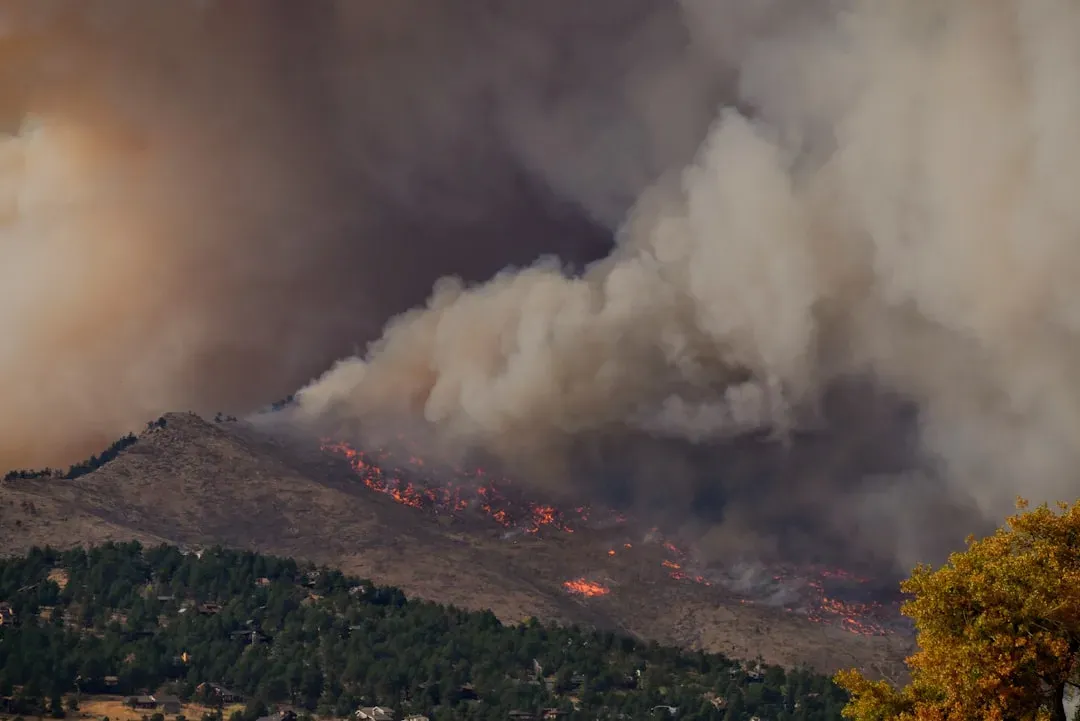
Wildfires scorched 3.7 million square kilometers of land globally between March 2024 and February 2025, an area larger than India. Over 100 million people were affected, with damages to homes and infrastructure estimated at $215 billion. The LA fires were the most visible, but they were far from alone.
Fires released over 8 billion tonnes of carbon dioxide during that period, about 10 percent above the long-term average, driven by intense burning in South America and Canada. A new scientific assessment from the State of Wildfires 2025 report, led by experts from the UK Centre for Ecology and Hydrology, the UK Met Office, the University of East Anglia, and the European Centre for Medium-Range Weather Forecasts, confirms that climate change significantly intensified wildfire seasons across the Americas.
What the Research Says About Climbing Risk
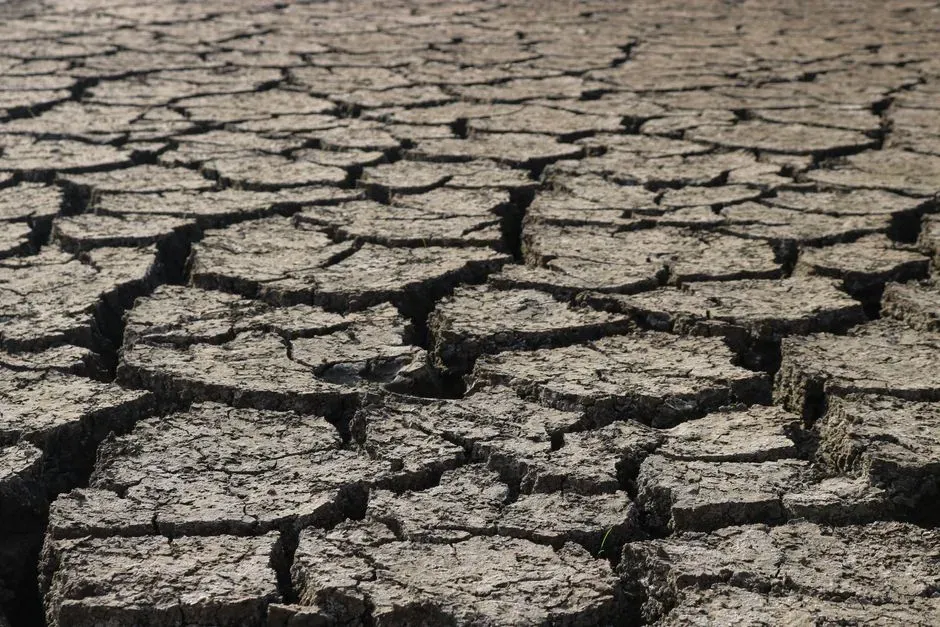
During the 2024 to 2025 fire season, fire-related carbon emissions totaled 2.2 billion tonnes of carbon, 9 percent above average and the sixth highest on record since 2003, despite below-average global burned area. Extreme fire seasons in South America’s rainforests and Canada’s boreal forests pushed up the global total.
Models project that events on the scale of 2024 to 2025 will become up to 57 percent more frequent in Northeast Amazonia under a medium-high emissions scenario by 2100. Critically, climate action can limit that added risk, with frequency increases held to below 15 percent under a strong mitigation scenario. The numbers are stark: what happens in carbon policy today directly shapes how often these events occur in the coming decades.
Carbon Budgets and the Paris Agreement Under Pressure
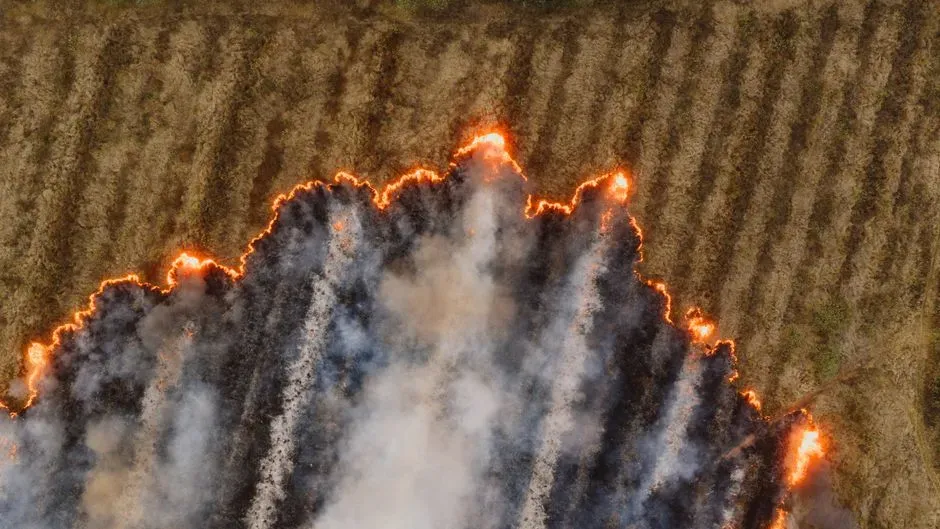
Research published in early 2026 suggests that including permafrost thaw and fire-related carbon emissions reduces the remaining allowable carbon budgets from 2025 onward by roughly a quarter for avoiding 1.5 degrees Celsius of warming, and by about 17 percent for avoiding 2.0 degrees Celsius. Wildfires, in other words, are eating into the margins scientists had calculated for safe emissions levels.
Wildfires are a major source of carbon dioxide emissions. Researchers found that carbon emissions from forest fires increased by roughly 60 percent globally between 2001 and 2023. Fire emissions from boreal forests in Eurasia and North America nearly tripled during that same period, driven by a warmer, drier climate. This creates a feedback loop that makes the problem self-reinforcing.
Fire Seasons Are Getting Longer Everywhere
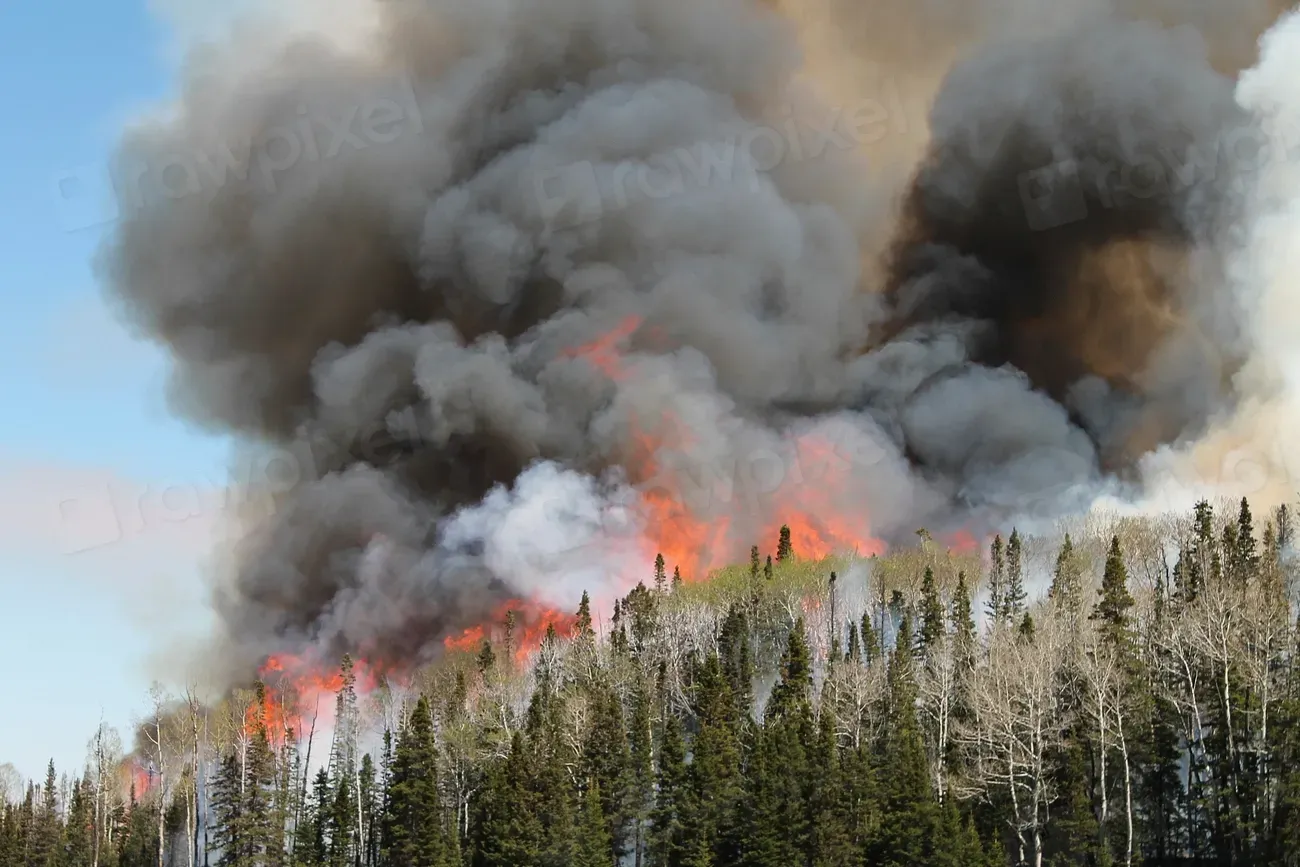
Warmer nighttime temperatures are a major contributing factor, allowing fire activity to persist overnight. Parts of the Western United States, Mexico, Brazil, and East Africa now have fire seasons that are more than a month longer than they were 35 years ago. A month may not sound like much, but in fire terms it represents a dramatic expansion of the window when catastrophic fires can ignite.
From January 7 to January 22, 2025 alone, satellites detected more than 200 fire alerts over Los Angeles, which is 130 times the average during the same period from 2012 to 2024. That figure captures something numbers alone rarely do: January is not supposed to be wildfire season in Southern California. Climate models predict significant expansion of fire-prone regions into areas previously thought to be unaffected.
The Urgency for Policy and Climate Action
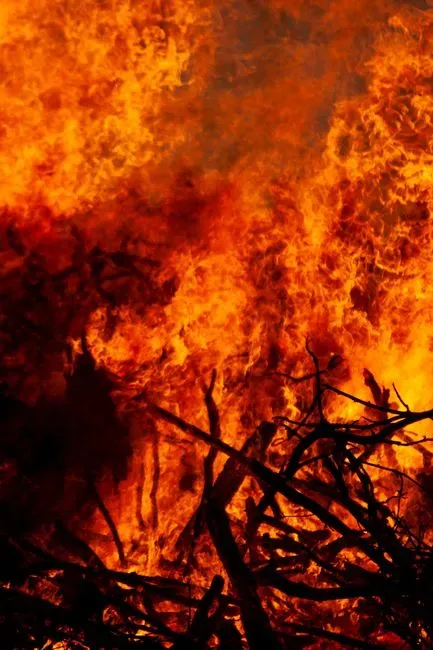
Even as climate change fuels more frequent and intense wildfires, governments can reduce the damage and protect lives with proactive, targeted actions. That means strengthening policies that guide where and how we build, investing in land and fuel-management strategies, supporting Indigenous leadership, expanding emergency-response capacity, and accelerating emissions reduction.
Based on current understanding of fuel moisture and fuel loads, the January 2025 fires would still have been extreme without climate change components, but would have been somewhat smaller and less intense. Continued climate change is inevitable over coming decades, and so is the expectation of even more intense wildfires when all the necessary conditions align: fuel abundance, dryness, extreme winds, and ignitions. The policy implication is plain. Reducing emissions will not stop future fires, but it will determine how bad they become.

- The Shoreline Sucked Dry in Seconds – 5 Tsunami Signals Beachgoers Mistake for Low Tide - November 14, 2026
- 9 Dark-Sky Destinations Around the World Where the Stars Look Unreal - November 14, 2026
- The Fault Line That Never Slips – 7 Locked Seismic Zones Overdue for a Massive Release - November 14, 2026
