


- Phantom Energy Sucking Power 24/7 – 7 Home Electronics Quietly Inflating Utility Bills - November 14, 2026
- A Million-Mile Storm Raging for Centuries – 6 Violent Weather Wonders in Our System - November 14, 2026
- Animals Flee Hours Before the Tremor – 7 Natural Warnings Before Disasters Strike - November 14, 2026
A magnitude 7.0 earthquake struck northern Tibet late on Thursday, October 22, 2026. It hit a high, thinly populated part of the plateau. Early reports were sparse, and the picture has changed as Chinese authorities have released figures.
This article breaks the event into seven parts, from the timing and location to the response and the history behind it. Details are still being updated, and agencies disagree on a few numbers. Where they differ, both figures are noted.
When and Where the Quake Struck

The earthquake struck at about 10:33 p.m. local time on Thursday, Oct. 22, according to the China Earthquake Networks Center. Its epicenter was in a county within Nagqu, about 250 miles north of Lhasa, Reuters reported.
The US Geological Survey gave a slightly different location. It put the epicenter 119 miles east-northeast of Nagqu, in a sparsely populated, high-altitude area of northern Tibet. Agencies often report slightly different coordinates in the first hours after a large quake.
Magnitude and Depth

Preliminary Chinese measurements put the quake about 6 miles (10 kilometers) underground, which makes it a shallow earthquake. Shallow quakes tend to cause stronger shaking at the surface.
The USGS measured it differently. It put the depth at 11 miles, while Xinhua, citing the China Earthquake Networks Center, put it at 6.2 miles. Both agencies agree on the magnitude of 7.0 in the reports available so far.
Casualties and Collapsed Homes

At least 16 people were killed and 54 were injured, Chinese state media said. Eleven of the injured were in serious condition and 35 had minor injuries, according to the Nagqu media office. These numbers could change as assessments continue.
The damage to housing was heavy. At least 339 homes and 20 livestock sheds collapsed, and search and rescue efforts continued. Xinhua said the full extent of the damage was still being assessed.
The Rescue and Relief Response

More than 1,600 people from the local county were deployed for rescue efforts. A rescue team was also sent to the epicenter.
Aid arrived in the region quickly. The supplies included 1,000 prefabricated housing units, around 3,000 tents and folding beds, flashlights and winter clothing. The China Earthquake Administration activated a level II emergency response, its second-highest tier, CGTN said.
A Harsh, High-Altitude Setting

The China Earthquake Networks Center said the average elevation within 5 kilometers of the epicenter exceeds 4,800 meters. At that height, rescue work is hard, and cold nights add to the danger for people who have lost their homes.
The remoteness also limited the number of people exposed. The USGS-based reporting said moderate to severe shaking affected an area home to about 132,000 people. The remote location also limited exposure to hazards such as landslides and liquefaction.
Why the Tibetan Plateau Shakes
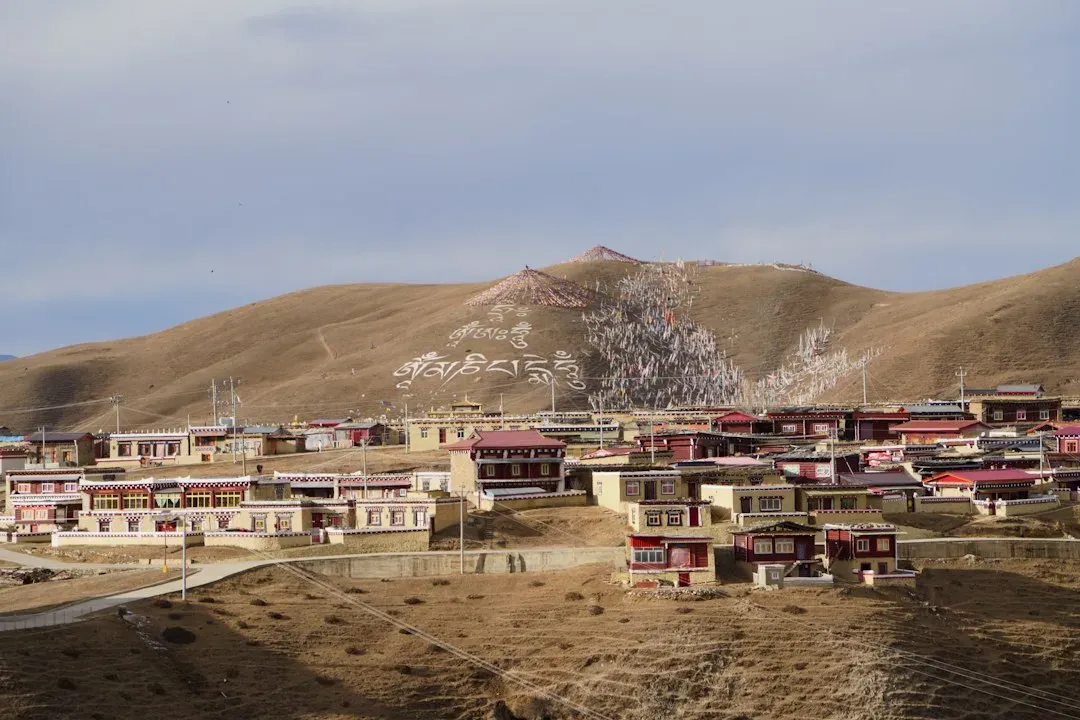
The USGS said the quake came from normal faulting within the Tibetan Plateau. That region is shaped by the collision of the Indian and Eurasian plates. That collision continues today, with the Indian Plate pushing beneath Eurasia.
Normal faulting means the crust is being pulled apart, not squeezed together. This kind of extension is known on the plateau. I won’t speculate about aftershock patterns here, since the available reports don’t give details.
How It Compares With Recent Disasters
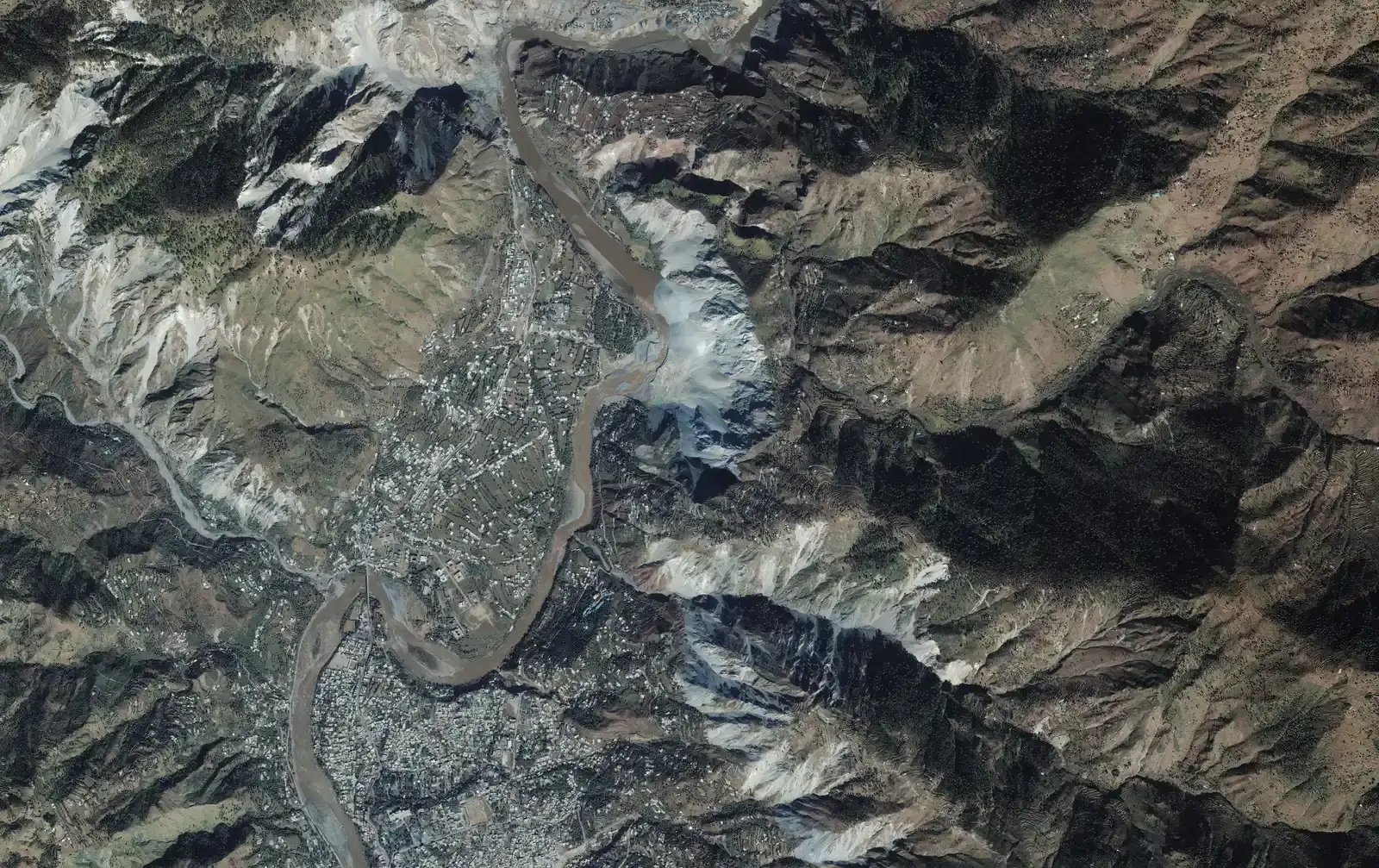
CCTV called it the biggest earthquake in the region in the last five years. The January 2025 quake near Dingri in Shigatse was far deadlier. At least 126 people were killed and 188 injured in that 7.1-magnitude quake, according to Chinese state media and the USGS.
Residents then blamed building quality for some of the toll. They said the flimsy construction of homes near the epicenter was one reason for the high number of casualties. This quake also comes roughly two months after a catastrophic flood on the edge of the plateau, near the Nepal border, sparked by a glacier collapse and landslide.
The final toll from this quake isn’t known yet. The early numbers show a serious disaster in a very remote area, with a large relief effort now under way. Figures from Chinese state media and the USGS will likely be revised in the coming days.
