

- Cotton Totes Carry a 20,000-Use Footprint – 6 Everyday Eco-Swaps Worse Than Plastic - November 16, 2026
- Ravens Cooperative-Hunting With Wild Wolves – 7 Surprising Animal Partnerships - November 16, 2026
- Car Mirrors Fogging on Clear Mornings – The Physics of Radiative Cooling - November 16, 2026
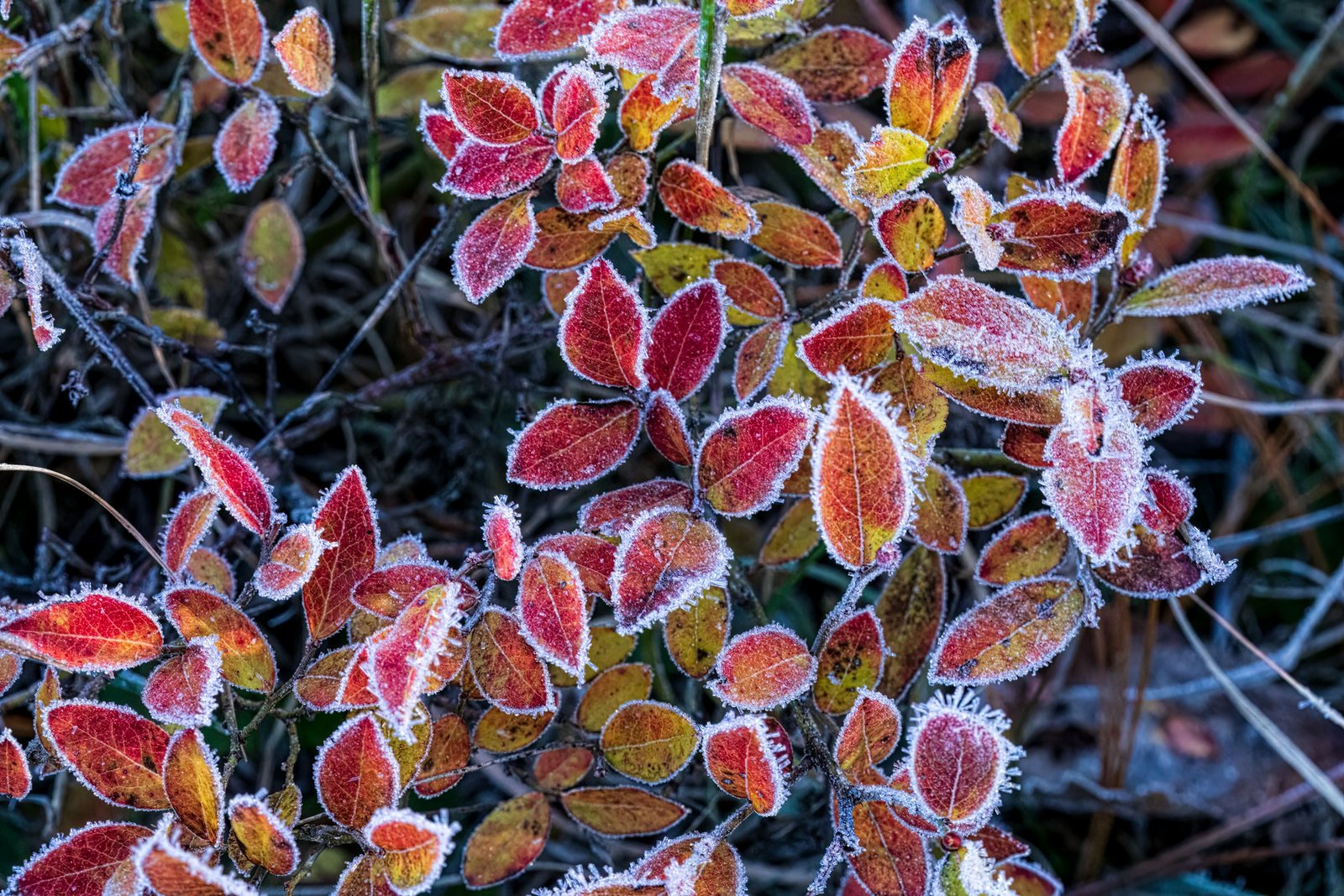
As autumn settles in across the northern United States, cooler nights bring the first touches of frost to gardens and fields. In the Northeast and Midwest, late October often signals the arrival of these initial freezes for many communities, shifting daily routines and signaling the end of the growing season.
Weather patterns vary from year to year, yet historical records show consistent timing in these regions. Residents prepare by covering plants and checking heating systems as temperatures dip.
Typical Timing Across the Northeast
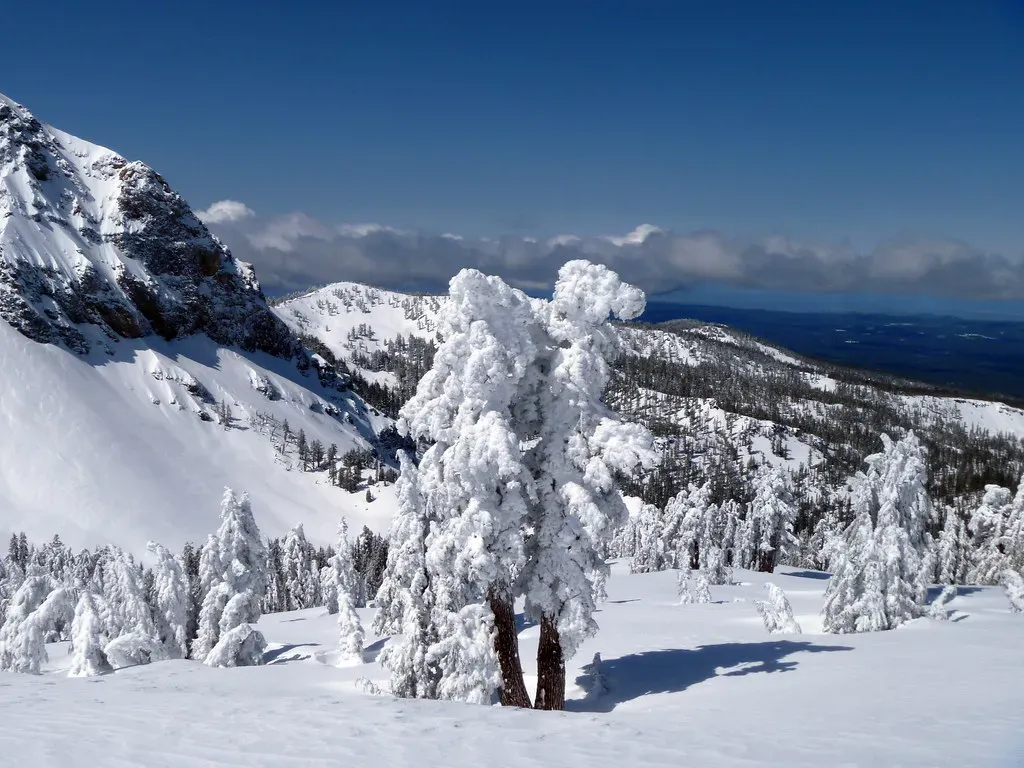
Many cities in the Northeast see their first freeze in mid to late October according to long-term climate normals. Locations like Hartford, Connecticut, and Portland, Maine, often record lows at or below 32 degrees around October 10 to 11 on average.
Coastal areas tend to hold off a bit longer due to the moderating influence of the Atlantic Ocean. Inland spots and higher elevations experience the change sooner, aligning with the broader regional pattern by Halloween.
Midwest Patterns and Examples
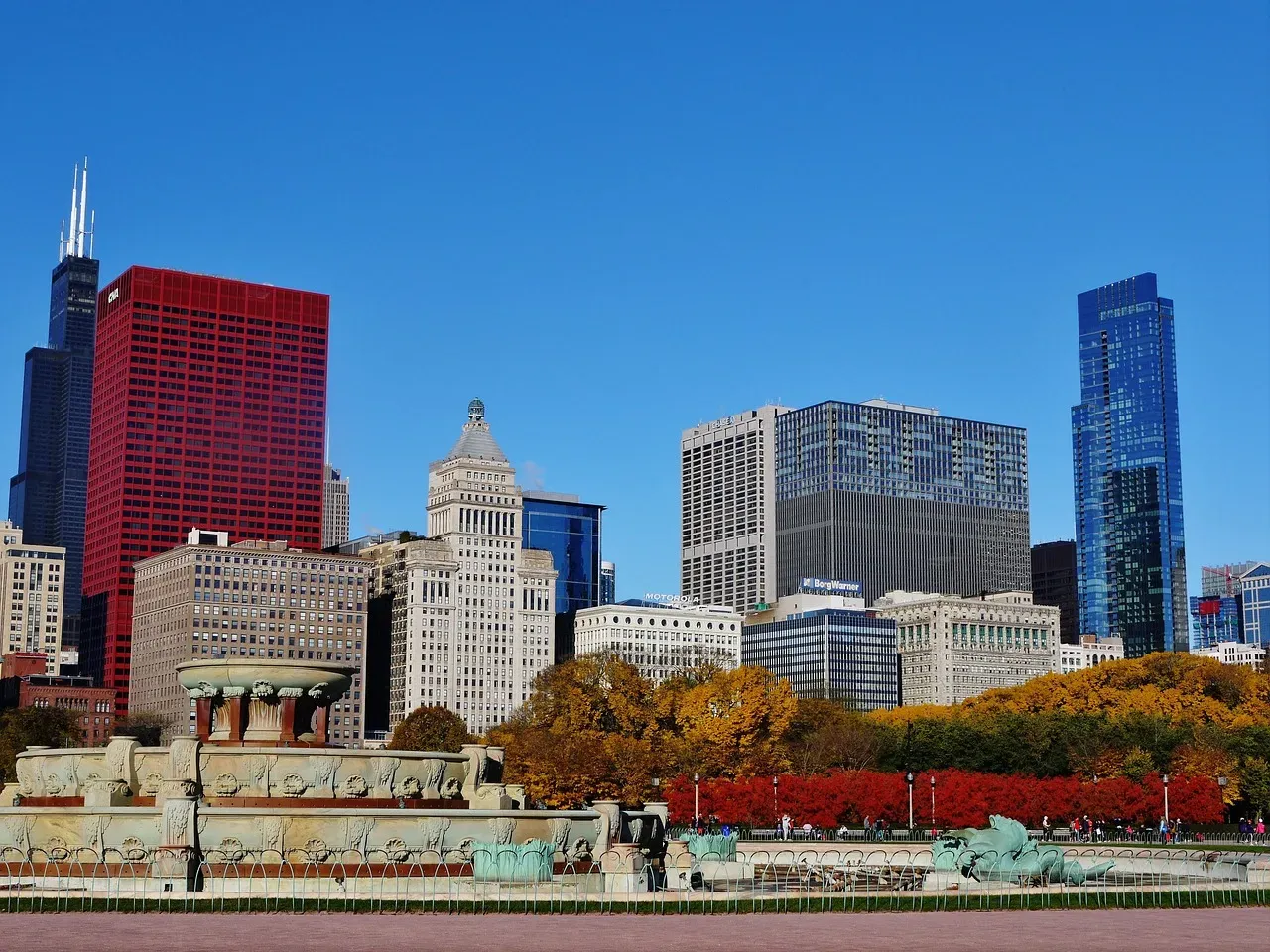
The Midwest follows a similar schedule, with cities such as Chicago and Indianapolis typically reaching the first freeze between October 20 and 24. Minneapolis often sees it earlier, around mid-October, while Kansas City falls in line toward the end of the month.
These dates come from NOAA’s 1991 to 2020 climate normals and reflect median probabilities rather than guarantees each season. Northern parts of the region edge closer to early October in some years.
Influences from Geography and Water Bodies
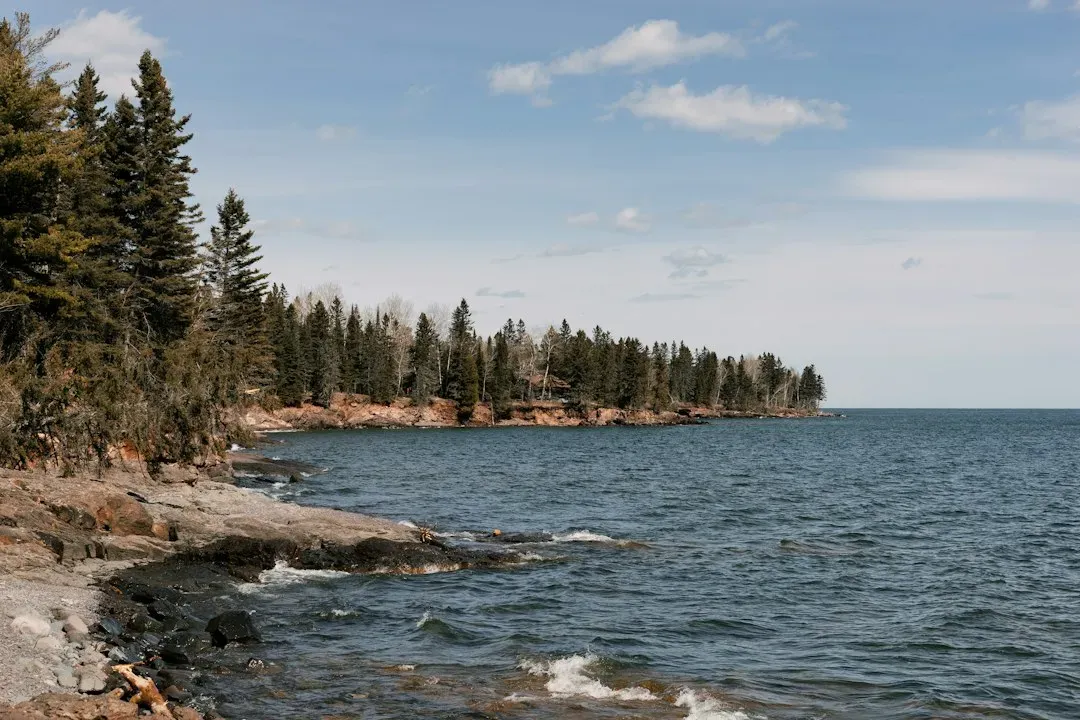
Large lakes like Erie and Michigan help delay freezes in nearby communities by releasing stored warmth overnight. This effect keeps places such as Cleveland a week or two behind inland neighbors in average timing.
Valleys and rural areas cool faster than urban centers, where the heat island effect raises overnight lows. Elevation also plays a role, with higher ground freezing ahead of lower elevations in the same latitude.
Recent Trends and Climate Shifts
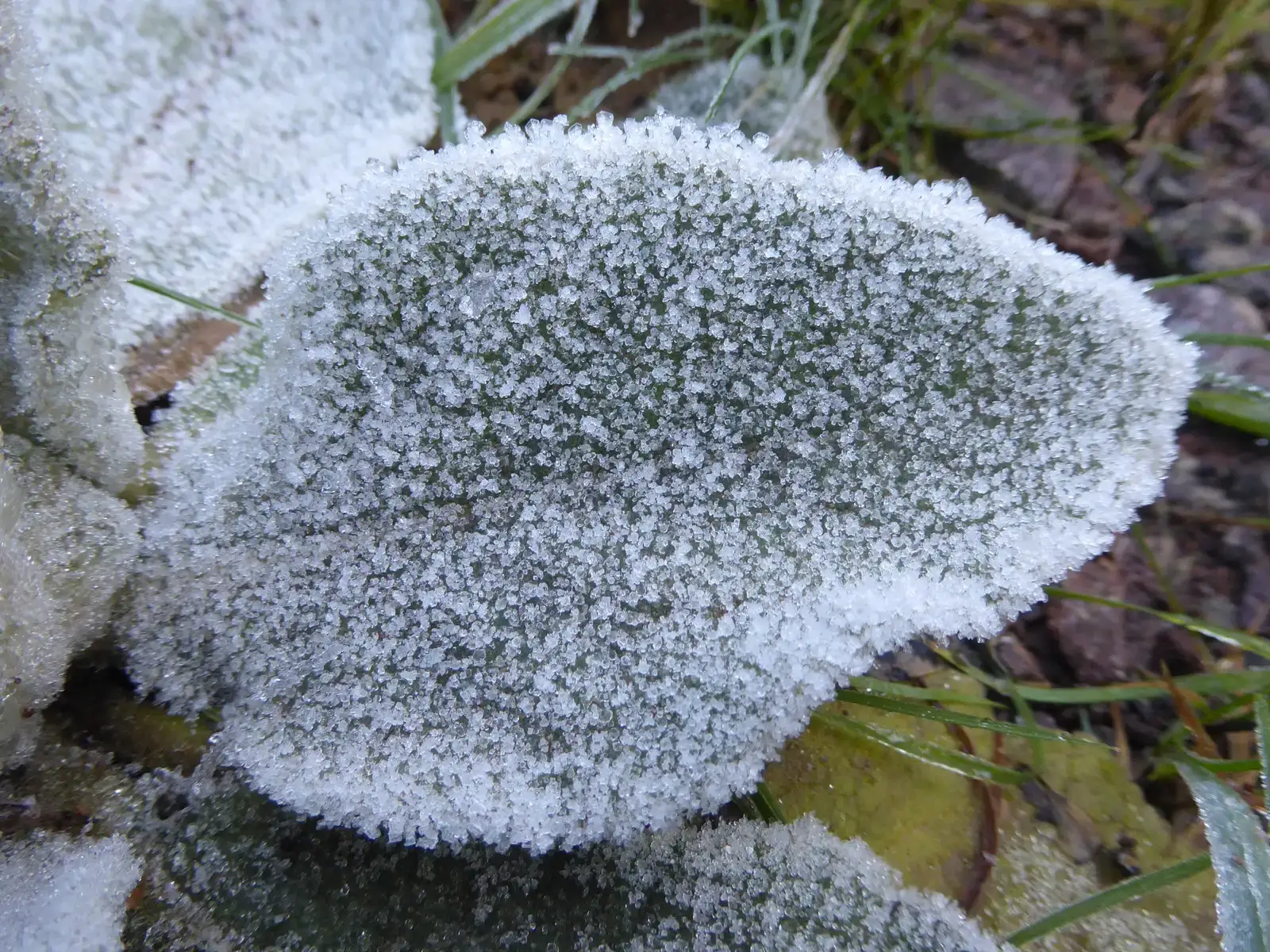
Analyses show the first freeze arriving later in most U.S. cities since the 1970s, with an average delay of about 12 days across 179 locations. The Northeast and Upper Midwest have seen some of the more noticeable shifts in this direction.
Warmer overall conditions contribute to extended growing seasons in many spots. Still, individual years can bring earlier freezes depending on weather systems moving through.
Effects on Local Agriculture
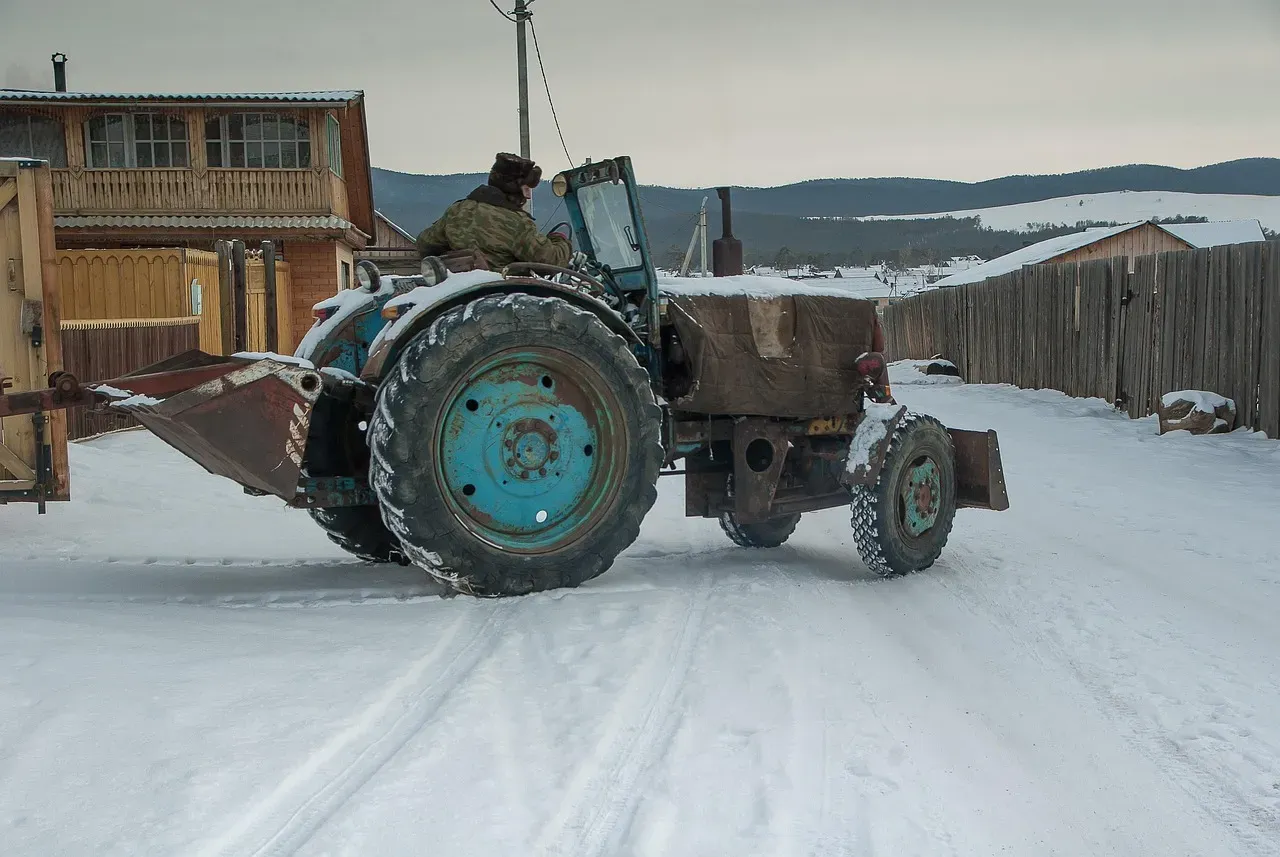
Farmers in these regions watch closely as the first freeze ends the outdoor growing window for tender crops. Harvests of remaining produce accelerate in the days leading up to the expected drop.
Hard freezes at 28 degrees or below, which often follow a week or two later, can damage a wider range of plants and soil. This timing influences decisions on cover crops and field preparations for winter.
Gardening and Home Preparations

Home gardeners pull sensitive plants indoors or apply protective covers once forecasts point to freezing nights. Mulching beds helps insulate roots against the coming cold.
Households also check furnace filters and seal drafts around windows as part of seasonal readiness. These steps become routine by late October in much of the Northeast and Midwest.
Variations Within Regions
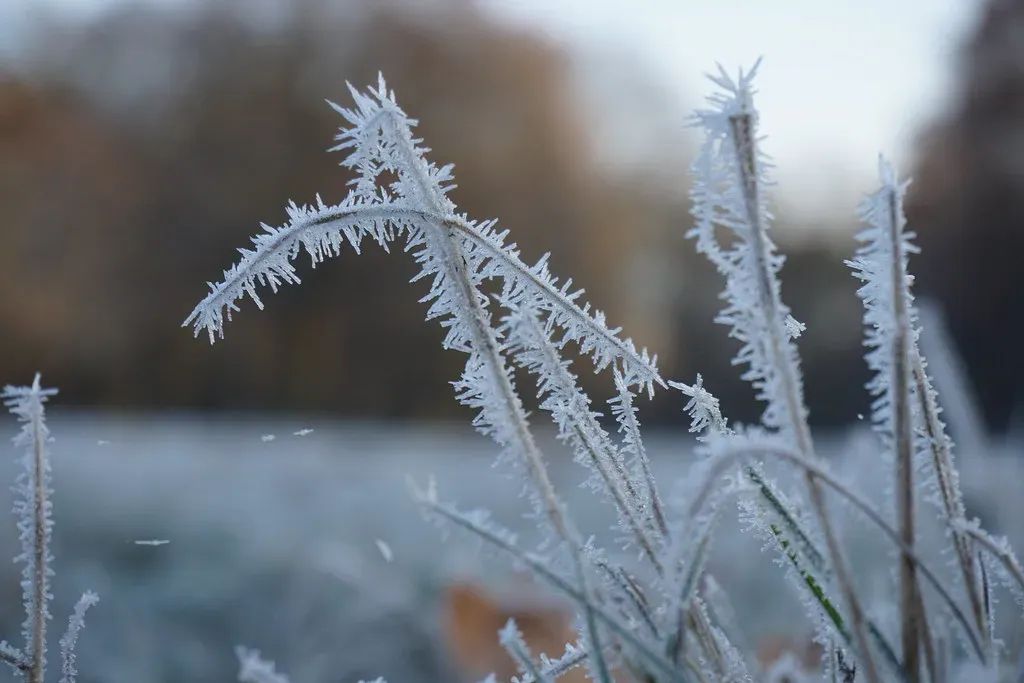
Even within states, differences appear clearly. Upstate New York locations often freeze weeks ahead of New York City, while northern Minnesota sees earlier dates than southern parts of the state.
Urban versus rural divides and proximity to water create microclimates that shift the exact day by several weeks in some cases. Tracking local stations provides the most precise guidance.
Monitoring and Forecasts
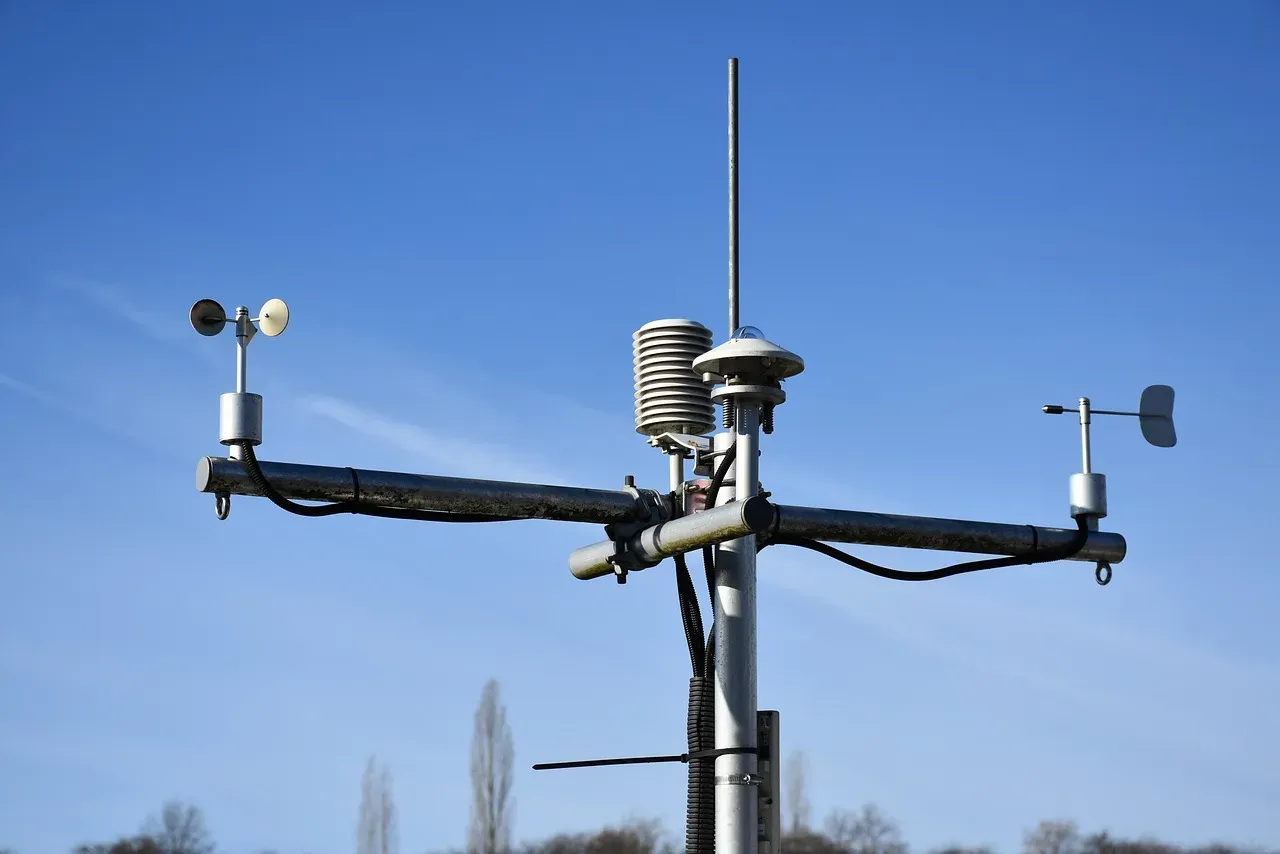
National Weather Service alerts offer reliable advance notice when freezes approach. Tools from regional climate centers allow users to explore historical dates for specific counties.
Staying informed helps both residents and businesses adjust plans quickly. Patterns from past decades serve as a useful baseline even as conditions evolve.
Looking Ahead to the Season
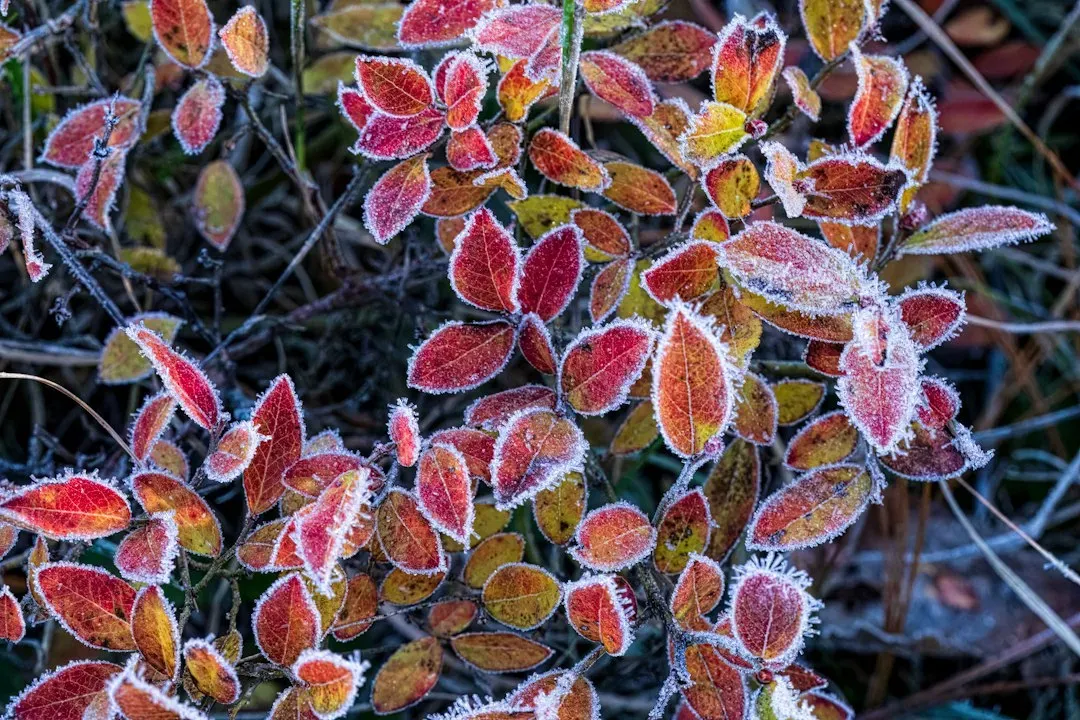
By late October the first freeze has typically touched much of the Northeast and Midwest, wrapping up another growing cycle. This annual marker reminds everyone of nature’s steady rhythm amid changing conditions.
Embracing these shifts brings opportunities to enjoy crisp air and prepare for the months ahead with quiet confidence.
