

- 9 Items Experienced Skywatchers Bring Along That Beginners Always Wish They’d Packed - November 12, 2026
- I Moved to Tornado Alley in Oklahoma – 7 Things I Did Not Anticipate About Storm Season - November 12, 2026
- VR tool shows how rising seas could flood Fort Lauderdale - November 12, 2026
A used electric vehicle battery is not really waste. It holds a dense mix of metals that cost a lot to mine, refine and ship across the world. Recyclers want those metals back in a form that battery makers can use again.
Getting there takes shredding, chemistry and a lot of careful sorting. The results depend heavily on the method, the battery type and the price of the metals involved. Here is how the industry works in 2026, and what it actually recovers.
What Is Inside a Battery Worth Recovering
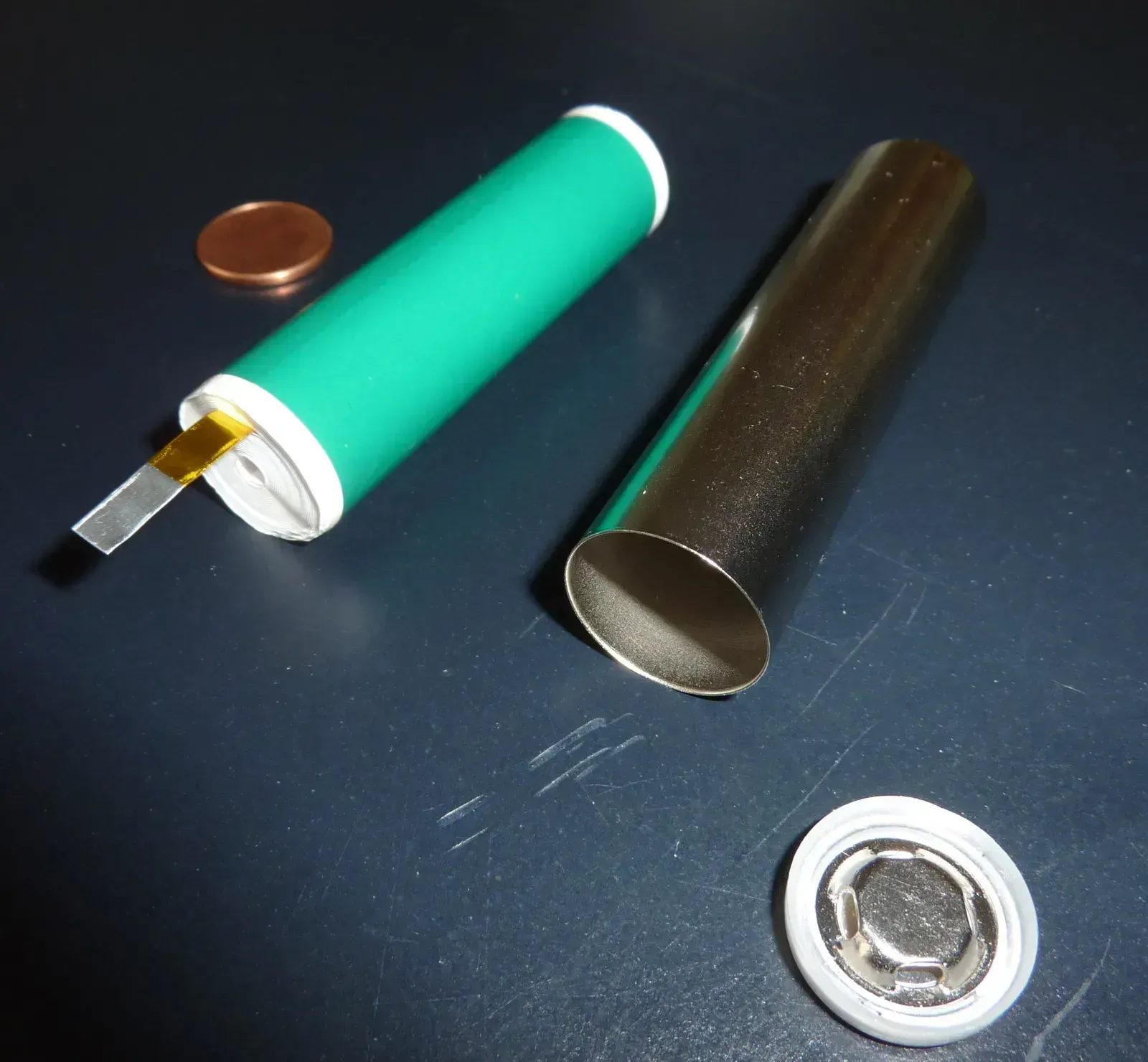
A lithium ion cell contains cobalt, lithium, copper, graphite, nickel, aluminum and manganese, among other materials. Spent battery packs carry a valuable content of these metals, which is why some describe them as a form of urban mining.
The cathode is where much of the value sits. Cathode materials make up roughly a fifth to a quarter of a cell’s weight, while the graphite anode accounts for about a tenth. The exact recipe varies by chemistry, so a phone battery and an EV pack can look very different to a recycler.
The Two Main Stages of Recycling
The process is usually split into two steps. Pre-processing covers discharging, dismantling and mechanical or thermal treatment, and it prepares the material for recovery. Safety matters here, since a charged cell can ignite if it is damaged.
The second step is material recovery, where the metals are separated and purified. The IEA notes that its capacity figures refer to material recovery, which is the harder and more capital intensive part. Pre-processing often produces a powder known as black mass, which feeds the next stage.
Black Mass and What Makes It Tricky

Black mass is a dark mixture of ground cathode and anode material. According to a US patent filing, it holds cobalt and nickel along with manganese, plus contaminants such as iron, aluminum, graphite, copper, lithium and binder polymer. That blend is what recyclers have to untangle.
Its value depends on what is in it. The same filing states that a smelter may refuse black mass with cobalt content under a tenth. As cobalt use falls in newer chemistries, this puts pressure on the economics of the older recovery routes.
Pyrometallurgy: Smelting at High Temperature
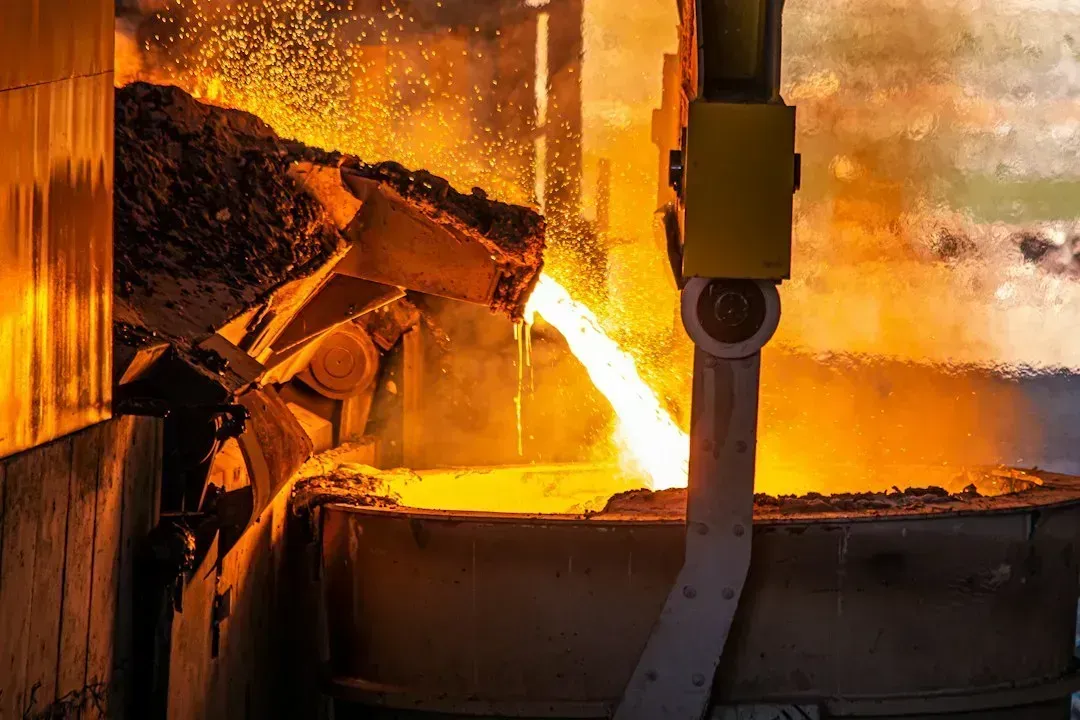
Smelting melts the battery material at very high temperatures. It works well for certain metals, but it primarily recovers metal alloys, typically cobalt, copper and nickel. It handles bulky, mixed input without much fuss.
Lithium is the weak spot. In smelting, lithium tends to be lost in the slag or off-gas streams, and the slag is generally sold to the construction industry, for example as road base. A market research summary also puts typical lithium recovery from thermal routes at roughly half to sixty percent.
Hydrometallurgy: Dissolving and Separating Metals
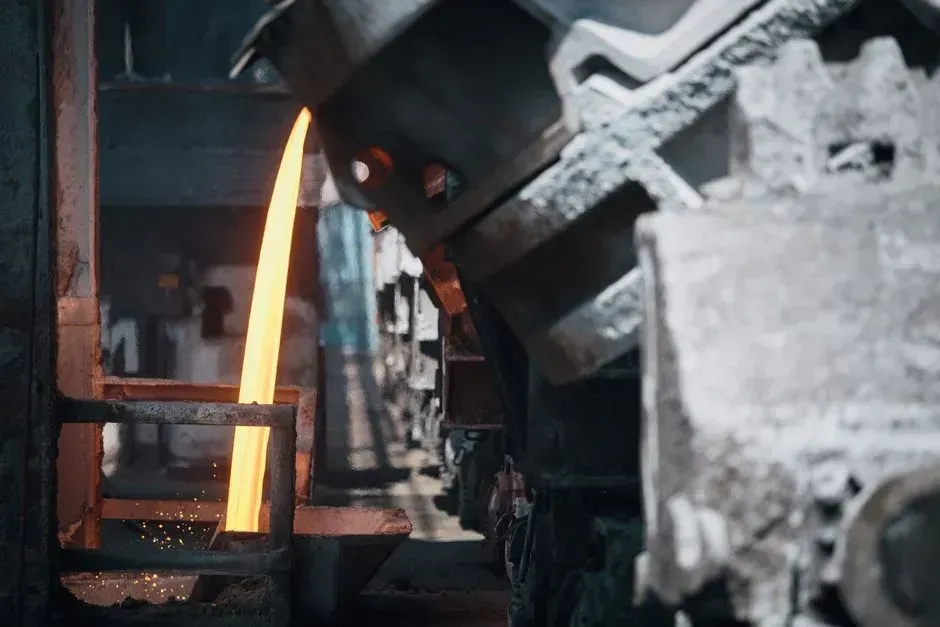
Hydrometallurgy uses acids and other solutions to dissolve the metals and then separate them one by one. One market analysis says it leads the field, with recovery above ninety five percent for cobalt and nickel and around eighty percent for lithium. Those are industry style figures, and real plants vary.
Named recyclers report strong numbers too. A 2025 review states that Umicore reports recovery above ninety five percent for cobalt and nickel, while Brunp reports over ninety nine percent for nickel, cobalt and manganese and over ninety percent for lithium. These are company reported results, so they are best read as the upper end of what is possible.
Cobalt, Nickel and Lithium in the Recovery Mix
Cobalt and nickel have long been the money makers in recycling. Recovery of the two is now routine at large plants, and the recovered metal can be turned into new cathode material. A 2024 study from China estimated that recovered cobalt could meet roughly a quarter to two thirds of cobalt demand, depending on assumptions.
Lithium has been the hard one. It is a small share of cell weight and was often lost in older processes. Europe is now pushing for change, with rules that require ninety percent recovery for cobalt, copper and nickel and fifty percent for lithium by 2028, rising to ninety five and eighty percent by 2032.
Why Iron Phosphate Batteries Change the Math
Lithium iron phosphate, or LFP, has no cobalt or nickel, so there is less to sell. Market research notes that LFP recycling was long seen as uneconomical, yet it is growing as lithium prices stay high enough to justify processing and as LFP nears sixty percent of new EV sales in China. That is a notable shift from only a few years ago.
The IEA also points to storage, noting that LFP made up over ninety percent of global stationary battery storage installations in 2025. Looking ahead, it warns that capacity suited to LFP could be twice the potential supply by 2030 if all announced plants are built. Recyclers will compete hard for these batteries.
Where the Capacity Is and Where the Feedstock Comes From
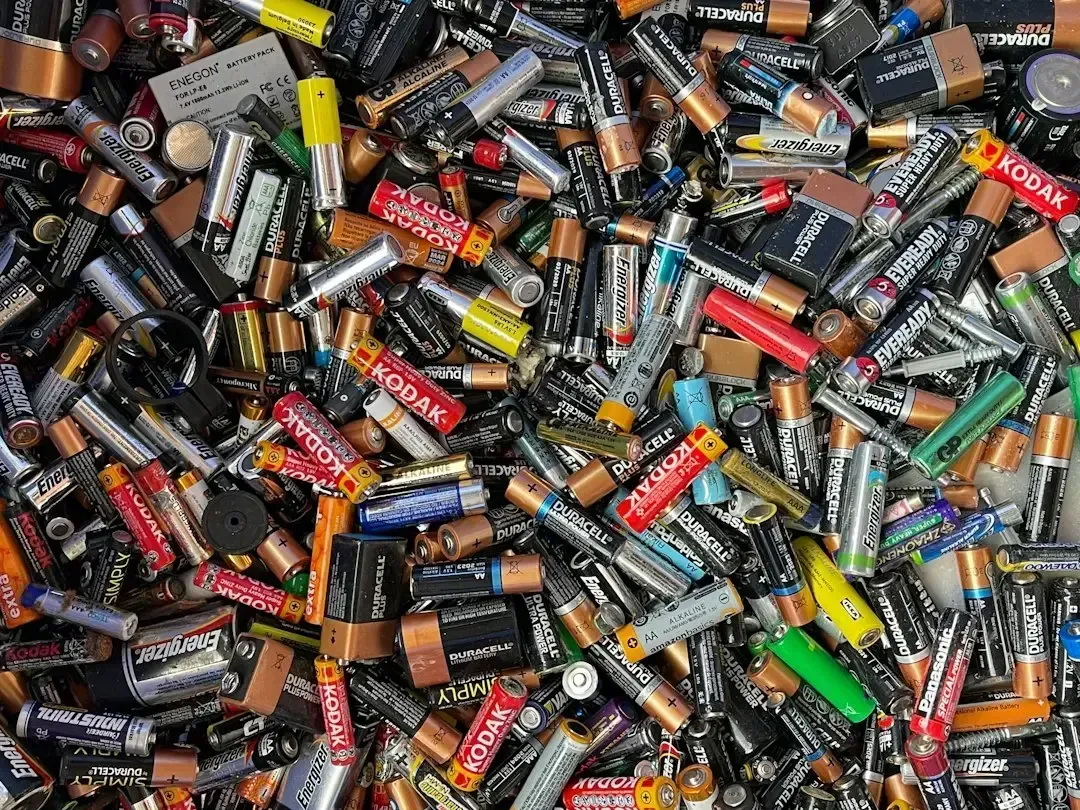
Recycling capacity is concentrated in one country. The IEA’s 2026 outlook says China hosts over eighty five percent of global recycling capacity. In 2023, Europe and the United States each held under two percent.
Supply is a separate problem, because many plants are short of material. The IEA reports that capacity is currently largely in excess compared to available feedstock globally. For now, manufacturing scrap dominates, and end of life EV and storage batteries take over as the largest source from 2035 onward.
New Methods and the Road Ahead
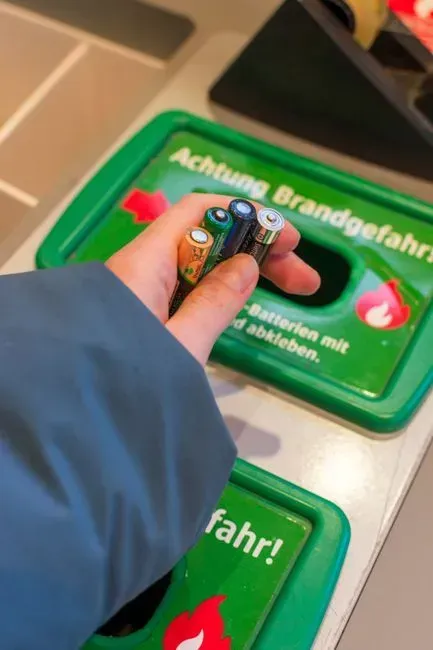
Researchers and companies are working on better techniques. The IEA lists combined smelting and chemical processes, higher recovery of lithium, graphite recycling from anodes and electrochemical extraction among recent advances. Graphite, long treated as a throwaway, is now getting attention.
The volume of batteries on the road keeps climbing. Global EV battery deployment reached 1.2 TWh in 2025, more than seven times the level of 2020. Those packs will eventually return as feedstock, which is why recyclers and regulators are planning for the 2030s now.
