


- The 7 Planets and Moons Scientists Say Would Be the Most Livable for Humans - November 13, 2026
- Sinkholes Swallowing Entire City Blocks – 6 Regions Resting on Dissolving Limestone Beds - November 13, 2026
- Rivers Flowing Backward for Days – 6 Forgotten Quakes That Literally Bent Geography - November 13, 2026
As the calendar turns to early November, many Americans will notice the sun dipping below the horizon well before the workday ends. This shift marks the return of standard time and brings darker evenings across much of the country. The change will happen overnight from October 31 into November 1, 2026.
Clocks fall back one hour at 2 a.m. local time on Sunday, November 1, restoring an extra hour of sleep for most people. Yet the adjustment also moves sunset times roughly an hour earlier on the clock. Cities from the Northeast to the Midwest will see the sun set before 5 p.m. right after the switch.
The Exact Date of the 2026 Change
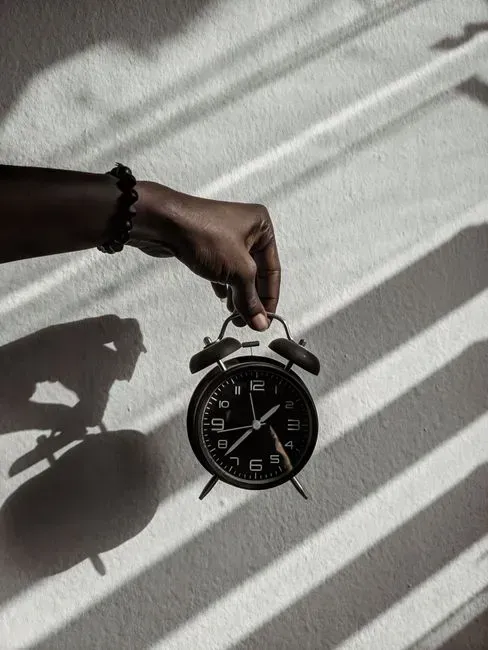
Daylight saving time concludes on the first Sunday in November under current federal rules. In 2026, that date falls on November 1, when clocks will move from 2 a.m. daylight time back to 1 a.m. standard time. The transition follows the schedule set by the Energy Policy Act of 2005.
Most states observe the change, though Hawaii and most of Arizona remain on standard time year round. The Navajo Nation in Arizona does switch clocks. People can adjust manual clocks before bed on Saturday night, while phones and computers update automatically.
How Sunset Times Shift Immediately
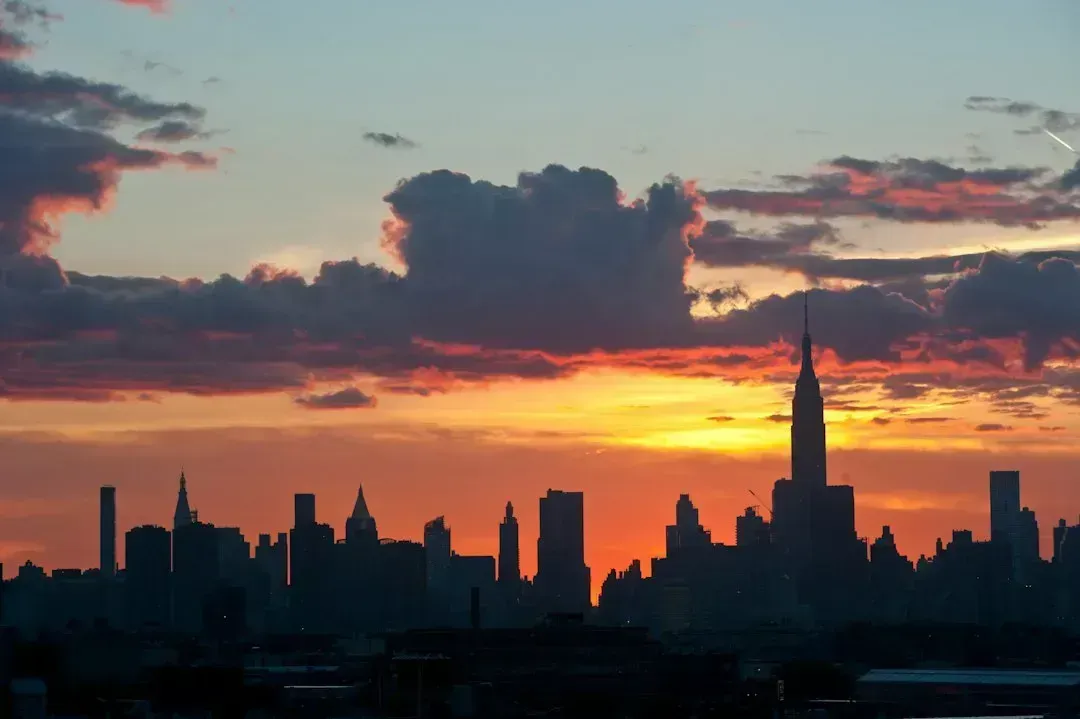
In New York the sun sets at 5:53 p.m. on October 31 but drops to 4:52 p.m. on November 1 according to U.S. Naval Observatory data. Chicago sees a similar jump from 5:46 p.m. to 4:45 p.m. on the same dates. The clock change accounts for most of the difference, with a small additional shift from the season’s natural shortening of days.
Many northern and mid-latitude cities cross below the 5 p.m. mark right away. Boston moves from 5:39 p.m. to 4:37 p.m., while Philadelphia drops from 5:59 p.m. to 4:58 p.m. These earlier sunsets arrive just as people finish work or school.
Regional Variations Across the United States
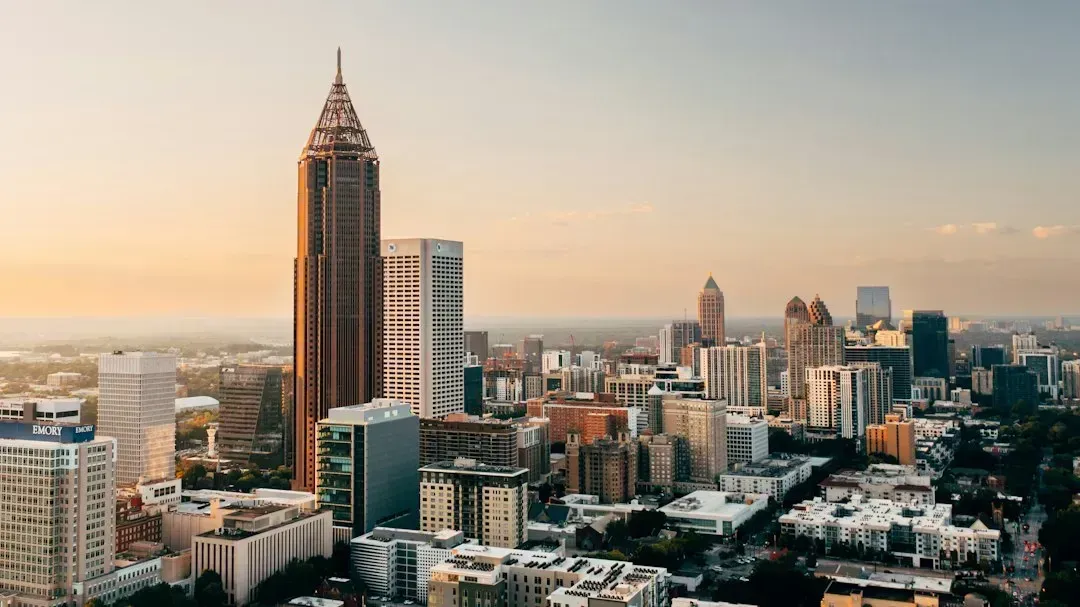
Southern cities experience a milder effect because their sunsets start later even before the change. Atlanta moves from 6:46 p.m. to 5:45 p.m., and Miami shifts from 6:40 p.m. to 5:39 p.m. Both remain above 5 p.m. initially, though darkness still arrives noticeably sooner.
Western locations follow the same pattern adjusted for their time zones. Denver sees sunset move from 5:59 p.m. to 4:58 p.m., while Los Angeles drops from 6:01 p.m. to 5:00 p.m. The one-hour adjustment applies uniformly wherever daylight saving time is observed.
Effects on Evening Activities and Commutes

Commuters heading home after 5 p.m. will encounter darkness much sooner than in the previous weeks. Parents may find after-school sports or playground time cut short by fading light. Outdoor evening errands become less appealing without the extra hour of daylight.
Retail and dining spots that rely on late-afternoon foot traffic can feel the difference. Some people adjust routines by moving walks or runs to earlier hours. The shift also affects visibility for drivers during the evening rush.
Health and Safety Considerations

Earlier darkness can influence mood for some individuals as natural light exposure decreases in the evenings. Sleep researchers note that the extra hour gained can help reset internal clocks temporarily. Still, the overall reduction in evening light may affect energy levels over the following weeks.
Traffic safety data often shows a brief uptick in certain incidents right after the fall change due to reduced visibility. Pedestrians and cyclists benefit from reflective gear and earlier departures. Schools sometimes adjust dismissal or activity schedules to account for the new light patterns.
Historical Background of the Practice
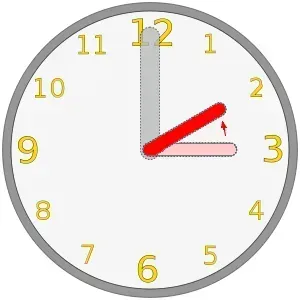
Daylight saving time in its modern U.S. form began during World War I as an energy conservation measure. It was reinstated during World War II and later standardized by federal law. The current March-to-November window dates to 2007 after an earlier extension.
The twice-yearly clock changes have long sparked discussion about their necessity. Proponents cite potential energy savings and more evening light in summer. Critics point to disrupted sleep and the abrupt shift in daily rhythms each spring and fall.
Public Sentiment and Ongoing Discussions

Surveys consistently show divided opinions on whether to keep the biannual changes. Some favor permanent daylight saving time for longer summer evenings. Others prefer year-round standard time to align better with natural light in winter.
Legislative efforts to end the switches continue in Congress. As of late 2026 no permanent change has passed both chambers and become law. The November 1 transition therefore proceeds as scheduled under existing rules.
Conclusion

The return of sunsets before 5 p.m. reminds everyone that seasons change and routines adapt. While the darker evenings arrive suddenly, they also bring the quiet rhythm of winter months. People find new ways to enjoy the light that remains each day.
In the end the cycle always turns, and brighter evenings return with the spring.
