
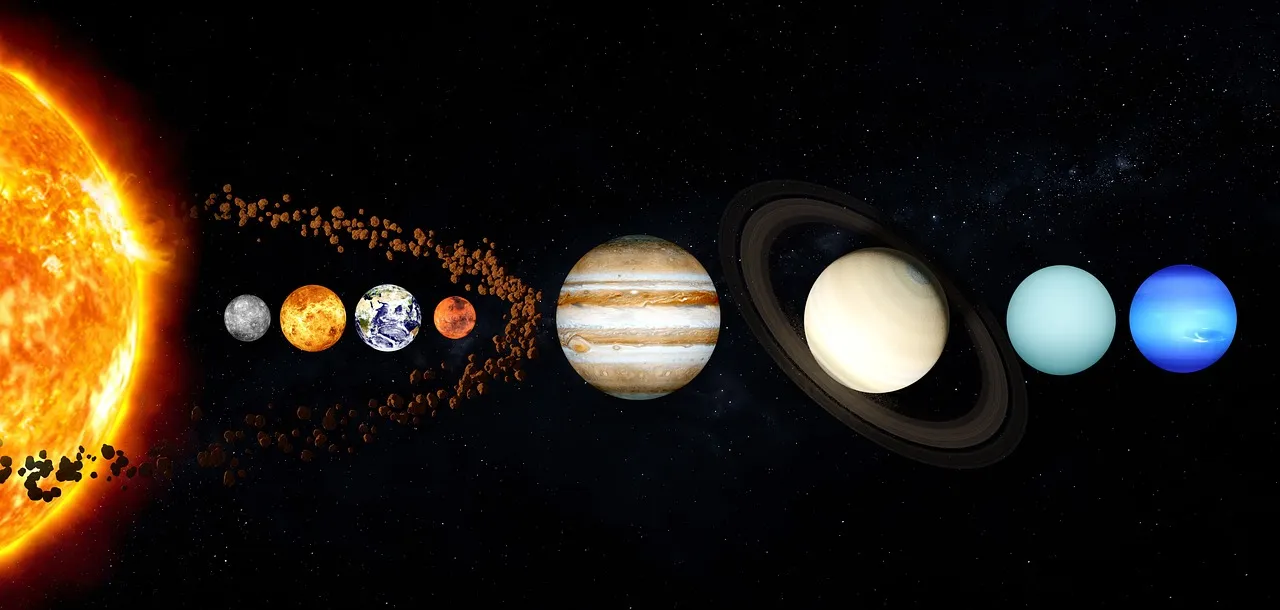
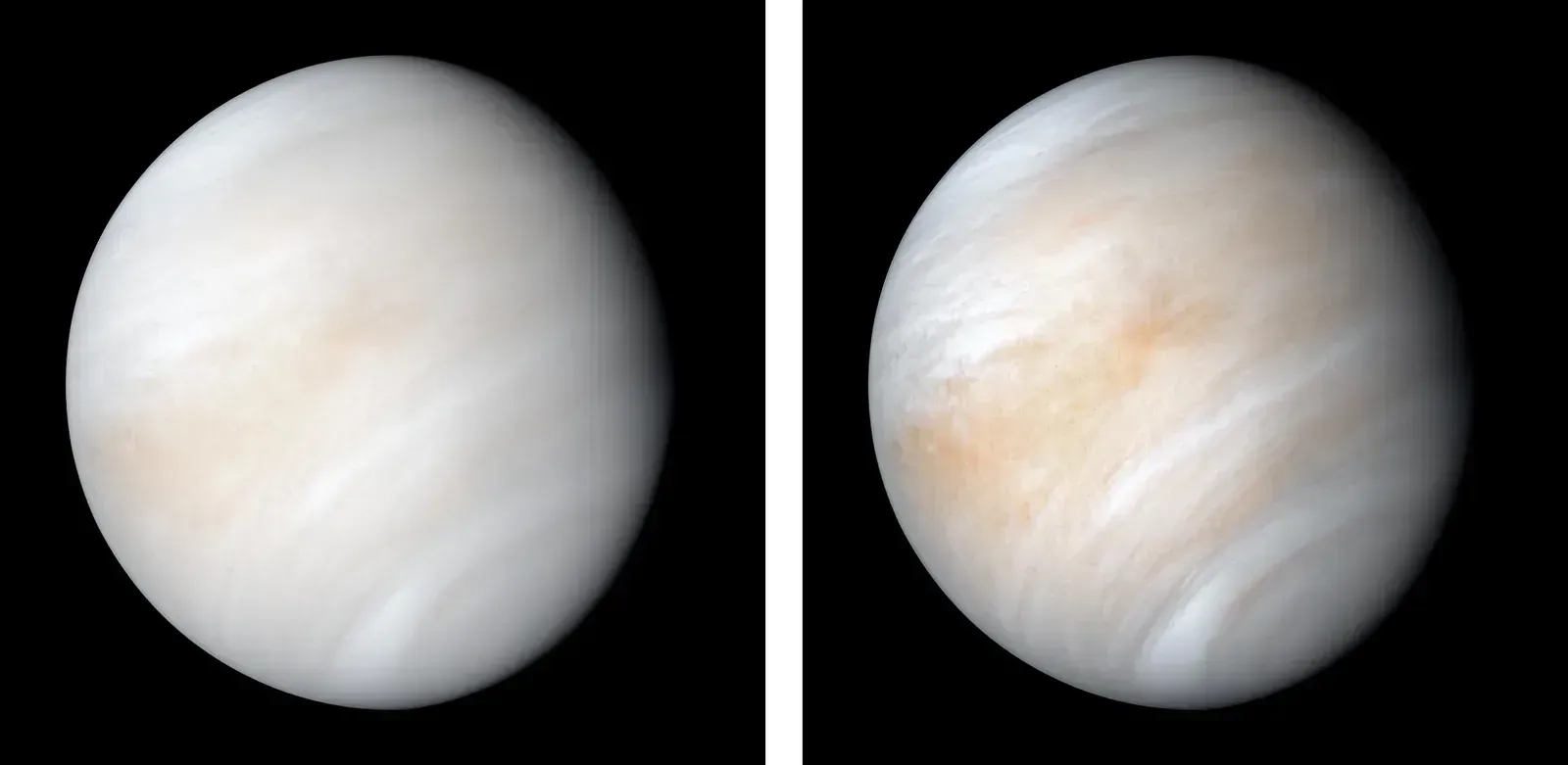
Venus spins so slowly that its rotation is one of the strangest numbers in the solar system. A full turn on its axis takes about 243 Earth days. The planet circles the Sun in roughly 225 Earth days, which means a spin takes longer than a trip around the Sun.
That comparison depends on what you mean by “day,” and Venus makes the question surprisingly tricky. It also spins backward compared with most planets. The details come from decades of radar measurements and, more recently, from careful work that has tightened the numbers.
The Two Numbers Behind the Claim
Venus has a sidereal rotation period of about 243 Earth days, measured against the distant stars. Its orbital period, the length of its year, is about 225 Earth days. The gap between those figures is roughly eighteen days, enough to make the planet’s spin the longer of the two.
This is why the headline holds up. If a “day” means one full rotation relative to the stars, Venus takes longer to complete one than to loop around the Sun. NASA’s planetary fact sheets list both values, and they have stayed consistent across recent updates.
Why Sunrise to Sunrise Is Shorter
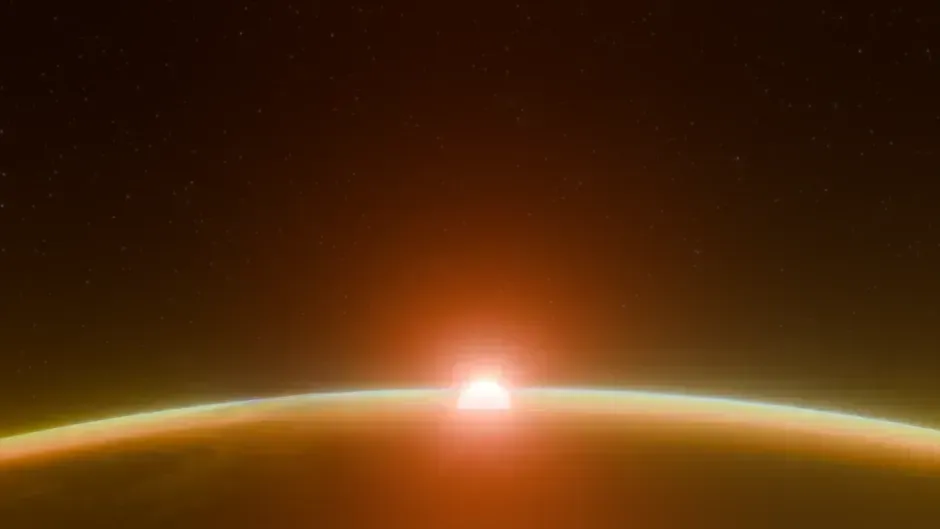
Because Venus is also orbiting the Sun, the time from one sunrise to the next differs from its rotation period. This solar day on Venus lasts about 117 Earth days. That’s roughly half the length of its sidereal rotation.
The reason is the planet’s retrograde spin. As Venus turns one way and moves along its orbit the other way, the Sun returns to the same spot in the sky sooner. So someone standing on the surface, if they could see through the clouds, would experience about two sunrises per Venusian year.
A Planet That Spins Backward
Venus rotates in the opposite direction to most planets in the solar system. On Venus, the Sun would rise in the west and set in the east. Uranus is the other well known oddball, though it is tipped on its side rather than simply reversed.
Venus’s axial tilt is about 177 degrees, so it’s essentially upside down relative to its orbit. Scientists still debate how it ended up this way. Leading ideas include a giant impact early in its history, or the pull of its thick atmosphere and the Sun’s gravity gradually altering its spin over billions of years.
How Radar Revealed the Spin
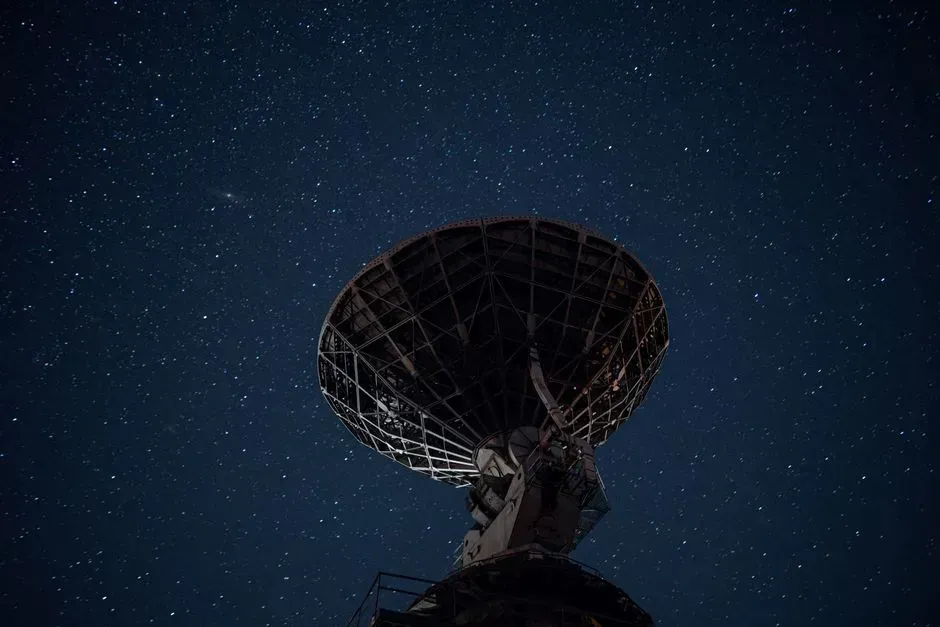
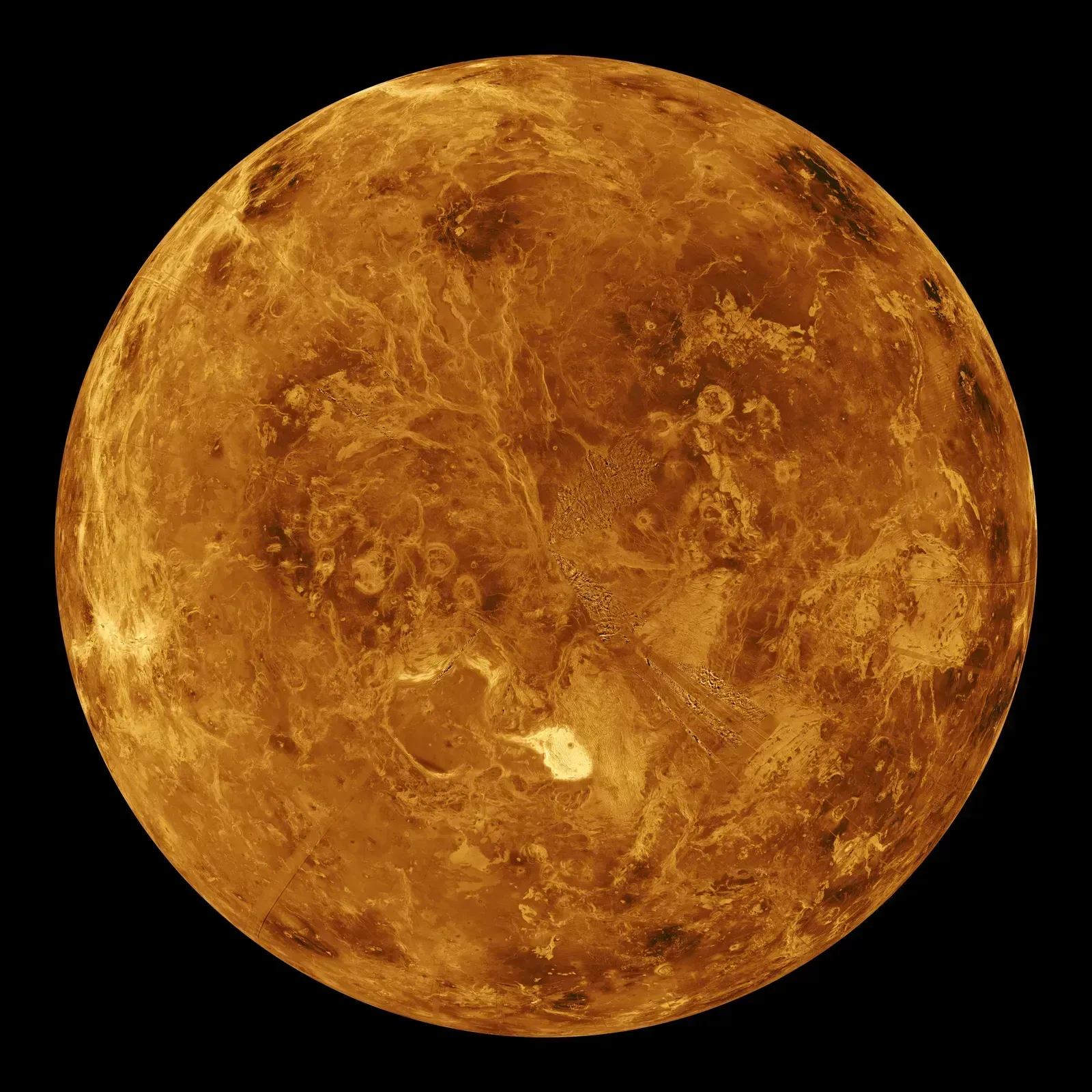
Venus is permanently wrapped in thick clouds, so telescopes can’t track surface features by eye. Astronomers in the 1960s bounced radar signals off the planet from Earth and measured how the reflections shifted. That work first showed that Venus rotates slowly and in retrograde.
NASA’s Magellan spacecraft later mapped most of the surface in the early 1990s using radar. Those images let researchers refine rotation estimates by tracking fixed landmarks. The method remains the backbone of how we know Venus’s spin at all.
The Rotation Isn’t Perfectly Steady
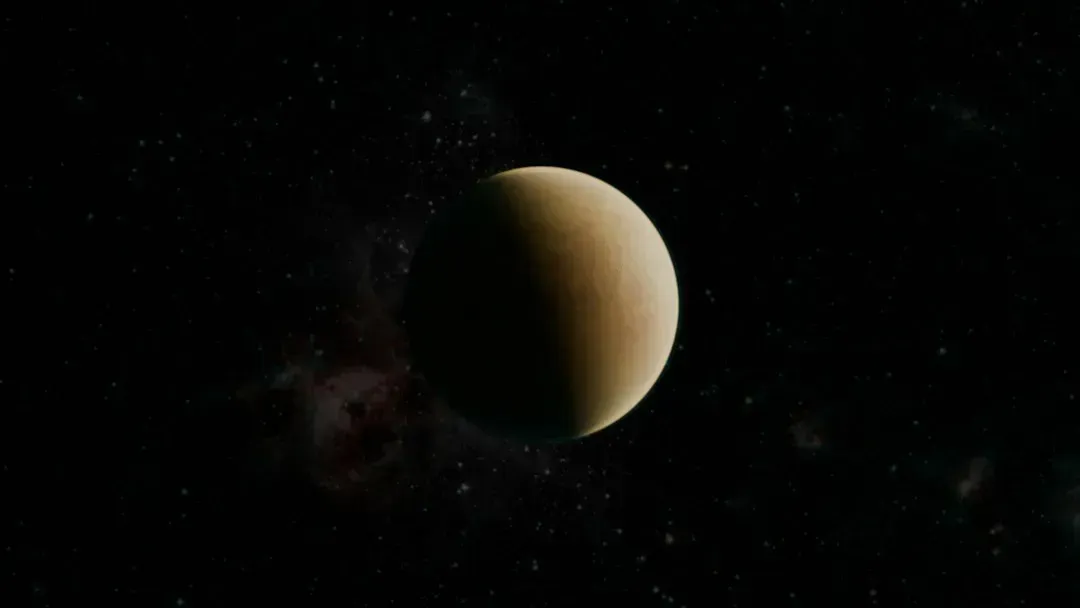
A 2021 study in Nature Astronomy, led by researchers using Earth based radar observations from 2006 to 2020, found a rotation period of about 243.0226 days. It also showed the planet’s spin varies slightly. Day length can shift by several minutes from one measurement period to another.
The likely cause is the dense atmosphere, which exchanges momentum with the solid planet. Winds and atmospheric tides can speed up or slow the surface a little. This variation is one reason Venus is harder to pin down than Earth or Mars.
An Atmosphere That Outruns the Planet
The Venusian clouds race around the planet far faster than the ground turns. The upper atmosphere circles Venus in about four Earth days, a phenomenon called super rotation. Wind speeds at cloud tops reach around 100 meters per second.
Scientists still don’t fully agree on what sustains this. Japan’s Akatsuki orbiter, which has studied Venus since 2015, has provided much of the data on these winds. Its observations help show how heat and momentum move through the atmosphere.
Why the Heat Stays So Extreme
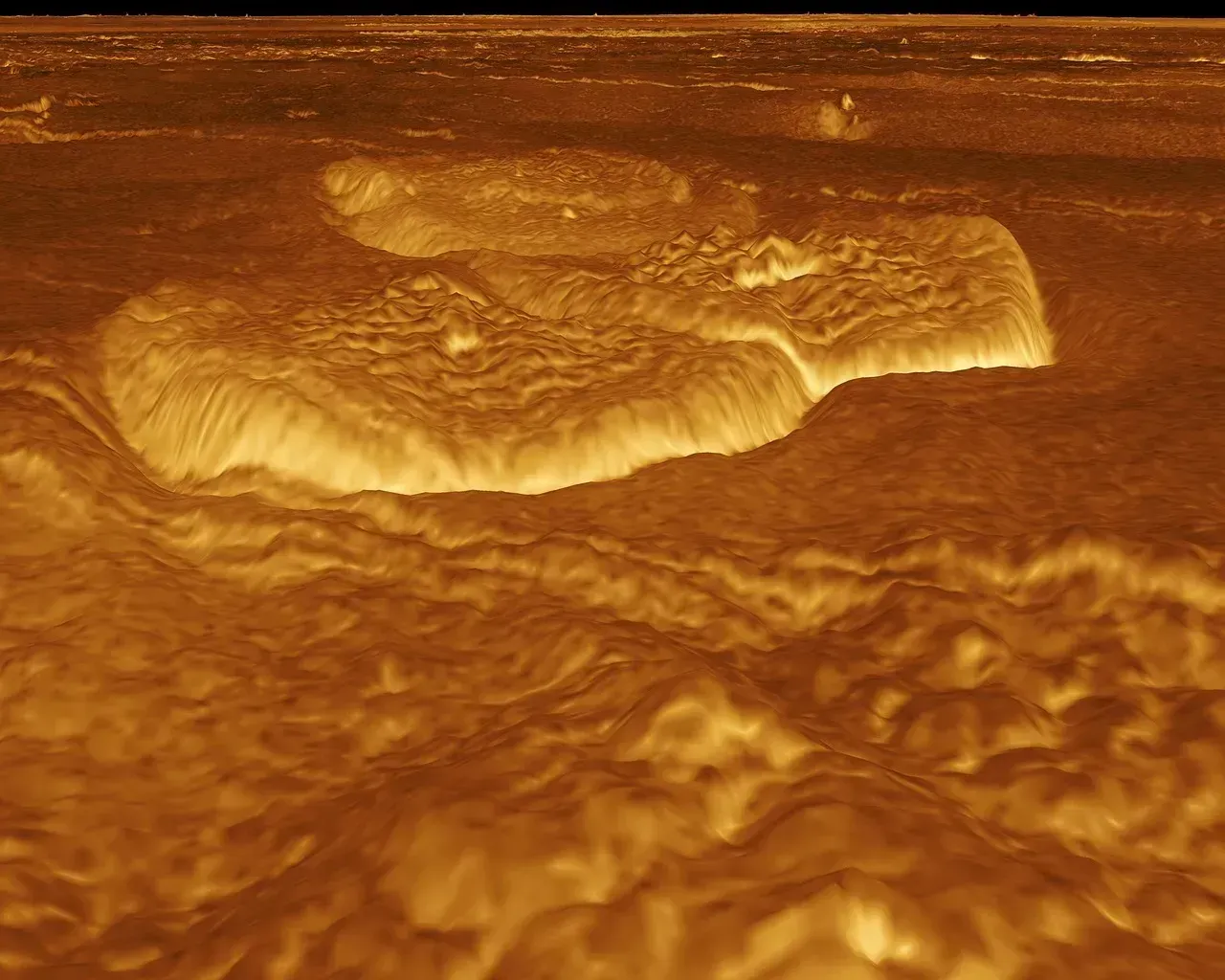
The surface of Venus averages about 464 degrees Celsius, hotter than Mercury despite being farther from the Sun. A thick carbon dioxide atmosphere traps heat in a runaway greenhouse effect. Surface pressure is about ninety times that of Earth at sea level.
The slow rotation doesn’t produce the huge day to night swings you might expect on a planet with such long days. The dense atmosphere circulates heat so effectively that temperatures stay remarkably uniform. Day and night, the surface remains punishingly hot.
What Venus Compares To
Mercury also has a very long day, but it behaves differently. It rotates three times for every two orbits, so its solar day lasts about 176 Earth days, which is twice its year. Venus is unusual because its sidereal day exceeds its year while its solar day does not.
Earth, by contrast, spins once in just under 24 hours and takes about 365 days to orbit the Sun. Venus’s rotation is among the slowest of any planet. Only Mercury comes close in sluggishness.
New Missions Are Coming
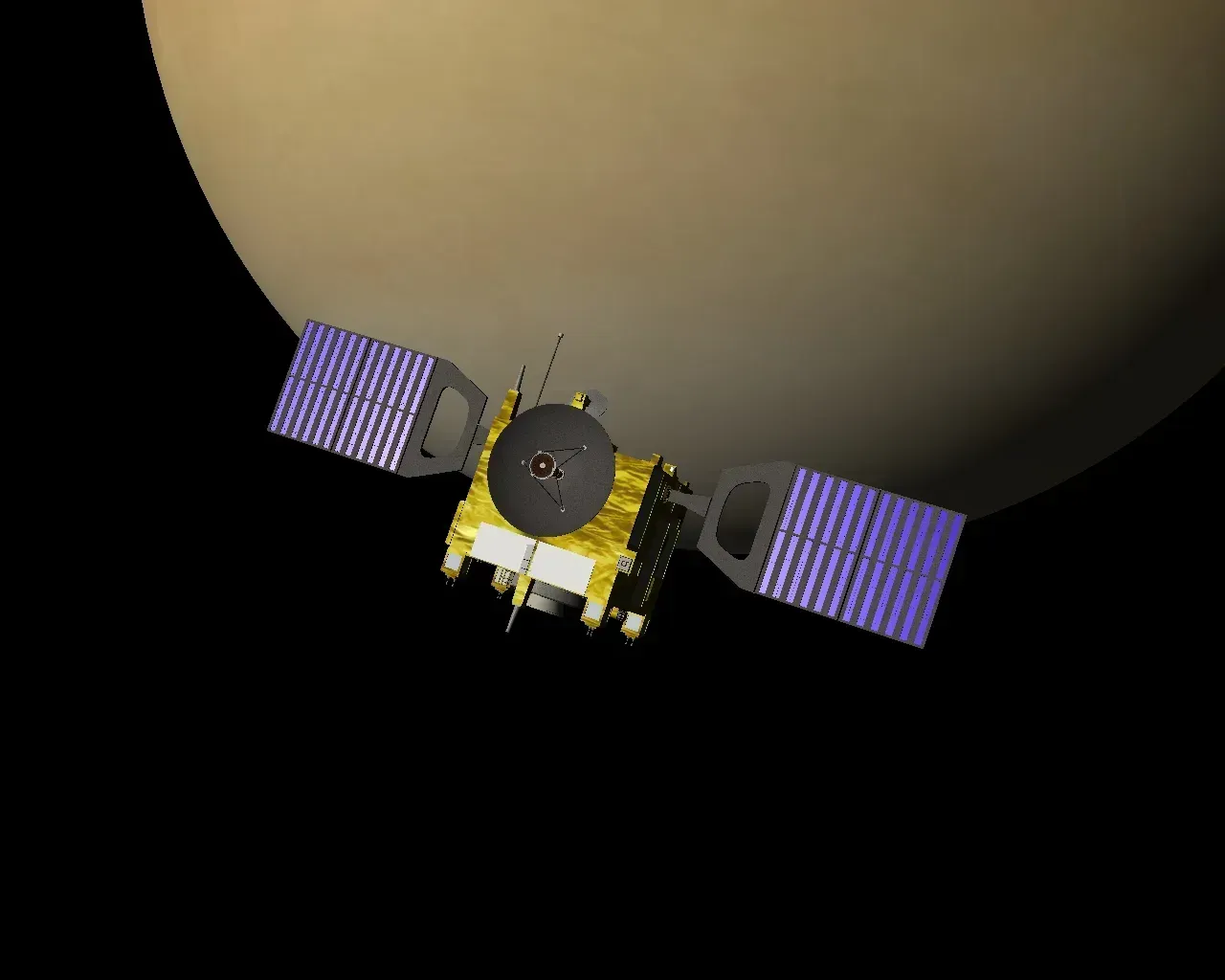
NASA selected the VERITAS and DAVINCI missions in 2021 to study Venus, though schedules have shifted because of budget and planning changes. The European Space Agency’s EnVision orbiter is also planned for the 2030s. Both approaches aim to map the surface and atmosphere in greater detail than before.
Better radar and gravity measurements should help pin down the planet’s spin and internal structure. They may also clarify whether Venus is still geologically active. For now, the 243 day rotation remains the best measured figure we have.

- I Asked AI and a Waste Auditor How to Cut My Household Trash – Where They Disagreed - November 12, 2026
- Einstein’s equations suggest gravity can reconnect like the sun’s magnetic field - November 12, 2026
- This Map Shows Which States Get the Most Severe Storms Each Year – And It’s Not What You’d Expect - November 12, 2026
