

On 19 October, the European Commission granted more than €390 million to 135 new projects across Europe under the LIFE programme for environment and climate action. The money is spread across wetlands, city energy plans, endangered animals and low-carbon construction.
The projects are small and specific, and that’s part of what makes the list interesting. A dune restoration in Belgium sits next to a seal programme in Finland and an energy planning scheme in Croatia.
What the funding round covers

The grants go to 135 new projects across Europe under the LIFE programme for environment and climate action. Several projects include Moldova and Ukraine.
The projects cover all areas of the LIFE programme. They aim to restore habitats, support a circular and climate resilient economy, strengthen adaptation and mitigation, and accelerate the clean energy transition.
How the money is shared
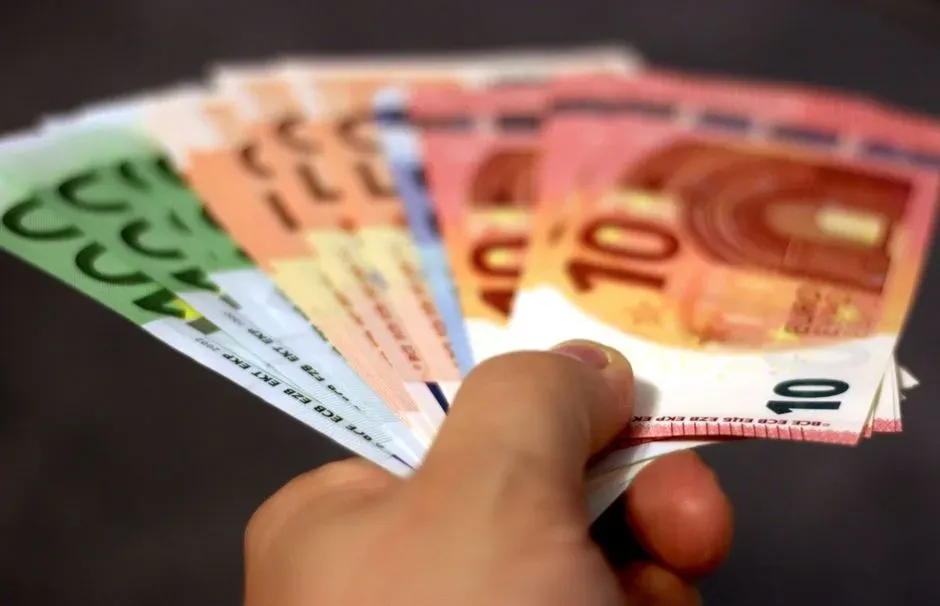
The allocated amount represents more than half of the €579 million total investment needs for these projects. The EU grant is therefore not the whole budget.
The remaining funding comes from national, regional and local governments, public-private partnerships, businesses, project partners, and civil society organisations. That co-funding is a standard feature of LIFE grants.
Nature and biodiversity projects
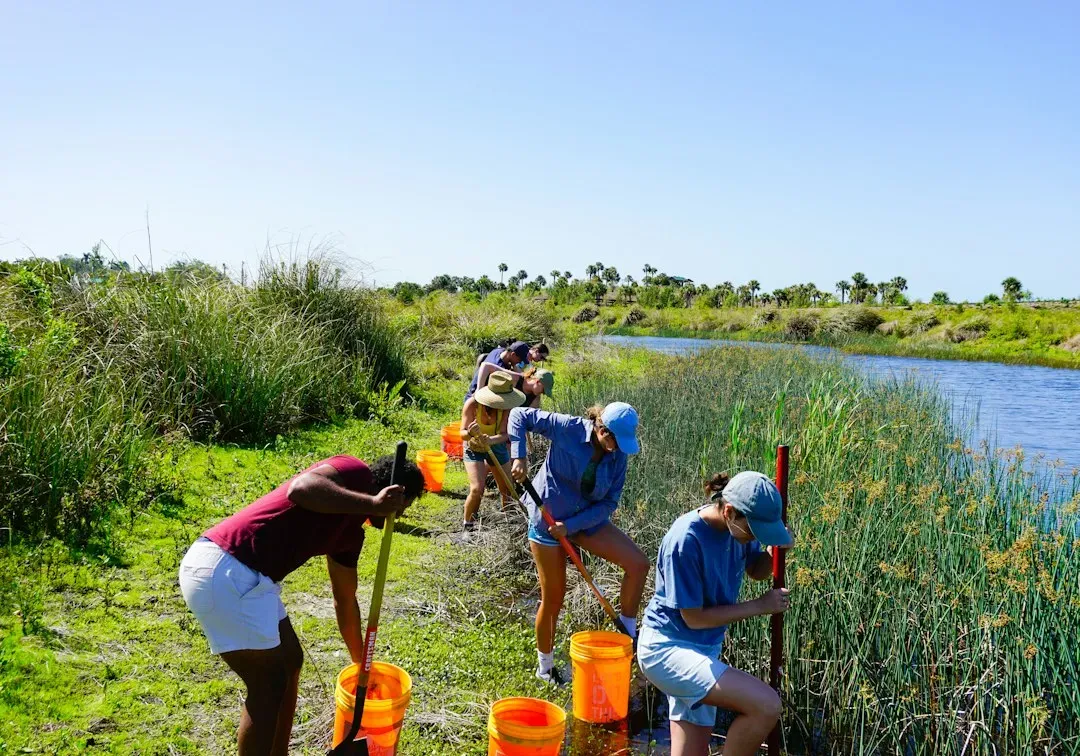
Over €223 million, of which the EU provides over €151 million, goes to 29 nature and biodiversity projects. They aim to restore and protect natural habitats and the species living there.
Under this category, 29 projects from 16 Member States have been selected. This is the largest single share of the EU contribution in the round.
Rescuing rare species
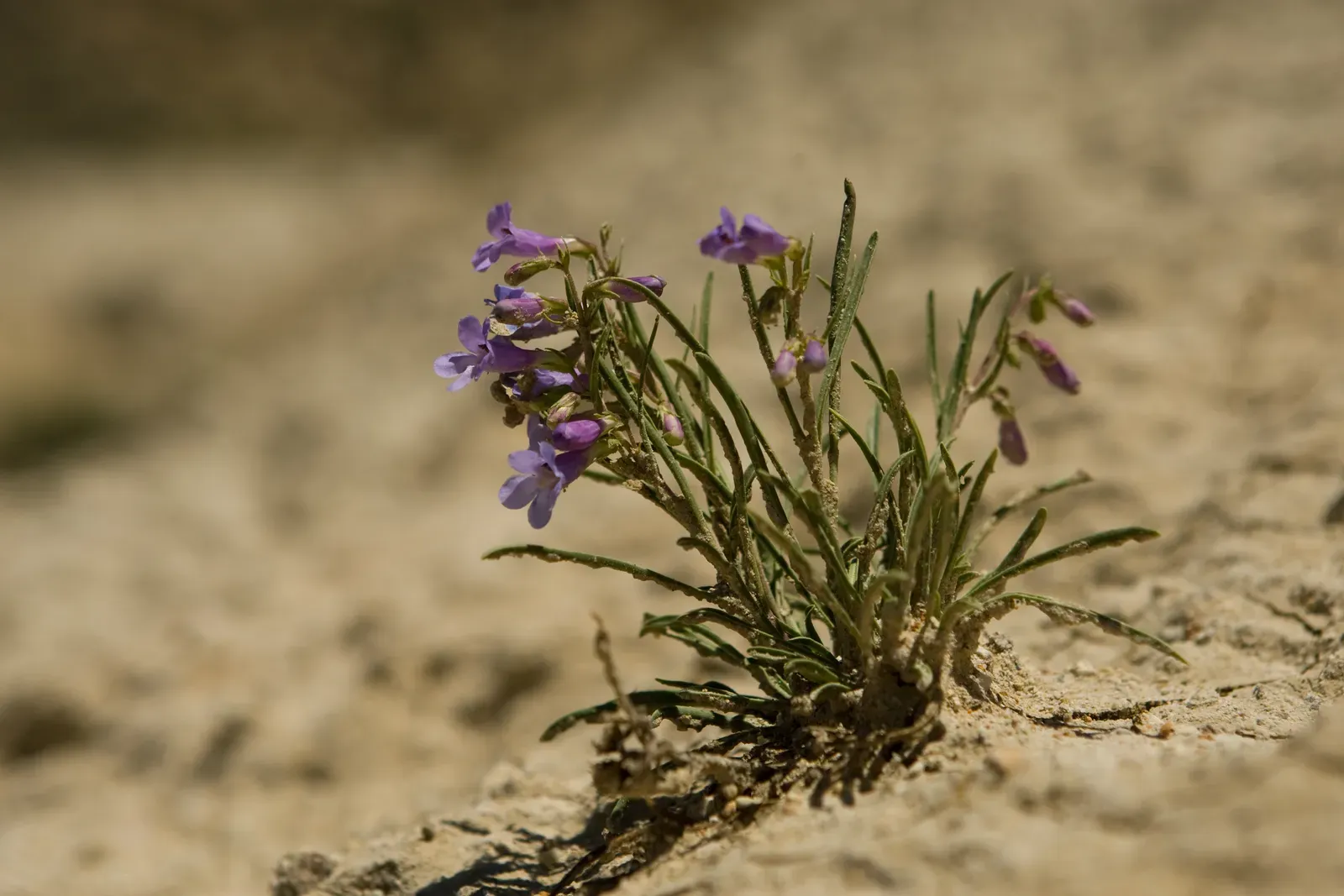
Several projects target rare species, including the sand jurinea in Czechia (€10.7 million), the Saimaa ringed seal in Finland (€11.3 million) and the Pyrenean desman in Spain (€17.6 million). A vulture project in Romania is also funded.
The sand jurinea project covers Czechia, Germany and Ukraine. It plans to restore more than 100 hectares, remove invasive species and boost plant populations using specimens from healthy sites in Ukraine.
Dunes, ducks and coastal habitats
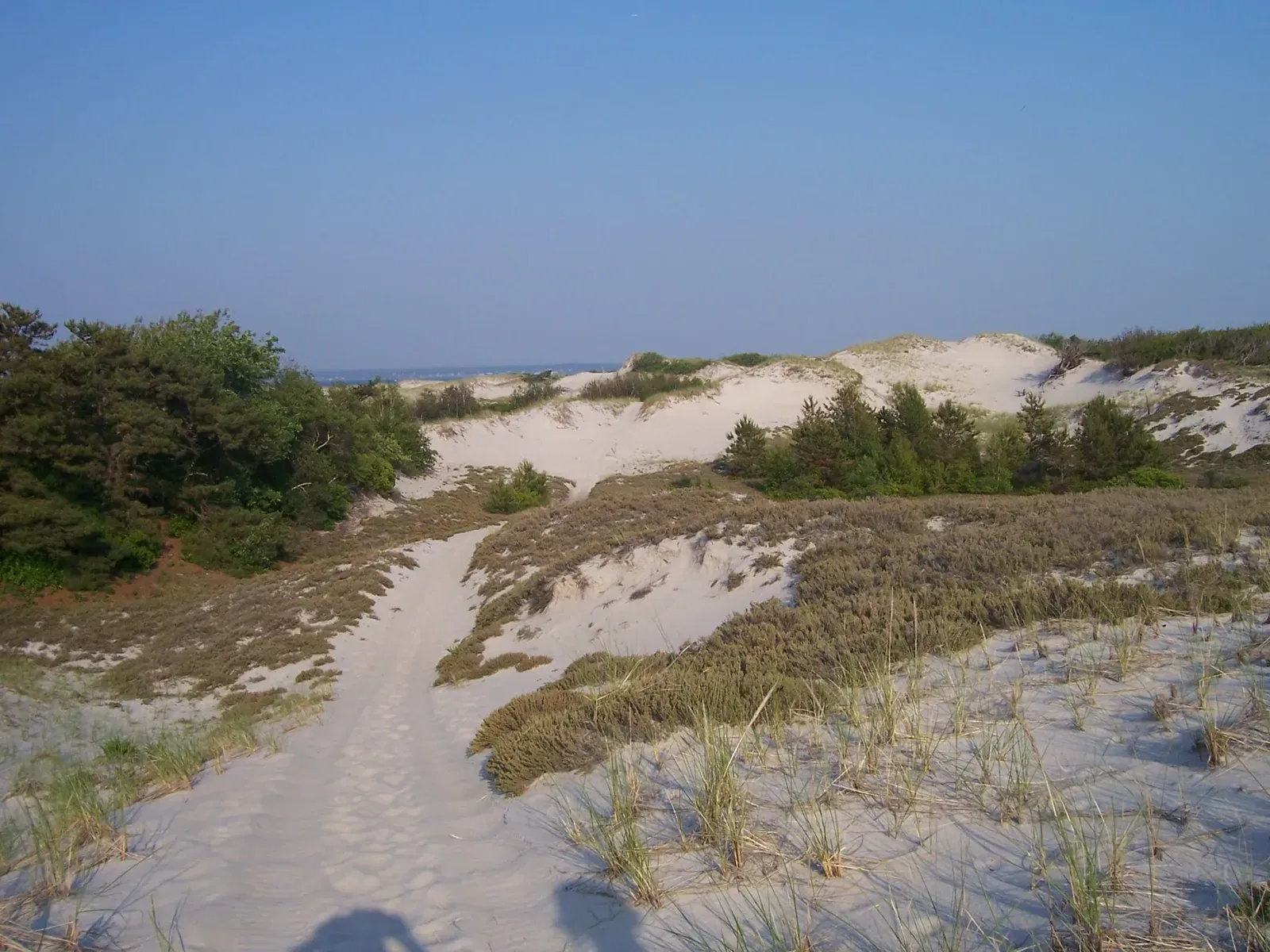
Funding includes €9.2 million for LIFE COCON to restore coastal sand dunes in Belgium. It also includes €12.6 million for Bulgaria’s Diving Ducks LIFE.
The Bulgarian project aims to conserve threatened diving duck species along the Black Sea–Mediterranean flyway. Migratory species like these depend on habitats in several countries, which suits a EU level funding scheme.
Circular economy and quality of life

Nearly €163 million, of which the EU provides nearly €91 million, supports 36 projects for a clean, circular, energy efficient and climate resilient economy. The projects also aim to improve quality of life.
This strand is the second largest by project count after clean energy. The EU contribution is smaller than the one for nature, because these projects tend to draw more private money.
Climate resilience and mitigation
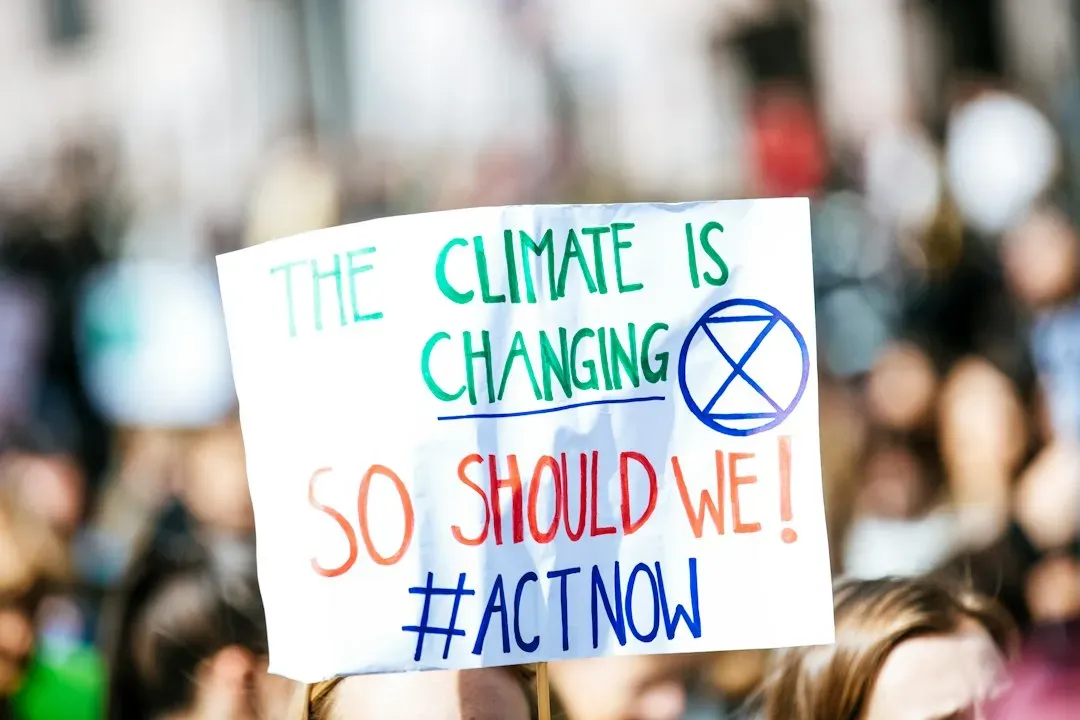
Over €102 million, of which the EU provides over €61 million, goes to 26 projects strengthening climate resilience through adaptation and mitigation. The projects deal with both reducing emissions and coping with a changing climate.
In Germany, the €10 million CARENA LIFE project will advance nature based carbon removal techniques. In Ireland, the €4.4 million LIFE FLOW project will integrate nature based solutions.
Clean energy transition
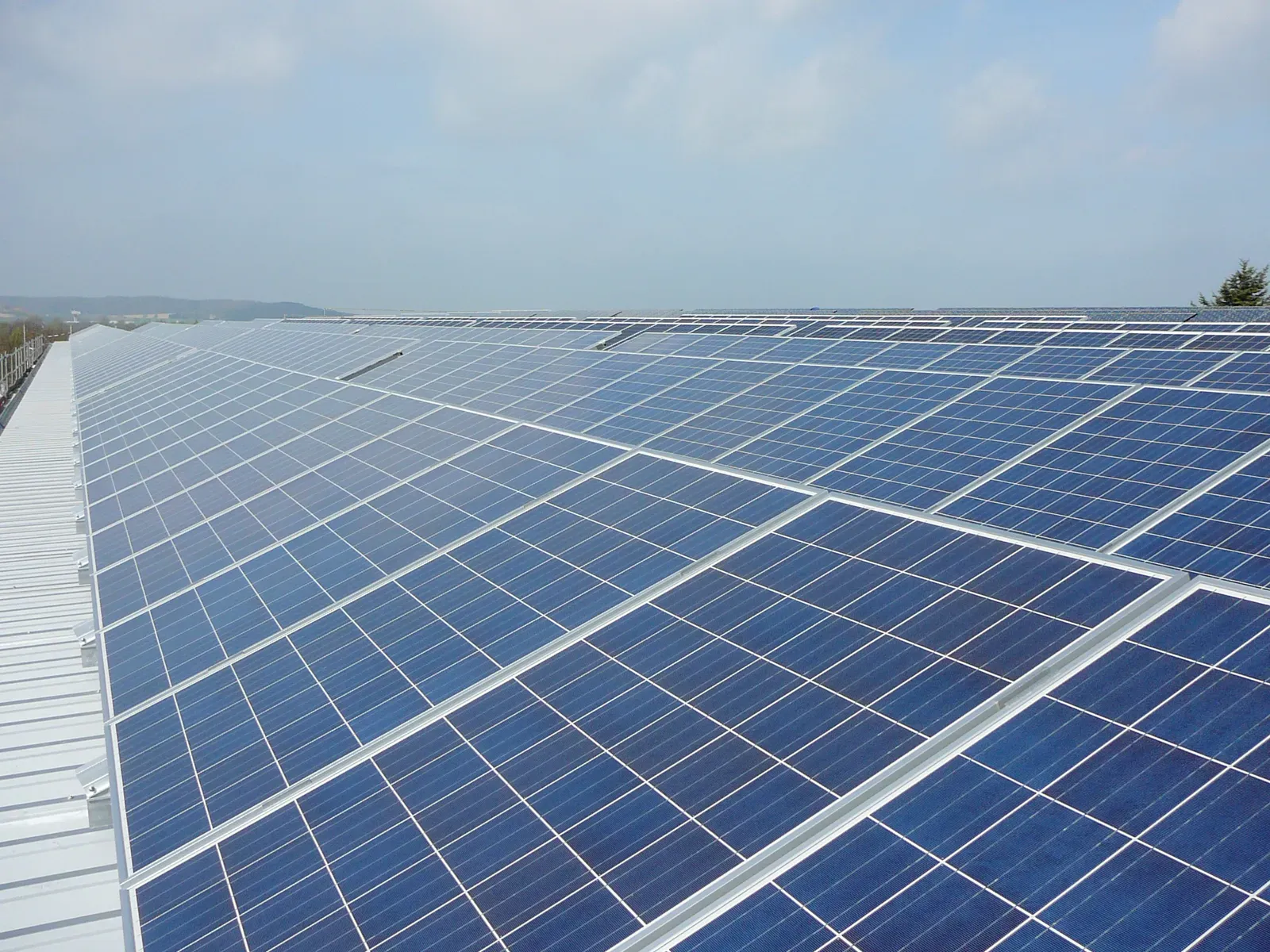
Over €91 million, of which the EU provides nearly €87 million, goes to 44 projects aimed at accelerating the clean energy transition. The EU covers nearly all of the cost here, a much higher share than in the other strands.
Two €2.1 million projects, LIFE RISE DHC in Croatia and LIFE GREETIN in Denmark, will support investment planning. Another project will give financial and technical help to local authorities in Ukraine investing in sustainable energy.
Where this fits in EU climate policy
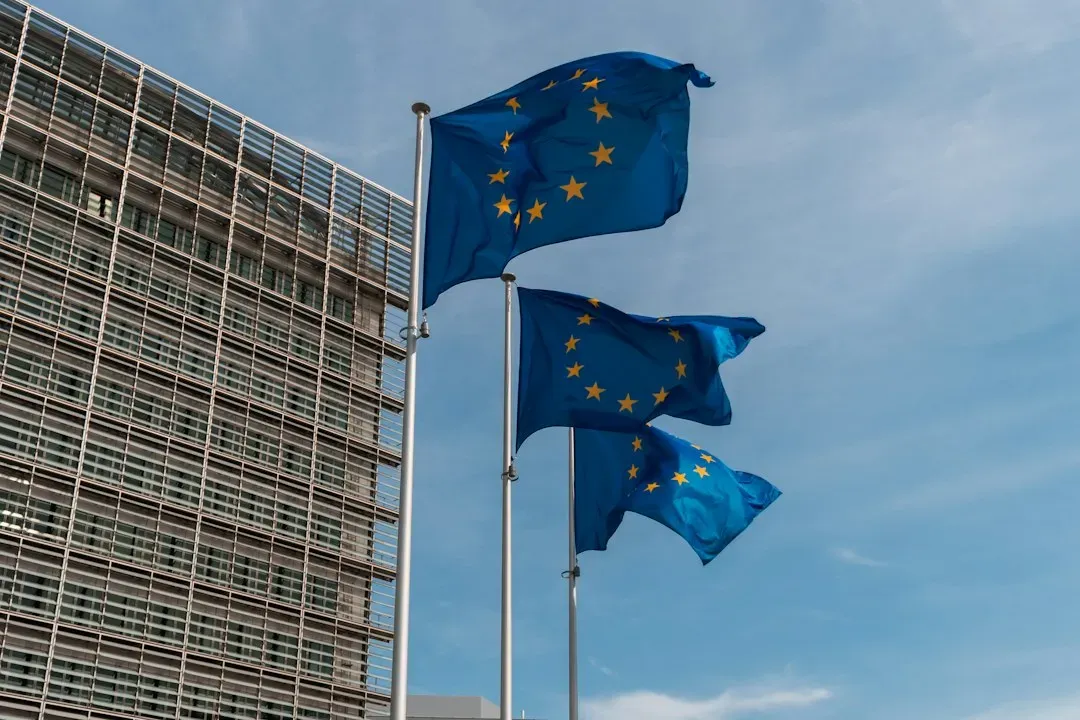
LIFE projects contribute to resilience against extreme weather events and to the EU’s goal of becoming climate neutral by 2050. The programme has run for decades and funds projects in member states and in some partner countries.
The previous year’s comparison is close. In October 2024, the Commission granted more than €380 million to 133 new projects under LIFE. The 2026 round is slightly larger in both money and project count.

- I Asked AI and a Waste Auditor How to Cut My Household Trash – Where They Disagreed - November 12, 2026
- Einstein’s equations suggest gravity can reconnect like the sun’s magnetic field - November 12, 2026
- This Map Shows Which States Get the Most Severe Storms Each Year – And It’s Not What You’d Expect - November 12, 2026
