


- Phantom Energy Sucking Power 24/7 – 7 Home Electronics Quietly Inflating Utility Bills - November 14, 2026
- A Million-Mile Storm Raging for Centuries – 6 Violent Weather Wonders in Our System - November 14, 2026
- Animals Flee Hours Before the Tremor – 7 Natural Warnings Before Disasters Strike - November 14, 2026
Moving to a new city used to mean weighing jobs, schools, and commute times. Now, for a growing number of Americans, it also means checking hurricane tracks, wildfire maps, and FEMA flood zones. Billion-dollar disasters are becoming more frequent due to climate change, and in 2024, there was less than two weeks between disasters compared to nearly two months in 1981. That shift has made natural disaster risk a very real part of household relocation decisions.
With the worsening effects of climate change increasing the frequency and intensity of disasters, factors such as job opportunities and cost of living now share the calculation of where to live with how at-risk an area is for climate disasters. The good news is that some inland cities offer a genuinely low-risk profile without demanding big-city prices in return. Here are seven worth knowing about.
Columbus, Ohio
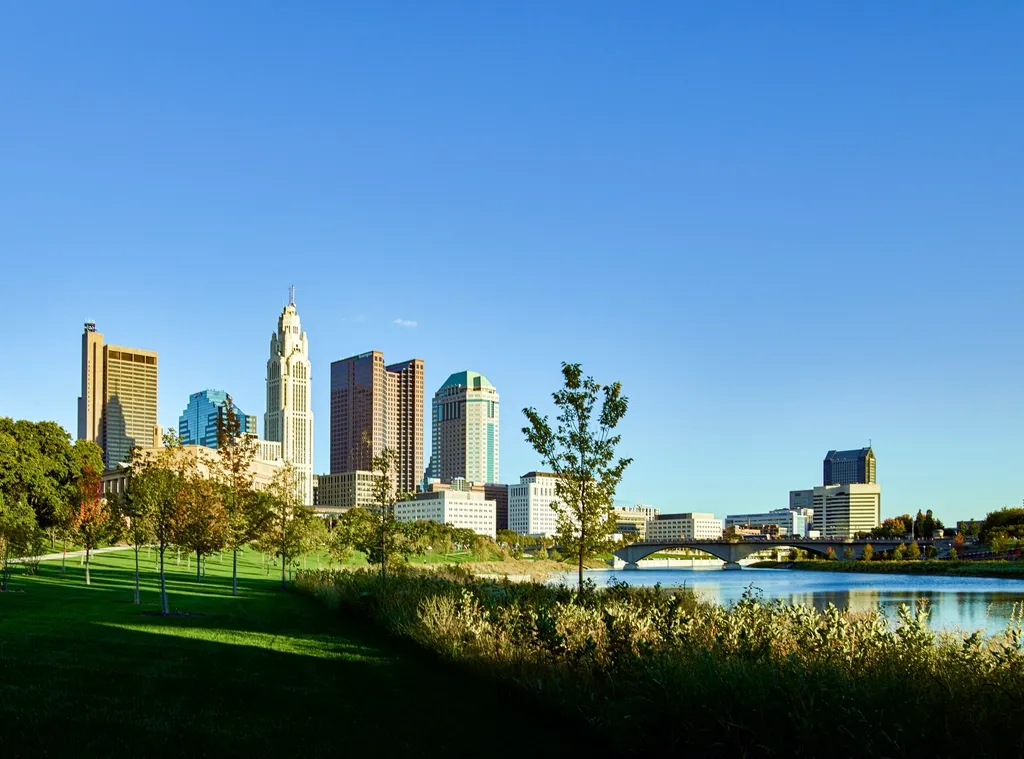
In a 2024 Realtor.com ranking, six of the ten safest cities in the United States for natural disaster risk were in Ohio, and Columbus was among them, with roughly 82 to 91 percent of homes in the lowest risk category for natural disasters. Sitting well inland and far from fault lines, the city faces no meaningful hurricane or earthquake risk, and wildfire is essentially a non-issue in the wet Ohio climate.
Columbus, Ohio’s cost of living is seven percent lower than the national average. Housing expenses run seven percent below the national average, transportation costs are eight percent lower, and healthcare comes in at a notable nineteen percent below the national average. For a mid-sized city with a major research university, a growing tech sector, and genuine neighborhood variety, that combination is hard to beat.
Pittsburgh, Pennsylvania
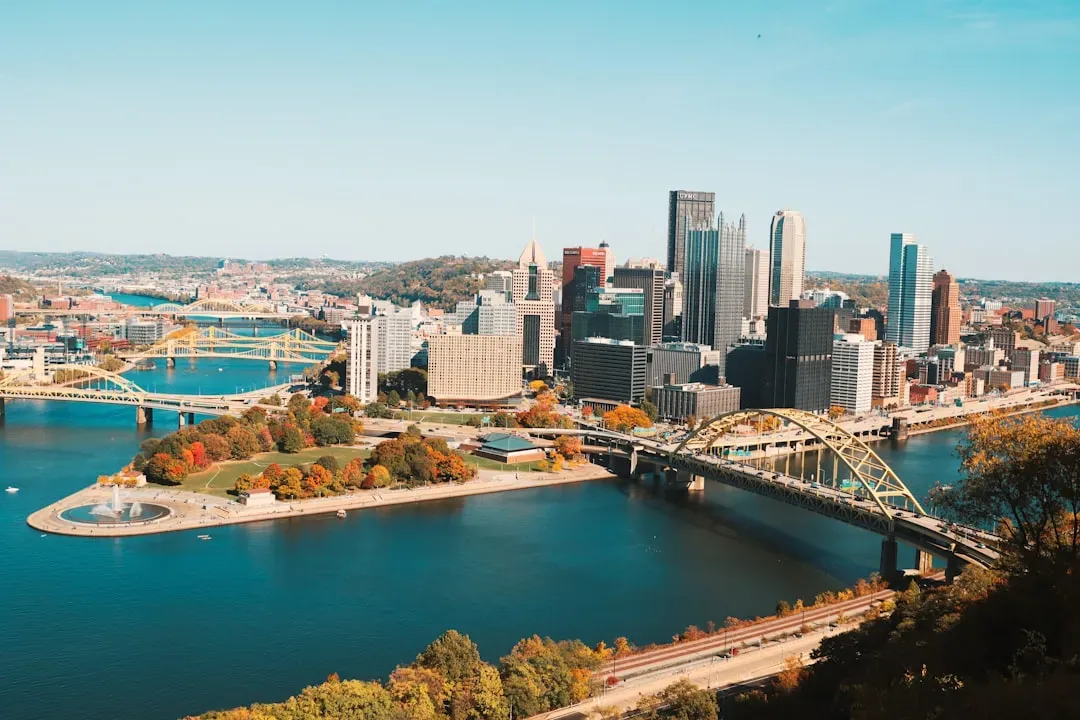
While most cities have some areas of risk, Pittsburgh is the lowest-risk major city according to FEMA’s Risk Map, with only very low and relatively low risks across the metro area. Earthquakes, hurricanes, and wildfires are all negligible concerns here. Pennsylvania as a whole offers a diverse economy, few natural disasters, and reasonable housing costs compared to neighboring states.
Living in Pittsburgh is less expensive than the national average, with housing costs about eleven percent lower, and the overall cost of living sitting around three percent below the U.S. national average. The median home price in Pittsburgh sits at around $204,700, which is significantly less than the U.S. median housing price of $338,100. It’s a city that has reinvented itself around healthcare, education, and technology, and it remains one of the few places where genuine urban amenities come at a modest price.
Cincinnati, Ohio
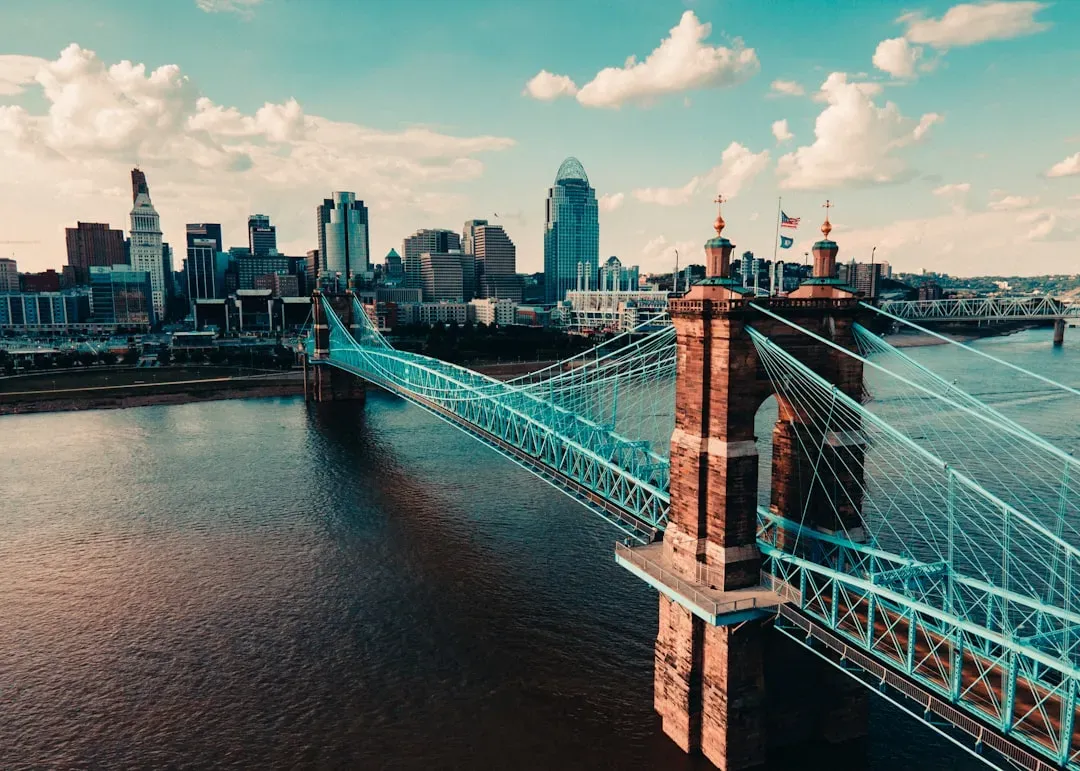
Cincinnati is an ideal location to get away from the risk of flooding, drought, and wildfires, not to mention the overall impact of natural disasters. Like its Ohio neighbors, the city sits in a geographic sweet spot: distant from coasts, free from significant seismic activity, and largely outside of fire-prone terrain. Residents do need to watch for higher levels of precipitation and occasional storms, but the profile remains far calmer than most of the Sun Belt or either coastline.
Cincinnati’s housing market has long offered real value for families and young professionals. The city’s overall cost of living consistently tracks below the national average, and the metro area offers diverse employment across healthcare, finance, and manufacturing. Combined with its low disaster exposure, it makes a strong case as one of the most sensibly located cities in the country.
Minneapolis, Minnesota
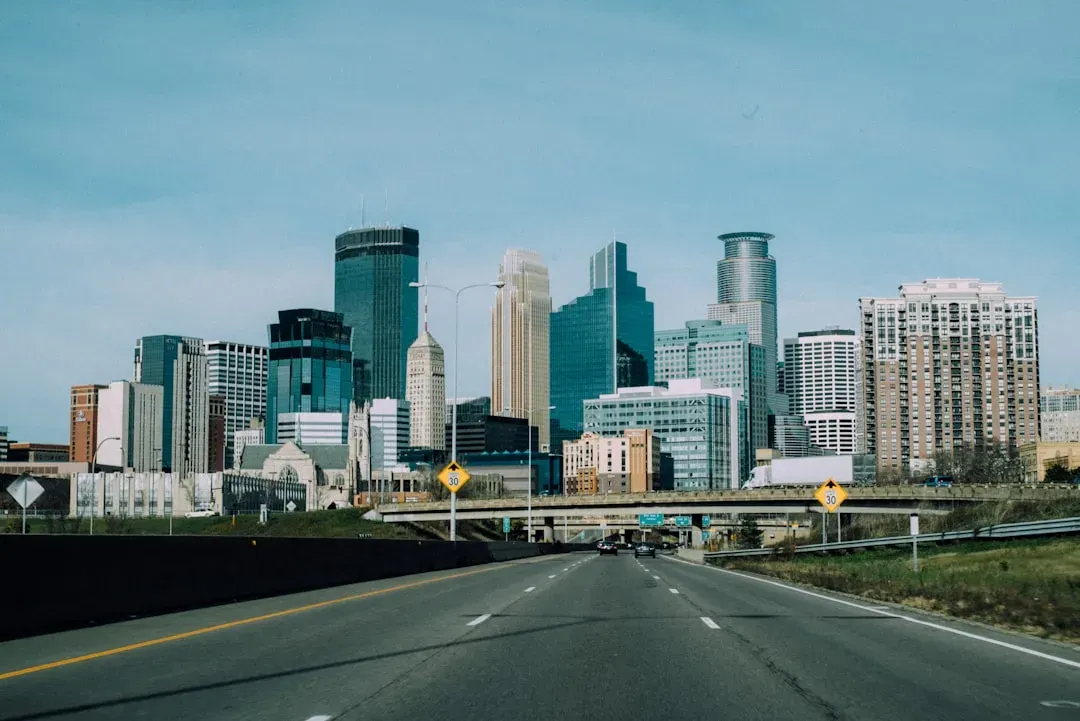
Known as the Twin Cities, Minneapolis and St. Paul offer an inland position that leaves the region virtually safe from hurricanes and flooding, and earthquake occurrences are very rare. The Twin Cities also rank among Midwest metros with minimal climate risk, with fewer than ten percent of new home listings facing major threats over the next thirty years, and Minnesota’s inland position spares residents from hurricanes while large-scale disasters stay uncommon.
Brutal winters do bring blizzards, ice storms, and temperatures that test even the toughest residents, and spring and summer thunderstorms can spawn tornadoes or flash flooding, though these events are less frequent than in states farther south. The area has an efficient public transportation system and is home to several Fortune 500 companies and acclaimed universities. For those who can manage the cold months, the trade-off in disaster safety is significant.
Detroit, Michigan
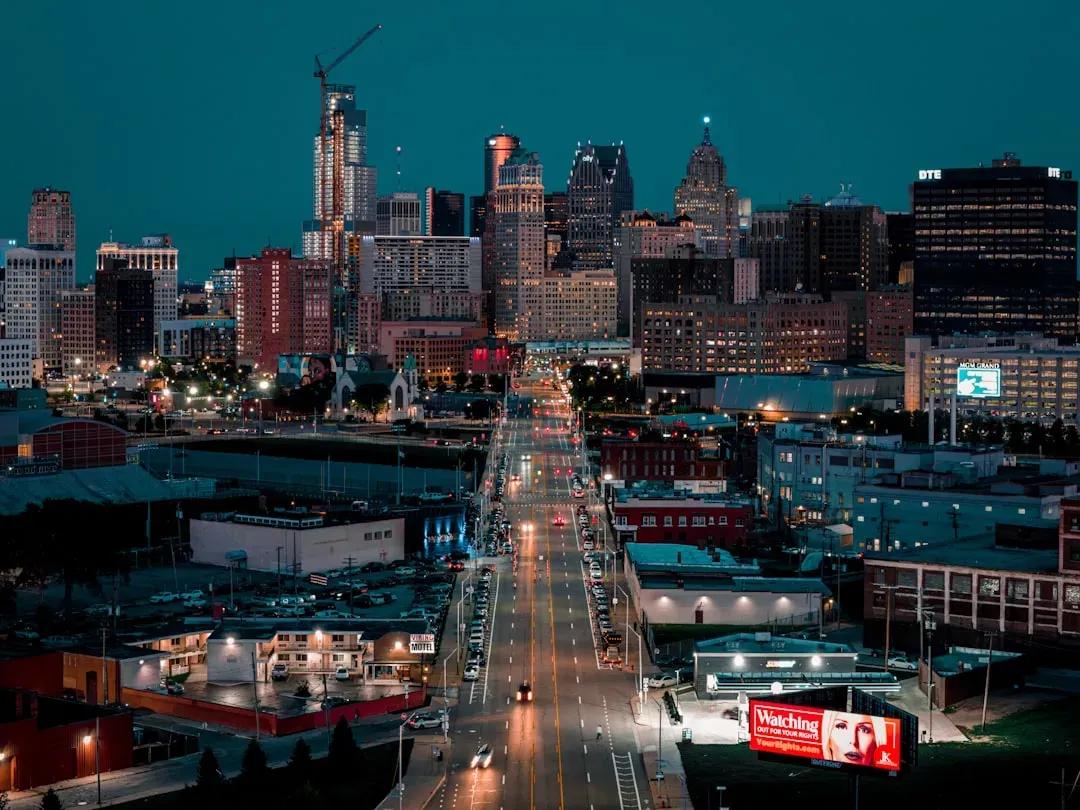
Winter storms are the only significant disaster risk facing residents of Detroit, Michigan, and the city had some of the safest ZIP codes for natural disaster risk according to CoreLogic’s rankings, as did surrounding suburbs like Dearborn and Warren. Hurricanes, earthquakes, and wildfires simply don’t register as threats this far into the Great Lakes region. The surrounding freshwater supply also positions the metro favorably as drought concerns grow across other parts of the country.
Detroit is one of the most affordable cities on these lists, with median home prices ranging from $100,000 to $250,000. That price range is genuinely rare among cities of Detroit’s scale and infrastructure. Places in the inland North and the Great Lakes regions tend to have a lower risk of exposure to many of the worst consequences of natural disasters, and Detroit sits firmly within that protected zone, making it a practical choice for budget-conscious movers prioritizing safety.
Syracuse, New York
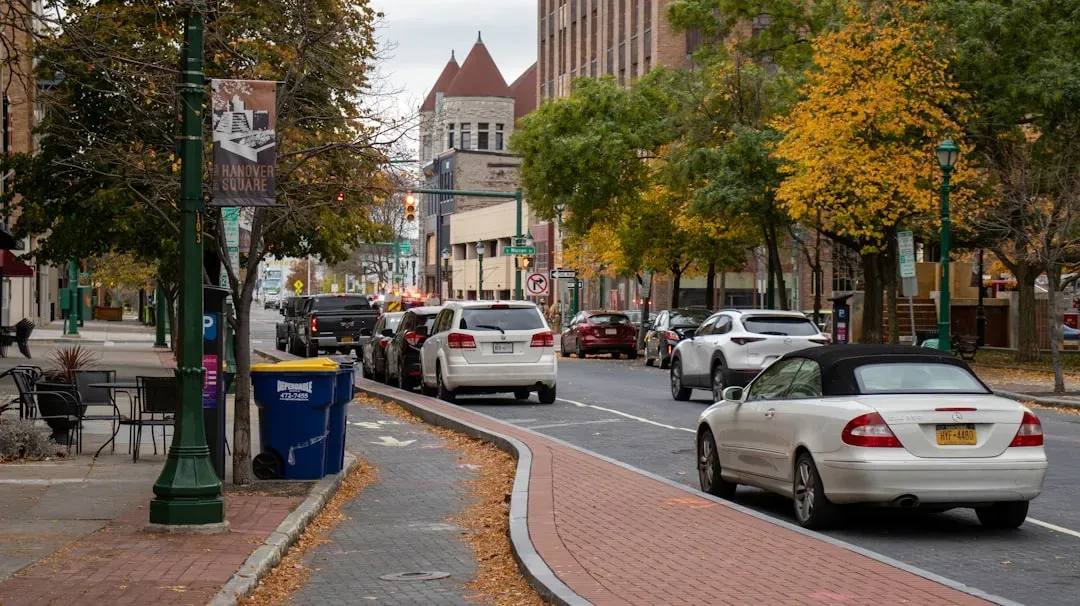
In a nation increasingly affected by natural hazards that have cost billions of dollars, Syracuse has been able to remain a low-risk zone, and beyond its safety from climate disasters, the city’s affordable housing and top-tier schools make it stand out as a particularly liveable city. Its inland position in central New York insulates it from coastal storm surge and keeps it well outside hurricane strike zones. Winter snowfall is the main weather story, though the city handles it with considerable institutional competence.
Towns like Rochester and Salisbury, and similarly Syracuse, stand out because their cost of living remains well below the national average. Outdoor enthusiasts also have easy access to both the Finger Lakes and the Adirondack Mountains, two destinations close to the city. It’s a place that tends to fly under the radar in relocation conversations, which may partly explain why it has stayed affordable.
El Paso, Texas
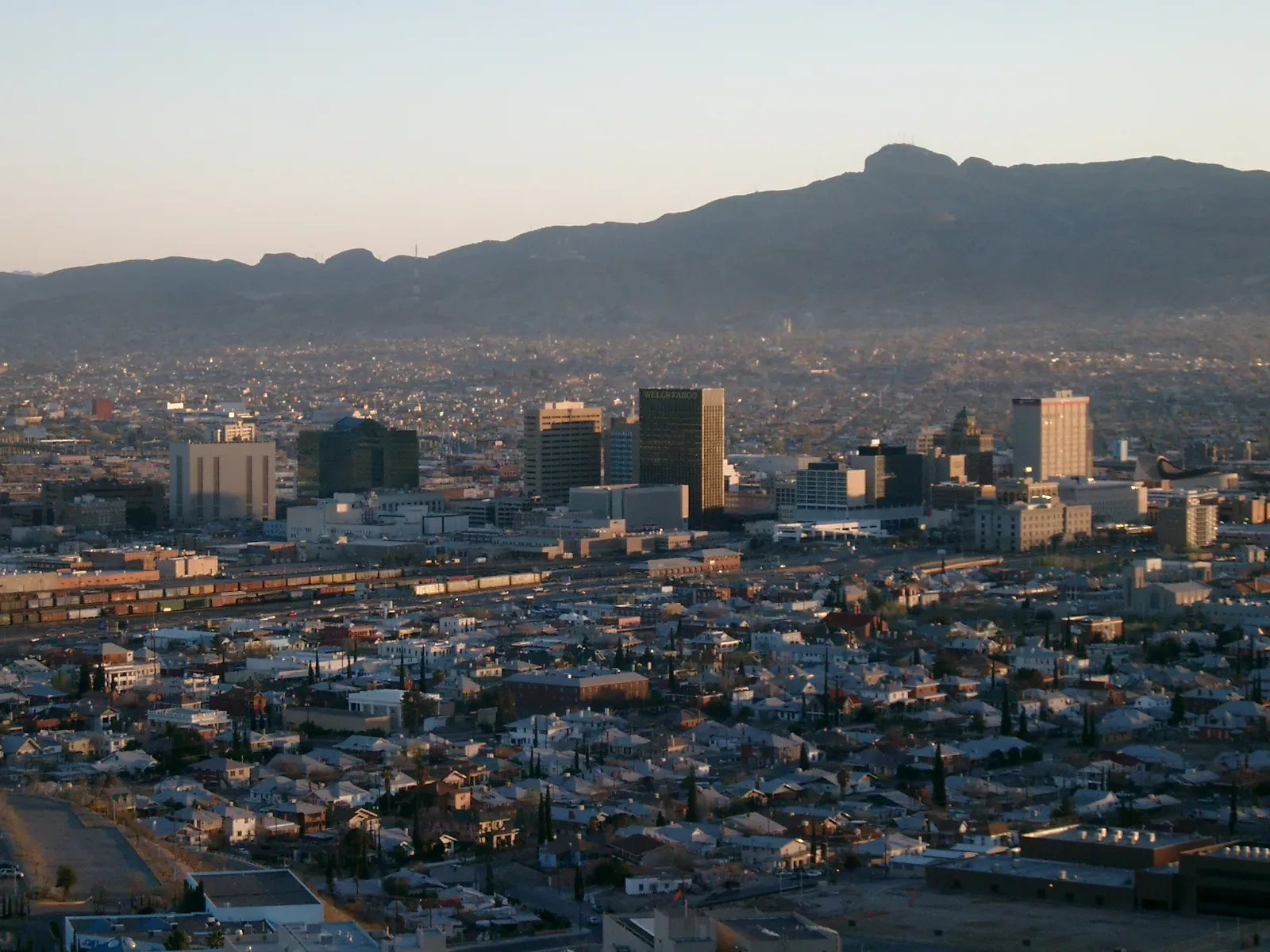
El Paso is one of the sunniest cities in the United States, receiving around three hundred days of sunshine per year, and all of that sun leads to warm temperatures but a relatively low risk of natural disasters. Sitting in the far west of Texas along the Rio Grande, the city is geographically removed from the Gulf Coast hurricane corridor that makes so much of the state a high-risk environment. Earthquakes and wildfires at the urban level are minimal concerns, and the surrounding desert terrain largely eliminates flood risk in most residential areas.
El Paso’s cost of living is well below the national average, with housing particularly affordable relative to its size and amenities. The city has a large bilingual workforce, strong military and healthcare employment anchors, and a cross-border economy that gives it economic resilience. When hurricanes, fires, earthquakes, and floods are factored into the equation, affordable inland metros like El Paso become even more attractive destinations for people reassessing where they want to put down roots.
The decision of where to live has always involved compromise. These seven cities each carry their own version of winter storms, summer heat, or the occasional bout of flooding. But none of them sit in the path of the disasters that have caused the most catastrophic and repeated damage across the United States in recent years. No place is completely safe, and climate change affects a substantial portion of the country. Still, geography matters, and choosing a lower-risk inland city is one of the most concrete steps a household can take toward long-term stability.
