


- Phantom Energy Sucking Power 24/7 – 7 Home Electronics Quietly Inflating Utility Bills - November 14, 2026
- A Million-Mile Storm Raging for Centuries – 6 Violent Weather Wonders in Our System - November 14, 2026
- Animals Flee Hours Before the Tremor – 7 Natural Warnings Before Disasters Strike - November 14, 2026
Earthquakes don’t announce themselves. One moment everything is ordinary, and within seconds the ground beneath you can shift, walls can crack, and objects that seemed perfectly stable become flying hazards. Earthquakes are sudden and unexpected and can cause tremendous damage in a few seconds, usually with little time to react. That reality is precisely why preparedness matters so much.
Deaths and injuries occur when people fall trying to walk or run during shaking or when they are hit by falling debris. Knowing what to do in those first critical seconds isn’t instinct. It’s something you have to learn before the shaking starts. These seven rules are the ones seismologists, emergency managers, and rescue professionals repeat again and again, and for very good reason.
1. Drop, Cover, and Hold On the Moment Shaking Begins
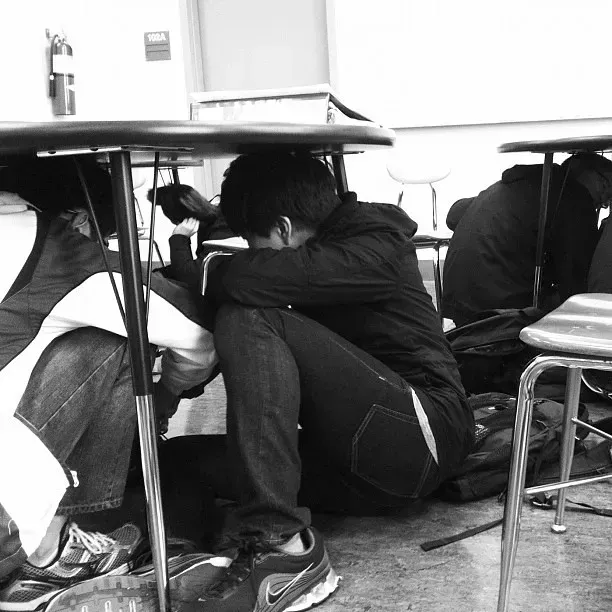
Federal, state, and local emergency management experts and other official preparedness organizations all agree that “Drop, Cover, and Hold On” is the appropriate action to reduce injury and death during earthquakes. The sequence is straightforward but must be practiced until it becomes automatic. Drop where you are onto your hands and knees. This position protects you from being knocked down and allows you to crawl to a protected space.
The greatest danger is from falling and flying objects: studies of injuries and deaths caused by earthquakes over the last several decades show that you are much more likely to be injured by falling or flying objects such as TVs, lamps, glass, and bookcases than to die in a collapsed building. It is through actually practicing “Drop, Cover, and Hold On” that we build muscle memory to help us respond correctly when the shaking starts. Drill it with your household at least twice a year so the body reacts before the brain has time to hesitate.
2. Stay Where You Are and Never Run Outside During Shaking

If you are inside, stay and do not run outside; avoid doorways. This is one of the most counterintuitive rules, because every instinct says to get out. The problem is that moving during shaking is exactly when people get hurt. Injury statistics show that people moving as little as ten feet during an earthquake’s shaking are most likely to be injured.
The area near the exterior walls of a building is the most dangerous place to be. Windows, facades, and architectural details are often the first parts of the building to collapse. Brains don’t function well under stress, and we are likely to revert to the instinct to run, which is one of the worst things to do in an earthquake. Trust the rule, not the instinct, and stay low until the shaking has fully stopped.
3. Abandon the Doorway Myth Once and for All

Standing in a doorway during an earthquake is probably the most persistent piece of bad advice in the world of disaster preparedness. Once upon a time, experts theorized that this was a smart spot to shelter because a building’s doorframe was supposedly strong and structurally sound, so if you stood under it, you would be protected if the building collapsed. The origin of the myth traces back to a single photograph. An early photo of earthquake damage from the early 1900s showed a collapsed adobe home with the doorframe as one of the few remaining upright elements. From this came the assumption that a doorway is the safest place to be during an earthquake, and this safety strategy was then taught in schools from the 1940s through the 1970s.
In modern houses and buildings, doorways are rarely safer than other places in your home, since they are often not structural. Standing in a doorway also leaves you fully exposed to flying objects, and you risk being thrown against the frame by violent shaking. A doorway does not provide protection from falling or flying objects, and you might not be able to remain standing. Get under a solid table or desk instead, always.
4. Secure Your Space Before a Quake Ever Strikes
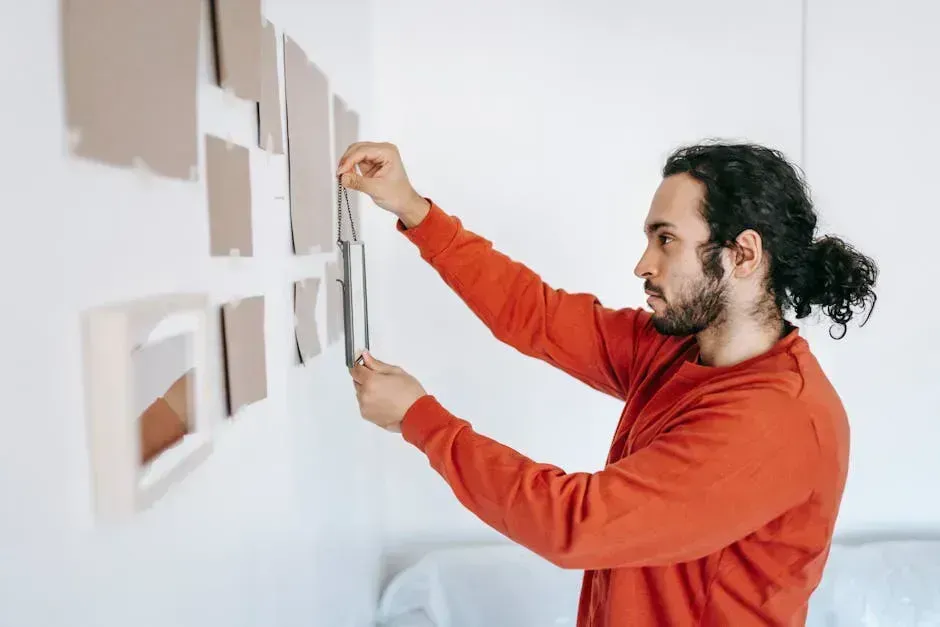
Before the next big earthquake, experts recommend securing your space by identifying hazards and securing moveable items. This kind of pre-event preparation is often overlooked, but it dramatically changes the risk profile of any room. Repairing and reinforcing building foundations, anchoring overhead lighting fixtures to the ceiling, securing furniture and other objects to walls and floors, and following local seismic building standards will help reduce the impact of earthquakes.
Hang heavy items such as pictures and mirrors away from beds, couches, and anywhere people sit. Fasten shelves securely to walls, place large or heavy objects on lower shelves, and store breakable items such as bottled foods, glass, and china in low, closed cabinets with latches. The few hours it takes to secure a home can mean the difference between walking out of a room unharmed and being struck by something that had no reason to be where it was.
5. Build an Emergency Kit That Can Sustain You for Days
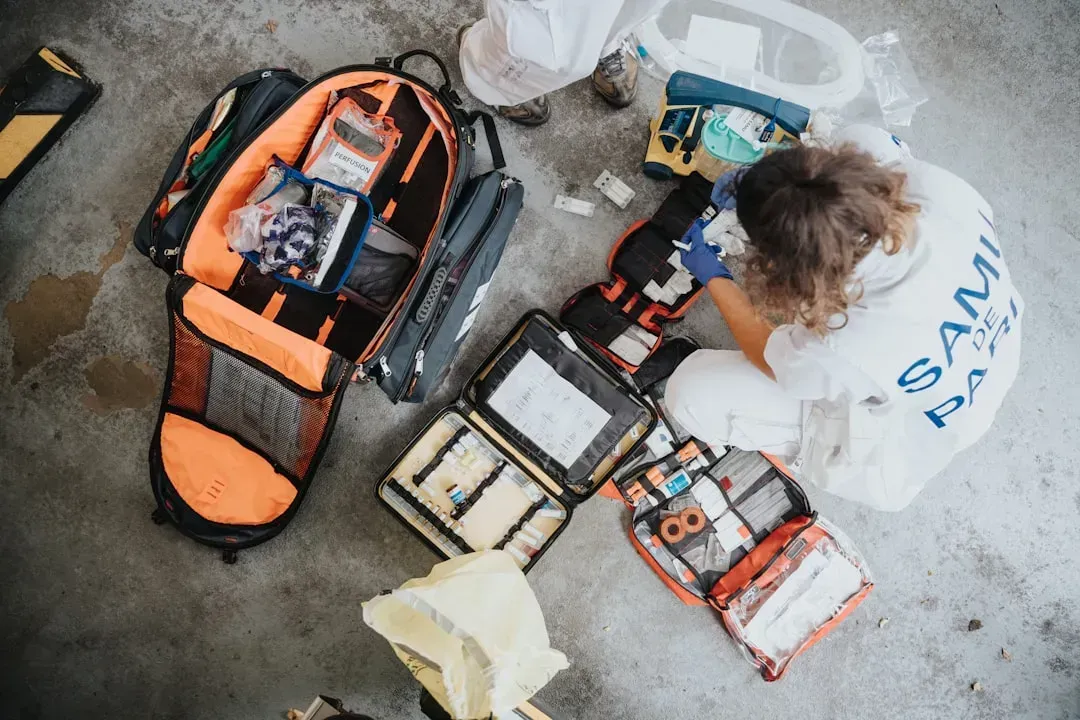
Electrical, water, transportation, and other vital systems can be disrupted for several days or much longer in some places after a large earthquake. Emergency response agencies and hospitals could be overwhelmed and unable to provide immediate assistance. This is not a hypothetical scenario. It has played out repeatedly after major events around the world. You need to be prepared to manage on your own for a minimum of 72 hours, but it might even be necessary to be self-reliant for up to two weeks. After a major earthquake, emergency services could be overwhelmed, making it difficult to access supplies for an extended period.
The Red Cross recommends a minimum of one gallon of water per person per day, with a three-day supply for evacuation and a two-week supply for home use, alongside non-perishable, easy-to-prepare food. Under-bed bags that hold shoes, a flashlight, and other items are specifically useful for when an earthquake happens while sleeping. A battery-powered radio, a first-aid kit, a whistle, and a supply of any essential medications round out the core of a well-prepared kit.
6. Watch for Gas Leaks and Electrical Hazards After the Shaking Stops
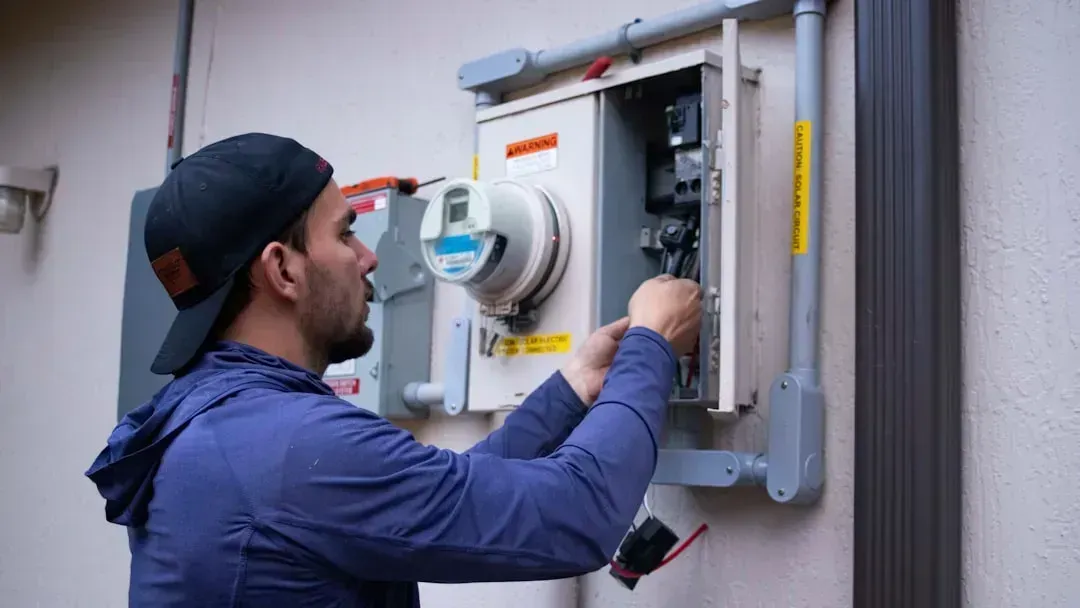
When the ground stops shaking after an earthquake, the danger isn’t necessarily over. One of the most serious secondary hazards following seismic activity is natural gas leaks, which can lead to fires, explosions, and carbon monoxide poisoning if not addressed promptly. Fire is the most common earthquake-related hazard, due to broken gas lines, damaged electrical lines or appliances, and previously contained fires or sparks being released.
Do not use matches, lighters, appliances, or light switches until you are sure there are no gas leaks. Sparks from electrical switches could ignite gas, causing an explosion. If you smell gas or hear a blowing or hissing noise, open a window and quickly leave the building. Turn off the gas using the outside main valve if you can, and call the gas company from a neighbor’s home. Once you shut off the gas supply, never turn it back on yourself. That step must be handled by a licensed professional.
7. Prepare for Aftershocks and Know What to Do If You Are Trapped

After an earthquake, you may experience aftershocks. Aftershocks are smaller earthquakes that follow a larger earthquake. These can happen minutes, days, weeks, or even months after the initial event. They can strike without warning and are capable of causing further damage to already weakened structures. Aftershocks following earthquakes can cause further damage to unstable buildings. If your home has experienced damage, get out before aftershocks happen.
If you are trapped, send a text or bang on a pipe or wall. Cover your mouth with your shirt for protection and instead of shouting, use a whistle. Shouting wastes energy and inhales dust and debris. A whistle carries much farther and requires far less effort. Signal for help by using a whistle or knocking loudly on a solid piece of the building three times every few minutes. Rescue personnel listen for such sounds. Staying calm, conserving air, and signaling consistently gives rescuers the best possible chance of finding you in time.
These seven rules have been tested by seismologists, search-and-rescue teams, and emergency planners across decades of real earthquakes. None of them require special equipment or training to follow. They require only the decision to learn them now, before the ground moves beneath your feet.
