


Something has shifted in the way Americans think about where they live. It used to be that weather was a convenience consideration, a backdrop to bigger decisions about jobs, family, and cost of living. Now it’s creeping into spreadsheets, insurance quotes, and real estate searches in ways that would have seemed dramatic just a decade ago.
In a recent national survey, nearly one in three Americans cited climate change as a motivation to move. The data is starting to reflect that. Flood-prone America lost far more residents than it gained in 2025, continuing a trend that started in 2024. High-flood-risk counties lost over 63,000 more residents than they gained in 2025 – nearly double the net outflow from the year before. These are quiet decisions, made by ordinary people weighing risk against reward, and taken together they are beginning to redraw the map.
The Gulf Coast: Rising Waters, Rising Doubts
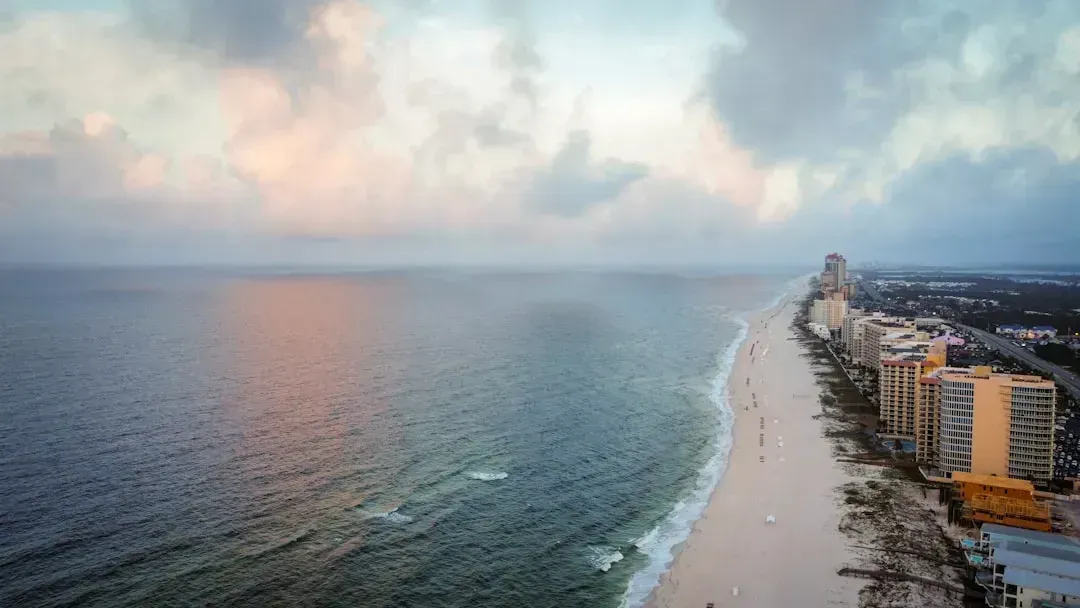
For decades, the Gulf Coast was one of America’s great lifestyle destinations – warm winters, affordable waterfront property, a culture worth staying for. That calculus is getting harder to maintain. Pinellas County, Florida, which is on the Gulf Coast and home to St. Petersburg, last year experienced its first net outflow in many years, a trend that intensified after Hurricane Helene hit at the end of 2024 and caused an estimated $93 million in damage.
Florida homeowners have shouldered a 45% increase in insurance rates from 2017 to 2022, and the average annual premium for a Florida homeowner is now around $5,500 – about 140% higher than the typical U.S. homeowner’s cost. That financial weight compounds after every new storm season. In some flood-prone counties, thousands of homes have been destroyed or damaged by recent hurricanes, with 2024’s Hurricane Milton devastating properties across much of coastal Florida.
The Arizona Desert: When Heat Becomes Unbearable
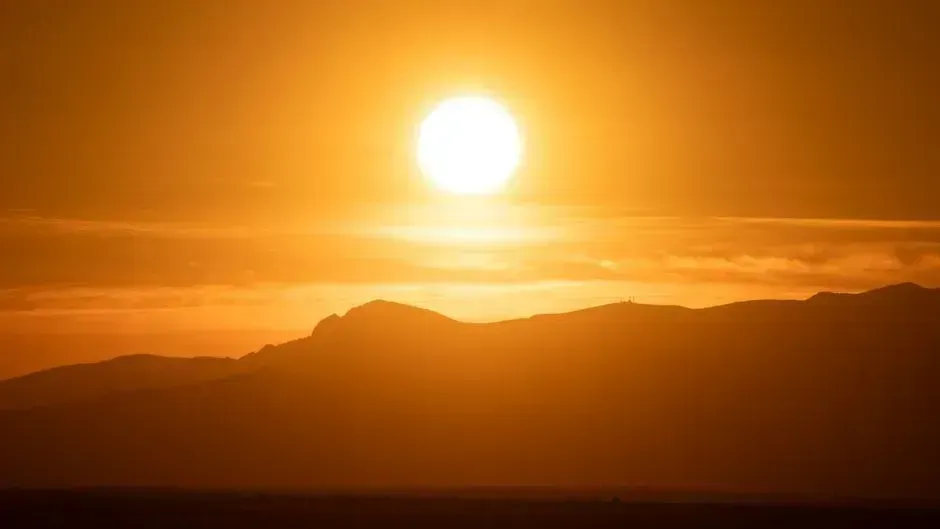
Phoenix has long been synonymous with dry, sunny warmth – a retirement dream, a snowbird paradise. That brand is under real pressure now. Phoenix, Arizona, experienced 21 consecutive days of record-breaking high temperatures last year. By contrast, the highest temperature ever recorded in Detroit was 105°F, back in 1934. The contrast between these two cities says something stark about where the extremes are moving.
Wealthy households in Phoenix are actively relocating to Flagstaff, a mountain city in northern Arizona where summer temperatures are 25 degrees cooler than the state capital. This kind of micro-migration within a state tells us that the push isn’t just ideological – it’s physical. Hot, dry weather can, in turn, increase wildfire risk, compounding heat stress with air quality crises that make outdoor life in desert cities increasingly difficult.
South Florida: The Flood Risk Math No Longer Works
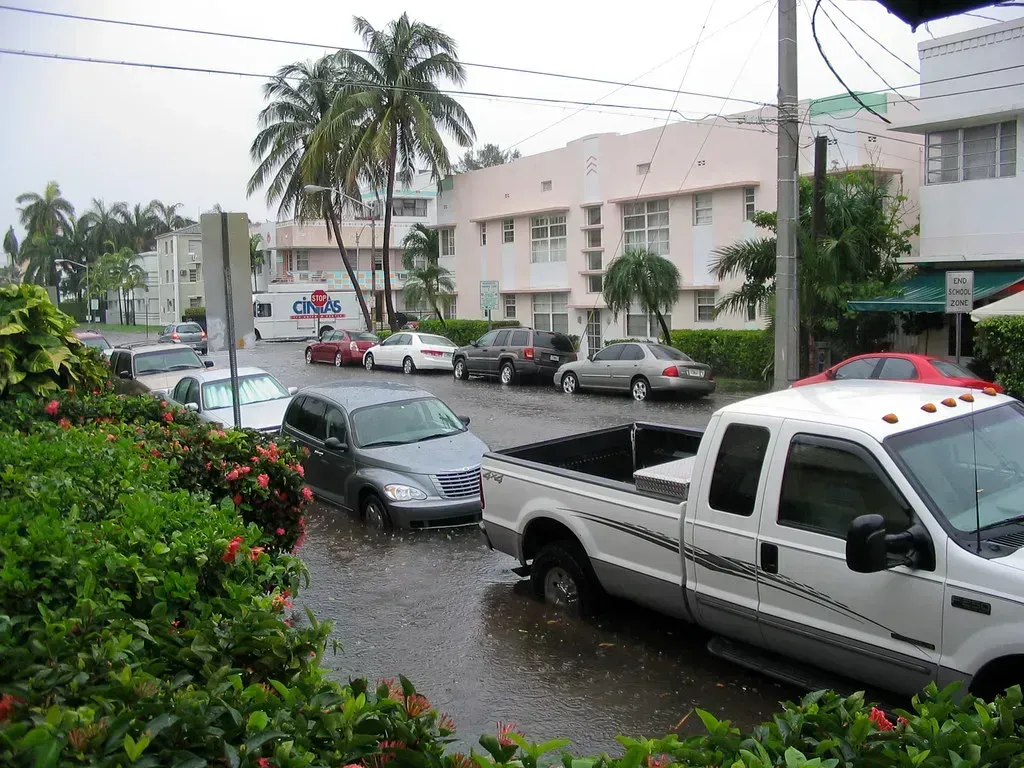
Miami has held on remarkably well in the face of mounting climate risk, sustained by international migration and its powerful economic engine. The domestic picture, though, tells a different story. Miami’s net outflow of domestic residents widened to over 67,000 in 2024 from around 50,000 in 2023 – the largest acceleration of any high-flood-risk county.
Soaring housing costs are part of the story – in Miami, home prices are up roughly 65% since just before the pandemic. Insurance costs on top of that are pushing the monthly math beyond what many residents can justify. Scientists now know with reasonable certainty that sea levels will rise one to two feet along the Gulf Coast and Eastern Seaboard by 2050, putting millions of homes at risk for regular flooding. For many South Floridians, that timeline no longer feels abstract.
Coastal Louisiana: A Region Already in Retreat
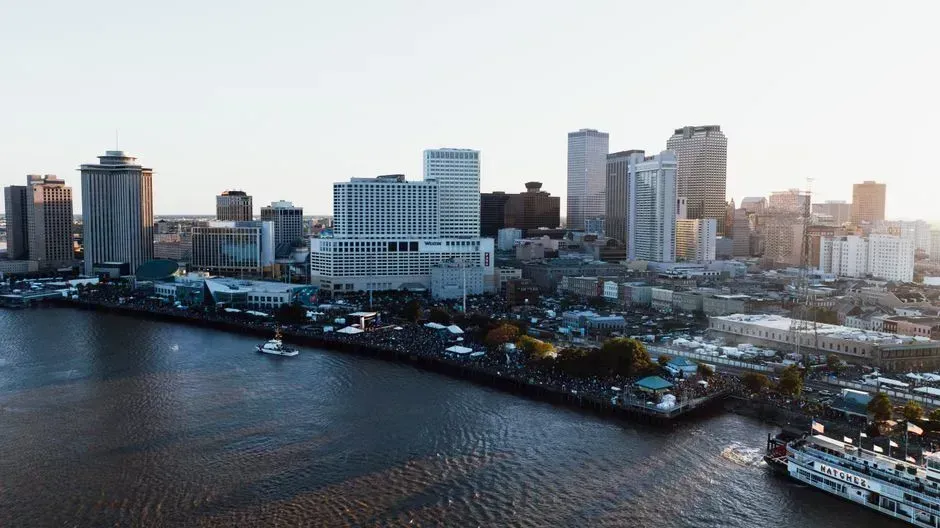
Louisiana’s relationship with climate displacement isn’t emerging – it’s been underway for years, in some places for decades. Around 500 households from Louisiana’s Isle de Jean Charles moved after coastal erosion shrank their island from 22,000 acres to just 320 acres. That’s not a weather event. That’s permanent land loss.
After Hurricane Katrina, New Orleans lost about half of its residents, and the city was still home to less than 80% of its pre-Katrina population in 2022. The recovery has been partial and uneven. Low-income, Black, and Native American communities in rural Louisiana are already at risk of being left behind as others with more resources flee increasingly severe climate impacts. The regional departure is real – it just hasn’t reached the scale of the national conversation yet.
California’s Wildfire Corridor: Smoke as a Breaking Point
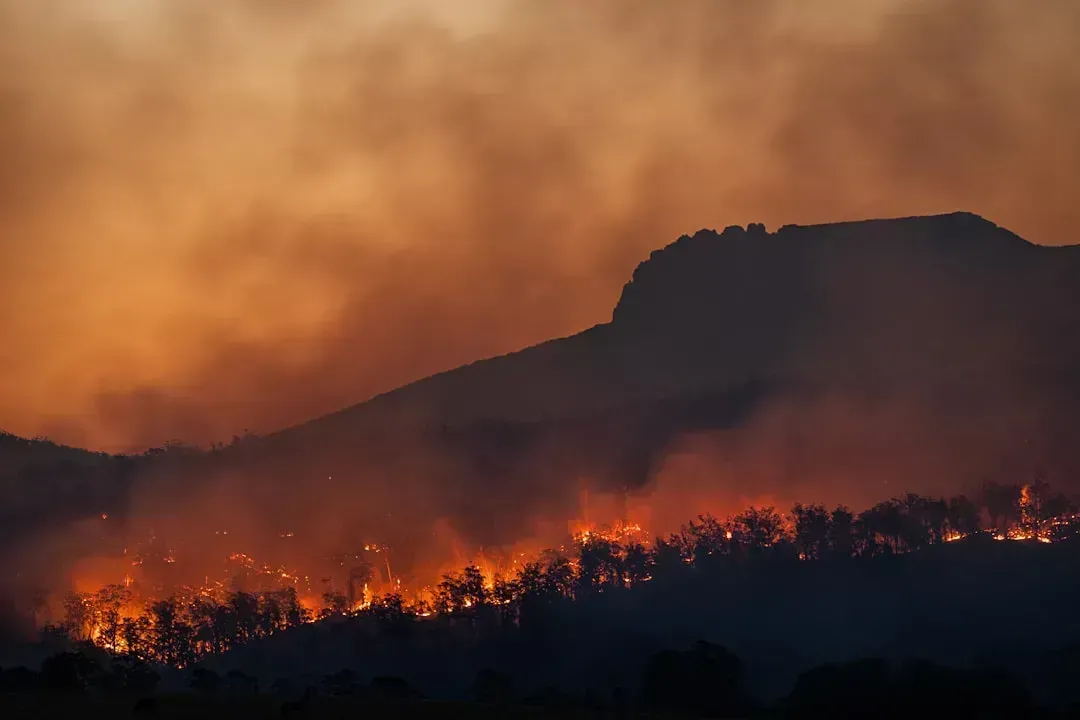
California’s population story has become complicated by many forces – cost of living, politics, remote work – but wildfire smoke has emerged as its own distinct driver of departures. Some residents have moved to Michigan’s Upper Peninsula after enduring a month of 100-degree days in Boise under constant haze of forest fire smoke choking out the skies. California is seeing similar patterns at a larger scale.
One influential study suggests that roughly one in twelve Americans in the Southern half of the country will move toward California, the Mountain West, or the Northwest over the next 45 years because of climate influences alone. The irony is that parts of California are simultaneously a destination and a departure point. Reports found that roughly four out of five Camp Fire victims remained within California after losing their homes, suggesting most people don’t go far – they just find somewhere with less smoke in the sky.
The Texas Gulf Zone: Where Climate and Cost Collide
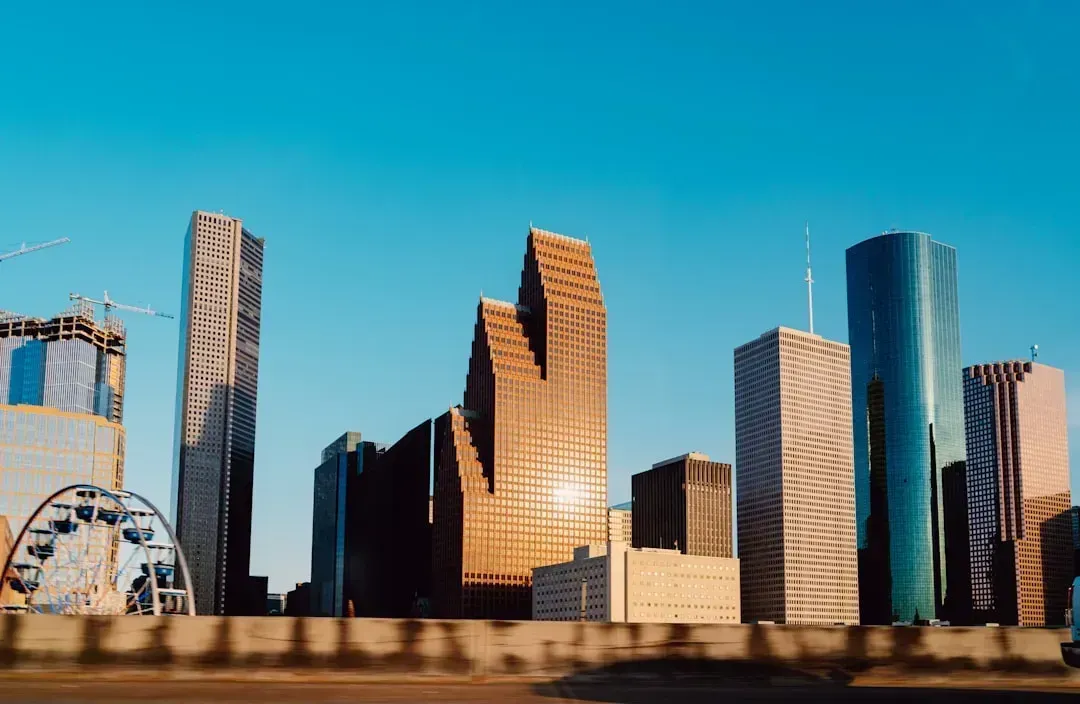
Texas was the great pandemic migration success story. Now the cities that boomed hardest are cooling fastest. Harris County, Texas – home to Houston – saw its net domestic outflow widen sharply in 2024, among the biggest accelerations in any high-flood-risk county. Houston faces a particularly complex combination of hazards: flood risk, hurricane exposure, and brutal summer heat, all intensifying together.
The increased frequency of natural disasters such as hurricanes, flooding, and wildfires in Texas is also putting significant pressure on property insurance markets. Dallas, too, saw a dramatic slowdown, with a net inflow of roughly 13,000 residents in 2024, down from 35,000 in 2023. These numbers don’t signal collapse, but they do mark a turning point in what was, not long ago, one of the most reliable migration stories in American geography.
The Upper Midwest and Great Lakes: The Reluctant “Climate Haven”

Cities like Duluth, Cleveland, Buffalo, and Cincinnati have been labeled climate havens in research reports and news coverage for years. The label is both appealing and contested. Researchers have pointed to the Great Lakes region, and Michigan in particular, as a destination for people seeking to escape the storm-ravaged Southeast or the parched Southwest, with the Midwest holding special appeal due to its abundant fresh water, cooler summers, and comparatively little risk from hurricanes and wildfires.
Some Great Lakes cities have been working to position themselves as “climate havens,” with leaders like Cuyahoga County executive Chris Ronayne noting that Cleveland is a region ready for population return – a city built infrastructurally for a million people in its center city and perhaps three million in its urban core. Five cities in the Great Lakes region appear among the 10 most affordable places to live in the country, with Green Bay, Fort Wayne, Pittsburgh, Peoria, and Youngstown all ranking near the top of recent affordability lists. The combination of space, water, and price is genuinely rare in 2026 America.
The Mountain West: Trading One Risk for Another
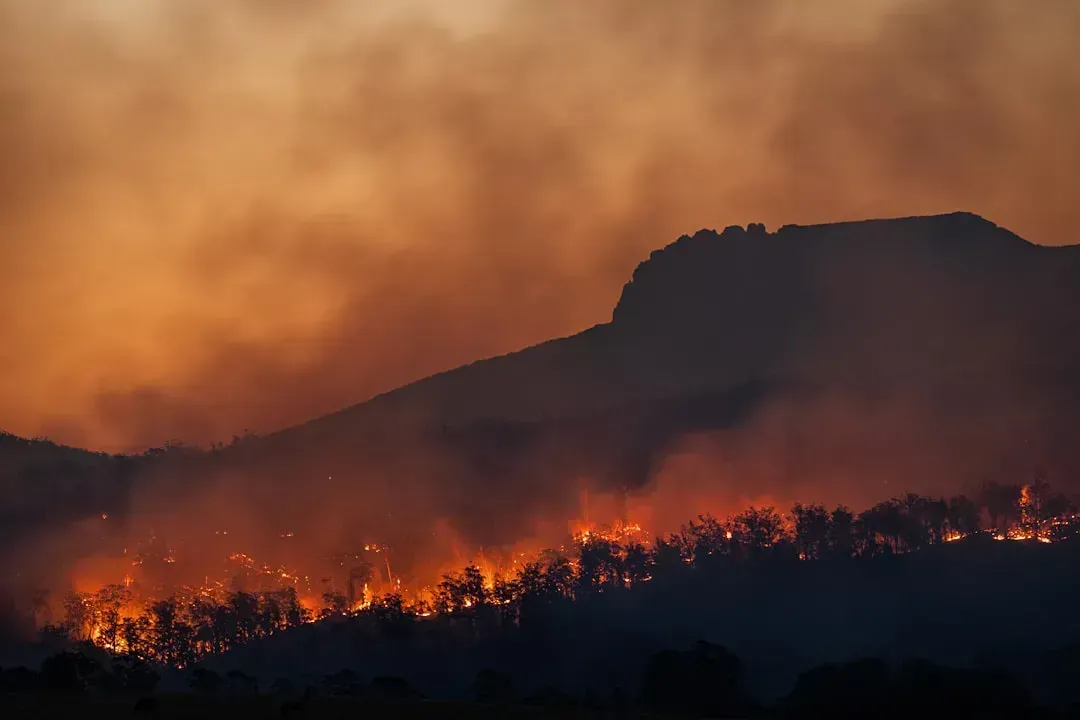
The Mountain West surged during the pandemic years as remote workers chased scenery and relatively affordable space. The region’s climate profile is now under scrutiny. Parts of Colorado, Idaho, Utah, and Montana face converging pressures: prolonged drought, expanding wildfire seasons, and water supply stress tied to the declining Colorado River. Montana, for instance, has seen large in-migration despite facing its own wildfire and water threats – a sign that many movers are still weighing lifestyle appeal against long-term risk.
Climate change is bringing heavier rainfall extremes and increased flood risk to many parts of the U.S., while more frequent hot, dry, windy conditions contribute to more wildfires that put people and ecosystems at risk – conditions that describe much of the Mountain West in its current state. There is broad agreement among researchers that the U.S. South, from Los Angeles to Miami, will become increasingly at-risk of natural hazards and perhaps even become unlivable for some parts of the year, which may redirect future Mountain West-bound migrants further north as conditions develop. The region sits at a crossroads: scenic enough to keep attracting people, vulnerable enough to make long-term residents reconsider their odds.
What’s clear from all of this data is that climate is no longer background noise in American migration decisions. It’s a line item. For some it’s the deciding factor, for others it’s one consideration among many – but the numbers from Redfin, First Street, and the Census Bureau are beginning to tell the same story from different angles. The significant uptick in movement away from flood-prone places suggests that concerns about flooding and climate are beginning to reshape where Americans choose to settle, while high-flood-risk counties lose residents and lower-risk counties see strong population gains. The shift is quiet, gradual, and – if the trend lines hold – likely just getting started.
