
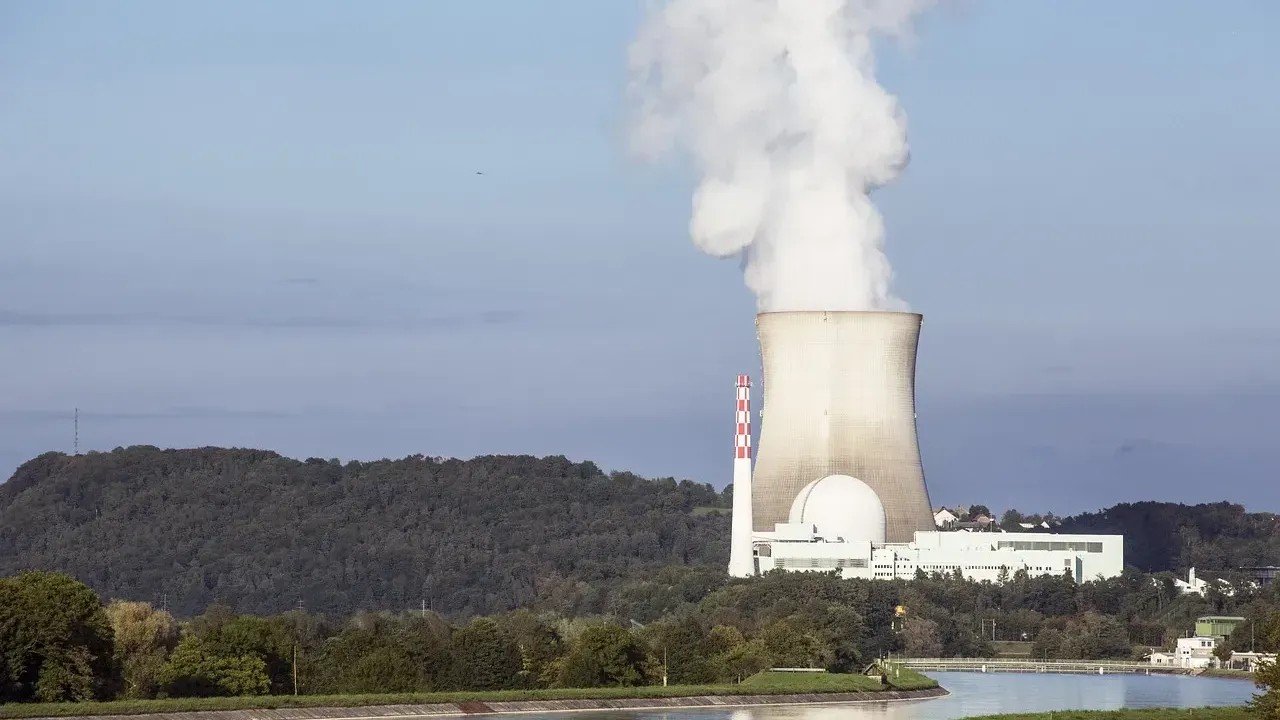

Pennsylvania: The Most Symbolic Restart in American History
Few places carry more psychological weight in the nuclear story than Three Mile Island. The site of the worst commercial nuclear accident in U.S. history is now, improbably, at the center of the country’s most-watched nuclear restart. In a $1.6 billion deal between owner Constellation Energy and Microsoft to power the tech giant’s AI data centers, Three Mile Island is set to return to service as the Crane Clean Energy Center.
The NRC said that restarting the Unit 1 reactor “would have no significant environmental impacts,” and if the NRC grants final approval, Constellation has said it’s in position to start producing electricity there again by late 2027. The reactor is expected to bring back over 600 jobs and put over 800 megawatts of clean, emissions-free power back onto the grid. For a state that already gets nearly a third of its energy from nuclear, this restart is less a reversal and more a doubling down.
Michigan: The First Plant to Return from the Dead
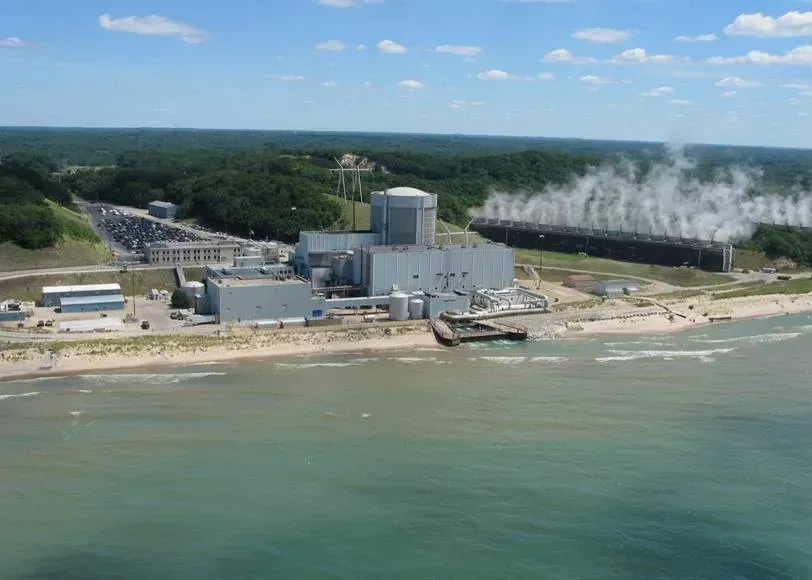
Palisades Nuclear Generating Station on the eastern shore of Lake Michigan has the distinction of being something entirely new in U.S. energy history. Palisades is on track to restart, and when it does, it will be the first nuclear plant in the United States to generate electricity again after being decommissioned. That’s not a small thing. Nuclear plants that go through decommissioning are generally considered gone permanently.
The Energy Department is supporting the restart of the Palisades plant in Michigan with a $1.5 billion loan to Holtec International. The company pushed forward after the state’s governor and local officials intervened to keep the facility viable. The Nuclear Regulatory Commission approved the restart pathway for Palisades in July, increasing U.S. energy output for data centers. Michigan’s grid was under pressure as fossil fuel capacity retired, and Palisades offered a ready solution with existing infrastructure.
Iowa: A Coal-Country Prairie State Turns to Nuclear
Iowa is not the first state that comes to mind when thinking about nuclear energy. It’s wind country, after all, generating a remarkably high share of its electricity from turbines. Yet the state’s decommissioned Duane Arnold Energy Center is now part of a serious revival plan. In October 2025, Google signed a 25-year power purchase agreement with NextEra for the plant, and in January 2026, Linn County approved rezoning to support the restart, which is expected in early 2029.
Iowa’s HF 2550 proposes the establishment of an Iowa Modular Reactor Committee for small modular reactors, and the state’s decommissioned Duane Arnold Energy Center is being restarted in 2029 following an agreement between NextEra Energy and Google announced in late 2025. That Google would sign a 25-year deal for power from a shuttered plant in rural Iowa says something meaningful about how seriously tech companies are now taking nuclear as a long-term energy source.
Wyoming: A Coal State Bets on an Entirely New Reactor Design
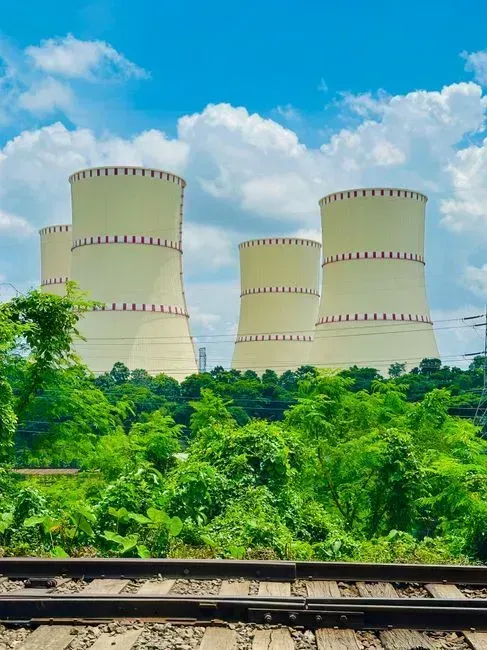
Wyoming has long been defined by fossil fuels. Coal mining, natural gas, oil production – these are the pillars of its economy. So it’s genuinely striking that the state is now home to one of the most advanced nuclear energy projects in the country. TerraPower’s Natrium fast reactor project in Kemmerer, Wyoming, reached a historic milestone: TerraPower received its construction permit in March 2026, the first ever issued by the NRC for a commercial non-light-water power reactor, and broke ground on the Natrium plant construction the following month.
The Natrium reactor is based on a 345 MWe sodium-cooled fast reactor coupled with a molten salt-based energy storage system. That energy storage pairing is part of what makes the design genuinely different from traditional nuclear plants. It’s being built near a retiring coal plant in Kemmerer, a small town that’s essentially betting its economic future on the transition. Meta has also agreed to provide funding to support deployment of two TerraPower Natrium sodium fast reactors with delivery from 2032, plus the rights for energy from up to six other Natrium units targeted for delivery by 2035.
Texas: Industrial Nuclear for the Lone Star Grid
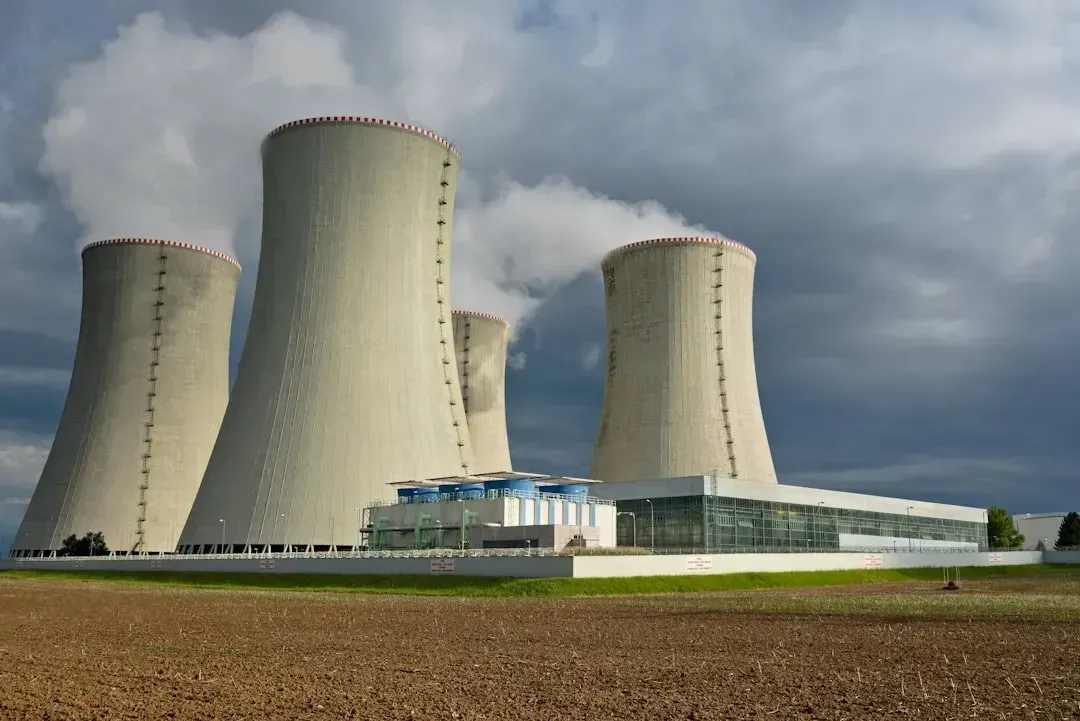
Texas has always done energy on its own terms, and nuclear is no exception. Rather than pursuing traditional large-scale reactor construction, the state is becoming a test bed for small modular reactors deployed directly at industrial facilities. Texas is positioning itself as a leading site for commercial-scale nuclear reactors, and backed by $1.2 billion from the Department of Energy’s Advanced Reactor Demonstration Program, X-energy plans four 80-megawatt reactors at Dow Chemical’s Seadrift chemical plant on the Texas coast, expected to start producing power in the early 2030s.
The project could become the first grid-scale advanced nuclear reactor deployed to serve an industrial site in North America. The companies believe that the project will reduce the Seadrift site’s emissions by roughly 440,000 tonnes of carbon dioxide equivalent per year. For a state with its own independent power grid already under strain, having a reliable baseload source embedded directly in industrial facilities rather than layered onto the grid is a strategically different approach. The NRC’s environmental review moved ahead of schedule in 2026, a sign that regulators are taking the timeline seriously.
Tennessee: The TVA Doubles Down on Advanced Reactors
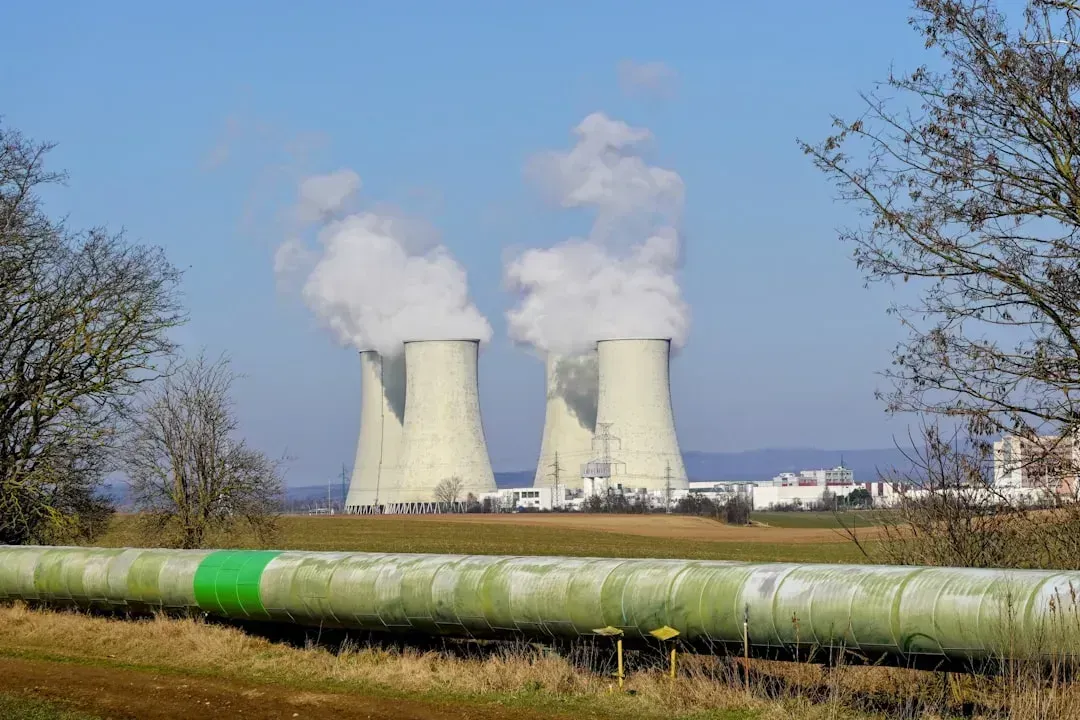
The Tennessee Valley Authority has operated nuclear plants for decades, and it’s now positioning itself as a proving ground for the next generation of reactor technology. In April 2025, the Tennessee Valley Authority applied for a construction permit for a BWRX-300 at its Clinch River site in Oak Ridge, Tennessee, and the NRC accepted the application for review in July 2025, expecting to complete its review by December 2026. The BWRX-300 is a small modular reactor developed by GE Hitachi, and approval would make it one of the first SMR construction permits of its kind in the U.S.
Kairos Power also started construction on its Hermes reactor in Oak Ridge, Tennessee, a project supported through DOE’s Advanced Reactor Demonstration Program, with the low-power reactor being used to inform the development of a commercial fluoride salt-cooled, high-temperature reactor. Tennessee is effectively running two distinct advanced reactor programs simultaneously at one site, making Oak Ridge something of a living laboratory for nuclear’s next chapter. The state’s willingness to host both test and commercial-scale designs gives it a meaningful head start.
Georgia: The State That Already Crossed the Finish Line
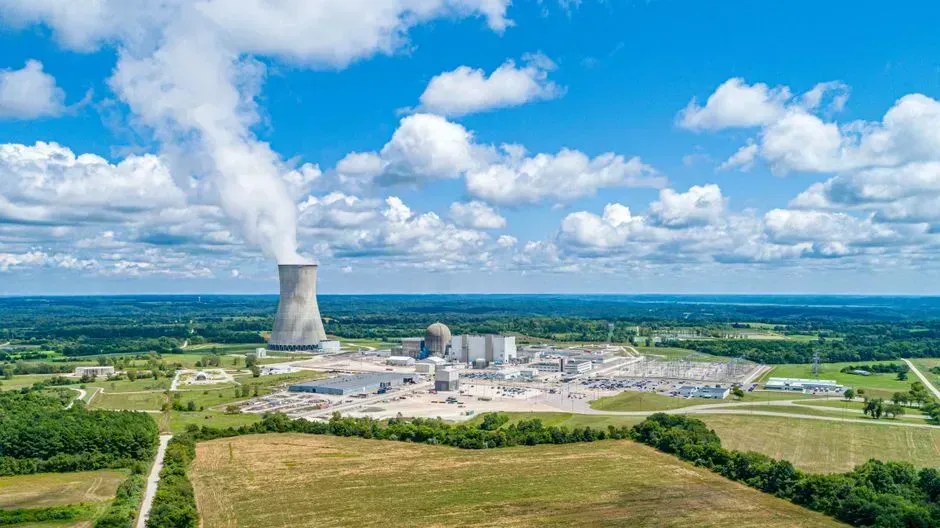
Most states on this list are in the planning or construction phase. Georgia has already done it. Vogtle Unit 4 entered commercial service in April 2024, wrapping up the power plant’s expansion project in Waynesboro, Georgia, and Plant Vogtle is now the largest clean power generator in the country, home to two AP1000 reactors, the first new builds in the United States in more than 30 years.
With an original budget of $14 billion, the final cost for the plants reached approximately $36.8 billion and took 15 years to build, with costs passed to Georgia ratepayers through higher electricity bills. The Vogtle expansion is, at the same time, both a cautionary tale about cost overruns and a genuine proof of concept for large-scale nuclear construction in the modern United States. A new study committee within Georgia’s Public Service Commission is now evaluating the state’s nuclear trajectory going forward. Georgia isn’t resting. It’s assessing what comes next.
Connecticut: Quietly Reopening the Door
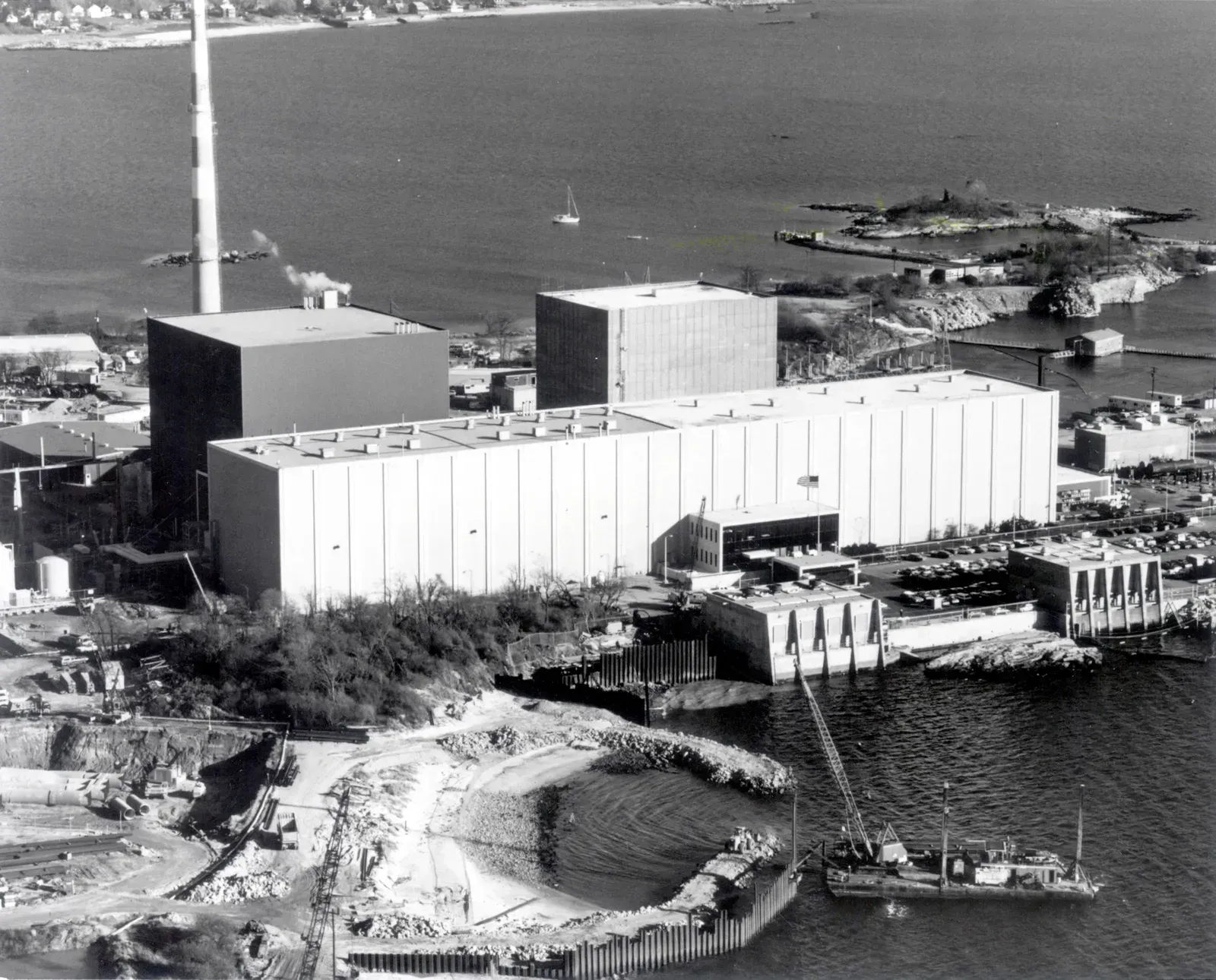
Connecticut is a small state with a significant nuclear footprint. Millstone Nuclear Power Station provides a substantial portion of New England’s reliable electricity, and the state is now taking deliberate steps to expand that role. In 2022, Connecticut partially lifted its moratorium to allow for new construction at Millstone, the state’s only commercially operating nuclear site, and in 2025, the legislature passed a law that reaffirms the state’s interest in adding capacity to the Millstone site and enables communities to opt in to hosting advanced reactor facilities through a local vote.
That community opt-in mechanism is a policy innovation worth noting. Rather than imposing siting decisions from above, Connecticut is giving local governments the ability to raise their hand for advanced reactors. It’s a politically careful approach that tries to build legitimacy from the ground up. Massachusetts has also established a commission to consider the inclusion of nuclear energy in the state’s future energy planning, meaning the broader New England region, long skeptical of nuclear expansion, is genuinely reconsidering its position.
