


- The New “Storm Alley”: Why Kansas and Nebraska Are Seeing More Tornadoes Than Ever - September 30, 2026
- 9 Everyday Products Developed Through NASA Research, From Memory Foam to Water Filters - September 30, 2026
- 8 Things About Modern Homes That Could Change as the Climate Warms - September 30, 2026
1. Roofs will be built to reflect heat, not just shed water
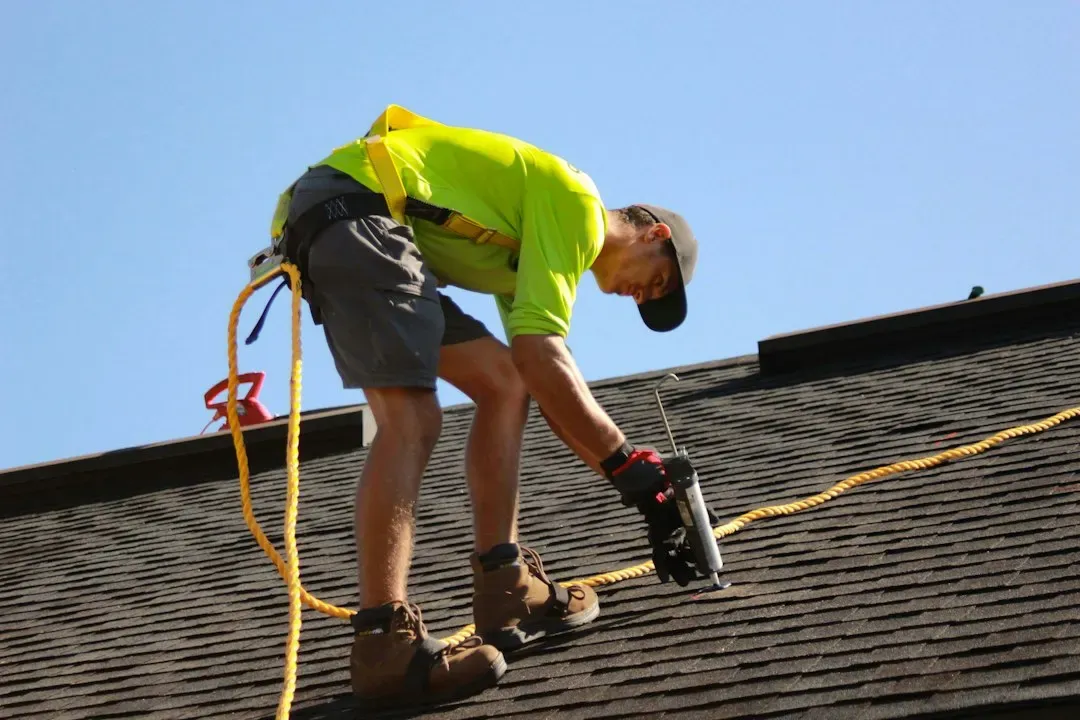
For decades, roofing decisions came down to looks and budget. That’s shifting fast as cities push “cool roof” standards meant to fight rising temperatures. Los Angeles requires cool roofs on all residential steep-slope projects citywide, regardless of climate zone, while San Francisco applies cool roof standards to any reroof project over 2,000 square feet.
The materials themselves are changing too. Metal roofing inherently meets cool roof standards in most colors, making it a code-compliant choice with no added cost. In wildfire-prone regions, that reflective quality now has to coexist with fire resistance, since homes in designated Wildland-Urban Interface areas must use Class A fire-rated roofing materials regardless of cool roof requirements.
2. Walls and attics will get noticeably tighter
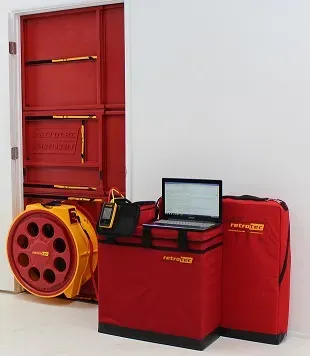
Air sealing used to be an afterthought. Under the newest residential code, it’s a pass-or-fail test. Air leakage testing is now mandatory, and the 2024 IECC requires blower door testing for all new homes, with a maximum air leakage rate of 3.0 ACH50 in Climate Zones 3 through 8 and 5.0 ACH50 in Climate Zones 0 through 2.
That tightness doesn’t come free. Builders can expect to spend $1,500 to $4,000 more per home on insulation and air sealing to meet the new requirements, since continuous insulation on exterior walls adds both material cost and installation time. The upside is a house that holds its temperature far better during heat waves and cold snaps alike, which matters more every year as both extremes grow more common.
3. Windows will trade single-pane charm for storm-grade glass
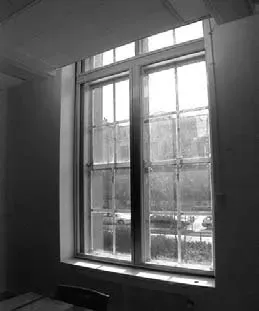
Windows are turning into one of the more expensive line items in climate-conscious construction. Upgrading to double- or triple-pane windows improves energy efficiency and resistance against strong winds. The price difference is real, since storm-rated windows cost around $800 to $1,500 per window installed versus $400 for standard, but they last 20 or more years and cut energy bills by roughly a fifth to a third.
Florida’s experience with wind-resistant codes suggests the investment pays off over time. A study of wind-enhanced building codes in Florida found a benefit-to-cost ratio of $6 in reduced damage for every $1 in increased cost, and even the priciest option, impact-resistant windows, still returned $2.20 in reduced damage for each $1 spent. Insurers have started noticing too, with some offering premium discounts to homeowners who make the switch.
4. Rooftops will be pre-wired for solar and batteries before anyone asks for them
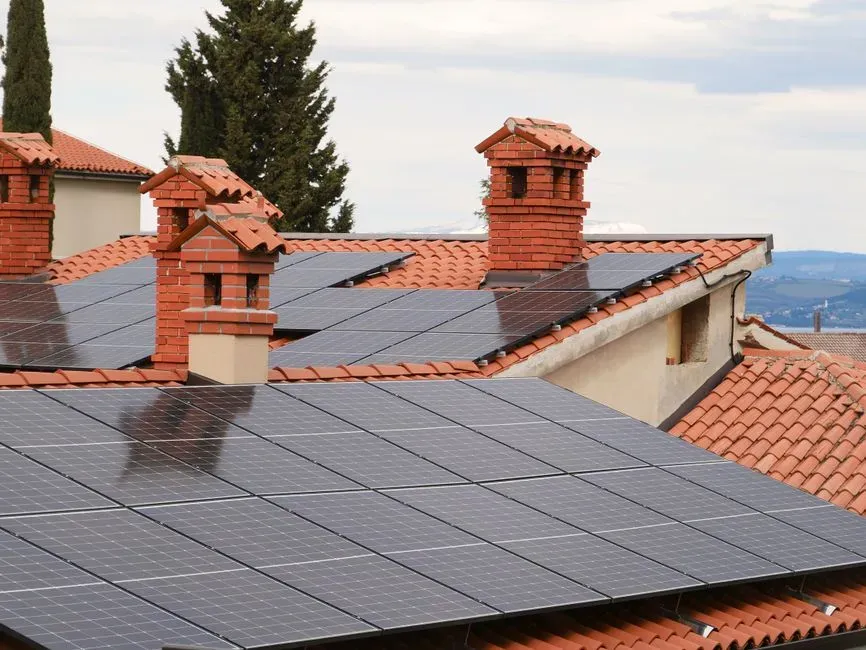
Solar panels used to be something homeowners bolted on years after moving in. New codes are flipping that order around. Roof framing will need to be designed with PV and likely battery loading and orientation in mind under upcoming code cycles.
New York is folding this directly into state climate goals, since the state’s 2026 code adoption includes solar-ready roofing requirements for all new residential buildings, aligning with the Climate Leadership and Community Protection Act’s goal of 70% renewable electricity by 2030. The added cost for builders is modest, and for new construction it typically runs $500 to $2,000 depending on the home design, an investment that pays for itself many times over if the homeowner later installs solar.
5. Flood-prone homes will start standing on stilts, literally
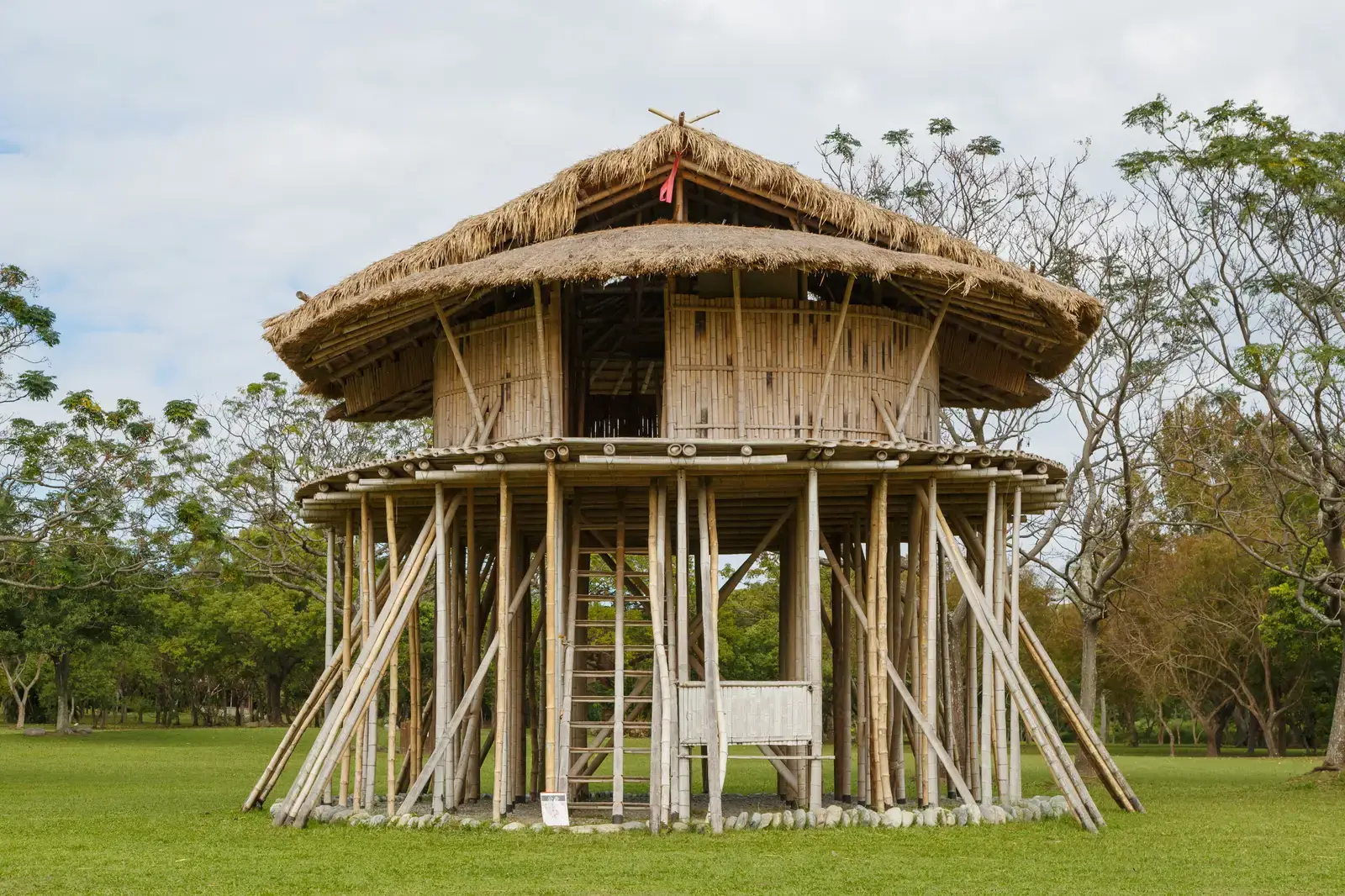
Elevation is becoming one of the simplest, most visible responses to rising water risk, especially along the coasts. In Florida, as flood insurance costs on coastal homes keep climbing, some homeowners are choosing to elevate their homes above the flood zone to avoid buying that insurance altogether. It’s a blunt but effective fix, and it’s showing up more often in rebuild projects after major storms.
The market is starting to reward it. In New Jersey, coastal homes made resilient to hurricanes and flooding through constructed dunes have sold at a premium of about 3.6%. Meanwhile, homes that skip these upgrades in risk zones are quietly losing value, since flood zone discounts in the US typically range from about 2% to 10% depending on the market, and wildfire-vulnerable home values in California have fallen between 9% and 22%.
6. Fire hardening will move from wildfire country into mainstream construction
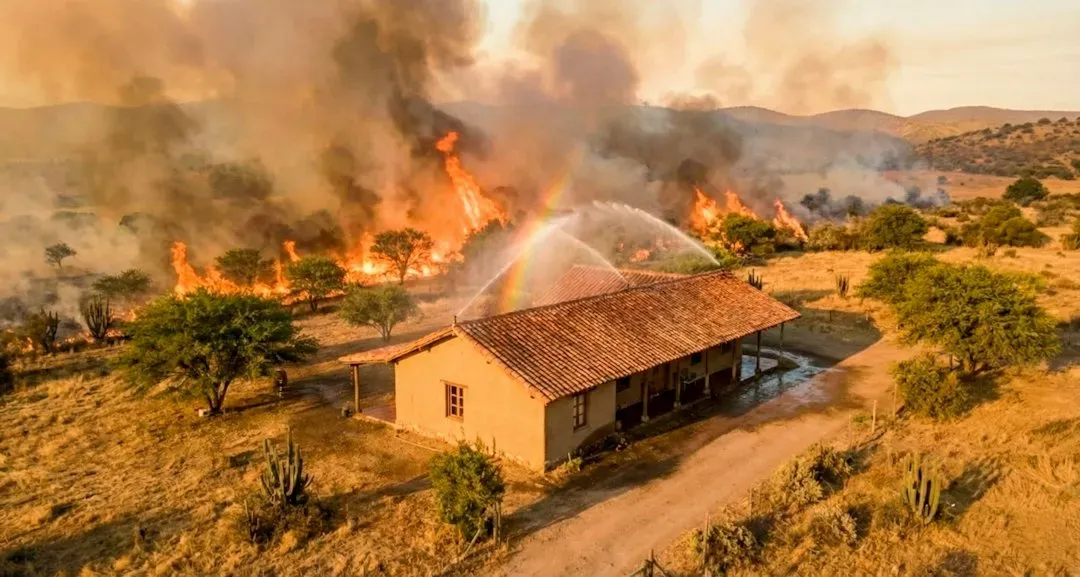
What used to be a niche concern for homes tucked against forests is becoming standard practice in much broader stretches of the country. California’s updated code is a clear signal of where things are headed. In Wildland-Urban Interface zones, stricter fire-resilient requirements are replacing older rules, and new regulations may require more fire-rated materials, upgraded venting and protection systems, and home hardening measures.
These changes aren’t just regulatory box-checking. One fund launched after the 2025 Los Angeles fires supports upgrades for 12,000 homes, bringing them up to the Wildfire Prepared Home Plus Standard from the Insurance Institute for Business Home & Safety, an advanced layer of home protection. Expect ember-resistant vents, non-combustible siding, and defensible landscaping to keep spreading well beyond the states that currently mandate them.
7. Ventilation and indoor air quality rules will get stricter
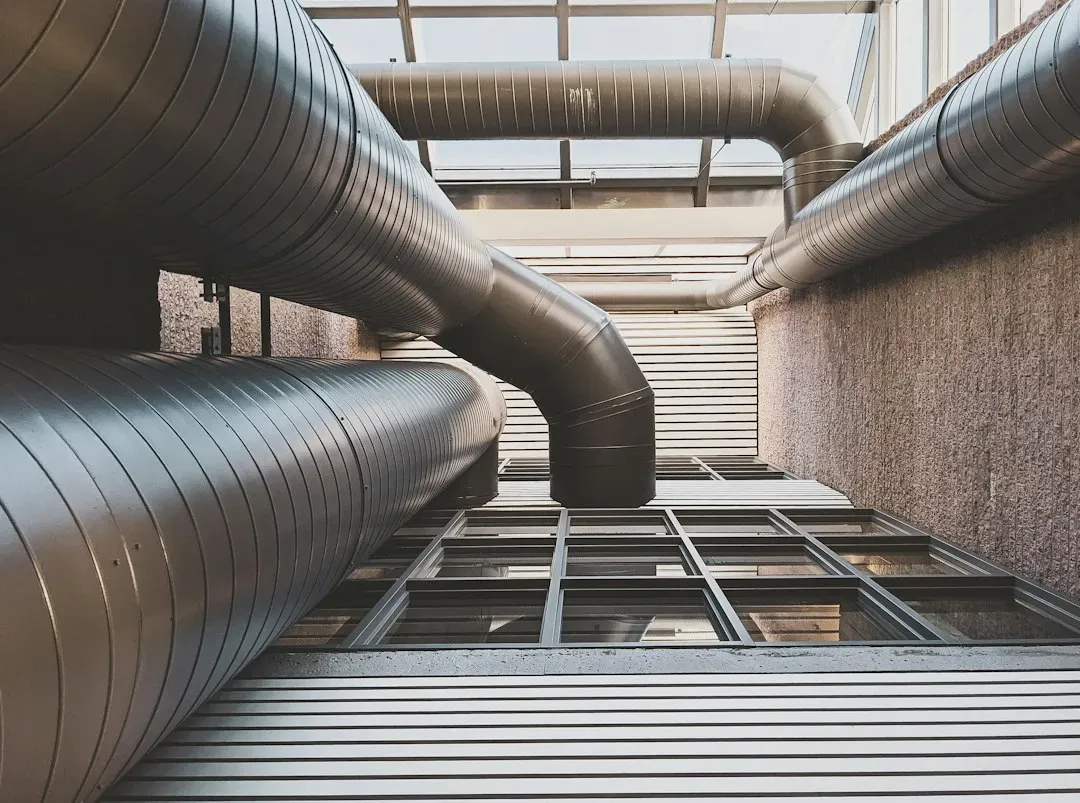
As homes get sealed tighter against heat and storms, keeping the air inside them breathable becomes its own engineering problem. California’s 2026 code addresses this head-on, since tighter ventilation, moisture control, and indoor air quality rules will be required to address health and comfort. Sealed, energy-efficient homes trap moisture and pollutants more easily than leaky older ones, so mechanical ventilation systems are becoming a standard fixture rather than an upgrade.
This shift matters most during heat waves and wildfire smoke events, when people are more likely to stay indoors with windows shut. The code’s climate resilience ambitions also touch on heat mitigation, water strategies, and durability in extreme weather. It’s a quieter change than solar panels or storm windows, but it may end up affecting daily comfort more directly.
8. Insurance requirements will start shaping design choices as much as building codes do
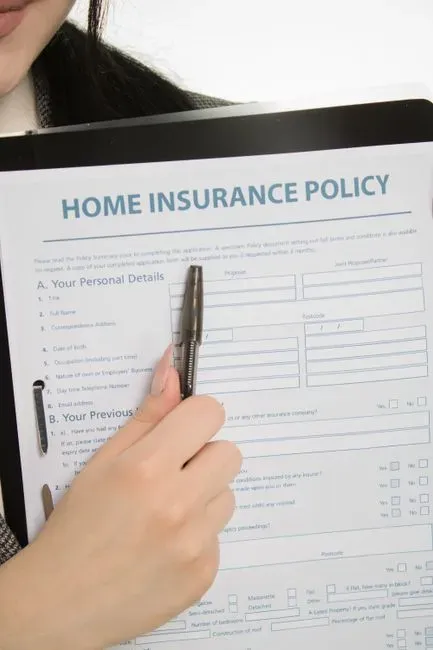
Increasingly, it isn’t just code officials pushing homes to change. Insurers are becoming co-authors of the modern house. New homes built with advanced construction techniques and materials, like engineered timber, impact-resistant glass windows, reinforced doors, and enhanced roof coverings, are more resilient to damage from severe weather compared to most existing homes, and average annual wind damage costs are about 84% lower for a home built to 2022 code compared to a 1990s-era home.
That gap is starting to translate into real financial pressure on older, unadapted homes. California already requires insurers to offer discounts to homeowners who take steps to mitigate wildfire risks, while an Alabama program uses insurer licensing fees to fund grants for roof upgrades that make participants eligible for a 20 percent or higher discount on premiums. As similar programs spread, the line between “what the code requires” and “what your insurer will actually cover” is likely to blur even further.
None of these shifts happened overnight, and none of them are finished. Codes updated in 2026 will keep evolving through the next cycle, insurers will keep adjusting premiums as claims data comes in, and homeowners in different states will feel these changes at very different speeds. What’s clear is that the house as a physical object, its roof, its glass, its wiring, its walls, is being quietly reengineered for a climate that no longer behaves the way it did when most existing homes were built.