


- 7 Reasons Some Deserts Are Cold While Others Stay Hot Year-Round - September 30, 2026
- 8 Countries With the Most Protected Natural Land – and 9 Where Deforestation Continues to Rise - September 30, 2026
- The 5 Key Differences Between Recycling Plastic and Paper - September 30, 2026
The story of global conservation in 2026 is really two stories running side by side. On one hand, a handful of nations have committed extraordinary shares of their territory to national parks, wildlife refuges, and biosphere reserves, some pushing well past half their land area. On the other, satellite data keeps confirming that forest loss hasn’t slowed everywhere, and in several countries it’s actually accelerating, driven by cattle ranching, mining, fire, and agricultural expansion.
Looking at both lists together offers a clearer picture of where the planet’s remaining wild spaces are thriving and where they’re under the most pressure right now. Some of these countries might surprise you.
1. Venezuela – More Than Half the Country Is Protected
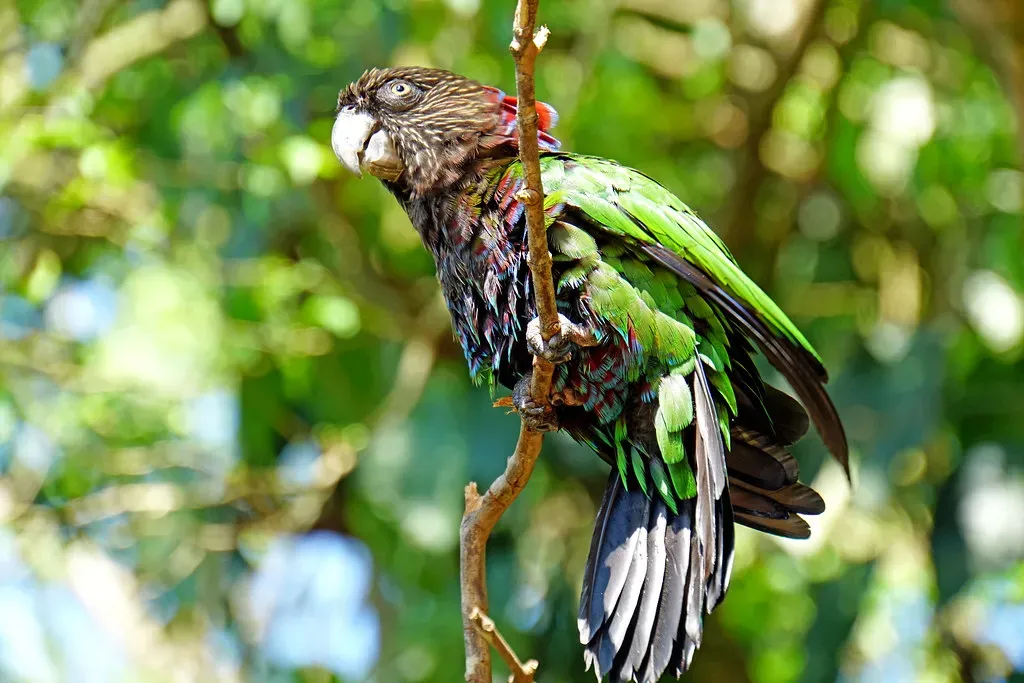
Venezuela stands out as the largest sovereign nation to protect a majority of its own land. With 290 protected areas, these encompass over 56% of the country’s total land area and include national parks, natural monuments, forest reserves, and wildlife refuges. That’s a staggering commitment for a country of its size, and it places Venezuela well ahead of most large nations on earth.
What makes this figure notable is the scale involved, since protecting more than half a landmass this large is a very different challenge than doing so on a small island. Analysts note that Venezuela is the top-ranking large nation, with more than half its land protected, reflecting its extensive natural reserves across the Orinoco basin and Guiana Highlands region.
2. Seychelles – An Island Nation Aiming for 50 Percent Marine Protection Too
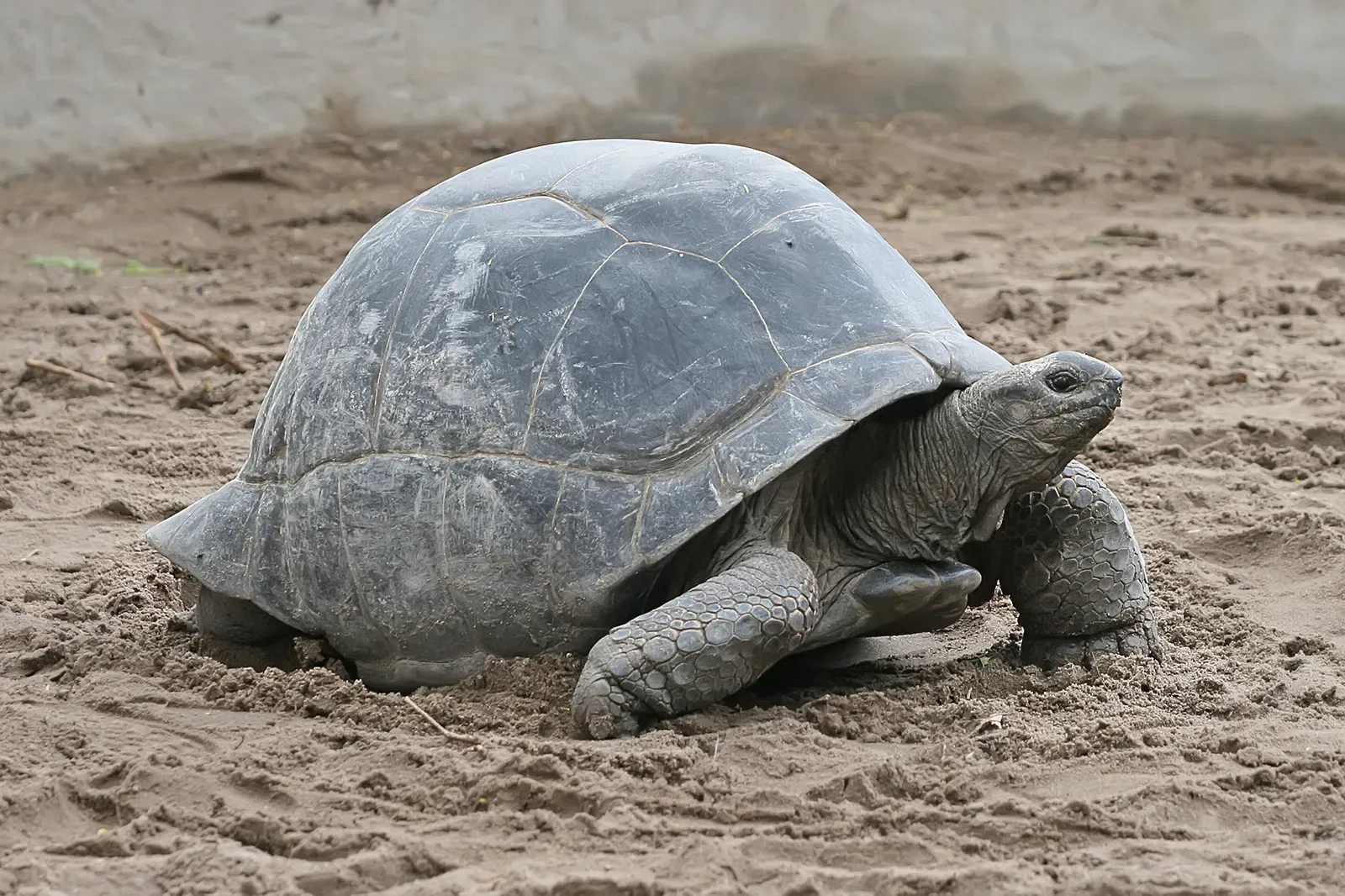
The Seychelles has quietly become one of the most ambitious conservation stories in the Indian Ocean. Current data shows that in the Seychelles, there are 51 protected areas, which encompass over 61% of the land area and 32.8% of the marine area, an extraordinary figure for a nation built from scattered granite and coral islands.
One of the country’s crown jewels is a UNESCO World Heritage site that’s home to an astonishing concentration of wildlife. One notable protected area is the Aldabra Atoll, a sanctuary for 152,000 giant tortoises. The government has continued expanding its reserve network in recent years, treating conservation as central to both its environmental identity and its tourism economy.
3. Luxembourg – Europe’s Quiet Conservation Leader
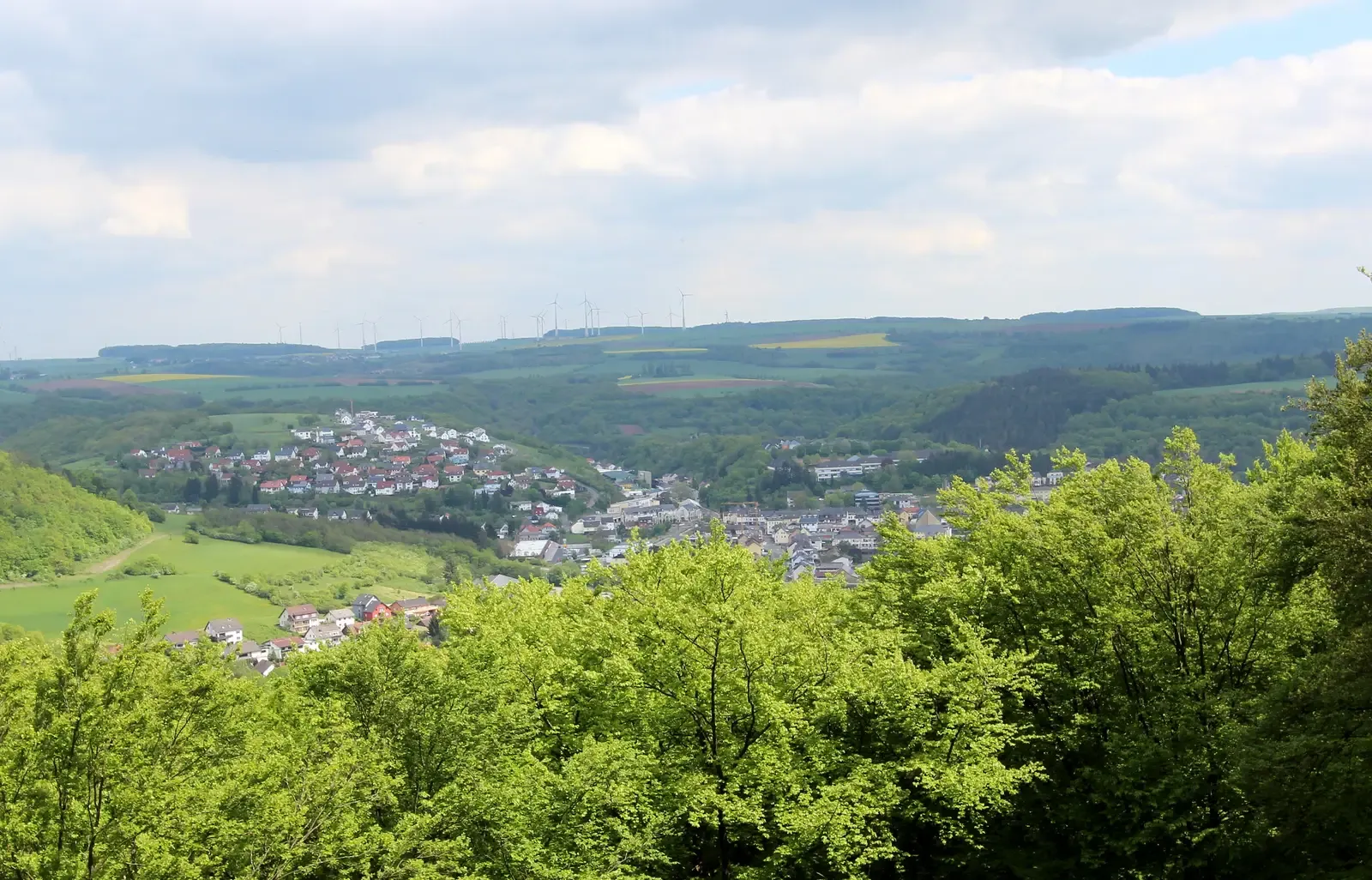
Luxembourg rarely gets mentioned in global environmental conversations, yet it ranks among the most protected countries in Europe by percentage of land area. According to recent figures, Luxembourg stands out in Europe, with 55.8% of its territory protected, including three nature parks and two Ramsar-recognized wetlands across its 200 regions.
For such a small, densely populated country, that level of protection is genuinely unusual. It reflects a deliberate policy choice to preserve forests, wetlands, and rural landscapes even as the nation remains one of the wealthiest and most urbanized in the European Union.
4. Bhutan – Conservation Written Into the Constitution
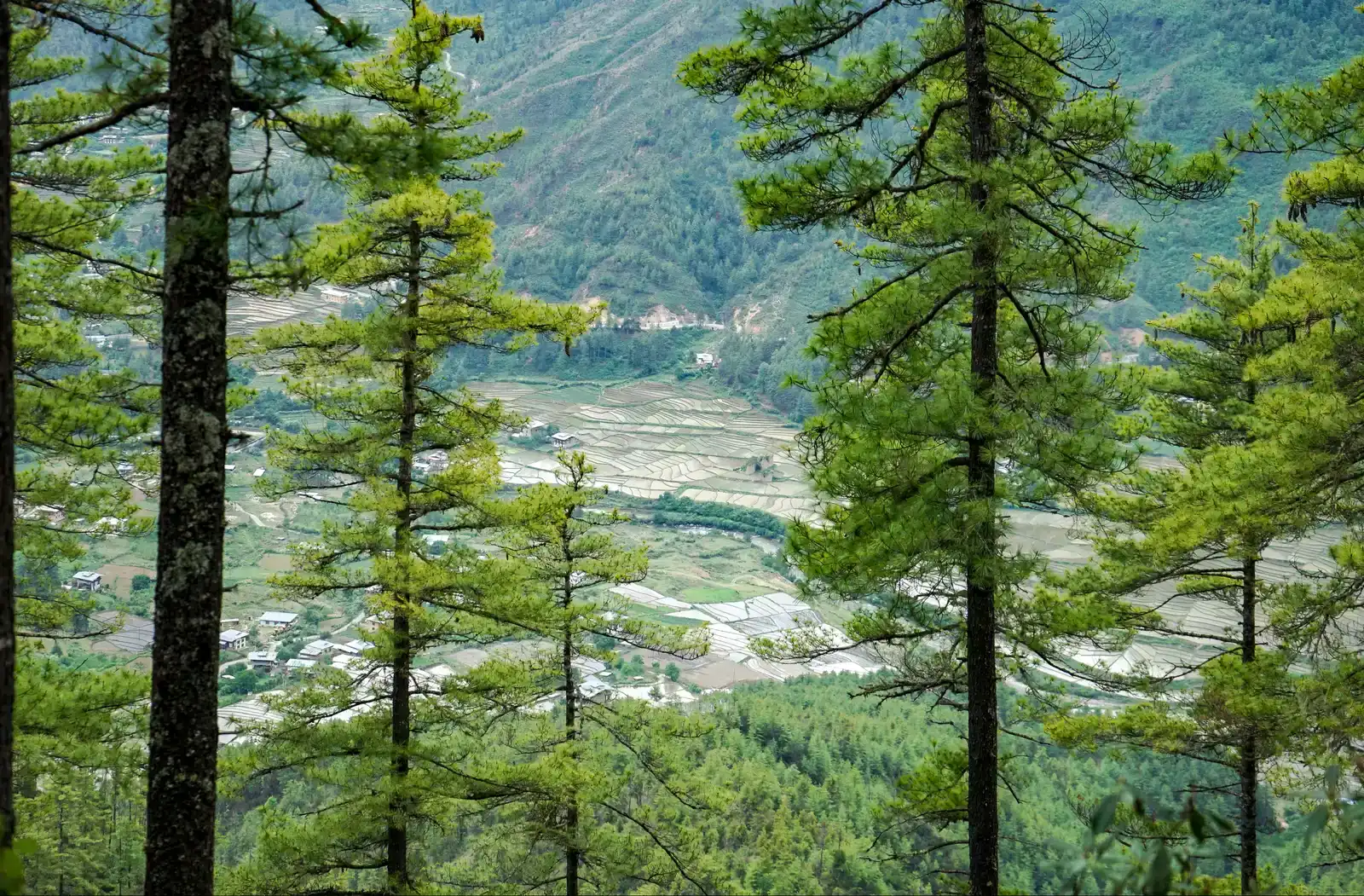
Bhutan has long been held up as a model for environmental policy, and the numbers back up the reputation. Current data indicates that Bhutan has 22 protected areas covering about 49.67% of the country, featuring notable sites like the Royal Manas National Park and the Jigme Khesar Strict Nature Reserve.
The Himalayan kingdom’s constitution actually requires a minimum percentage of forest cover to be maintained permanently, a legal safeguard few other countries have adopted. Combined with a small population and a deliberate low-impact approach to tourism, Bhutan has managed to keep nearly half its territory in a protected, largely undisturbed state.
5. Brunei – Rainforest Protection in the Heart of Borneo
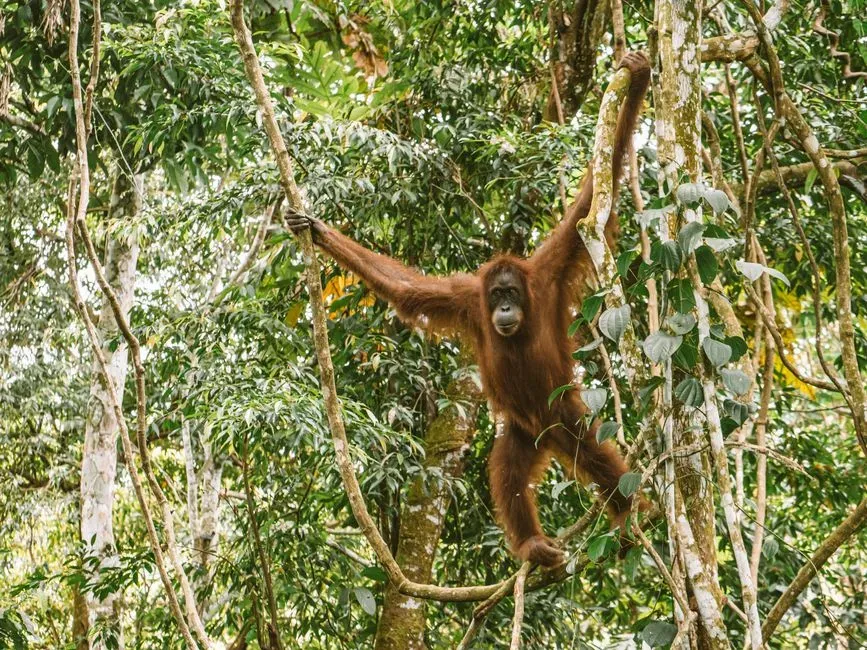
Brunei sits on the island of Borneo, surrounded by regions that have seen some of the world’s heaviest palm oil driven deforestation, yet the sultanate itself has taken a very different path. Recent figures show Brunei Darussalam protects over 46% of its land area, primarily consisting of rainforests, across 56 different areas.
Oil and gas wealth has allowed Brunei to avoid the economic pressure to convert forest into plantation land that has reshaped much of neighboring Malaysia and Indonesia. The result is a small but ecologically rich country where primary rainforest still dominates the landscape.
6. New Caledonia – The World’s Highest Protected Land Share
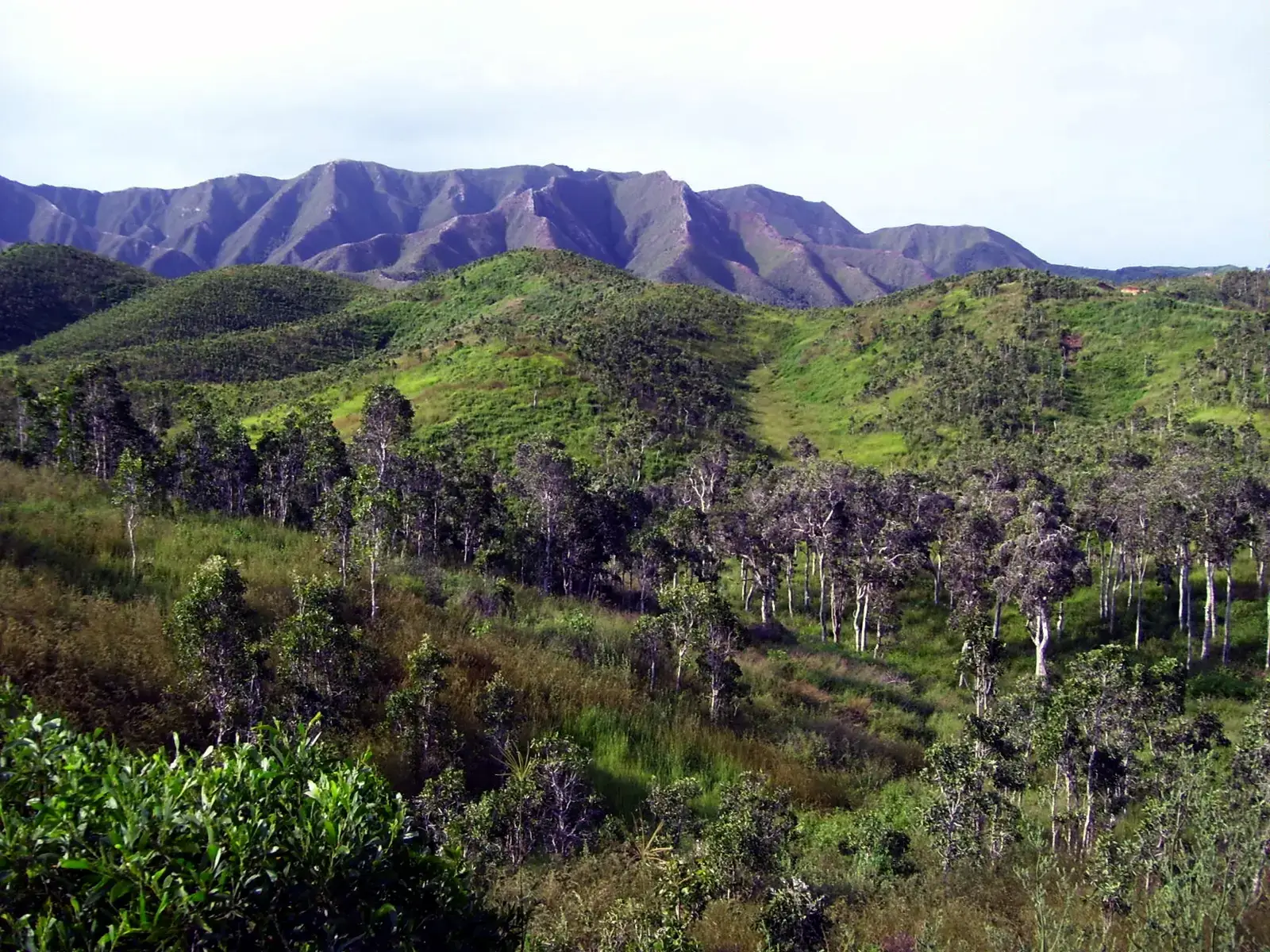
Technically a French overseas territory rather than a fully sovereign nation, New Caledonia nonetheless holds the record for the highest percentage of protected land anywhere on the planet. According to Guinness World Records, the French overseas territory of New Caledonia in the South Pacific Ocean has an even higher percentage of 54.4% of its land protected.
The territory’s protected network spans a huge number of individual sites. Recent data shows New Caledonia, located in the southwest Pacific Ocean, boasts 7,000 square miles of protected lands across 155 areas, including nature reserves, national parks, forest reserves, and botanical reserves. Its unique nickel-rich soils and isolated evolutionary history have produced extraordinary levels of endemic plant and animal life.
7. Liechtenstein – A Microstate With Mountain Forests Intact
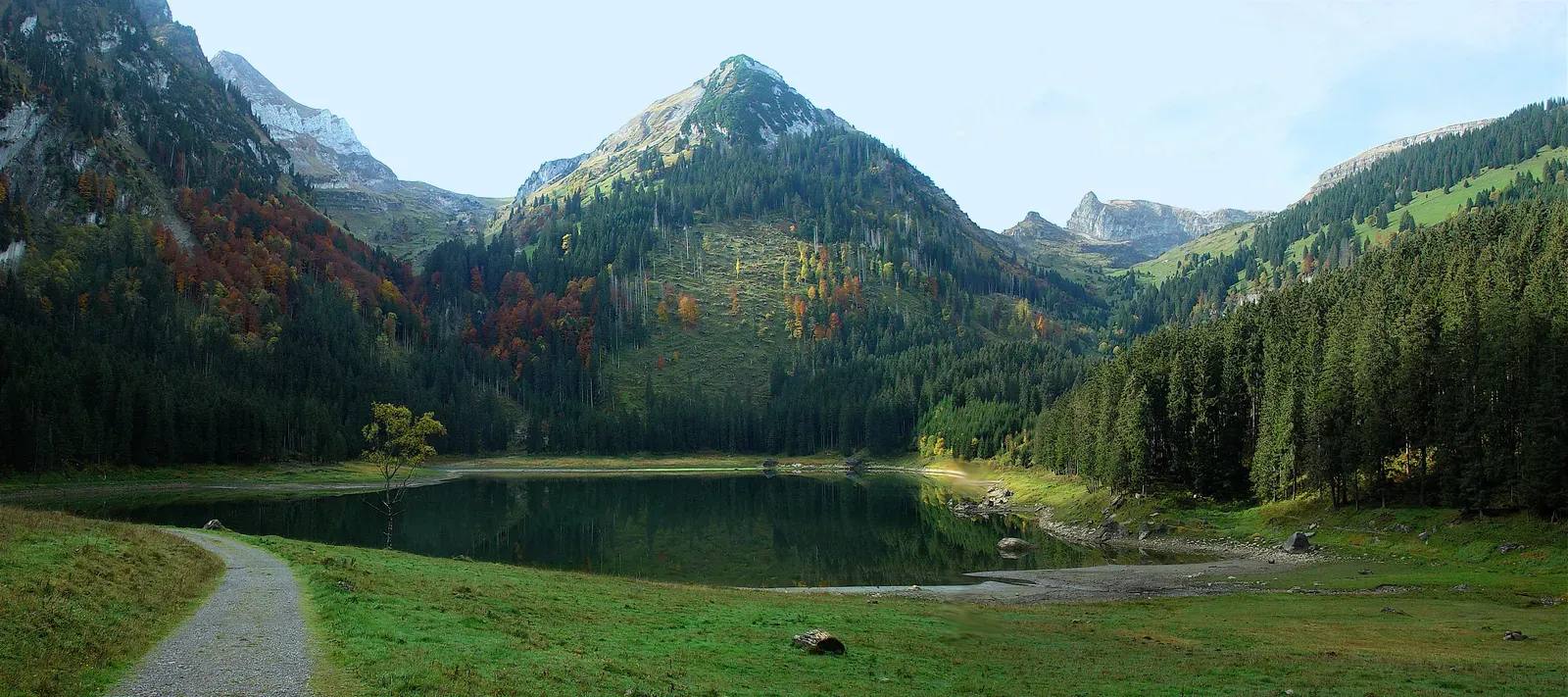
Liechtenstein rarely appears in conversation about global conservation leaders, but the tiny Alpine country has protected an outsized share of its terrain. Data compiled on the subject notes that in Liechtenstein, a land-locked German speaking microstate in central Europe, protected forests cover 43% of the total territory of the region.
Much of this comes down to geography as steep mountain terrain simply isn’t suitable for development, so it has remained forested and largely untouched. Even so, the country has formalized much of this land under legal protection rather than leaving it vulnerable to future exploitation.
8. Hong Kong – Dense City, Surprisingly Wild Hillsides

Few people associate Hong Kong with nature conservation, yet nearly half of its land area sits outside the urban core in protected country parks. Figures show that nearly 42% of Hong Kong’s terrestrial space is occupied by protected reserves, with 24 country parks and 22 special areas, including the Tai Mo Shan, Ma On Shan, and Lantau Island, collectively cover an area of around 440 square kilometers.
These green spaces draw huge numbers of visitors every year, offering hiking trails and mountain views just a short ride from one of the densest cities on earth. The contrast between skyscraper skyline and protected wilderness is part of what makes Hong Kong’s conservation record so distinctive.
1. Bolivia – The Fastest-Rising Deforestation Frontier
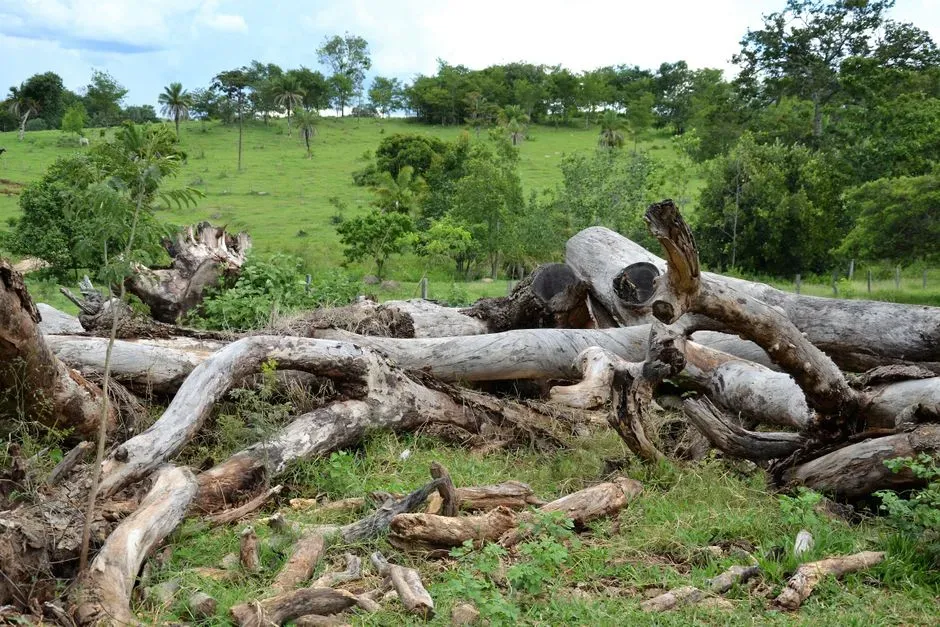
Bolivia has emerged as arguably the most alarming case in the entire tropical forest conversation. Recent analysis found that Bolivia, historically not among the top deforesters, has emerged as one of the fastest-rising sources of tropical forest loss, recording the second-highest level of tropical primary forest loss globally in 2025 with 620,630 hectares cleared, surpassing the DRC despite having far less forest area, driven by expanding cattle ranching and crop production, alongside increasingly severe fire seasons.
This followed an even more dramatic spike the year before. Data shows Bolivia’s deforestation surged 200% in 2024 to 1.5 million hectares, a 200% increase from 441,000 hectares in 2023, making it one of the fastest-moving forest loss stories anywhere in the world.
2. Democratic Republic of Congo – Record Non-Fire Losses in the Congo Basin
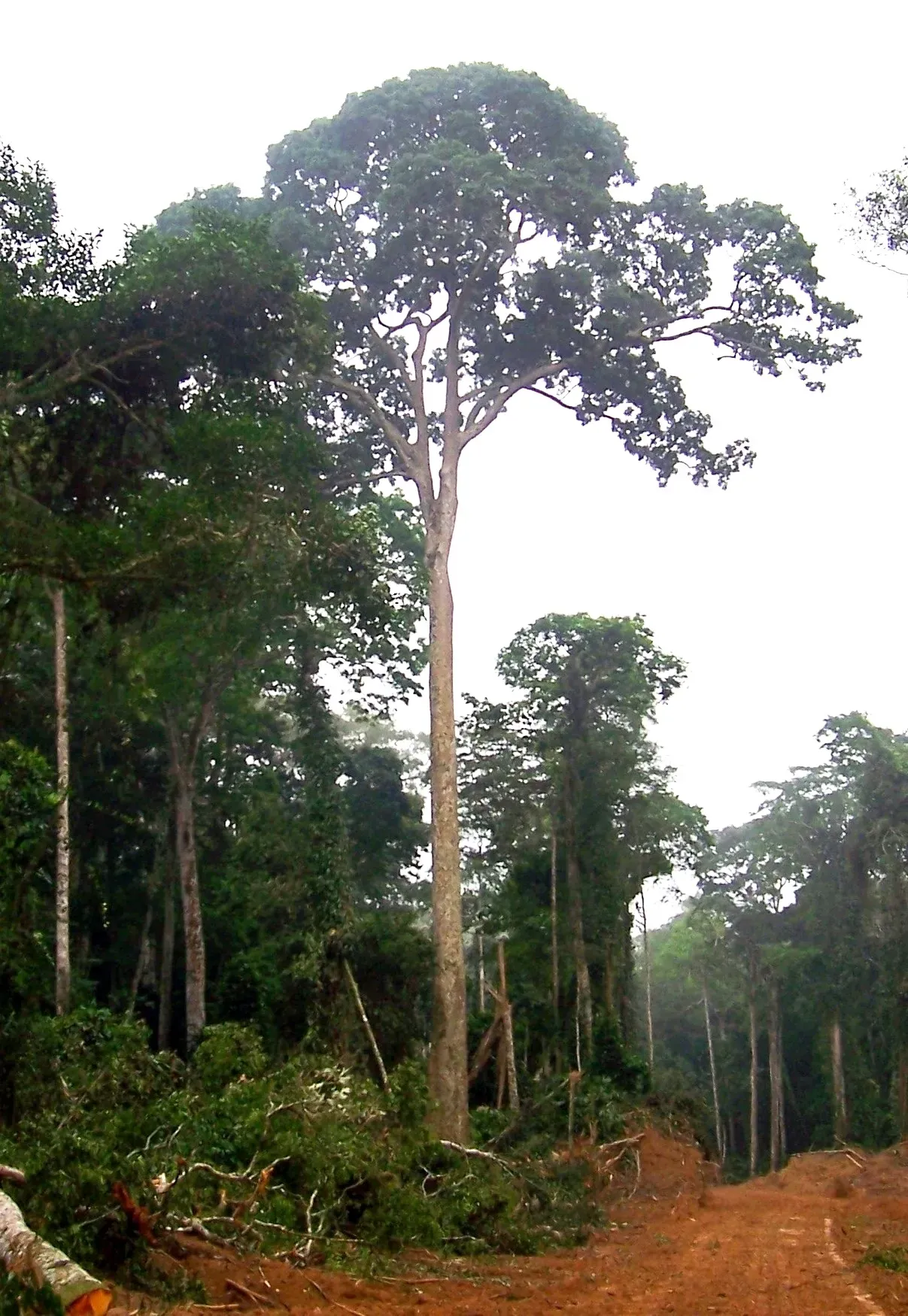
The DRC remains one of the world’s most consistent deforestation hotspots, sitting at the heart of the Congo Basin, the planet’s second-largest tropical rainforest. Recent WRI reporting notes that in the DRC, total loss dipped slightly in 2025, but non-fire loss hit a record high, largely linked to small-scale farming, firewood and charcoal production, conflict-related displacement, and pressure from mining.
The scale of what’s already been lost is enormous. Earlier data showed the Democratic Republic of Congo lost 1.2 million hectares of natural forest in a single year, underscoring how conflict and poverty continue to push communities toward forest-dependent livelihoods that accelerate clearing.
3. Cameroon – A New Record Tied to Cocoa and Conflict
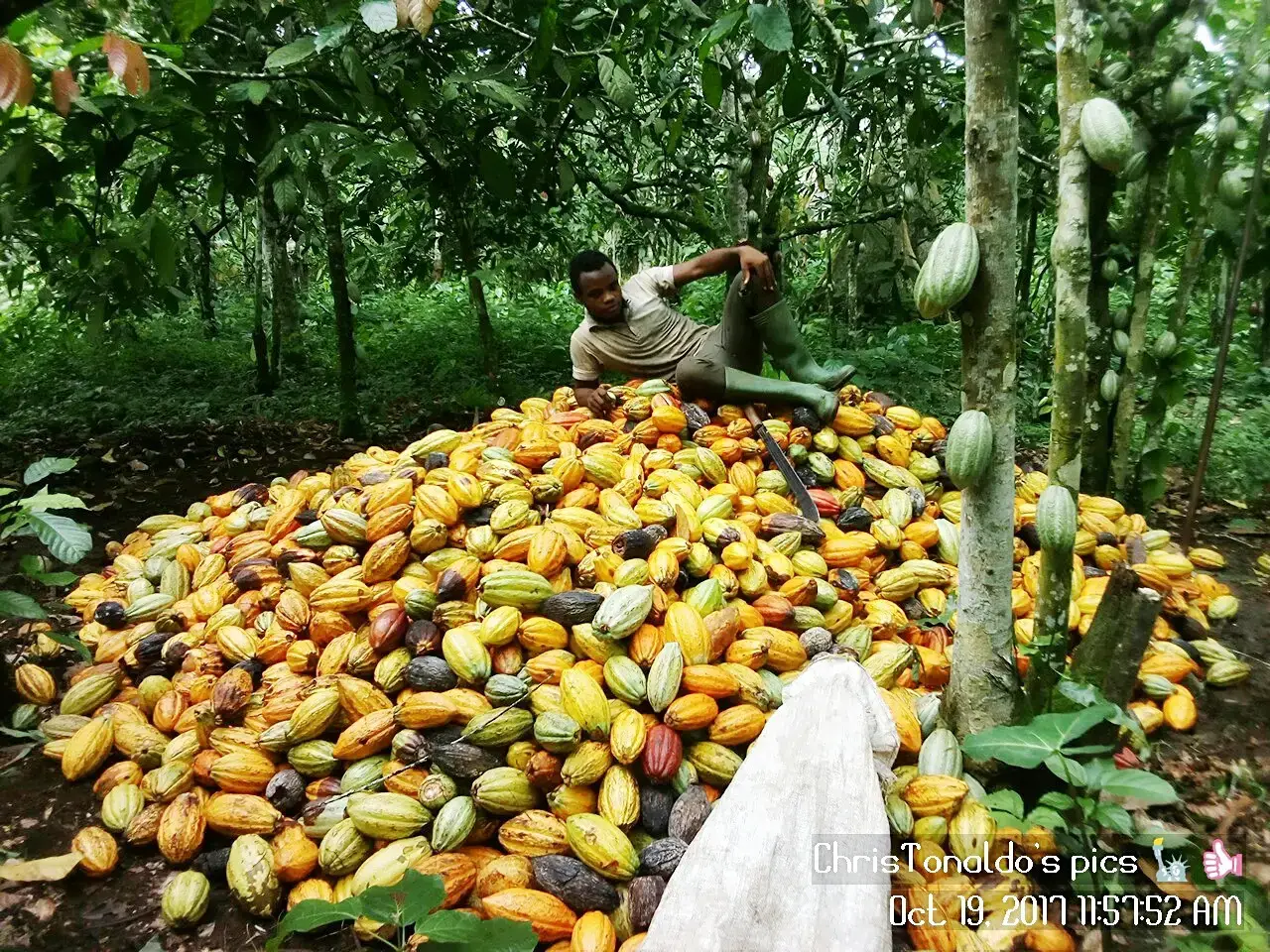
Cameroon’s situation has worsened in ways that stand out even within a region already under pressure. According to recent WRI research, Cameroon experienced its highest primary forest loss on record, and as the third-largest cocoa producer in Africa, increases in primary forest loss in recent years were partially due to cocoa production, as well as communities displaced by armed conflict.
This combination of commodity demand and displacement makes Cameroon a difficult case to address through policy alone. Unlike neighboring countries where conservation financing mechanisms are being discussed, Cameroon’s losses are tangled up with security issues that complicate any straightforward fix.
4. Madagascar – Losing Forests at an Unsustainable Pace
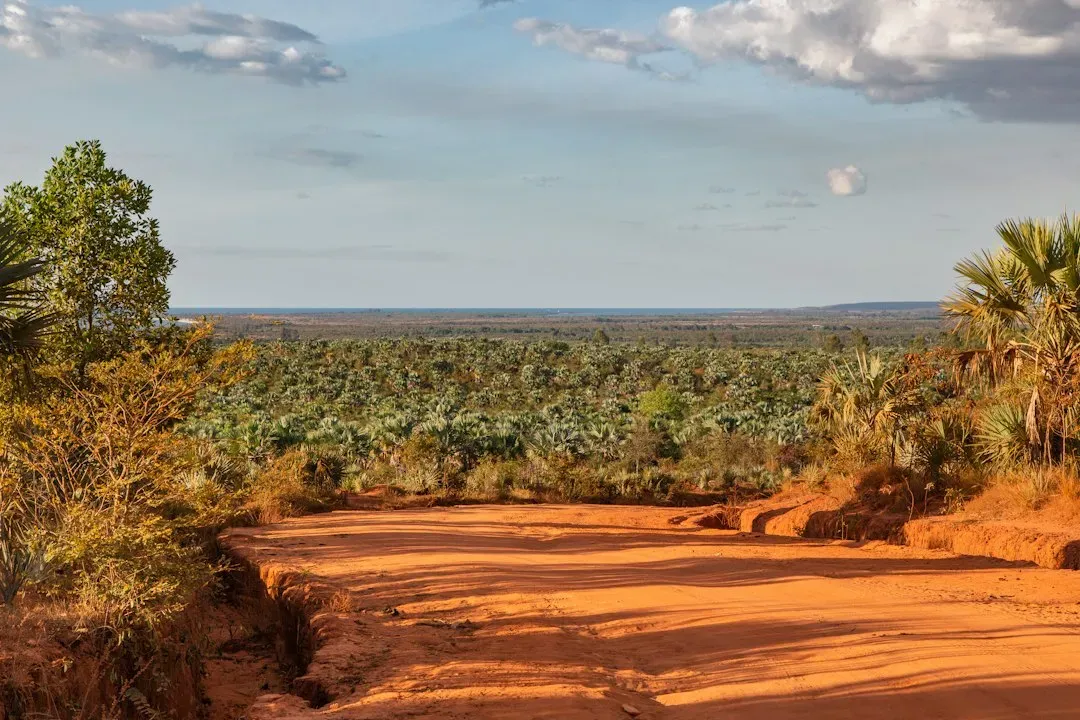
Madagascar’s unique forests, home to species found nowhere else on earth, are disappearing faster than almost anywhere else proportionally. Recent findings show in 2025, Madagascar recorded the highest proportional loss of primary forest, with nearly 2% of its remaining forests cleared in a single year.
Researchers describe Madagascar as part of a group of countries including Côte d’Ivoire, Honduras, Guatemala, Laos, Madagascar, Cambodia, Paraguay and Nicaragua that together still retain a significant share of their primary forests, but data show they are losing them at an average rate of about 1.3% per year, with Madagascar and Nicaragua losing more than 2.5% of their remaining primary forests annually. At that pace, what’s left could vanish within a few decades.
5. Nicaragua – The Highest Proportional Loss on Record
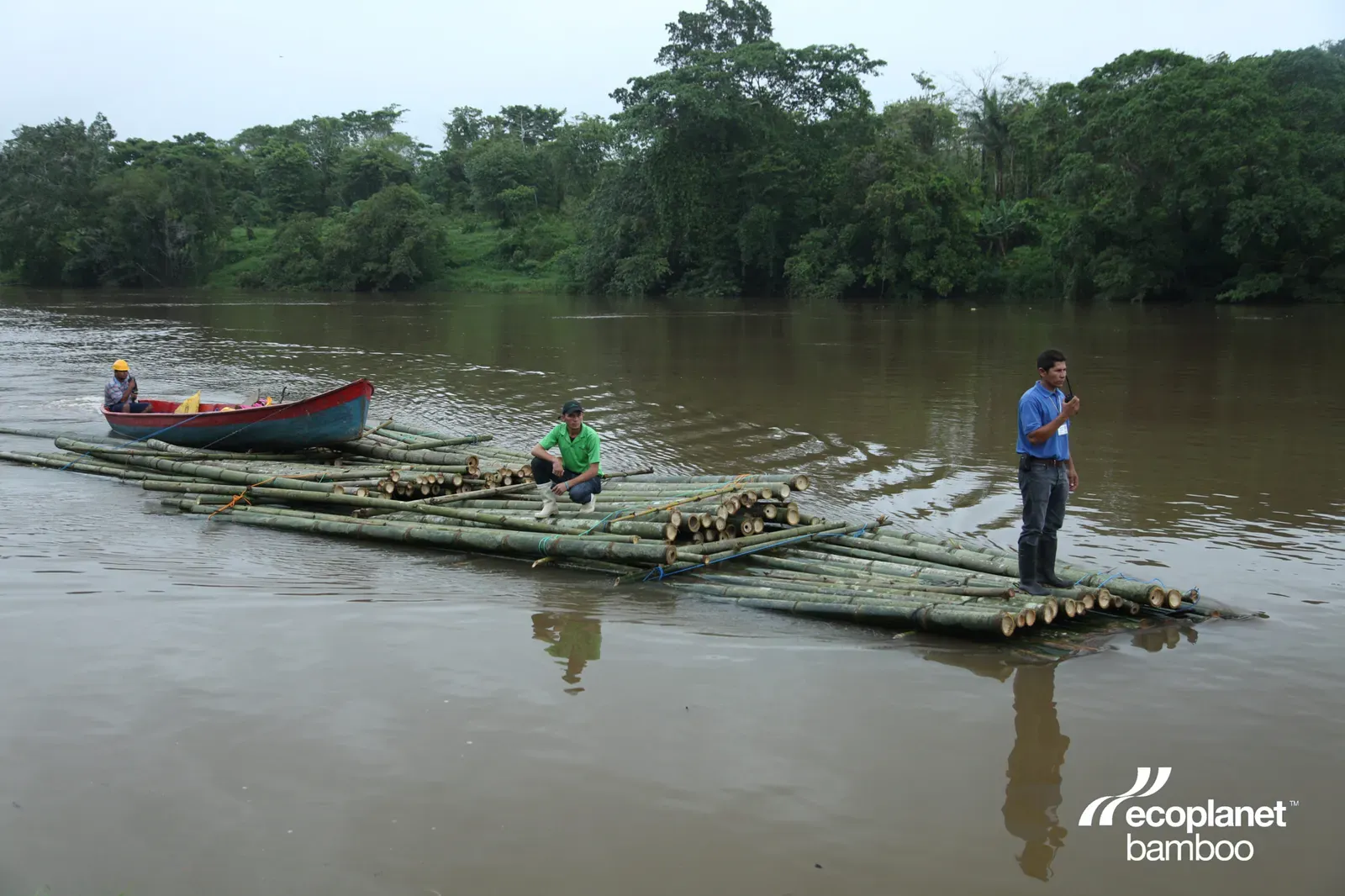
Nicaragua has quietly become one of the most concerning cases in Central America. Data from 2024 showed that Nicaragua lost 4.7% of its primary forest, the highest proportional loss of any country that year, with 78% of loss occurring inside the Bosawas Biosphere Reserve.
Losing nearly one-twentieth of a country’s remaining primary forest in a single year is an extraordinary rate, and the fact that most of it happened inside a protected biosphere reserve raises serious questions about enforcement capacity. Cattle ranching and land grabs inside supposedly protected zones remain a persistent driver.
6. Peru – Fire-Driven Losses Surging in the Amazon
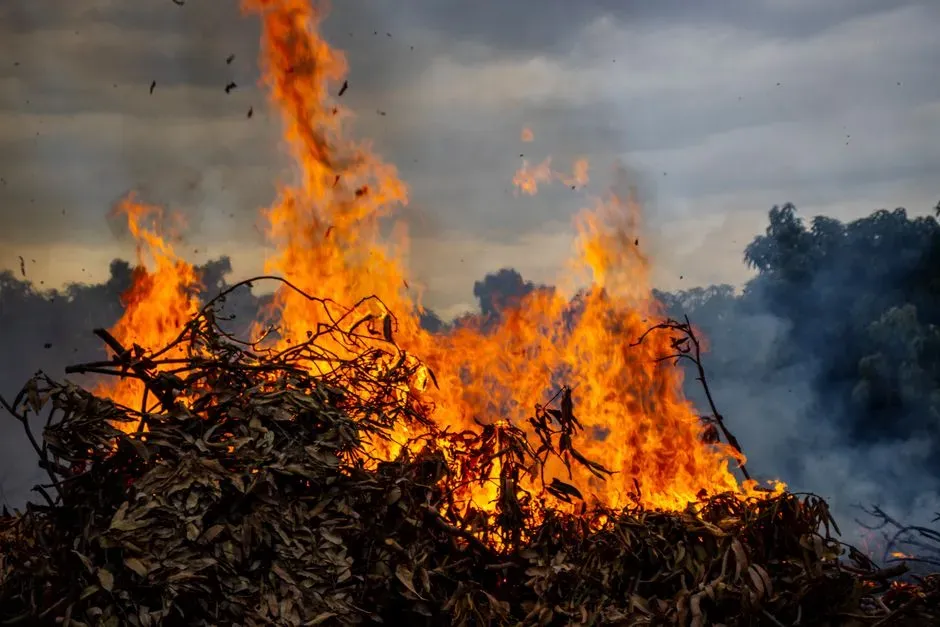
Peru’s forest loss has been increasingly tied to fire rather than direct clearing, a shift that makes the trend harder to control. Statistics compiled for 2024 show a 135% increase in fire-driven primary forest loss in 2024 compared to the previous year.
Peru’s Amazon region has historically been considered more stable than Brazil’s or Bolivia’s, but frontier expansion tied to informal mining, road-building, and agriculture is changing that picture. Analysts point to Peru as a country facing genuine frontier expansion pressure within its Amazon territory.
7. Colombia – Peace Process Side Effects on the Amazon
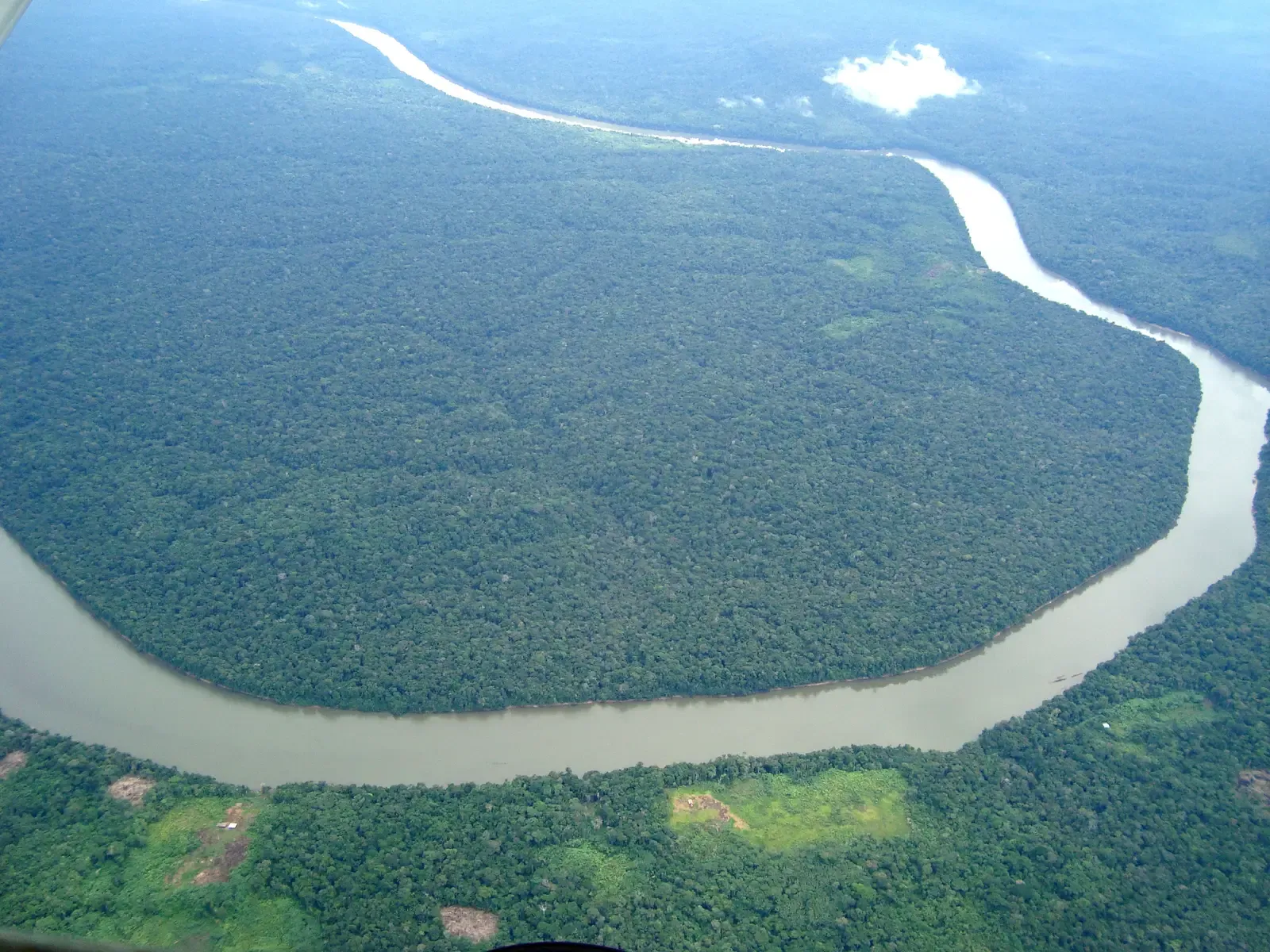
Colombia’s deforestation trend has been closely tied to its complicated peace process, illustrating how political shifts can directly reshape forest cover. Recent analysis explains that the increase is likely linked to the peace process in Colombia, since areas of the Amazon experienced a power vacuum after the demobilization of FARC which allowed for rapid deforestation, though tree cover loss returned to lower levels in 2023 coinciding with new peace talks, before rising again in 2024 with the presence of illegal groups in remote areas and suspension of peace talks, then declining again in 2025 to the second-lowest level since 2016.
This up-and-down pattern shows just how sensitive forest cover can be to security conditions rather than purely economic ones. Even with 2025’s improvement, Colombia’s trajectory over the past decade has trended upward overall, keeping it firmly on watch lists for deforestation risk.
8. Paraguay – Pastureland Expansion Reshaping the Chaco
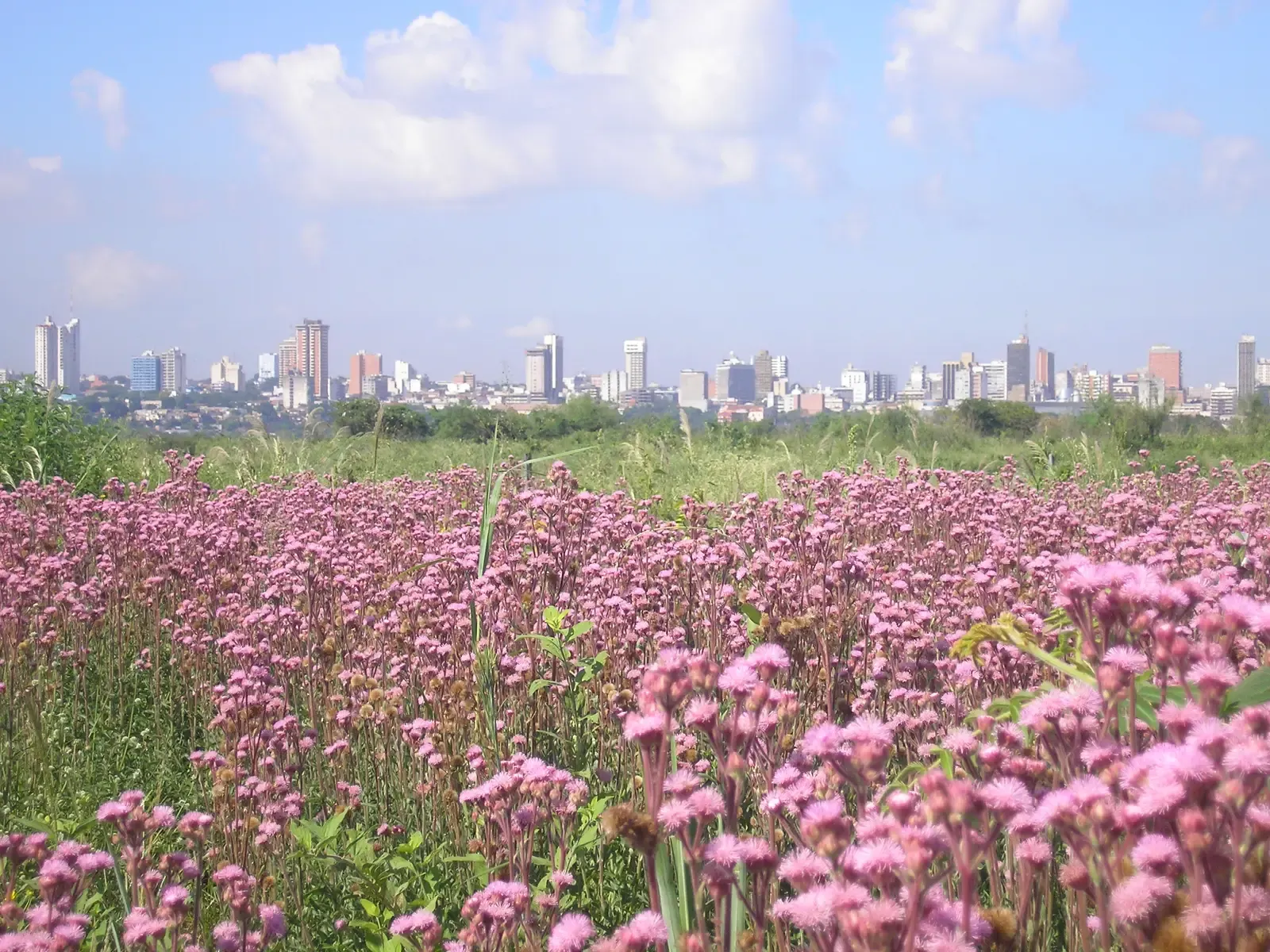
Paraguay has become one of the defining examples of pastureland-driven forest loss in South America, particularly across its dry Chaco region. According to WRI’s decade-long analysis, Paraguay lost 2.3 million hectares between 2015 and 2024, accounting for roughly 2.7% of total global deforestation during that period, placing it among the ten highest-loss countries worldwide.
The driver behind this is remarkably consistent. Researchers found that in Brazil, Bolivia, Paraguay, and Colombia, pastureland expansion served as the primary driver of permanent forest losses, as cattle operations continue pushing into what were previously intact dry forest ecosystems.
9. Côte d’Ivoire – Cocoa Demand Eating Into West African Forests
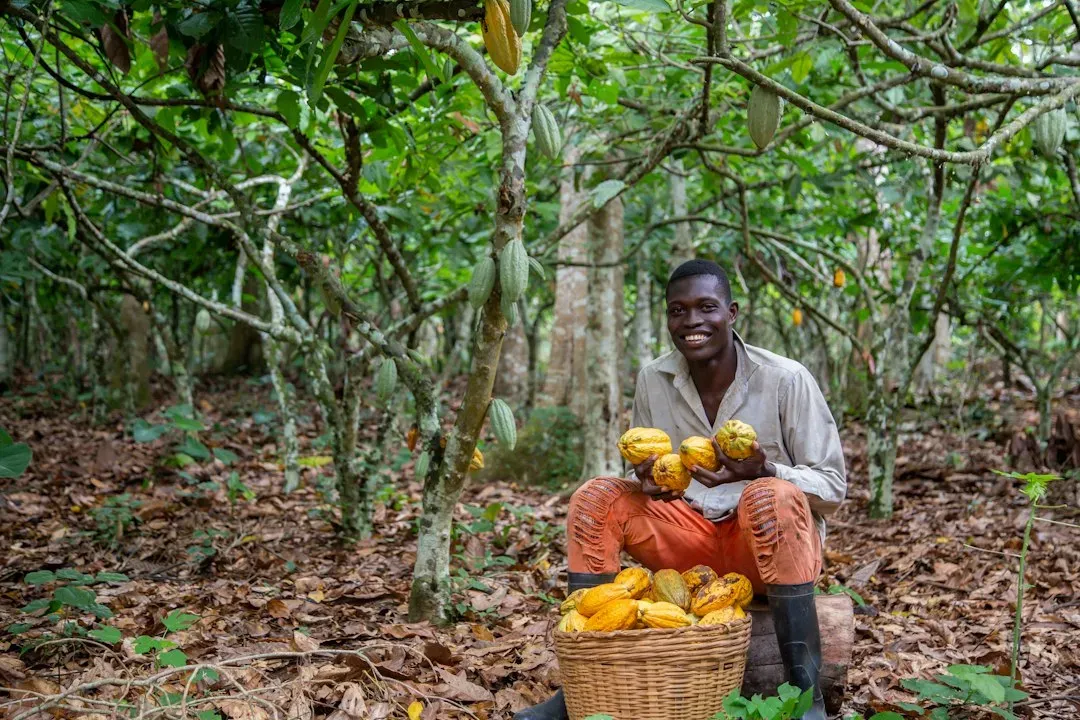
Côte d’Ivoire rounds out this list as one of West Africa’s most significant deforestation stories, closely tied to its status as the world’s largest cocoa exporter. WRI data covering the past decade shows that Côte d’Ivoire lost 2.2 million hectares of forest between 2015 and 2024, representing about 2.5% of global deforestation during that window.
The pattern here mirrors Indonesia and Malaysia’s palm oil story but with a different commodity at the center. Analysts note that agricultural expansion has driven the vast majority of forest loss across countries like this one since 2015, and cocoa’s global demand shows little sign of slowing, keeping pressure on the country’s remaining forest fragments.
Put these two lists side by side and a pattern emerges that’s worth sitting with. The countries doing the most to protect land tend to be small, wealthy, or governed with unusually strong environmental mandates, whether that’s Bhutan’s constitutional forest requirement or Brunei’s oil wealth reducing pressure to convert rainforest into plantations. Meanwhile, the countries losing forest fastest are often larger, poorer, or caught in cycles of conflict, weak governance, and commodity demand that make enforcement genuinely difficult.
None of this is fixed in stone. Brazil’s recent policy reversals show that deforestation trends can shift quickly when political will changes, and Bolivia’s sudden rise shows the opposite is just as true. The next few years, particularly as the 2030 target of protecting nearly a third of the planet’s land and oceans draws closer, will likely determine whether more countries move toward the first list or the second.
