


- 7 Reasons Some Deserts Are Cold While Others Stay Hot Year-Round - September 30, 2026
- 8 Countries With the Most Protected Natural Land – and 9 Where Deforestation Continues to Rise - September 30, 2026
- The 5 Key Differences Between Recycling Plastic and Paper - September 30, 2026
1. Latitude and distance from the equator
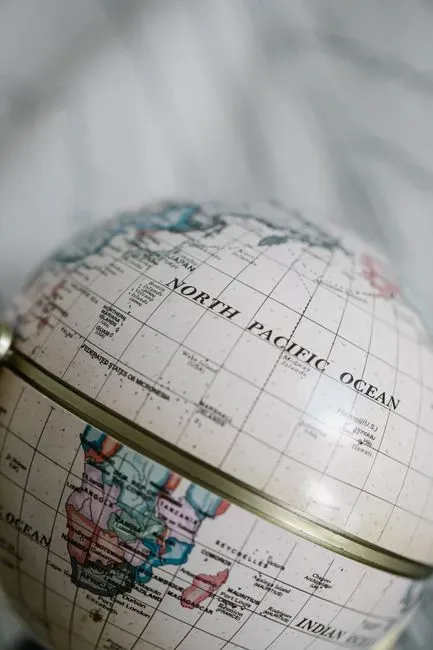
Where a desert sits on the globe plays an enormous role in how warm or cold it stays throughout the year. Deserts near the equator, like the Sahara or the Arabian Desert, receive intense, nearly direct sunlight for most of the year, keeping temperatures high even during their coolest months. Deserts located at higher latitudes, such as the Gobi in Mongolia or the deserts of Patagonia, receive sunlight at a much shallower angle, which spreads out solar energy and reduces overall heating.
This angle of sunlight, combined with longer, colder winters at higher latitudes, means these regions never really warm up the way tropical deserts do. The Gobi Desert, for instance, regularly sees winter temperatures drop below freezing, sometimes reaching negative 40 degrees Fahrenheit, despite technically sharing the same low-precipitation classification as the Sahara. Latitude alone can explain much of the temperature gap between the world’s driest places.
2. Elevation and altitude effects
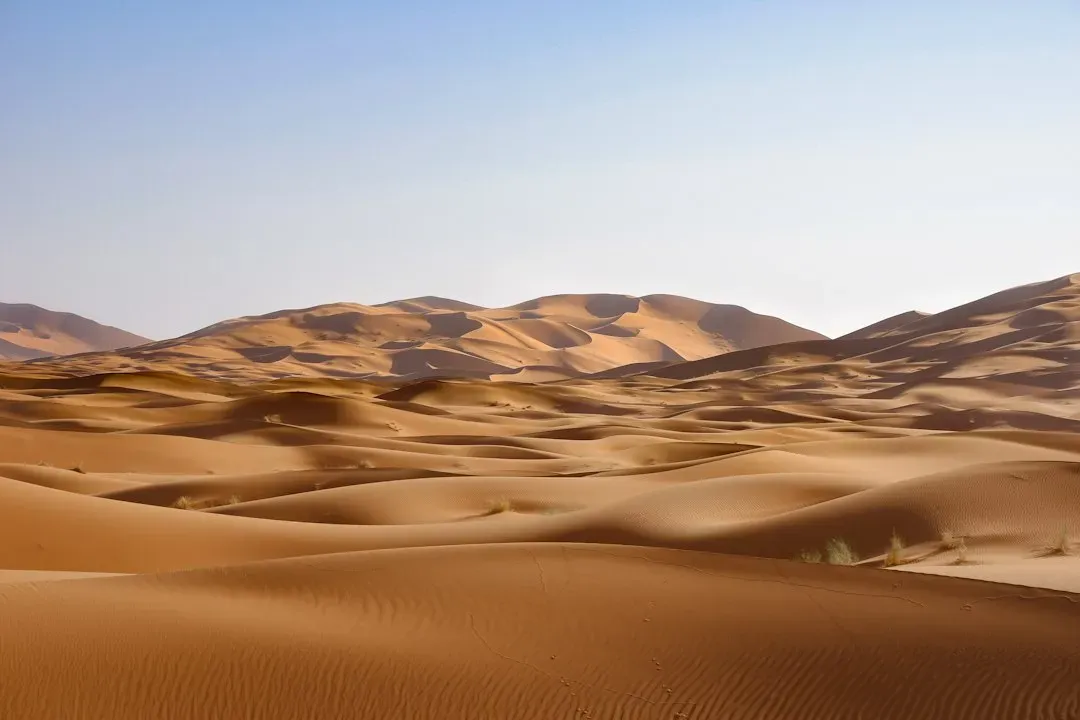
Height above sea level changes everything about a desert’s climate, often overriding what latitude alone would suggest. As elevation increases, the atmosphere thins and holds less heat, causing temperatures to drop steadily, roughly by about 3.5 degrees Fahrenheit for every thousand feet of elevation gained. This is why high-altitude deserts, even those closer to the equator, can feel surprisingly cold despite their location.
The Atacama Desert in Chile offers a striking example, since parts of it sit over 13,000 feet above sea level, resulting in freezing nighttime temperatures even though it lies in a subtropical zone. Similarly, the Tibetan Plateau, sometimes called a cold desert due to its extreme dryness, sits at elevations exceeding 14,000 feet, keeping it bitterly cold year-round. Altitude essentially acts as a natural thermostat, dialing down the heat that latitude alone would otherwise produce.
3. Ocean currents and coastal influence
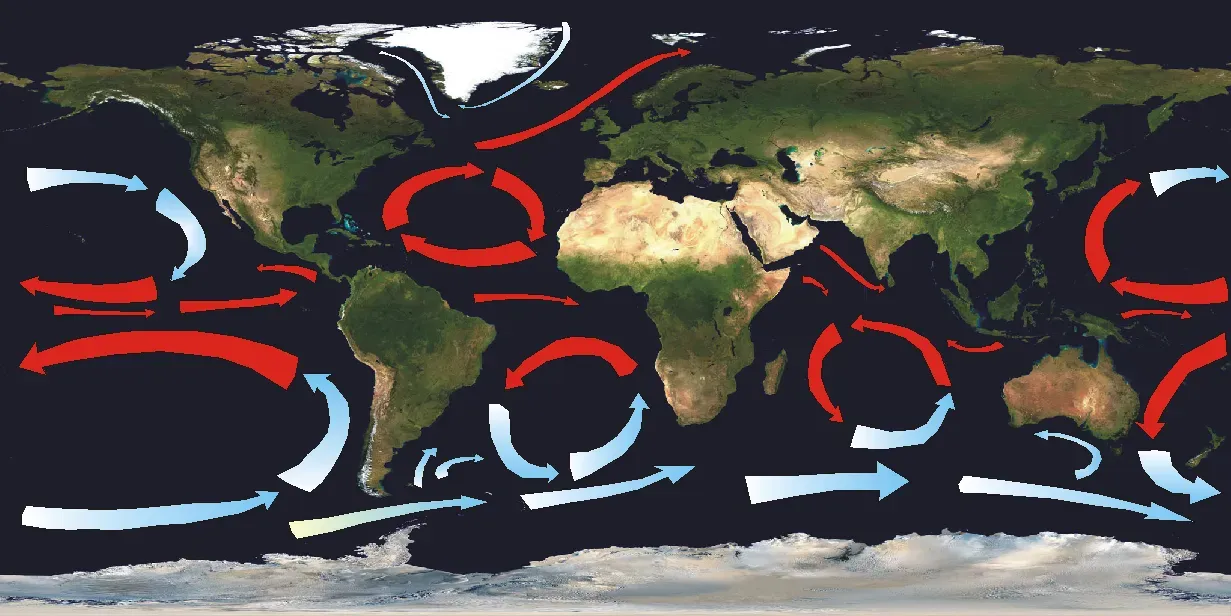
Nearby ocean currents can dramatically cool or warm a desert, depending on whether the water itself is cold or warm. The Atacama and Namib deserts both sit along coastlines cooled by the Humboldt and Benguela currents, respectively, which pull cold water up from the depths in a process called upwelling. This cold water chills the air above it, creating cooler coastal desert zones even in regions that would otherwise be quite warm given their latitude.
Fog frequently forms along these coasts as the cool marine air meets warmer land temperatures, adding another layer of moderation to daytime heat. Interior deserts, cut off from these maritime effects, don’t get this natural cooling system and instead swing toward much hotter daytime extremes. This coastal versus interior split explains why deserts at similar latitudes can experience noticeably different temperature ranges.
4. Continental interior versus coastal exposure
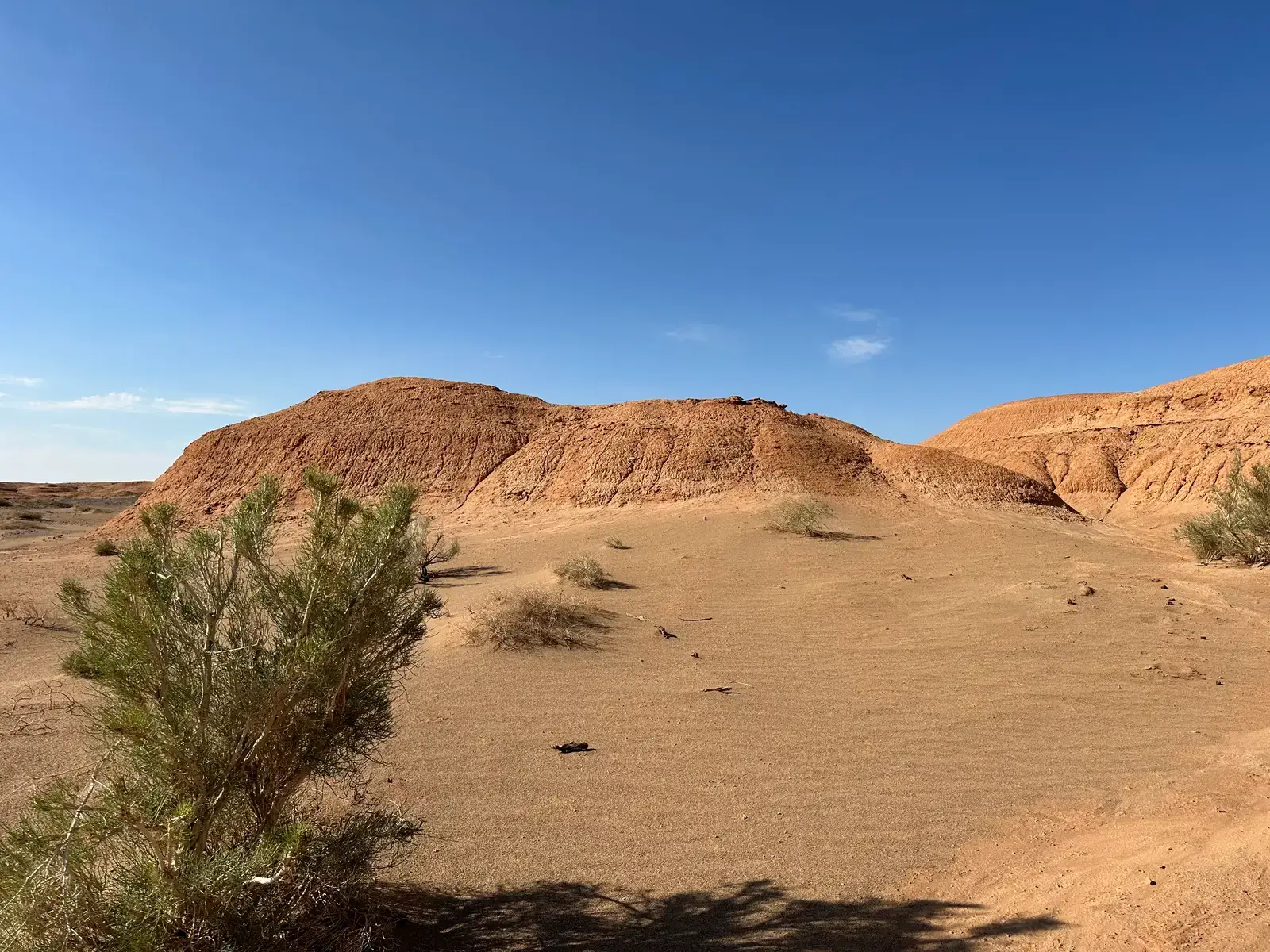
Deserts deep within continental interiors tend to experience far more extreme temperature swings than those closer to oceans. Without a large body of water nearby to moderate conditions, these interior deserts heat up intensely during the day and lose that heat rapidly at night, since dry air and clear skies allow heat to escape quickly once the sun sets. The Gobi Desert exemplifies this pattern, with summer daytime temperatures that can exceed 100 degrees Fahrenheit while winter nights plunge far below freezing.
This continental effect happens because water absorbs and releases heat slowly, acting like a thermal buffer for nearby land. Deserts far from coastlines lack that buffer entirely, leaving them exposed to whatever seasonal extremes the surrounding landmass produces. It’s part of why cold deserts in places like Central Asia feel so different from coastal hot deserts despite sharing similarly low rainfall totals.
5. Prevailing wind patterns and air mass origin
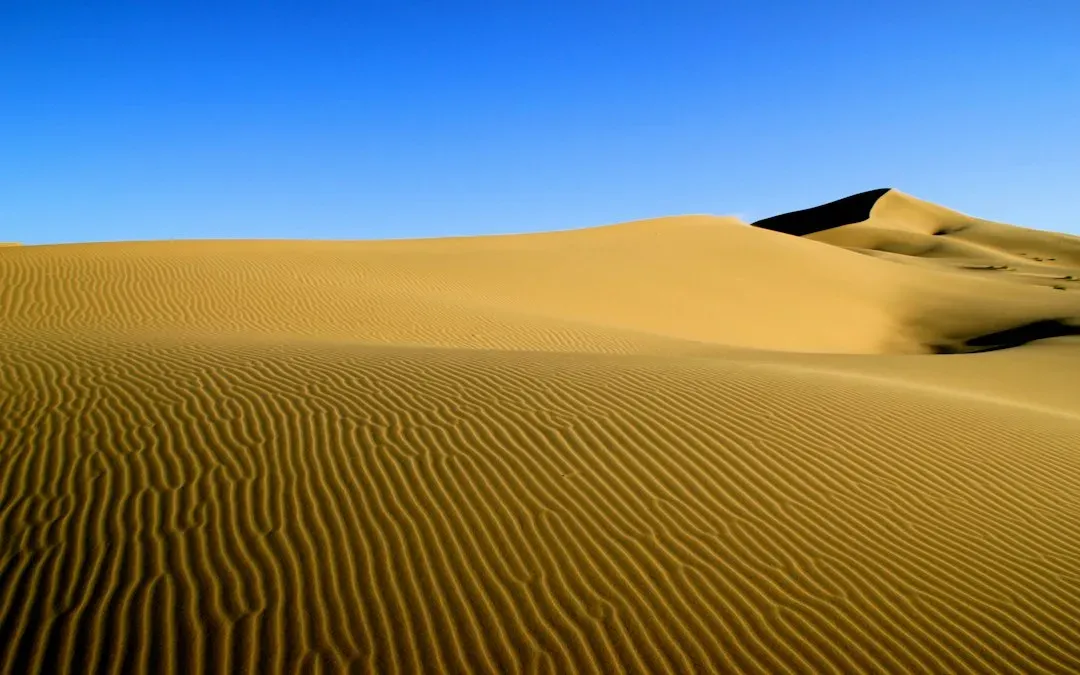
The direction winds travel before reaching a desert determines a great deal about the temperature they carry. Deserts positioned to receive winds from polar or continental interior regions, like parts of Patagonia influenced by Antarctic air masses, stay considerably colder than deserts that draw warm, dry air from tropical latitudes. The Sahara, by contrast, sits under persistent high-pressure systems that funnel hot, dry air from the tropics, reinforcing its already intense heat.
Seasonal shifts in these wind patterns also explain why some deserts experience dramatic swings between hot summers and cold winters. Central Asian deserts often fall under the influence of the Siberian High during winter months, a massive cold air mass that settles over the region and drives temperatures sharply downward. Wind origin, in this sense, works almost like a delivery system, bringing either warmth or cold depending on where that air originated.
6. Cloud cover, humidity, and heat retention
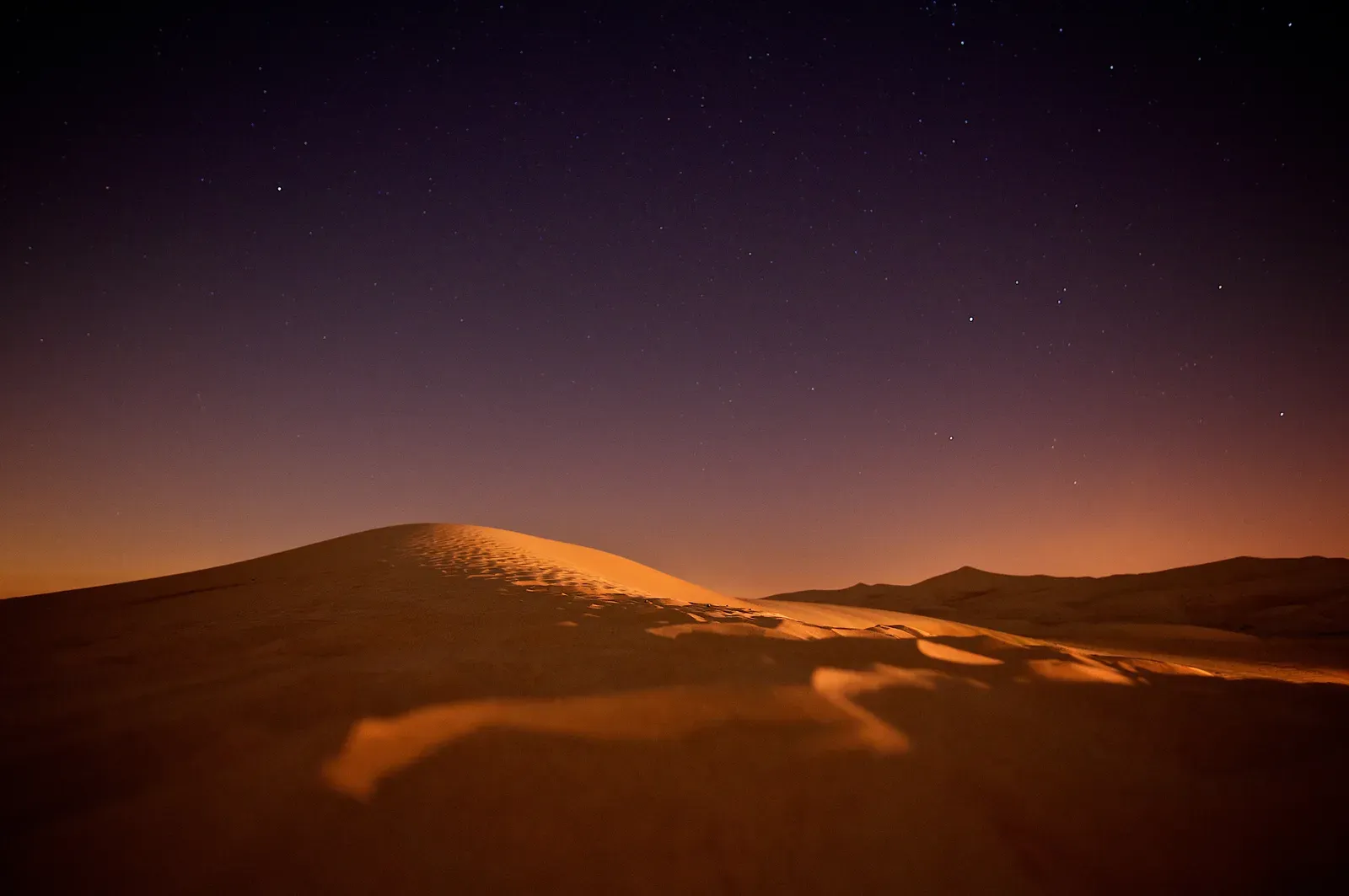
Deserts are dry by definition, but the degree of dryness and cloud cover still varies quite a bit from one region to another, affecting how heat behaves at night. Extremely arid deserts with minimal cloud cover, such as the Sahara, allow heat to radiate away from the ground rapidly after sunset, though daytime heating remains intense enough that nights still feel relatively warm compared to cold deserts. Cold deserts, on the other hand, often experience even clearer skies combined with lower overall solar input, meaning whatever heat does accumulate during the day escapes almost entirely overnight.
This is part of why deserts like the Gobi or the high Asian steppe deserts can feel bitterly cold at night regardless of season, since there’s little atmospheric moisture to trap warmth close to the surface. Humidity, even in small amounts, acts as an insulating layer, and its near total absence in these regions removes that buffer completely. The result is a stark day to night, and season to season, temperature swing that hot low-latitude deserts simply don’t experience to the same degree.
7. Seasonal sun angle and axial tilt exposure
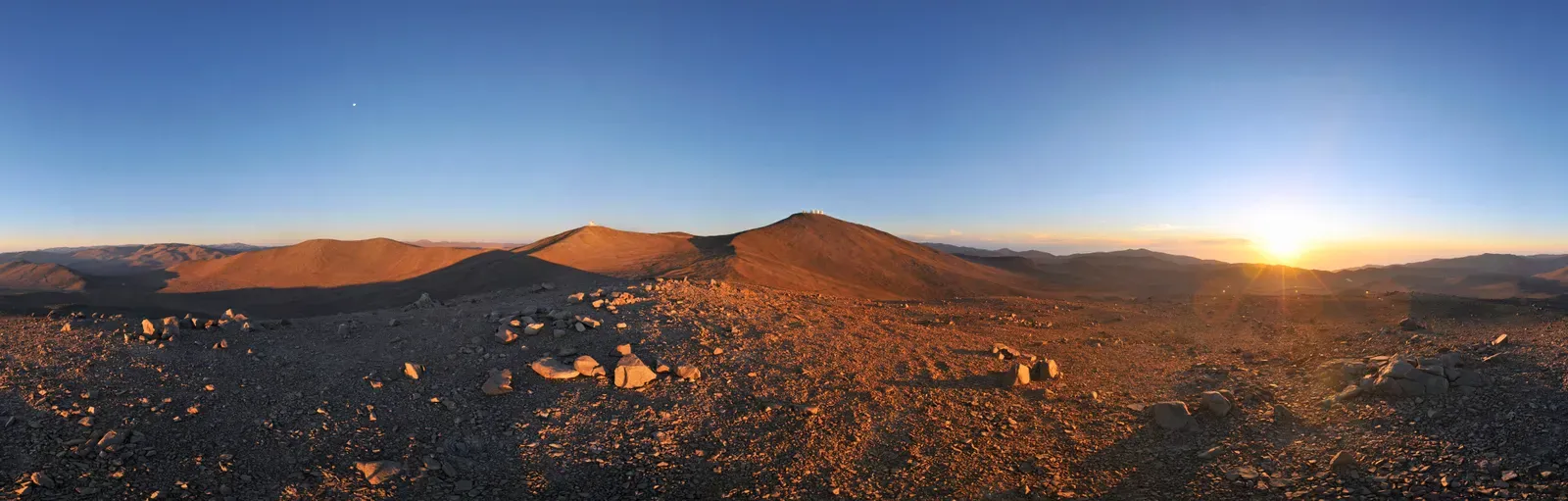
Earth’s axial tilt means that deserts farther from the equator experience far more dramatic seasonal shifts in sunlight than those closer to it. During winter months, deserts at higher latitudes receive dramatically reduced daylight hours and a much lower sun angle, cutting off the intense solar heating that sustains hot desert climates year-round. This is a major reason cold deserts like the Gobi, the deserts of Kazakhstan, and parts of the Great Basin in the western United States experience true winters complete with snow and ice.
Tropical and subtropical deserts near the equator, including the Sahara and the Sonoran Desert, don’t experience nearly as much variation in day length or sun angle across the year, allowing them to stay hot in almost every season. This consistency in solar exposure is arguably the single clearest dividing line between deserts that swing into freezing winters and those that remain hot virtually year-round. Axial tilt, working together with latitude, essentially sets the seasonal rhythm that every other factor on this list builds upon.
These seven factors rarely act alone. Most cold deserts owe their chill to some combination of high elevation, high latitude, continental isolation, and seasonal sun angle working together, while hot deserts typically benefit from low latitude, minimal elevation, and steady tropical air masses reinforcing each other. Understanding these overlapping influences makes it clear why the word “desert” covers such a strikingly wide range of climates across the planet.