


- 9 Items Experienced Skywatchers Bring Along That Beginners Always Wish They’d Packed - November 12, 2026
- I Moved to Tornado Alley in Oklahoma – 7 Things I Did Not Anticipate About Storm Season - November 12, 2026
- VR tool shows how rising seas could flood Fort Lauderdale - November 12, 2026
1. Memory foam mattresses and pillows
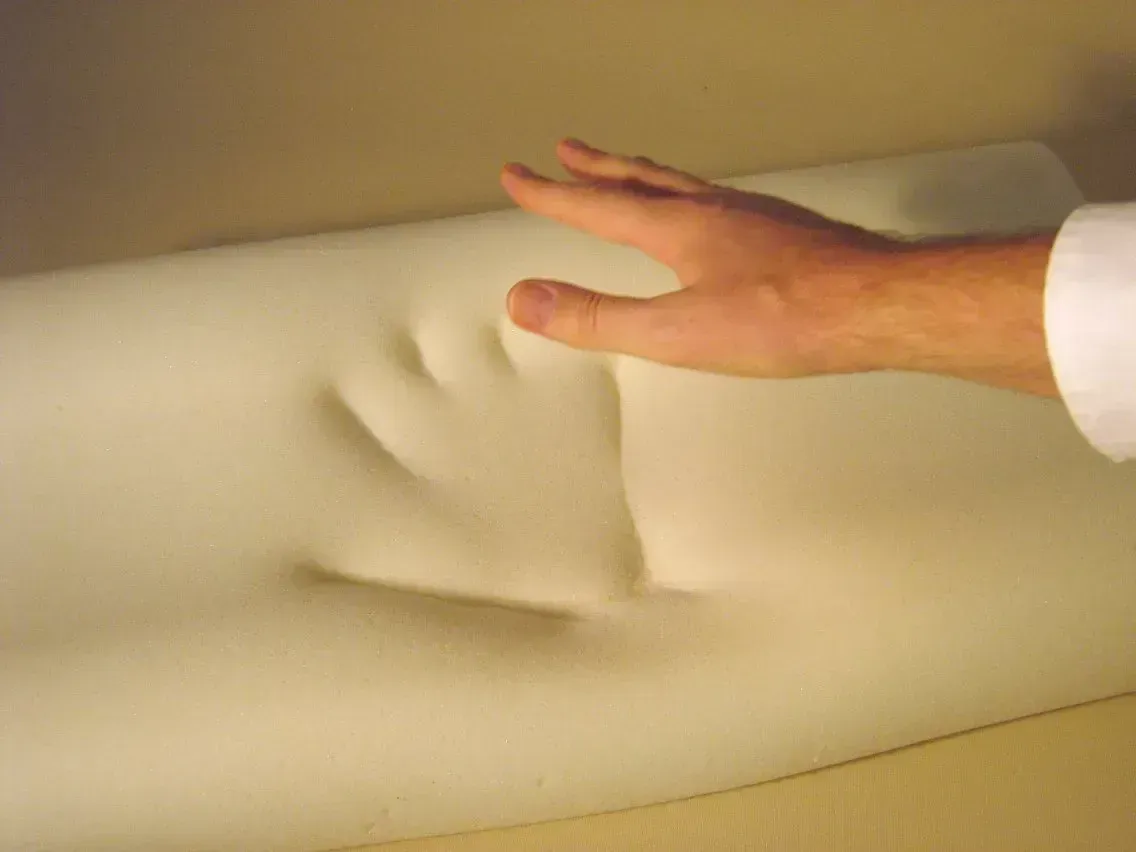
Memory foam is the spinoff most people have actually heard of, and for good reason. It dates back to 1966 when it was developed to absorb shock and offer improved protection and comfort in NASA’s aerospace seats. The material, sometimes called temper foam, was engineered to distribute weight and pressure evenly rather than push back against it.
That same quality made it a natural fit for consumer bedding once manufacturers caught on. Today, memory foam makes for more comfortable beds, couches, and chairs as well as better shoes, movie theater seats, and even football helmets. Companies like Tempur-Pedic built entire product lines around a formula that originated in an aerospace lab rather than a furniture workshop.
2. Water filters and purification systems
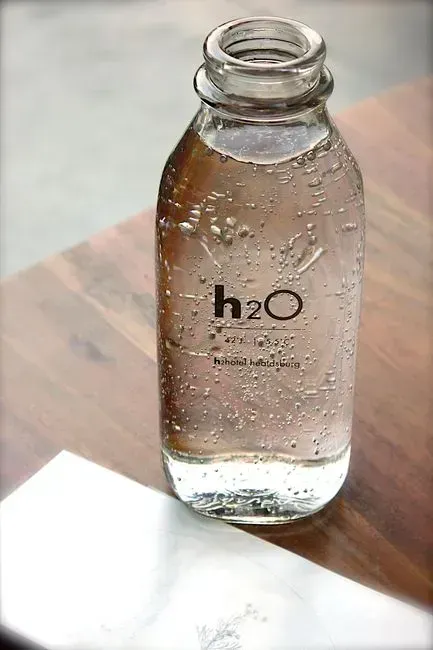
Clean drinking water sounds like a basic household concern, but for NASA it was a life-support engineering challenge. Water filters largely trace back to NASA’s research into turning sweat, respiration and urine into drinkable water. Spacecraft cannot simply pack enough water for a long mission, so recycling and purification became essential rather than optional.
Some of that research fed directly into commercial filtration products. The Aquaspace H2OME Guardian Water Filter, for example, reduces lead in water supplies and is mounted on the faucet with the cartridge placed in the dead space between sink and wall. Home filtration brands have also leaned on silver ion technology NASA developed for astronauts, a method that kills germs without harsh chemicals and now helps millions of people drink safer water at home.
3. Scratch-resistant eyeglass lenses
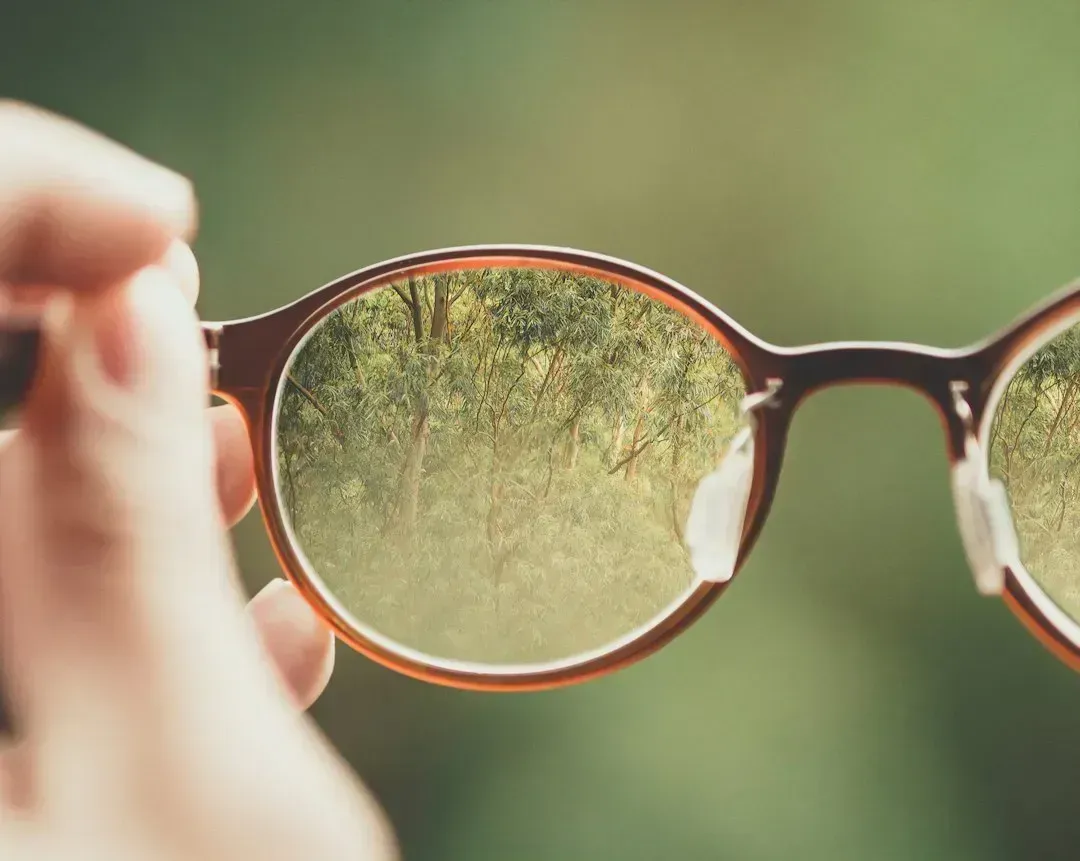
Anyone who has kept a pair of glasses scratch-free for years owes a small thanks to aerospace coatings research. A sunglasses manufacturer called Foster Grant first licensed a NASA technology for scratch-resistant lenses, developed for protecting space equipment from scratching in space, especially helmet visors. The coating solved a very specific problem: keeping astronaut visors clear despite constant exposure to dust and debris.
The commercial version, sometimes marketed under names like DiamondHard, applies a film of diamond-like carbon that not only provides scratch-protection but additionally reduces surface friction, so the lenses shed water more easily, using a process originally developed by Lewis Research Center. It is now standard in eyewear most people never think twice about.
4. Invisible dental braces
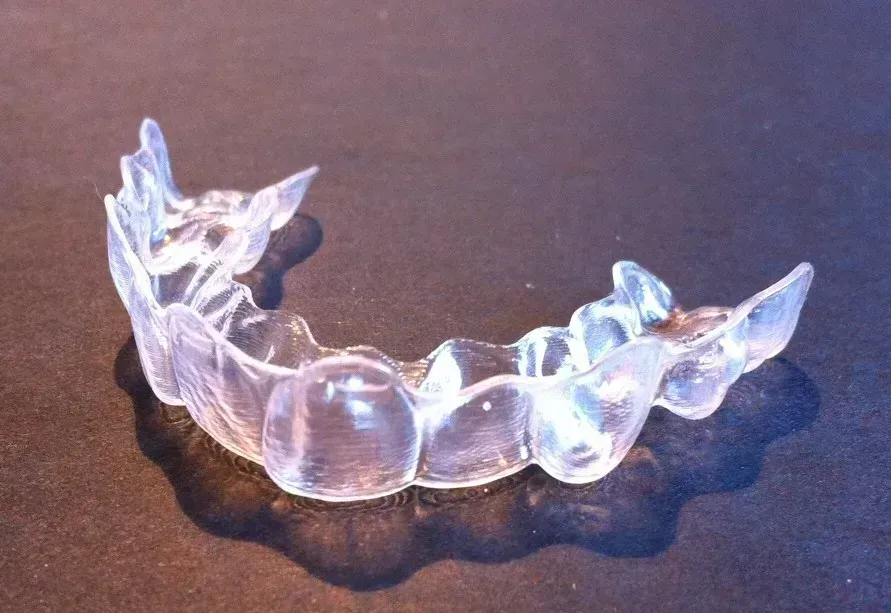
The ceramic material behind clear orthodontic brackets has a surprisingly aggressive origin story. Invisible braces are made from translucent polycrystalline alumina, developed by a company called Ceradyne in conjunction with NASA Advanced Ceramics Research as protection for infrared antennae on heat-seeking missile trackers. That is a long way from a dentist’s office.
What made the material valuable for teeth straightening was a combination of strength and transparency. NASA Advanced Ceramics Research was working to develop a translucent material called polycrystalline alumina, a ceramic that is stronger than steel, has light-absorbing properties making it nearly clear, and smooth, round properties that prevent breakage. In 1986, dental companies searching for a strong, transparent material for teeth straightening treatments worked with NASA to develop the first invisible braces.
5. Cordless power tools and vacuums
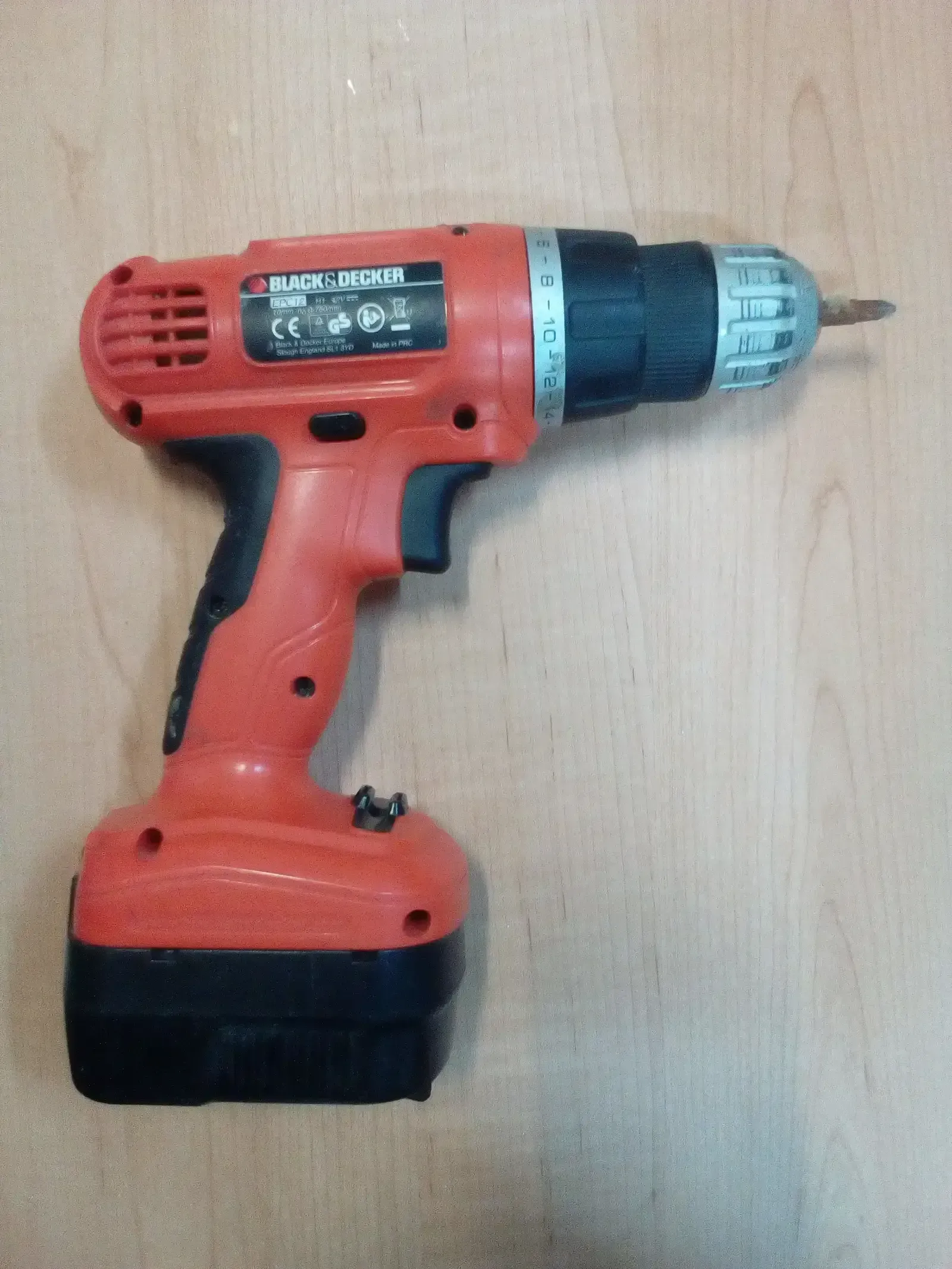
Cordless vacuums and drills exist largely because Apollo astronauts needed to collect rock samples without dragging a power cord across the lunar surface. For the Apollo space mission, NASA required a portable, self-contained drill capable of extracting core samples from below the lunar surface, and Black & Decker was tasked with the job. Battery technology had to be lightweight, reliable, and powerful enough to work in extreme conditions.
That engineering effort translated fairly directly into consumer products. Cordless tools came from NASA’s need for lightweight, battery-powered drills on the Moon, and that effort led to the cordless vacuums and power tools people use at home and work today. It is one of the clearer, more traceable lines between a specific mission requirement and a shelf full of hardware store products.
6. Freeze-dried food
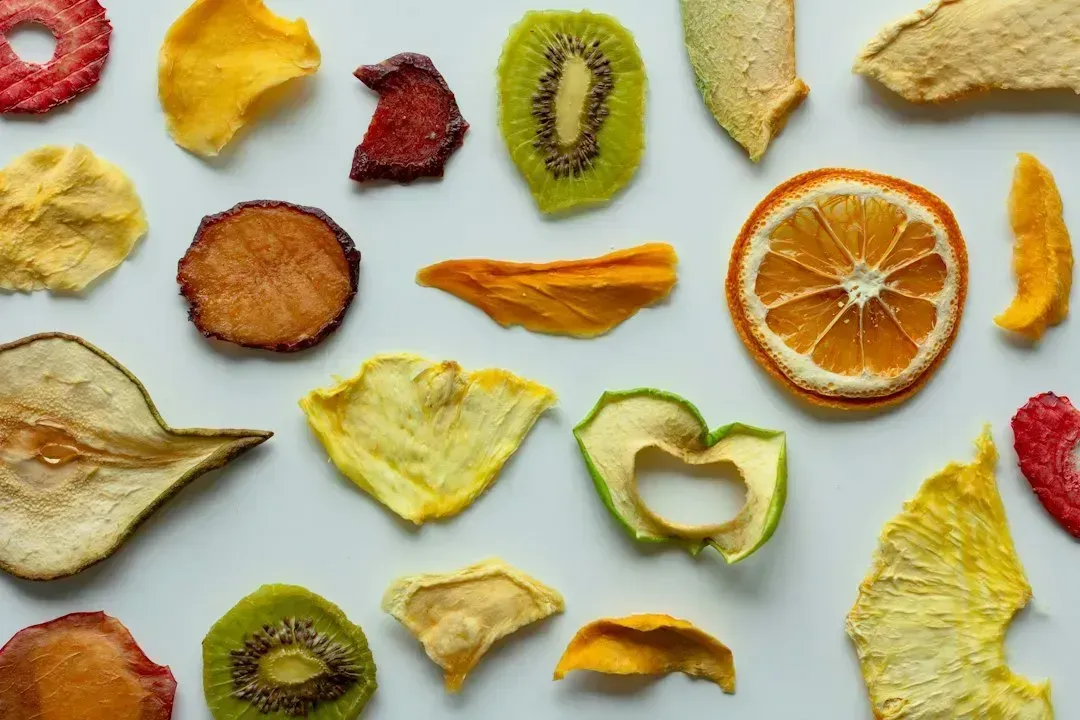
Freeze-dried camping meals and pantry staples owe their shelf-stable convenience to Apollo-era nutrition research. Freeze dried food was actually invented by NASA in order to keep its astronauts nourished and satisfied during long missions where refrigeration was not an option. The process removes water content while preserving most of the nutritional value and flavor.
Outside of space missions, the same technique now shows up far more casually. People eat it on camping trips or straight out of a cereal box, often without realizing the drying method was refined for astronauts rather than backpackers. It remains one of the more literal food-to-table connections in the spinoff catalog.
7. Fire-resistant firefighting gear
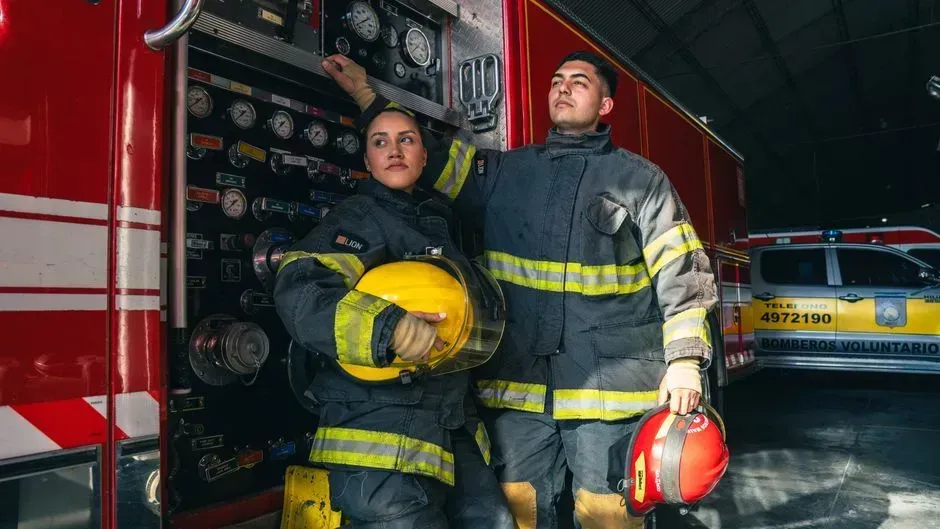
Modern firefighting suits benefit from materials first developed to survive extreme heat during spaceflight. During its 1960s Moon mission preparation, NASA developed a solution that allowed astronauts to resist the scorching heat of atmospheric re-entry, and today the agency’s research into fire resistant material is used to craft state-of-the-art firefighting suits used across the globe. Re-entry heat and structure fires are different problems, but the underlying material science overlaps closely.
This research direction has stayed relevant well beyond its original decade. Fire departments today rely on layered protective fabrics that trace conceptually back to heat-shield chemistry, even as manufacturers have refined the specific formulas over the years. It is a case where the aerospace problem was harder than the consumer application, which made the eventual civilian version more reliable.
8. Enriched infant formula
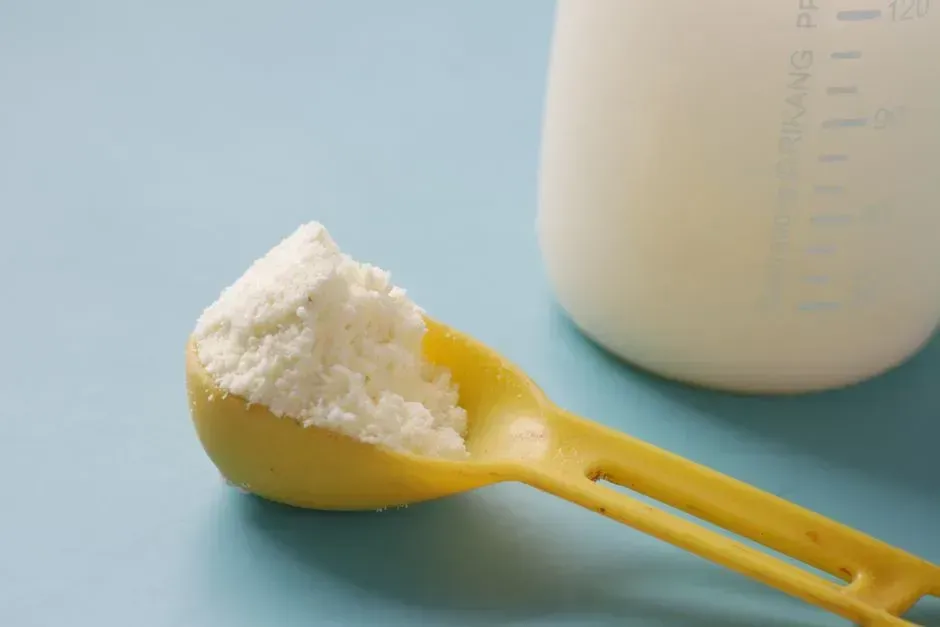
Baby formula ingredients are an unexpected entry on this list, but the nutritional science behind them started as a life-support question. The nutritional enrichment ingredient found in baby formula was originally the product of NASA-sponsored research that tested the potential use of algae as a recycling agent for long-duration space travel. Researchers were looking at how algae could support closed-loop life systems on extended missions.
The ingredient that emerged from that work turned out to have unrelated but valuable nutritional properties for infants. The microalgae substance is now found in over 90% of infant formulas sold in the U.S., which makes it one of the more widespread spinoffs on this list despite being one of the least visible to consumers.
9. Reflective space blankets
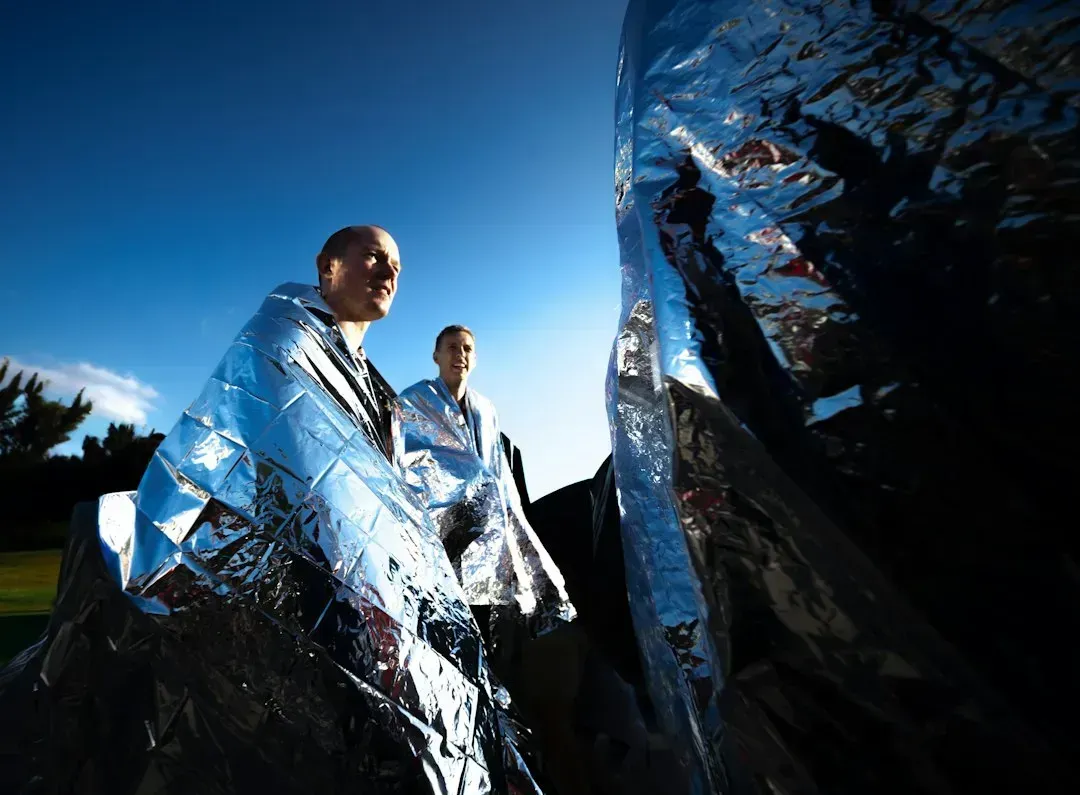
The thin, silvery emergency blankets found in first aid kits and marathon finish lines started as spacecraft insulation. So-called space blankets, developed in 1964 for the space program, are lightweight and reflect infrared radiation, and these items are often included in first aid kits. The same reflective principle that protects sensitive equipment in orbit works just as well at keeping a person warm after a race or an emergency.
The material’s versatility is part of why it spread so widely. The insulating material used on everything from the Hubble Space Telescope to hikers, from Mars rovers to marathon runners, is one of the simplest yet most versatile NASA spinoffs, originally coating the base of the Apollo lunar landing vehicles. Few spinoffs demonstrate the range of NASA’s influence as clearly as a five-dollar blanket that started as spacecraft-grade insulation. None of these products advertise their aerospace roots on the packaging, which is part of what makes the connections interesting. NASA’s own technology transfer program has documented thousands of spinoffs over the decades, and the nine covered here represent some of the clearest, best-verified examples where a specific mission requirement led directly to a product people now use without a second thought.
