
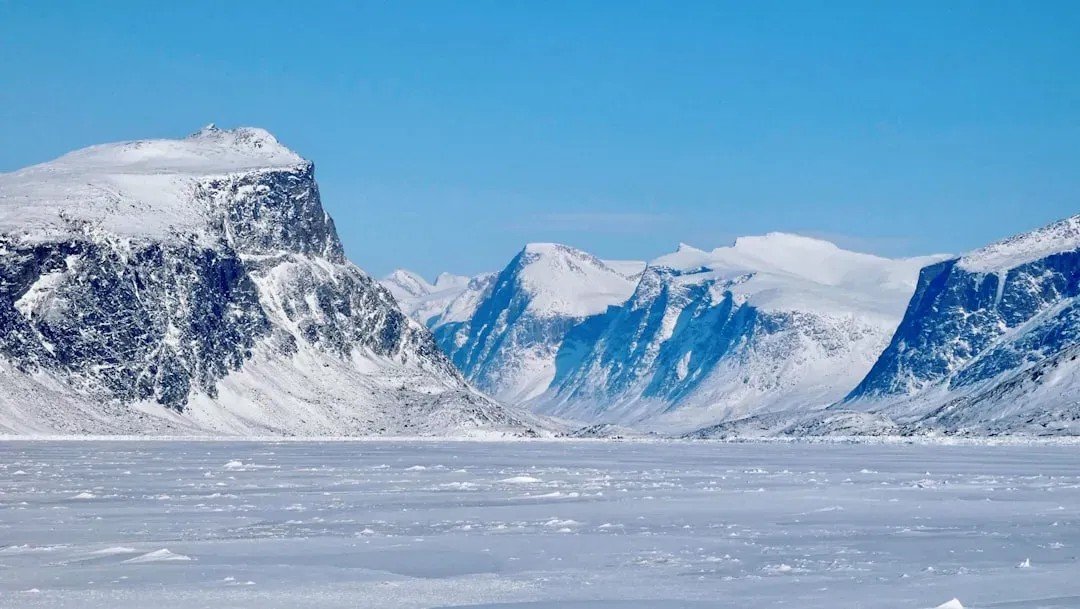
Most environmental coverage gravitates toward the dramatic: record-breaking hurricanes, burning rainforests, polar bears on shrinking ice. Those stories matter. Yet some of the most significant shifts in our planet’s systems are happening in places cameras rarely go – beneath the seafloor, inside a gram of topsoil, or in the frozen ground of a Siberian bog. These are the changes that scientists track with growing unease while headlines move on to the next catastrophe.
The nine changes below aren’t speculative. They’re measurable, documented, and in most cases already well underway. What they share is a certain invisibility – not because they’re minor, but because they’re slow, technical, or simply harder to photograph than a wildfire.
Ocean Dead Zones Are Multiplying Faster Than Most People Realize
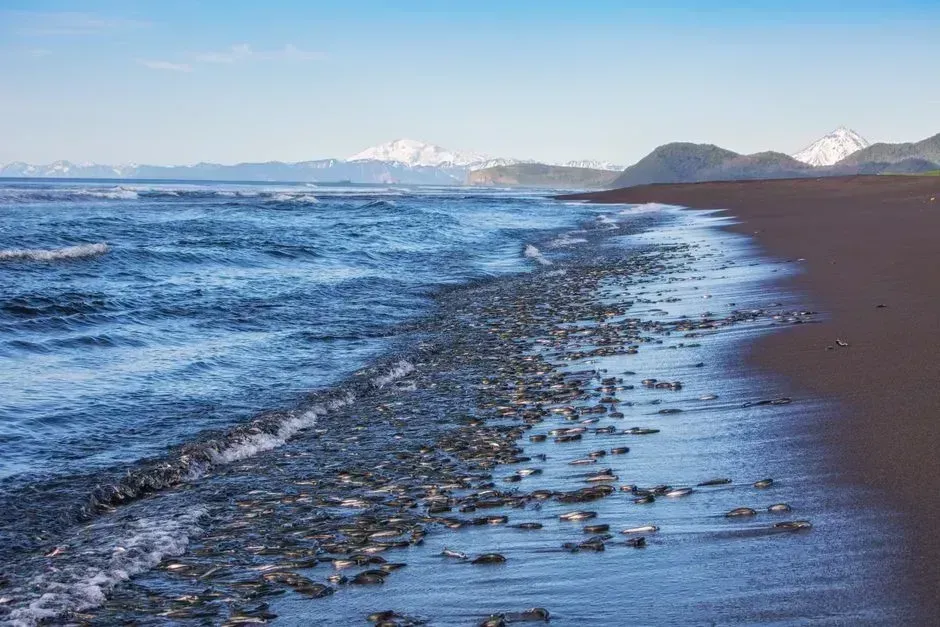
Ocean deoxygenation – the progressive loss of oxygen in our seas – is silently suffocating marine biodiversity. As warming waters hold less oxygen and nutrient pollution fuels oxygen-depleting algal blooms, vast stretches of ocean are transforming into dead zones where fish cannot survive and entire ecosystems collapse. The primary fuel for this process is fertilizer runoff from farmland and untreated sewage, which feed massive algal blooms that strip the water of oxygen as they decay.
In the last half a century, the number of dead zones in the world’s oceans has increased more than tenfold. Without intervention, dead zones are projected to expand by roughly three to eight percent with each degree of warming, threatening coastal fisheries and biodiversity hotspots that millions depend upon. Entire fishing communities in the Gulf of Mexico, the Baltic Sea, and the coasts of South Asia are already feeling the economic consequences.
Arctic Permafrost Is Releasing Carbon the Climate Models Haven’t Fully Counted
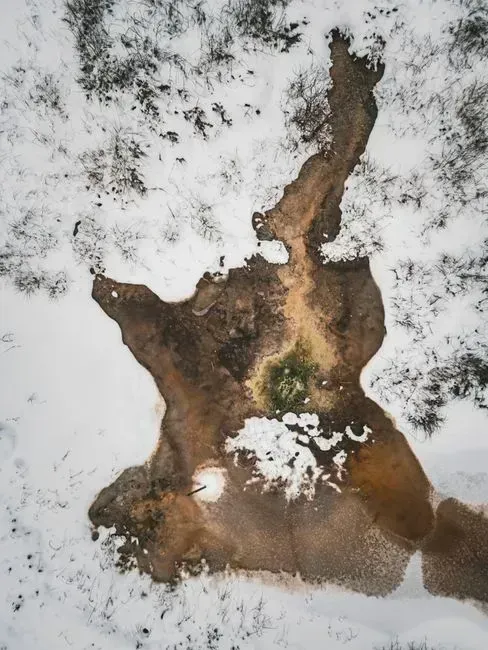
Permafrost covers about a quarter of the Northern Hemisphere and contains roughly half of the Earth’s organic carbon, playing a crucial role in climate regulation. The problem is that when permafrost thaws, it releases carbon dioxide and methane into the atmosphere, and once initiated, this process accelerates global warming, creating a feedback loop where permafrost thaw leads to further emissions that exacerbate the warming that triggered it.
While gradual thaw processes are somewhat predictable, abrupt thaw events known as thermokarsts – often triggered by landslides, wildfires, or other environmental changes – can suddenly release massive amounts of carbon, leading to substantial and unpredictable emissions. Many current climate models fail to account for these abrupt thaws, resulting in underestimated future emissions. Emissions from thawing permafrost remain largely absent from Nationally Determined Contributions, the cornerstone of international climate commitments under the Paris Agreement.
A Hidden Methane Source Beneath Arctic Glaciers Was Just Discovered
Methane emissions from Arctic wetlands, permafrost, and geological seeps are well known. However, until recently, the role of glacial meltwater in mobilizing methane had been largely overlooked. New research in Svalbard changed that picture considerably. Methane concentrations in one glacial melt river were found to be up to 800 times higher than the atmospheric equilibrium level. This methane came not from microbial activity beneath the ice, but from thermogenic sources – methane trapped in the region’s ancient geological formations for millions of years.
Scientists now need to reassess methane budgets in the region, incorporating glacial emissions alongside permafrost thaw and wetland methane fluxes. This isn’t a minor rounding error. It suggests the Arctic methane picture is substantially more complex than existing estimates suggest, and that the transition from frozen to melting landscapes is unlocking carbon stores that weren’t factored into global projections.
The Oceans Are Absorbing Heat at a Staggering and Accelerating Rate

The vast majority of the heat trapped by climate pollution is absorbed by Earth’s oceans, which have warmed even more than the planet’s surface. Nearly every year sets a new record for ocean and global heat content, and 2025 was no exception. A new study estimated that the oceans absorbed energy equivalent to detonating nearly 10 Hiroshima atomic bombs in the oceans every second of every minute in 2025.
The oceans absorb most excess heat and release it slowly over time, meaning warming continues even if emissions drop quickly. This thermal inertia is one of the most underappreciated dimensions of climate change. The consequences are already showing up in deeper and more frequent marine heatwaves, disrupted fish migration patterns, and accelerating coral bleaching events that extend well beyond the tropics. The ocean isn’t just a victim of warming – it’s also slowing down how fast we feel it on land, temporarily masking how severe the atmospheric changes really are.
The Global Insect Population Is Collapsing – Including in Protected Areas

Insect populations are collapsing at unprecedented rates, with flying insect biomass dropping up to 75 percent in some areas over the past 40 years. Pollinators such as bees, butterflies, and moths face widespread declines, disrupting pollination services that support a large portion of global crops. Habitat loss, pesticides, climate change, and light pollution all contribute to this biodiversity crisis, creating cascading effects on birds, amphibians, and soil ecosystems.
Even within protected areas, light pollution, airborne chemicals, and invasive species undermine ecosystem integrity. The effects cascade as poorer habitat quality and soil fertility, collapsed food webs, and heightened agricultural vulnerability. A long-term study in Colorado, published in late 2025, found that insect populations are plummeting even in remote, undisturbed areas, with flying insect abundance dropping by more than 70 percent over two decades, closely linked to wider environmental pressures. The decline isn’t confined to farmland edges anymore.
Light Pollution Is Quietly Reshaping Nocturnal Ecosystems
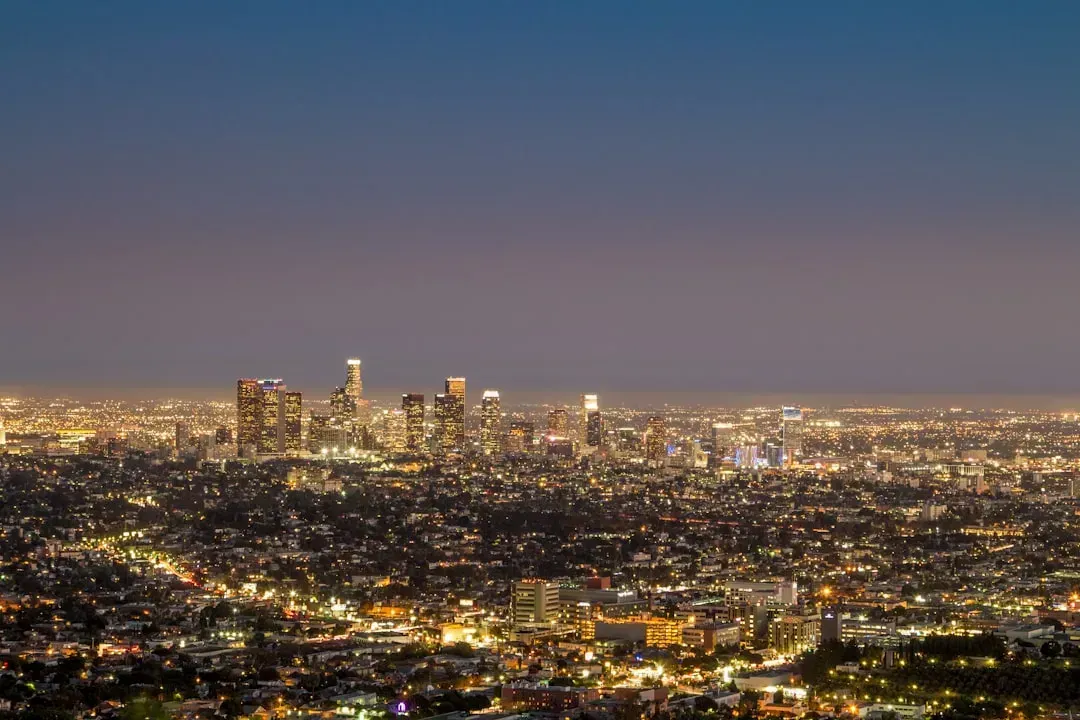
For billions of years, all life has relied on Earth’s predictable rhythm of day and night. It’s encoded in the DNA of all plants and animals. Humans have radically disrupted this cycle by lighting up the night, with scientific evidence suggesting that artificial light at night has negative and deadly effects on many creatures, including amphibians, birds, mammals, insects, and plants.
Near cities, cloudy skies are now hundreds or even thousands of times brighter than they were 200 years ago. Glare from artificial lights can impact wetland habitats home to amphibians such as frogs and toads, whose nighttime croaking is part of the breeding ritual. Light pollution disorients nocturnal insects, while industrial runoff and air contamination harm delicate species at every life stage. This isn’t an urban amenity problem. It’s a profound restructuring of how life organizes itself after dark, across nearly every habitat on the planet.
Soil Microbial Diversity Is Declining as Temperatures Rise

The microbiome plays a crucial role in soil ecosystems by affecting processes such as soil formation, fertility, nutrient turnover, and carbon storage. What most people don’t know is that this underground world is changing fast. Soil microbes play a very important role in maintaining the function and health of forest ecosystems, but global change factors are profoundly affecting soil microbial structure and function.
The decline in microbial diversity compromises soil ecosystem functioning, including the capacity to sequester soil organic carbon, potentially creating a feedback loop that further accelerates warming. These findings highlight the interconnected fates of microbial communities and soil carbon, underscoring the urgent need to integrate microbial biodiversity conservation into climate mitigation and ecosystem management strategies. Soil degradation tends to get measured in terms of erosion or nutrient loss. The microbial angle is rarely part of that conversation, even though the organisms living invisibly underfoot are what make fertile ground possible in the first place.
Aquatic Insects – the Canaries of Freshwater Systems – Are Being Overlooked
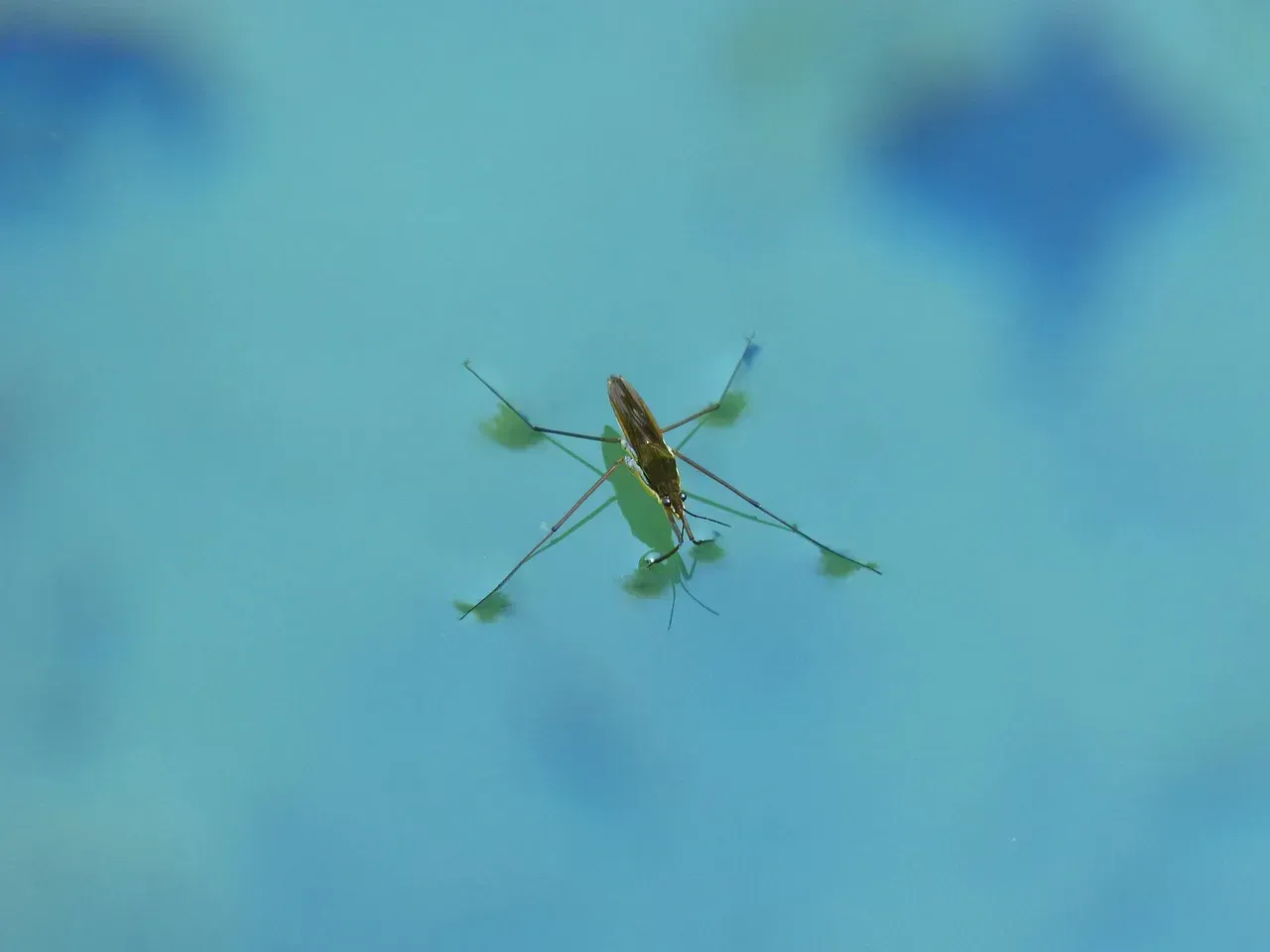
Aquatic insects are vital for ecosystem functioning and services, contributing to all four categories of essential ecosystem services, yet face substantial extinction risks that remain understudied in both primary research and synthetic reviews. Freshwater systems host more than 60 percent of all insect orders, but terrestrial insects dominate ecological publications – a significant research gap. In short, the creatures most sensitive to water quality in streams, rivers, and wetlands are also the ones scientists know least about.
Freshwater systems mirror the chaos: mayflies and stoneflies gauge stream health, and their decline signals toxic runoff that chokes fish and amplifies algal blooms. In freshwater systems, aquatic insects purify water and uphold stream ecosystem integrity. When these populations collapse, it tends to go unnoticed until the visible consequences – algae-choked rivers, failing fisheries, reduced water clarity – make it undeniable. By that point, the underlying community has already unraveled.
The Northern Hemisphere’s Warming Is Fastest Where the Feedback Loops Are Strongest
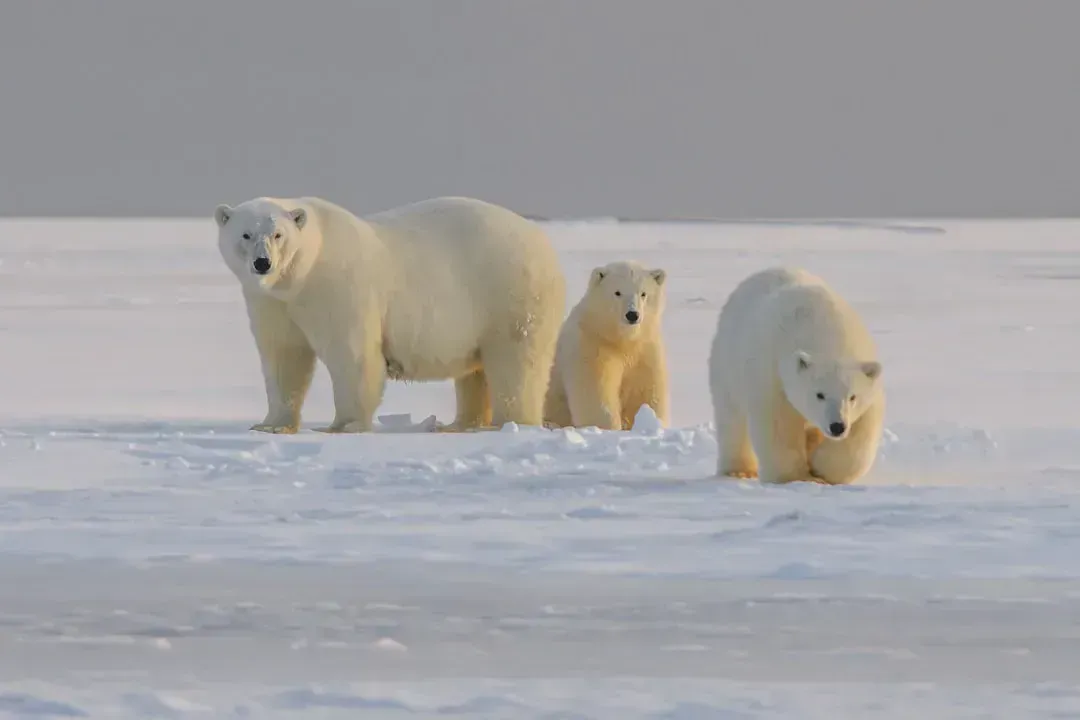
The Arctic is warming four times faster than the world average, and as a direct result, methane emissions from the Boreal-Arctic region have increased by 9 percent since 2002. Some areas have become an annual carbon dioxide source, meaning more is released during the year than plants can absorb during the short summers. Scientists have also uncovered a powerful mix of natural and human-driven processes fueling change in the Arctic, including cracks in sea ice that release heat and pollutants that form clouds.
Europe is the world’s fastest-warming continent, with rising temperatures driving shrinking snow and ice, extreme heat, drought, wildfires, and record ocean warming – impacting ecosystems and societies from the Arctic to the Mediterranean. These high-latitude changes aren’t staying in the Arctic. They alter jet stream behavior, shift precipitation patterns across the Northern Hemisphere, and accelerate the very feedback loops – permafrost thaw, sea-ice loss, reduced albedo – that make the warming self-reinforcing. The changes happening at the top of the world will eventually become the news everywhere else.
None of these nine shifts are mysteries to the scientific community. They’re measured, monitored, and discussed at length in journals and research institutions. What they lack is the narrative pull that drives wider public attention. Understanding them doesn’t require despair – it requires the kind of clear-eyed awareness that makes meaningful action possible.

- 9 Space Discoveries Our Grandparents Never Imagined Would Happen - November 16, 2026
- Scientists Warn: This Cosmic Radiation Risk Could Limit How Far Humans Can Travel - November 16, 2026
- Recyclable Labels That Mean Landfill-Bound – 7 Packaging Tricks Decoded - November 16, 2026
