

- Paper Straws Ineligible for Curb Pick-Up – 6 Paper Swaps Sorting Facilities Can’t Process - November 16, 2026
- Cotton Totes Carry a 20,000-Use Footprint – 6 Everyday Eco-Swaps Worse Than Plastic - November 16, 2026
- Ravens Cooperative-Hunting With Wild Wolves – 7 Surprising Animal Partnerships - November 16, 2026
Climate adaptation rarely gets the attention it deserves. Most headlines focus on emissions targets, broken pledges, and the relentless creep of global temperatures, leaving the quieter story of resilience in the shadows. Yet some countries are not just coping with a warmer, more volatile world – they’re building genuinely new relationships with their landscapes, coastlines, and weather.
The year 2024 was the warmest on record and marked the first calendar year to surpass the Paris Agreement’s 1.5°C target above pre-industrial levels. Against that sobering backdrop, the six countries below have found ways to adapt that go well beyond what most observers predicted – through engineering, policy, community action, and a willingness to rethink old assumptions.
1. The Netherlands: Engineering a Future Above Water
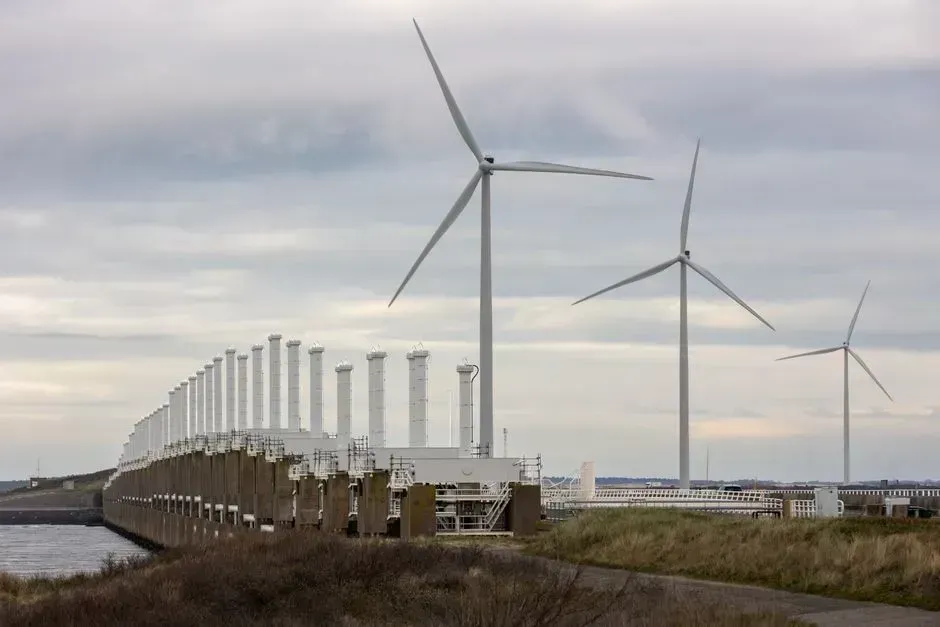
Two-thirds of the Netherlands are susceptible to flooding. For a densely populated country where large portions of land sit below sea level, that’s not a distant threat – it’s a daily reality. Rather than retreat from it, the Dutch have built one of the world’s most sophisticated water management systems, combining traditional infrastructure with cutting-edge planning.
The Delta Programme is in place to protect the Netherlands from high water and flooding, to ensure a sufficient supply of fresh water, and to contribute to rendering the Netherlands climate-proof and water-resilient by 2050. The country’s strategy couples water management with spatial planning, calling for accelerating dike upgrades, reserving space for future flood defences, and giving rivers more room, while shifting towards nature-based and transformational measures where optimisation no longer suffices. It’s an approach that blends centuries of hydrological know-how with genuinely forward-thinking governance.
2. Denmark: Climate Policy as a National Competitive Edge
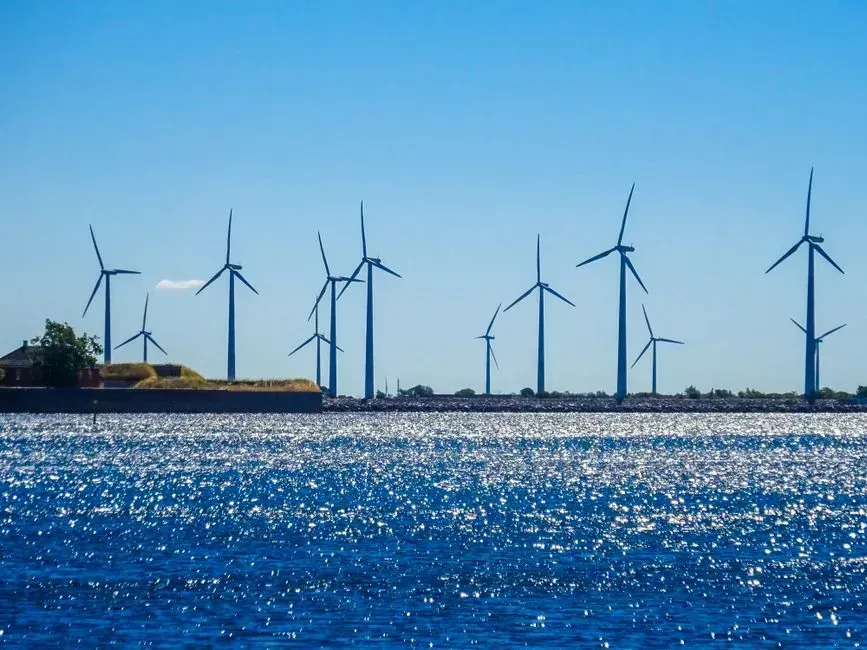
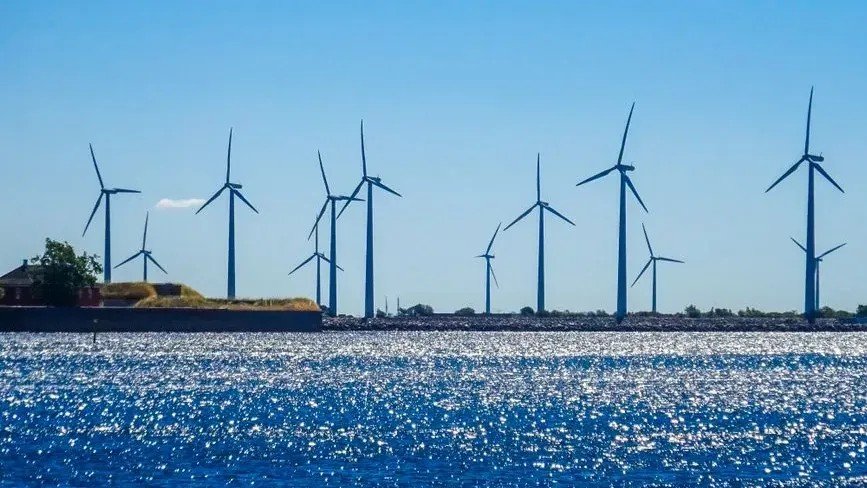
Denmark was the highest-ranking country in the 2025 Climate Change Performance Index (CCPI). That ranking reflects not just ambition on paper, but a sustained track record of translating policy into real-world results. The country has made wind energy a cornerstone of its economy and identity, exporting both turbines and expertise across the globe.
Denmark, Brazil, and Morocco are at the top of the CCPI’s Climate Policy category and receive a high rating. Denmark also launched an ambitious carbon capture storage project, with a final investment decision taken in 2024 to realise commercial storage at the INEOS-led Greensands Future project, with an initial volume of 400,000 tonnes of CO₂ annually, and potential for 8 million tonnes annually. The country treats climate leadership not as a burden, but as an economic opportunity.
3. Costa Rica: Small Country, Outsized Green Ambition
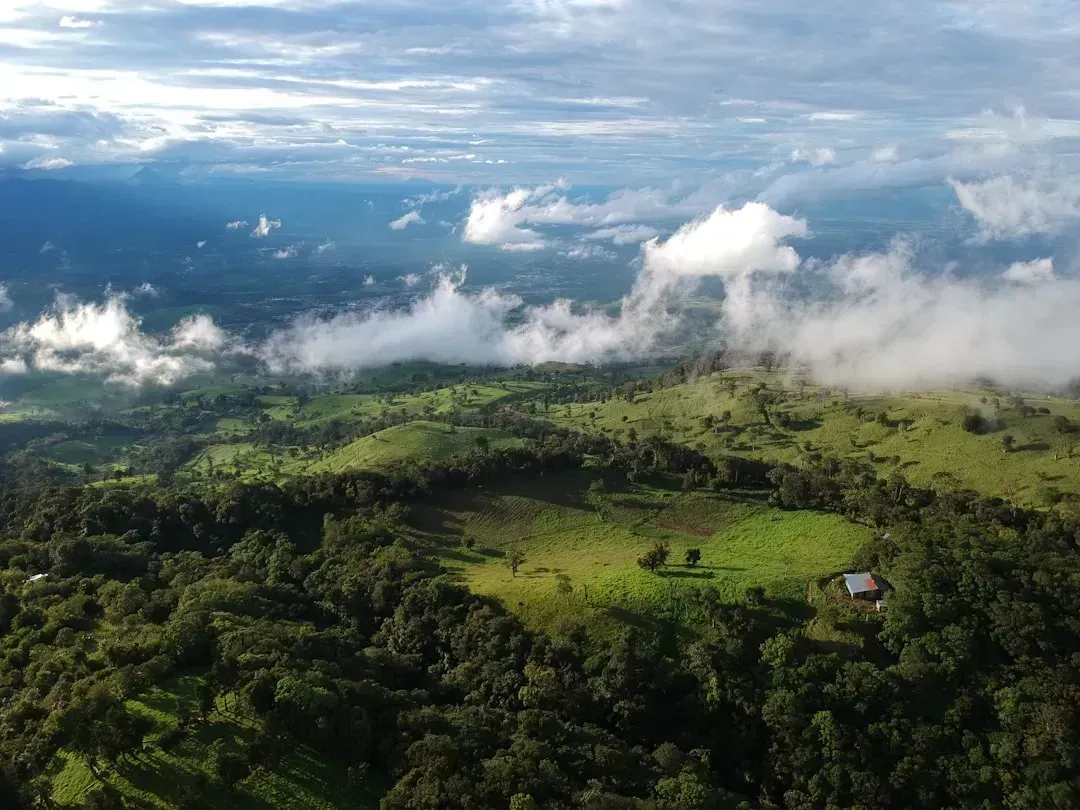
Costa Rica sources nearly all its electricity from wind, hydro, and geothermal power, and the nation’s electric vehicle uptake reached twelve percent of sales in 2023, reducing transport emissions. For a middle-income country in Central America, these numbers are genuinely remarkable – and they didn’t happen by accident. Costa Rica has spent decades weaving environmental protection into its national identity and legal framework.
In Costa Rica, UNDP supported the government with the development of territorial environmental and forestry plans that enable Indigenous communities to receive direct payments for the environmental services from their territories. This approach connects climate adaptation to community wellbeing, creating local incentives to protect forests and watersheds that buffer the country against extreme weather. It’s a model that other nations in the region are now studying closely.
4. Singapore: Adapting a City-State With No Room for Error

Singapore ranks among the top nations in climate adaptation readiness by diversifying water supplies and investing in urban cooling infrastructure, with the city-state treating adaptation as an essential development strategy. That attitude is born partly of necessity. Singapore has no agricultural hinterland, no natural freshwater lakes, and sits just meters above sea level – vulnerabilities that make climate inaction genuinely existential.
The city-state has invested heavily in desalination and water recycling, effectively decoupling its water security from rainfall patterns that are becoming increasingly unpredictable. Urban heat is managed through green building codes, extensive tree canopy programmes, and strict energy efficiency standards embedded at every level of construction. Successful adaptation involves creating proactive plans for coping with what sort of climate a country is likely to experience in the future – and Singapore does this with a level of institutional precision that few governments anywhere can match.
5. India: Renewable Scale That Defied the Forecasts

India had set a target to install 175 gigawatts of renewable energy generators by 2022 but is now set to surpass this goal and extend it to 480 gigawatts, a success driven by rapidly falling costs and strong government support for renewable energy. Few analysts predicted India would move this fast. The country was widely expected to remain dependent on coal for decades, given its development trajectory and the sheer scale of energy demand growth.
Beyond energy generation, India has been experimenting with heat action plans at the city level, particularly following deadly heatwaves that have struck repeatedly since 2015. Thirty Indian cities have adopted heat action plans that include early warning systems, cooling centres, and public health responses. These are practical, local-level adaptations that save lives without requiring massive national budgets – a model worth watching as extreme heat becomes more frequent across the Global South.
6. Morocco: A Developing Economy Setting the Adaptation Pace

Morocco’s inclusion at the top of global climate policy rankings has surprised many observers who assumed ambitious adaptation was the preserve of wealthy nations. Denmark, Brazil, and Morocco are at the top of the CCPI’s Climate Policy category, placing the North African country in rare company. Morocco has been building one of the world’s largest solar power complexes in the Sahara, betting that its abundant sunlight can become both a domestic energy source and an export commodity.
The country also faces some of the most direct climate pressures in the region, including intensifying droughts and water scarcity that threaten agriculture and urban supply alike. Countries reported on over 1,600 implemented adaptation actions globally, mostly on biodiversity, agriculture, water and infrastructure – and Morocco has been among the more consistent contributors to that count, embedding adaptation priorities into national development planning rather than treating them as separate, donor-driven projects. That institutional integration is arguably its most transferable lesson.
None of these six countries has solved the climate problem. They face setbacks, funding gaps, and political pressures just like everyone else. What sets them apart is a willingness to treat adaptation not as a concession to failure, but as genuine forward planning. The gap between countries that see adaptation as a cost and those that see it as an investment is already starting to show – in resilience, in economies, and in lives protected from harm.
