
Most people feel reasonably prepared for everyday disruptions. A spare phone charger in the drawer, a flashlight somewhere in the garage, maybe a first aid kit under the bathroom sink. The trouble is that when something serious actually happens, those items are rarely where you need them, in the condition you need them, or as complete as you assumed. That gap between feeling prepared and being prepared is exactly where emergency responders spend most of their professional lives.
After an emergency, you may need to survive on your own for several days, and being prepared means having your own food, water, and other supplies to last through that window. The six items below are not exotic or expensive. They’re common, often overlooked, and consistently recommended by emergency professionals. The question isn’t whether you’ve heard of them. It’s whether you actually have them ready.
1. A Hand-Crank or Battery-Powered NOAA Weather Radio
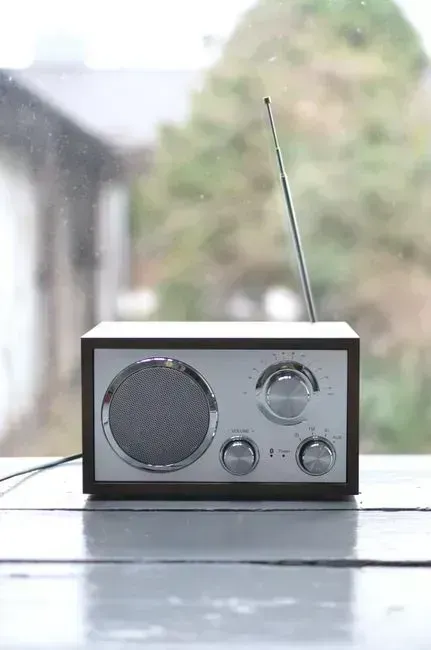
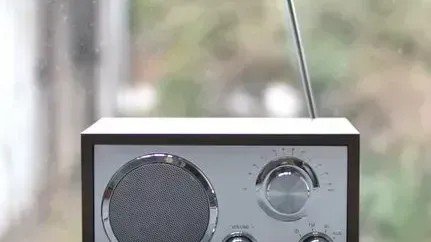
Hand crank radios are simply more reliable than cell phones and the internet. Cell towers and networks are vulnerable to service disruption from extreme weather, mechanical failure, and solar flares. When extreme weather strikes and you’re without power, a hand crank radio is your best option for staying powered up and informed.
A critical feature to look for is whether the radio is classified as a weather alert radio rather than simply a weather band radio. Weather band radios require being powered on and tuned into a local weather station to receive alerts, whereas weather alert radios notify you regardless of the station you’re listening to or even if the radio is powered off. That distinction could easily mean the difference between getting a tornado warning in time and not getting it at all.
2. A Well-Stocked First Aid Kit
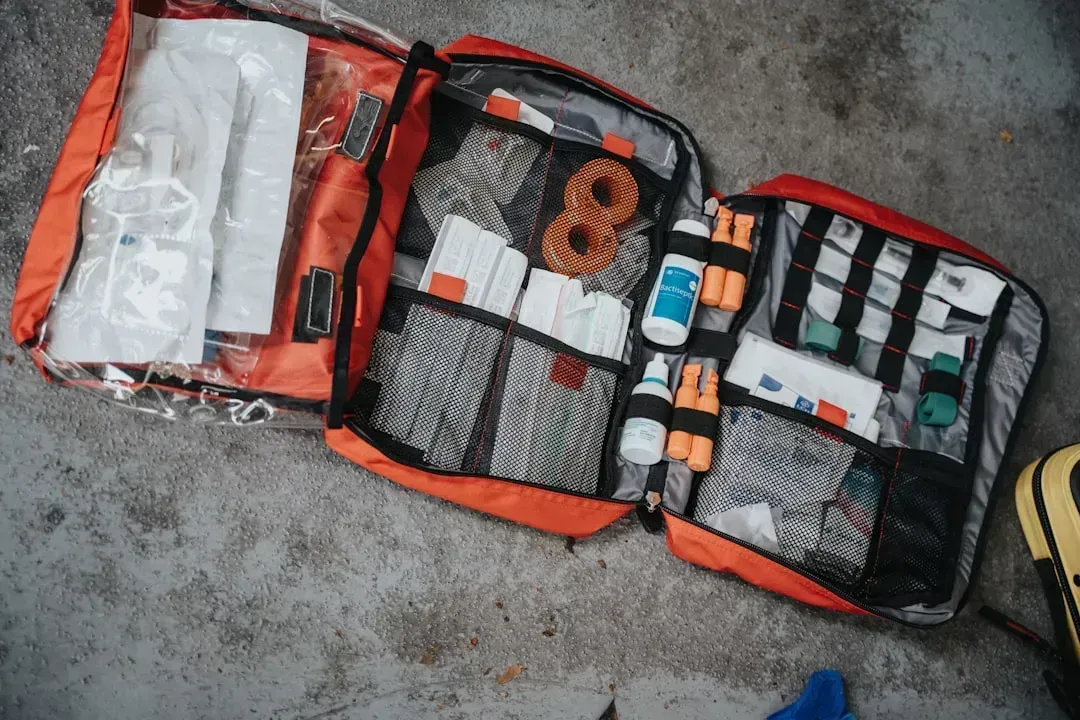
A well-stocked first aid kit can help you respond effectively to common injuries and emergencies, and experts recommend keeping at least one in your home and one in your car. It can be difficult to seek medical attention immediately during a natural disaster, but having a first aid kit handy can help with minor injuries that can happen in the chaos of an evacuation.
In an emergency, medical help may be delayed, and a complete first aid kit helps you stabilize minor injuries or manage more serious issues until help arrives. The Red Cross recommends keeping a one-month supply of medication in a childproof container, along with other medical supplies you might need in an emergency. Don’t assume the kit you bought years ago is still complete. Check it periodically, restock used or expired items, and tailor it to your household’s specific needs.
3. A Portable Power Bank

Your phone is the first thing you reach for in an emergency. It helps you get help, check safety alerts, and stay informed. Keeping a few power banks or portable chargers in your emergency kit is essential for charging communication devices like smartphones, ensuring you can stay in touch with loved ones and emergency services even when the power is out for an extended period.
For a genuine emergency where you might need to keep multiple devices running for 12 to 24 hours without access to a wall outlet, you need at least 20,000 mAh. Smaller power banks in the 5,000 to 10,000 mAh range are fine for topping up a phone on the go, but they will not get you through a serious outage. It’s also worth checking your power bank every few months. Many high-quality power banks can store battery power for months without losing any of that charge over time, but lower-quality models drain passively even when sitting unused.
4. A Whistle
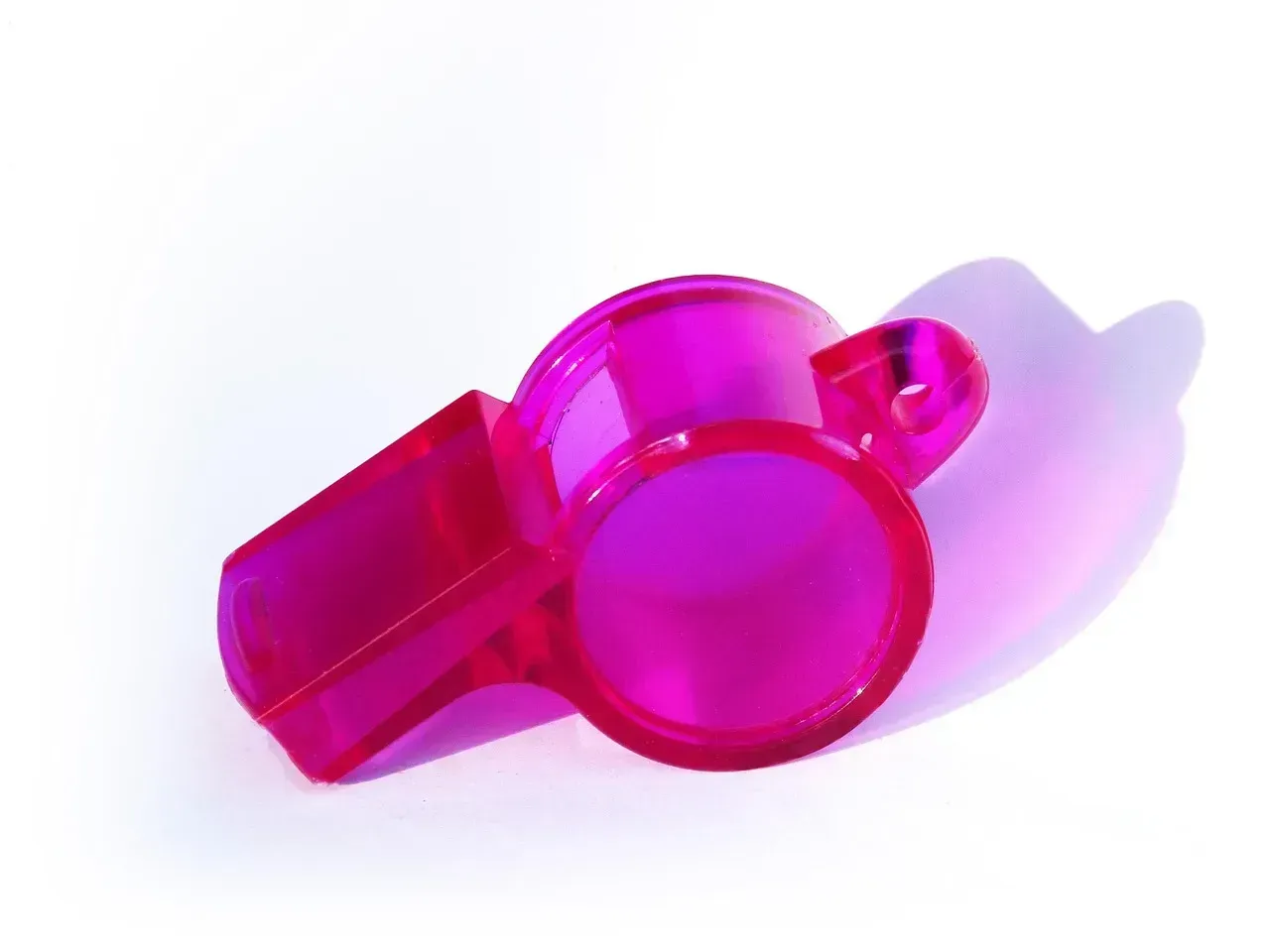
This one surprises people. It’s small, cheap, and easy to dismiss as something children carry on camping trips. Emergency responders think about it very differently. A whistle is a valuable addition to your emergency kit, and the sound of a whistle can carry much further than the sound of a human voice while taking a lot less effort than shouting. As long as you can breathe, you can blow a whistle.
Whistles can get incredibly loud with a lot less effort on your part than shouting or yelling. If you’re in distress and need help, blowing a whistle three times is the international sign of distress, according to the Utah Department of Public Safety. Experts specifically recommend wearing a whistle to prepare for worst-case scenarios, such as being separated from your home by winds or being trapped under debris after a tornado. It weighs almost nothing and takes up virtually no space. There’s no good reason not to have one.
5. Water Storage and Filtration
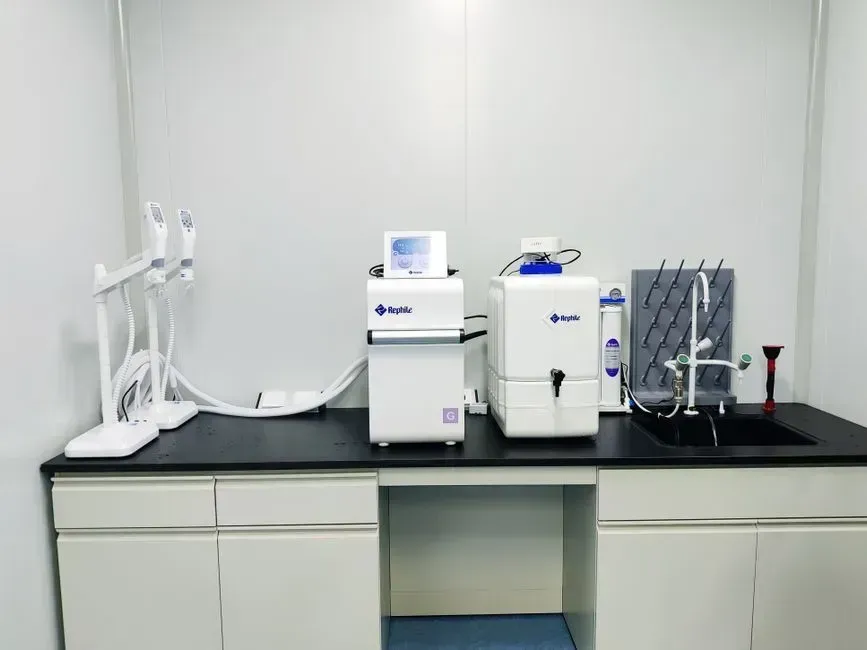
Household emergency supply kits should contain one gallon of drinking water per person per day for at least three days. That’s the floor, not the ceiling. Ready.gov recommends at least one gallon per person per day for three days, but many emergency managers now advise keeping a seven-day supply because modern outages can last longer in certain regions.
A mix of storage and purification gives you flexibility during long disruptions. Stored water is straightforward until it runs out; a filtration option extends your capacity significantly. FEMA recommends a three-day supply of nonperishable food and water in any disaster kit, and water in particular can be tricky: while it is easy to store, it is heavy to carry with you in the case of an evacuation. That’s why having lightweight purification tablets or a compact filter alongside your stored supply is a smarter long-term approach than simply stacking more bottles.
6. Cash in Small Bills

Digital payments feel permanent until they’re not. A power outage emergency kit needs to account for problems caused specifically by the loss of electricity, including keeping a household functioning when lighting, refrigeration, communications equipment, and electronic payments may stop working. ATMs go offline, card readers stop processing, and point-of-sale systems fail. Keeping cash on hand can be valuable for purchasing emergency supplies or essential services when digital infrastructure is unavailable.
The amount matters less than having it in usable denominations. Large bills become difficult to use when vendors can’t make change. A mix of smaller bills keeps transactions simple and avoids the frustration of being technically solvent but practically stuck. Since you don’t know where you’ll be when an emergency occurs, it’s wise to prepare supplies for home, work, and your car – and that applies to cash as much as it does to flashlights and water.
None of these six items require a major investment or a special skill set. Most of them are sold at any hardware store or pharmacy. The real barrier isn’t cost or complexity. It’s the quiet assumption that serious emergencies happen to other people, in other places. They don’t. Roughly seven in ten Americans have assembled some kind of emergency supplies, according to a 2024 FEMA study, but having supplies and having the right supplies in working condition are two very different things. Start with these six. Check them once a year. The version of you that someday needs them will be glad you did.

- The Shoreline Sucked Dry in Seconds – 5 Tsunami Signals Beachgoers Mistake for Low Tide - November 14, 2026
- 9 Dark-Sky Destinations Around the World Where the Stars Look Unreal - November 14, 2026
- The Fault Line That Never Slips – 7 Locked Seismic Zones Overdue for a Massive Release - November 14, 2026
