


- Phantom Energy Sucking Power 24/7 – 7 Home Electronics Quietly Inflating Utility Bills - November 14, 2026
- A Million-Mile Storm Raging for Centuries – 6 Violent Weather Wonders in Our System - November 14, 2026
- Animals Flee Hours Before the Tremor – 7 Natural Warnings Before Disasters Strike - November 14, 2026
Some of the most contentious policy debates in the United States have been ongoing for decades. Universal healthcare, paid parental leave, student debt, drug policy – these topics fuel endless news cycles, political campaigns, and dinner table arguments. Meanwhile, other countries have already moved past the debate stage and are living with the results.
That doesn’t mean those solutions are perfect or that they’d transfer seamlessly across the Atlantic. But there’s real value in looking at what others have actually built and how it’s working. The evidence, in many cases, is more than a generation old.
Germany: Free University Education Without the Debt Crisis

In the United States, the student debt crisis has reached staggering proportions. The average student loan debt reached $38,451 in 2025, and collectively, American borrowers owe roughly $1.74 trillion. Germany looked at the logic of charging young people enormous sums to enter the workforce and, in 2014, abolished tuition fees at public universities entirely.
Some German universities have recently begun charging modest fees, but the vast majority still offer free education to all students, including international ones, with only a small contribution asked each semester – nothing close to the price of full tuition. While America debates student loan forgiveness and free community college, German students have essentially been living that reality for over a decade.
Canada: Universal Healthcare That Actually Covers Everyone

The U.S. not only falls short of universal health care coverage, it also incurs by far the world’s highest healthcare costs per capita. In 2024, the United States spent an estimated $14,885 per person on healthcare – a figure no other high-income country comes close to. Canada, by contrast, runs a national health insurance system where all citizens are covered, regardless of employment status.
While other countries differ in the details of their systems and in their performance on various measures, unlike the U.S., they have all found a way to meet their residents’ most basic health care needs, including universal coverage. A Gallup poll from late 2024 found that roughly six in ten Americans believed it is the government’s responsibility to ensure all Americans have healthcare coverage. The desire is clearly there. The policy just hasn’t followed.
Sweden: Generous Paid Parental Leave as a National Standard
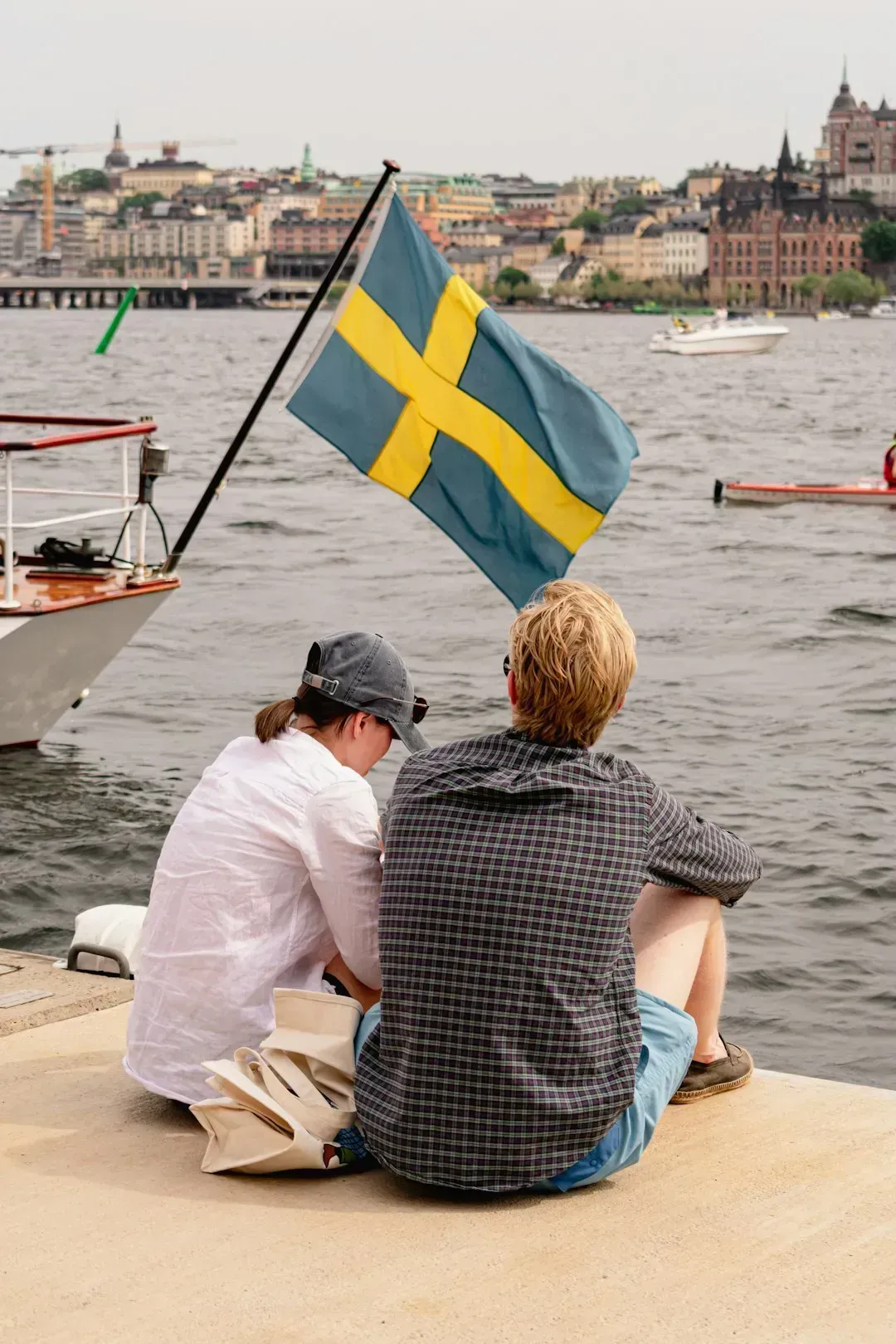
The United States is the only first-world country without any guaranteed paid parental leave at the national level, with only a small number of other countries – all of which are considered low or middle-income – offering no guaranteed leave. Sweden solved this decades ago. Sweden offers 480 days for both parents, with parental leave paid at 80 percent of regular wages. Unlike many countries that don’t extend leave for multiple births, an additional 180 days are granted for each additional child.
Parental benefit is 240 days per parent for a fully paid total of 480 days, and it can be distributed as the parents choose. Fathers receive 90 paid paternity days reserved specifically for them, designed to promote father-child bonding. The American debate, by comparison, still centers on whether any federal paid leave policy should exist at all, with only nine states and the District of Columbia currently offering paid family and medical leave.
Portugal: Drug Decriminalization That Actually Reduced Harm

In 2001, Portugal decriminalized the personal possession of all illicit drugs as part of a wider re-orientation of policy toward a health-led approach. Possessing drugs for personal use became an administrative offence, no longer punishable by imprisonment and no longer resulting in a criminal record. The results took years to fully materialize, but they were hard to argue with.
Drug-related arrests in Portugal fell from 16,800 in 2000 to 4,500 in 2021, a drop of nearly three quarters. Drug-related overdose deaths decreased by 77 percent between 2000 and 2021, while the rate of new HIV infections among people who inject drugs fell from 33 per 100 in 2000 to just 0.3 per 100 in 2022. In the U.S., the debate over decriminalization remains largely ideological, even as overdose deaths continue to climb.
Denmark: Work-Life Balance Built Into the System
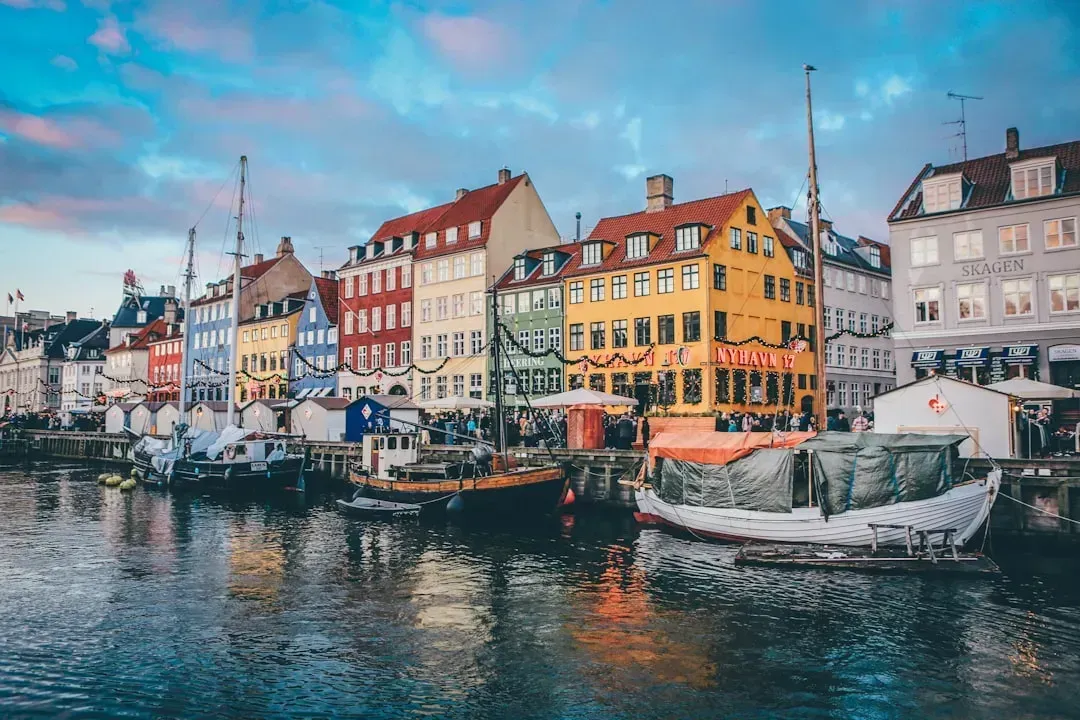
The American conversation about overwork, burnout, and the “hustle culture” problem has been building for years, but structural change has been minimal. Denmark took a different path. Danish culture strongly values time for family: the work week is among the shortest worldwide, at around 37 hours, and flexible hours are common. This isn’t a perk offered by progressive tech companies – it’s the national norm.
Denmark is often rated the world’s happiest or a close second and is exceptionally family-friendly, boasting universal healthcare and tuition-free education through college. Parents are entitled to 52 weeks of parental leave with a portion reserved for each parent, and childcare costs are capped by law, making daycare genuinely affordable. It’s a model where policy deliberately protects personal time rather than leaving it up to individual negotiation.
Finland: Testing Universal Basic Income With Real Results

The idea of a universal basic income has been discussed in American policy circles for years, but it has never made it past the conversation stage at a national level. Finland actually ran the experiment. On January 1st, 2017, Finland began the most carefully designed experiment with basic income undertaken in a developed country. Two thousand long-term unemployed people, aged between 25 and 58, were randomly selected and given €560 a month unconditionally, regardless of who they lived with, how much they earned, or whether they were actively looking for a job.
People receiving the payments worked an average of 78 days between November 2017 and October 2018 – six more days than those on standard unemployment benefits. The trial also found that people who received the basic income reported a significant boost to their mental health, well-being, and levels of confidence when thinking about the future. The results were modest in scale but pointed clearly in one direction: giving people unconditional support didn’t make them stop working.
Estonia: Digital Government That Makes Bureaucracy Nearly Invisible

Filing taxes in the United States remains a famously painful annual ritual, largely because private tax preparation companies have lobbied for decades to keep it that way. Estonia built something entirely different. Estonia has pioneered the development of e-government, earning a reputation as one of the most digitally advanced nations in the world. Citizens can vote, pay taxes, access medical records, start a business, and interact with almost every government service entirely online.
The Estonian government has moved toward “invisible” public services combined around a person’s life events, requiring no more than one interaction between a person and an institution, and ideally delivered fully automatically. For context, Estonia’s population is small and that matters. Still, the vision and the infrastructure they’ve built represent a benchmark. Estonia’s digital society development plan for 2030 envisions public services that are event-based, proactive, human-centered, and powered by artificial intelligence.
Norway: Free Higher Education Funded by the Public Good

Norway’s approach to public universities is straightforward: education is a public investment, not a private transaction. Norwegian public universities are free even for international students. Citizens never face the prospect of taking on decades of debt simply to enter a skilled profession. The country funds attendance at state universities through tax revenues, accepting that a more educated workforce ultimately benefits everyone.
Scandinavian countries tend to be generous when it comes to social benefits, and Norway is no exception. Norway’s flexible parental leave benefits allow new mothers to take up to 59 weeks of leave paid at an 80 percent pay rate, or 49 weeks at full pay. Norway, alongside its peer nations, consistently shows lower rates of the health and social outcomes that plague the American system. The pattern across Scandinavian countries isn’t coincidence – it reflects deliberate, sustained policy choices made over many decades.
None of these eight countries is without its own problems, contradictions, or debates. High taxes, housing shortages, integration challenges – they all exist. The point isn’t that any of these places has achieved utopia. It’s that the problems Americans are still arguing about in 2026 have, in many cases, already been tested, implemented, and refined elsewhere. The data is available. The decision to look at it is a choice.
