

- Phantom Energy Sucking Power 24/7 – 7 Home Electronics Quietly Inflating Utility Bills - November 14, 2026
- A Million-Mile Storm Raging for Centuries – 6 Violent Weather Wonders in Our System - November 14, 2026
- Animals Flee Hours Before the Tremor – 7 Natural Warnings Before Disasters Strike - November 14, 2026
1. Your Roof Might Not Be Ready – and That’s Your Problem
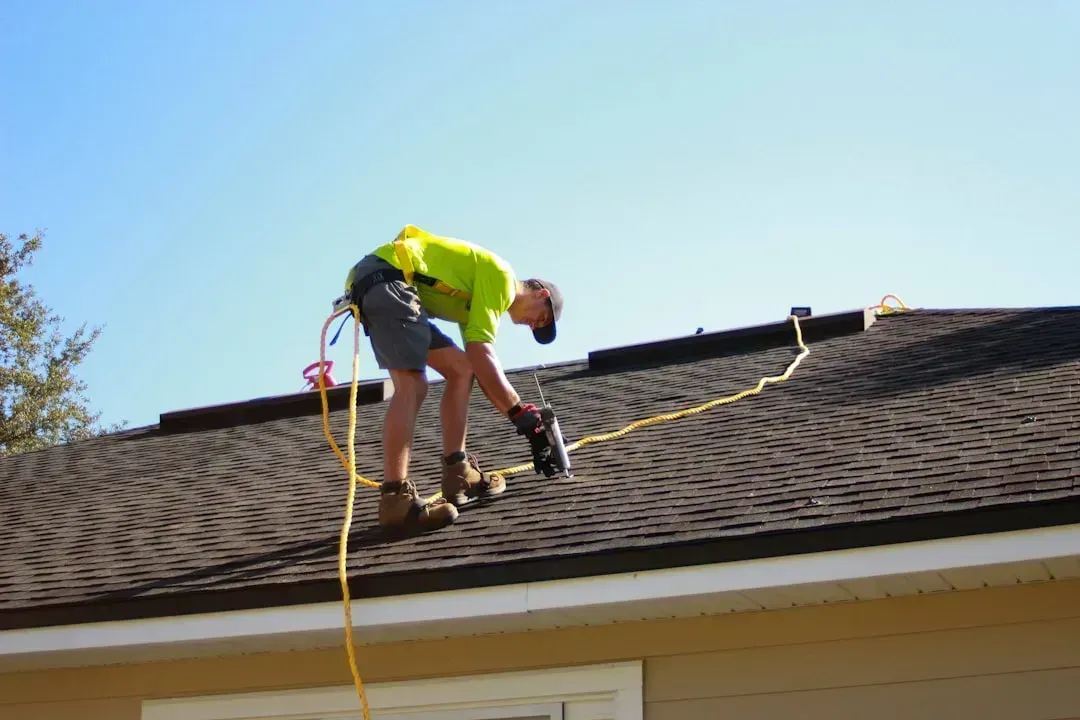
Not every roof is ready for solar. If your roof is older, has structural issues, or sits under heavy shade, installing panels can create more problems than it solves. Some homeowners have put in a solar system only to find out later that their roof needed replacing, forcing them to pay for removal and reinstallation on top of the roofing work.
The safest step is to have your roof inspected before moving forward with solar. If it’s nearing the end of its lifespan, replacing it first saves money and headaches in the long run. Most installers won’t flag this proactively – it’s simply not in their interest to slow the sale.
2. Panels Degrade Over Time, Quietly and Consistently
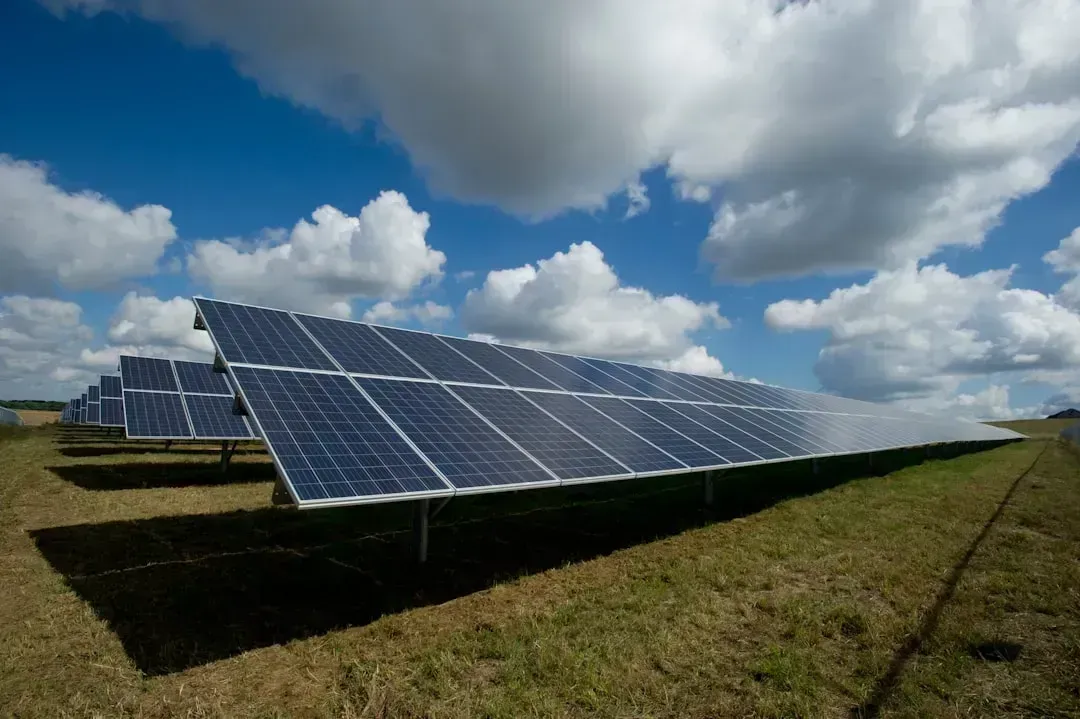
Solar panels experience a gradual performance decline over time. Panels lose up to 2% efficiency in the first year and 0.3% to 0.8% efficiency per year after that. After 20 years, panels are about 85% to 92% efficient.
That may sound acceptable, but it means the production estimates a salesperson shows you on day one are essentially the best-case figures you’ll ever see. Performance degradation is expected, but it can still look like a solar panel issue when output drops faster than normal. Shading from a neighbor’s newly grown tree or accumulated soiling can compound this further.
3. The Inverter Will Almost Certainly Need Replacing
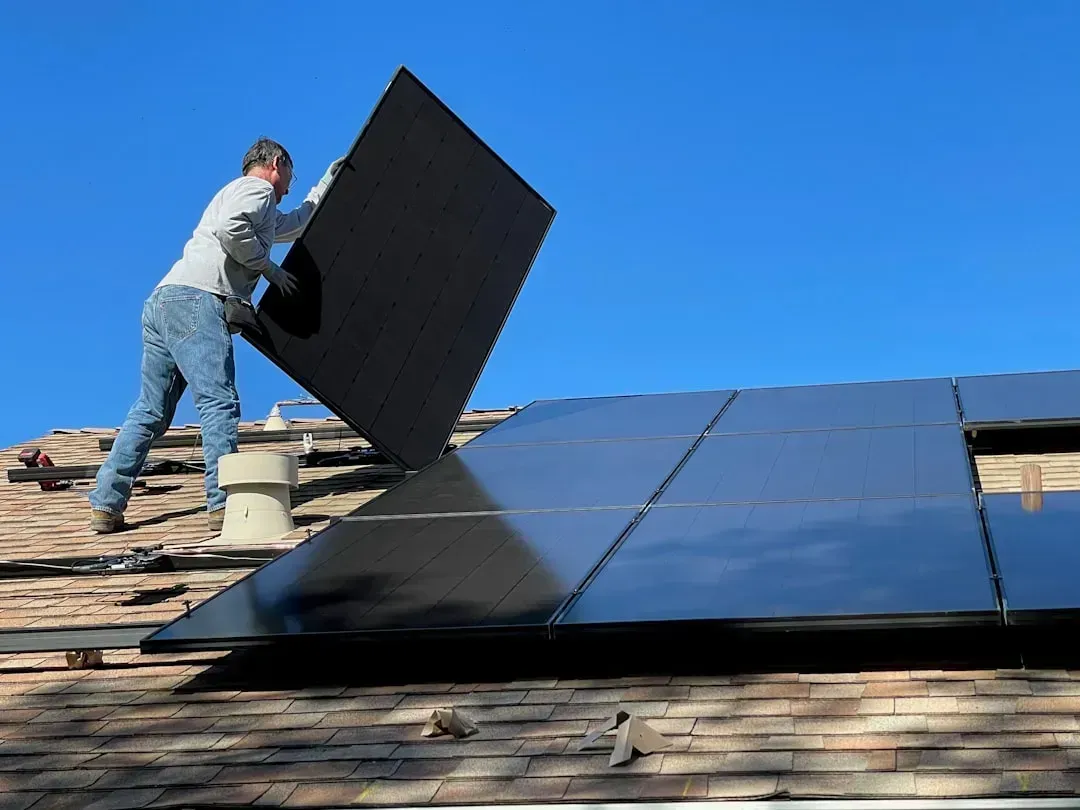
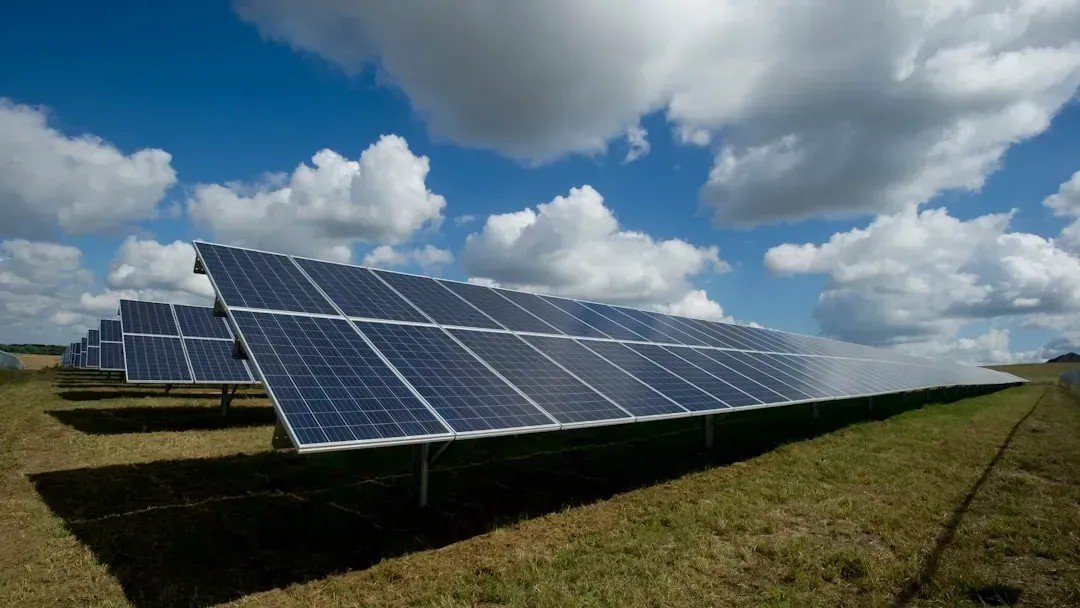
Your solar panel inverter helps convert direct current into alternating current so your home’s electrical system can use it. Without an inverter, solar panels provide no energy. An inverter doesn’t last as long as the panels themselves and may need to be replaced every 10 years in order to keep your panels functional.
Solar systems aren’t maintenance-free. Inverters, wiring, and panels can all fail over time, and repairs aren’t always cheap. Replacing an inverter alone can cost a few thousand dollars, and if panels are damaged by storms or shifting roof materials, removal and reinstallation can drive costs even higher. This is rarely disclosed upfront in savings projections.
4. Financing Solar Can Put a Lien on Your Home
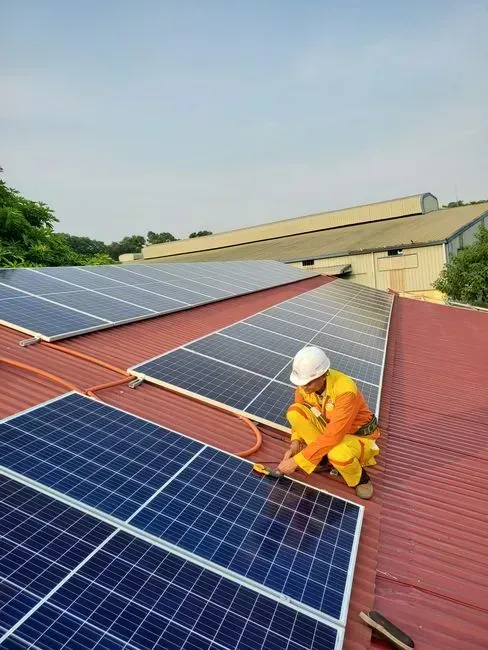
The concept of financing solar panels is common – many homeowners are unable to purchase them outright, so they opt for financing plans offered by solar companies. There’s one crucial piece of information that many homeowners overlook: when you finance solar panels, a lien is often placed on your home. A lien is a legal claim that secures debt payment through your property. In the case of financed solar panels, the solar company essentially owns a portion of your home until the panels are paid off.
If you want to sell your home before the loan is paid in full, this lien will need to be addressed, and for many sellers, this creates an unexpected financial hurdle. If you plan on leaving your current residence within the next few years, consider whether solar panels are a good investment. Realtors suggest having the solar panels paid off, as nobody is looking to buy a house with an additional solar payment tacked on.
5. Net Metering Is Being Rolled Back Across the Country
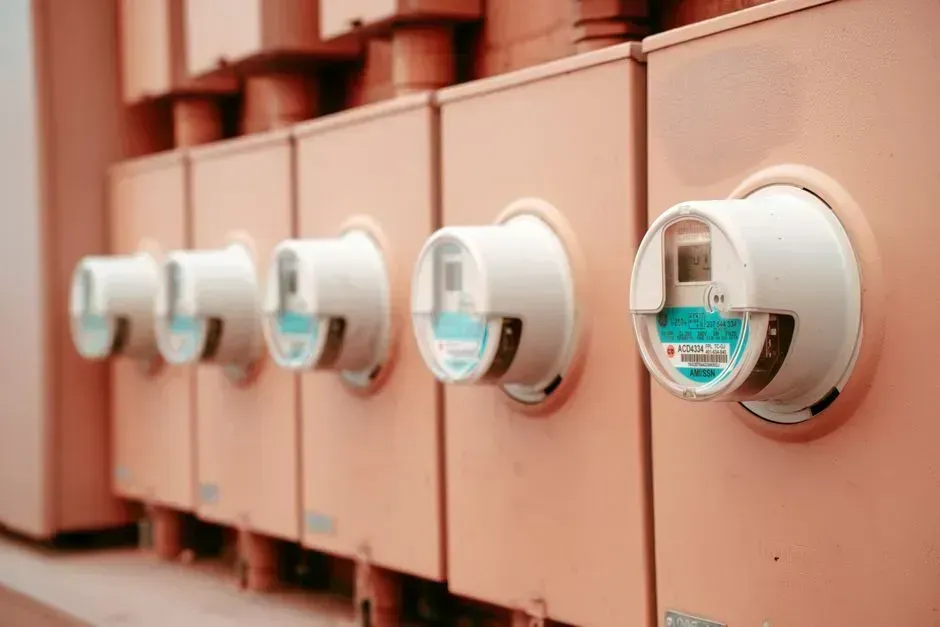
Full net metering gives a one-to-one credit for excess energy your system exports. So if you pay 16 cents per kWh, you get 16 cents for each kWh you provide back to the grid. Some states have pulled back from that. Notably, California’s NEM 3.0 rules generally provide much lower export credits than older programs, which can push homeowners toward batteries and load shifting to protect payback.
Net metering cuts in California, particularly under NEM 3.0, severely impacted customer savings, making solar panels less attractive financially. Implementing NEM 3.0 has cost the California solar industry over 17,000 jobs, and these changes are coming for other states across America. Similar net-metering changes by utilities in Indiana resulted in a 67% decrease in solar installations. The savings model many reps still quote is based on rules that may no longer exist where you live.
6. Your Homeowners Insurance Costs Will Likely Rise
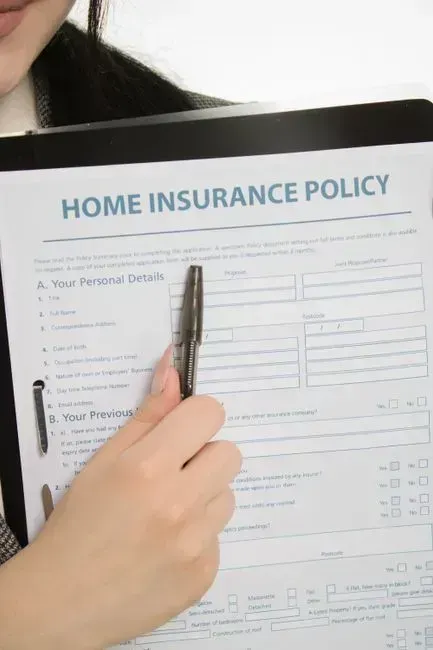
There is one small cost increase to plan for: a slight uptick in your annual home insurance premium. Because solar panels increase your home’s value, your coverage needs – and potentially your premium – go up a bit, too. Depending on your state and the specifics of your property, most homeowners can expect their premium to climb anywhere from a few extra dollars to a few hundred dollars a month after going solar.
Since solar systems cost $30,505 on average in 2026, you may want to talk to your insurer about raising your coverage limit to ensure you’re fully protected. Homeowners’ insurance usually doesn’t cover poor workmanship, so if you experience a roof leak after your solar panel installation, chances are your existing homeowner’s insurance policy won’t cover the damage. Few sales reps walk you through these insurance implications.
7. Solar Companies Have Been Going Bankrupt at a Significant Rate
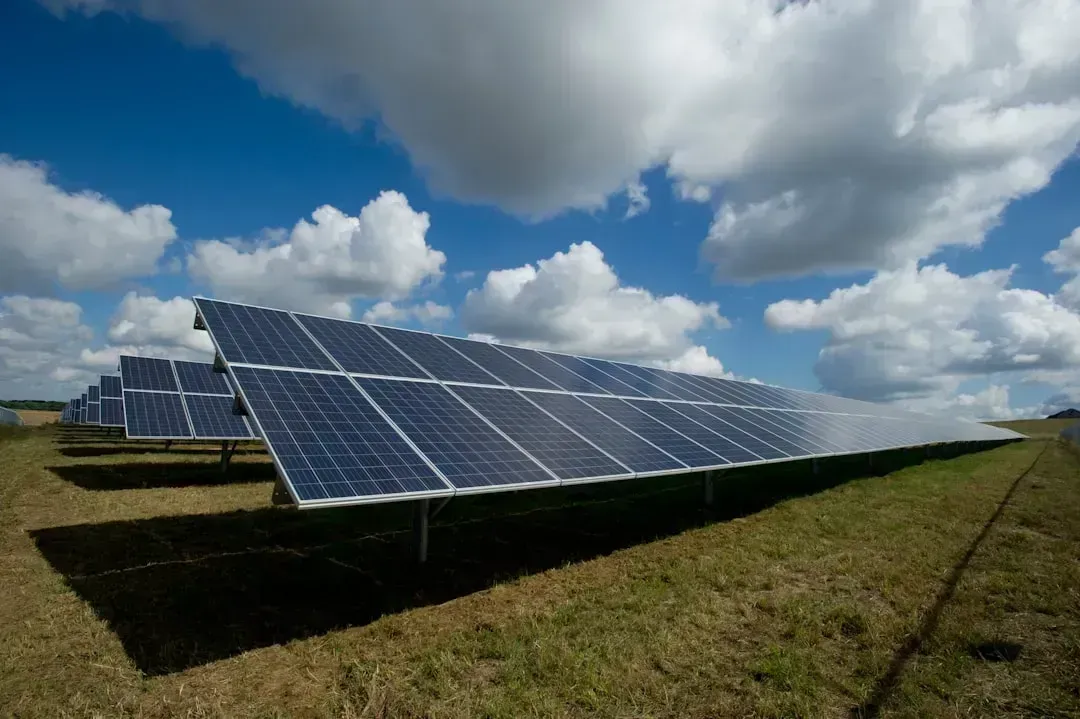
Some major solar companies, including SunPower and Titan Solar Power, filed for bankruptcy in 2024, signaling financial instability within the industry. Solar Insure, a specialized insurer for solar panel companies, maintains a list on its website of close to two dozen big solar companies that went bankrupt as of January 2026, many of which had multi-state operations.
When a company fails, even multiple visits from technicians may not fix outstanding issues, and techs may not return after a bankruptcy filing. Homeowners don’t have many great options in these situations. They can contact the solar panel manufacturer to see what warranty the manufacturer will provide, or reach out to the new company collecting payments to find out if the warranty obligation is also transferred. That warranty your rep emphasized could end up being worth very little.
8. HOA Rules Can Complicate or Delay the Whole Project
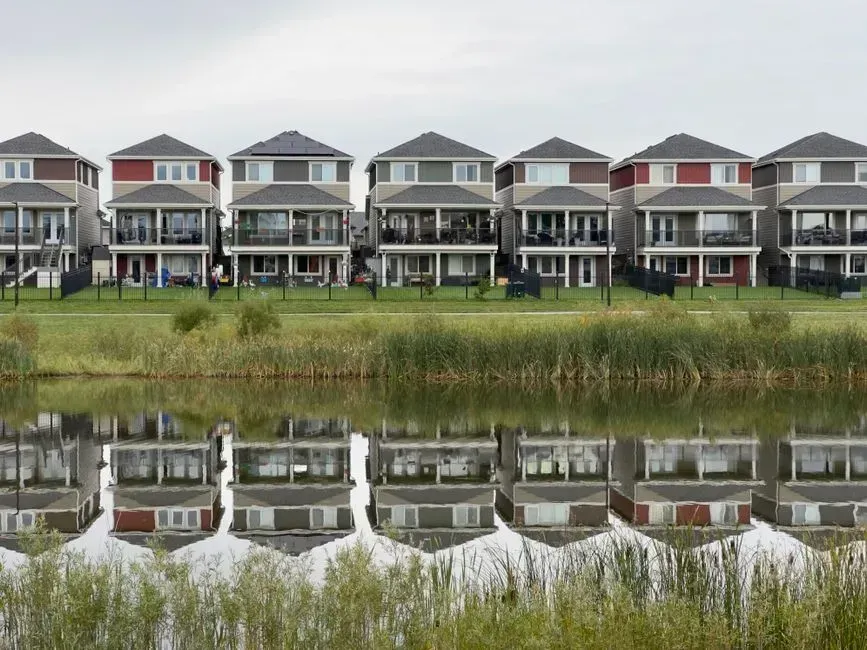
With roughly 40 million U.S. households living in HOA communities, the path to solar panel installation can be anything but straightforward. HOAs play a crucial role in maintaining property standards, but their rules often complicate home improvement projects like installing solar panels.
Because HOAs need to approve design changes to the outside of your home, you could face trouble. Some common issues you might run into when trying to install solar panels with an HOA include fines, legal battles, or – worst of all – having to cancel your solar project entirely. Failure to follow HOA guidelines for solar panels or other CC&Rs can lead to fines or even a property lien. Homeowners should obtain a copy of their covenants, conditions, and restrictions to check for any HOA solar panel guidelines before moving forward with a project.
9. Soiling and Shading Quietly Drain Your Output
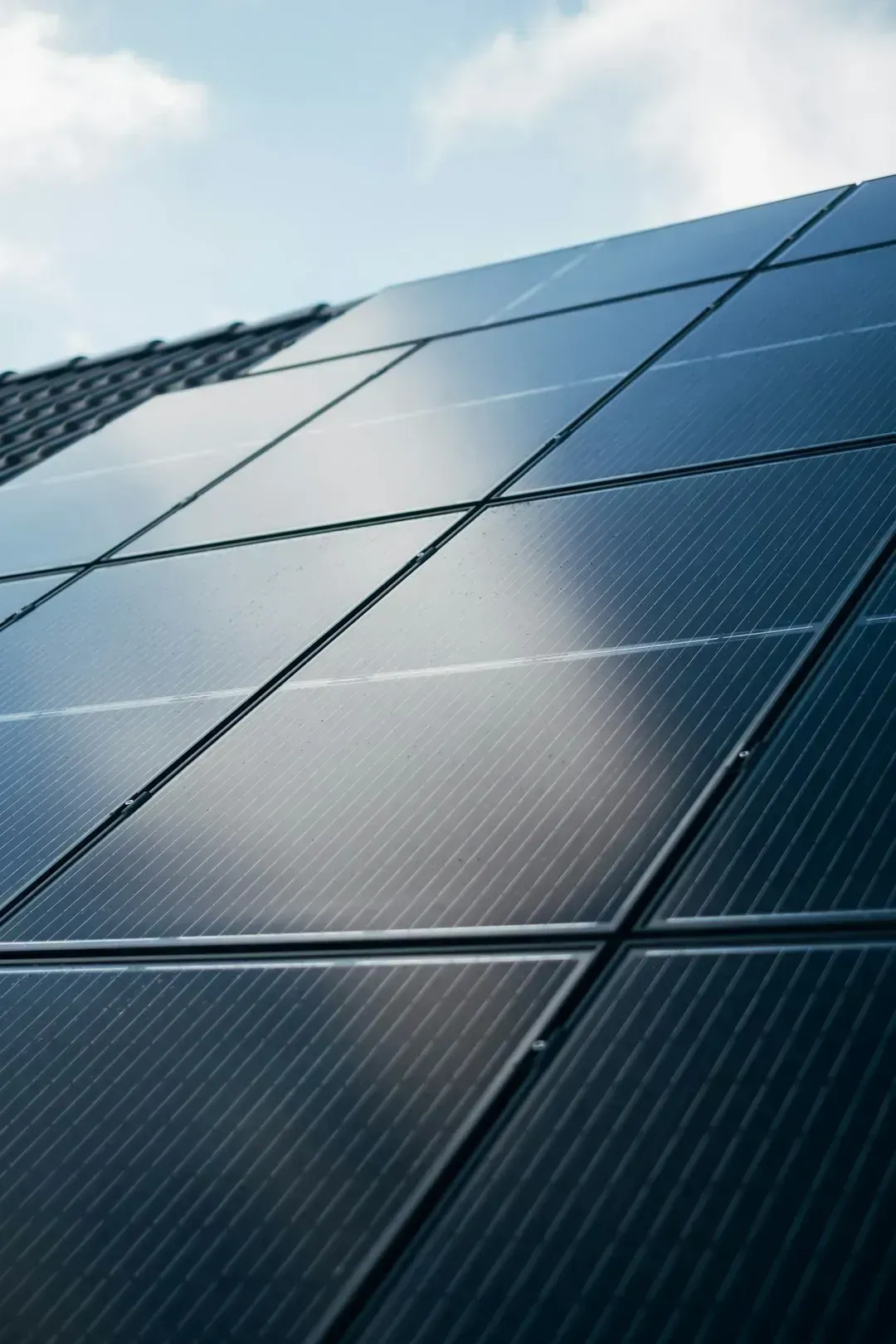
Soiling is a frustrating solar panel issue because it quietly reduces production. Dust, pollen, bird droppings, and leaves can block sunlight, lower output, and delay payback. Many homeowners don’t notice this solar panel problem until monitoring data dips or the electric bill rises.
Even partial shading from a neighbor’s tree that has grown taller, or a new structure built nearby, can cause a noticeable drop in solar output. Solar system maintenance includes annual cleanings and occasional inspections, and homeowners might pay $300 to $700 per year on average for solar panel maintenance. That ongoing cost rarely appears in the savings estimate on the sales rep’s tablet.
10. The Federal Tax Credit Is No Longer Available for Most New Buyers
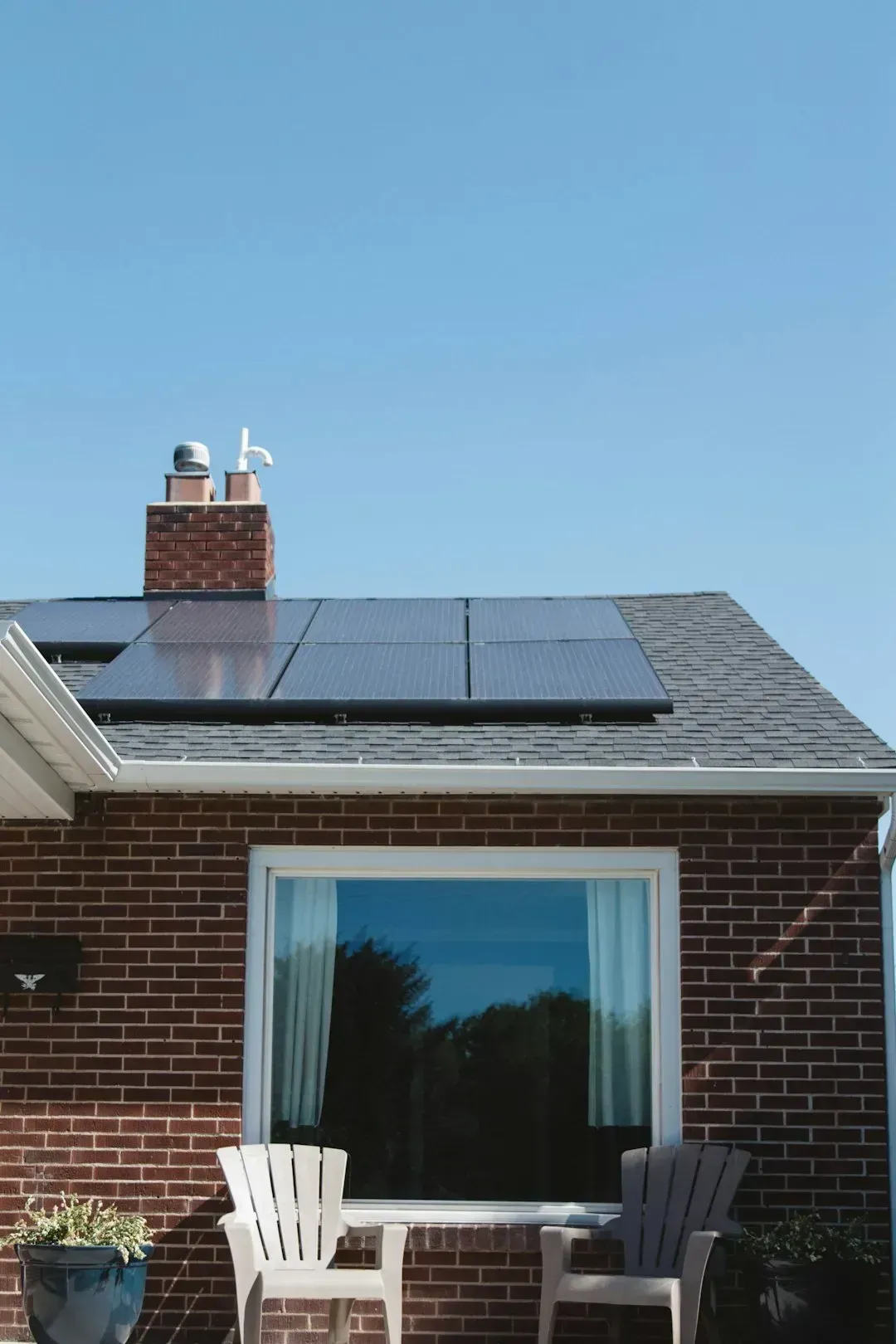
Federal and state incentives made installing solar panels on the roof of your house a fairly affordable, money-saving home improvement project. New federal legislation has accelerated the expiration of the 30% tax credit for homeowner-owned solar systems, moving the deadline up by seven years to the end of 2025.
The 25D tax credit for buying solar panels with cash or a loan ended on December 31, 2025. For more than two decades, this tax credit improved the economics of buying and owning solar equipment. Without this incentive, homeowners will have to decide between owning solar with the expectation of a longer payback period or higher loan payment, or entering third-party owned solar arrangements. Starting in 2026, the same system that once cost around $22,000 after tax credits may now cost about $28,000 if the credit is gone. Any sales materials that still reference a 30% federal incentive for direct purchases are simply out of date.
None of this means solar is a bad investment – for the right home, the right roof, and the right financial situation, it still makes genuine long-term sense. What it does mean is that a decision this significant deserves a more complete picture than what a commission-driven sales presentation tends to provide. The questions you ask before signing matter far more than the ones you think to ask afterward.
