

Yellowstone has a way of dominating the conversation whenever volcanoes come up. Its name alone carries a kind of geological dread, the idea of a supervolcano lurking beneath one of America’s most beloved national parks. Yet there is no evidence that a catastrophic eruption at Yellowstone is imminent, and such events are unlikely to occur in the next few centuries. The real story, the one that volcanologists are actually focused on right now, is playing out at other volcanoes entirely.
Across the globe, around 40 volcanoes were in continuing eruption status as of early 2026, and an eruption marked as “continuing” does not always mean persistent daily activity, but indicates at least intermittent eruptive events without a break of three months or more. Seven of these stand out as genuinely urgent cases, places where sensors are humming, scientists are on alert, and the earth is sending real signals right now.
1. Kīlauea, Hawaii (USA)
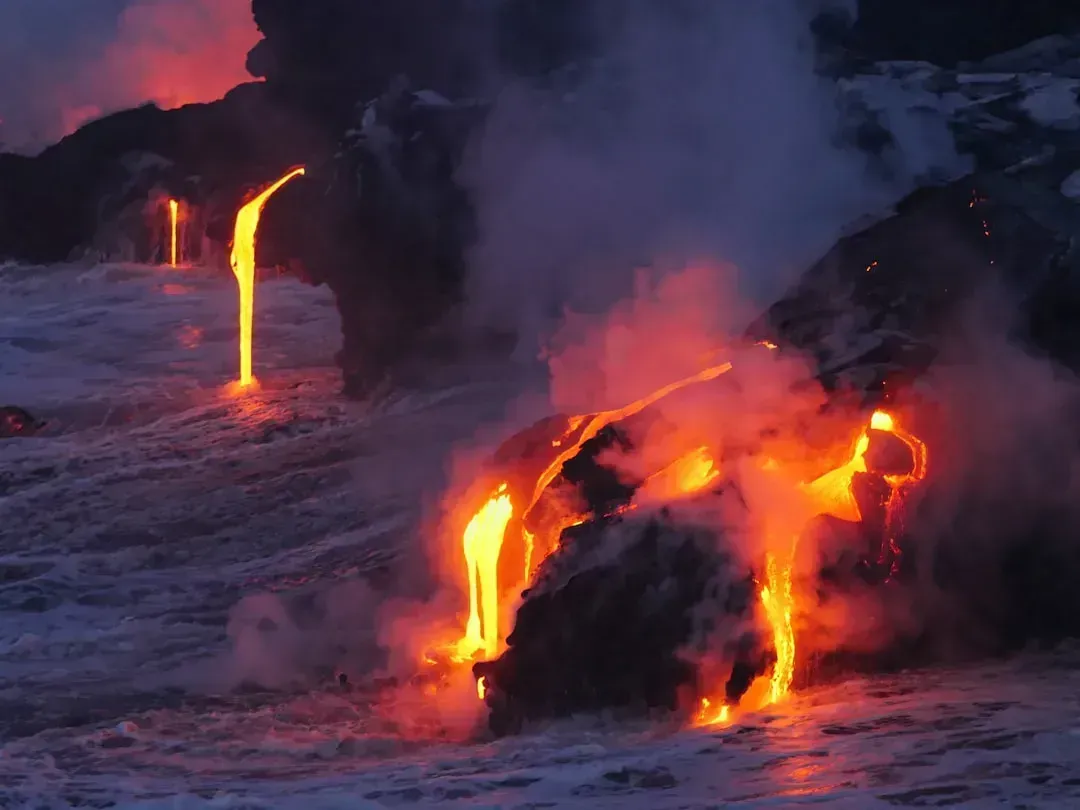
Over the past months, the frequency of fountaining events at the summit of Kīlauea has increased to nearly one per week, reminiscent of the early days of the current episodic eruption that began on December 23, 2024. This isn’t a one-off event. It’s a sustained, evolving system that the U.S. Geological Survey is tracking in real time, issuing formal forecast windows for each new episode.
Fountaining episode 50 is now underway after beginning between June 25 and June 27, 2026. Lava fountains during episode 49 reached a maximum height of nearly 700 feet and lava flows covered roughly half of the crater floor. The scale and regularity of these events make Kīlauea one of the most intensively monitored volcanoes on the planet right now.
2. Campi Flegrei, Italy
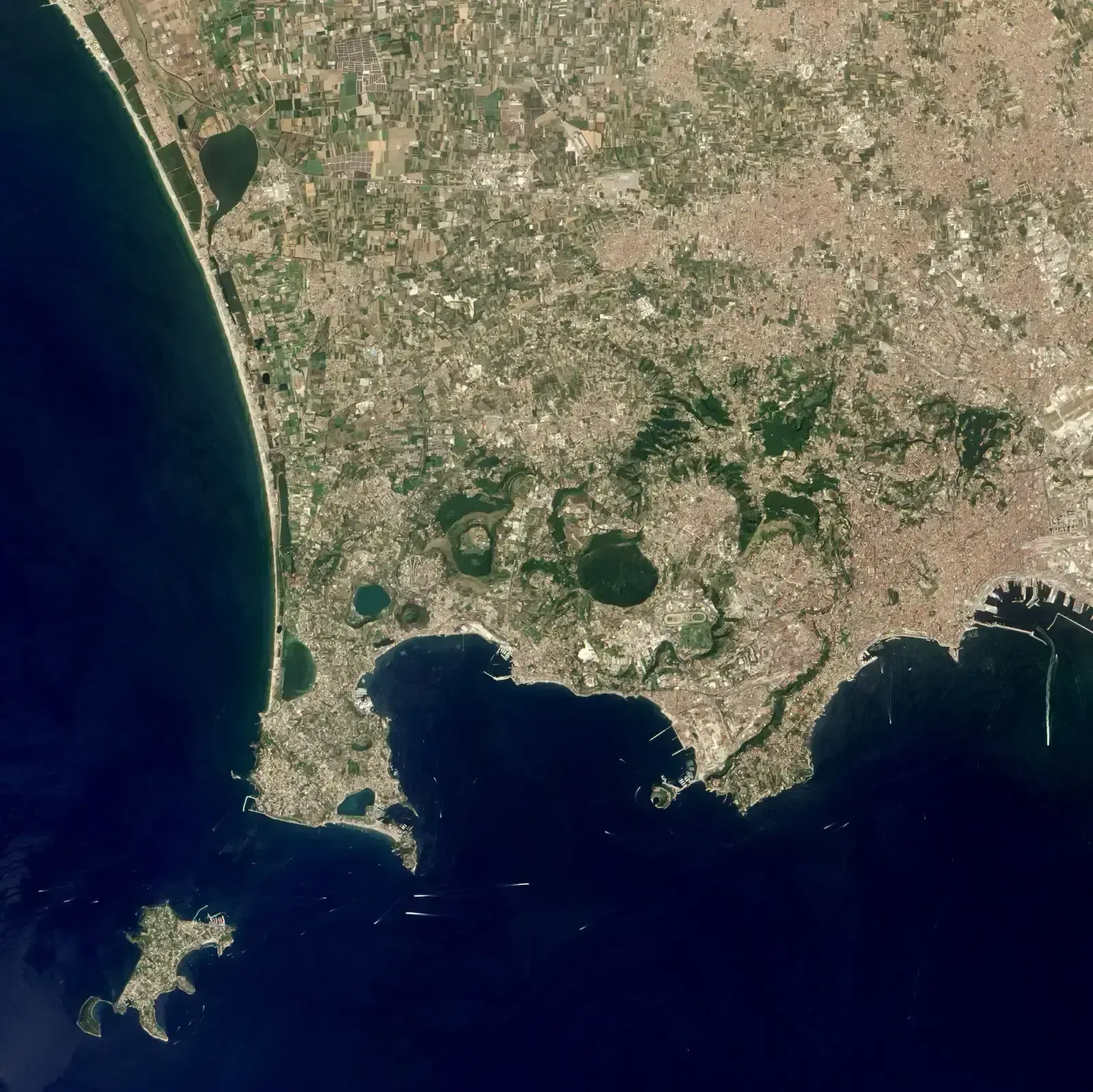
Campi Flegrei, the sprawling caldera system sitting beneath and around the city of Naples, has been in a state of escalating unrest for several years. Analysis of continuous seismic data from January 2022 to March 2025 showed a sharp increase in seismicity at this highly populated caldera, with an expanded seismicity catalog growing from around 12,000 to more than 54,000 earthquakes. That kind of jump in detected activity isn’t noise. It reflects real structural changes happening underground.
Starting from October 2025, an increase in the rate of ground uplift was recorded, with an average monthly uplift value of about 25 millimetres per month. In just one week of May 2026, nearly 50 earthquakes were detected in the Campi Flegrei area, including a seismic swarm on May 21 featuring 14 earthquakes with magnitudes as high as 4.4, located in the Gulf of Pozzuoli at depths mainly between 3 and 4 kilometres. Millions of people live in this caldera’s shadow, which is precisely why scientists haven’t looked away.
3. Merapi, Indonesia
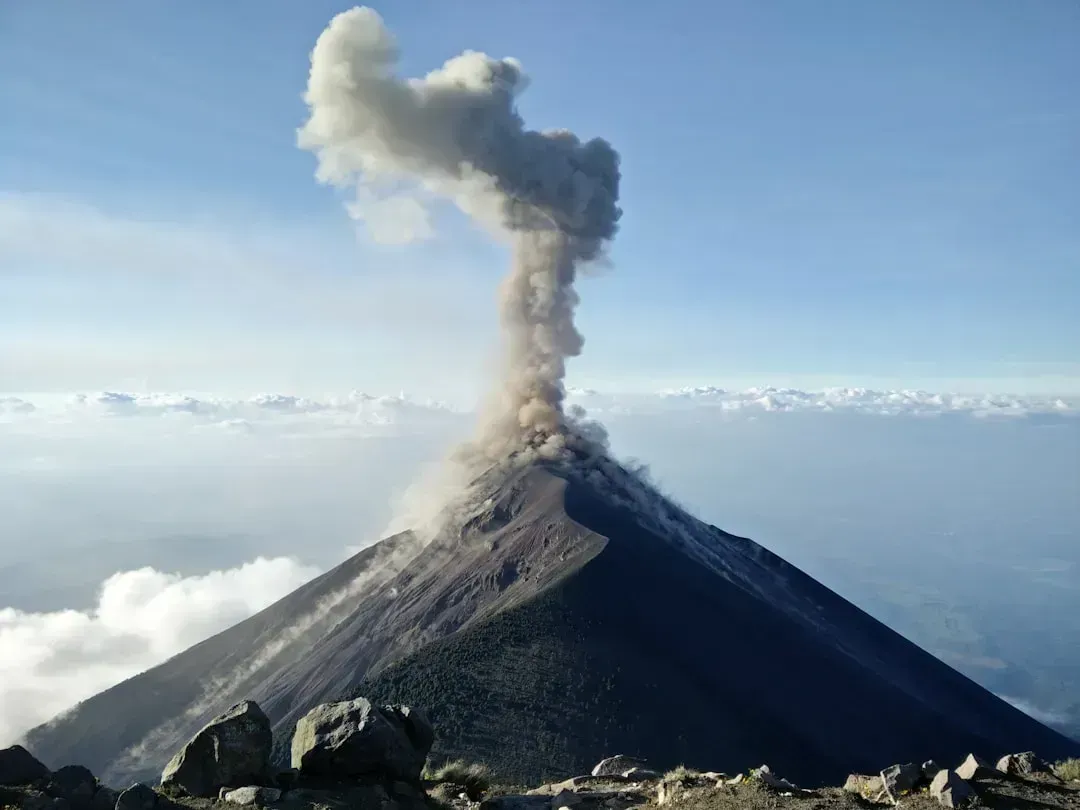
On the densely populated island of Java, Merapi has been one of the world’s most dangerous volcanoes for centuries, and it shows no sign of settling down. Eruption activity at Merapi continued into early 2025, with seismicity remaining at high levels and the southwest lava dome producing over 60 lava avalanches that traveled as far as nearly 2 kilometres down drainage channels. Those figures are not theoretical hazards. They are real material moving down real slopes toward real communities.
The Alert Level has remained at 3 on a scale of 1 to 4, and the public is warned to stay between 3 and 7 kilometres away from the summit depending on location. Millions of people live within potential impact zones, with the city of Yogyakarta less than 30 kilometres away. The combination of a highly active lava dome, regular pyroclastic flows, and extreme population density makes Merapi a volcano that volcanologists simply cannot afford to take their eyes off.
4. Popocatépetl, Mexico

Standing about 70 kilometres southeast of Mexico City, Popocatépetl is one of North America’s most active and consequential volcanoes. Eruptive activity continued at Popocatépetl into early 2026, with the seismic network recording between 13 and 60 long-period events per day, accompanied by steam-and-gas emissions with occasional minor ash content, along with up to 110 minutes of tremor daily. It’s a volcano in nearly constant conversation with itself, and scientists listen to every word.
The Popocatépetl Volcanic Alert Traffic Light remained in Yellow Phase 2 through mid-2026. The public has been warned to stay 12 kilometres away from the crater. What makes this situation particularly sobering is the sheer number of people exposed. The greater Mexico City metropolitan area, one of the largest in the world, sits well within reach of a major eruption’s ash cloud and potential pyroclastic hazards.
5. Piton de la Fournaise, Réunion Island
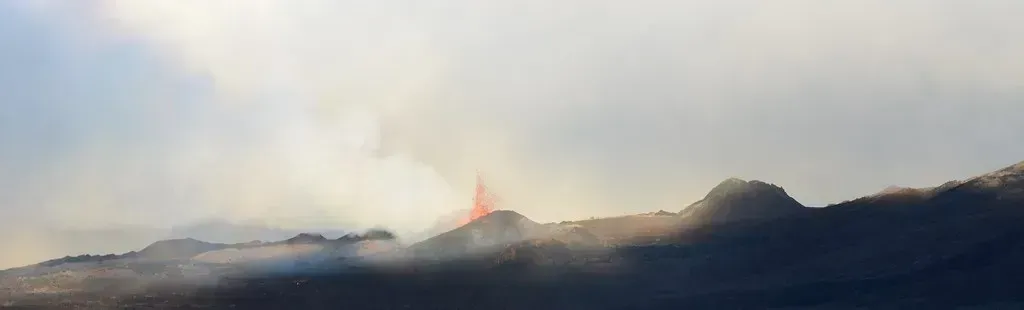
Piton de la Fournaise is currently considered one of the most active volcanoes in the world, alongside Kīlauea in Hawaii, Stromboli and Etna in Italy, and Mount Erebus in Antarctica. This French overseas territory’s shield volcano has erupted multiple times already in 2026 alone. It erupted on February 13, marking its second eruption in 2026, and on February 14, satellite data captured a sulfur dioxide plume that extended more than 550 kilometres across the Indian Ocean toward Madagascar.
The scientific interest here goes well beyond the routine lava flows. A new detection method called “Jerk” was tested for more than a decade at Piton de la Fournaise and successfully predicted 92 percent of eruptions between 2014 and 2023, sometimes giving up to eight hours of warning. The volcano also poses a longer-term threat as a potential source of tsunamis in the Indian Ocean, since a flank collapse could trigger a megatsunami event. Both the immediate eruptive cycle and this deeper structural concern keep scientists at the Observatoire Volcanologique closely engaged.
6. Sakurajima, Japan
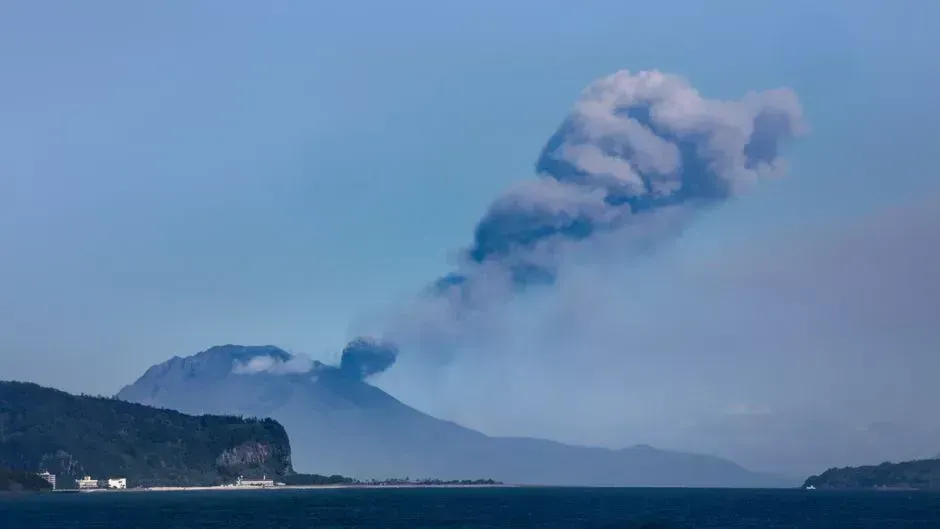
Sakurajima is an active stratovolcano, formerly an island and now a peninsula, in Kagoshima Prefecture in Kyushu, Japan, and it is the most active volcano in Japan. It erupts so frequently that residents of the nearby city of Kagoshima have long adapted their daily lives around ash fall. In November 2025, the Minamidake crater erupted with a plume reaching 4,400 metres high, and volcanic rocks from the eruption reached as far as the fifth station, about 1.2 kilometres from the crater, prompting a level 3 alert.
The monitoring at Sakurajima has grown more urgent in recent months. Crustal movements indicating mountain body expansion were detected using inclinometers and extensometers on the island in late May 2026, and if an eruption were to occur at the summit crater of Nandake or Showa crater simultaneously resolving the mountain expansion, there is a possibility of massive ashfall, mainly within Sakurajima Island. A team of experts from Bristol University and the Sakurajima Volcano Research Centre suggested that the volcano could have a major eruption within 30 years from 2016. That clock is still running, and scientists are not relaxed about it.
7. Kupreanof, Alaska (USA)
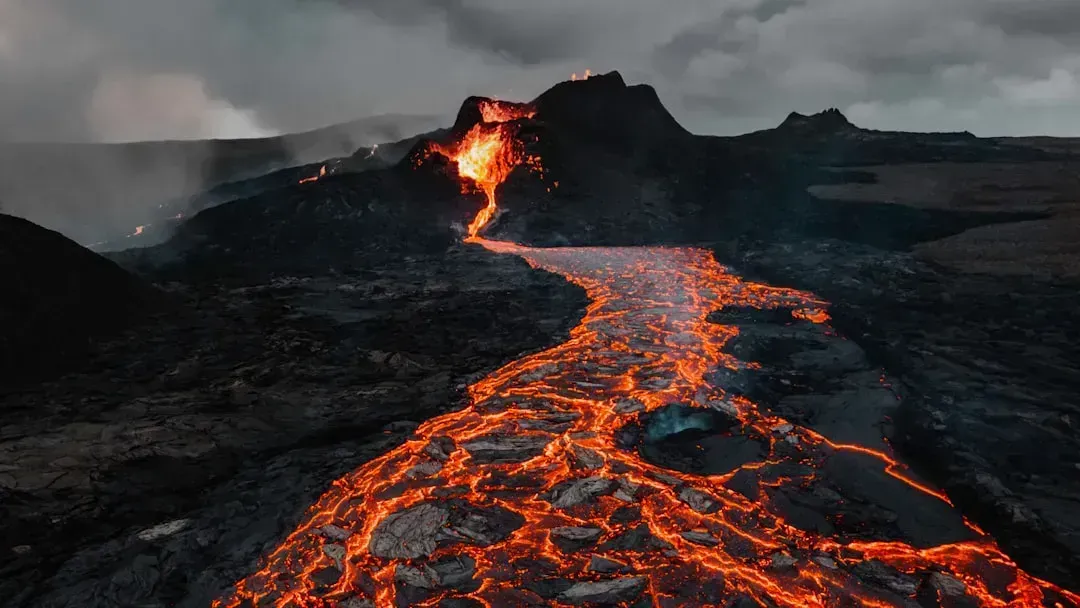
Less famous than its Alaskan neighbors but earning serious attention in 2026, Kupreanof volcano has moved up scientists’ watch lists with a distinctly unsettling sequence of events. Seismic unrest that began in February 2026 beneath Mount Kupreanof continues, and since its Aviation Color Code and Volcano Alert Level were changed to Yellow/Advisory in May 2026, shallow seismicity has remained elevated with more than 30 earthquakes of magnitude 1 or greater.
The largest events to date occurred on June 15 and 16, 2026, with magnitudes of 3.2 and 3.6 respectively. What makes the situation more complicated is a logistical gap in coverage. New satellite deformation measurements have detected uplift of the ground surface in the area around the volcano occurring since at least October 2025, and the seismicity, gas, and deformation signals are attributed to a magmatic intrusion beneath the volcano, though the volcano remains at Yellow/Advisory with no indications from available data that an eruption is imminent. Remote, under-instrumented, and showing real signals of magmatic intrusion, Kupreanof is exactly the kind of volcano that keeps Alaska Volcano Observatory scientists up at night.
Yellowstone will always attract headlines, partly because the scale of what it could theoretically do is genuinely staggering. Yet the volcanoes on this list are the ones generating real data, real alerts, and real scientific concern right now. Scientists use a wide variety of techniques to monitor volcanoes, including seismographic detection of earthquakes and tremor, precise measurements of ground deformation, changes in volcanic gas emissions, and changes in gravity and magnetic fields, and when used in combination at well-monitored volcanoes, these techniques have resulted in successful predictions. The earth is always speaking. These seven are the ones speaking loudest.

- The Shoreline Sucked Dry in Seconds – 5 Tsunami Signals Beachgoers Mistake for Low Tide - November 14, 2026
- 9 Dark-Sky Destinations Around the World Where the Stars Look Unreal - November 14, 2026
- The Fault Line That Never Slips – 7 Locked Seismic Zones Overdue for a Massive Release - November 14, 2026
