


- The Planet Where It Rains Liquid Glass – 7 Alien Worlds Defying Known Physics - November 14, 2026
- Stars Consuming Entire Worlds – 6 Planetary Systems Swallowing Their Own Worlds - November 14, 2026
- The Ground Liquefies Like Water – 6 Silent Fault Lines Geologists Watch Closely - November 14, 2026
Sustainability has become a real priority for homeowners, and that’s a good thing. The problem is that the green appliance market is full of products that look responsible on the label but quietly drain your wallet through high upfront prices, hidden maintenance costs, or poor performance in real-world conditions. Good intentions don’t always translate into smart purchases.
Not every “eco” badge means genuine savings. Energy-efficient appliances often cost more upfront, so the question isn’t just whether they save money, but when they’ll actually start saving money. That break-even timeline varies enormously depending on the product, and for some items on this list, it never really arrives. Here’s a clear-eyed look at eight eco-friendly appliances that can leave you worse off financially, along with smarter alternatives in each category.
1. Premium-Tier Heat Pump Dryers (The Most Expensive Models)
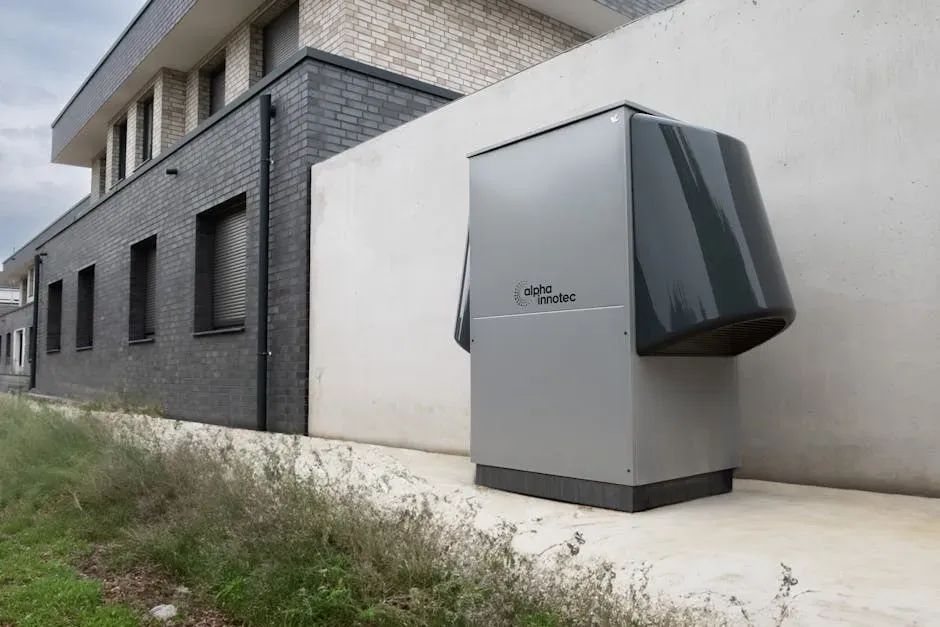
One of the biggest concerns with heat pump dryers is the upfront cost. While traditional electric dryers typically range from $800 to $1,200, heat pump dryers often start around $1,200 and can go considerably higher depending on the brand and features. At the very top of the market, you can easily spend more than $2,000 before installation. That’s a steep commitment for a laundry appliance.
Heat pump dryers use far less electricity than standard models, which can lead to real savings over time, with estimated energy savings of around $75 per year on utility bills. At that rate, the payback period on a $2,000-plus premium model stretches well beyond a decade. A heat pump dryer may cost $300 to $500 more than a condenser model, with annual energy savings of $70 to $150 meaning a break-even point of three to six years, but only if you choose a reasonably priced model. Instead, look at mid-range ENERGY STAR-certified heat pump dryers from brands like LG or Bosch in the $1,200 to $1,400 range, which deliver nearly the same efficiency gains without the luxury markup.
2. Smart Eco Washing Machines With Excessive Tech Add-Ons
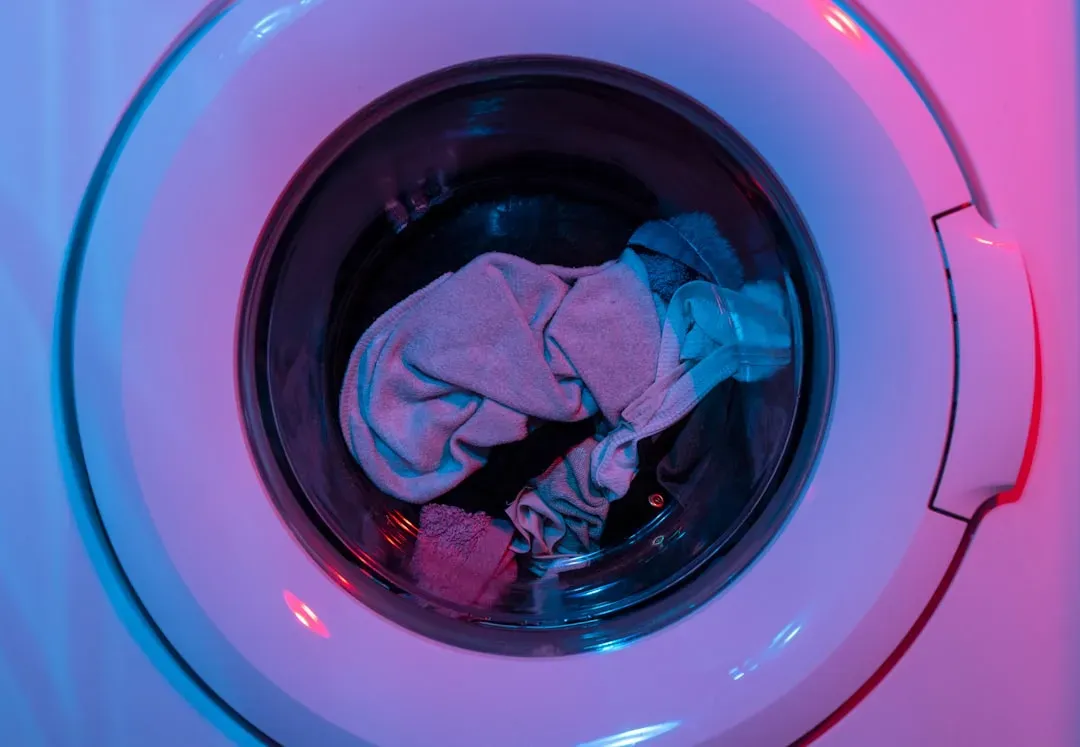
A connected, app-enabled washing machine that auto-orders detergent and runs AI-driven wash cycles sounds impressively green. In practice, the connectivity features add hundreds of dollars to the purchase price without meaningfully improving efficiency. Energy Star-certified washing machines use 20% less energy and 30% less water than their conventional counterparts, and those gains come from the mechanical design, not the smartphone integration.
An Energy Star-qualified clothes washer can reduce energy costs by about a third and water costs by more than half, resulting in significant savings for an average American family that does about 300 loads of laundry each year. You don’t need a $1,800 smart washer to capture those savings. A straightforward front-loading Energy Star washer in the $700 to $900 range performs nearly identically in terms of actual resource use, and it’s one fewer device that depends on a cloud server staying online.
3. Low-Quality Solar-Powered Outdoor Lights
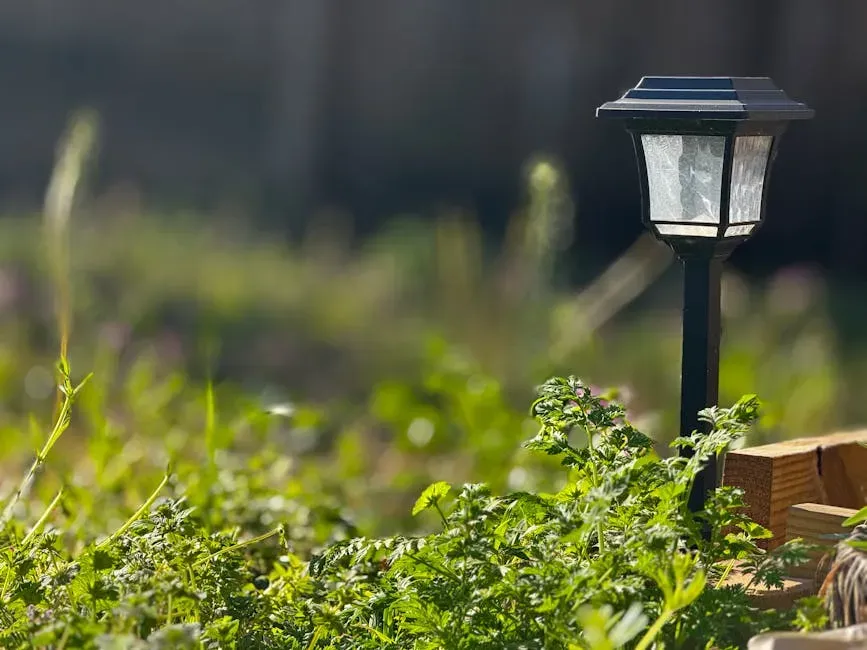
Budget solar garden lights are everywhere, and they’re consistently underwhelming. Solar-powered outdoor lights may not be as bright as battery-operated lights, and the very cheap models often stop working reliably within one to two seasons. The solar panels on inexpensive units are small and inefficient, meaning cloudy weather or partial shade can leave your pathway completely dark.
Each solar light contains roughly 50 to 200 grams of plastic, 20 to 50 grams of electronic components, and 10 to 30 grams of glass and metal. Replacing batteries instead of entire units reduces waste by 85 to 95%, preventing thousands of tons of electronic waste annually. The smarter move is to buy fewer, higher-quality solar lights with replaceable batteries and well-rated solar panels, rather than a dozen cheap units that end up in landfill within two years. Unlike mains-powered lights, solar lights are cheap and easy to install, and because they’re powered by the sun, they’ll save you money on electricity bills. That benefit only holds when the product is built to last.
4. Tankless “Eco” Water Heaters in Low-Demand Households
Tankless water heaters are genuinely efficient in theory. They only heat water when you need it, avoiding the standby energy loss of a traditional tank. The trouble is that the efficiency advantage narrows significantly in smaller households. An Energy Star-certified water heater can save you $3,500 over its lifetime, but that figure applies to high-demand households, and the upfront installation cost for a tankless unit can run $1,000 to $3,000 depending on whether existing gas lines or electrical systems need upgrading.
Water heaters last 10 to 15 years on average, giving energy-efficient water heaters ample time to generate savings relative to cheaper, conventional models. For a single person or couple with modest hot water needs, a well-insulated Energy Star tank water heater often delivers nearly the same net savings with a much lower installation cost. The tankless option becomes genuinely worth it only when the household has high, simultaneous demand for hot water across multiple fixtures.
5. High-End Induction Ranges With Full Smart Home Integration
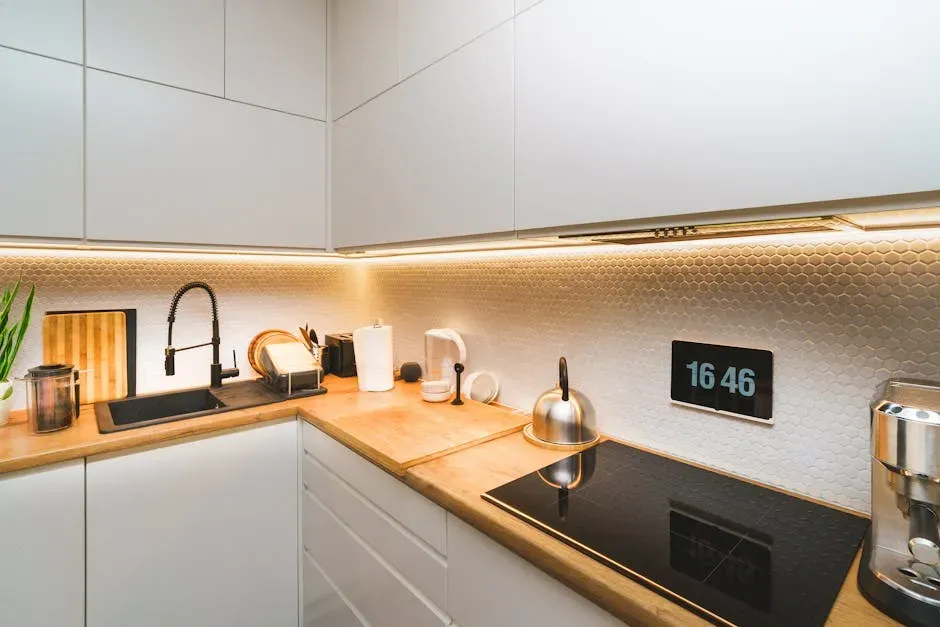
Induction cooktops deliver precision and energy efficiency, and today’s sustainable appliances are setting new benchmarks for performance and design. The efficiency case for induction cooking is solid. The financial case for a $3,000-plus smart induction range with built-in cameras, voice control, and automatic recipe syncing is considerably less convincing. Those premium features inflate the price while contributing nothing to energy savings.
Standard induction ranges in the $1,000 to $1,500 range deliver the same cooking efficiency as their luxury counterparts. The energy savings from switching to induction come from the technology itself, not the touchscreen interface or the Wi-Fi chip. If your current gas range works fine, replacing it purely for eco-credentials also requires factoring in the environmental cost of manufacturing the new appliance, which can take several years of efficient cooking to offset.
6. Energy Star Dishwashers Replacing Perfectly Functional Older Units
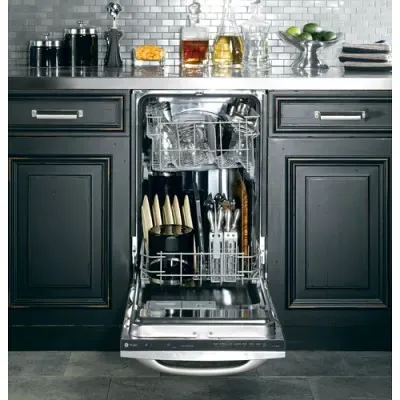
New Energy Star-qualified dishwashers have 10% more energy efficiency and are 20% more water-efficient than traditional models, which can help you see yearly energy costs of less than $35 and save an average of 1,900 gallons of water over the dishwasher’s lifetime. Those are real numbers, but they’re modest. If you’re replacing a dishwasher that’s only five or six years old, the math rarely works in your favor.
It’s important to consider lifespan. Most major appliances last between 10 and 15 years, meaning there’s ample time to benefit from cost savings after the payback window ends. Buying a new $800 dishwasher to save $35 a year on energy means waiting more than 20 years to break even, not counting installation. The genuinely eco-friendly move is to keep your existing dishwasher running well, run it only when full, and replace it with an Energy Star model when it actually needs replacing.
7. Eco-Labeled Air Purifiers With High-Frequency Filter Replacements
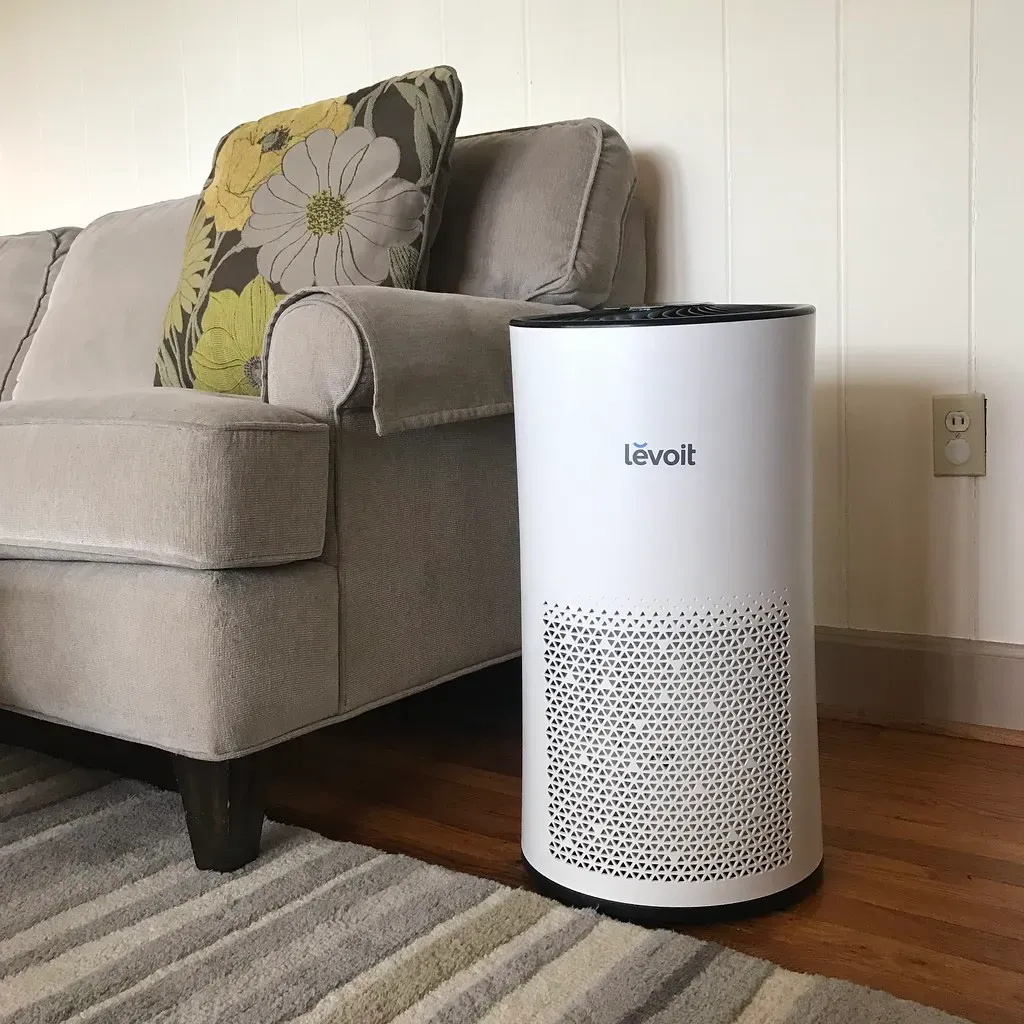
Energy Star-qualified room air cleaners are 40% more energy-efficient than standard models, saving approximately $25 annually on utility bills. Over the life of the air purifier, these savings could add up to over $200. That’s a reasonable efficiency gain, but many eco-branded air purifiers are sold with proprietary filter systems that cost $60 to $120 per replacement and need changing every three to six months. Annual filter costs alone can easily exceed $200.
The energy efficiency gains get completely swallowed by consumable costs when the filter system is locked into a brand. A smarter approach is choosing a certified unit with standard-sized HEPA filters available from multiple suppliers, which keeps replacement costs low. Some models also use washable pre-filters to extend intervals between expensive primary filter changes, and those tend to offer far better total cost of ownership despite similar purchase prices.
8. Oversized Energy Star Refrigerators

An Energy Star-qualified refrigerator is about 15% more energy efficient than the minimum federal standard. That’s a meaningful improvement, but efficiency ratings are calculated based on the refrigerator’s size and internal volume. A very large refrigerator that’s only half full runs far less efficiently in practice than a right-sized model operating at capacity. Most people buy refrigerators that are too large. Checking Energy Star’s website to find the right size for your home is a sensible first step.
An Energy Star-rated refrigerator can be 10% more efficient than a model that just meets minimum US standards. According to the Energy Star program, replacing an old fridge with a new Energy Star refrigerator can save up to $300 in energy costs over the life of the appliance. Those savings only materialize if the fridge is appropriately sized for the household. Buying a wide, French-door model with a large footprint because it carries an eco-badge, when a compact or mid-size unit would serve the household just as well, can actually result in higher energy use year over year. Match the capacity to your actual needs first, then choose the most efficient model in that size category.
While energy-efficient appliances and products are usually more expensive than conventional alternatives, the electric bill savings generated over the life of these products can offset the initial cost and provide a return on investment. That principle is sound, but it depends entirely on choosing the right product at the right time. The green label is a starting point, not a guarantee. Total cost of ownership, household size, usage habits, and the age of the appliance being replaced all matter far more than the sticker on the box.
