


- 10 Home Upgrades That Can Lower Summer Cooling Costs - November 10, 2026
- 10 Questions to Ask Before Buying a Home in a Flood Zone - November 10, 2026
- 9 Coffee-Growing Regions Reporting Lower Yields as Temperatures Rise - November 10, 2026
Choosing where to live has always involved trade-offs, but the calculus is changing. Climate scientists predict an intensifying barrage of hurricanes, droughts, wildfires, flooding, and sea-level rise in many places, and these disasters are already threatening, and even demolishing, homes. The question of which American cities can genuinely hold their ground is no longer theoretical.
Resilience, the capacity to rebound from adversity, can matter just as much as raw risk. Climate modeling firm AlphaGeo analyzes 28 factors, from life expectancy to infrastructure spending, to assess a location’s true vulnerability. The cities that make this list combine favorable geography, stable weather patterns, and strong social and economic systems to offer relative safety, livability, and long-term resilience in a warming world. No place is entirely immune to climate disruption, but climate havens are expected to remain habitable, resource-secure, and economically viable even as conditions intensify elsewhere.
1. Minneapolis, Minnesota: Freshwater-Rich and Forward-Thinking

As extreme heat, drought, and hurricanes strain coastal regions, Minnesota could serve as a refuge. Known as the Land of 10,000 Lakes, Minnesota’s abundance of freshwater sources offers a critical advantage as water scarcity intensifies elsewhere. Minnesota benefits from more freshwater than any other of the 48 contiguous U.S. states, giving Minneapolis a resource base that sun-belt cities simply cannot replicate.
In 2026, Minnesota updated its Climate Action Framework, a plan to reduce climate pollution and prepare communities for climate change. The 2026 framework builds on the state’s original climate plan published in 2022, which laid the foundation for more than 40 climate laws and programs and over $1 billion of state climate funding that the Legislature passed in 2023. The state has also enacted a law targeting 100% carbon-free electricity by 2040, ensuring Minneapolis has a strong policy foundation beneath its natural advantages.
2. Ann Arbor, Michigan: The Carbon Neutrality Pioneer
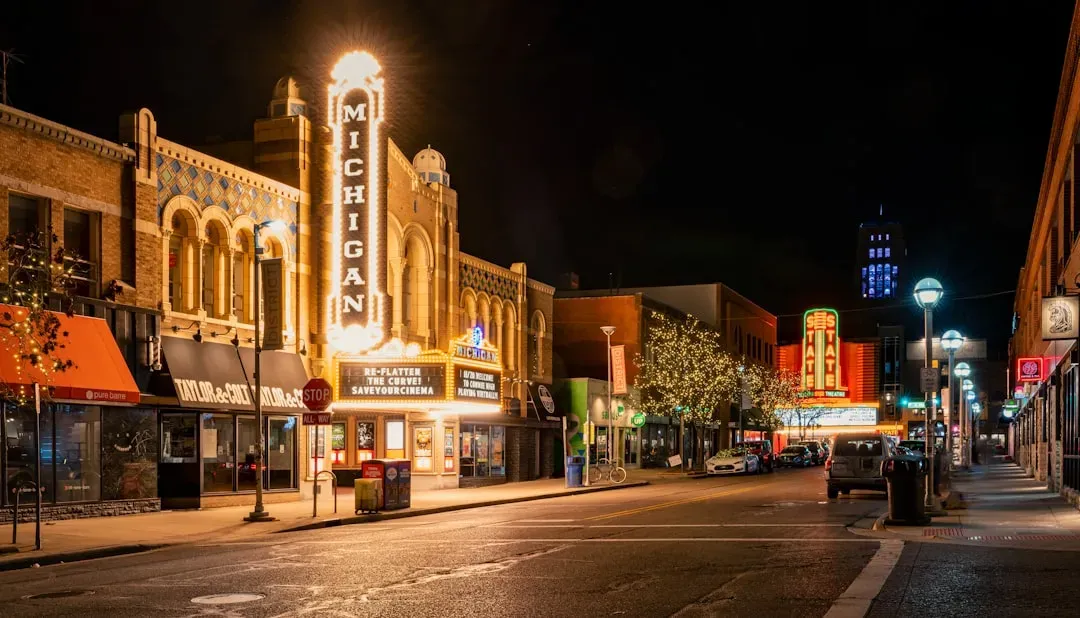
Adopted in June 2020, A2ZERO is the City of Ann Arbor’s plan for achieving a just transition to community-wide carbon neutrality by 2030. Ann Arbor earned a spot on the global CDP A List for its climate leadership in 2024, one of only a handful of U.S. cities to do so. Few cities of its size anywhere in the country have moved this aggressively.
Total emissions have declined 15% between 2019 and 2024, and renewable energy consumption has more than doubled to 32% of total energy. The city’s Sustainable Energy Utility was approved by voters in 2024 with 79% support and will provide locally generated renewable energy and battery storage to homes and businesses. Buffered by the Great Lakes and far from coasts and fault lines, Michigan faces fewer severe hurricanes and major earthquakes, while abundant fresh water supports long-term resilience.
3. Madison, Wisconsin: Green Infrastructure and Civic Strength
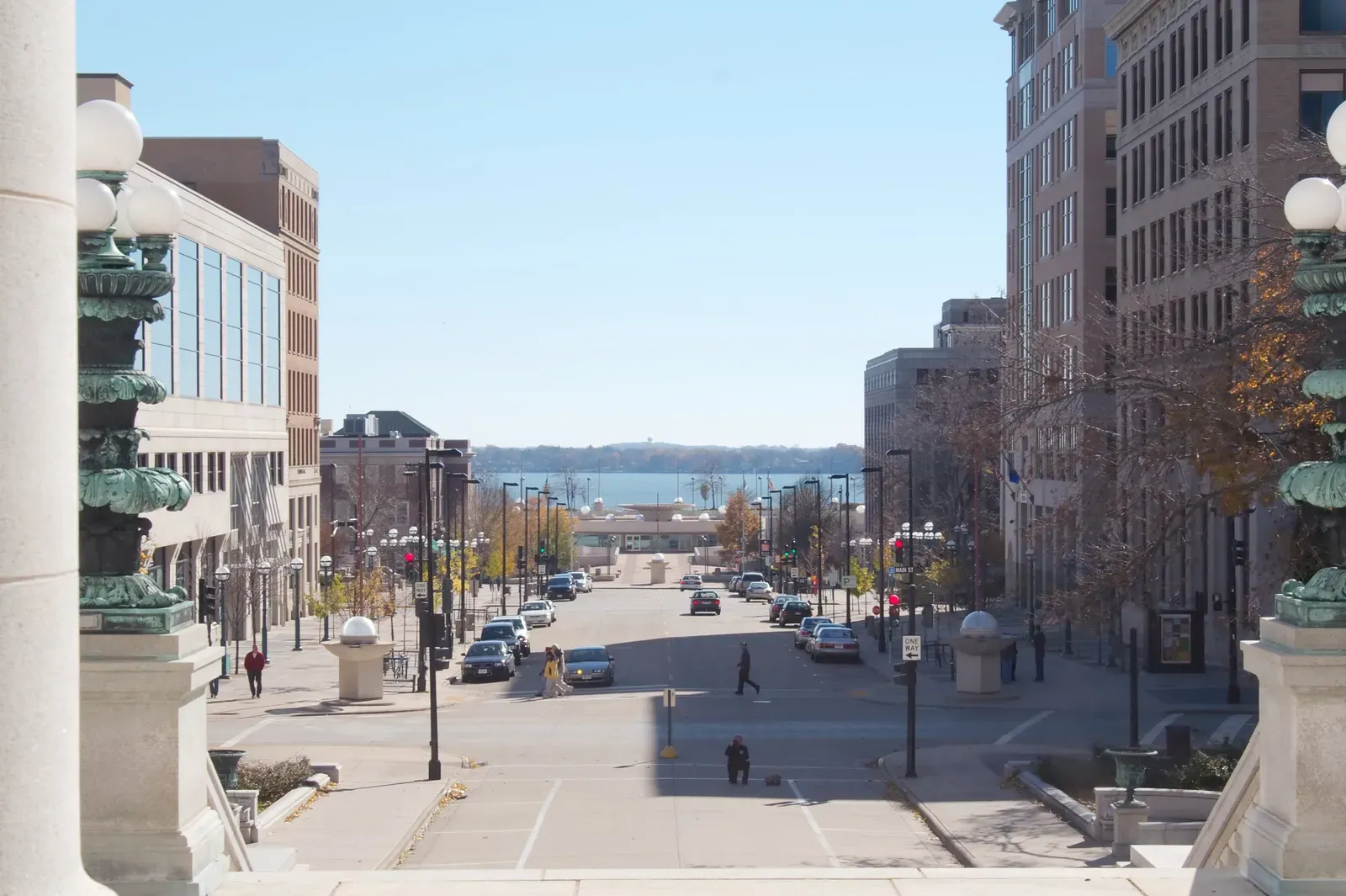
Madison’s commitment to renewable resources, improvements to its public transportation infrastructure, and its natural environmental gifts make this a place that is better prepared to weather a changing planet than most. The University of Wisconsin-Madison plans to complete a campus-community resilience study examining vulnerabilities across five areas: social equity, health, economic development, ecosystem services, and infrastructure. The university will create a climate action and adaptation plan with clear resilience goals and targets.
Communities across Wisconsin have steadily invested in stormwater system upgrades, levee reinforcement, and emergency preparedness. Milwaukee is a great example of how communities stand behind Wisconsin’s climate policies by pursuing green infrastructure strategies to help curb urban flood risk. Wisconsin’s participation in FEMA’s Community Rating System has also helped lower flood insurance costs for homeowners in designated areas. Madison sits at the center of this statewide culture of preparation.
4. Raleigh, North Carolina: Inland Advantage and Clean Air Leadership
Raleigh is a particularly well-positioned community, benefiting from an inland position that also protects residents from future threats of sea-level rise as well as annual hurricane risks. In terms of low number of ozone days and particle pollution, Raleigh ranked as the top city in both categories, and it’s also far enough from the coast to not be directly affected by sea-level rise.
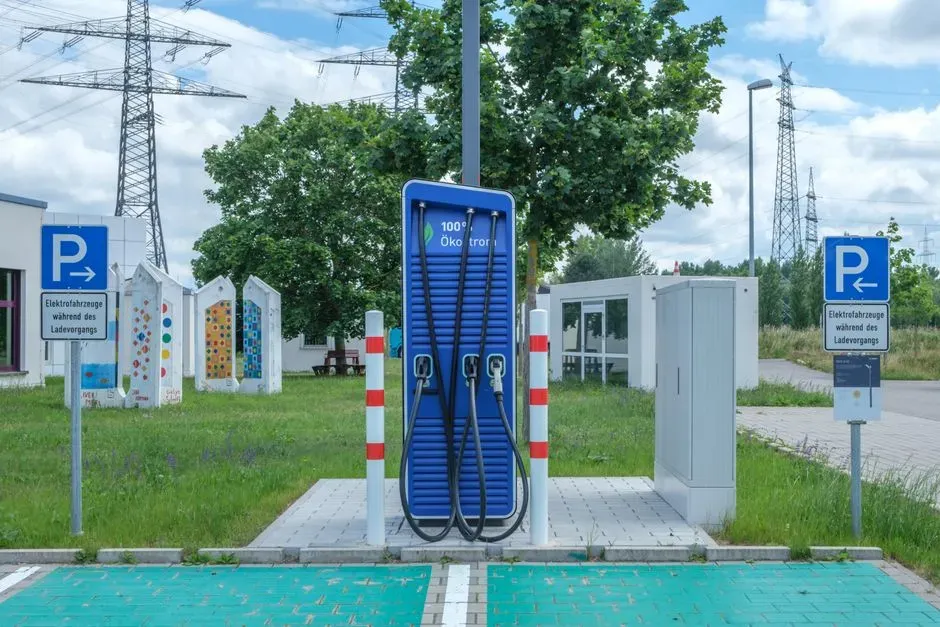
Raleigh is introducing new EV charging capabilities throughout the community and looking to convert its fleet of nearly 5,000 vehicles to all-electric in the coming decade. It’s a leader in community engagement as well, with some of the highest buy-in rates among residents converting to solar energy in their homes. Raleigh’s overall climate action plan won the Sustainable Communities Award in 2024, signaling the importance of these elements in its long-term planning.
5. San Francisco, California: Low Heat Exposure and Strong Community Resilience
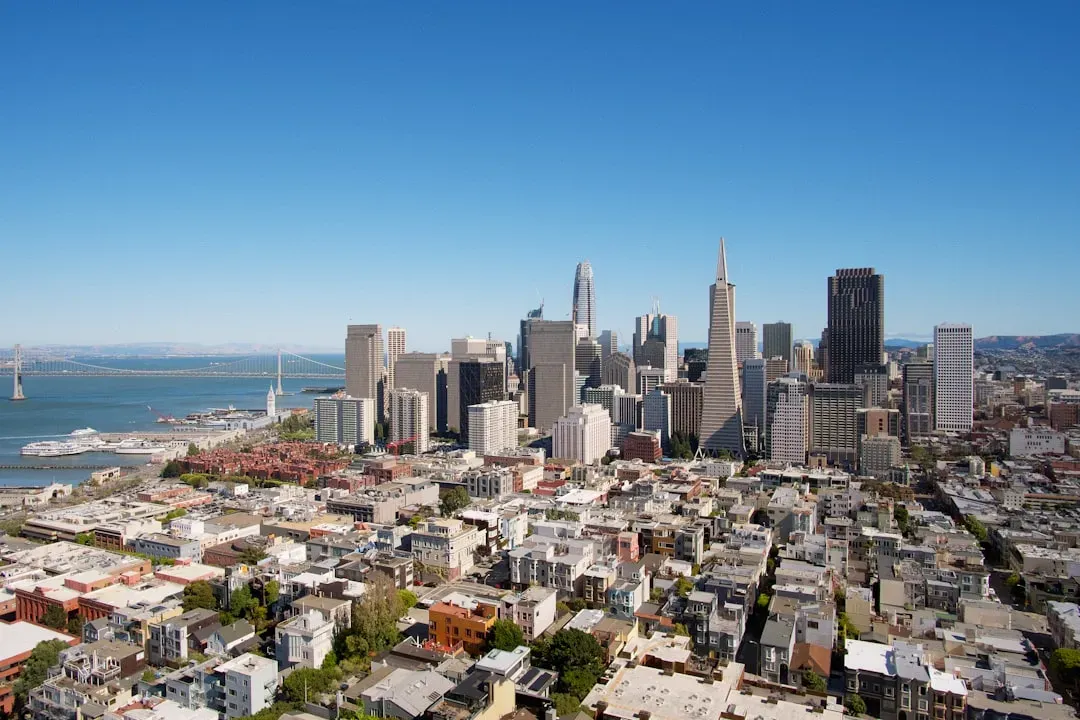
California may not be the first place that comes to mind for climate resiliency, but San Francisco is a different story. Heat is not a major issue there, and climate change isn’t expected to drastically change that. The city is predicted to have just three days of extreme heat per year by 2050, and less than a full day of high heat and humidity. That’s a striking contrast to the blistering projections facing cities to its south and east.
Sea-level rise is expected to minimally impact residential areas of San Francisco, despite its location on its namesake bay. A low percentage of properties are in 100-year flood plains, and that’s not expected to change at all in the next 30 years. For social factors, San Francisco scored well on social vulnerability and even more favorably for community resilience, which measures how well a community is preparing and adapting for climate change.
6. Burlington, Vermont: Running on Renewables
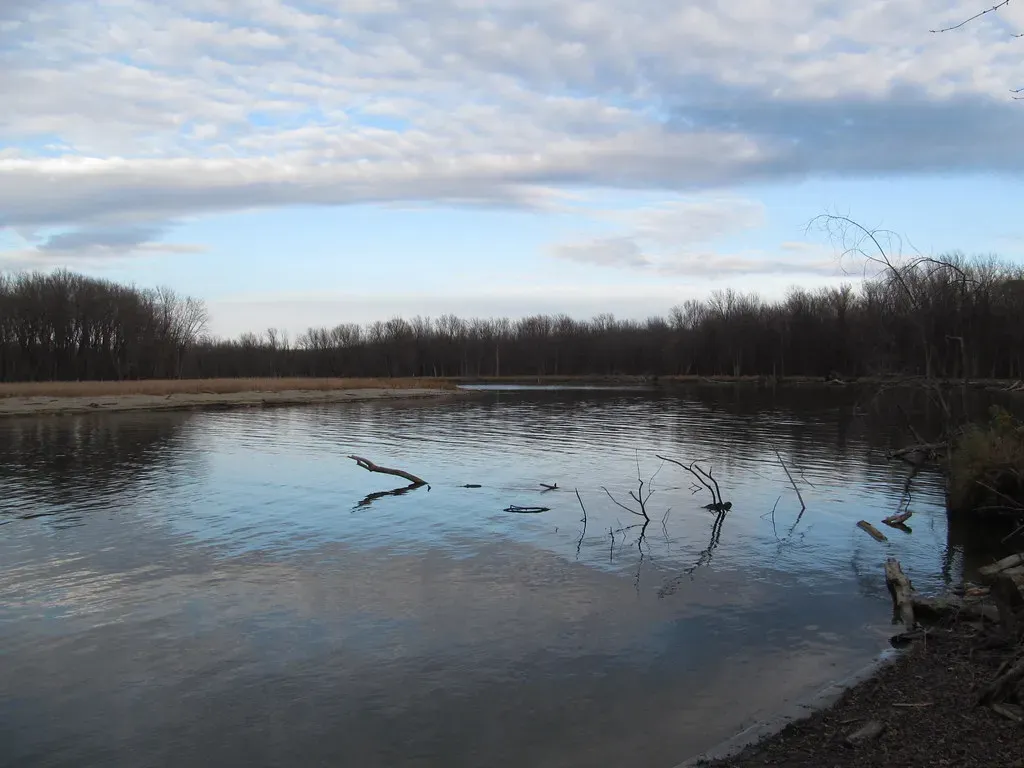
Burlington runs entirely on renewable electricity and sits along Lake Champlain, ensuring reliable water access and a moderate climate. The city’s strong civic culture, energy efficiency programs, and focus on local food resilience make it one of America’s most sustainable small cities. Vermont’s broader geography gives it structural advantages that larger metros would struggle to replicate.
The Northeast offers better prospects overall, and Vermont ranks as one of the two safest states from climate change. The state stands out as a haven, free from wildfires, extreme heat, and hurricanes. The state’s appeal is so strong that roughly one third of its new residents moved there specifically to escape the impacts of climate change. Burlington is that pull in its most concentrated form.
7. Seattle, Washington: A Moderate Climate with a Low Flood Footprint
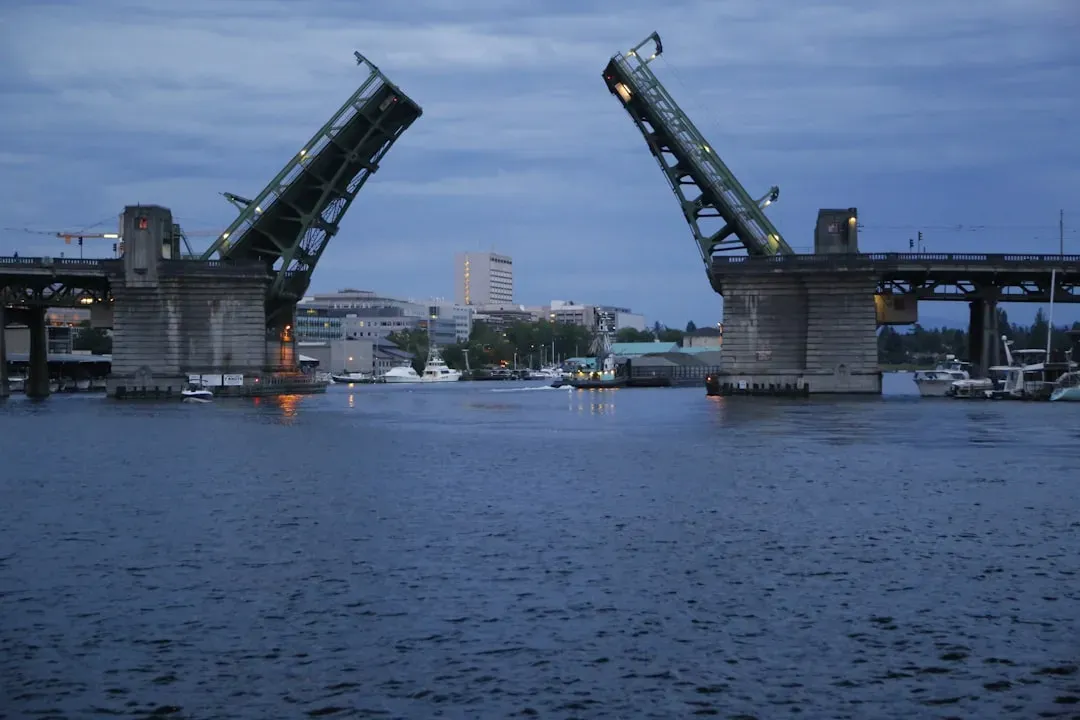
Like San Francisco, Seattle doesn’t expect to see a drastic increase in days with extreme heat or high heat and humidity. Just four extreme heat days are projected annually from 2040 to 2059, and less than two days with high heat and humidity. For a major metro on the Pacific Coast, those are remarkably contained numbers.
Flooding remains the biggest concern, though even those numbers are relatively low for a city that sits on the Puget Sound. Less than 10% of its properties are expected to be in 100-year flood zones by 2050, representing just a slight increase over properties in flood zones today. The Pacific Northwest broadly shines as a climate-resilient region, and Seattle remains its largest and most economically dynamic city.
8. Portland, Maine: Coastal Resilience with a Clean Energy Focus
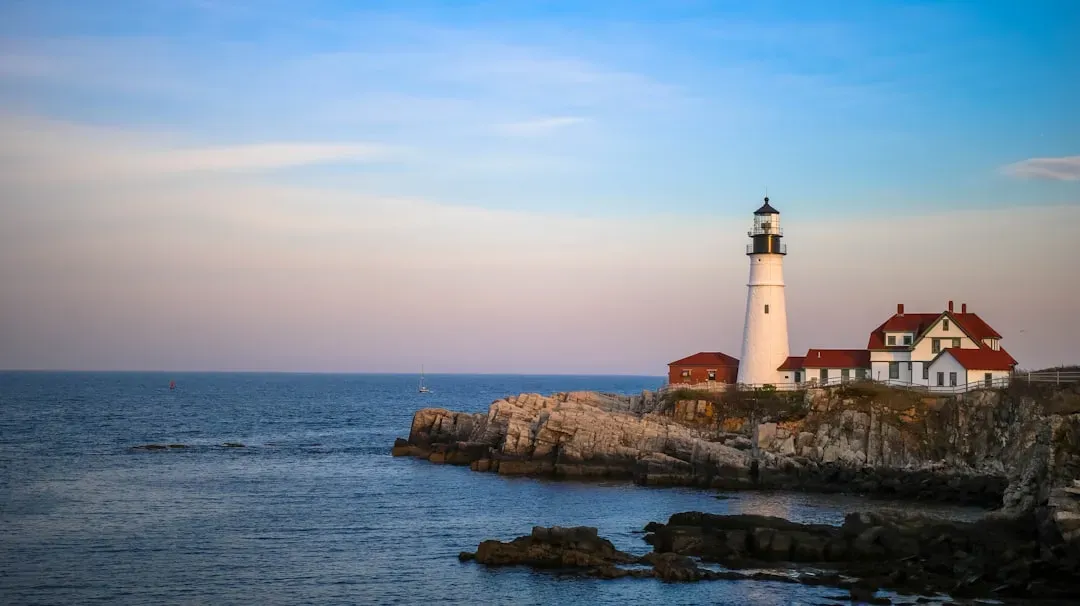
Portland, Maine, enjoys a northern coastal position with minimal hurricane exposure. The city’s focus on renewable energy, fisheries protection, and clean transportation has positioned it as a model of coastal resilience. Its location at the top of the eastern seaboard shields it from the category of storms that regularly punish the Gulf and mid-Atlantic coastlines.
Portland stands among the best East Coast options for places least affected by climate change, and the city’s complete resilience planning makes it an excellent choice. Cities like Portland and Rochester offer firm adaptation plans with below-average living costs, making the resilience case here also an economic one for residents considering a move.
9. Boston, Massachusetts: Ambitious Policy Meets Strategic Investment
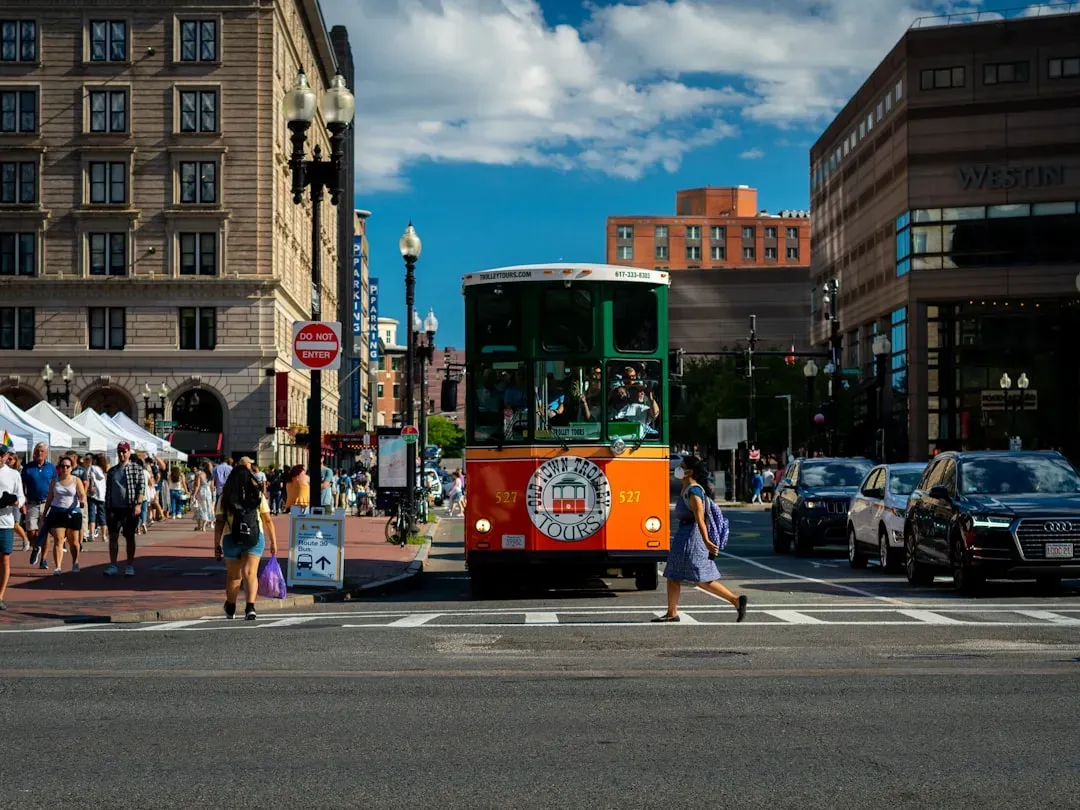
Boston’s climate strategy includes a focus on climate justice built into its planning, with careful attention paid to cost-effective and sustainably powered public transportation services. This is all part of the Boston Green New Deal, and includes other initiatives like shoring up vulnerable parts of the city that would otherwise be impacted by sea-level rise, such as low-lying Back Bay.
Since 2013, the city has been working to reduce energy use, recycle half of all city waste, and build 30 miles of bicycle lanes to promote green transportation in an effort to reduce greenhouse gas emissions by 30%. The community’s goal is to achieve carbon neutrality by 2050, seeking to reach it through direct clean energy production within the city through the installation of collection tools. Boston’s combination of institutional depth and political will gives it a resilience profile that few cities on the East Coast can match.
10. Tucson, Arizona: Proving That Desert Cities Can Adapt
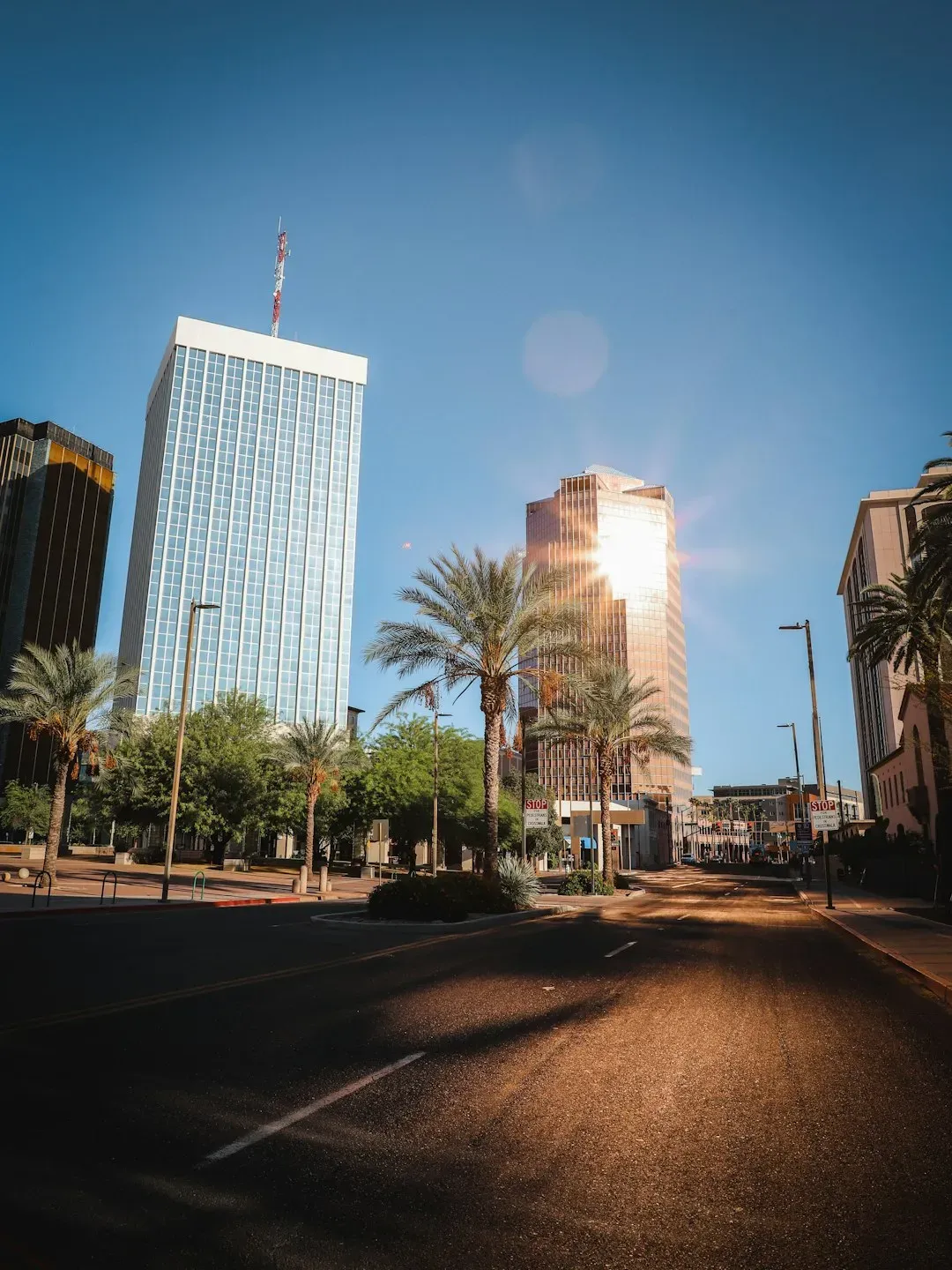
A three-pronged approach has been developed by Tucson to tackle the pressing issue of heat: cooling the community through tree planting efforts and key infrastructure inclusions, targeting heat in the home, and educating residents about risks and emergency procedures. Coupled with efforts to implement expanding solar adoption, the city is making great strides toward climate resiliency. According to Hippo Insurance, Tucson ranks third among all U.S. cities in climate resiliency.
Arizona is advantageously positioned to take advantage of solar power, and the community has responded in an overwhelmingly positive fashion. The state is among the nation’s leaders in small-scale solar energy production and ranks third in the percentage of homes participating in local solar production, at 12% compared to a national average of 4.4%, per the National Renewable Energy Laboratory. In 2023, the state of Arizona joined the U.S. Climate Alliance, so Tucson and other communities throughout the state will be doubling down on their climate preparedness planning in the coming years.
What Separates Resilient Cities from the Rest
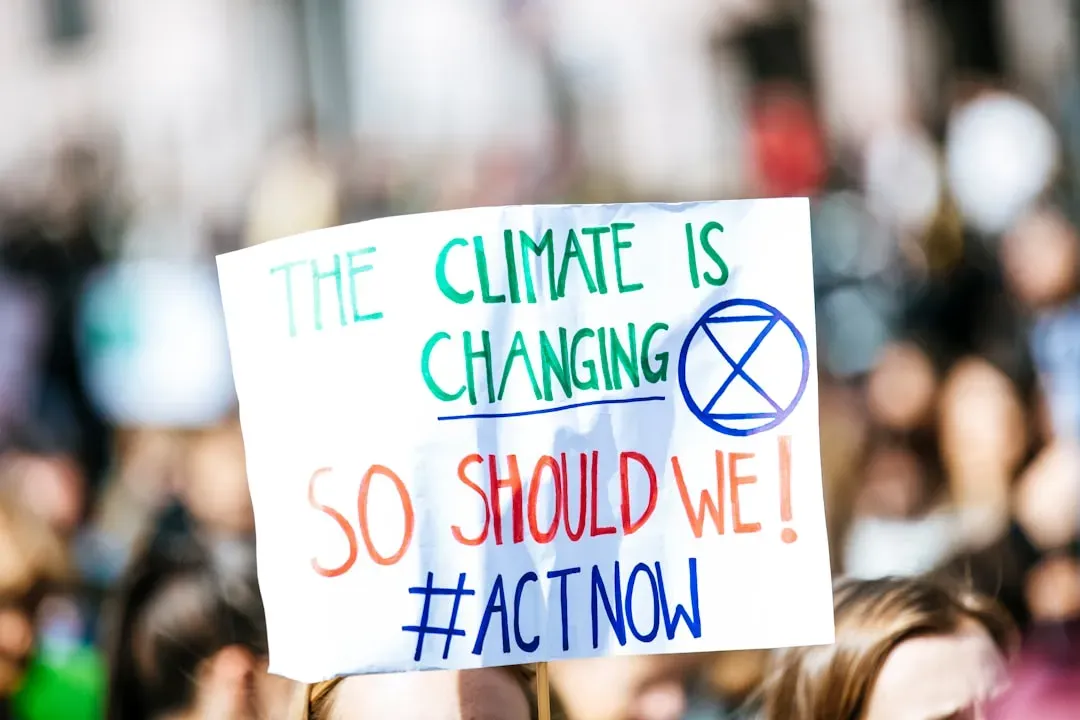
Experts from organizations such as NOAA, FEMA, and the USDA use a range of environmental, economic, and infrastructure indicators to identify climate-resilient regions. Key criteria include temperature stability based on historical and projected averages, precipitation and water security through access to freshwater resources, and natural disaster frequency tracked through FEMA disaster declarations for floods, fires, hurricanes, and droughts.
A 2024 review published in BMC Public Health highlighted important features of climate-adaptive cities, focusing on effective resource management, future-oriented planning, education, knowledge utilization, innovation in governance and industry, decentralized management, and low-carbon economy. The strength of a community’s social ties also predicts how well it will fare in a crisis, a factor that data models sometimes underweight but real-world disasters consistently confirm.
Climate Migration Is Already Reshaping the Map
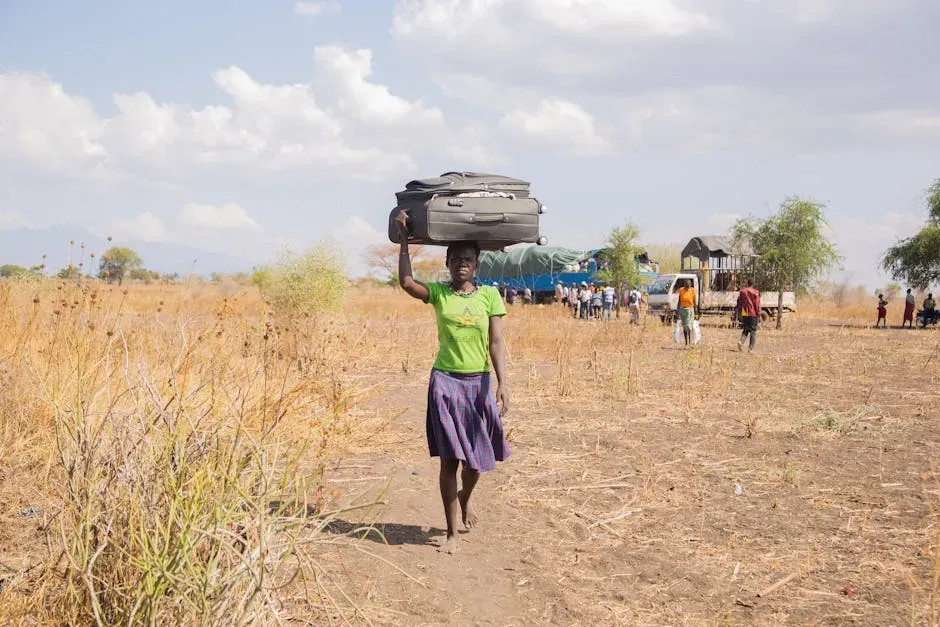
Columbia University published an article in late 2024 noting that 3.2 million U.S. residents have moved in the previous 20 years as a direct result of flood risks, and as many as 3 million now leave their homes annually to escape other conditions. Recent studies show that climate change is driving roughly 30% of Americans to consider relocating. The cities on this list are increasingly the destinations people are moving toward, not just places researchers rank on spreadsheets.
More people will move because of climate change in the coming decades. Without a doubt, cities that invest in preparing for climate change now will become more attractive as other places face worsening climate impacts. With high levels of heat-trapping pollution, future summer high temperatures in 247 major U.S. cities could heat up by an average of 3.6°F by 2060 and 7.9°F by 2100, making the temperature gap between the resilient and the vulnerable ever wider over time.
