


- 10 Home Upgrades That Can Lower Summer Cooling Costs - November 10, 2026
- 10 Questions to Ask Before Buying a Home in a Flood Zone - November 10, 2026
- 9 Coffee-Growing Regions Reporting Lower Yields as Temperatures Rise - November 10, 2026
Most of us only notice cooling costs when the bill lands in July. By then the air conditioner has been running for weeks, and the money is already gone. The better time to act is well before the heat arrives.
Some upgrades are cheap weekend jobs. Others are bigger projects that pay off over many summers. The ten below range from simple to substantial, and each one targets a specific way heat gets into your home or a specific way cool air gets wasted.
1. Add Attic Insulation
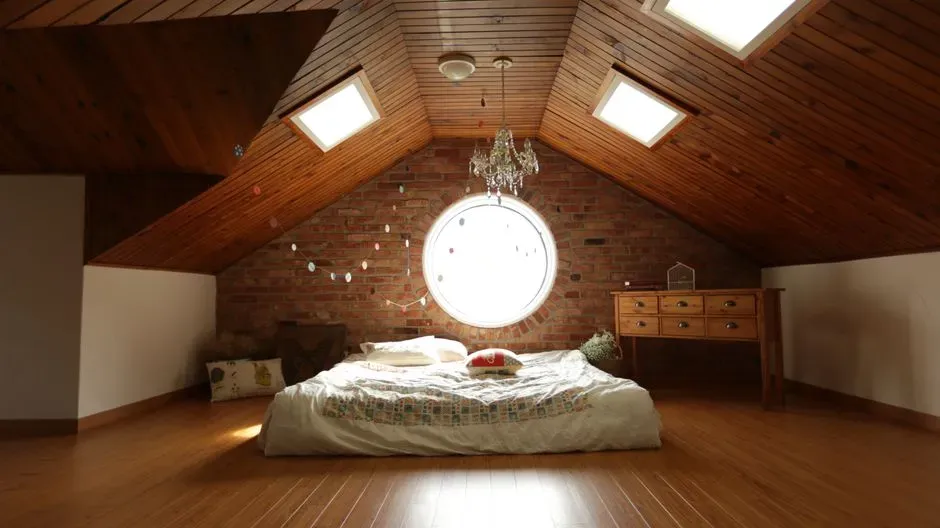
Heat from a sun baked roof settles into the attic and presses down on the rooms below. Insulation slows that transfer, so your air conditioner doesn’t fight it all afternoon. The U.S. Department of Energy points to the attic as one of the most effective places to add insulation in many homes.
Check how deep the material is before buying anything. If you can see the ceiling joists, you probably need more. Recommended levels depend on your climate zone, so look up the guidance for your region before you buy.
2. Seal Air Leaks Around the House
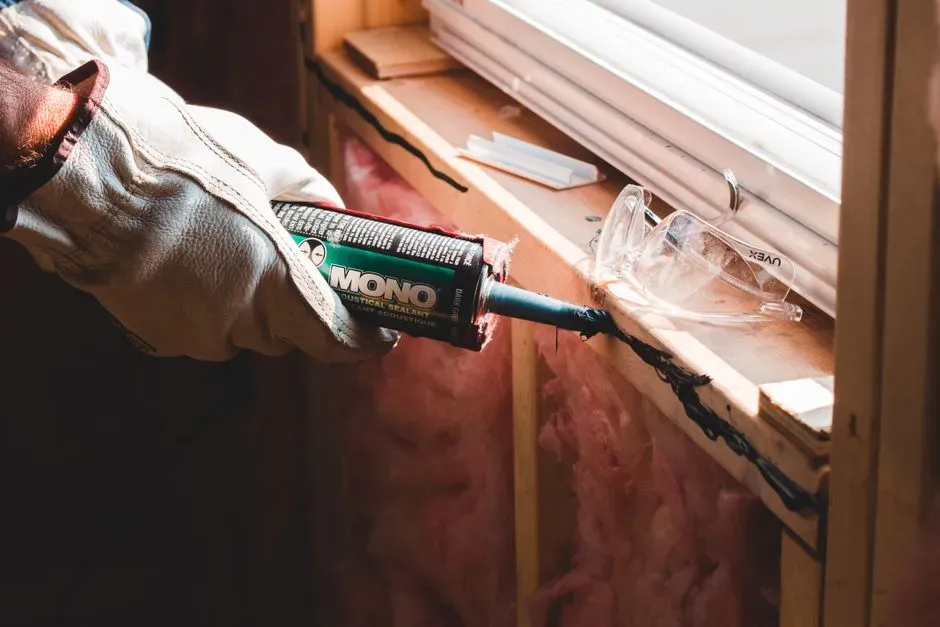
Gaps around windows, doors, plumbing penetrations and attic hatches let hot air in and cool air out. They’re small individually, yet together they can add up to the equivalent of an open window. ENERGY STAR says that sealing leaks and adding insulation can cut typical heating and cooling costs by roughly a seventh.
Caulk and weatherstripping are inexpensive and easy to apply. Expanding foam works for larger gaps around pipes and wires. If you want a full picture, an energy audit with a blower door test shows where the worst leaks are.
3. Seal and Insulate Your Ducts
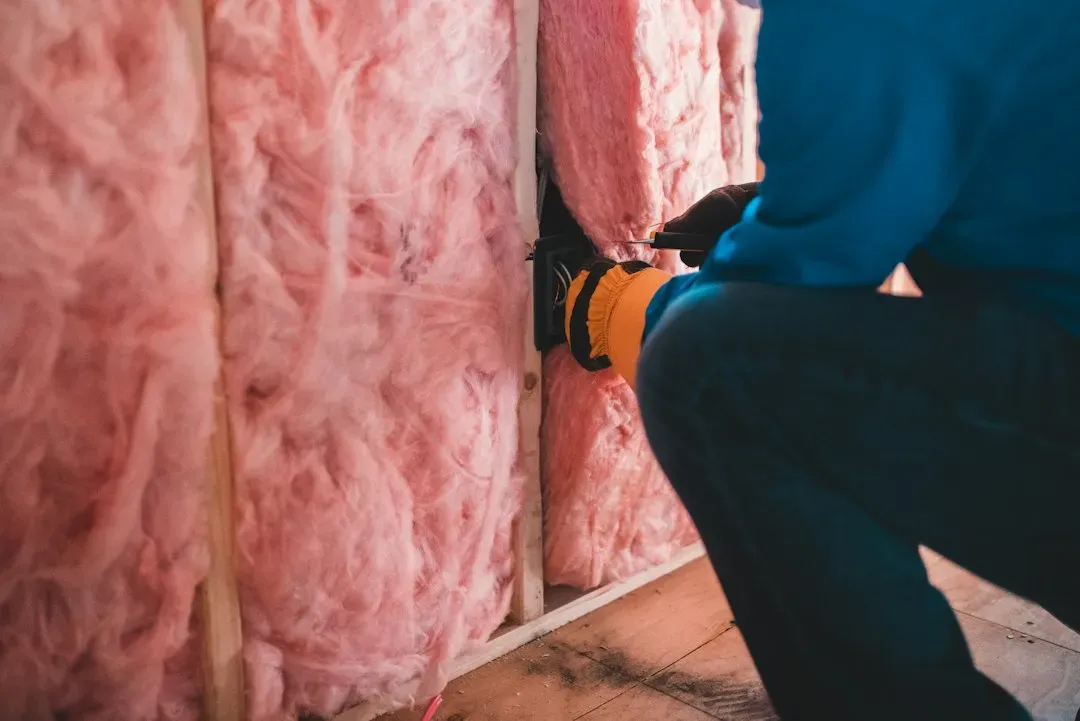
If your cooling runs through ductwork, leaks there can quietly waste a lot. The Department of Energy notes that a typical duct system can lose a fifth to a third of the air moving through it because of leaks, holes and poor connections. Ducts running through a hot attic make the problem worse.
Mastic sealant or metal tape rated for ducts will fix many joints. Ordinary cloth duct tape tends to fail with heat. Wrapping accessible ducts in insulation keeps the air cold until it reaches the rooms.
4. Install a Smart or Programmable Thermostat
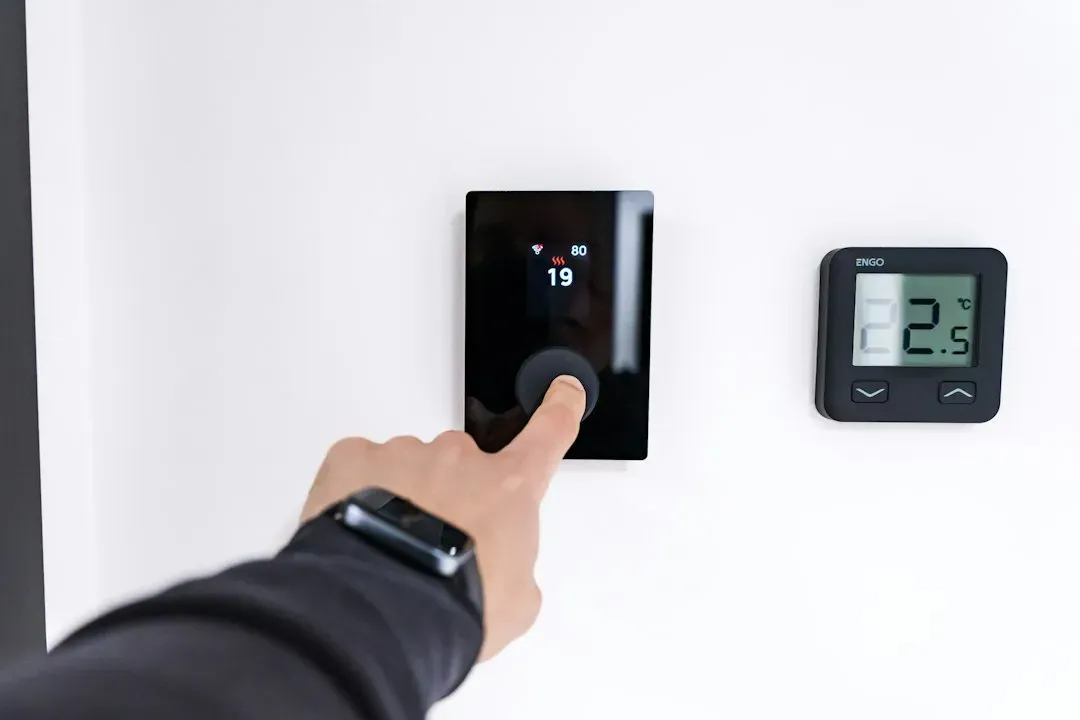
Cooling an empty house is pure waste. A programmable or smart thermostat raises the temperature while you’re away and brings it back down before you return. The Department of Energy suggests setting the thermostat around 78 degrees Fahrenheit when you’re home and raising it when you’re out.
ENERGY STAR certified smart thermostats are estimated to save households roughly eight percent on heating and cooling on average. Your results depend on your schedule and habits. Still, a thermostat that follows a sensible routine beats one that gets forgotten.
5. Put Ceiling Fans to Work
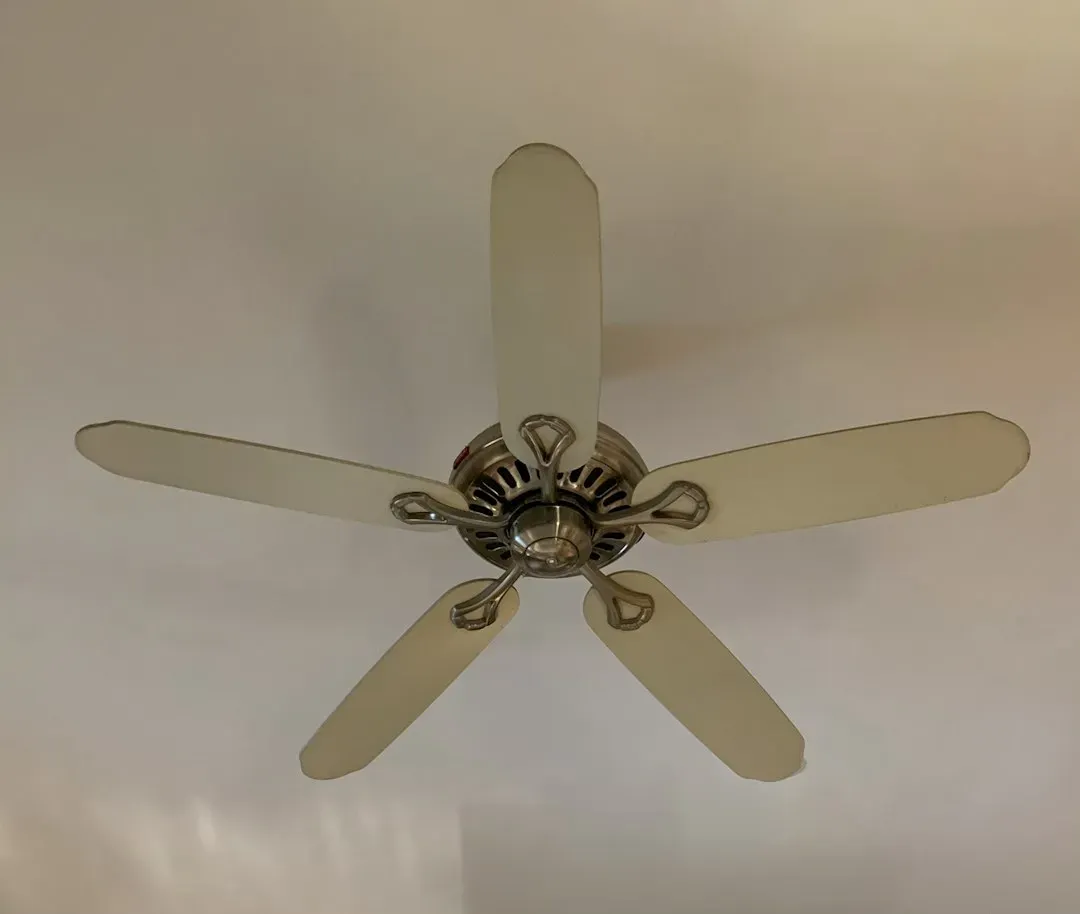
Fans don’t lower the temperature of a room. They move air across your skin, which makes you feel cooler. The Department of Energy says this can make a room feel about four degrees cooler, which lets you raise the thermostat without feeling it.
Set the blades to spin counterclockwise in summer so they push air down. Turn fans off when nobody is in the room, since they cool people rather than spaces. An ENERGY STAR rated fan uses little power compared with an air conditioner.
6. Apply Window Film or Install Better Window Coverings
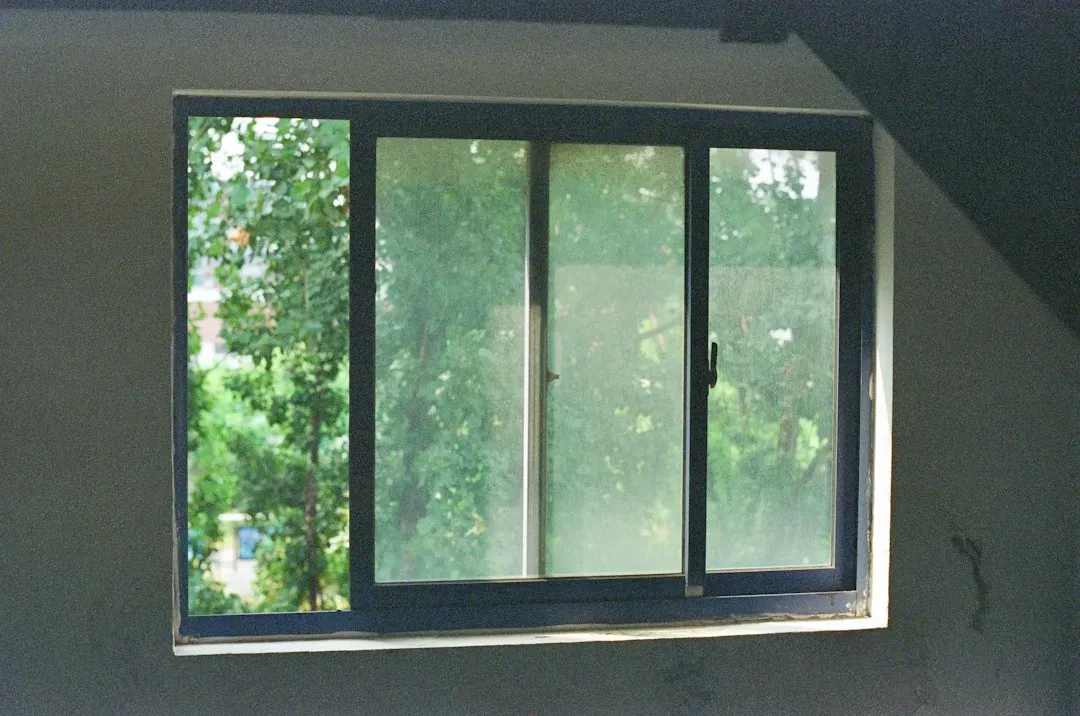
Windows are where sunshine turns into indoor heat. The Department of Energy estimates that about three quarters of the sunlight hitting standard double pane windows enters as heat. Reflective window film and solar control coatings reduce how much of that gets through.
Cellular shades, blinds and lined drapes help too, especially on south and west facing windows. Closed drapes with white backing can reduce heat gain by roughly a third, according to the Department of Energy. Close them during the sunniest hours, and you’ll notice the difference in the afternoon.
7. Add Exterior Shading Like Awnings or Shutters
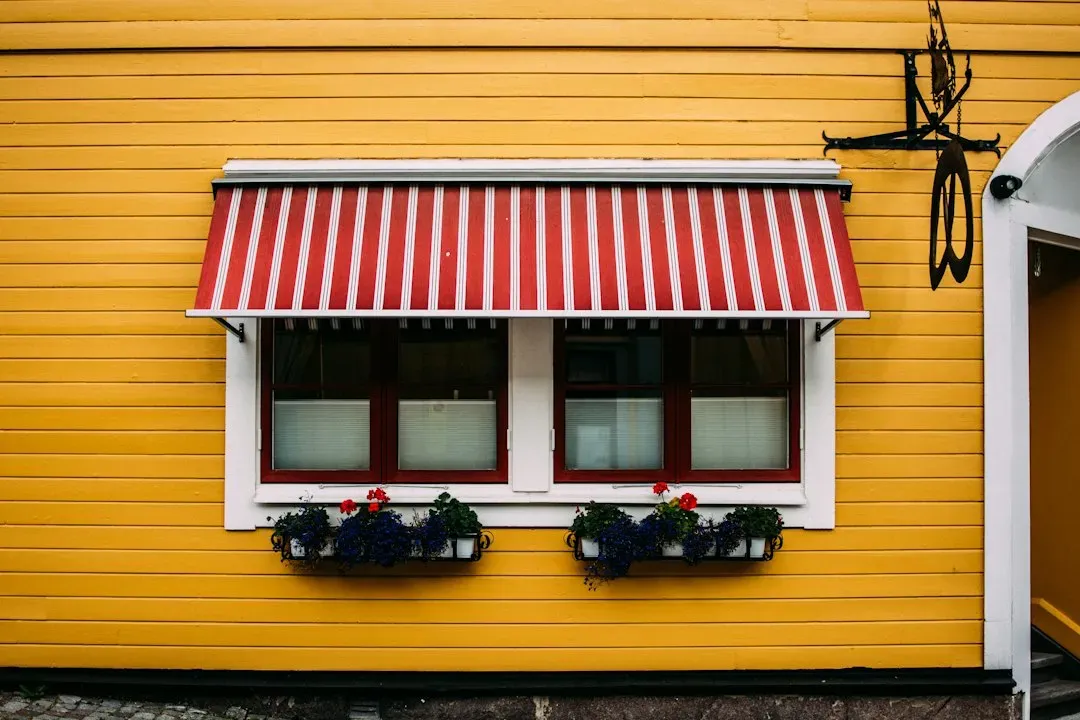
Blocking the sun before it hits the glass works better than stopping it indoors. Once sunlight passes through a window, the heat is already inside. Awnings, exterior shades and solar screens intercept it first.
The Department of Energy says awnings on south and west windows can reduce solar heat gain significantly. Look for light colored fabrics, which reflect more heat. Operable versions let you keep winter sunlight when you want it.
8. Plant Shade Trees and Shrubs

Landscaping is a slow upgrade, but it keeps working for decades. Deciduous trees planted on the south and west sides shade the house in summer. In winter they drop their leaves and let the sun through.
The Department of Energy also notes that shade trees can cool the air around them noticeably through shade and evaporation. Keep trees a safe distance from the foundation and the air conditioner’s outdoor unit. Shading that unit lightly can help, though you should never block its airflow.
9. Switch to a Cool Roof or Reflective Roofing
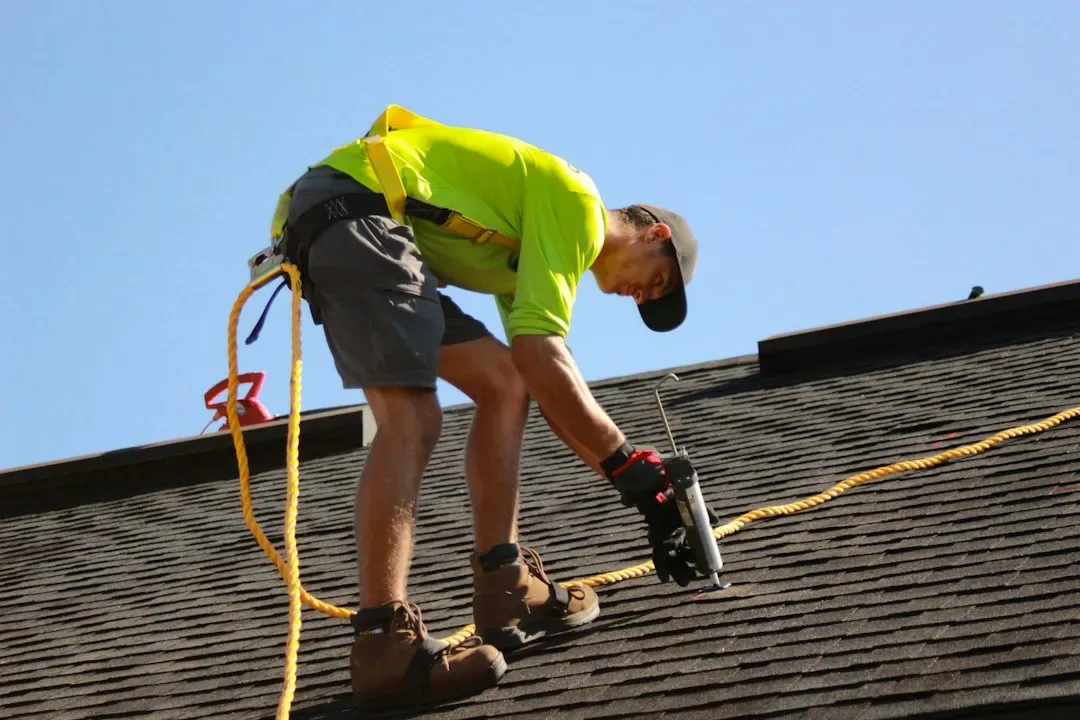
A dark roof can get extremely hot in full sun, and that heat moves into the attic and living space. Cool roofing materials reflect more sunlight and absorb less. The Department of Energy says a cool roof can run tens of degrees cooler than a conventional one under the same conditions.
This upgrade makes the most sense when you’re replacing a roof anyway. It helps most in hot climates with long cooling seasons. In cold regions the benefit shrinks, so weigh it against your winter heating needs.
10. Upgrade to a High Efficiency Air Conditioner or Heat Pump
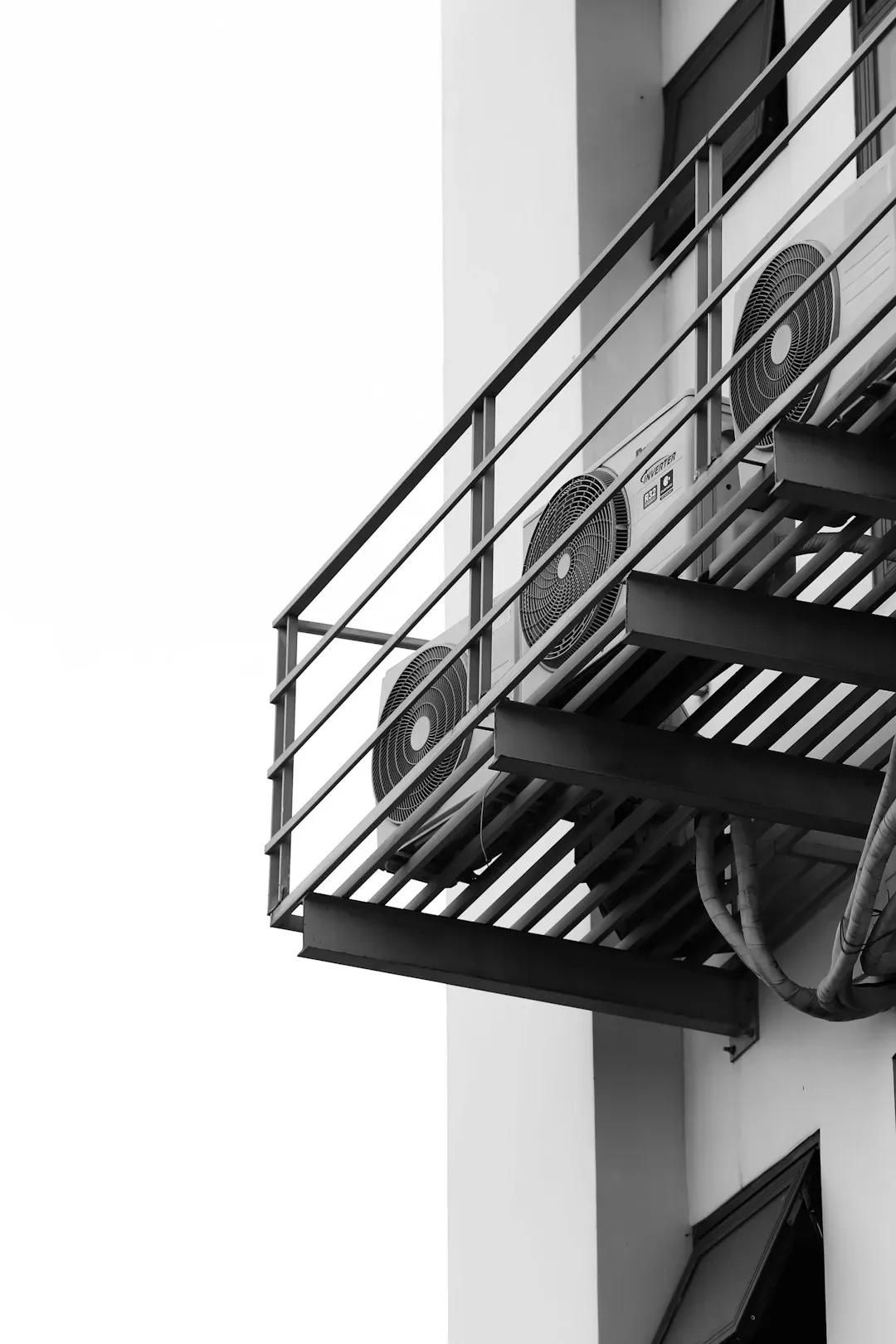
If your system is old, replacing it can lower your bills substantially, particularly once you’ve reduced heat gain with the steps above. ENERGY STAR says certified central air conditioners are about eight percent more efficient than standard new models. Compared with a unit from twenty years ago, the gap is much larger.
Ask the installer to size the system with a proper load calculation, because oversized units cycle on and off and cool poorly. Federal tax credits that once helped with these purchases ended for equipment placed in service after 2025, so check your state, utility and local rebate programs for current incentives. A well maintained system with clean filters keeps performing closer to its rating.
