

Warnings are supposed to be simple. A storm is coming, so you move. The Joplin tornado showed how much more complicated that can be.
More than a decade later, the way the National Weather Service words its most serious alerts still traces back to that one evening in southwest Missouri. Here’s what happened, what investigators found, and what changed.
A Normal Sunday in Joplin
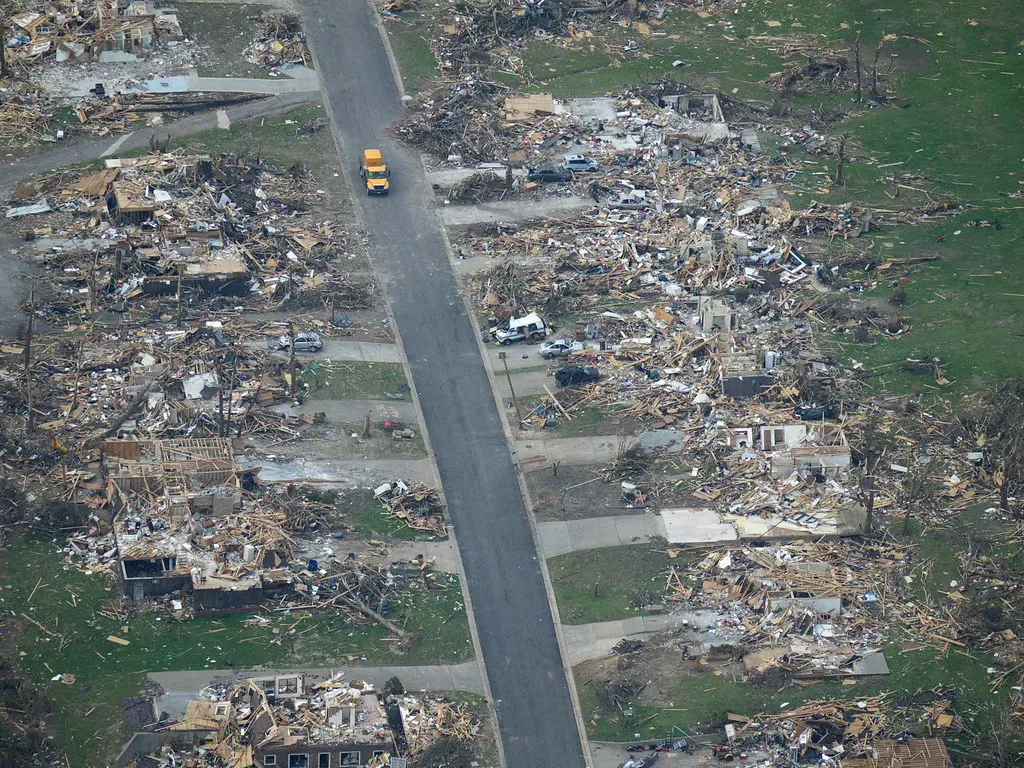
For residents of Joplin, May 22, 2011, began as a normal Sunday, with people attending church and thousands attending a high school graduation at a nearby college. Nothing about the morning suggested a historic day.
At 1:30 p.m. CDT, a Tornado Watch was issued for southwest Missouri, including Joplin, as the atmosphere became primed for violent tornadoes. A watch, though, is a general heads up, and many people treat it that way.
The Tornado by the Numbers
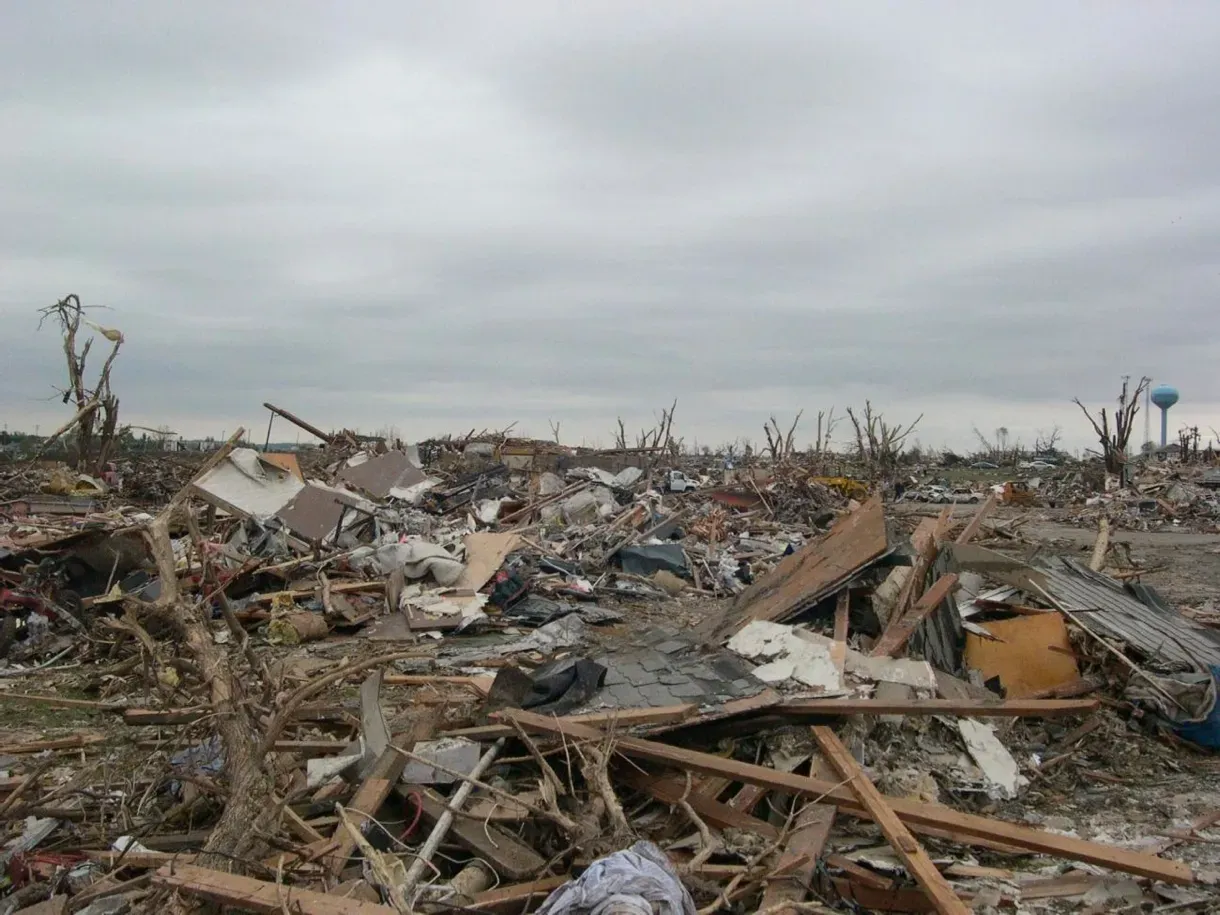
The tornado was rated EF5, with wind speeds greater than 200 miles per hour. It tore through the city of Joplin and left a path of destruction that few communities have ever faced.
It left 158 people dead and injured more than 1,000, making it the deadliest tornado in the United States since record keeping began in 1950. The death toll is carried consistently by the National Weather Service and the federal storm events database.
What the Warning Timeline Showed
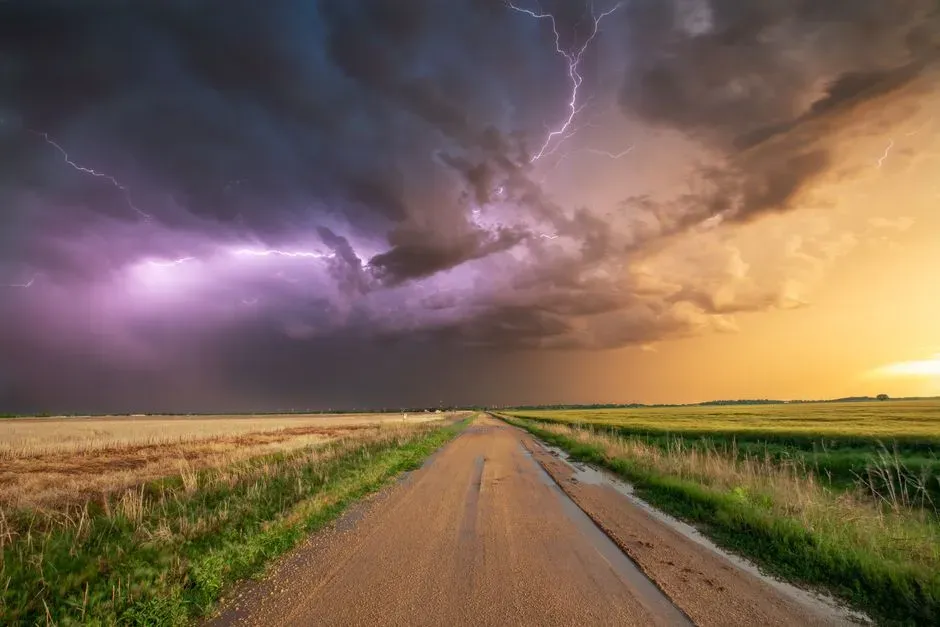
Joplin did receive warnings. The National Weather Service’s own review documented how the tornado warning was issued and then updated with a severe weather statement as spotters reported a tornado on the ground.
Even so, the wording of those products did not clearly separate an ordinary tornado from a catastrophic one. No tornado emergency was issued for Joplin. That gap became central to everything that followed.
Why Many Residents Hesitated
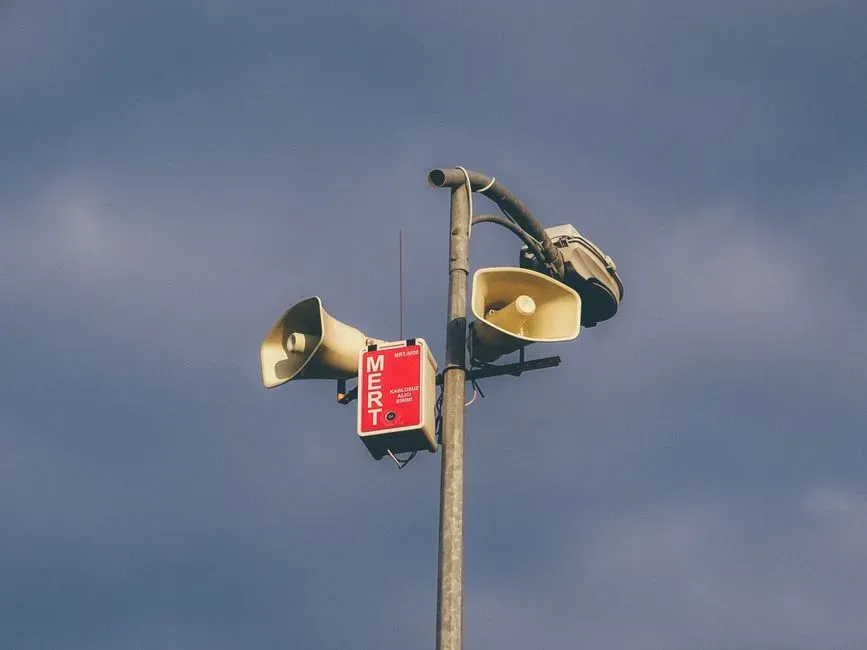
Survivor research points to a human problem more than a technical one. The service assessment’s account is that Joplin residents had been desensitized by frequent siren activation. When sirens sound often, people learn to wait for more confirmation.
Some residents also described a belief that storms always missed the town, a sort of protective bubble. A later survey of survivors found that the number of warning sources was one of four significant predictors of whether people complied with warnings. In plain terms, hearing the message from more than one place made action more likely.
The Service Assessment
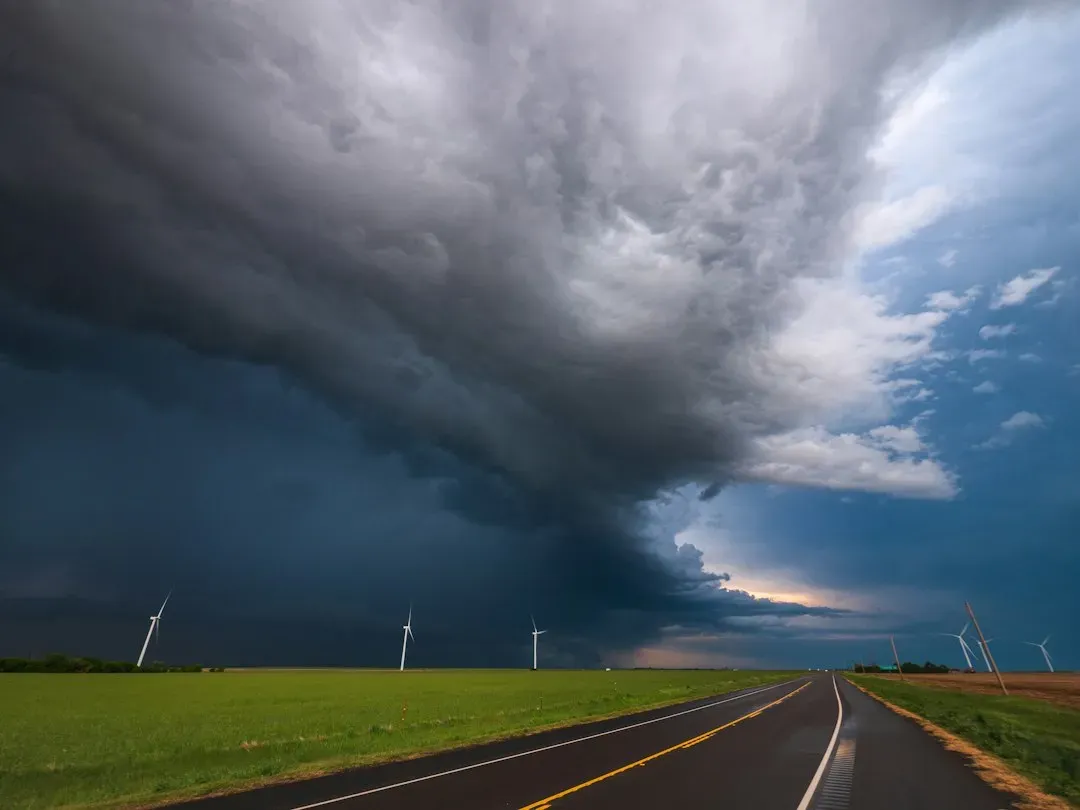
Because of the rarity and historical significance of the event, a regional Service Assessment team was formed to examine the warning and forecast services provided by the National Weather Service. The team also traveled to Joplin in June 2011 to interview residents about how they received and acted on warnings.
Its central recommendation was clear. The Weather Service should move toward an impact based, tiered warning structure that could say when a tornado was catastrophic rather than merely present. The assessment also called for more urgency in warnings when extremely dangerous, life threatening weather was happening.
Tornado Emergency Before and After Joplin
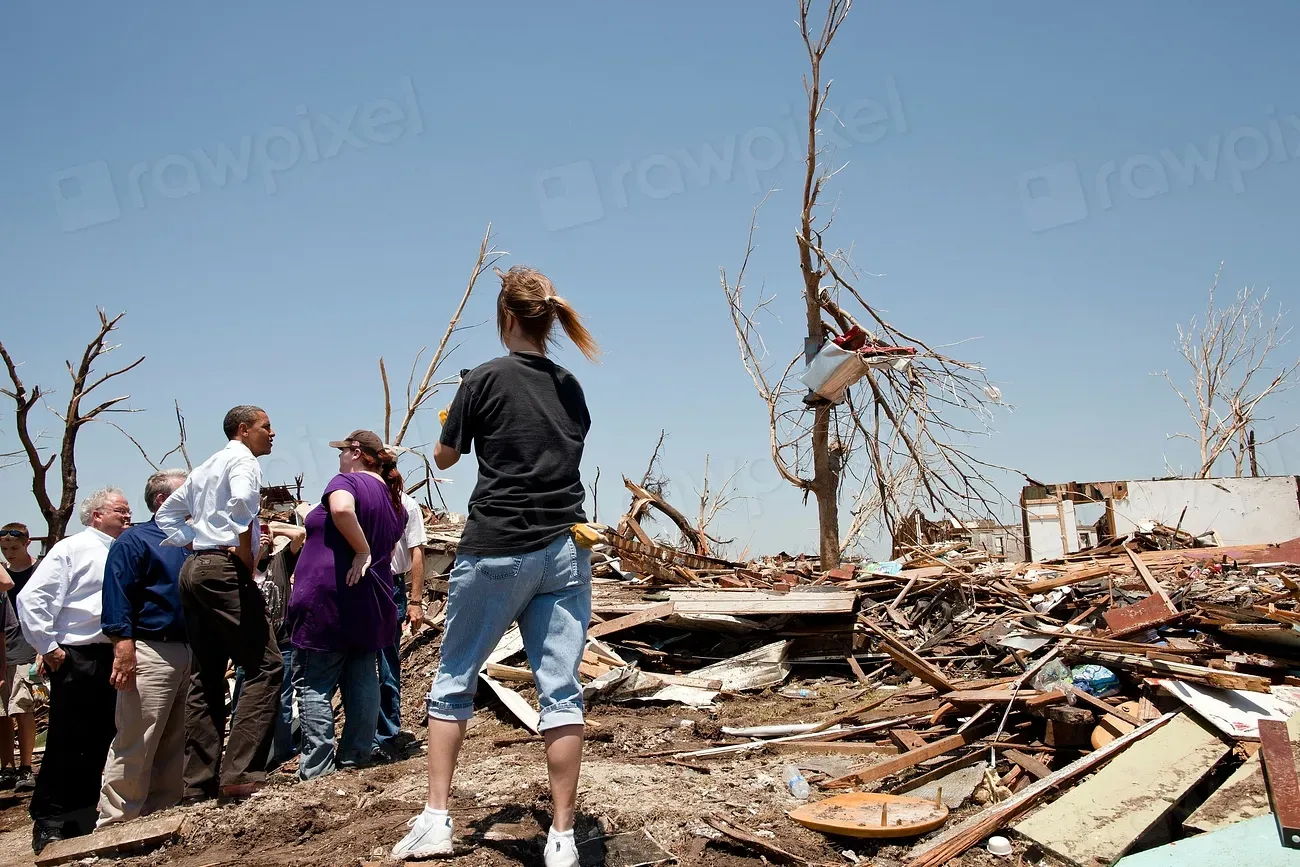
The phrase tornado emergency was not new in 2011. A National Weather Service meteorologist who came to Joplin afterward noted that meteorologists began using it off the cuff after the 1999 Moore, Oklahoma, tornado, and it had been used a few times up to and including Joplin.
What changed was the formality. Impact based warnings let forecasters put tornado urgency or catastrophic impacts into their warnings for the worst of the worst events. Instead of improvising, forecasters now had a defined structure.
Impact Based Warnings Take Shape
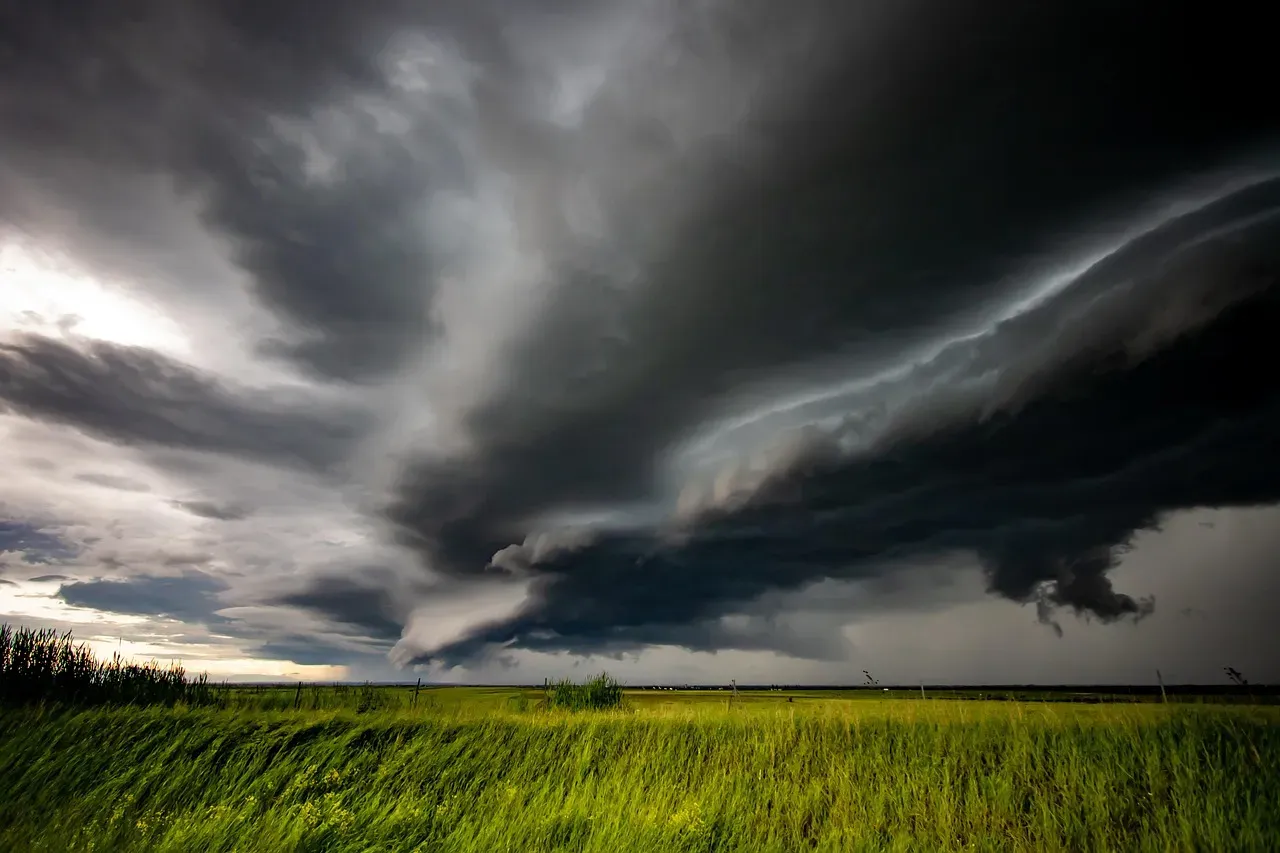
After surveying Joplin, the National Weather Service began considering ideas on how to better alert the public to the risks of dangerous weather events. The agency tested the concept and then expanded its experiment.
Social scientists played a big role. They determined that meteorologists need to give the public an expectation of impact from severe weather warnings, not just issue warnings alone, to improve public response and safety. The lessons also drew on the April 27, 2011, tornado outbreak in Alabama.
Stronger Language and Phone Alerts
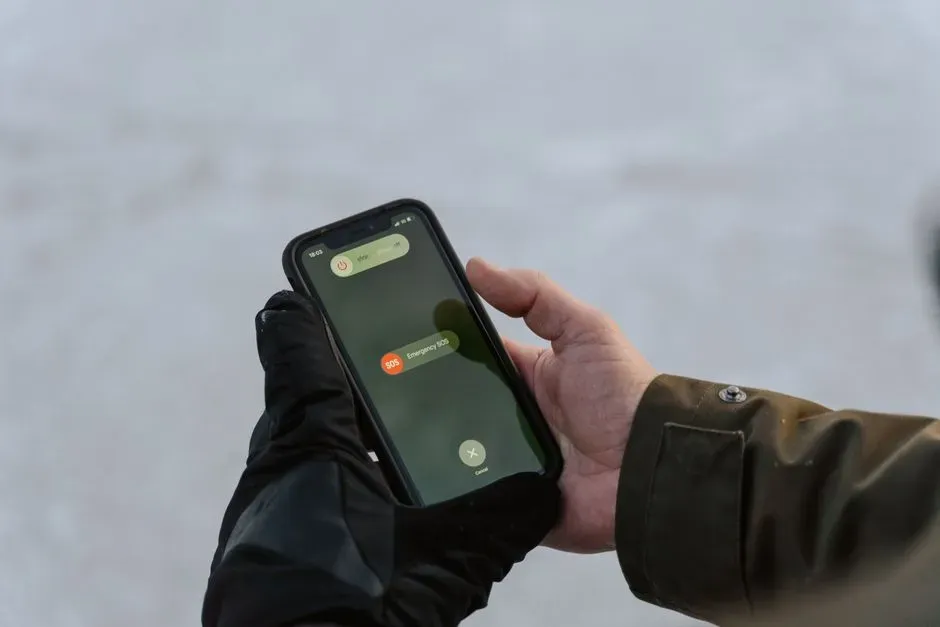
Joplin’s influence reached beyond wording. The devastation served as a turning point in tornado warning technology and emergency communication, including stronger tornado warning language, the nationwide rollout of impact based warnings and wireless emergency alerts to cell phones.
A National Weather Service official in Springfield also noted that technology has improved since 2011. Together, clearer language and faster delivery mean a person is more likely to hear that a tornado is dangerous, and not simply that one exists.

- The Shoreline Sucked Dry in Seconds – 5 Tsunami Signals Beachgoers Mistake for Low Tide - November 14, 2026
- 9 Dark-Sky Destinations Around the World Where the Stars Look Unreal - November 14, 2026
- The Fault Line That Never Slips – 7 Locked Seismic Zones Overdue for a Massive Release - November 14, 2026
