


- NASA invites students to design a moon base in $1 million challenge - November 11, 2026
- Why Some People Can Feel a Storm in Their Joints, According to Experts - November 11, 2026
- 7 Foods That Taste Better on a Rainy Day, According to Chefs - November 11, 2026
A house can look perfect on a sunny afternoon. The yard is tidy, the kitchen has been updated, and the street is quiet. Whether it sits in a mapped flood zone often doesn’t show up until you read the paperwork.
Flood insurance pricing has changed a lot in recent years, and the rules that apply to your loan and your coverage depend on details that listings rarely mention. The questions below can help you see the property more clearly before you sign.
1. Which Flood Zone Is the Home In, and What Does That Mean for Me?
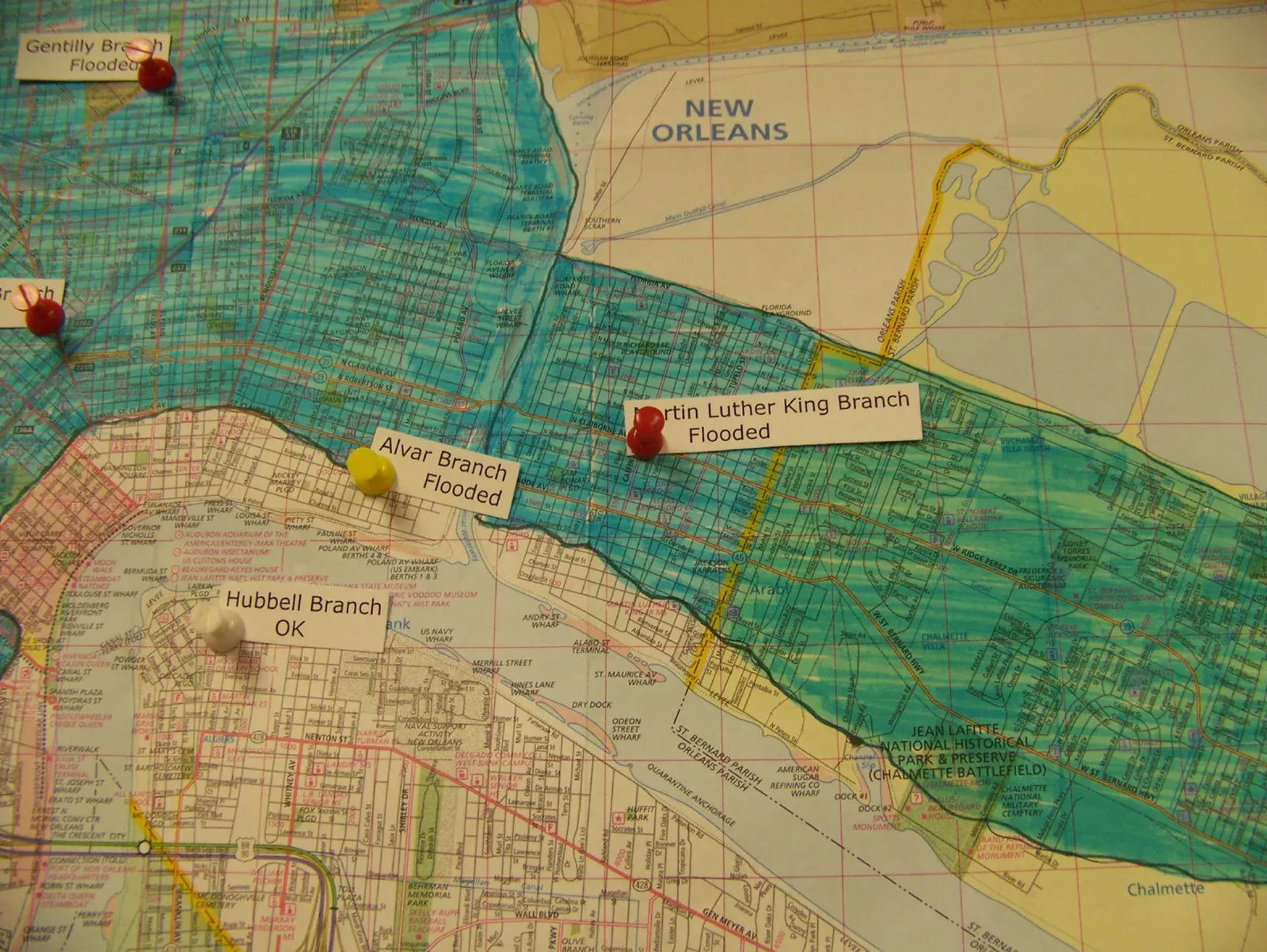
Start with the official designation on FEMA’s flood maps. Zones that begin with A or V are considered high risk, and that label affects financing and insurance. Homes in high risk zones have about a one in four chance of flooding over a thirty year mortgage, and government backed loans there require flood insurance.
Ask the agent for the zone, but check it yourself on FEMA’s map service as well. Maps are updated over time, so a home that was outside the high risk area a few years ago may now be inside it. A moderate or low risk zone also doesn’t mean safe, as the next questions show.
2. Has the Property Flooded Before?
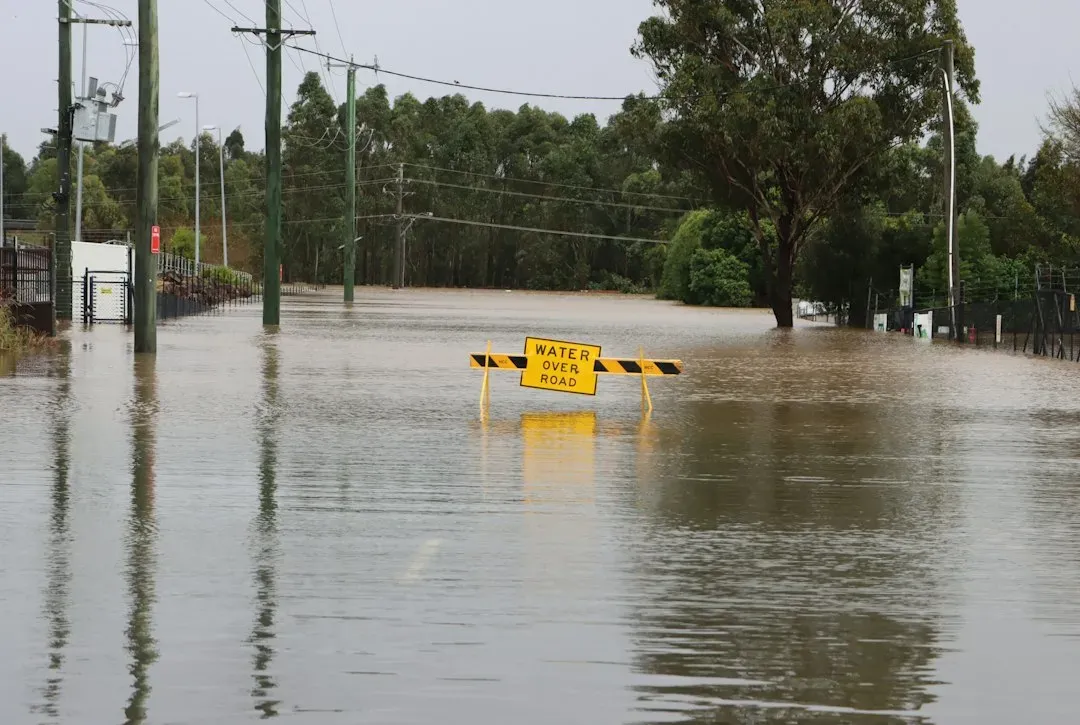
Past flooding is one of the best predictors of future trouble. Ask the seller directly, and ask neighbors if you get the chance. Many states require sellers to disclose known flood history, though the exact rules vary, so ask for the disclosure in writing.
Flood history also affects your price. Under Risk Rating 2.0, premiums depend on factors such as distance to a water source, foundation type, first floor elevation, how often floods have occurred nearby, and the building’s replacement cost. A home with a documented claims record may cost more to insure.
3. What Will Flood Insurance Actually Cost?
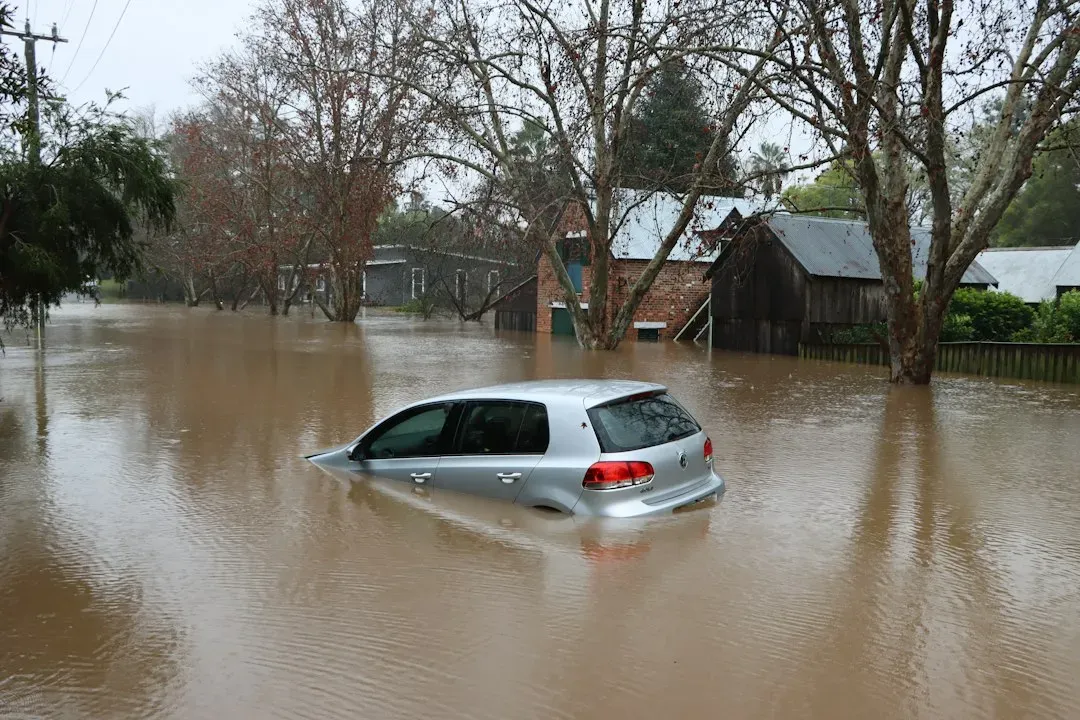
Don’t guess. Get a real quote before you make an offer, because elevation, distance to water, and rebuild cost matter as much as your zone, so the only reliable number is a real quote. Prices vary widely between neighboring houses.
Published ranges give a sense of the spread. One 2026 guide puts NFIP premiums from roughly four hundred dollars a year for low risk properties to more than six thousand for high risk coastal structures. Put that number into your monthly budget alongside your mortgage, taxes, and homeowners policy.
4. Does the Seller’s Policy Transfer to Me?

This question can save real money. Unlike standard homeowners insurance, NFIP flood policies are assumable. That means a buyer can sometimes take over the seller’s existing policy.
One real estate group gave an example of a grandfathered policy costing about eight hundred dollars a year, compared with a new policy that might be priced at about twenty five hundred dollars a year. That is an illustration, not a promise, so ask the seller for the declarations page and have your agent confirm that assumption is allowed in your case.
5. Are Premium Increases Going to Catch Up With Me?

Many policies are still moving toward their full risk price. Statute limits most annual increases to eighteen percent, and discounts remain for older subsidized properties, newly mapped properties, and communities in the Community Rating System. A low premium today may not stay low.
Ask what the full risk premium is, not just the current one. Also check whether the home is in a community that earns a discount, since those discounts run from five to forty five percent. Over the length of a mortgage, the difference can be large.
6. Is NFIP Coverage Enough, or Do I Need Private Flood Insurance?
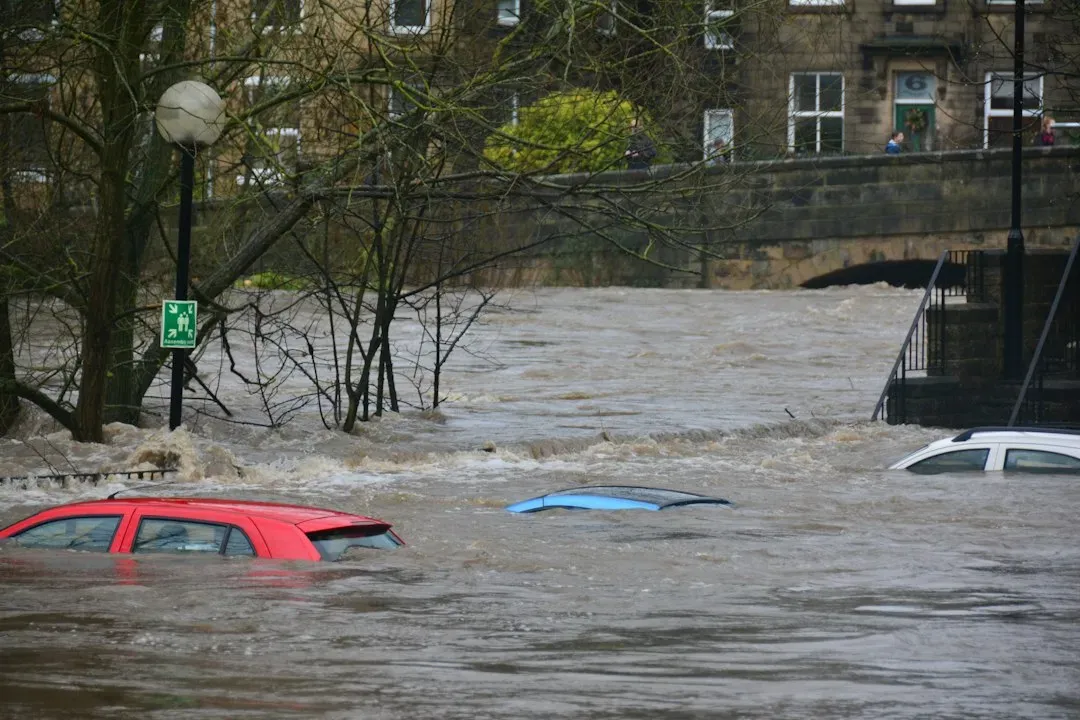
NFIP limits are lower than many home values. Coverage is capped at two hundred fifty thousand dollars for the building and one hundred thousand for contents. If your home would cost more than that to rebuild, you may be left with a gap.
Private insurers can fill it, and sometimes at a better price. One lender guide advises getting both an NFIP quote and a private flood quote. Compare coverage terms as well as price, including how each policy values contents and what it excludes.
7. Does the Home Have an Elevation Certificate?

An elevation certificate documents how high the lowest floor sits compared with the expected flood level. It was once central to pricing. NFIP no longer requires one to calculate premiums, but it can still help with LOMA applications and private flood quotes.
It can also help you challenge a price you think is too high. One approach for appeals is submitting an updated certificate showing first floor height relative to Base Flood Elevation. Ask the seller whether one exists, and find out what a new one would cost.
8. What Does the Foundation and Lowest Level Look Like?

Walk the property with water in mind. Look at whether the home sits on a slab, crawlspace, or raised piers, and where the furnace, water heater, and electrical panel are located. Finished basements and ground level living areas are often the most expensive things to lose.
Features like these affect price too. One 2026 insurance source says raising a structure above base flood elevation can cut premiums by forty to seventy percent, depending on how far above you go. Treat that as a general estimate and ask a licensed agent what applies to the home you’re considering.
9. Could the Home Flood Even Outside the Mapped Zone?

Many buyers assume that a home outside the high risk zone is safe. The data doesn’t support that. Between twenty five and forty percent of NFIP claims come from properties outside FEMA’s high risk flood zones.
Look at local drainage, nearby creeks, storm sewers, and how the lot slopes. Check community flood risk tools and ask the local floodplain manager about recent problems. Heavy rain can flood a home that no river ever touches.
10. What Will My Lender Require, and What Will Resale Look Like?
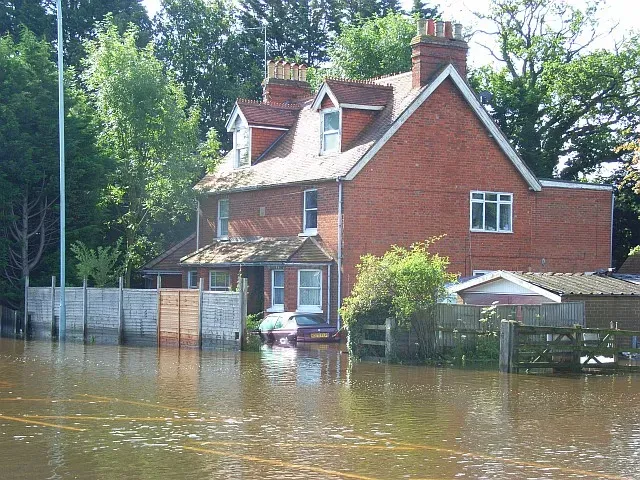
If the home is in a high risk zone and you have a federally backed mortgage, expect to buy flood insurance. Ask your lender early about coverage minimums and escrow, since the premium may be added to your monthly payment. The cost can shape what loan you qualify for.
Resale matters too, because your future buyer will face the same questions. Risk Rating 2.0 repriced every flood policy in the country, and many buyers in coastal and riverine areas see premiums that change the deal math. A home with a transferable policy, a good elevation record, and mitigation already done is usually easier to sell.
