


- 10 Traditional Building Techniques From Hot Climates Architects Are Revisiting - November 10, 2026
- 2026 Atlantic hurricane season winding down? El Niño eases late-season storm threat - November 10, 2026
- Could the Great Pacific Garbage Patch be altering the ocean’s color? - November 10, 2026
Plastic fragments too small to notice from a boat may be changing the look of a stretch of ocean between Hawaii and California. Over two decades, satellites picked up a subtle shift toward blue-green near the Great Pacific Garbage Patch, according to a new study. It’s an intriguing idea, and an early one.
The finding is a clue, not a verdict. Below is what the researchers did, what they saw, and what’s still unproven.
Where the Idea Comes From
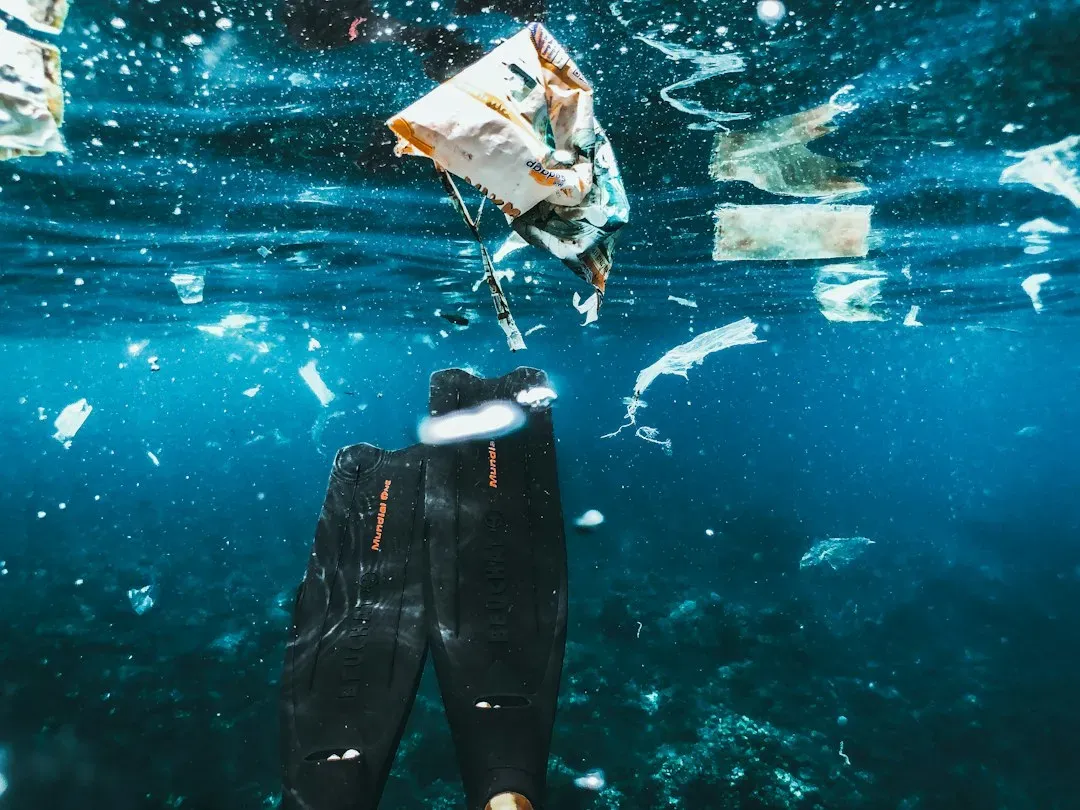
The study was led by Shea Cheatham, Daniel Koestner and Børge Hamre at the University of Bergen in Norway. They wanted to know how microplastics might affect the way seawater reflects light. The work was published Nov. 5 in Communications Earth & Environment.
The motivation was practical. Microplastics are hard to find from space. They are nearly impossible to scoop out at scale or detect using standard satellite infrared tools. Ocean color offered a different route.
What the Patch Really Is
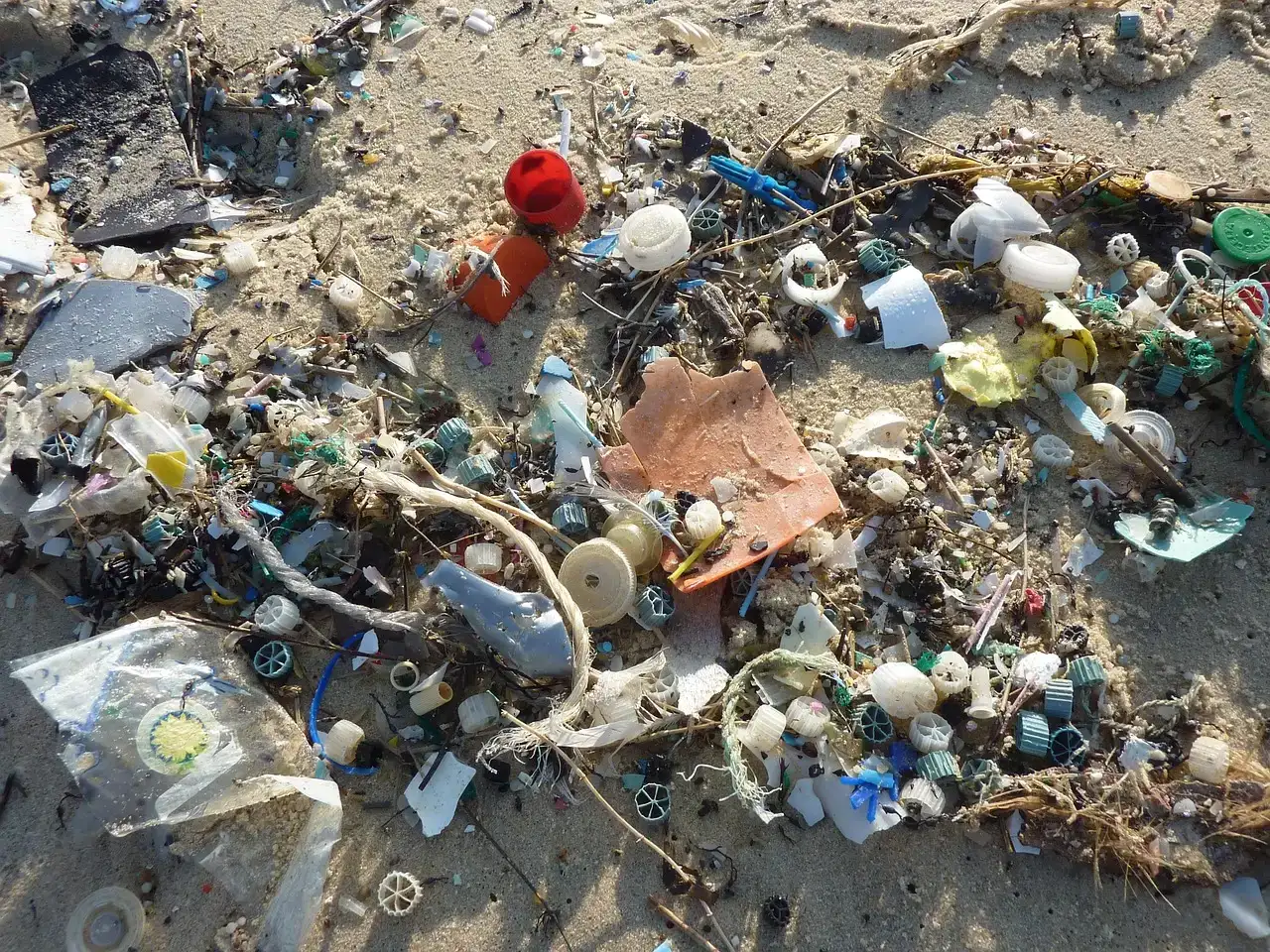
The name suggests a floating island of trash. It isn’t one. It’s carried and concentrated by ocean currents, but it’s so diffusely spread that it can’t be detected in satellite images from Earth orbit. Much of the material is small, suspended debris.
That makes the color question more interesting. If you can’t see the patch itself, a faint change in the water’s optical properties might still give it away. The region is also a good test site, since low concentrations of natural contributors to ocean color and increasing microplastics make the patch a promising case study.
Three Satellite Records, Twenty Years
The team didn’t rely on a single dataset. They examined three ocean-color datasets covering August 2002 through September 2022, including NASA’s MODIS instrument on the Aqua satellite, ESA’s Ocean Colour Climate Change Initiative and Copernicus GlobColour.
Using several independent records matters because any one of them could carry its own quirks. The paper reports that all three products found portions of the ocean in this region brightening over the study period, which is consistent with earlier studies.
What the Satellites Saw
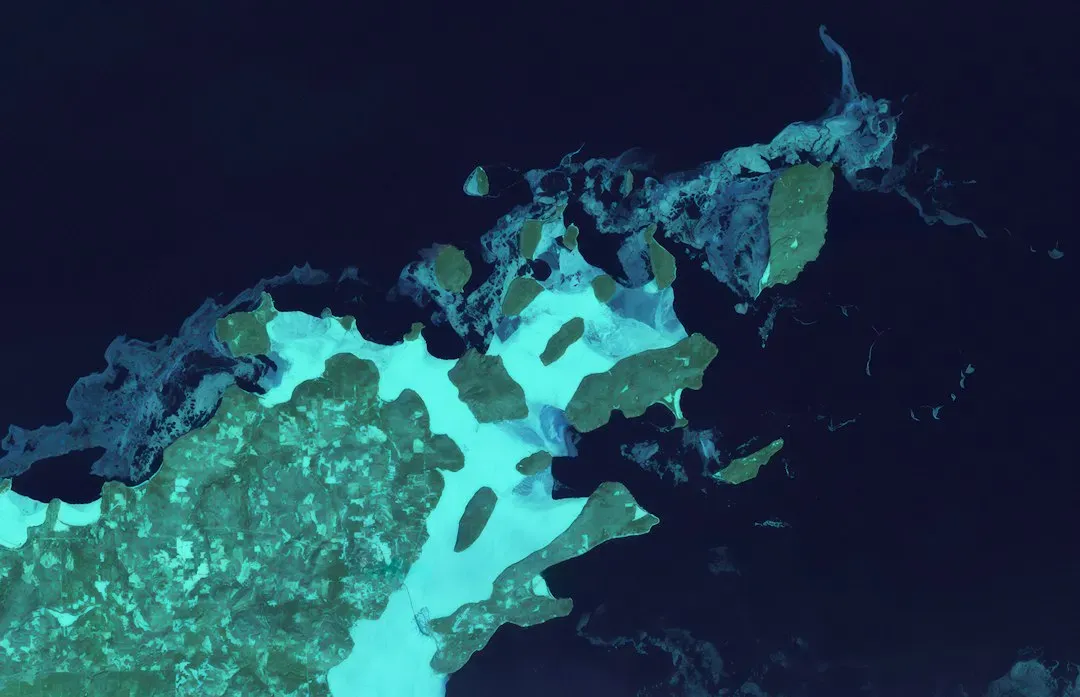
The signal is subtle. The researchers identified a statistically significant brightening of the ocean in blue and green wavelengths near the patch, a gradually growing cyan tint. The blue and green light reflected by the water increased more near the patch than in the surrounding Pacific.
You wouldn’t notice this standing on a ship deck. It shows up in careful measurements of reflected light, not in a dramatic sea turned turquoise.
Why Plastic Is a Plausible Suspect
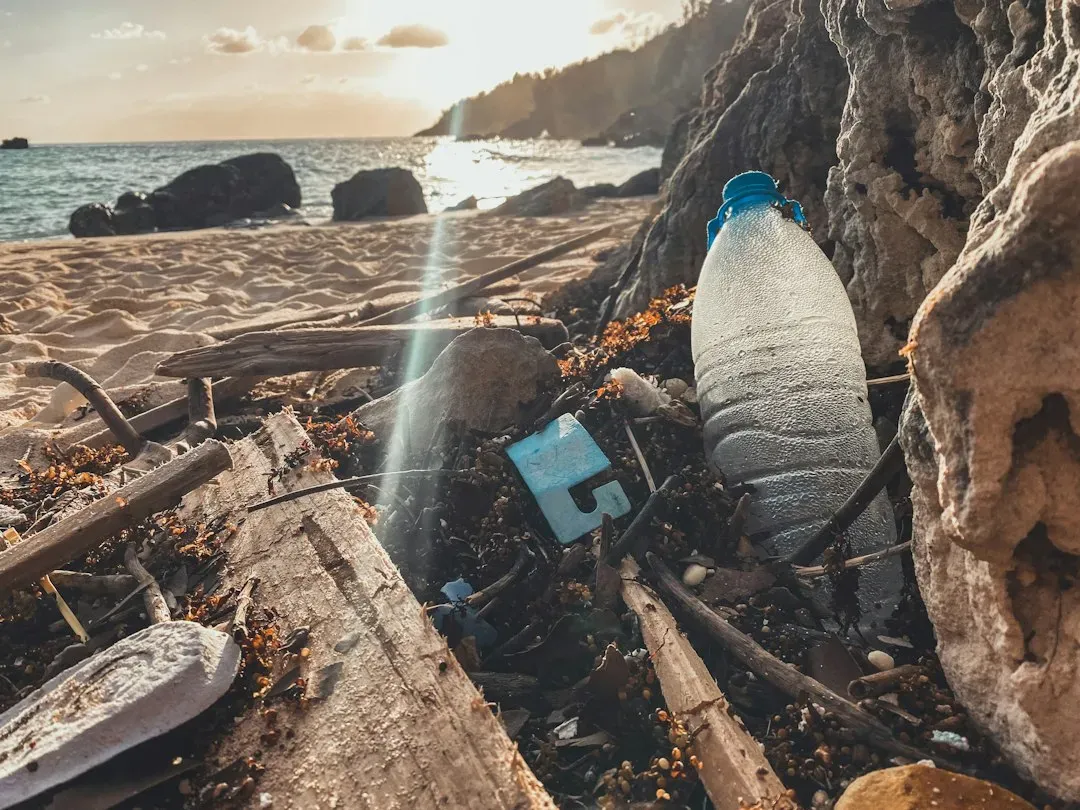
Before looking at satellite data, the team tested how plastic behaves in light. Koestner told CNN he blended plastic waste and used lights and lasers to see how the tiny particles scattered light. Their models suggested plastic fragments could produce a detectable signal at concentrations potentially present in the patch.
The pattern also fits. Cheatham explained that particles like these brighten the ocean, and this brightening preferentially occurs simultaneously at blue and green wavelengths. The researchers found 490 nm was the band with the lowest microplastic detection threshold for satellite ocean color sensors.
Other Explanations Still on the Table
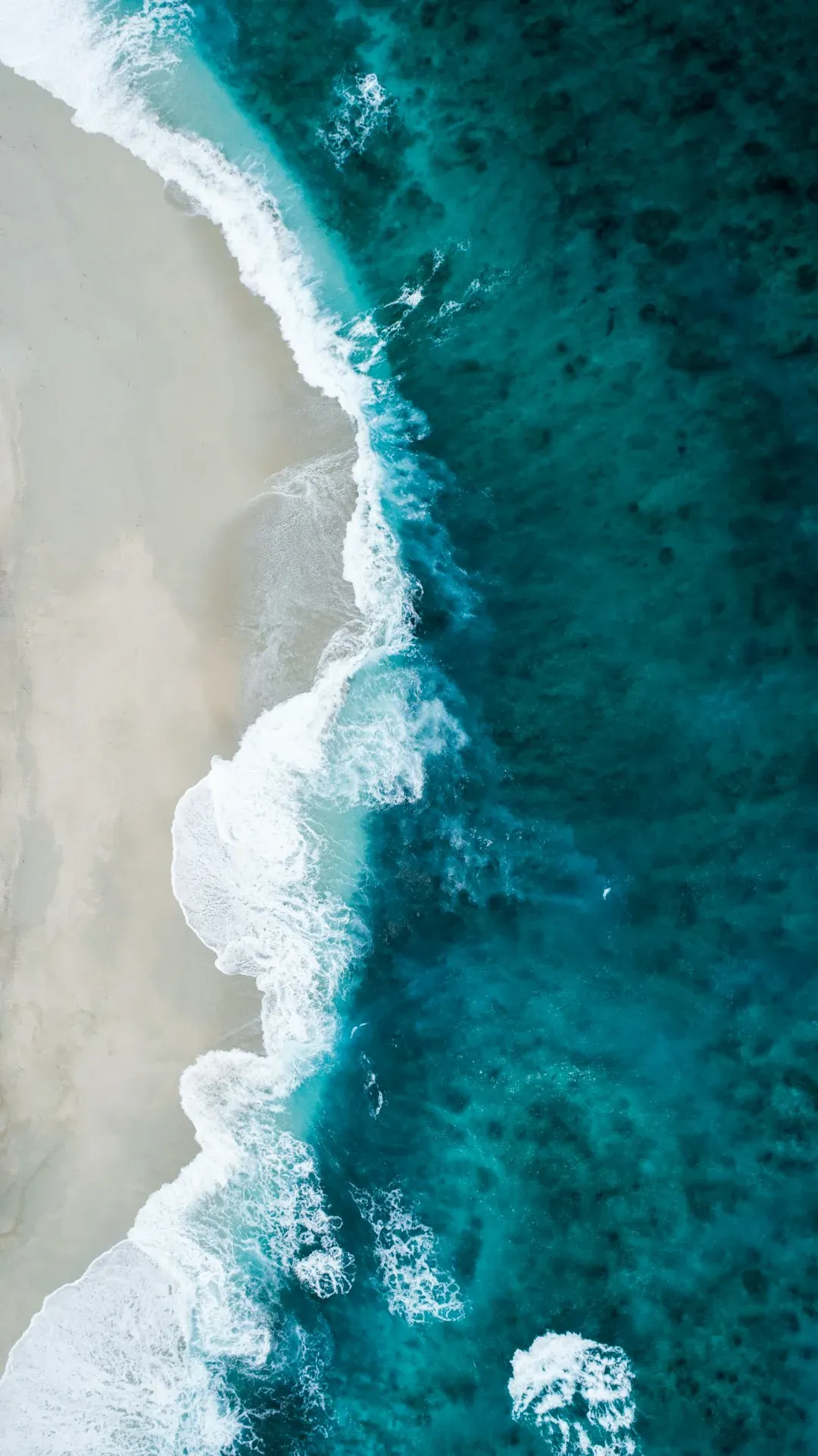
Plastic isn’t the only thing that changes ocean color. Phytoplankton absorb blue and red wavelengths, leaving the ocean looking greener. Other particles, such as mineral dust, can also scatter sunlight and brighten the ocean.
That’s why the authors are cautious. The paper itself frames the cause as multifactorial, and Cheatham said more work is needed to prove the color “is directly and exclusively caused by plastics.” Reporting on the study also notes that they could not link the color change directly to microplastics from the satellite images alone.
The Missing Piece: Water Samples
The next step is fieldwork. Cheatham said, “we will need to go to the garbage patch to make optical measurements of water samples and quantify the microplastics present.”
The sampling would need to be timed with satellite passes. If the color signal lines up with the amount of plastic found in samples, satellites could help track pollution across areas too large to sample regularly by ship. Until then, as one science outlet put it, the changing color of the Pacific remains something of a mystery.
Why It Matters Even If the Case Is Open
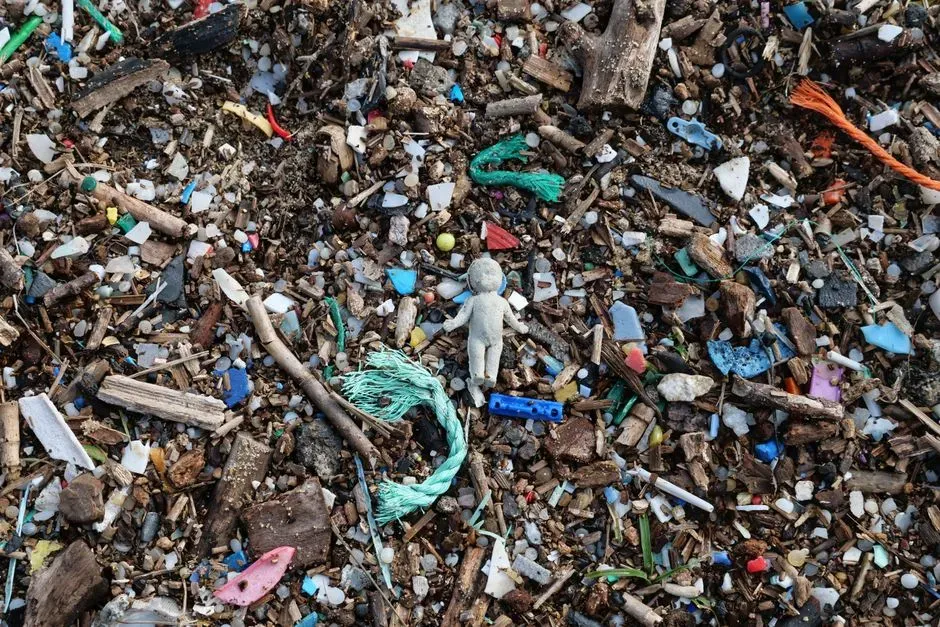
If it holds up, the method could change how microplastics are monitored. Researchers believe satellite ocean-color measurements could be a valuable tool to assess and monitor accumulation from space. That would be a big step for a pollutant that’s otherwise hard to map.
For now, the sensible reading is modest. A real, measurable brightening exists near the patch, plastic could plausibly contribute, and nobody has yet confirmed it. The ocean may be quietly recording our waste, and scientists are only starting to learn how to read it.
