


- 10 Home Upgrades That Can Lower Summer Cooling Costs - November 10, 2026
- 10 Questions to Ask Before Buying a Home in a Flood Zone - November 10, 2026
- 9 Coffee-Growing Regions Reporting Lower Yields as Temperatures Rise - November 10, 2026
Coffee is a fussy crop. Once temperatures climb past roughly 30 degrees Celsius, plantations suffer heat stress, which can cut yields, hurt bean quality and make plants more prone to disease. That threshold is being crossed more often than it used to be.
A Climate Central analysis covering 2021 to 2025 found that the five biggest producers (Brazil, Vietnam, Colombia, Ethiopia and Indonesia) now face coffee-harming heat on more than 144 days a year on average. The picture isn’t uniform, though. Some regions have lost volume to heat and drought, while others have been hit by too much rain, rust or erratic seasons. These nine are where the strain has shown up most clearly.
Minas Gerais, Brazil

Minas Gerais is Brazil’s leading coffee state, and its Arabica trees took a beating in the 2025/26 season. The USDA says drought and high temperatures in Minas Gerais and São Paulo hurt blossoming, fruit setting and fruit development, pulling Arabica output down by 6 million bags to 38 million. That’s a big swing from a single region’s weather.
Brazil as a whole is experiencing 70 extra days of damaging heat per year because of climate change. The picture for next season looks brighter, as the USDA forecasts a record 71.9 million bags for Brazil, driven by a 9.5 million bag Arabica rebound. Part of that is Arabica’s natural on and off year cycle, so one good harvest doesn’t erase the heat trend.
São Paulo State, Brazil

São Paulo sits right beside Minas Gerais and shares the same Arabica exposure. The USDA’s explanation for the 2025/26 shortfall names both states, pointing to drought and heat during the crucial flowering and fruit development stages. Trees that lose flowers or set poor fruit simply can’t make up the difference later.
Longer term projections look rougher still. One summary of climate modeling says suitable land in Minas Gerais and São Paulo could fall from roughly 70 to 75 percent of current levels to just 20 to 25 percent by 2050. That’s a projection, not a measurement, and it depends on how emissions and farming practices evolve.
Brazil’s Conilon Robusta Belt

Brazil grows plenty of Robusta too, known locally as Conilon. Analysts at StoneX flagged that, after a heat heavy stretch, conilon faced immediate drought risk and Arabica yields could be lower. Their broader view was that robusta origins such as Vietnam, Indonesia and Brazil’s Conilon carry the highest downside yield exposure.
It’s worth being clear that this is a risk assessment, not a confirmed collapse. USDA figures show Brazil’s Robusta output holding up in 2025/26, so the Conilon belt is better described as vulnerable than as already in decline. Still, it’s a region where heat and dry spells are being watched closely.
Central Highlands, Vietnam
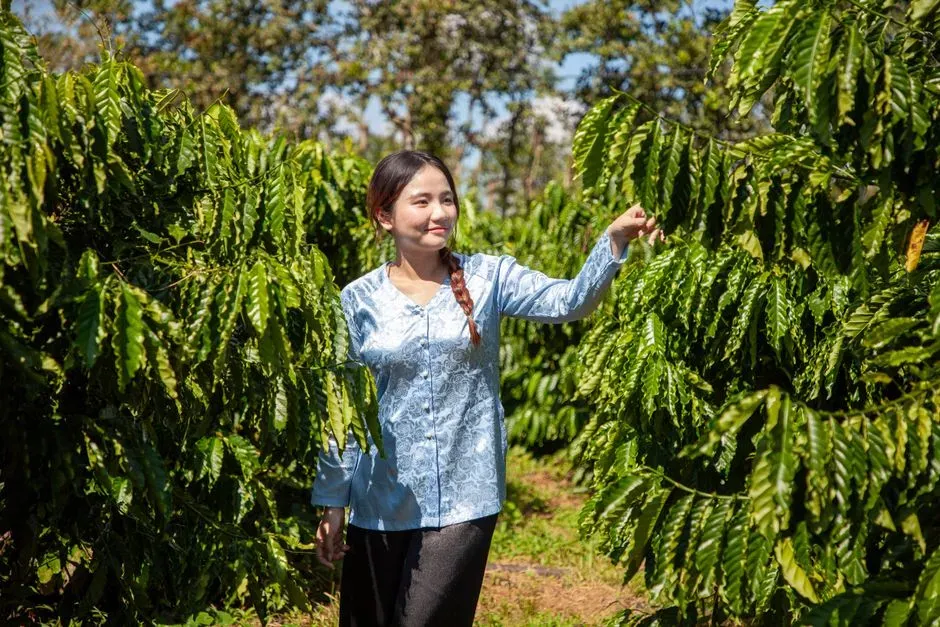
Vietnam is the world’s second largest producer, and its Robusta is concentrated in the Central Highlands. In 2023/24 the country saw a 20 percent production drop, with exports falling for a second year running. Heat and drought were central to that slump.
Output has since recovered, with the USDA forecasting a record 32.5 million bags as growers expand plantings of higher yielding varieties. The longer view is less comfortable. The Coffee Barometer notes that Vietnam’s agriculture ministry forecasts a 10 percent contraction in coffee area, to 650,000 hectares, by 2030.
Andean Coffee Zone, Colombia
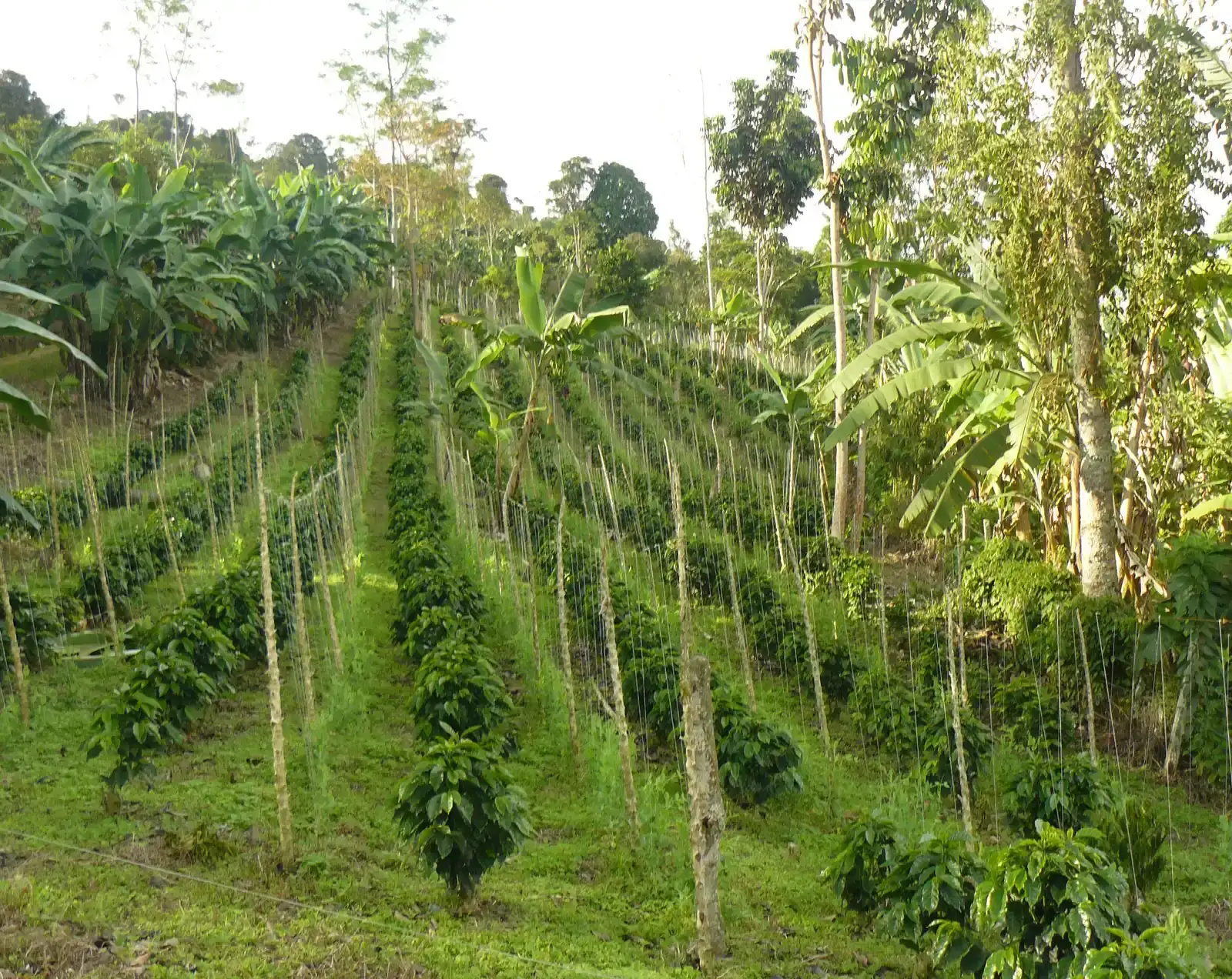
Colombia’s problem is a mix of warmth and unusual rain. The country faces 48 extra days of coffee-damaging heat, according to Climate Central. The USDA also cut its 2025/26 estimate, lowering it by 1.3 million bags to 12.5 million because of excessive rain and cloud cover.
Cloud cover matters because it disrupts flowering. Some farmers are responding by moving upslope, though that route is expensive and limited. There’s only so much mountain to climb.
Sumatra and Java, Indonesia
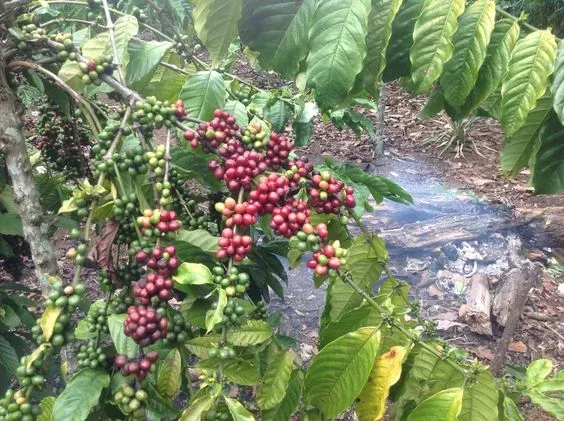
Indonesia has some of the heaviest heat burden of the big producers. Climate Central’s numbers show Indonesia has reached 73 extra days of damaging heat. That’s higher than Brazil’s figure.
Production swings have been sharp. USDA data show output fell to 8.15 million bags in 2023/24, then recovered to around 10.7 million the next year. The latest forecast has Indonesian production dropping 1.0 million bags to 11.4 million in 2026/27, which suggests the recovery isn’t a straight line.
Highland Forests of Ethiopia
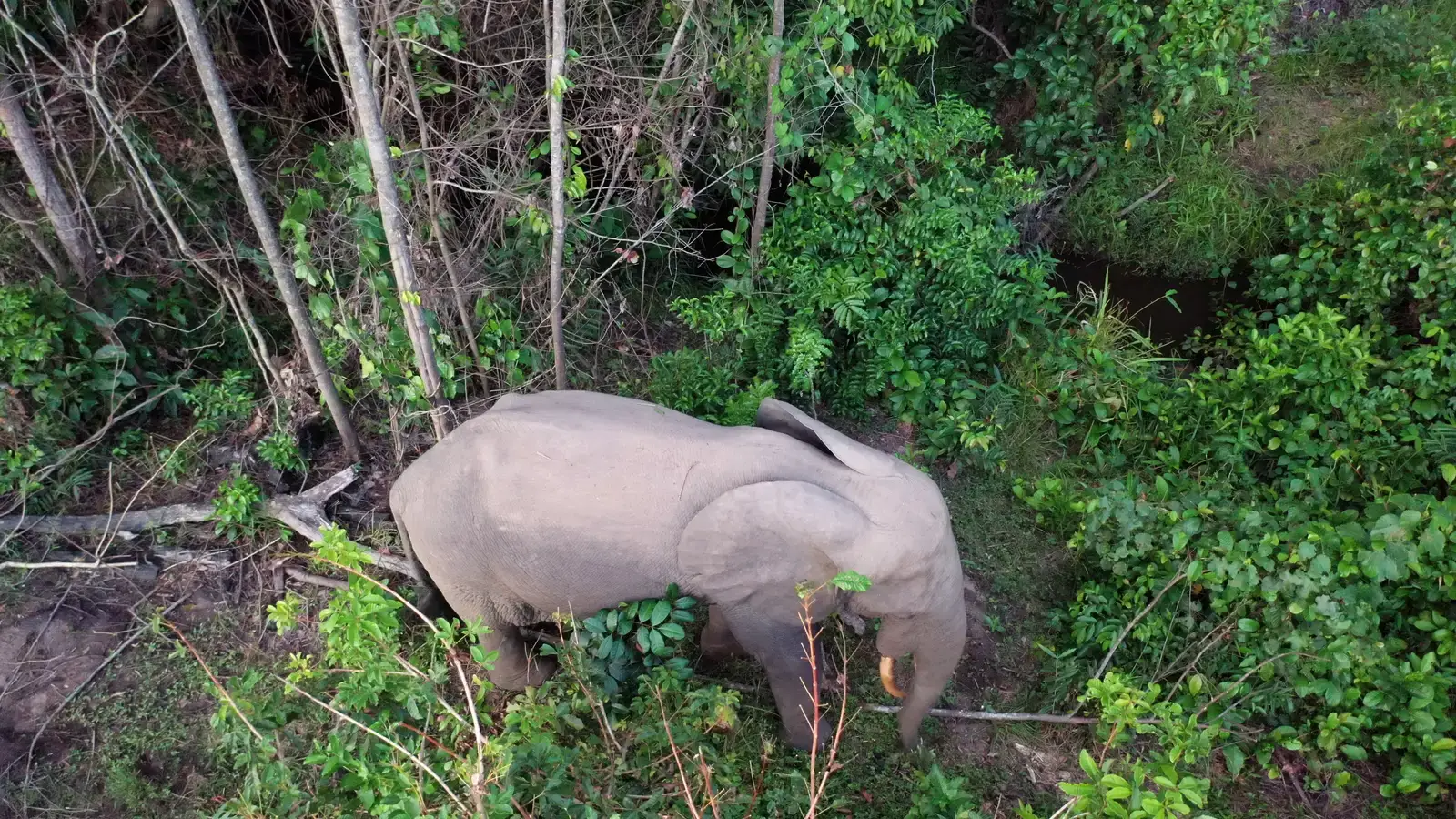
Ethiopia is a tricky entry, so it’s worth being straightforward. Recent USDA figures show record national output, helped by higher yielding varieties, so there’s no clear yield collapse right now. The concern is more structural, since Ethiopia and neighboring origins already face climate driven heat spikes, compounding vulnerability.
Ethiopia is also one of the five countries Climate Central lists as facing sharply more harmful heat days. Projections cited by one climate summary suggest Colombia, Ethiopia and Kenya could face one third declines in suitable growing area by 2050. For Ethiopia’s wild Arabica heritage, that’s the long game to watch.
Guatemala’s Arabica Highlands

Guatemala has seen yields slip, though the main culprit is disease amplified by weather. The USDA reduced its 2025/26 estimate by nearly 400,000 bags to 3.2 million because of coffee cherry borer and coffee rust. That pairs a pest problem with a warming one.
A trade report summarizing the USDA’s attaché work attributed the drop to a higher incidence of coffee rust, due to increased moisture and temperature during the coffee development phase. The same report expects a slight recovery to 3.26 million bags in 2026/27. Rust tends to thrive when conditions turn warm and damp, which is why growers keep an eye on it.
Karnataka’s Coffee Hills, India
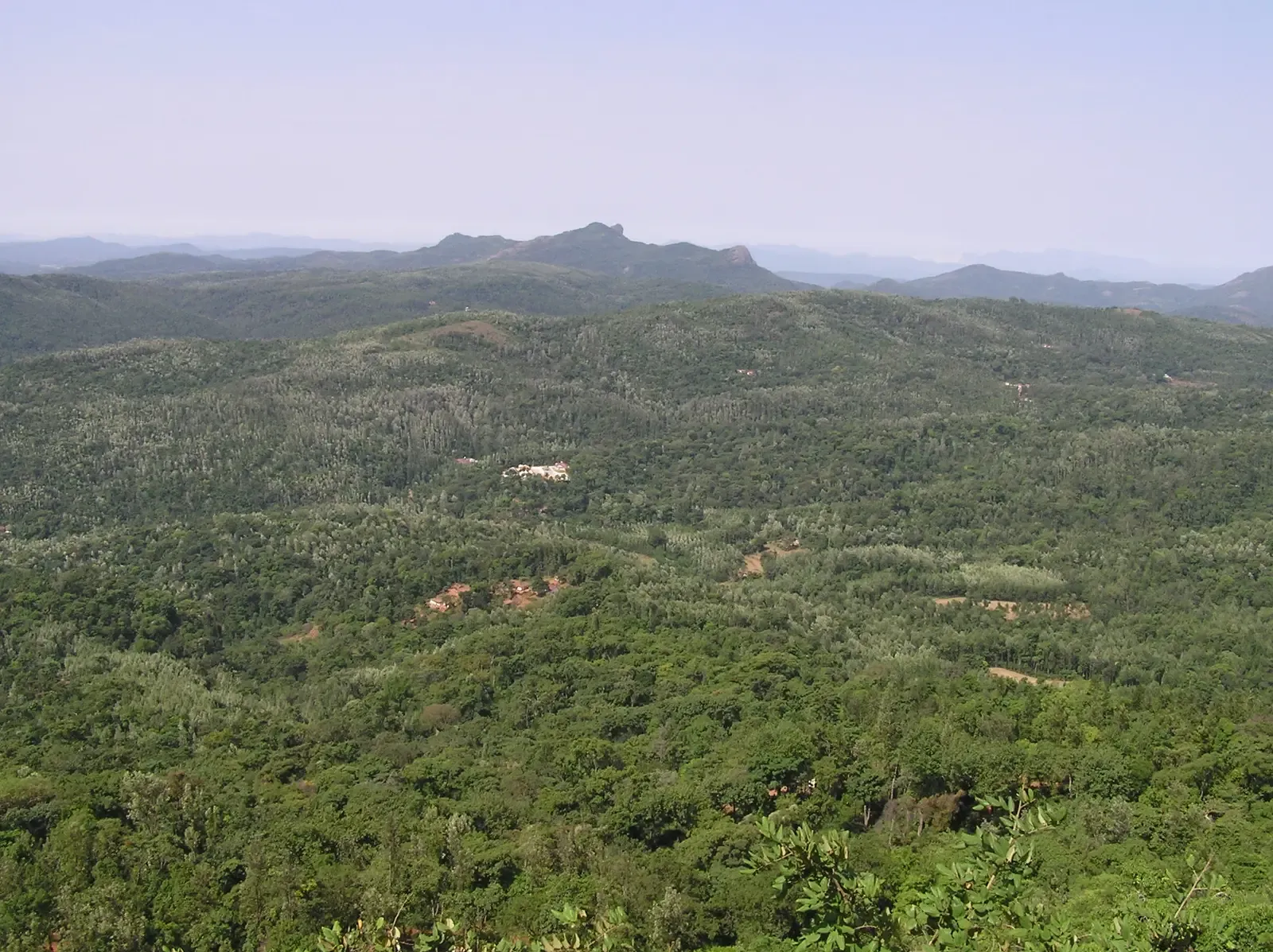
India’s coffee comes mostly from Karnataka, including Kodagu and Chikkamagaluru. The USDA’s Mumbai office says yields, especially for Arabica, are under pressure after excessive rain in January and February followed by an extended dry spell during flowering and fruiting. That’s a weather whiplash, not a steady heat climb.
More recent reports point to similar trouble. An October 2026 market roundup said Karnataka faces a potential 15 to 20 percent output slump as erratic weather and El Niño concerns challenge the season. It also noted that dry, hot weather brought early Arabica picking in Kodagu and Chikkamagaluru. Those are early signals, so final harvest numbers will tell the fuller story.
