


- Oceans Trapped Under 20 Miles of Ice – 5 Moons More Likely to Host Life Than Mars - November 12, 2026
- Record planetary extremes loom as the world’s largest climate summit begins - November 12, 2026
- Will travel insurance cover weather-related flight delays and cancellations? - November 11, 2026
The United States has a lot of volcanoes, and most people don’t realize how many. The country has 161 active volcanoes, all in the western U.S., but only 18 are classified as a “very high threat” in the USGS volcanic threat assessment. That rating looks at what a volcano could do to people and property. It doesn’t predict which one will erupt next.
Here are nine of those 18, taken from the USGS list. The scores come from the 2018 assessment, and the activity notes reflect what’s publicly known through 2026.
Kīlauea, Hawaii
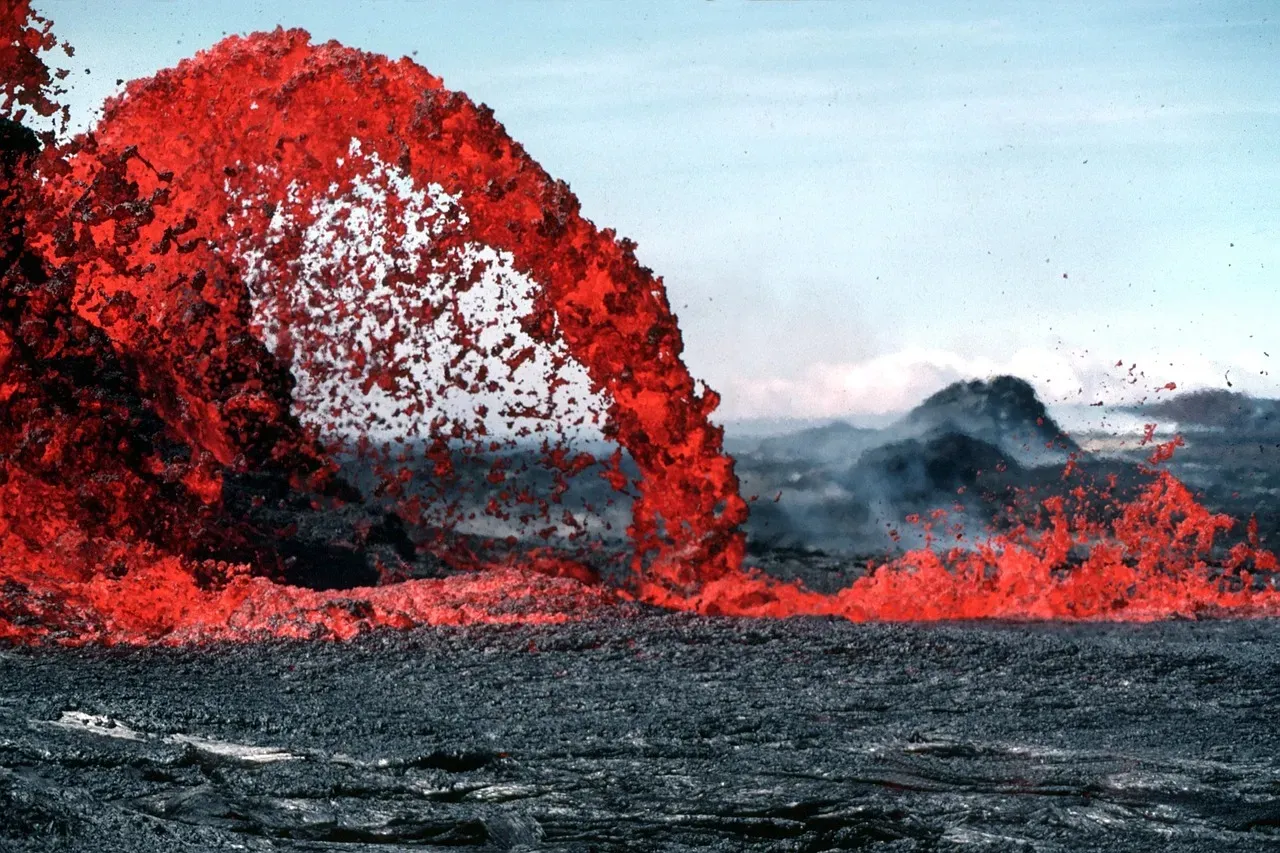
Kīlauea tops the USGS danger list. Its position comes from how often it erupts and how close people live to its rift zones. The 2018 eruption on the Big Island destroyed hundreds of homes.
The volcano is still busy. One 2026 overview notes that Kīlauea has erupted episodically from 2024 through 2026, with lava fountains and lava lakes in Halemaʻumaʻu crater. The USGS Hawaiian Volcano Observatory tracks it with seismometers, GPS receivers, tiltmeters and gas sensors.
Mount St. Helens, Washington
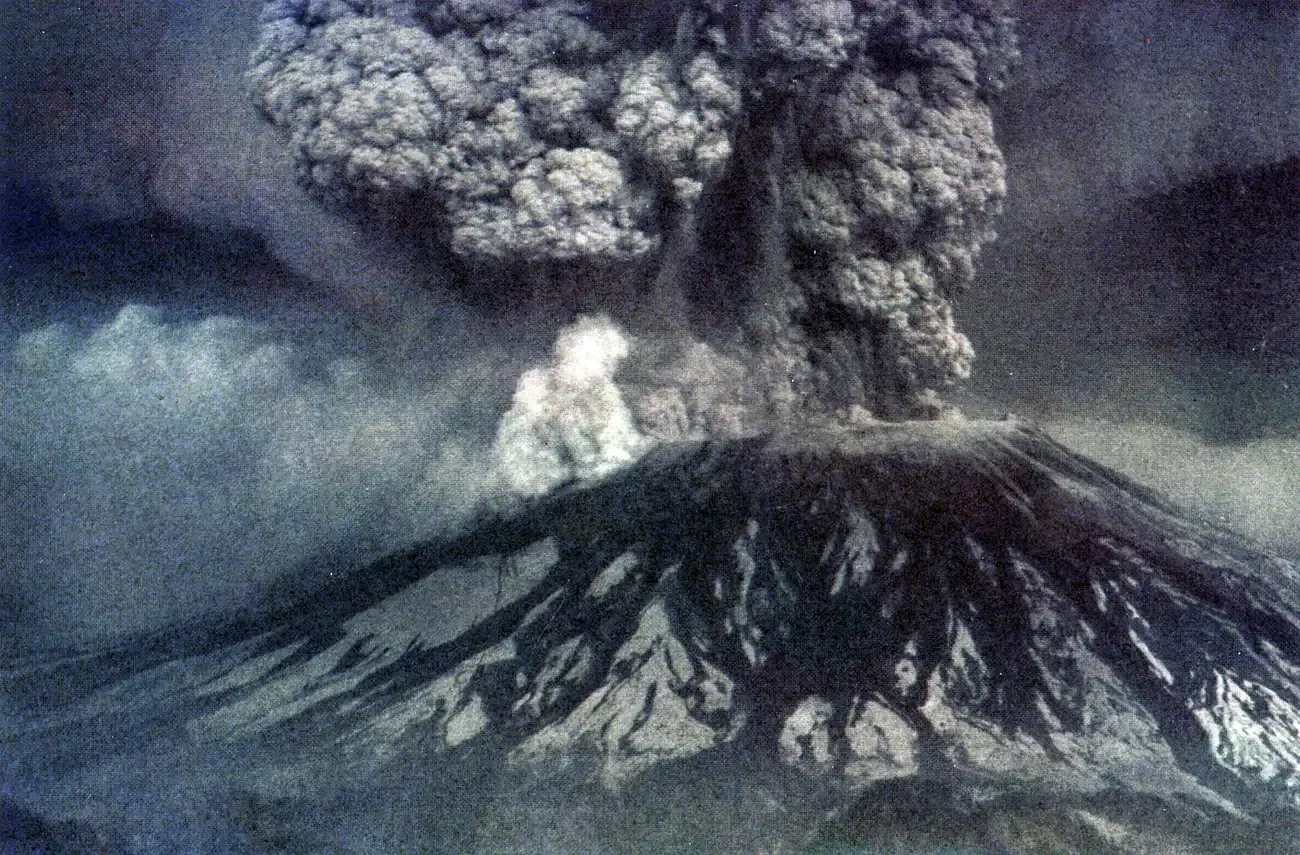
Mount St. Helens ranks second on the national list. Its 1980 eruption killed 57 people. It carries the highest threat score of any volcano in the contiguous United States.
The volcano last erupted from 2004 to 2008, when a lava dome slowly grew inside the crater. Seismic networks and gas sensors monitor it continuously. The Cascades Volcano Observatory in Vancouver, Washington, handles that work.
Mount Rainier, Washington
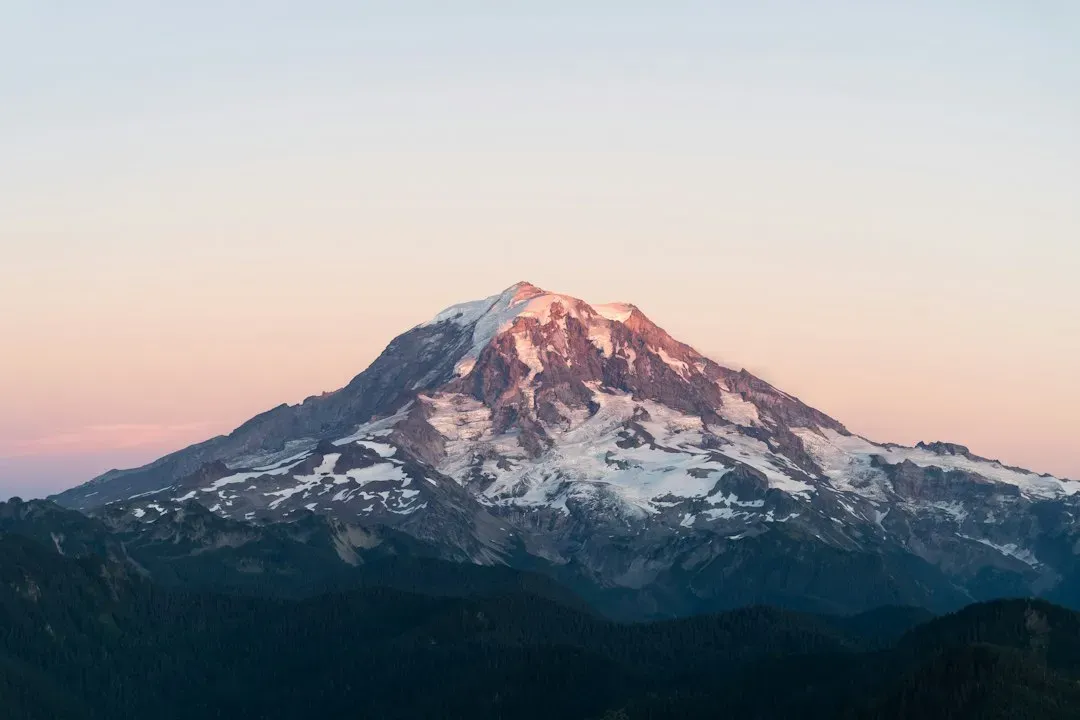
Rainier ranks third overall, but its real danger is water and mud. It has the highest number of people in its downstream hazard zone, about 300,000, according to a USGS geologist who co-wrote the report. Those people live on top of old lahar deposits in river valleys south of Seattle and Tacoma.
Rainier is covered in more glacier ice than any other peak in the lower 48 states. A volcanic flow can melt that ice and send a lahar racing down the valleys. Its last eruption was around 1450 CE, and monitoring data in 2026 shows normal background levels.
Redoubt Volcano, Alaska
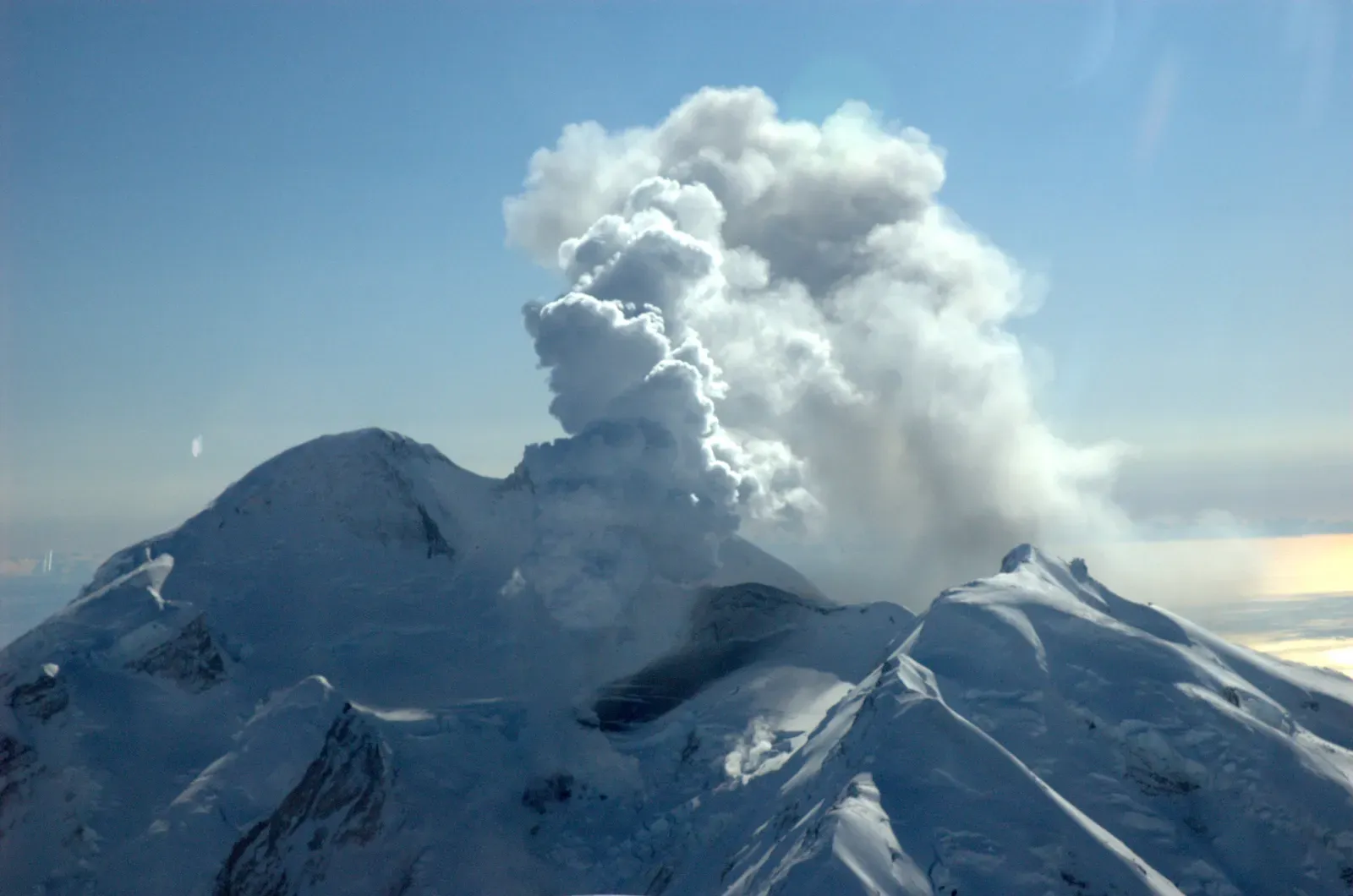
Redoubt sits across Cook Inlet from Kenai, and the USGS ranks it in the top five nationally. Its threat score rose in the 2018 update. Air traffic is a large part of the reason.
The volcano’s 1989 and 1990 eruptions became a case study in aviation safety. A passenger jet flew into its ash cloud and lost power in all four engines before the crew restarted them. Redoubt erupted again in 2009, and the Alaska Volcano Observatory still watches it closely.
Mount Shasta, California
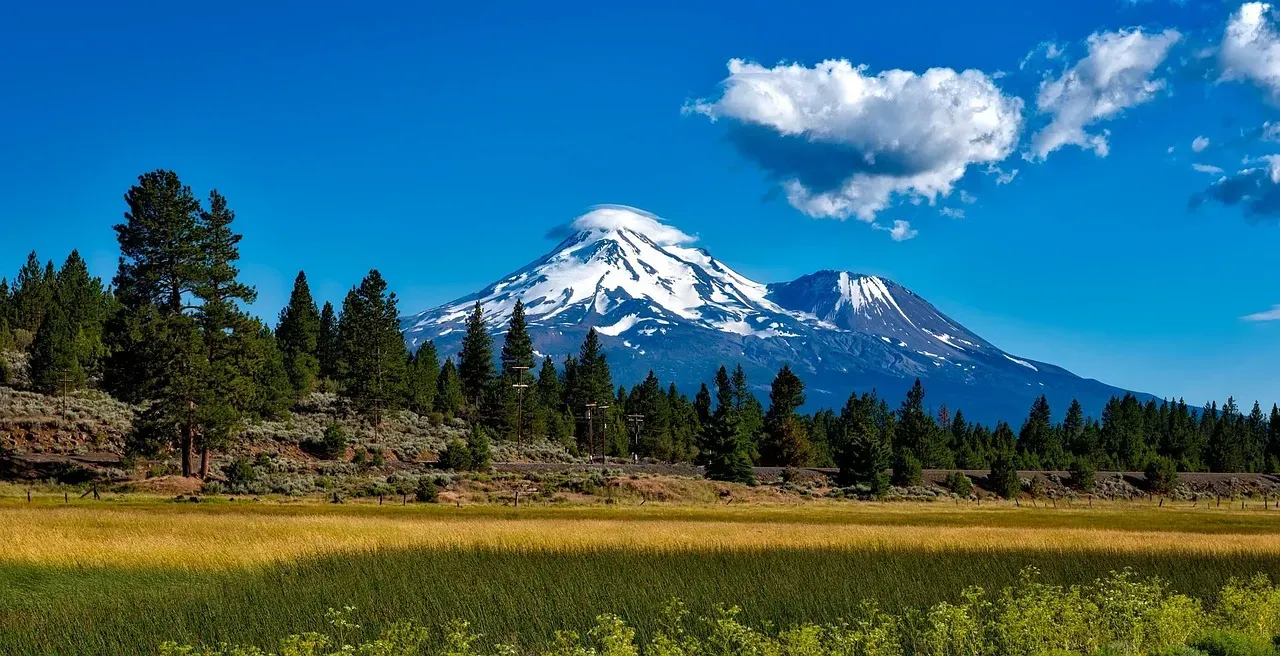
Mount Shasta ranks fifth on the list. It is one of the top five alongside Kīlauea, St. Helens, Rainier and Redoubt. The mountain towers over northern California, and towns such as Mount Shasta City and Weed sit near its base.
Shasta is a large composite volcano that has built several cones over time. Its eruptions have produced lava domes, pyroclastic flows and lahars. It hasn’t erupted in modern recorded history, but the USGS still treats it as a live volcano.
Mount Hood, Oregon
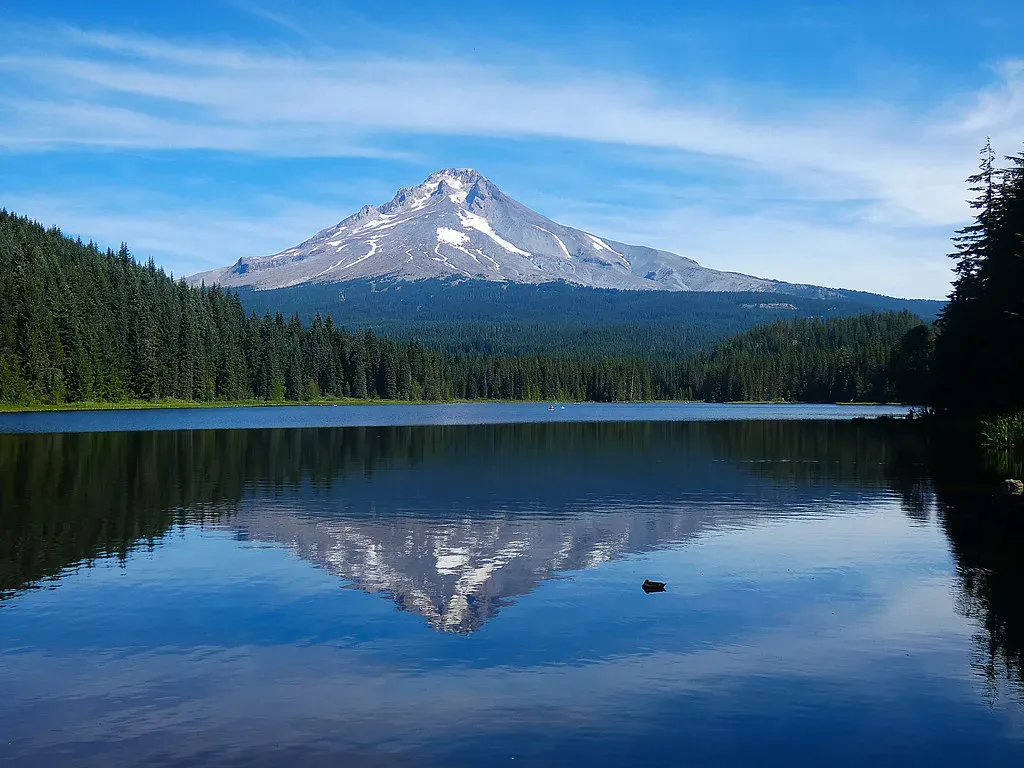
Mount Hood ranked sixth on the 2018 list. It earns its place less for how violently it erupts than for what lies downstream and downwind. The Portland metro area is close enough that ash and lahars would be a real concern.
Hood’s eruptions have been modest in recent centuries. The last significant episodes happened in the late 1700s and early 1800s, shortly before European settlers arrived. Small earthquake swarms occasionally shake the mountain, and these are monitored by the Cascades Volcano Observatory.
Mount Spurr, Alaska
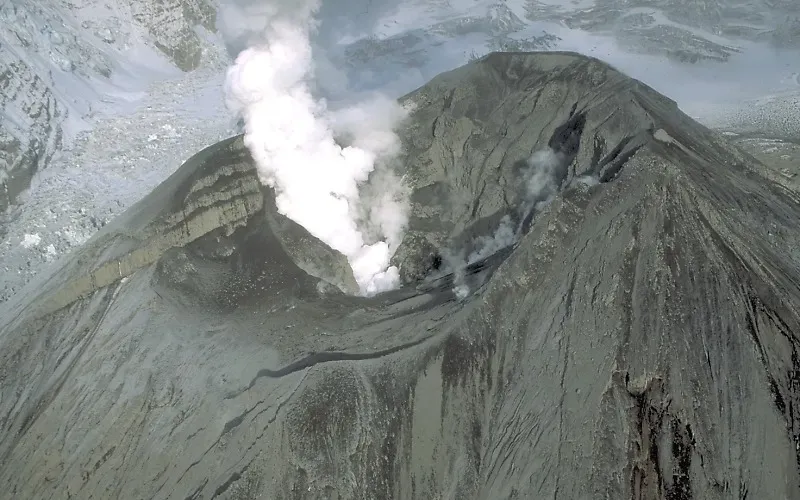
Mount Spurr ranks tenth on the USGS list. Its threat score went up in the 2018 update. It lies about 80 miles west of Anchorage, which makes the city a likely target for ash fall.
That isn’t just theory. Spurr’s Crater Peak vent erupted in 1953 and again in 1992, and the 1992 event dropped ash on Anchorage and disrupted flights. Since then, the Alaska Volcano Observatory has tracked periods of increased seismic and gas activity there.
Mount Baker, Washington
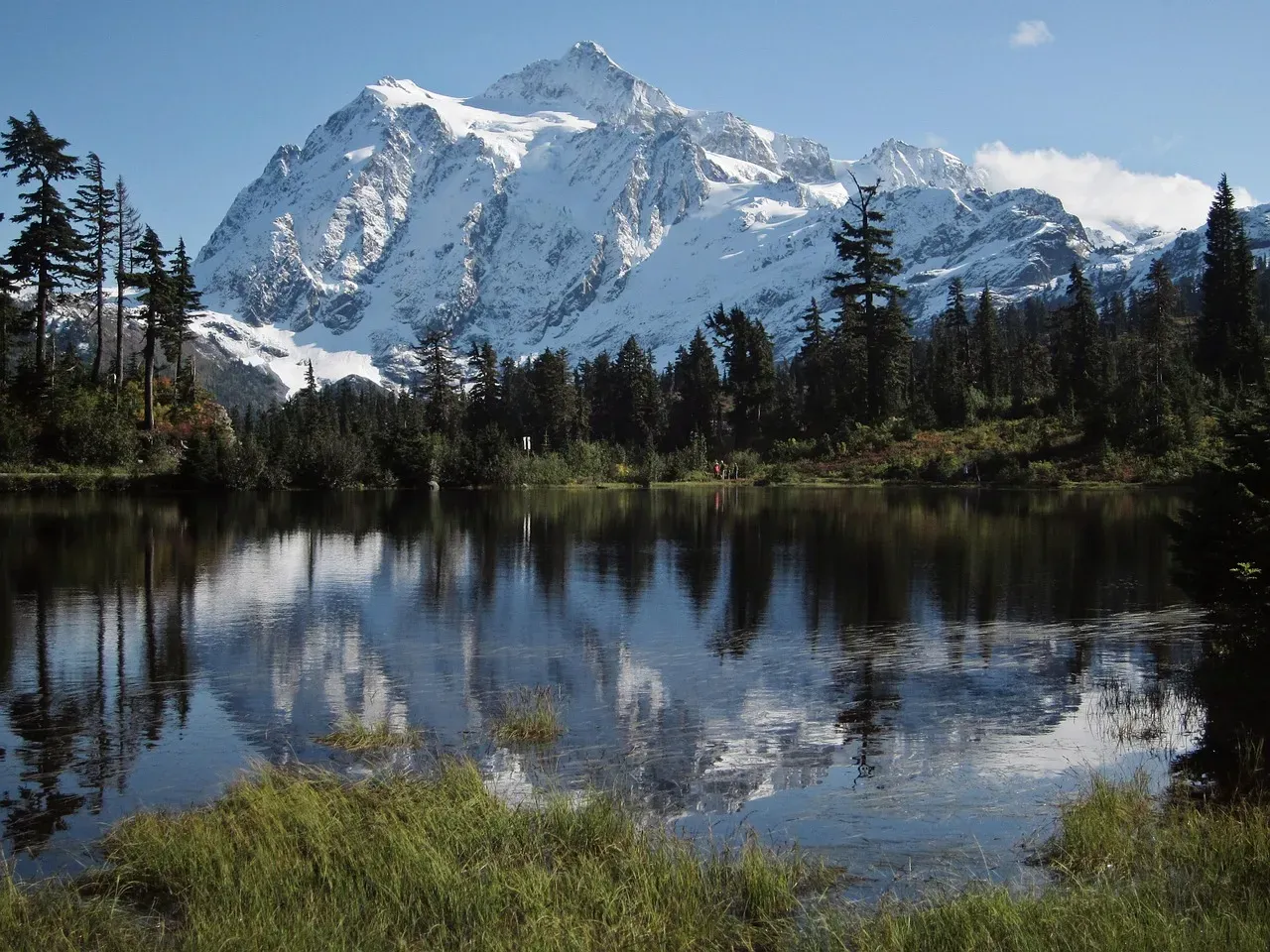
Mount Baker ranks fourteenth on the list. It’s the most heavily glaciated of the Cascade volcanoes after Rainier, which sets up the possibility of lahars. Its steam vents are a reminder that the volcano is still alive underneath.
In 1975, a sudden jump in heat flow from Sherman Crater made officials worry about an eruption. Authorities closed the nearby Baker Lake area to visitors for a time. The mountain settled down, but the episode led to better monitoring across the North Cascades.
Glacier Peak, Washington
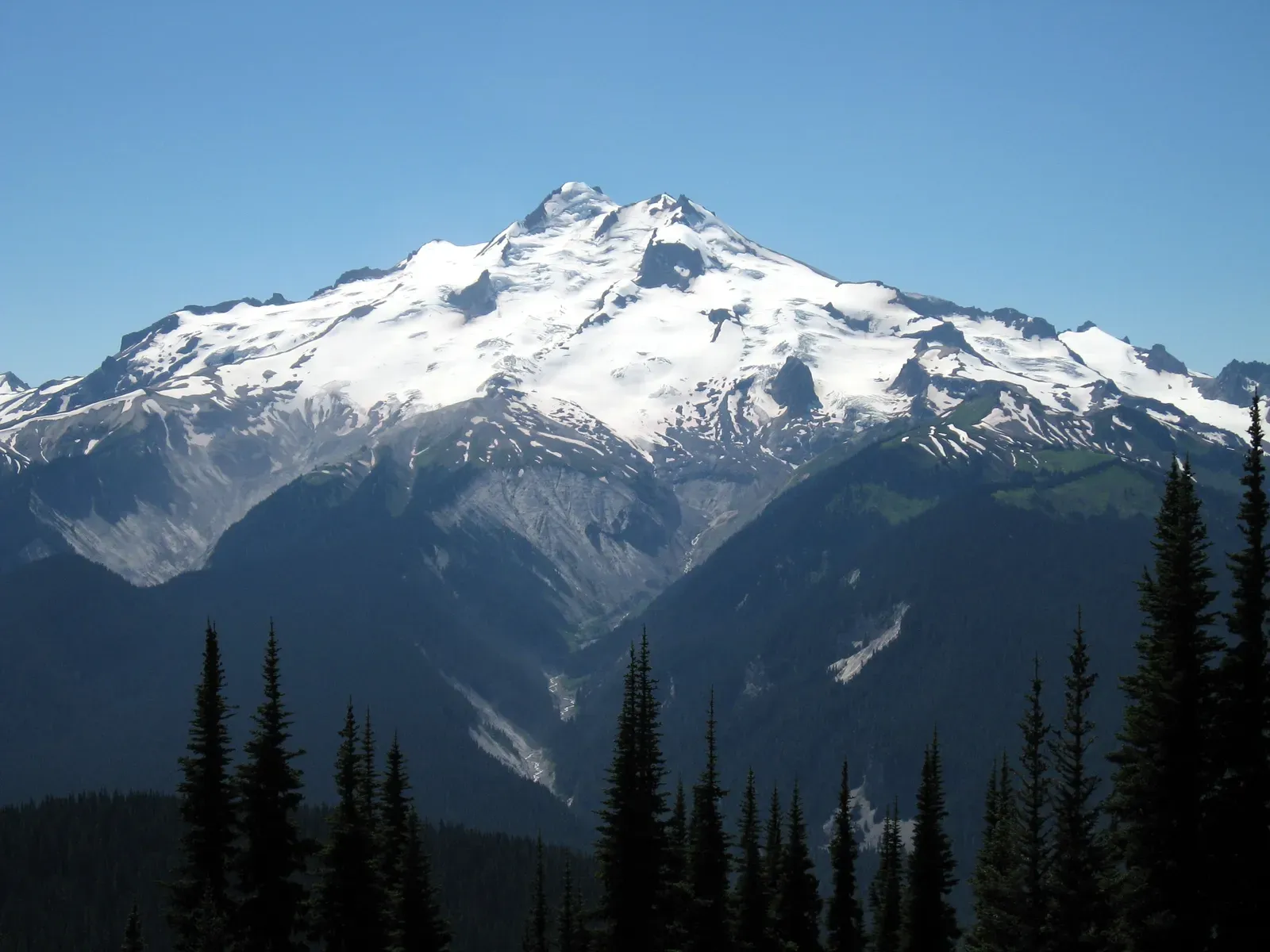
Glacier Peak ranks fifteenth. It carries a “very high” threat level. The mountain sits in a remote wilderness area, but its downstream valleys hold communities along the Skagit and Stillaguamish river systems.
It is known as one of the most explosive volcanoes in the Cascades, with a history of large ash eruptions over the past several thousand years. Because of its remote setting, it gets less public attention than Rainier or St. Helens. Even so, the USGS includes it among the Cascade volcanoes with very high threat potential, next to Baker, Hood, Rainier and St. Helens.
