


- NASA invites students to design a moon base in $1 million challenge - November 11, 2026
- Why Some People Can Feel a Storm in Their Joints, According to Experts - November 11, 2026
- 7 Foods That Taste Better on a Rainy Day, According to Chefs - November 11, 2026
People in hot places have never waited for air conditioning to figure out how to eat through a heatwave. Over generations, home cooks learned which foods felt light, which ones held water, and which ones could be served cold without much fuss.
The dishes below come from very different corners of the world. Some lean on chilled liquid, some on fermented grains, and a few on chili, which works in a way you might not expect. Here’s how each one earned its place at the summer table.
Gazpacho, Spain

Gazpacho is a cold soup from Andalusia, in southern Spain, where summer afternoons regularly push past forty degrees Celsius. It’s usually built from ripe tomatoes, cucumber, peppers, garlic, olive oil, vinegar and a little bread, all blended smooth. Nothing gets cooked, so the kitchen stays cooler too.
Its cooling reputation rests on simple things. Tomatoes and cucumbers are mostly water, and serving the soup chilled brings the body temperature down a little with every spoonful. Many Spaniards also drink it from a glass, which says a lot about how it’s treated, more like a refreshment than a formal starter.
Cucumber Raita, India
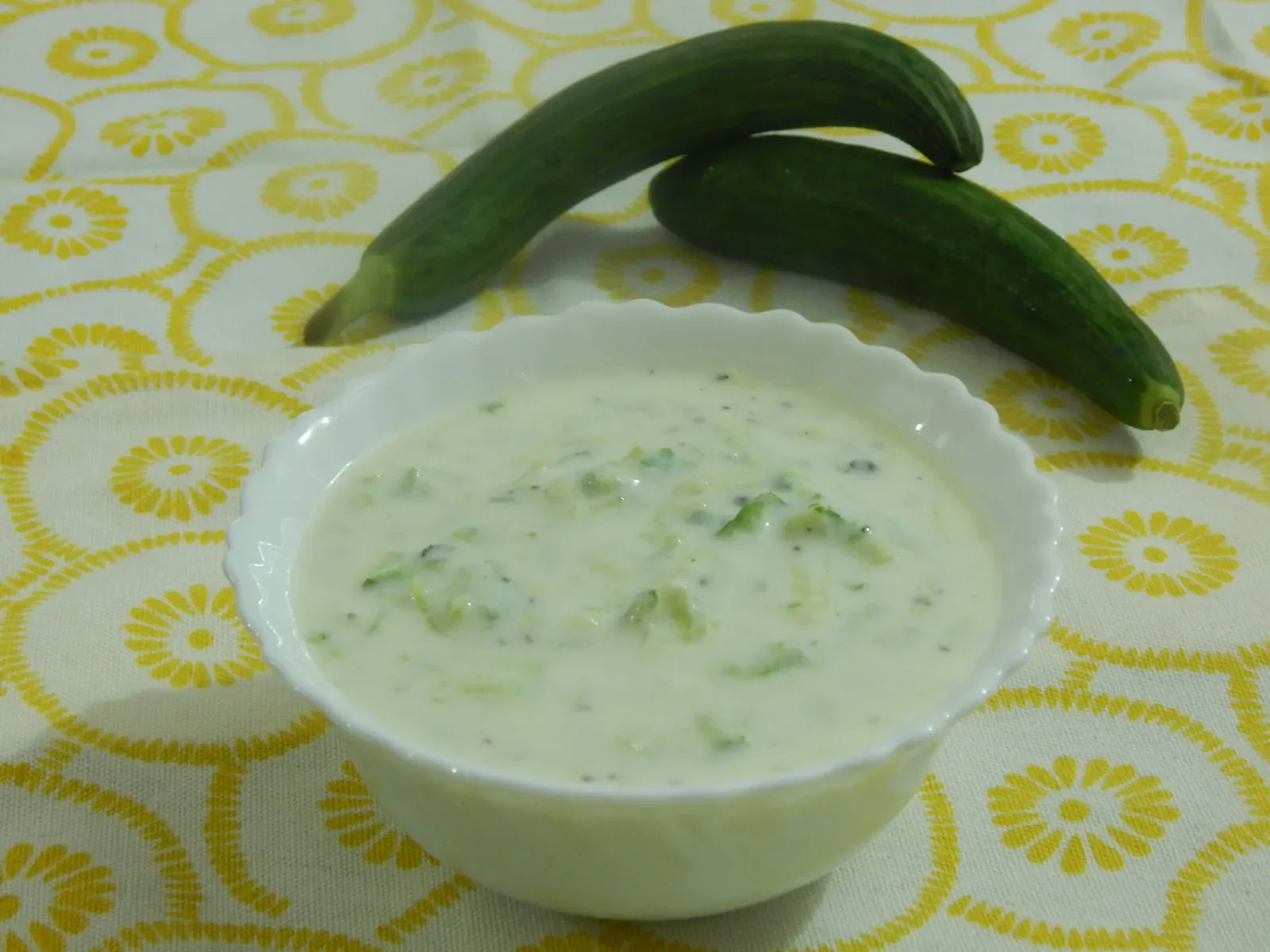
Raita is a yogurt side dish found across India, and the cucumber version is probably the best known. Grated or diced cucumber is folded into whisked curd, then seasoned with roasted cumin, salt and sometimes mint. It sits beside spicy biryanis and curries as a calming counterpoint.
Traditional Indian food thinking, including Ayurveda, describes both yogurt and cucumber as cooling foods. That’s a cultural classification rather than a lab measurement, though the practical effect is easy to feel. Cold, creamy yogurt softens chili heat, and cucumber adds water and crunch.
Som Tam, Thailand
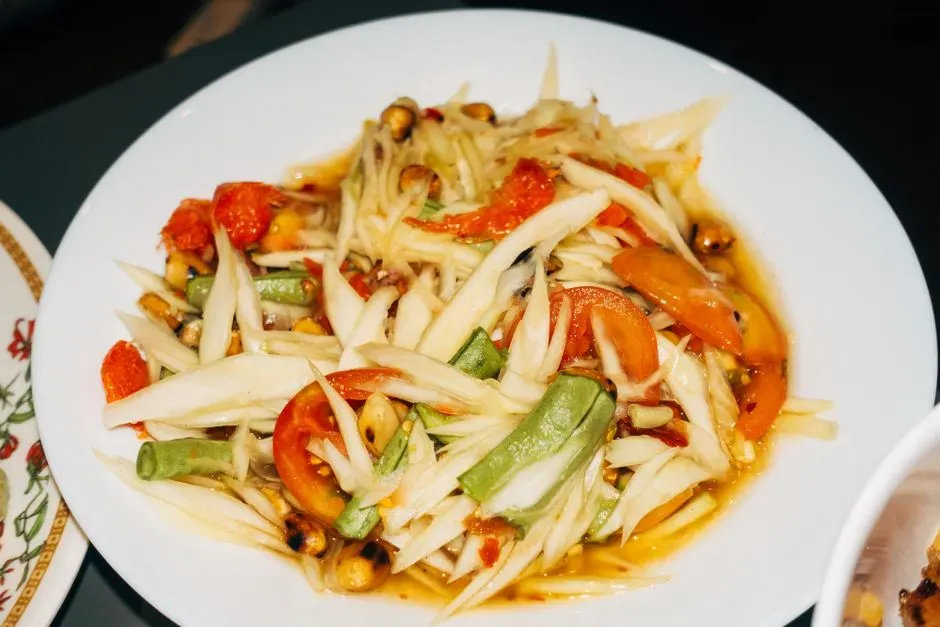
Som tam, the green papaya salad, comes from Thailand and Laos, and it’s especially loved in the northeast of Thailand. Unripe papaya is shredded and pounded in a mortar with chilies, lime juice, fish sauce, palm sugar, garlic and peanuts. The result is crunchy, sour, salty and often fiercely hot.
The heat is part of the logic. Chili triggers sweating, and when sweat evaporates from the skin it helps the body shed heat, which is why spicy food is common in many tropical cuisines. Add the fresh papaya and the sharp lime, and the dish feels bright rather than heavy.
Tabbouleh, Lebanon
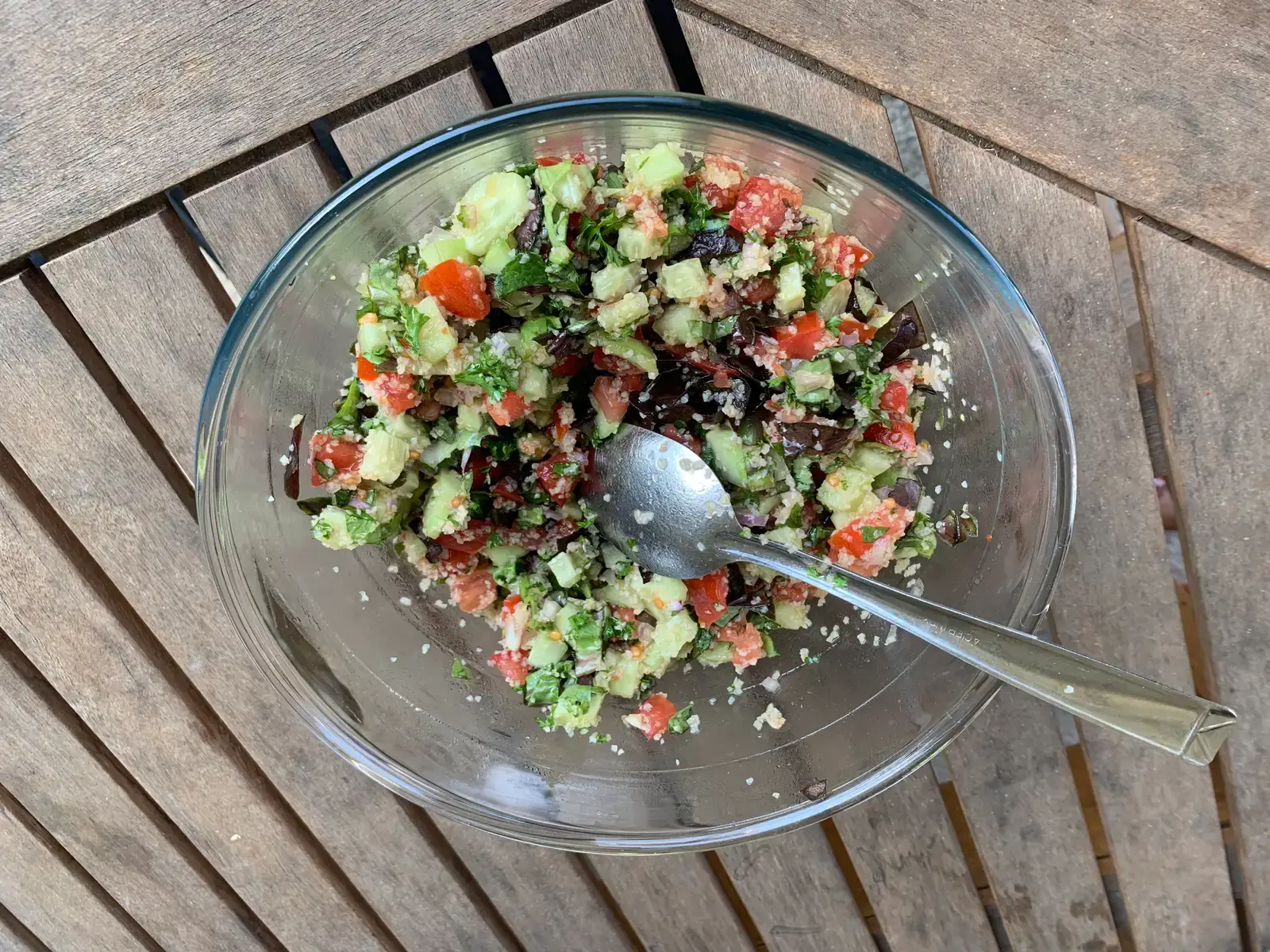
Tabbouleh comes from the mountains of Lebanon and Syria, and it’s mostly a parsley salad rather than a grain one. Finely chopped flat leaf parsley makes up the bulk, with tomato, mint, spring onion, a small amount of fine bulgur, olive oil and lemon juice. Nothing in it needs a stove, apart from the bulgur, which is often just soaked.
That makes it a typical hot weather meze. Raw herbs and tomatoes carry plenty of moisture, and the lemon gives a clean, sharp finish that doesn’t weigh you down. It’s often scooped up with lettuce or cabbage leaves, which keeps the whole plate cool and crisp.
Ceviche, Peru
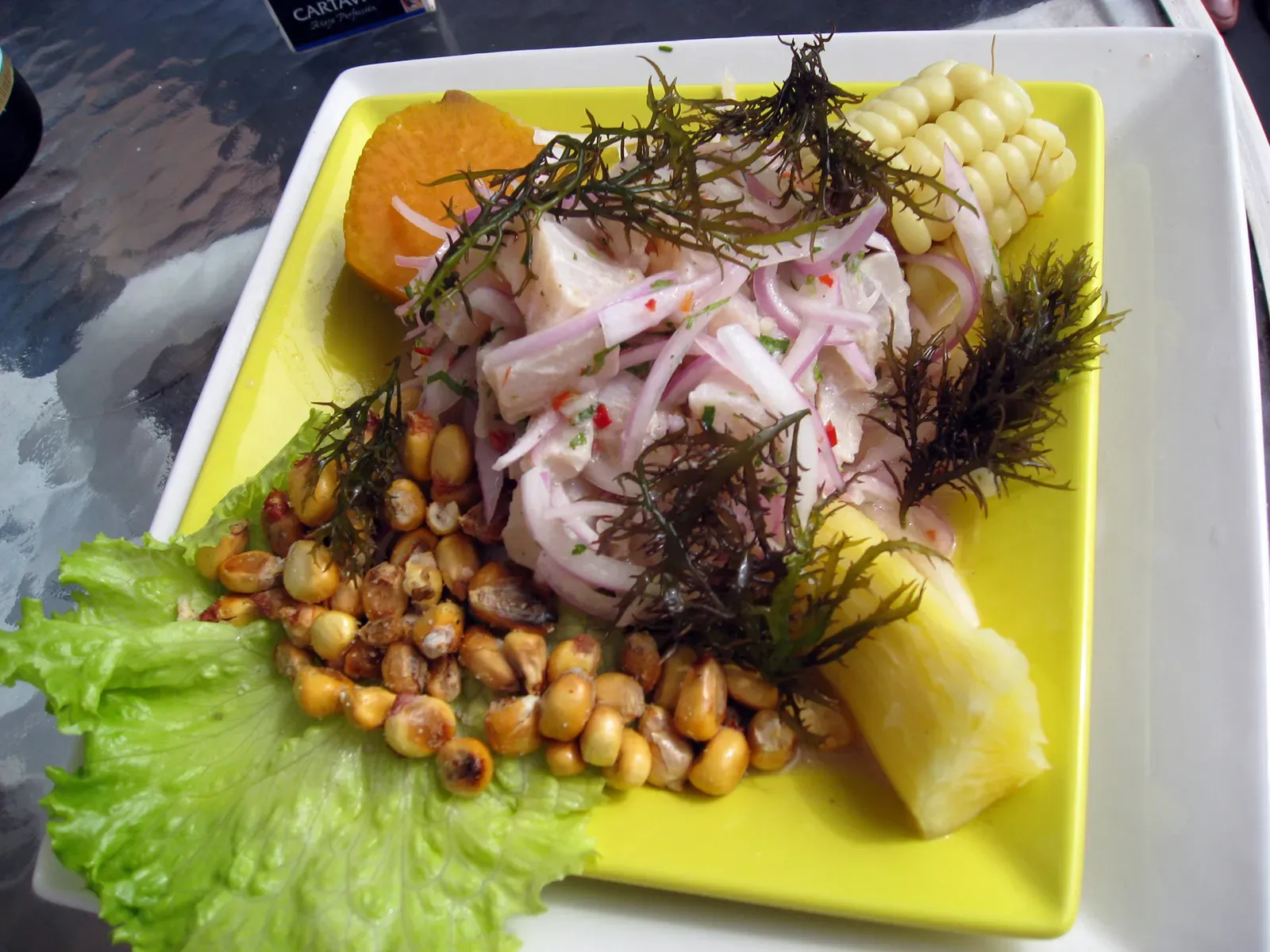
Ceviche is Peru’s coastal signature, made from raw fish cured briefly in fresh lime juice with onion, chili and cilantro. It’s served cold, often with sweet potato and toasted corn on the side. The dish was added to UNESCO’s list of intangible cultural heritage in 2023, which reflects its place in Peruvian life.
Eating it on a hot day makes sense for a few reasons. It requires no cooking, it’s served chilled, and the acid in the lime gives a sharp, refreshing bite. Tradition also favors eating it at lunchtime, when the fish is freshest and the day’s heat is building.
Panta Bhat, Eastern India and Bangladesh
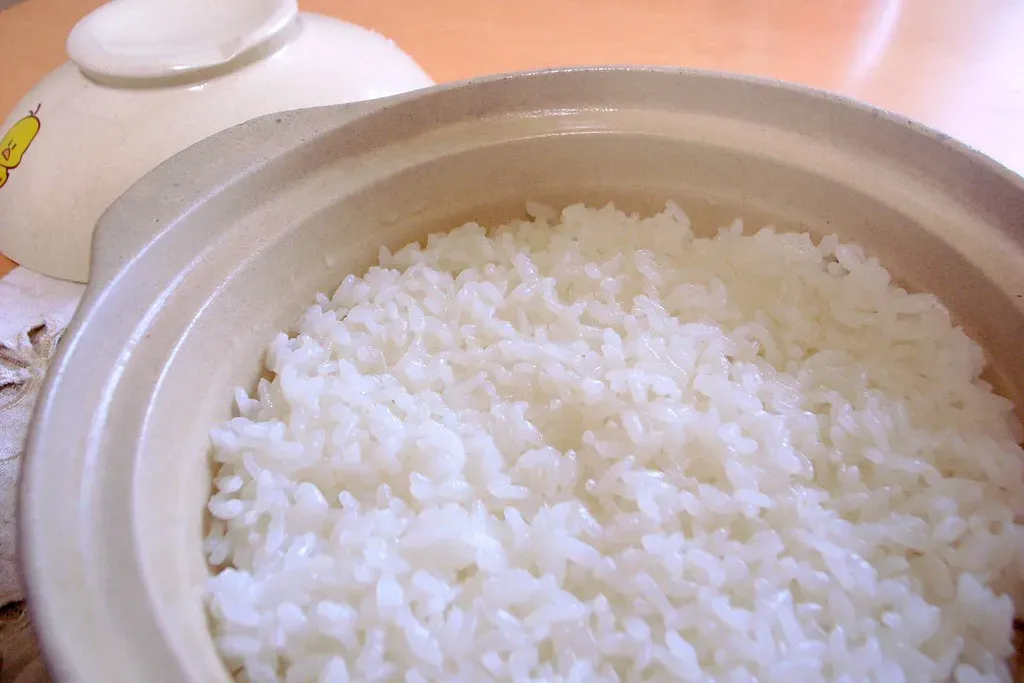
Panta bhat is leftover cooked rice soaked in water and left overnight to ferment lightly. In the morning it’s eaten with salt, raw onion, green chili, mustard oil and maybe fried fish or mashed vegetables. It’s a rural staple in Bengal, Assam and Odisha, where a similar dish is called pakhala.
People there have long regarded it as a summer food that cools the body and keeps energy up for fieldwork. Fermented rice does contain beneficial microbes, though claims about its health benefits are still being studied, so it’s best to treat them with some caution. Panta bhat is also a fixture of Pohela Boishakh, the Bengali New Year in mid April, which falls right as the heat arrives.
Halo-Halo, Philippines
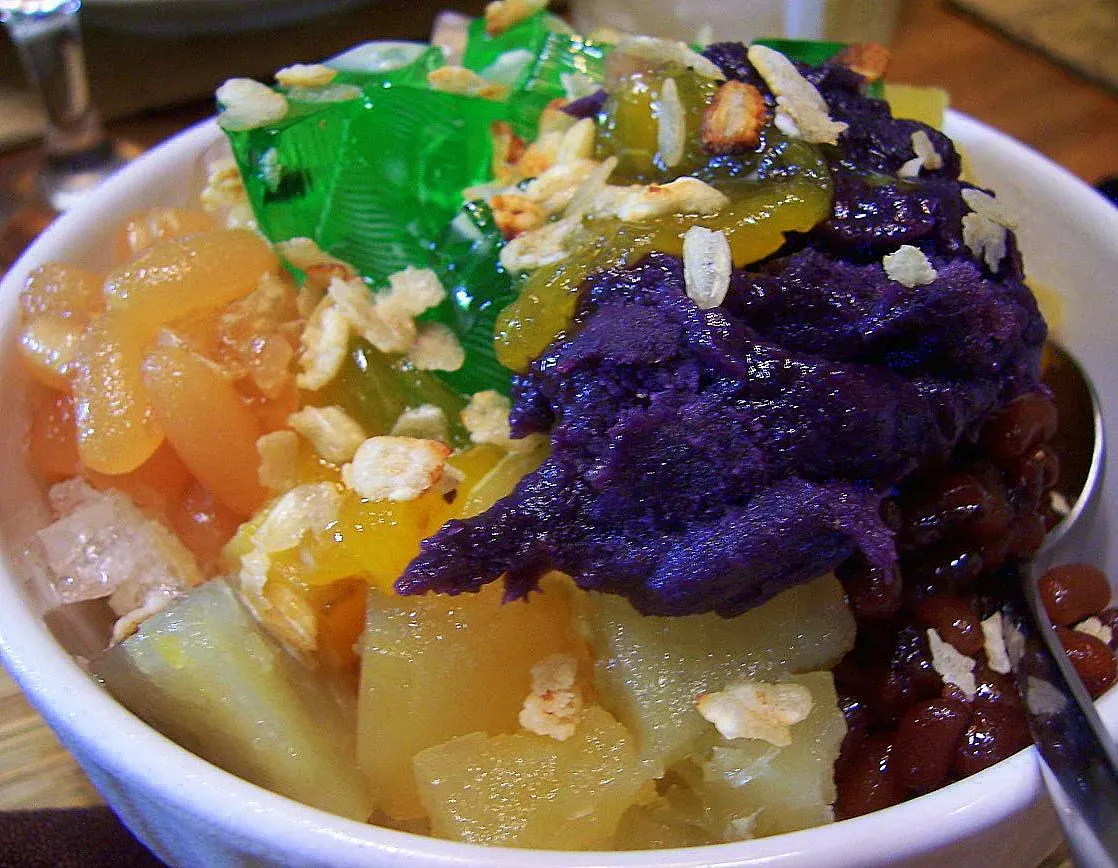
The name means mix mix in Filipino, and that’s exactly the instruction. A tall glass is layered with shaved ice and evaporated milk, then topped with sweetened beans, jellies, bananas, leche flan and often ube ice cream. You stir it all together before eating.
Shaved ice desserts have a long history in Asia, and halo-halo is generally linked to the Japanese kakigori tradition that took root in the Philippines in the early twentieth century. In a country where the heat and humidity hang around for most of the year, it has become the go to dessert of the dry season. It’s less about subtlety and more about ice, plain and simple.
Abdoogh Khiar, Iran
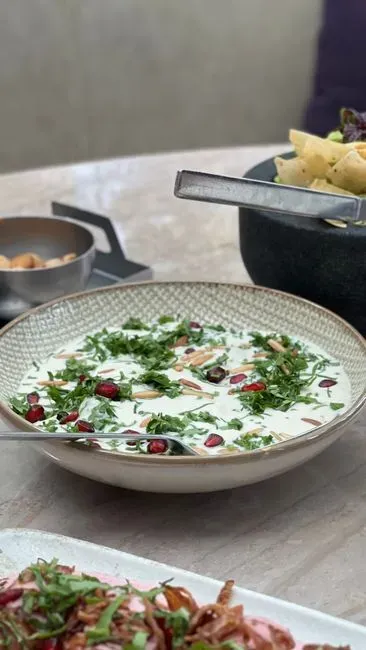
Abdoogh khiar is a chilled Iranian soup made from yogurt thinned with cold water, then loaded with chopped cucumber, raisins, fresh herbs and sometimes walnuts. Ice cubes often go in right before serving. Some versions include crumbled flatbread, which turns the soup into a light meal.
It’s a classic for scorching summer days across Iran, where yogurt based drinks and soups are everyday fare. The combination of cold liquid, cucumber and herbs is one that traditional Persian food culture also describes as cooling. Sweet raisins and savory herbs make it surprisingly satisfying for something so simple.
Hiyashi Chuka, Japan
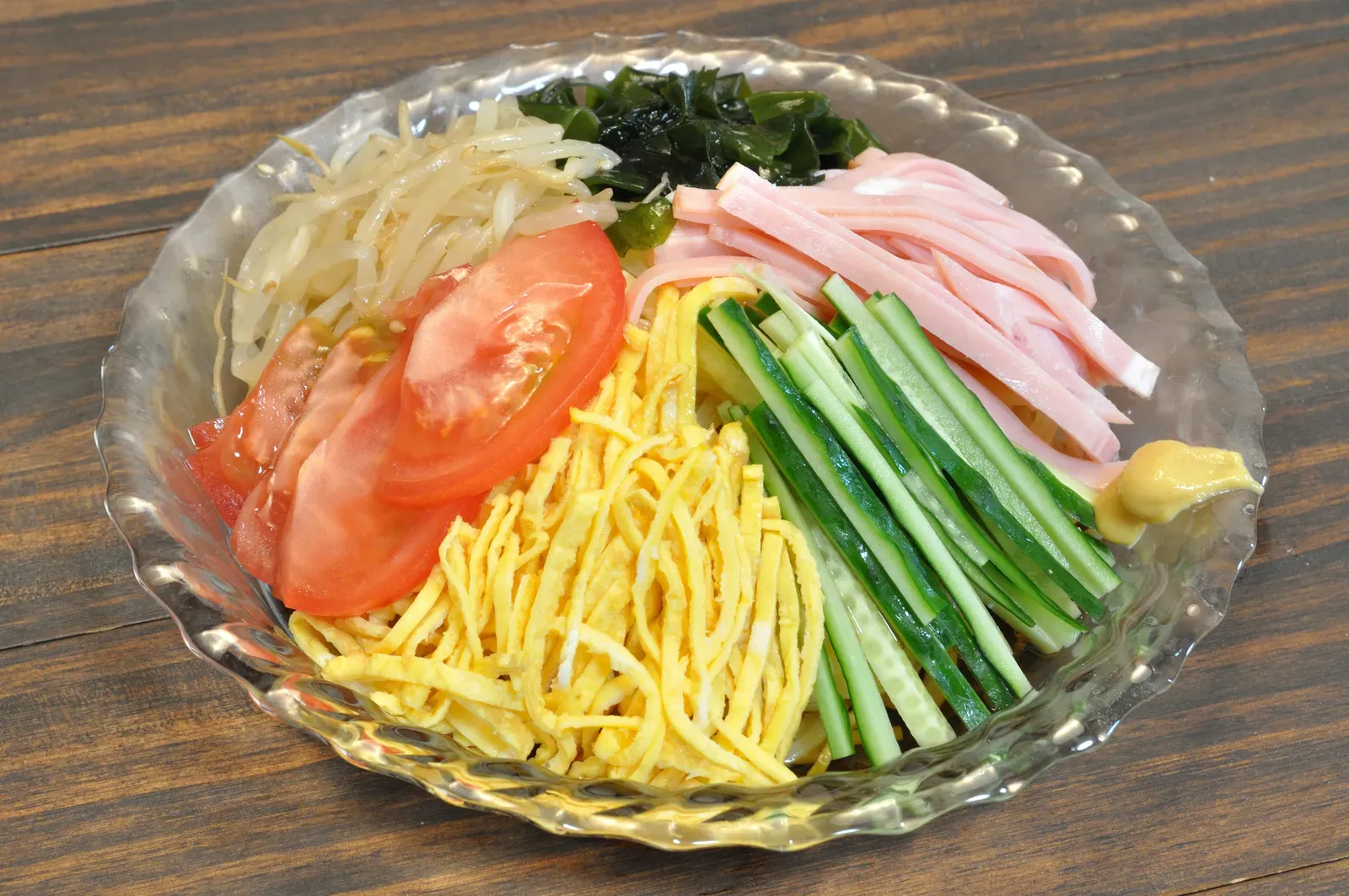
Hiyashi chuka, or chilled Chinese noodles, is a summer dish in Japan, where humid heat in July and August can be oppressive. Cold ramen noodles are topped with strips of cucumber, ham, egg, tomato and sometimes crab, then dressed with a tangy soy and vinegar sauce. Many restaurants put up a sign announcing the start of the season.
The dish works because it lets people eat a proper meal without feeling overheated. Rinsing the noodles in cold water chills them quickly, and the vinegar dressing perks up appetites that the humidity tends to dull. It’s a good reminder that cooling food doesn’t have to mean a salad.
