

Why one state keeps landing at the bottom

When Insurify’s data science team built its Home Insurance Climate Stability Index, they scored every state from zero to one hundred based on how susceptible it is to climate driven cost spikes. The index scores states from 0 to 100 based on their susceptibility to climate-caused spikes in insurance costs, using factors including insurance rates, insurance rate growth, insurer loss ratios, major natural disasters, and estimated major disaster damage per capita. Florida sits at the bottom of that list, and it isn’t close.
Maine, by contrast, earned the top spot. Maine is the least susceptible state to climate-driven insurance spikes, earning the highest score in Insurify’s Home Insurance Climate Stability Index, benefiting from low insurance rates and limited exposure to weather disasters. The contrast between the two states is stark enough that it shows up in nearly every metric insurers track, from raw disaster counts to what homeowners actually pay each year.
A hurricane machine unlike any other state
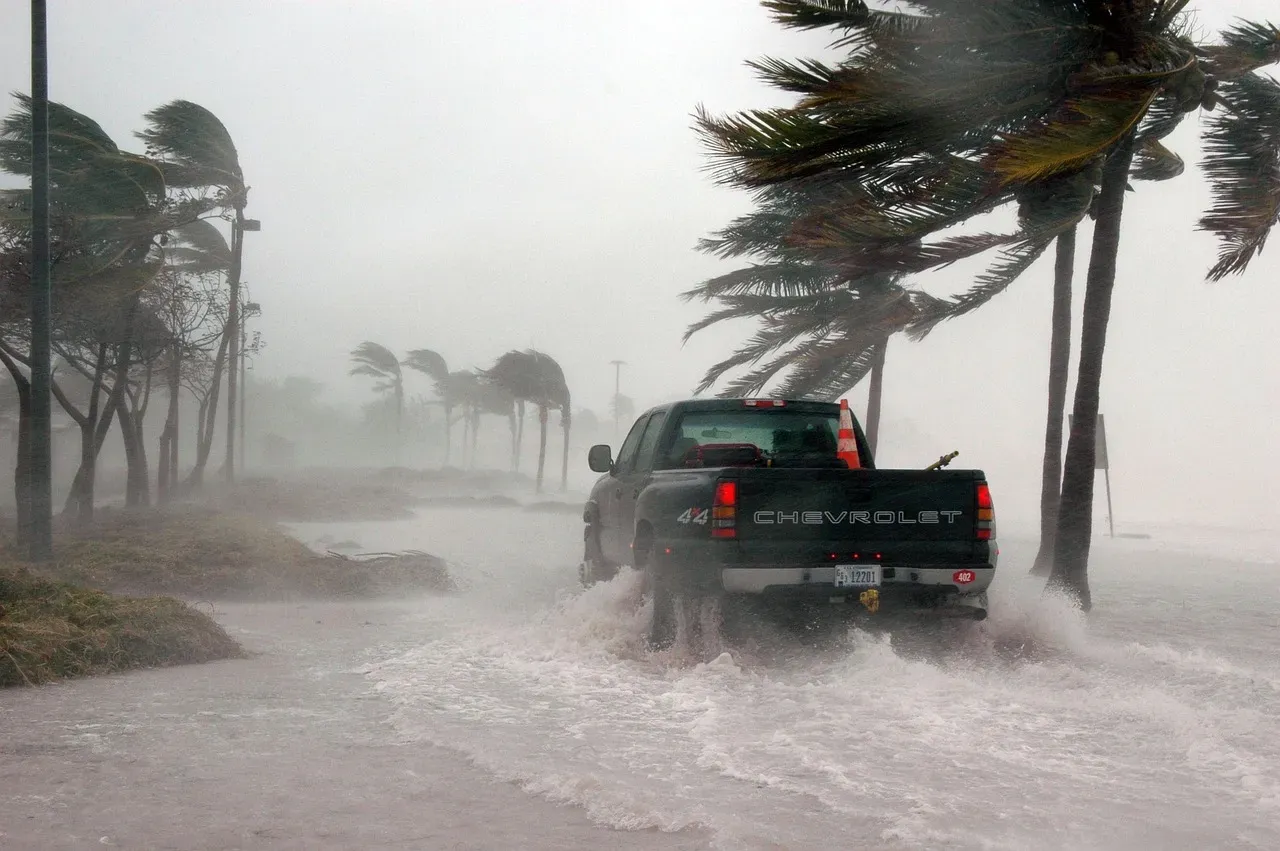
Florida’s geography is essentially built for hurricane exposure. Long coastlines on three sides, warm Gulf waters, and a peninsula shape mean storms have multiple paths to make landfall in any given season. This isn’t a once in a decade problem; it’s a recurring structural feature of living there.
The disaster count backs this up in blunt terms. Washington, D.C. is the only jurisdiction in Insurify’s analysis that has seen no major natural disasters since 2020, while Texas has had 68 major disasters and Florida and Louisiana have each had 34. Few other states can claim that kind of repeated, large scale exposure year after year.
Premiums that dwarf the rest of the country

The financial toll of that exposure shows up directly on homeowners’ bills. Vermont has the lowest average home insurance rates overall, at $954 per year, less than half the national average of $2,584 and 11 times less expensive than Florida’s average rate of $10,675. That eleven times multiplier isn’t a typo or an outlier year; it reflects a market that has been under sustained pressure for years.
Separate research paints a similar picture from a different angle. Analysts estimate the average cost of a homeowner’s policy nationally has risen between 30 to 40 percent in the last five years, more in high-risk states such as Florida, where there are few regulatory caps and the average premium increased by $1,450 between 2020 and 2023, making it the most expensive state for homeowner’s insurance with rates up to four times the national average. Deductibles compound the problem, since many Florida policies carry percentage-based deductibles that can run into the thousands of dollars.
Insurers pulling back, non-renewals rising fast

Faced with mounting losses, several major carriers have simply stepped back from writing new business in the state. This pattern isn’t unique to Florida, but the state has become something of a proving ground for how insurers respond when losses outpace what they can recover through premiums. A year earlier, Allstate paused new homeowners, condo, and commercial insurance policies, citing the need to protect current customers, likely in an effort to stabilize rates amid growing losses.
Non-renewal notices have followed a similar trajectory across high-risk regions. Louisiana, North Carolina, California, and Massachusetts ranked right behind Florida, and homeowners in the top 20% of highest-risk ZIP codes paid 82% more in premiums than those in the lowest-risk areas. When companies can’t raise rates enough to cover their risk, dropping policies becomes the next lever they pull.
Total disaster damage tells its own story
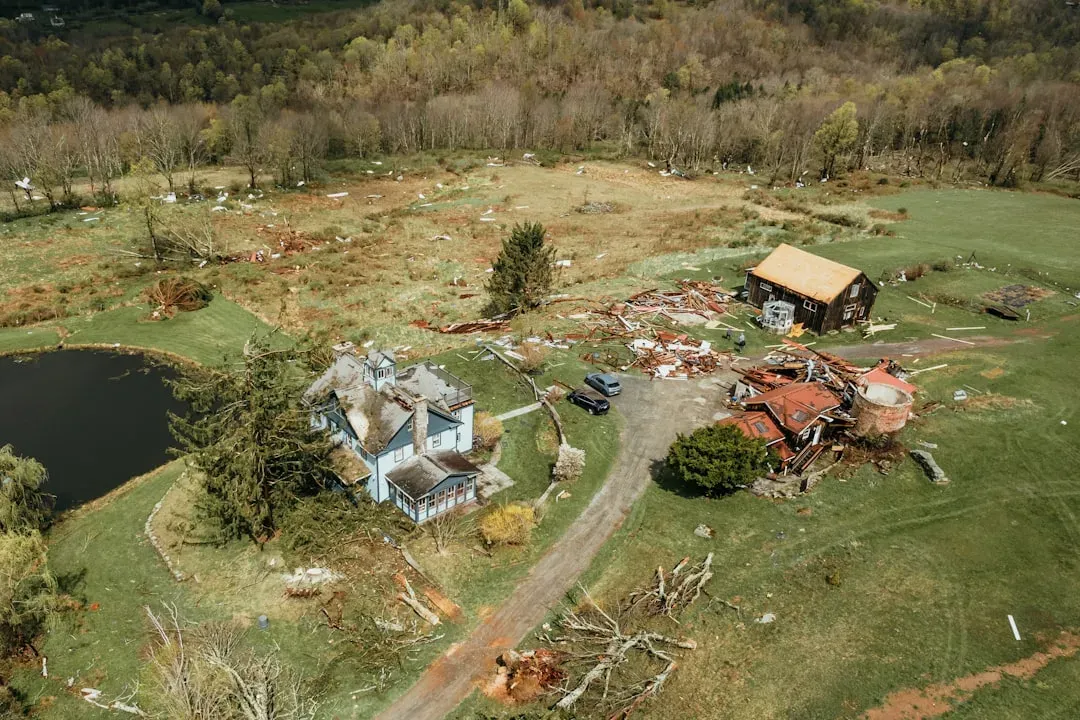
Beyond storm counts, the dollar figures attached to Florida’s disaster history are staggering on their own. Florida sustained a staggering $237 billion in disaster damage from 2020 through 2024, increasing non-renewal rates and stoking the state’s insurance crisis. That figure covers just a five-year window, which gives a sense of how quickly losses have compounded in recent years.
Nationally, the picture is trending the same direction, just at a smaller scale everywhere else. Natural disasters have caused $747 billion in damages in the U.S. since the start of 2020, and over that time the average home insurance rate climbed from $1,959 to $2,584. Florida’s share of that national total is disproportionate relative to its population, which is exactly why insurers treat it differently from most other states.
Flooding piles on top of wind risk
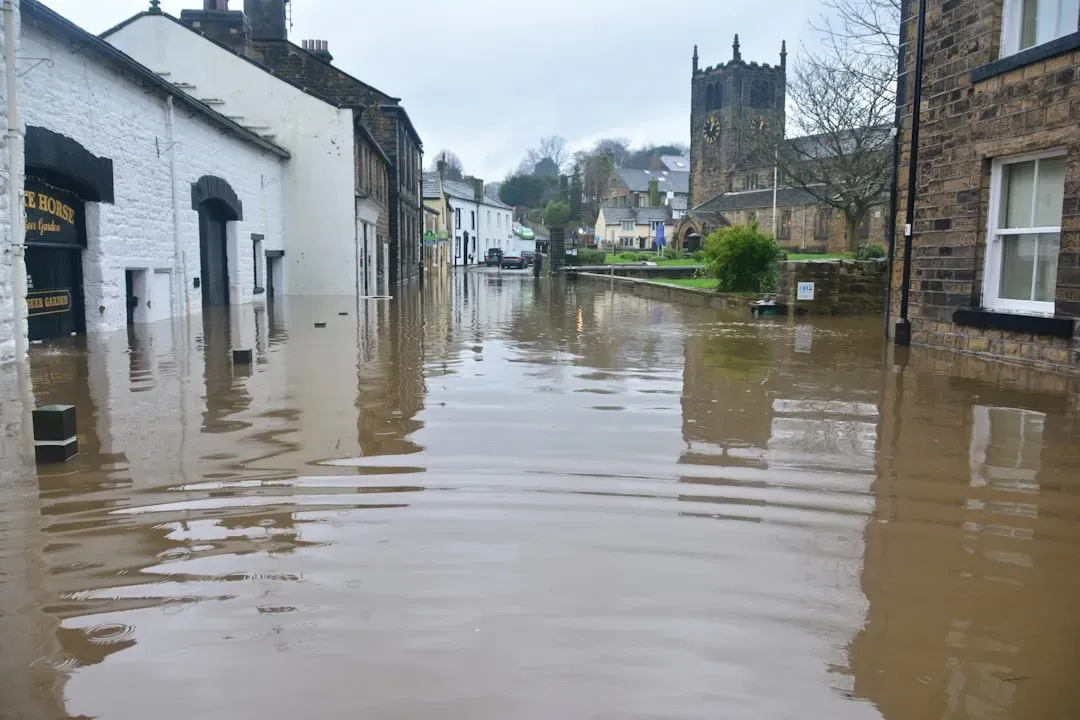
Hurricanes bring wind damage, but the flooding that follows often causes even more destruction, and it’s frequently a separate insurance policy altogether. Florida and Louisiana are at the highest risk for floods, followed by Texas, New Jersey and North Carolina, and from 2020 to 2025 the National Flood Insurance Program paid the most in flood insurance claims in these states. Standard homeowners policies typically exclude flood damage, leaving residents to buy separate coverage through the federal program or private flood insurers.
That gap between hurricane risk and flood risk creates a coverage problem many homeowners don’t realize until it’s too late. Storm surge alone can inundate homes miles from the coast, and rising sea levels are steadily expanding the footprint of areas considered high risk. It’s a layered exposure that few other states have to manage at this scale.
A long history of federal disaster declarations
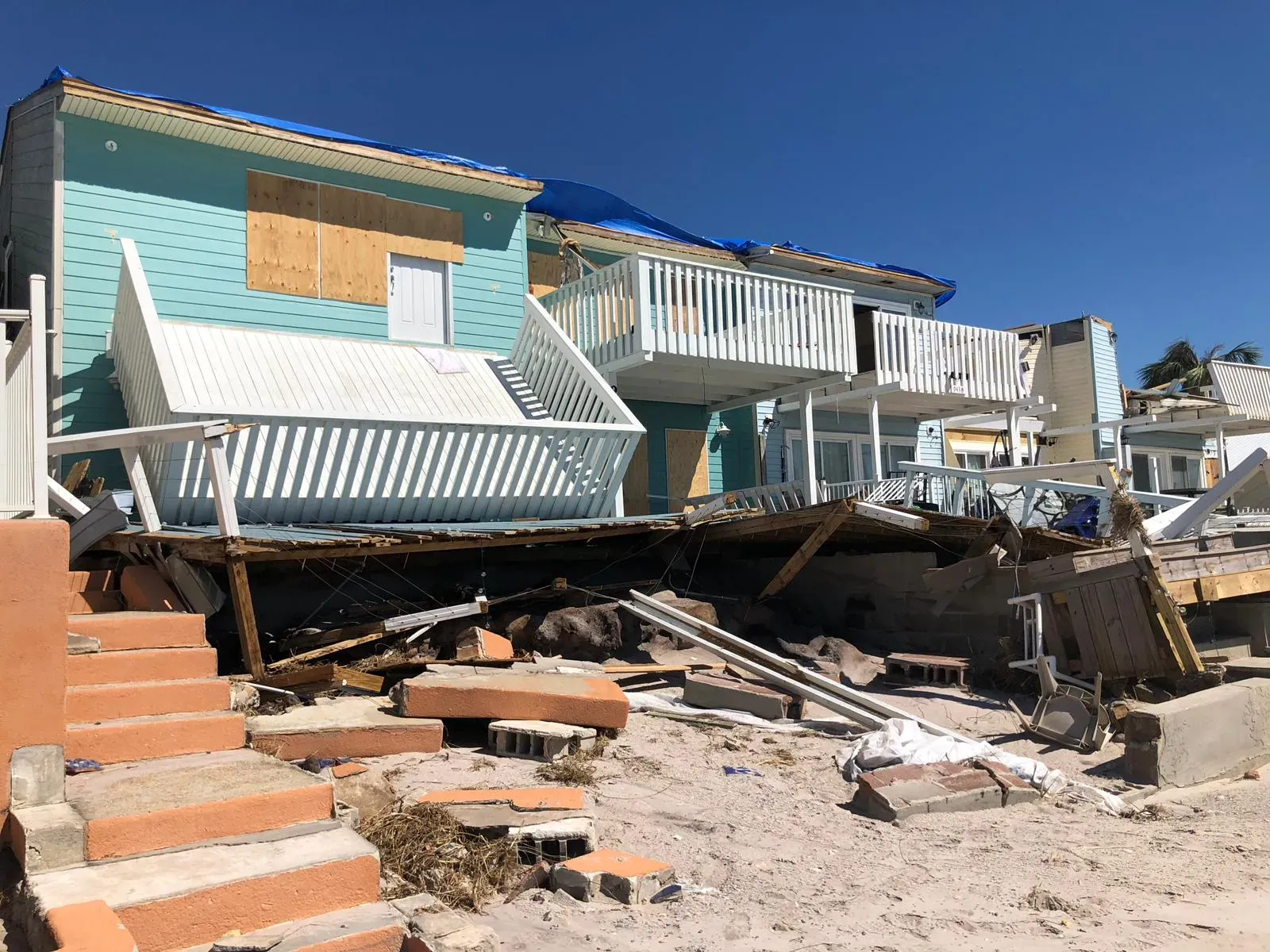
Florida’s disaster problem isn’t a recent development tied to a couple of bad seasons. Since 2000, Florida has had 36 presidential disaster declarations, with damages from just those events reaching enormous totals. That works out to well over one declaration per year on average across more than two decades.
Each declaration typically triggers a wave of claims, repair costs, and rebuilding efforts that ripple through the insurance market for months or years afterward. Insurers price policies based on this long track record, not just the most recent storm. That’s part of why Florida’s premiums stay elevated even during quieter hurricane seasons.
Reinsurance costs ripple straight to homeowners

Insurance companies don’t absorb catastrophic losses alone; they buy their own coverage, called reinsurance, to spread the risk further up the chain. When reinsurance costs rise in high-risk states, insurers pass much of that expense down to policyholders through higher premiums. This is one of the quieter but most consistent drivers behind Florida’s sky-high rates.
The broader insurance market has felt this pressure too, even outside the most obvious disaster zones. Home insurance premiums increased by 57% between 2019 and 2024, corresponding to a $21 billion price hike for American homeowners. Florida’s share of that increase has been especially steep given how concentrated its risk profile is compared to inland states.
Neighboring states aren’t far behind
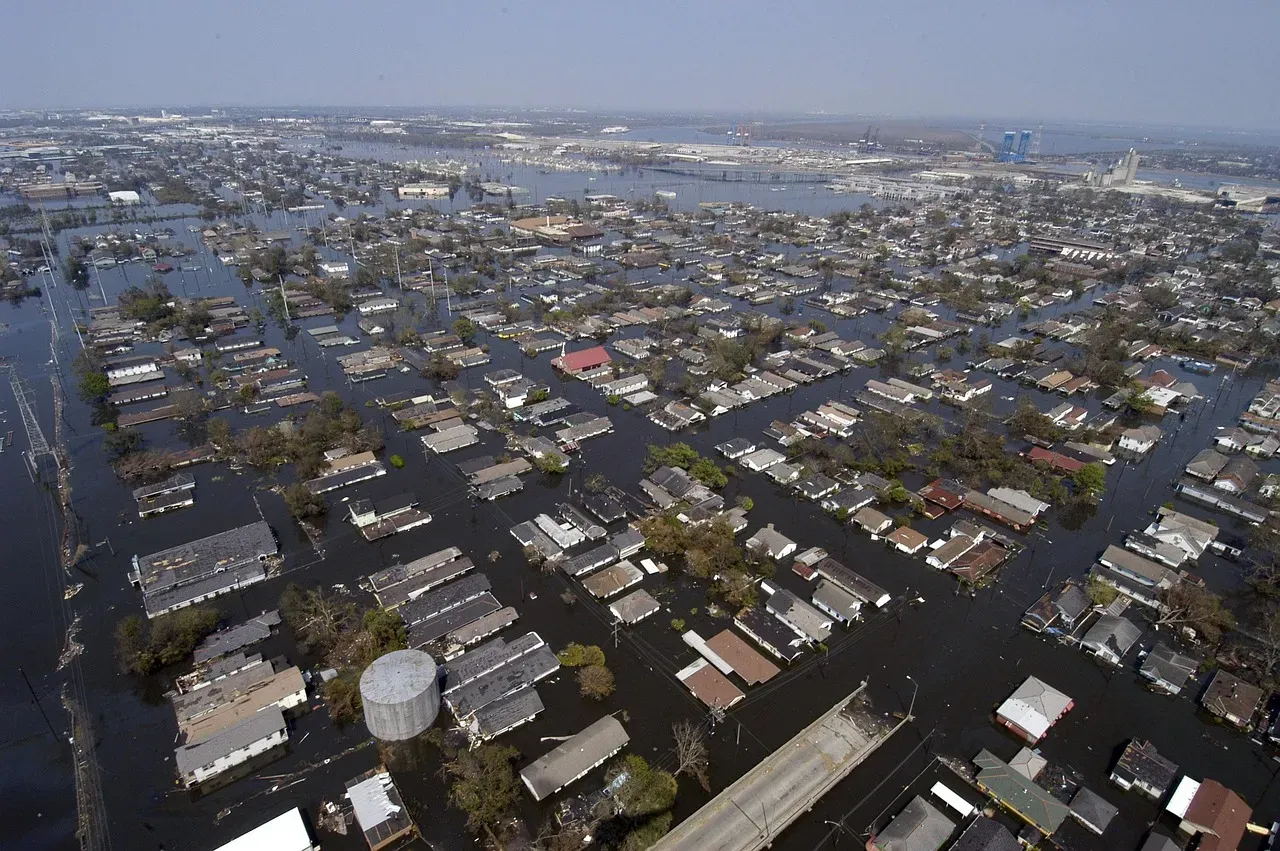
Florida may sit at the very bottom, but it isn’t isolated in its struggles. Louisiana shares much of the same hurricane and flood exposure, and its risk trajectory is arguably worsening even faster in relative terms. Bayous, wetlands, the Gulf of Mexico and the Mississippi all add up to a high flood risk for Louisiana, a situation being worsened by rising sea levels, with the state having the fastest-rising risk by a wide margin and average annual losses predicted to rise by 147% by 2050.
California and other wildfire-prone states face their own version of this crisis, just with a different hazard driving the losses. Further west, California and Colorado are seeing the growing impact of wildfires, and insurers are adjusting pricing as losses increase. The common thread across all these states is the same: climate-driven losses are forcing insurers to rethink how and where they’re willing to do business.
What it means for anyone thinking about buying in
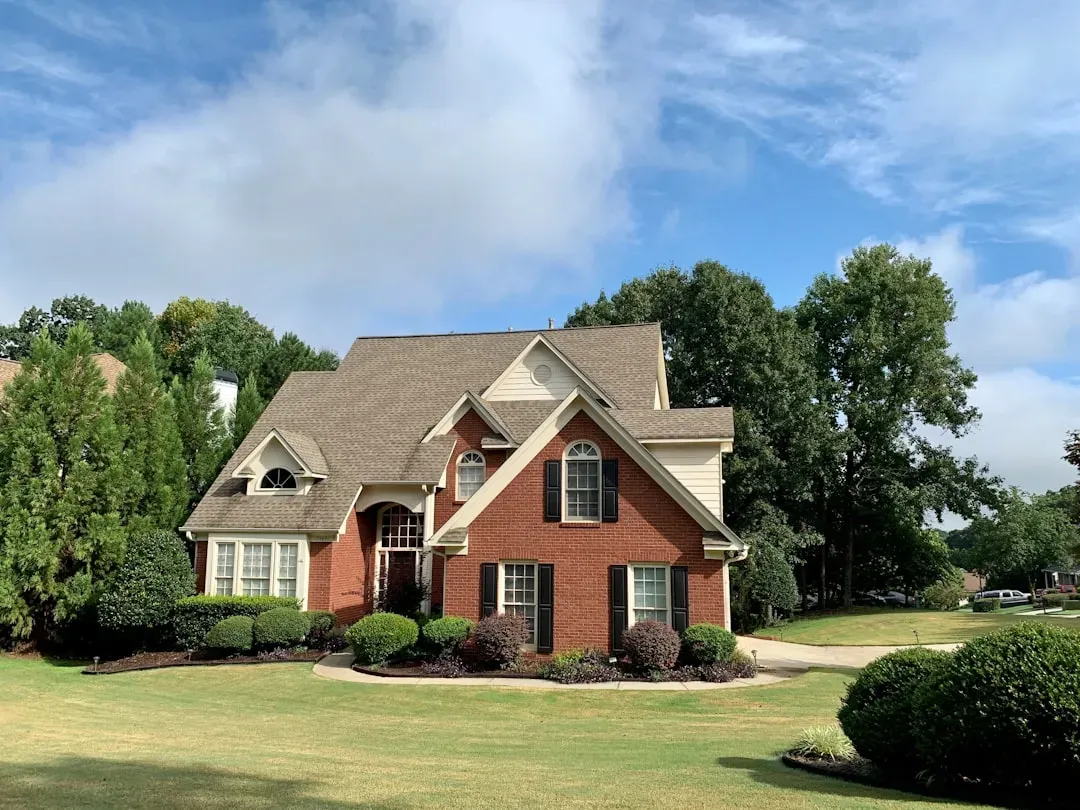
For prospective homebuyers, this ranking isn’t just an academic exercise. Lenders require proof of insurance before closing, and in high-risk states like Florida, that requirement alone can derail deals when coverage is hard to find or unaffordable. Anyone shopping for a home in a high-risk area now needs to budget for insurance costs early in the process, not as an afterthought near closing.
The disparity between the most and least stable states makes this even more pressing for buyers weighing their options. The average annual premium in the 10 most climate-stable states is 3.5 times less expensive than it is in the 10 least stable states, at $1,354 versus $4,793. That gap alone can change what someone can realistically afford, regardless of the home’s purchase price.
The bottom line
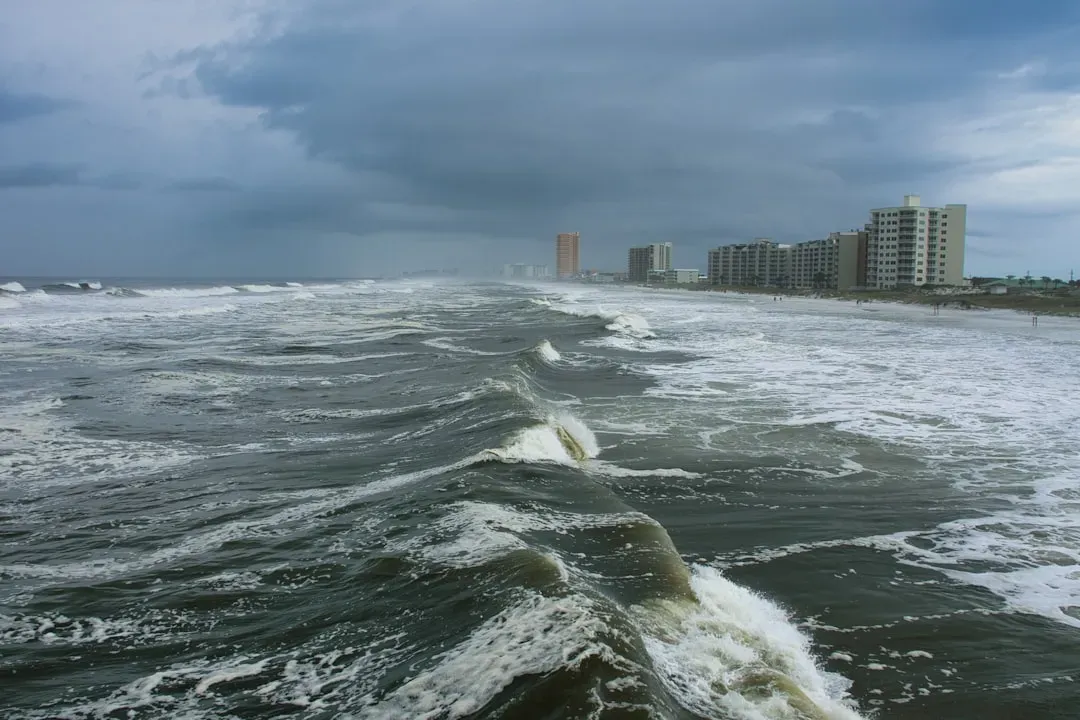
Florida’s place at the bottom of insurer climate risk rankings isn’t the result of one bad storm season or a temporary market blip. It reflects decades of accumulated hurricane, flood, and storm exposure layered on top of rising rebuilding costs and increasingly expensive reinsurance. The state’s premiums, disaster counts, and insurer retreat all point in the same direction, and there’s little in the current data suggesting that trend is about to reverse.

- 9 Space Discoveries Our Grandparents Never Imagined Would Happen - November 16, 2026
- Scientists Warn: This Cosmic Radiation Risk Could Limit How Far Humans Can Travel - November 16, 2026
- Recyclable Labels That Mean Landfill-Bound – 7 Packaging Tricks Decoded - November 16, 2026
