


Ask most people why a region is in drought and they’ll point to the sky. No rain, no water, simple as that. But researchers who track water cycles closely have been building a more complicated picture for years now, one where a missing storm system is only part of the story.
The 2025 and 2026 drought seasons across the American West, parts of Europe, and the Middle East have made that complexity impossible to ignore. Reservoirs are dropping even in years with decent rainfall totals, and scientists increasingly point to a set of interlocking mechanical, human, and atmospheric factors that keep pulling water out of the system long after the clouds have delivered their share.
The atmosphere itself is getting thirstier
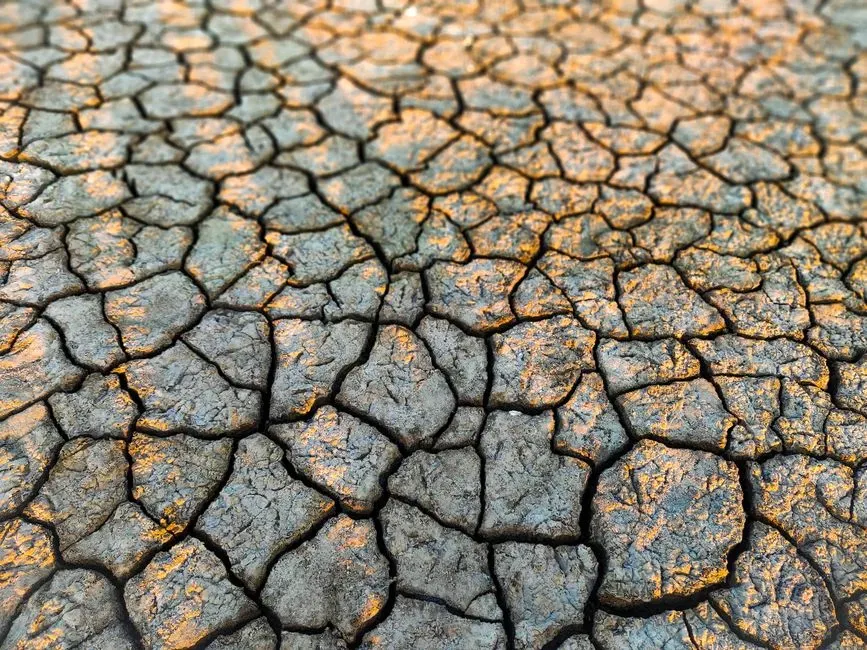
One of the more surprising findings in recent drought science involves something most people never think about: how much water the air itself wants to absorb. Researchers call this atmospheric evaporative demand, and it behaves almost like a sponge that expands as temperatures rise. Atmospheric evaporative demand acts like a sponge, soaking up moisture faster than it can be replaced, pulling more water out of soils, rivers and plants.
A widely cited 2025 Nature study quantified just how large this effect has become. Researchers found that atmospheric evaporative demand has increased drought severity by an average of 40% globally. Even more striking, the areas experiencing drought expanded by 74% on average during 2018 to 2022 compared with the 1981 to 2017 baseline, with evaporative demand contributing to 58% of that increase. Rain can fall right on schedule and it still might not be enough.
Soil moisture and heat feed off each other
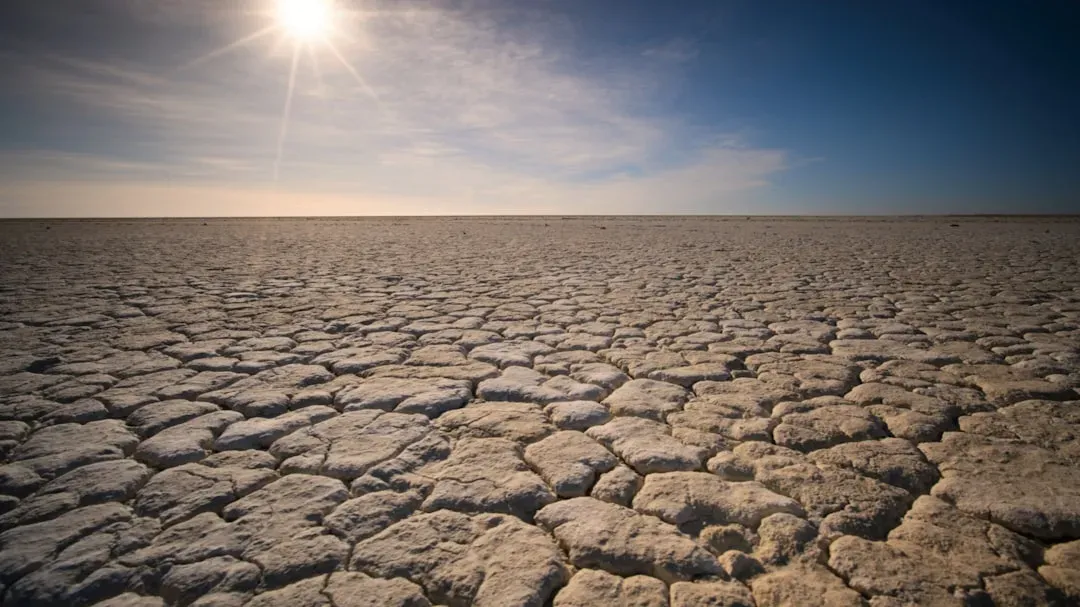
Once soil starts drying out, it doesn’t just sit there waiting for the next rainfall. Dry soil actually helps create the hot, dry conditions that dry it out further, a feedback loop climate scientists have studied closely in recent years. Low soil moisture exacerbates heatwaves through land-atmosphere feedback mechanisms, creating a self-reinforcing cycle of drought and extreme heat.
This isn’t a minor side effect. Global warming elevates atmospheric vapor pressure deficit in drylands, accelerating moisture loss from vegetation and bare soils, and this is amplified by local feedbacks where soil desiccation reduces evaporation and further boosts the water demand of air. In practical terms, a dry spring can set the stage for a punishing summer even if nothing changes about the weather pattern itself. The land essentially starts working against its own recovery.
Vanishing snowpack is rewriting the water calendar
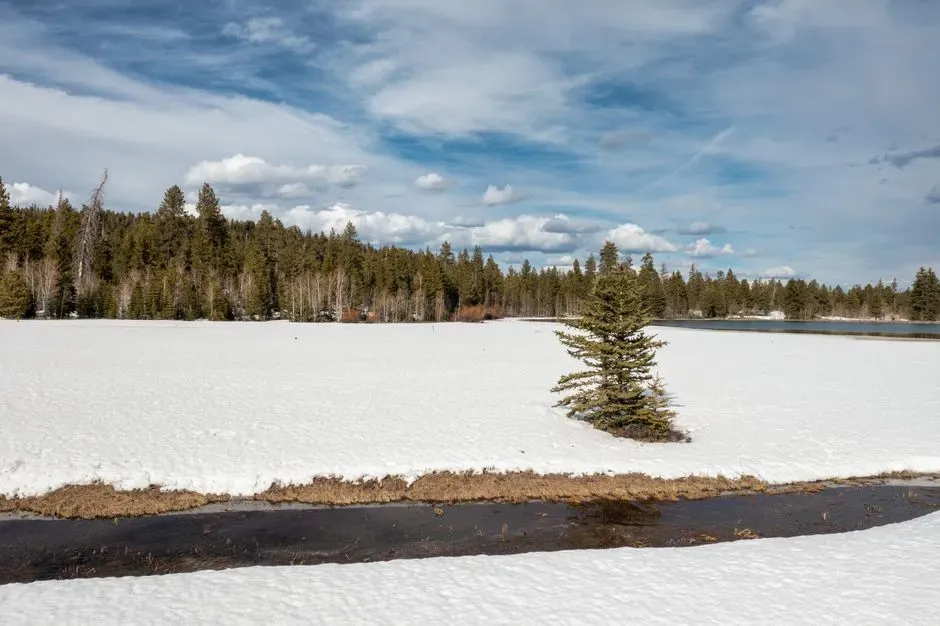
For much of the western United States, snow has never just been snow. It’s a slow-release reservoir that mountains store through winter and release gradually through spring and summer, exactly when farms and cities need it most. That system has been breaking down noticeably in the past two winters.
Snow cover across the West in early January 2026 was the lowest recorded for that date in the entire MODIS satellite record, which dates back to 2001. A meteorologist described a winter with plenty of rain but little snow as being nearly as damaging as no precipitation at all, since rainwater tends to run off quickly rather than recharging reservoirs, while snowpack melts gradually to provide a steadier supply. When precipitation shifts from snow to rain because of warmer winter temperatures, the total moisture on paper can look fine while the actual water available in July tells a very different story.
Groundwater is being pumped faster than nature can refill it
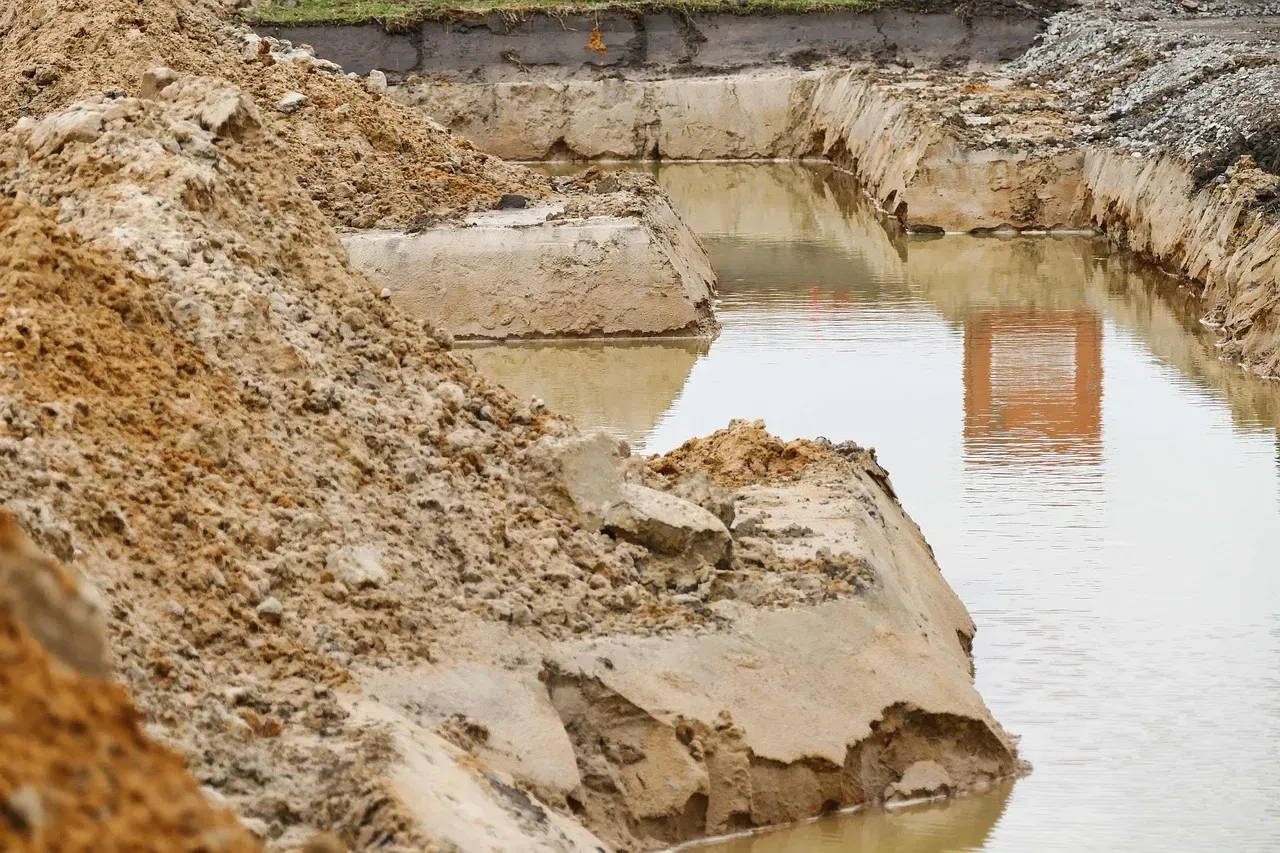
Beneath the surface, a quieter crisis has been building for decades. Aquifers that took centuries to fill are being drained in a matter of years, and drought accelerates that process rather than causing it outright. Across Arizona, groundwater levels have been declining for more than fifty years, with persistent depletion trends across most large regions.
The scale of this problem shows up clearly in satellite data from the Colorado River basin. Total water storage loss measured by GRACE satellites was dominated by Lower Basin declines, exceeding Lake Mead’s entire capacity by 40%, with groundwater depletion accounting for 60% of that total loss. Globally, the pattern repeats itself. Groundwater depletion is driven primarily by agricultural irrigation and over-abstraction, with population density playing a relatively smaller role. Once an aquifer drops far enough, it can take generations to recover, if it recovers at all.
Land use decisions quietly set the stage for drought
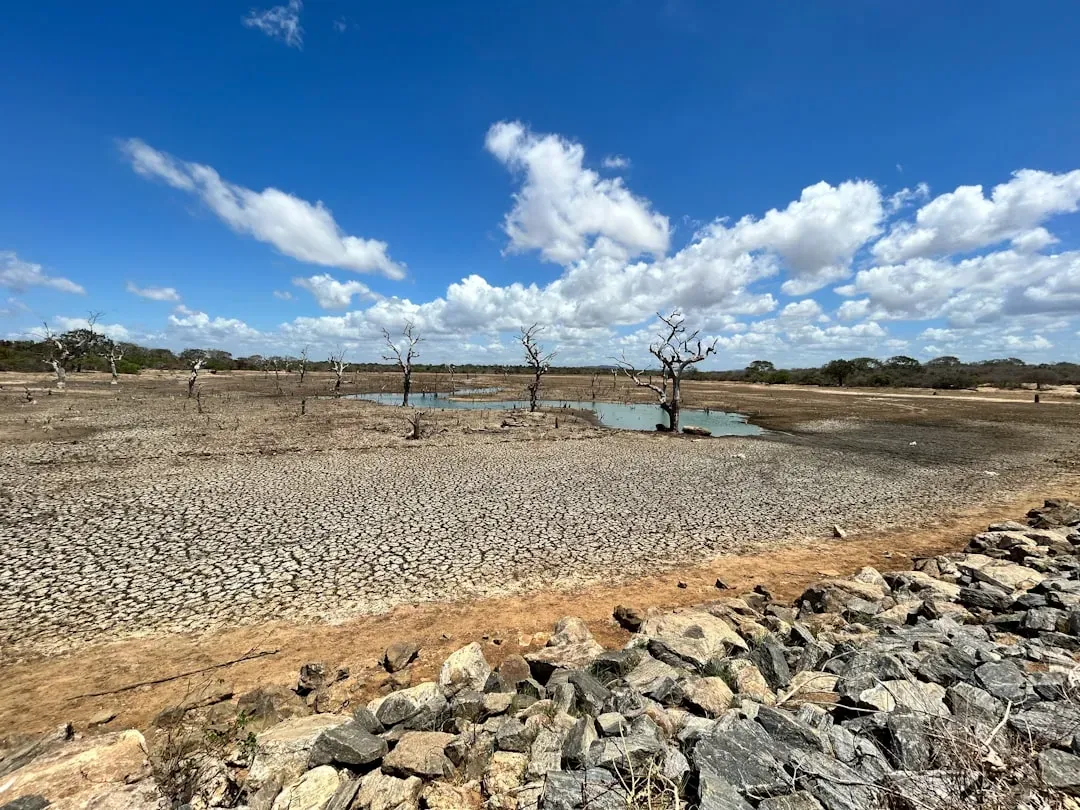
How land gets used, whether for farming, grazing, or sprawling development, shapes how much water the ground can hold onto in the first place. Unsustainable land use practices such as deforestation, intensive agriculture, and urban sprawl amplify the occurrence and severity of droughts by disrupting hydrological cycles, depleting groundwater, and increasing water demand.
Forests in particular play an outsized role in keeping regional water cycles balanced. Deforestation can significantly alter hydrological cycles by reducing the land’s ability to retain water, and deforested lands experience higher rates of evaporation and surface runoff, leading to decreased groundwater recharge. Converting that same land to cropland doesn’t help much either. The conversion of natural vegetation into croplands often reduces soil moisture retention and depletes groundwater reserves, leading to heightened susceptibility to drought. None of this shows up on a weather map, but it shapes how a region responds when the rain does eventually stop.
Rivers allocated for a wetter world no longer add up
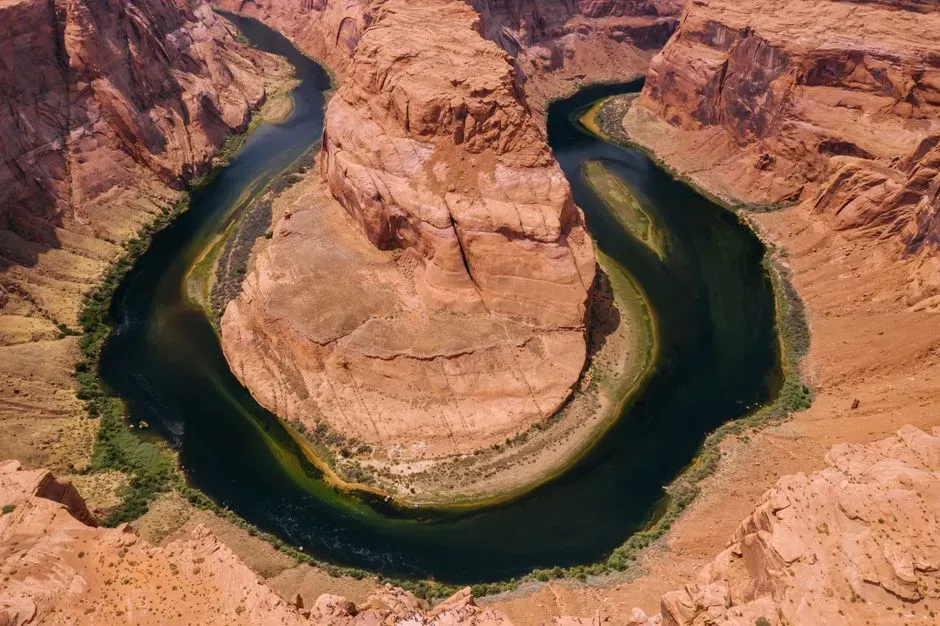
Many of the water rights and allocation agreements governing major rivers were written decades ago, often during unusually wet periods that turned out not to represent the long-term normal. The Colorado River is the textbook example. Overallocation of Colorado River water and groundwater alongside multidecadal drought has made understanding water resource dynamics increasingly urgent.
The physical consequences are visible at the reservoirs themselves. At the start of 2026, federal estimates put Lake Powell’s elevation at just 48 feet above the minimum needed for power generation, while Lake Mead sat only 25 feet above the minimum power pool for its older turbines. Because of the ongoing megadrought, the Colorado River has been weakening for decades, and water managers are now facing the possibility that it may never fully recover. A river system built for a certain volume of water simply cannot be stretched indefinitely by paperwork.
Compound heat and drought events are becoming routine
Drought used to be thought of mostly as a rainfall problem with heat as an occasional complication. That framing is losing ground. Climate change is set to drastically increase the frequency of compound drought and heatwave events, with low soil moisture exacerbating heatwaves through land-atmosphere feedback mechanisms that create a self-reinforcing cycle.
The projected trajectory is genuinely striking. The global frequency of these compound drought and heatwave events may increase tenfold by the end of the century, and the concurrence is particularly concerning since heatwaves significantly escalate water consumption, further compounding scarcity. A single hot, dry summer season can now do the damage that once took a multi-year deficit to produce. That compresses the timeline for communities trying to plan around water availability.
Droughts have become measurably more frequent and longer
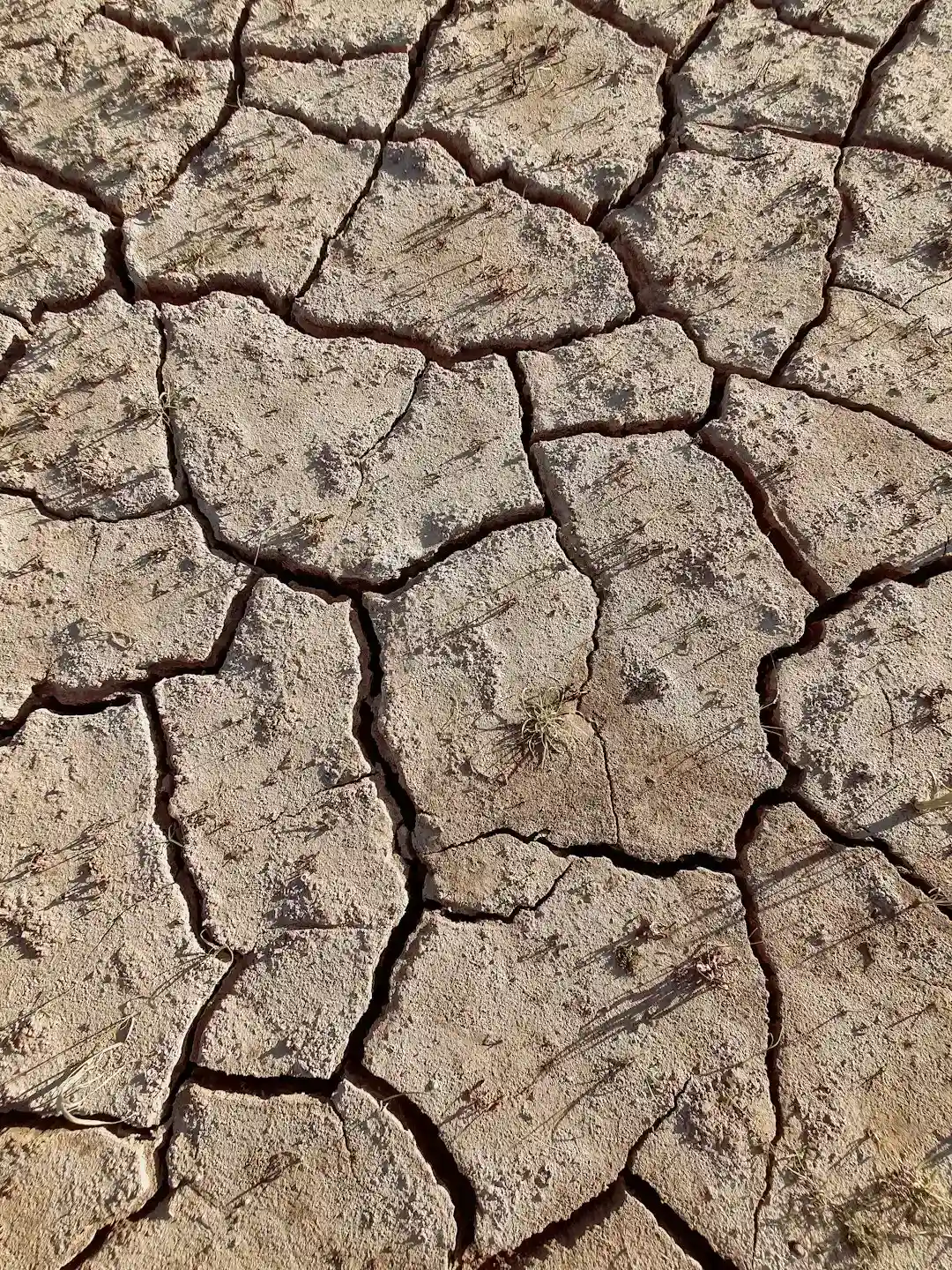
The changes aren’t limited to any one region. A 2025 global assessment found that drought conditions now cover a substantial share of the planet’s land surface in a typical year. In 2025, global annual drought affected roughly 30% of the global land surface, with near record warming substantially increasing evaporative demand and triggering widespread drought even where precipitation deficits were relatively moderate.
Cost data backs up the sense that something structural has shifted rather than a run of bad luck. An economic analysis found that a drought episode in 2025 could be two to six times more costly than an equivalent episode in 2000, with the main driver being longer and more frequent droughts rather than more intense individual events. In other words, droughts aren’t necessarily hitting harder each time. They’re simply showing up more often and overstaying their welcome.
The economic ripple effects reach far beyond farm country

Drought has a way of showing up on grocery receipts long after the actual dry spell has passed. The economic costs of droughts exceed $300 billion a year globally, according to a 2024 United Nations estimate. That figure captures losses far beyond the farm gate, touching everything from shipping to hydropower.
The 2026 season in the United States illustrates how these pressures stack up in real time. About 61% of the continental United States was in some stage of drought as of early May 2026, especially in the Southeast, High Plains, and Western regions, contributing to an intense early wildfire season and very low surface and shallow groundwater levels. Government support has grown accordingly. Over the past year, the USDA paid out nearly $18 billion in supplemental disaster assistance to farmers and ranchers under the American Relief Act passed by Congress in 2025. Consumers feel the tail end of that chain too, with USDA data showing food prices running 3.2 percent higher in April 2026 than in April 2025.
What this means going forward
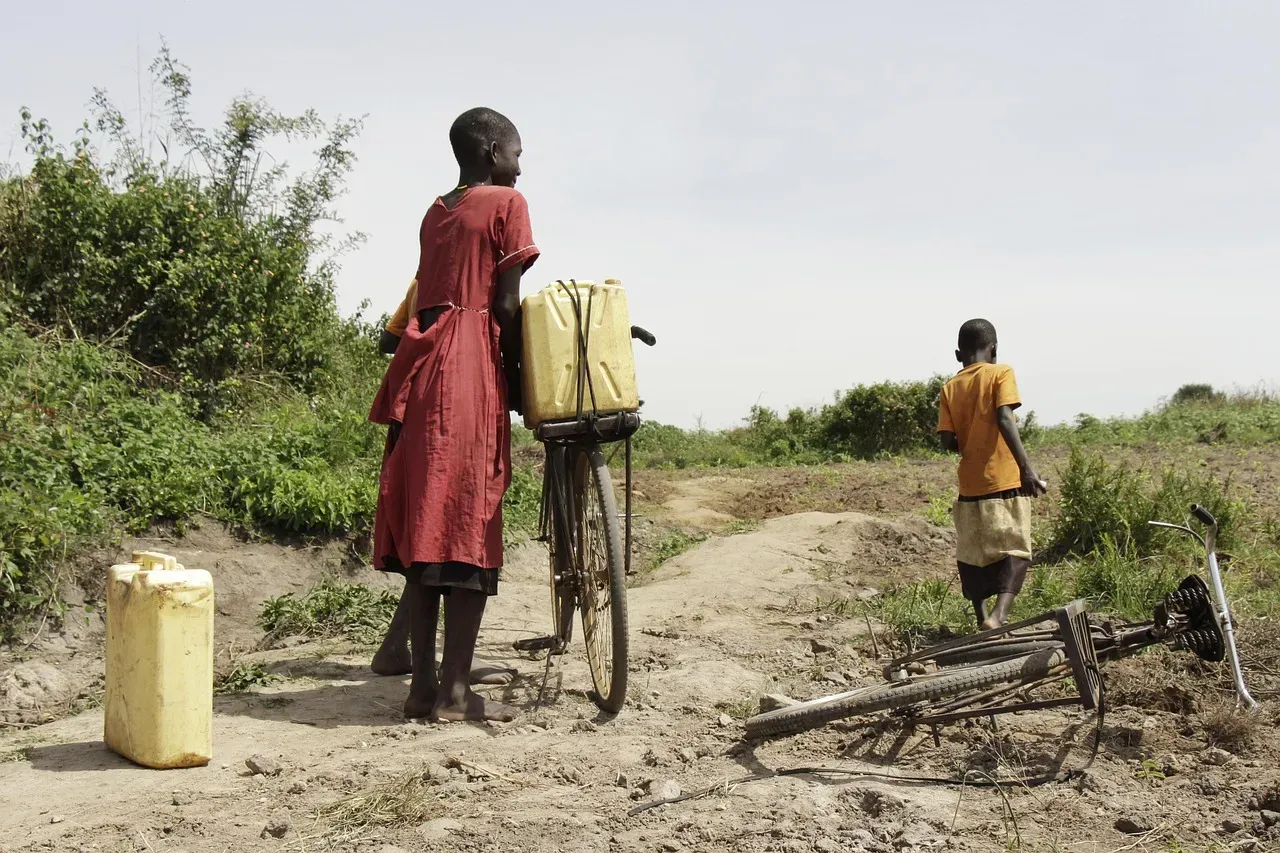
Rainfall still matters, obviously. No amount of groundwater management or forest policy replaces a missing wet season entirely. But treating drought as a rainfall problem alone misses most of what’s actually driving today’s water shortages, from a thirstier atmosphere to shrinking snowpack to aquifers that took centuries to fill and mere years to drain.
The regions coping best with recurring dry spells tend to be the ones addressing these underlying mechanics directly, through better groundwater regulation, smarter land use, and water allocation systems built for the climate that actually exists rather than the one from fifty years ago. Rain will keep falling in its usual unpredictable pattern. What happens to that water once it lands, and how much the land and atmosphere demand from it before anyone can use it, is increasingly the bigger story.
