

The shared river both cities can’t escape
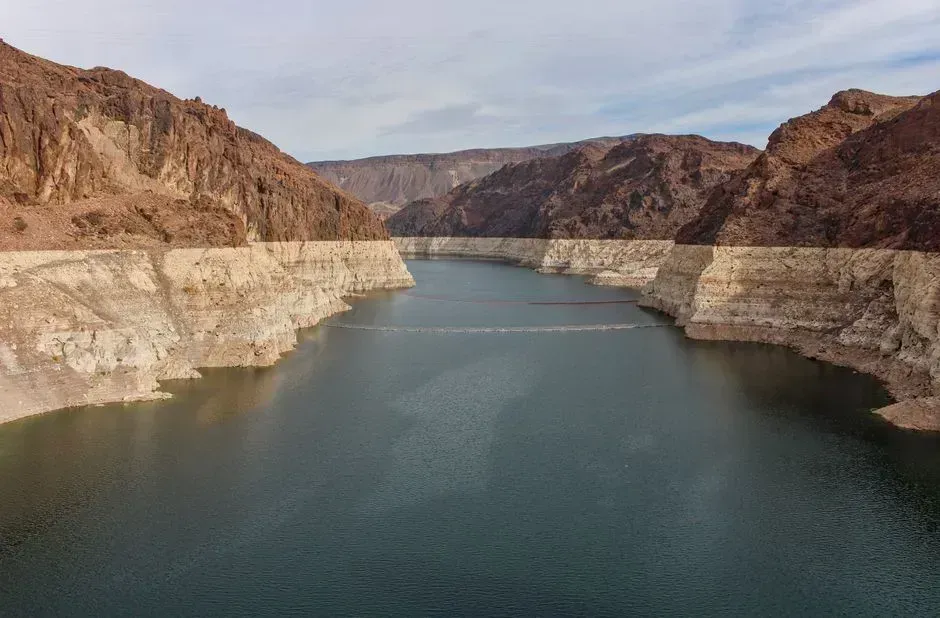
Phoenix and Las Vegas both sit downstream on a river system that has been in decline for a generation. The Colorado River provides drinking water to nearly 40 million people and irrigation for over 5.5 million acres of cropland, but it has experienced a significant drop in water availability in recent decades due in part to rising demand for water and a long-running megadrought in the Southwest. That single fact ties the fates of both cities together whether they like it or not.
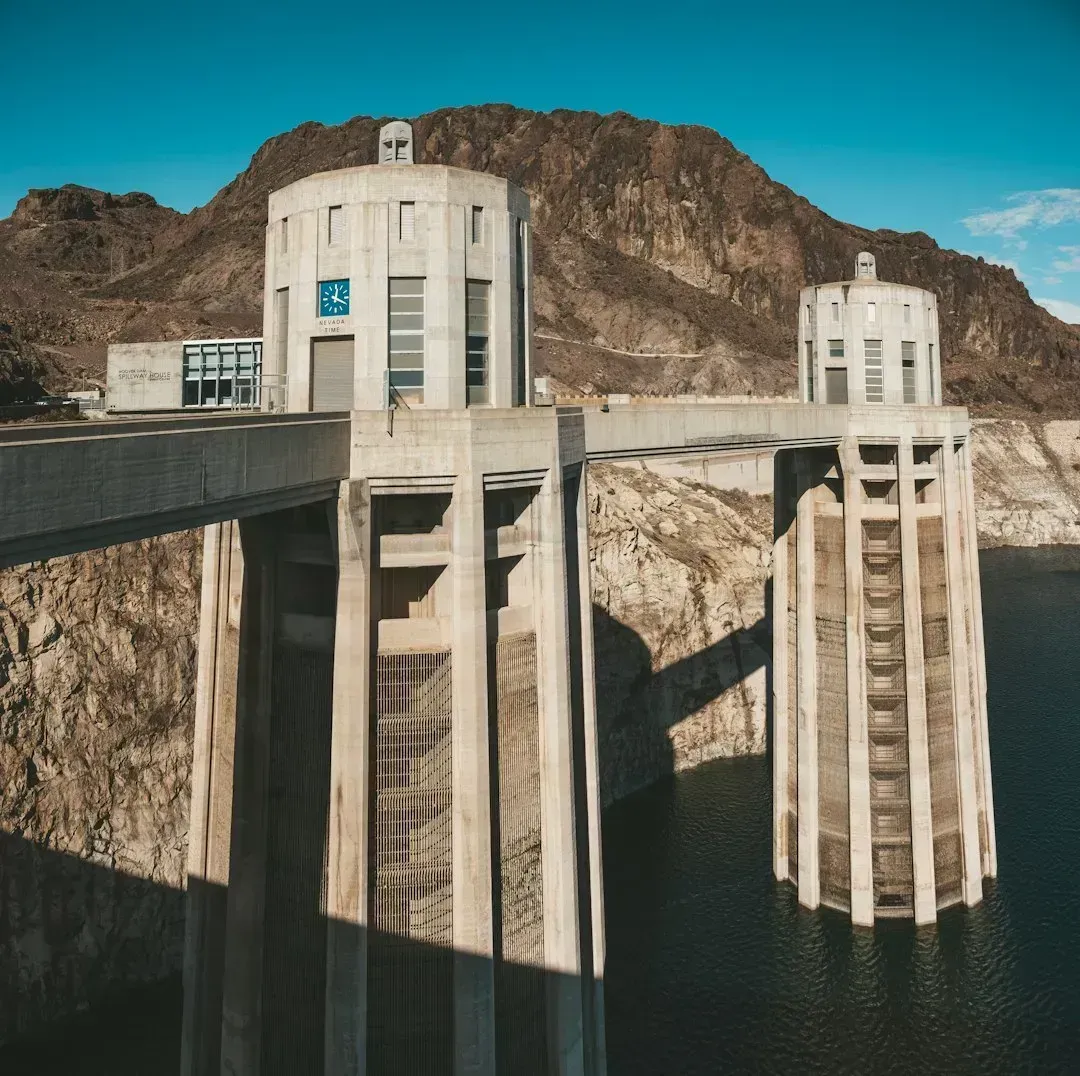
By mid-2026 the picture was stark. Lake Mead slipped below 1,050 feet above sea level, crossing a sobering threshold as the nation’s largest reservoir slides toward historically low water levels, sitting at just 35% of its total capacity and roughly 180 feet below full pool. Federal forecasters expect the situation to get worse before it gets better, with Lake Mead’s most probable elevation projected at 1,020 feet by July 2027, more than 20 feet below the previous record low.
Las Vegas built its safety net decades ago
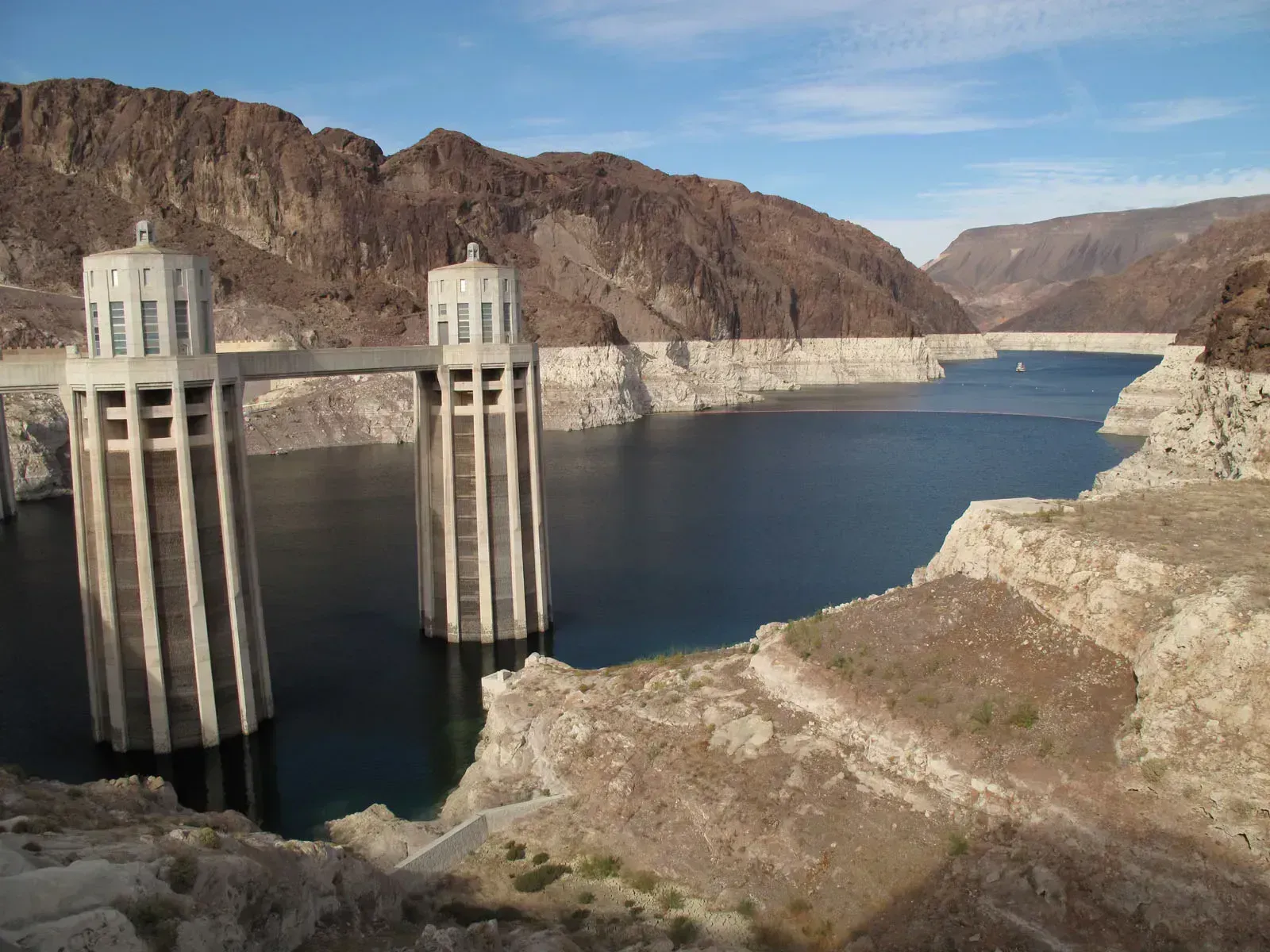
Nevada’s approach to this crisis did not start this year. It started with infrastructure that most cities never bothered to build. Las Vegas drilled a $1.35 billion, 24-foot-wide tunnel known as the Third Straw at the very bottom of Lake Mead to function like a bathtub drain, since the city gets 90 percent of its water from the Colorado via the lake. That intake was engineered specifically so the city could keep pulling water even if the reservoir kept falling.
Southern Nevada officials describe the payoff in blunt terms. Officials say decades of aggressive conservation, water recycling and forward-thinking infrastructure have positioned Southern Nevada as arguably the best-prepared community in the American West, having built a deep-water intake and a low-lake-level pumping station that secure access to the water supply regardless of Lake Mead’s elevation. It is the kind of engineering bet that only pays off during exactly this sort of drought, and so far it has.
Phoenix relies on a more diverse, but more exposed, supply
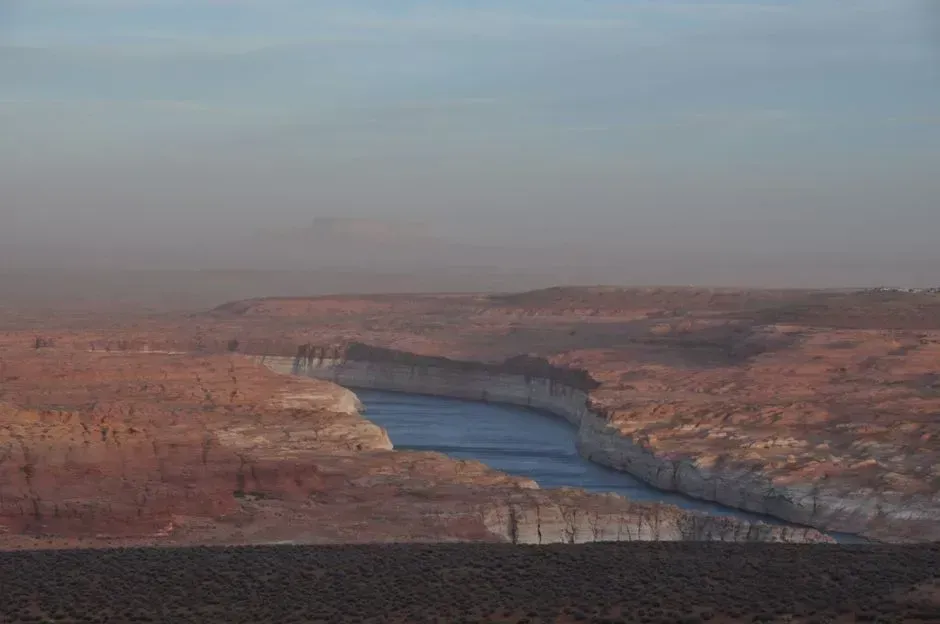
Phoenix never put all its eggs in one basket, which sounds reassuring until you look closer at where the basket cracks are forming. The city’s water supply breakdown relies on approximately 60 percent Salt and Verde River water delivered by the Salt River Project, with the Colorado River share making up roughly 40 percent, and groundwater at about 2 percent. That diversification has genuinely helped Phoenix avoid the single-point failure that would worry a city fully dependent on one river.
Still, the Colorado River slice of that pie is the part under the most direct threat right now. Phoenix gets approximately 40 percent of its water from the Colorado River, delivered through the Central Arizona Project, a 336-mile aqueduct system that moves water uphill from the river to the Phoenix and Tucson metro areas, and that supply line is now under direct threat. Arizona also sits lowest on the seniority ladder among the states that share the river, which means it absorbs cuts first and hardest.
Who actually loses water first under federal shortage rules
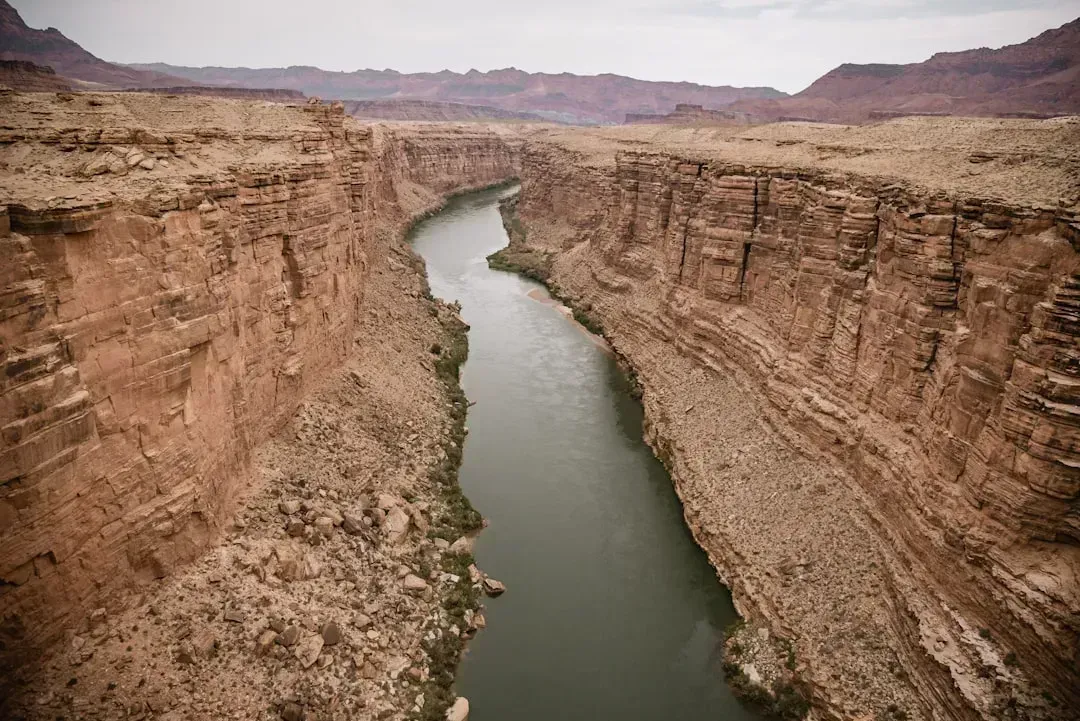
The Colorado River’s legal framework was not designed with fairness in mind. It was designed around water rights secured generations ago, and that history now shapes who suffers the deepest cuts. Under the priority system that governs Colorado River water, Arizona absorbs a disproportionate share of the cuts, with the state’s Central Arizona Project seeing deliveries reduced by roughly 512,000 acre-feet.
Nevada’s situation looks comparatively mild on paper. Nevada’s full Colorado River allocation is 300,000 acre-feet, but under Tier 1 restrictions, only 279,000 acre-feet is allowed, a 7% reduction. Because Nevada’s total allotment is small relative to its conservation gains, that percentage cut translates into a much smaller practical burden than the reductions Arizona is absorbing.
The conservation gap that changes everything
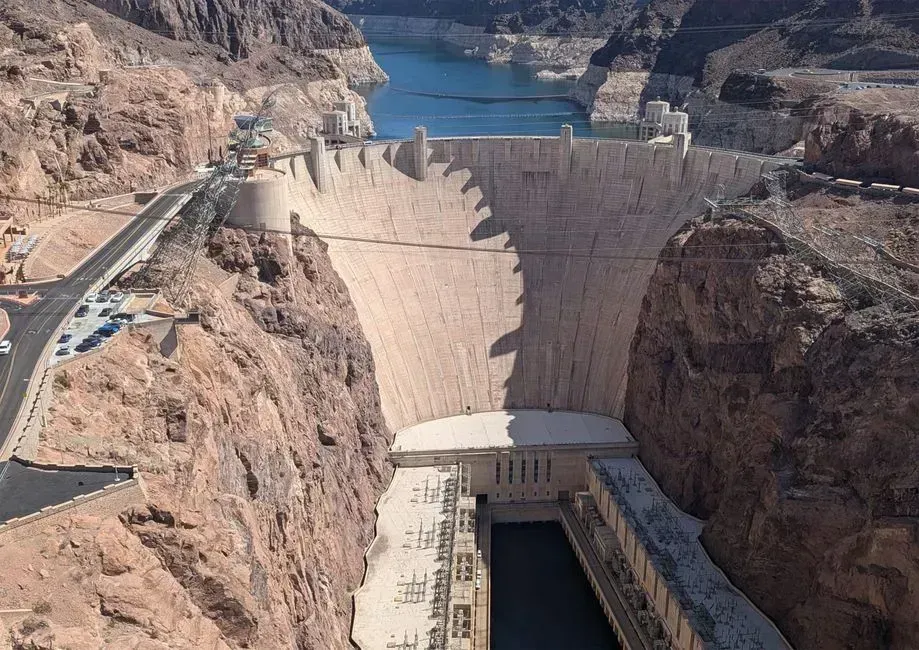
Numbers on paper only tell part of the story. What actually happens to water use on the ground tells the rest, and here the gap between the two cities becomes hard to ignore. Las Vegas has reduced its per-capita water use by nearly 60 percent since 2002, even as the population grew by more than 50 percent, through reduced seasonal irrigation, replaced water-intensive landscaping, sustainable development requirements, and wastewater reuse, and today the city recycles nearly all of the water used indoors and returns it to Lake Mead.
The Las Vegas Strip itself, often assumed to be the valley’s biggest water hog, turns out to be almost beside the point. Resort properties on the Strip actually consume about 5% of the community’s water supply, because nearly 100% of all water used indoors in Southern Nevada is treated and returned to the system. Phoenix has made real gains too, but it started later and has more sprawling, single-family suburban development to retrofit, which makes matching Nevada’s pace genuinely harder.
Groundwater: Phoenix’s buffer and its blind spot
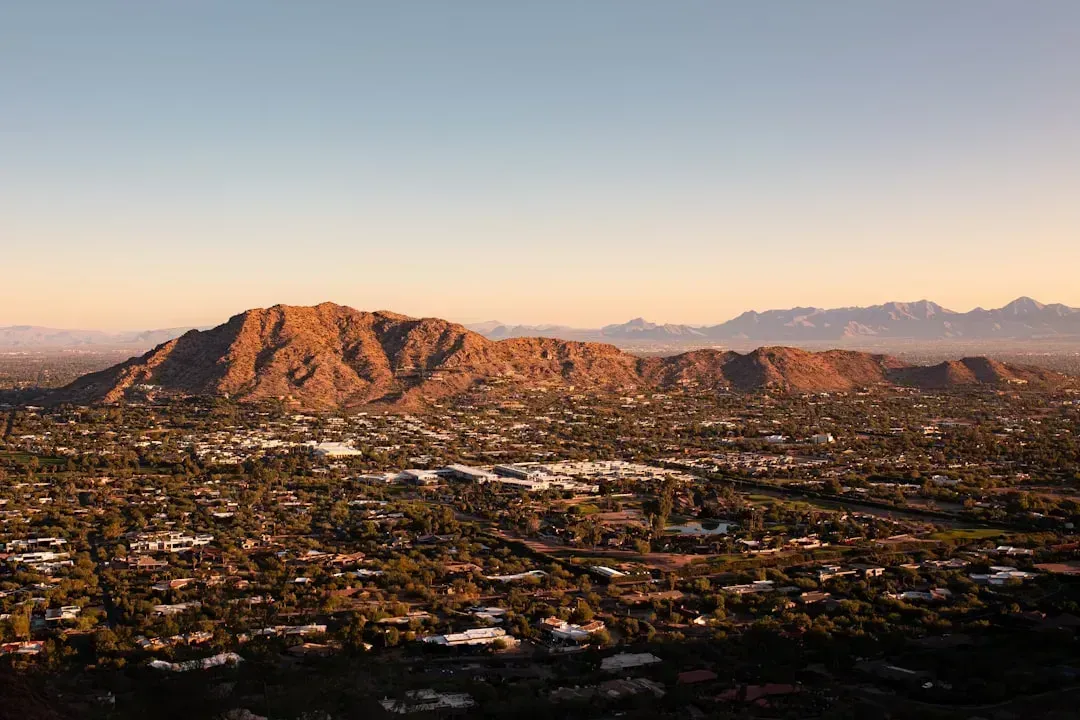
Groundwater is where Phoenix’s story gets complicated. It is both a genuine safety net and a source of real anxiety among planners. Maricopa County gets more than half its water supply from groundwater, with the rest coming from rivers, aqueducts, and recycled wastewater, and in practical terms groundwater is a finite resource that can take thousands of years or longer to be replenished.
That finite nature became painfully visible in 2023, when state modeling exposed a shortfall that upended housing plans across the region. Developers planning to build homes in the desert west of Phoenix were found not to have enough groundwater supplies to execute those plans, with a more recent analysis finding that roughly 4% of the area’s demand for groundwater, nearly 4.9 million acre-feet, would not be met over the next 100 years. The rule itself was later challenged in court, and in April 2026 a judge ruled that the state agency didn’t have the legal authority to implement the new unmet demand rule in the Phoenix Active Management Area because it didn’t comply with the required rulemaking process, and blocked its use in determining whether developers had enough groundwater. That legal back and forth shows how unsettled Arizona’s groundwater rules still are, even as the underlying scarcity problem remains real.
New infrastructure both cities are racing to build
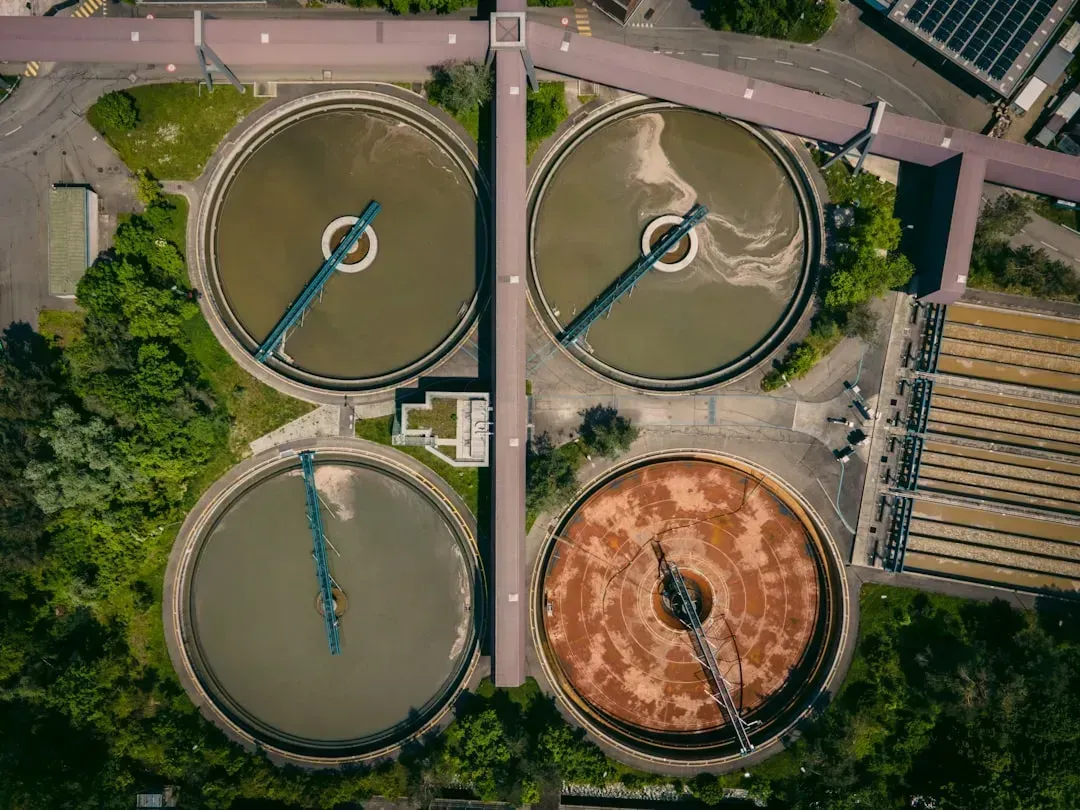
Neither city is simply waiting around for the river to recover. Both are pouring money into engineering fixes meant to loosen their dependence on the Colorado altogether. In Phoenix, that means turning sewage into drinking water at new treatment facilities, since wastewater recycling facilities in the Phoenix area would allow cities to turn sewage back into clean drinking water, with construction potentially beginning as soon as 2030 and operations starting as soon as 2033.
That timeline is a long way off, which is part of why Phoenix officials keep stressing patience alongside urgency. The Phoenix Water Services Department has laid out plans to offset anticipated cuts to its Colorado River water supply, and while the city has a couple of years’ worth of water stored underground, it needs new projects to sustain its future. Nevada, by contrast, already finished its major infrastructure push years ago, giving it a head start that is paying dividends right now rather than in the 2030s.
Growth pressure is pulling in opposite directions
Both metro areas keep adding residents, but growth is landing very differently on each city’s water math. In Las Vegas, population growth has been outpaced by conservation gains, meaning total consumption keeps falling even as more people move in. Conservation efforts helped the Southern Nevada community reduce its per capita water use by 58% between 2002 and 2025, even as the population increased by approximately 876,000 residents, with water use trending down even as Las Vegas grows.
Phoenix’s growth story looks more precarious because so much of it has depended on groundwater in outlying suburbs rather than in the urban core. The new restrictions were felt hardest and most immediately in small towns and unincorporated swaths of desert along the fringes of the Phoenix metro area, which have been hot spots for growth. That means Phoenix’s water risk is not evenly spread across the region; it concentrates in exactly the places builders most want to expand.
The political fight that could decide both cities’ futures
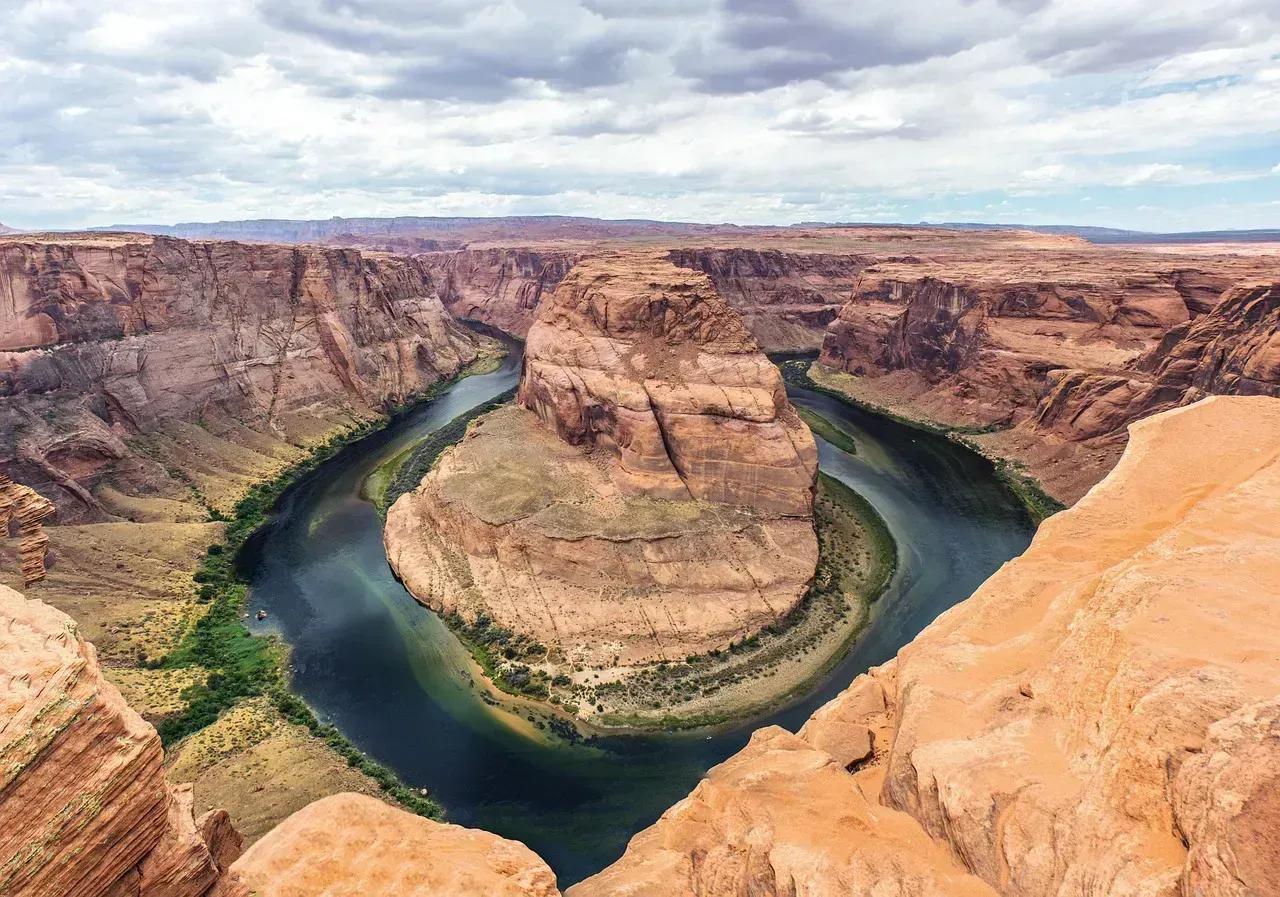
Hydrology is only half the story here. The other half is a political negotiation among seven states that has repeatedly missed its own deadlines. The seven basin states, Arizona, California, Colorado, Nevada, New Mexico, Utah, and Wyoming, have not agreed on long-term rules for dividing the Colorado River’s water after the current operating guidelines expire in 2026.
Arizona has the most exposure in these talks, and its leaders know it. Two clocks are running, the hydrology, which gets worse with each dry year, and the calendar, which forces a new interstate agreement by the end of 2026, and Arizona has the most to lose under the current priority order and the most at stake in the negotiation. Nevada enters those same talks from a position of relative comfort, since it is already using less than its legal share and has room to absorb further cuts without much practical pain.
So which city actually comes out ahead
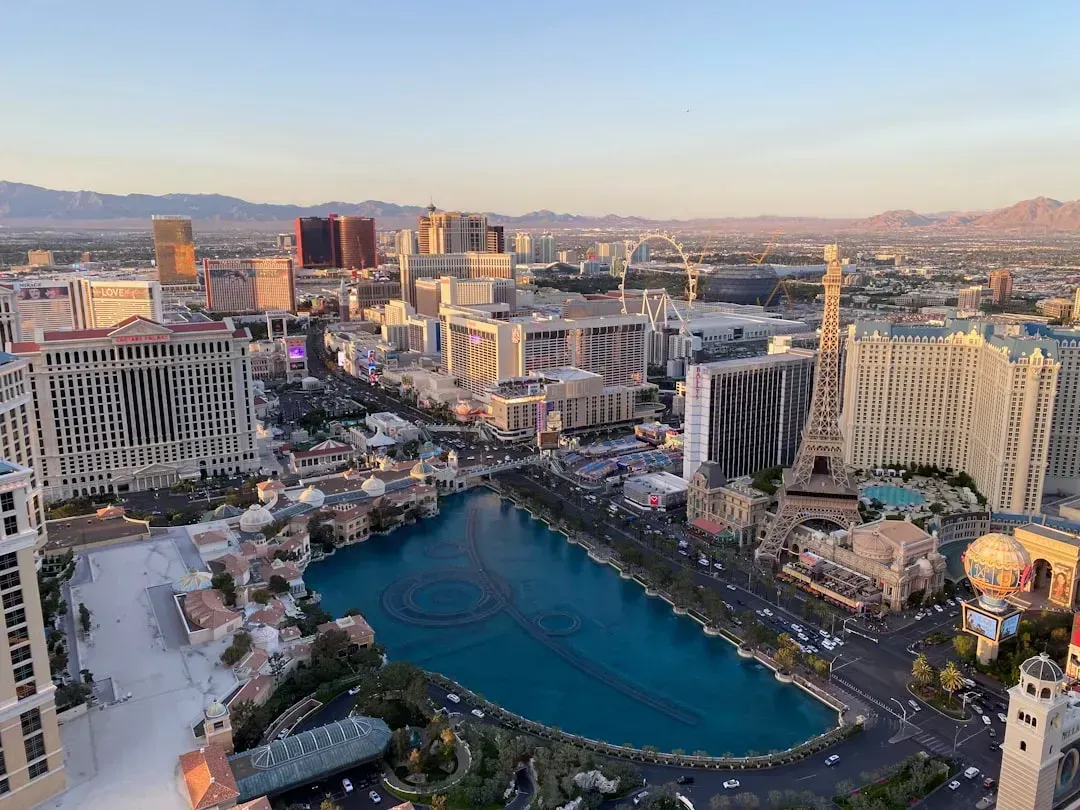
Line the evidence up and the answer is not close to symmetrical. Las Vegas built its physical infrastructure early, cut per-capita consumption more aggressively and for longer, and negotiated legal mechanisms like return-flow credits that let it stretch every drop further than its raw allocation would suggest. The water authority is confident Las Vegas can weather even a Tier 3 federal shortage, and the conservation math is working for Las Vegas even as the hydrology deteriorates across the broader basin.
Phoenix is not without its own strengths, particularly its diversified supply portfolio and its Salt and Verde River backbone, but it carries more legal exposure to Colorado River cuts and more unresolved friction over groundwater rules that courts and lawmakers are still fighting about. Climate change and a 26-year megadrought have crippled the river, which supplies nearly 40 million people across seven Western states and Mexico, and negotiations about how to share its shrinking supply are at an impasse. Given the current trajectory, Las Vegas appears better positioned to absorb the coming cuts without disruption, while Phoenix faces a longer, more expensive, and more politically contested path toward the same kind of security.

- The Shoreline Sucked Dry in Seconds – 5 Tsunami Signals Beachgoers Mistake for Low Tide - November 14, 2026
- 9 Dark-Sky Destinations Around the World Where the Stars Look Unreal - November 14, 2026
- The Fault Line That Never Slips – 7 Locked Seismic Zones Overdue for a Massive Release - November 14, 2026
