


- 12 U.S. Cities Where Winters Have Changed Dramatically Since the 1970s - August 28, 2026
- The 11 American Cities With the Biggest Day-to-Night Temperature Swings - August 28, 2026
- Why Some Northern States Are Losing Snow Faster Than Others - August 28, 2026
1. Oklahoma City, Oklahoma
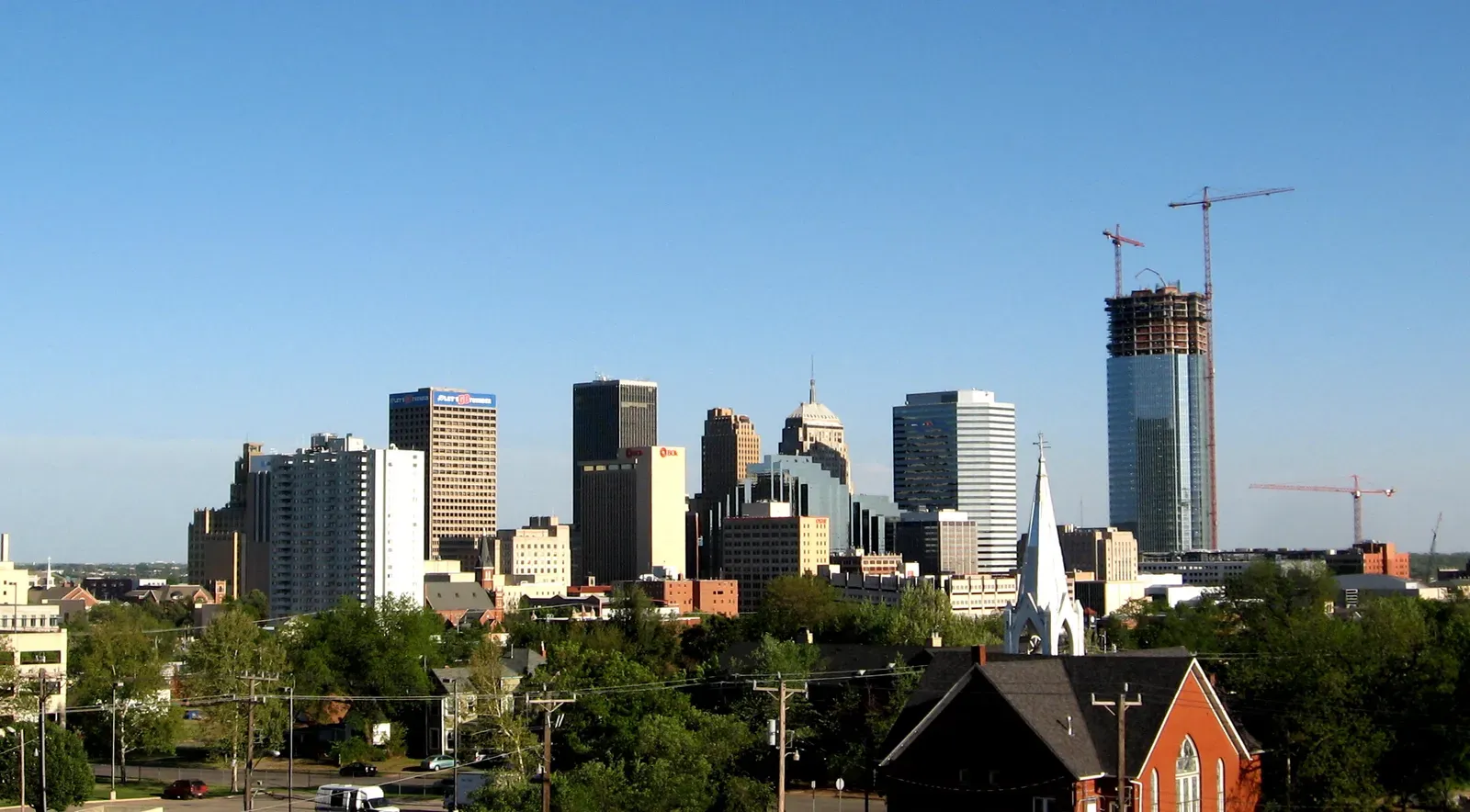
Oklahoma City has earned a reputation as one of the toughest places in the country to forecast, and spring is when that reputation is most deserved. Oklahoma City was identified as the city with the most unpredictable weather in the country, where rainfall varies dramatically and winds can deviate by 4 miles an hour, with sudden weather shifts bringing thunderstorms. That volatility peaks between March and June, when the collision of warm Gulf moisture and cold northern air fuels violent storm systems.
Locals have adapted by treating the forecast as a rough sketch rather than a promise. Residents need to stay prepared for sudden weather shifts that can bring severe thunderstorms or temperature changes exceeding 20 degrees, and a great way to be prepared is to wear layers, giving an easy option to adjust to changing temperatures. Tornado watches, hailstorms, and sudden temperature crashes are simply part of spring life here.
2. Omaha, Nebraska
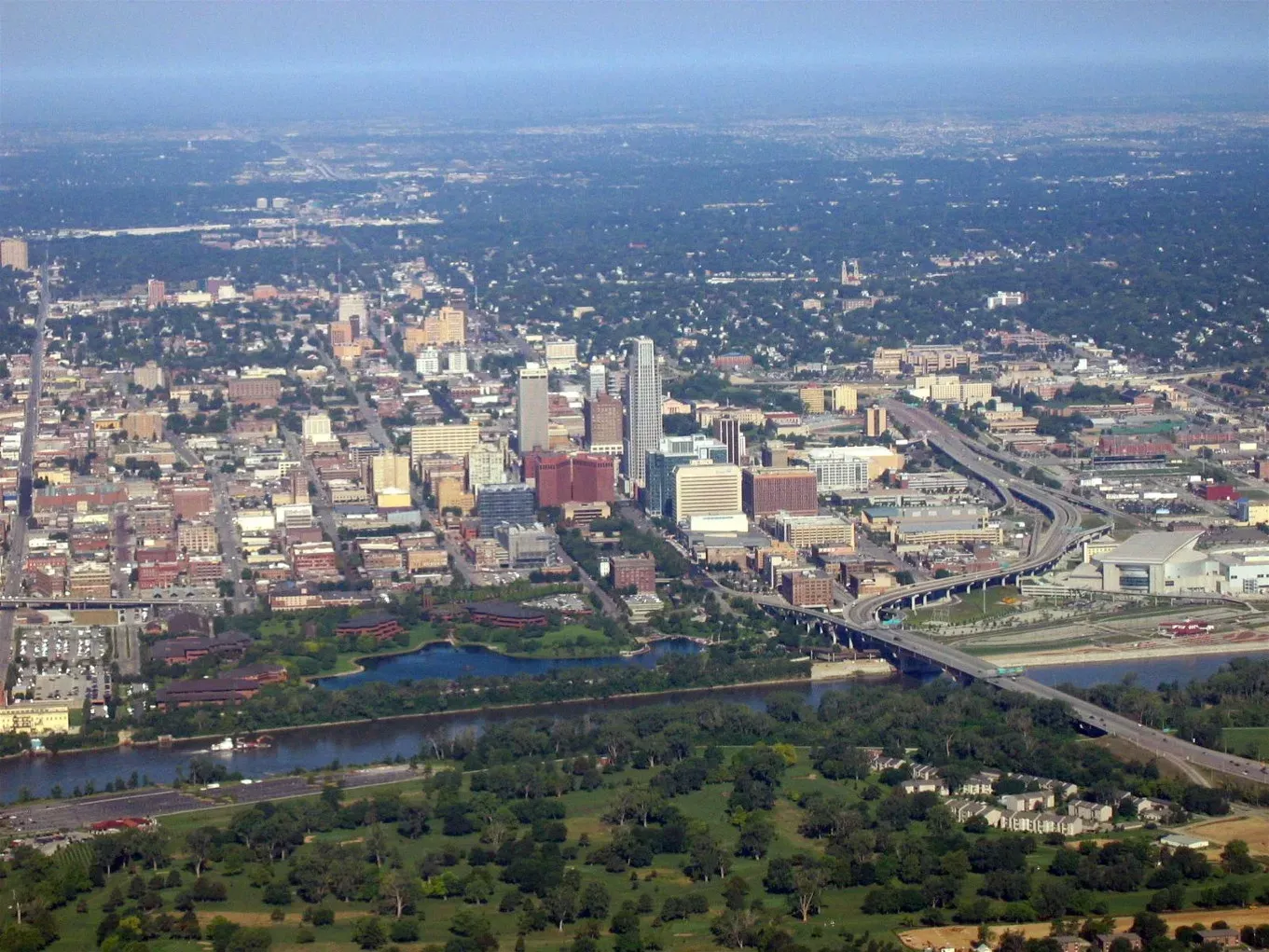
Omaha rarely gets mentioned alongside dramatic weather cities, yet the data tells a different story. Omaha is not typically a city associated with wildness, but in Omaha, temperature swings were more extreme than any other major city studied, with wind speed on the prairie deviating over 4 mph on an average day. During spring, that combination can turn a mild morning into a raw, wind-whipped afternoon in a matter of hours.
Part of the issue is Omaha’s flat, exposed setting on the eastern edge of the Great Plains. Omaha takes the unpredictability up a notch with the highest average wind speed deviation and the wildest temperature fluctuations, where one day might feel like spring, and the next like mid-winter. Packing a jacket in April here isn’t optional, it’s a survival habit.
3. Minneapolis, Minnesota
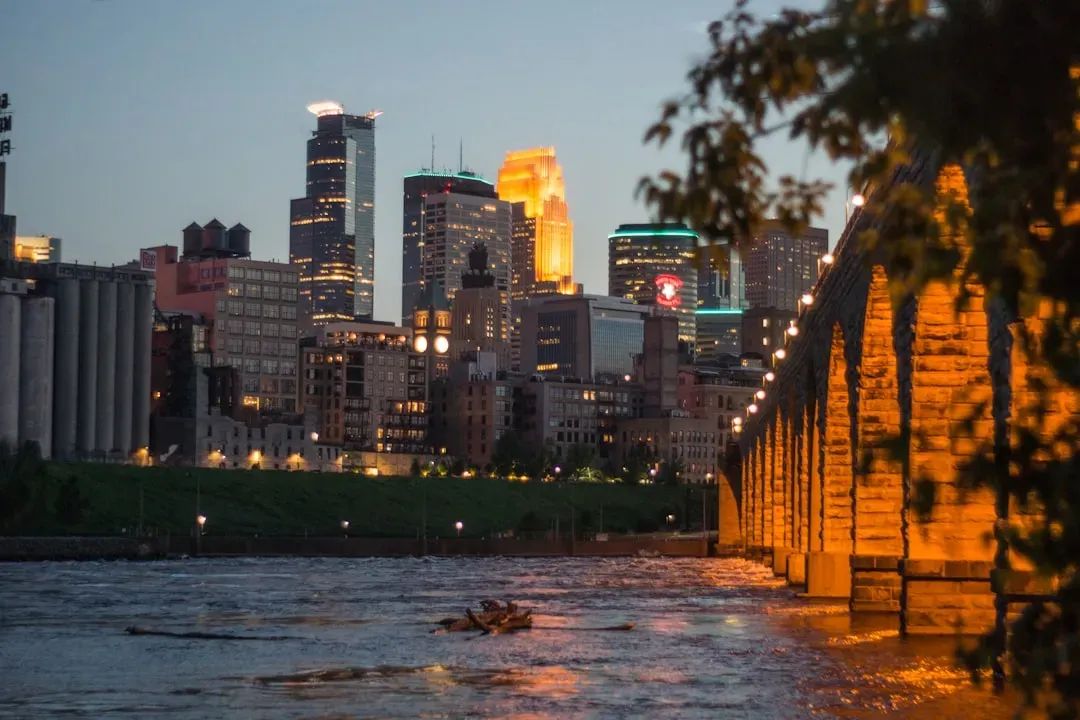
Minneapolis sits at the crossroads of Arctic air from Canada and warm, humid air pushing up from the south, and spring is when those systems fight it out most often. Minneapolis is the third most unpredictable city weather-wise, where drastic temperature changes are common. A sixty-degree afternoon can be followed within a day or two by a late-season snow squall.
The temperature swings tend to be the defining feature rather than any single storm type. Temperature is the most unpredictable facet of Minneapolis’ weather, with soaring highs and shivering lows appearing at any time, though the city benefits from a typically predictable occurrence of severe weather since tornadoes generally don’t catch residents by surprise. Even so, the day-to-day thermometer readings in March and April can be genuinely hard to plan around.
4. Kansas City, Missouri
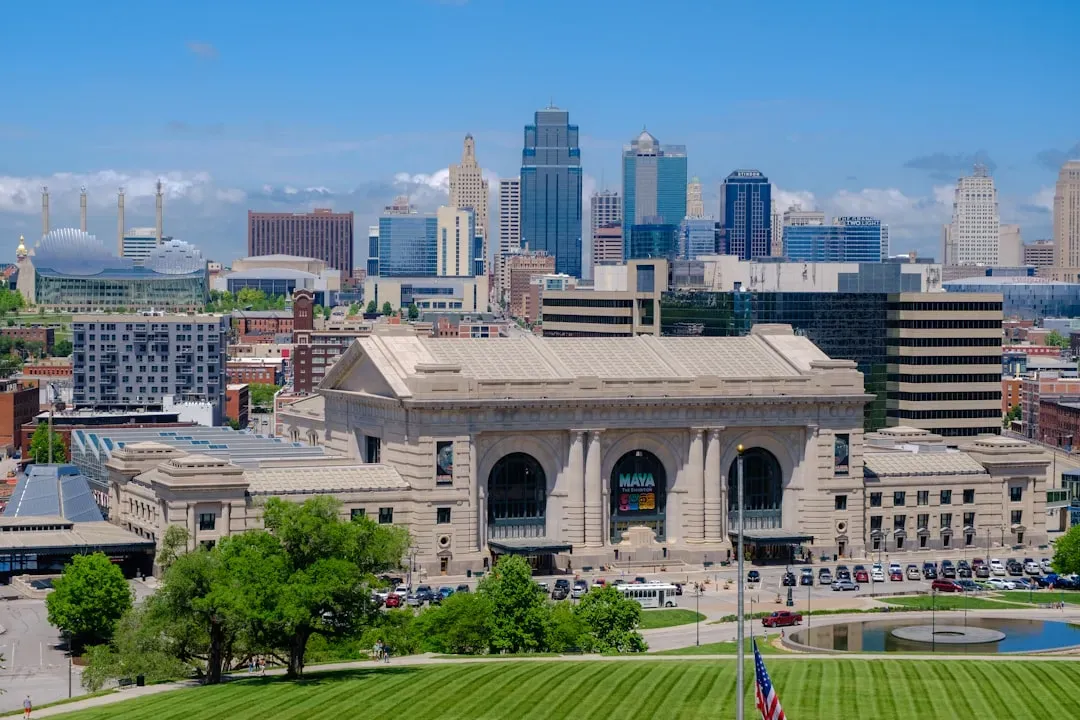
Kansas City sits almost dead center in the continental United States, far from any ocean or large lake that might smooth out temperature extremes. Kansas City’s population is likely used to extreme variations in climate, and it is notoriously difficult to forecast the weather, largely due to the city’s location in the geographic center of the United States. That interior position means spring air masses arrive with little to slow them down.
The result is a season of rapid mood swings, both meteorological and otherwise. Warm, humid days can give way overnight to thunderstorm complexes packing hail and damaging wind, and forecasters routinely have to revise their outlooks within hours as storm tracks shift. Kansas City residents tend to keep a rain jacket in the car well into June, just in case.
5. Fargo, North Dakota
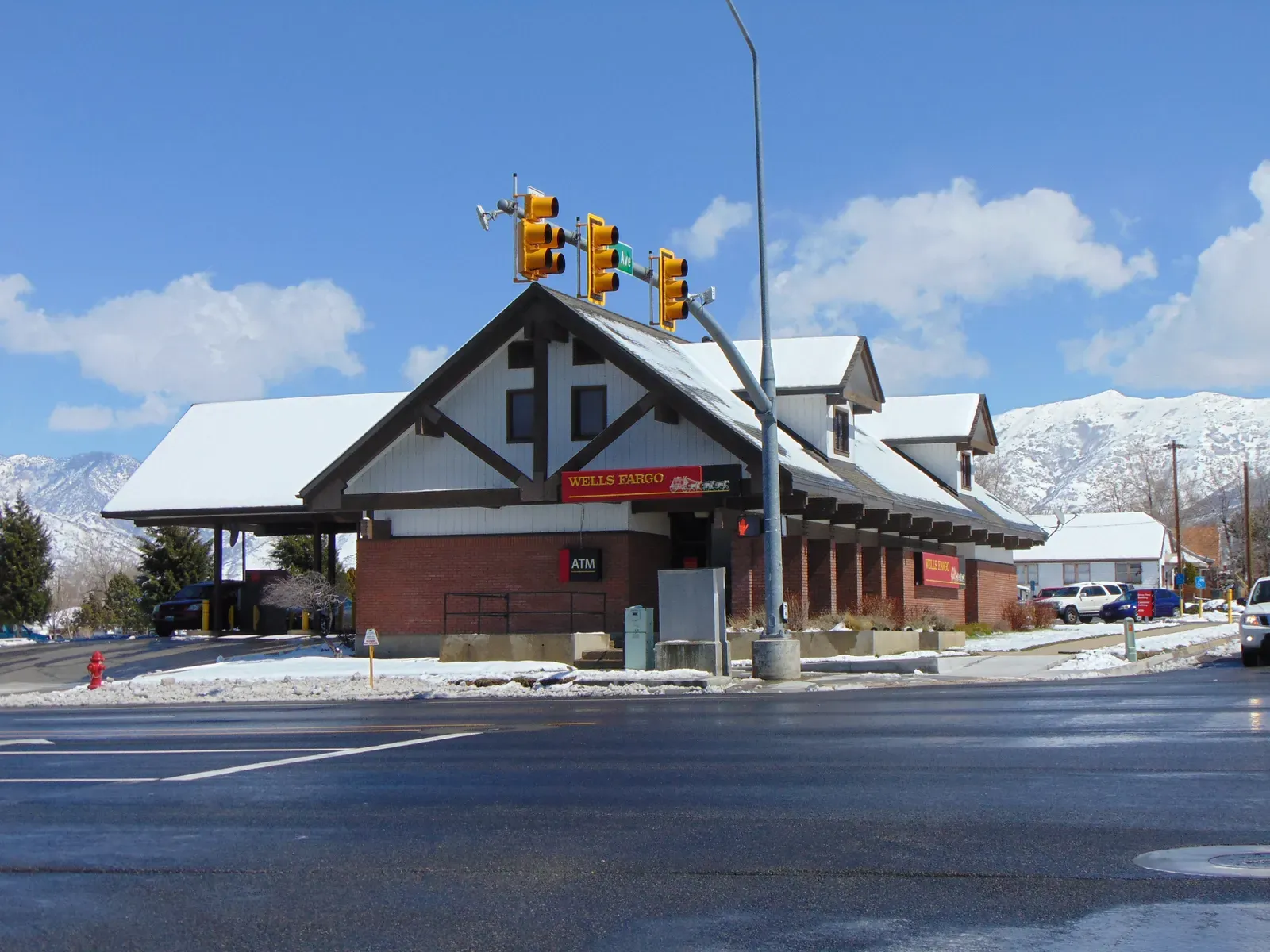
Fargo’s spring weather is a genuine oddity, largely because winter refuses to fully let go. The wacky weather in Fargo is entirely real, and the city typically experiences snowfall in every month except for July. That means April and even May snow showers are common enough that locals barely blink.
What makes spring especially tricky here is the speed of the transition once it finally arrives. A cold, snow-covered landscape can shift to sixty-degree afternoons within a couple of weeks, and the melting snowpack often triggers localized flooding along the Red River. Forecasters in Fargo have to track both the atmosphere and the ground conditions at the same time, which adds another layer of unpredictability.
6. Denver, Colorado
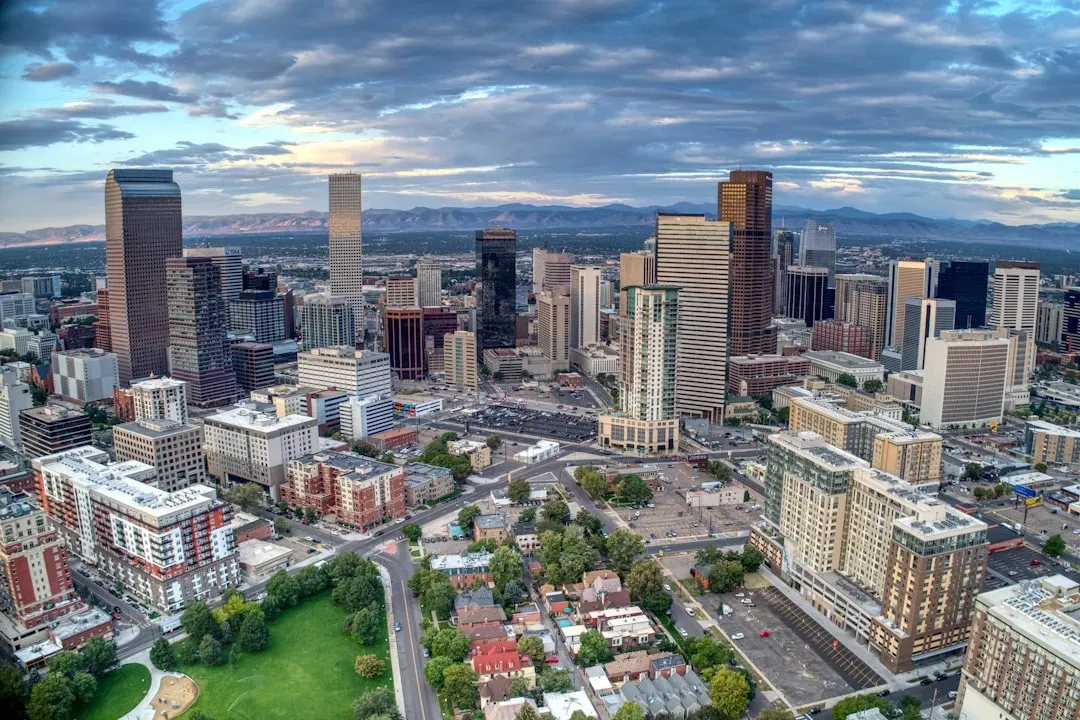
Denver’s spring weather might be the most famous example of rapid reversal in the country, thanks largely to its position at the base of the Rockies. Denver has had summer and winter all in one week, with temperatures far above normal one day before a winter-like storm sweeps in 24 hours later. A day near eighty degrees followed by a hard freeze and snow is not a rare event here, it is practically a seasonal ritual.
Local climate guides describe spring as the most volatile stretch of Denver’s year for good reason. The weather in Denver during spring can be quite variable, with a sunny, warm day sometimes followed by a sudden rainstorm, while occasional spring snowstorms are often short-lived, quickly giving way to clear skies again. Adding to the strangeness, March is surprisingly Denver’s snowiest month, with late-season storms bringing heavy, wet spring snow even though it’s actually the snowiest month of the year. Residents have learned to check the forecast morning and afternoon separately, because they rarely match.
7. Chicago, Illinois
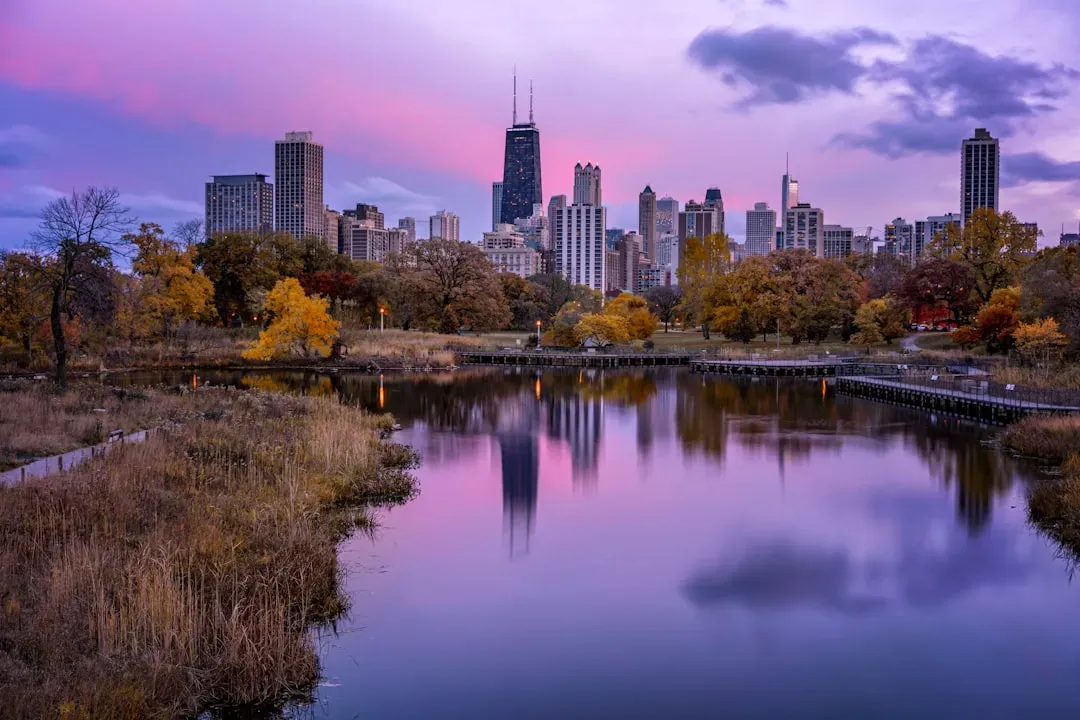
Chicago’s spring reputation is baked into local folklore, and the city’s position along Lake Michigan only complicates matters further. Chicago carries the old line, “If you don’t like the weather in Chicago, wait five minutes,” which locals apply to spring more than any other season. Lake breezes can drop lakefront temperatures by ten or fifteen degrees compared to neighborhoods just a few miles inland, creating two different versions of spring on the same afternoon.
Beyond the lake effect, Chicago sits in a broad zone where northern cold fronts and southern warm fronts frequently collide. That collision produces the kind of rapid-fire weather changes that made Chicago rank among the top ten U.S. cities with the wildest weather in recent analyses. Spring storms here can swing from sunny to severe thunderstorm warnings within a single afternoon, catching outdoor plans off guard.
8. Boston, Massachusetts
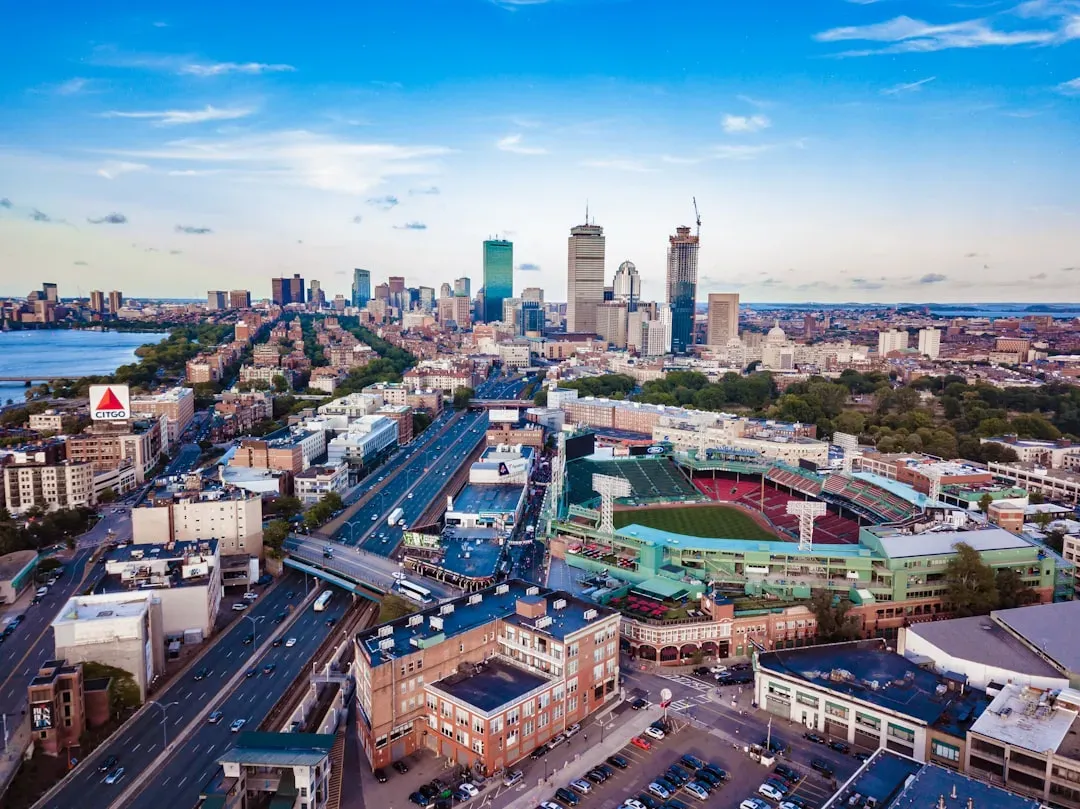
Boston’s coastal position means spring weather is shaped as much by the ocean as by the atmosphere overhead. Usually storms are forecast well in advance, but the coastal location makes weather patterns unpredictable, and rapid changes in temperature and other conditions mean extreme conditions can develop with little to no warning. Late-season nor’easters are the biggest wildcard, capable of dumping snow well after the calendar says spring has arrived.Historical records back up just how erratic Boston’s April can get. It is not unusual to have storms this late in the year, and April has seen quite a few big storms in the past, including a storm that dropped more than 2 inches of snow one April and nearly 2 feet the same month in 1997. Even in years without major snow, Boston’s spring routinely bounces between raw, damp cold and sudden mild stretches within the same week.
9. Indianapolis, Indiana
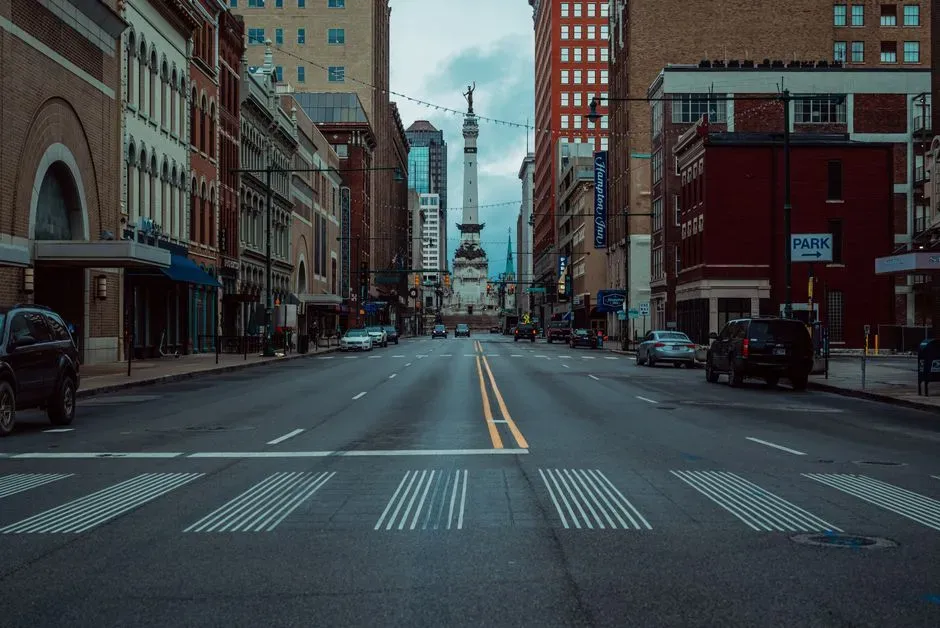
Indianapolis sits in a corridor where Midwest cold fronts and southern warm air masses regularly collide, making it a frequent entry on national lists of volatile weather cities. Indianapolis appears among the top ten U.S. cities with the wildest weather in recent rankings, a pattern that intensifies during the spring storm season. Its inland, flat geography offers little to slow or redirect approaching systems.
Spring in Indianapolis often means alternating stretches of severe thunderstorm watches and sudden temperature drops behind passing cold fronts. Residents are accustomed to widely swinging daily highs, sometimes shifting by twenty degrees or more within forty-eight hours. That inconsistency makes it one of the harder cities in the Midwest to plan outdoor events around during March and April.
10. Tulsa, Oklahoma
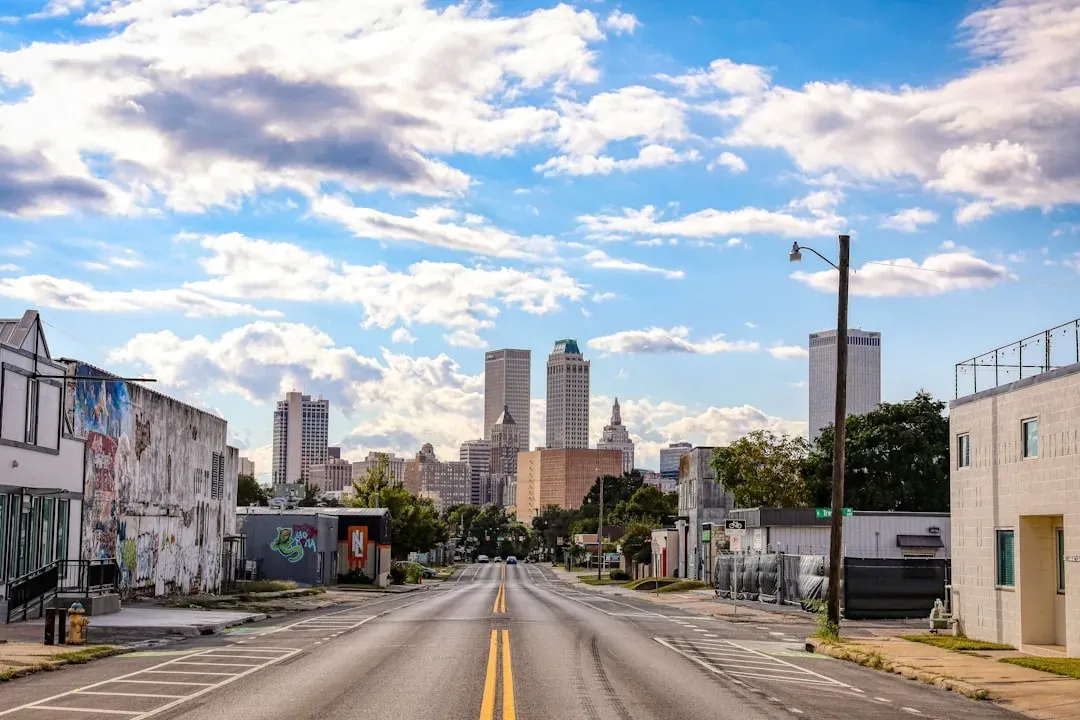
Tulsa shares much of Oklahoma City’s storm-prone geography but adds its own local quirks tied to the Arkansas River valley and nearby terrain. Tulsa ranks among the top ten U.S. cities with the wildest weather according to recent national comparisons, driven largely by its exposure during peak severe weather season. Spring here often brings rapid oscillations between calm, warm days and violent storm outbreaks.
The city’s position within the broader Tornado Alley corridor means forecasters have to track fast-developing supercell threats alongside more routine day-to-day temperature swings. A quiet, sunny morning can transform into a tornado watch by evening with little advance notice. That combination of everyday unpredictability and occasional severe threats keeps Tulsa’s spring forecasts in a constant state of revision.
11. Fort Worth, Texas
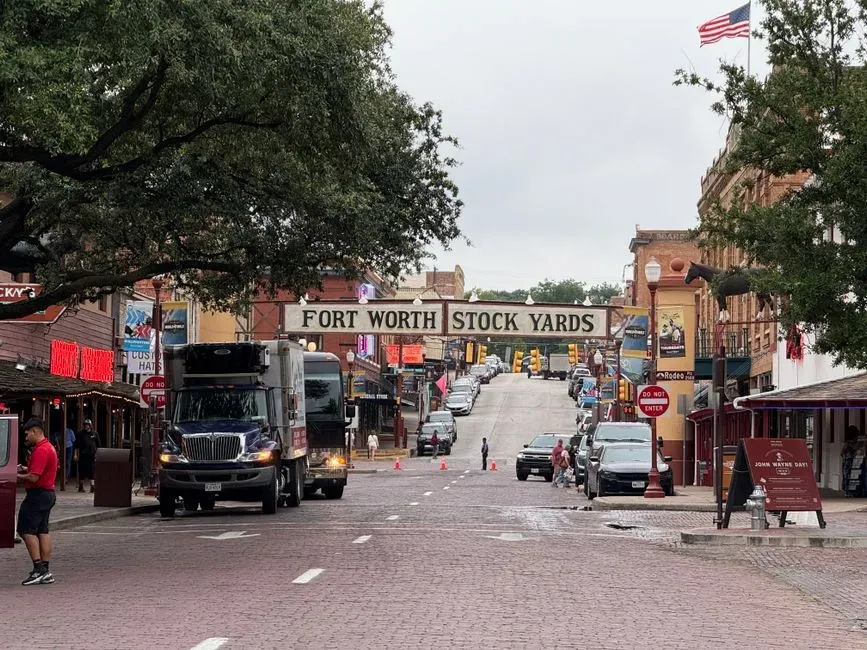
Fort Worth rounds out this list as a city where spring weather rarely settles into a pattern for more than a day or two. Locals in Fort Worth are no strangers to dramatic weather mood swings, and the city consistently appears near the top of national volatility rankings. Its position in north Texas puts it directly in the path of clashing dry, warm air from the west and moist Gulf air from the south.
That clash tends to produce some of the most dramatic single-day temperature swings in the country, along with fast-forming thunderstorms and occasional hail. Fort Worth appears among the top ten U.S. cities with the wildest weather in multiple recent studies, a distinction tied closely to its spring storm season. Residents often describe checking the radar as a daily habit rather than an occasional precaution.
Across all eleven cities, the pattern is the same even if the causes differ slightly from place to place. Interior location, proximity to clashing air masses, and exposure to storm tracks all play a role in why spring refuses to behave predictably in these places. For residents, the practical response tends to be the same everywhere: dress in layers, keep the forecast app open, and expect the day to change its mind at least once before dinner.