

- Common Nutrition Myths That Scientists Say Are Wrong - September 24, 2026
- 8 Island Nations Most at Risk of Disappearing This Century - September 24, 2026
- 9 Everyday Choices That Can Reduce Household Waste Without Much Effort - September 24, 2026
Most homeowners spend time worrying about mold, carbon monoxide, or faulty wiring. Radon rarely enters the conversation, partly because you can’t see it, smell it, or taste it. It moves silently through soil, seeps through foundation cracks, and gathers quietly in basements while the people above go about their lives completely unaware.
Radon is a naturally occurring radioactive gas formed through the radioactive decay of uranium in rock, soil, and water, and it is responsible for around 21,000 deaths each year, making it the second leading cause of lung cancer in the United States. What’s changed in recent years is how precisely researchers can now identify where the risk is worst – and the results are striking for certain states in particular.
Alaska: The Most Contaminated State in the Nation
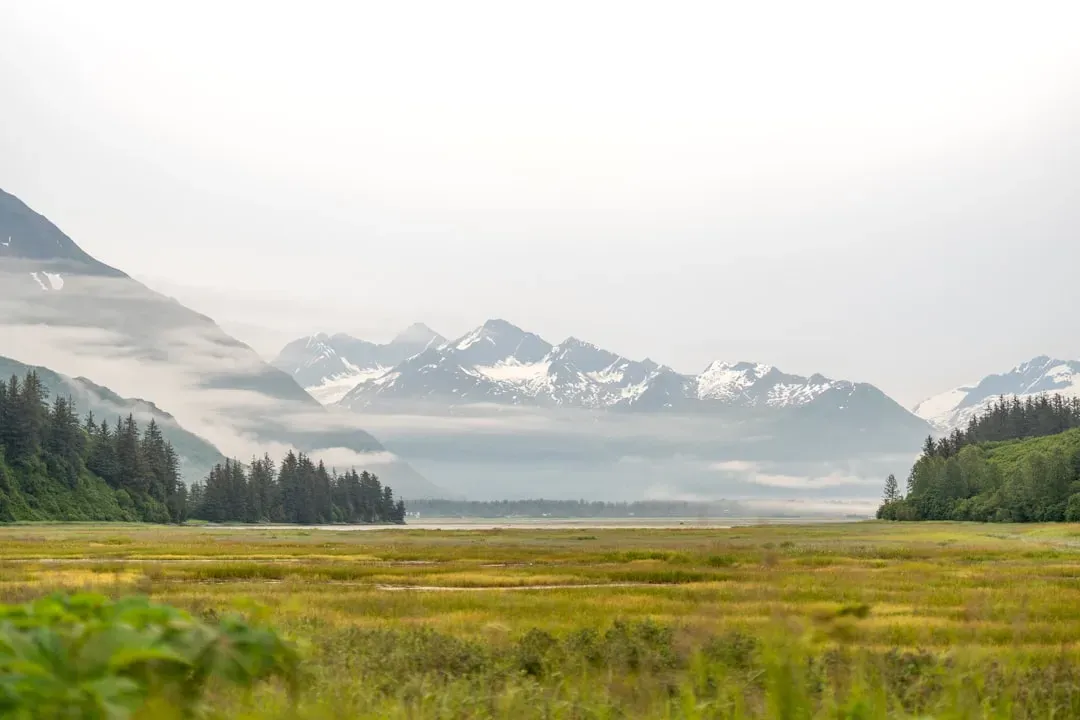
Alaska leads the list as the state with the highest average radon level of 10.7 pCi/L, significantly above the EPA’s recommended action level. To put that in context, Alaska’s average of 10.7 pCi/L is nearly three times the EPA action threshold. That isn’t a slight elevation. It’s a persistent, near-constant exposure problem for anyone living in a basement or ground-level home.
Alaska has uranium-rich soil and rocks, especially around volcanoes, and is home to a variety of glaciers and other ice formations. When these parts of the environment break down, they release radon into the ground and into enclosed spaces like homes. The 2025 to 2026 radon testing season is now ongoing, and the Alaska Radon Program is actively accepting home radon testing requests from Alaska residents.
South Dakota: Uranium Bedrock and Sky-High Numbers
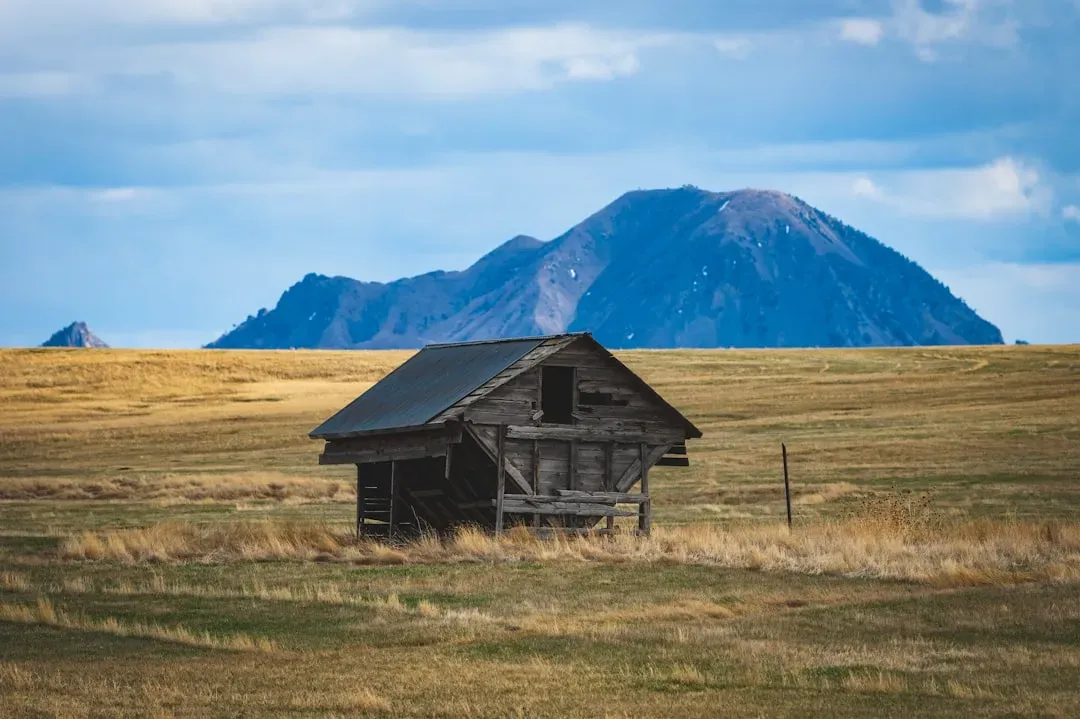
South Dakota reports alarmingly high radon levels of 9.6 pCi/L, placing it in second position among the most radon-affected states in the country. South Dakota had the highest population-weighted average radon concentration at 128.3 Bq/m3 among all contiguous states in the Harvard study. The geology here, particularly the uranium-rich Black Hills region and surrounding plains, creates conditions that push radon naturally and relentlessly toward the surface.
The eastern portion of South Dakota is classified as EPA Zone 1, the highest risk designation, and there are no Zone 3 low-risk areas in the state at all. The primary driver of radon prevalence was uranium content in soil, with high uranium geological basements such as shales, granites, and glacial deposits correlating with high radon zones. There is nowhere in South Dakota where residents can simply assume they’re safe without testing.
Pennsylvania: Old Geology, Modern Crisis
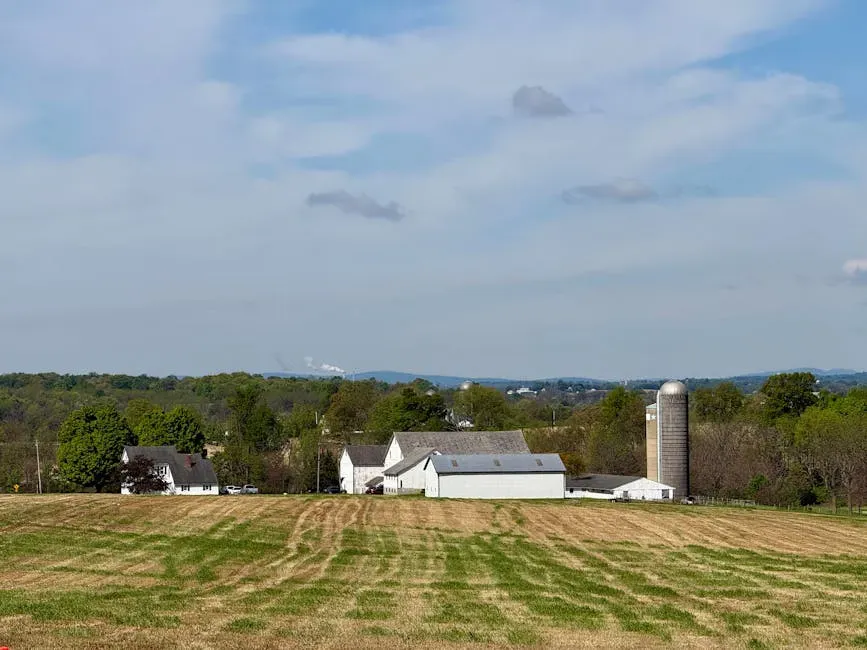
Pennsylvania reports alarmingly high radon levels of 8.6 pCi/L, and the state’s geology, particularly its abundance of uranium-bearing shale and granite formations in the Appalachian mountain belt, is a primary culprit. More than roughly four in ten homes in Pennsylvania have radon levels in excess of 4.0 pCi/L. That’s a substantial share of residential properties sitting above the safety threshold.
A December 2024 study published in JAMA Network Open examined school radon exposure across five eastern Pennsylvania districts and found that all children attending public schools in these five districts may have radon exposure exceeding the EPA recommended action level of 4.0 pCi/L, with nearly one in five of those children attending schools in zip codes where the average indoor radon level exceeded 11.0 pCi/L. The American Lung Association’s 2025 “State of Lung Cancer” report for Pennsylvania confirms the state lags behind in reducing radon exposure, ranking 39th out of 51 with 39.1% of radon test results at or above the EPA action level.
Ohio: A Geological Formation Doing Real Damage

Ohio is home to a geological formation called the Ohio Shale, which contributes large quantities of both uranium and radium to Ohio’s soil, which continuously break down and release radon gas, with radon levels in the state typically falling around 7.8 pCi/L. Ohio may look like flat, unremarkable farmland from above. Below the surface, the shale bedrock tells a very different story.
Areas around the city of Newark in Ohio had the highest predicted average radon concentration in the entire nation at 246 Bq/m3. That finding came from the landmark Harvard study published in the Proceedings of the National Academy of Sciences in early 2025. Ohio figures prominently in the high-risk zones identified in that study, particularly in the central part of the state.
Iowa: A Glacial Legacy Hidden in Every Basement
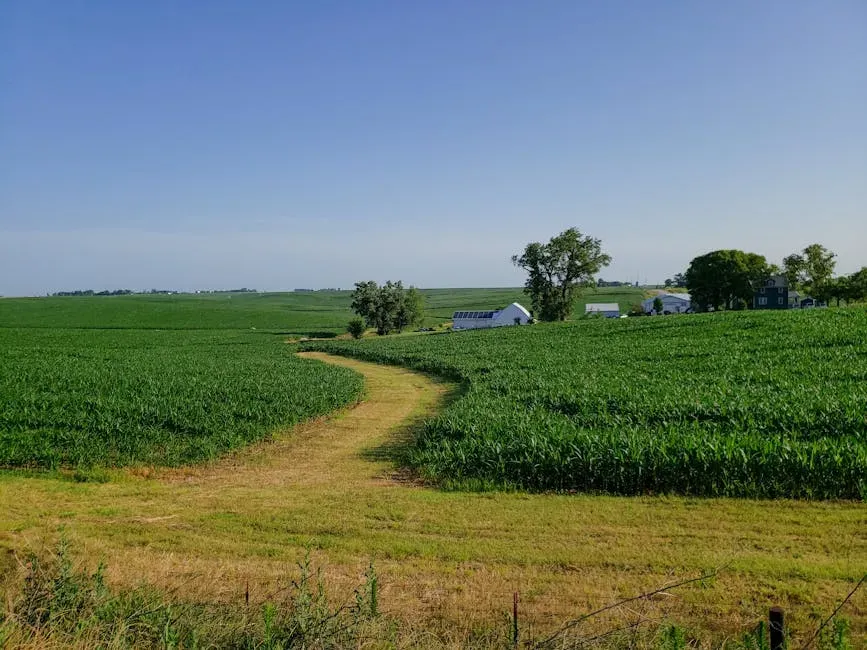
Over roughly seven in ten homes in Iowa have average radon levels above the EPA threshold of 4 pCi/L, and the average radon level in Iowa homes is 6.1 pCi/L. Those numbers are extraordinary. Most states with radon problems have pockets of elevated risk. Iowa has essentially a statewide problem.
Iowa has all 99 of its 99 counties classified as EPA Zone 1. The geological reason is equally striking. High levels of radon in Iowa may be attributed to the state’s glacial history: the passage of glaciers over Iowa led to the deposition of finely ground rocks that contain radium, and these deposits constitute a large surface area that emits radon gas. In January 2025, the Iowa Department of Health and Human Services and the American Lung Association started an initiative to provide free radon test kits in Iowa.
North Dakota: Every County in the Highest Risk Zone
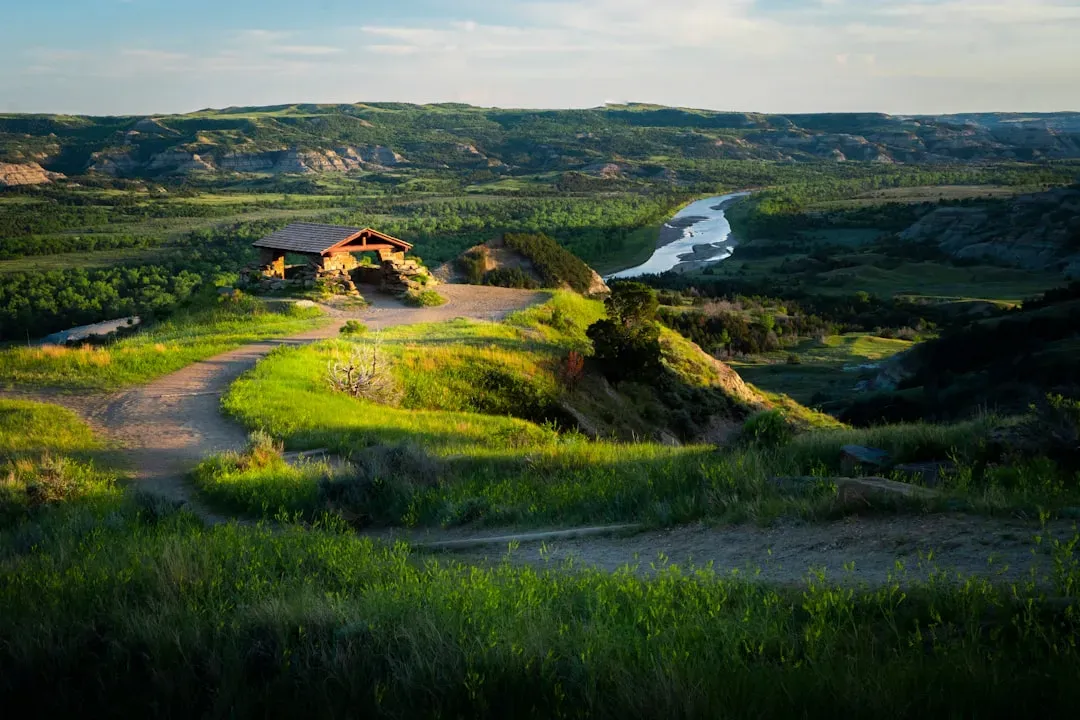
North Dakota has all 53 of its 53 counties classified as EPA Zone 1. That makes it one of only two states in the country where every single county carries the maximum risk designation. The highest radon levels nationally were found in South Dakota, North Dakota, Nebraska, parts of Iowa, eastern Pennsylvania, and central Ohio. North Dakota’s flat terrain and glacial soil composition make it especially susceptible.
One contributing factor to the seasonality is reduced ventilation while heating homes for winter, which traps and concentrates radon gas in basements and recirculated air. In North Dakota, where winters are long and homes are sealed tight for months at a time, that seasonal amplification is a serious compounding factor on top of already dangerous baseline levels.
Nebraska: Second-Highest Population-Weighted Radon Concentration

Nebraska recorded the second-highest population-weighted average radon concentration nationally in the Harvard study at 119.2 Bq/m3, trailing only South Dakota. The state’s soil is rich in uranium-bearing material deposited over millennia, and its geology sits squarely within the high-risk band of the northern central plains. Nebraska is frequently overlooked in public conversations about radon despite ranking among the most seriously affected states.
Public health agencies have been recommending improvements in radon mapping because population growth, climate change, housing construction practices, and mitigation efforts have shifted the pattern of radon risk over time. In Nebraska, older housing stock with unfinished basements and minimal ventilation creates ideal conditions for radon accumulation, particularly in rural communities where awareness of the problem tends to be lower.
Montana: High Percentages, High Stakes
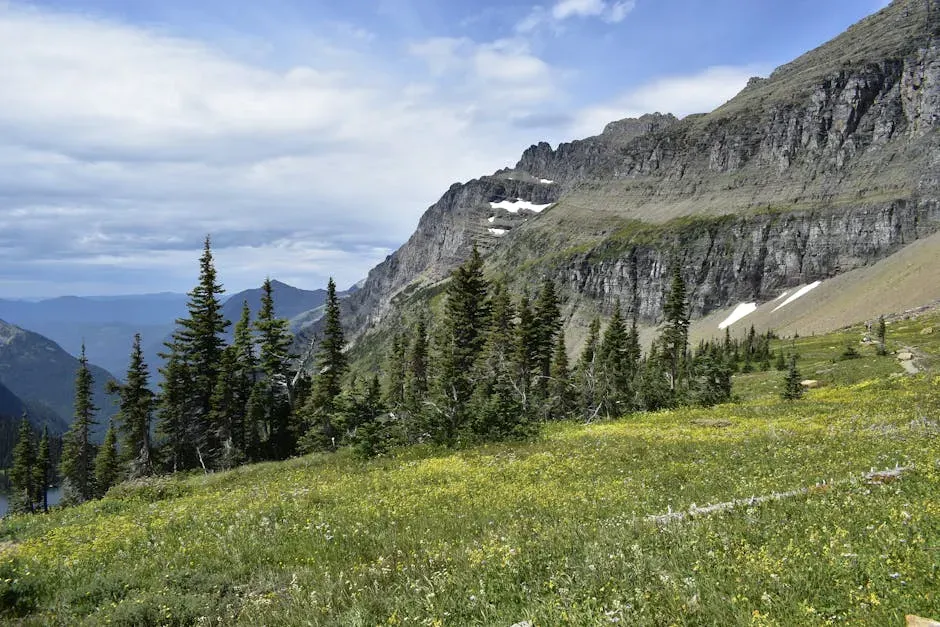
Montana presents an average radon level of 7.4 pCi/L, posing significant health risks to its residents. Montana has 50 of its 57 counties classified as EPA Zone 1, representing roughly 88% of the state. That’s one of the highest county-to-county risk concentrations in the entire country, and it spans both urban and rural areas without much relief.
The concentration of radon that accumulates indoors depends on the local geology, specifically granite, shale, and phosphate deposits which produce more radon, combined with soil permeability and home construction factors such as cracks, gaps, and sump pits. Montana’s mountainous terrain is rich in granite formations, which consistently rank among the highest radon-producing geological materials. Homes with lower air pressure than the surrounding soil essentially pull radon inside, which is why basements and ground floors typically have the highest concentrations.
What’s Driving the Awareness Surge in 2025 and 2026
Researchers from Harvard T.H. Chan School of Public Health assembled a national database with millions of multi-day indoor radon measurements from 2001 to 2021, with findings revealing that nearly a quarter of the U.S. population may be exposed to radon concentrations exceeding the level associated with cancer risks. The scale and resolution of that study represented a genuine step forward in understanding where the real danger lies. Previous county-level averages had masked a great deal of local variation.
The predictive factors used in the study included geological parameters such as uranium concentration in bedrock and soil composition, meteorological conditions including temperature and barometric pressure, socioeconomic indicators, and key architectural features regarding the size and age of homes and whether the location has a basement. The most effective mitigation method is called soil depressurization, where a contractor drills a small hole through the basement slab, inserts a pipe running up and out through the roof, and attaches a small fan that pulls radon-laden air from beneath the building; this approach consistently reduces indoor radon by more than 85%.
Why Basements Are the Critical Weak Point
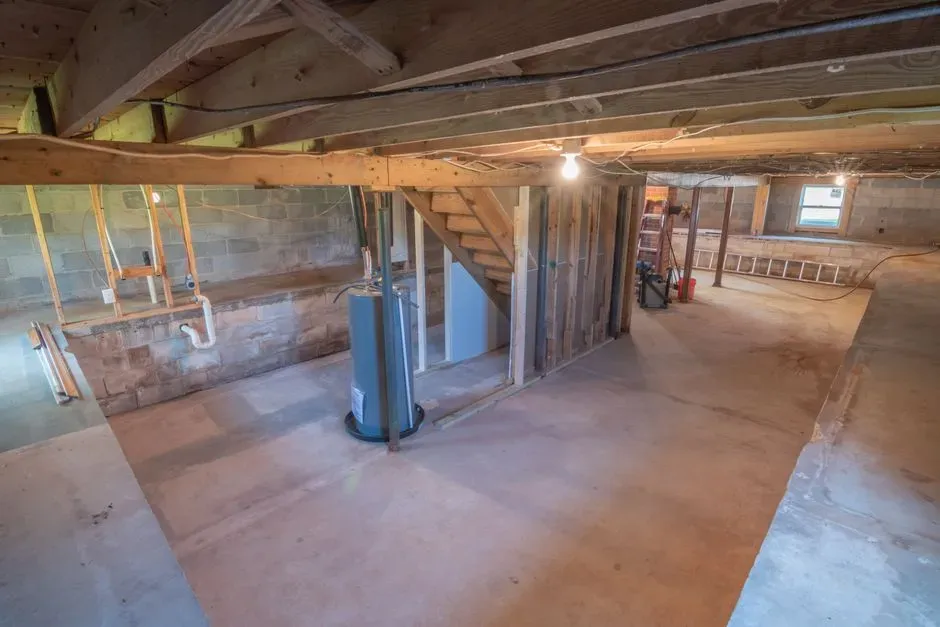
Radon gas decays into microscopic solid particles that enter the lungs when inhaled, become trapped there and decay further, releasing small bursts of energy that damage lung tissue and can increase the risk of developing lung cancer over the long term. The danger is cumulative and invisible, which is precisely why so many people in high-risk states go years without testing. Out of sight really does mean out of mind.
For most of the 20th century, radon levels in homes were consistently highest during winter heating months, roughly October through April, when keeping windows and doors closed reduced air exchange and forced-air heating systems distributed radon-laden air from the basement throughout the house. The Environmental Protection Agency recommends mitigation efforts for radon levels above 4 pCi/L. In all eight of these states, that threshold is not the exception. For many residents, it’s the daily reality hiding just below their feet.
