

- Top 6 Countries With the Most Extreme Temperature Swings - September 23, 2026
- The Snowbird Backlash: Why Ski Towns Are Pushing Back on Winter Tourists - September 23, 2026
- 11 Ways Different Generations Have Adapted Their Homes to the Weather - September 23, 2026
There are dates on the calendar that carry an unusual weight – not just for those who lived through them, but for entire states and generations that followed. May 11 is one of those dates for Texas. Exactly seventeen years apart, two catastrophic tornadoes tore through two very different Texas cities, leaving behind trails of devastation that would change how Americans understand, track, and prepare for violent storms.
May 11 stands out in Texas weather history for two very different reasons: it is tied to the state’s deadliest tornado in Waco and one of its most destructive in Lubbock – storms that also helped shape how tornadoes are studied today. One date, two disasters, and a legacy that stretches from downtown rubble into the modern science of storm tracking and tornado safety.
The Date That Defined Texas Tornado History
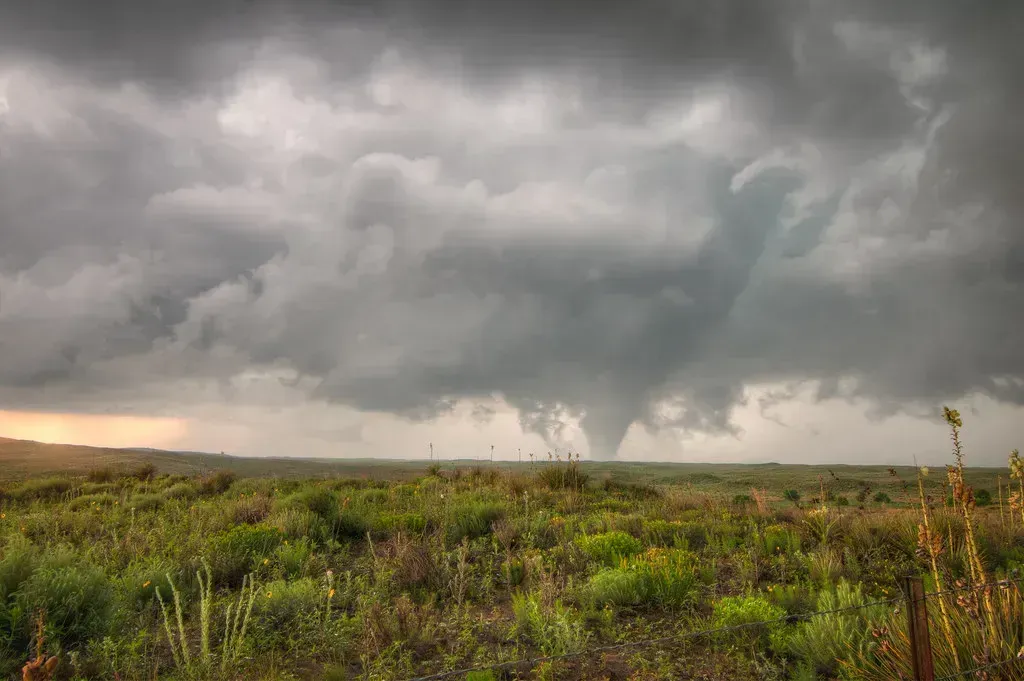
The date of May 11 stands as a sobering date in Texas history, a day when powerful tornadoes struck in different years and left a shared legacy of destruction. The first came on May 11, 1953, when an F5 tornado ripped apart downtown Waco in a matter of minutes. The second arrived exactly seventeen years later, on May 11, 1970, when a monstrous multi-vortex F5 tore through the heart of Lubbock after dark.
Although they struck 17 years apart, both storms hit on May 11 and left lasting marks in very different ways – one defined by catastrophic loss of life, the other by how it reshaped tornado science and how storms are measured. Together, they make May 11 arguably the most consequential single calendar date in the long and turbulent tornado history of the Lone Star State.
Waco, 1953: The Storm Nobody Saw Coming
On the morning of May 11, the New Orleans Weather Bureau issued a tornado warning for West and Central Texas. Yet life in Waco continued at its normal pace. Some Wacoans placed stock in the old Waco Indian legend that claimed that the hills and bluffs surrounding the city kept it safe from tornadoes. That folk belief had never been tested – until the afternoon sky turned a sickening shade of green.
Because heavy rain obscured the tornado, it was largely invisible to people in its path. The high-precipitation nature of the parent storm may have heightened the death toll in Waco by delaying appropriate action. The time of day might also have increased the death toll, as the tornado struck downtown at the end of the work day. Workers who crowded into nearby buildings for shelter from the rain had no idea those same buildings would collapse on top of them.
The Scale of Destruction in Downtown Waco
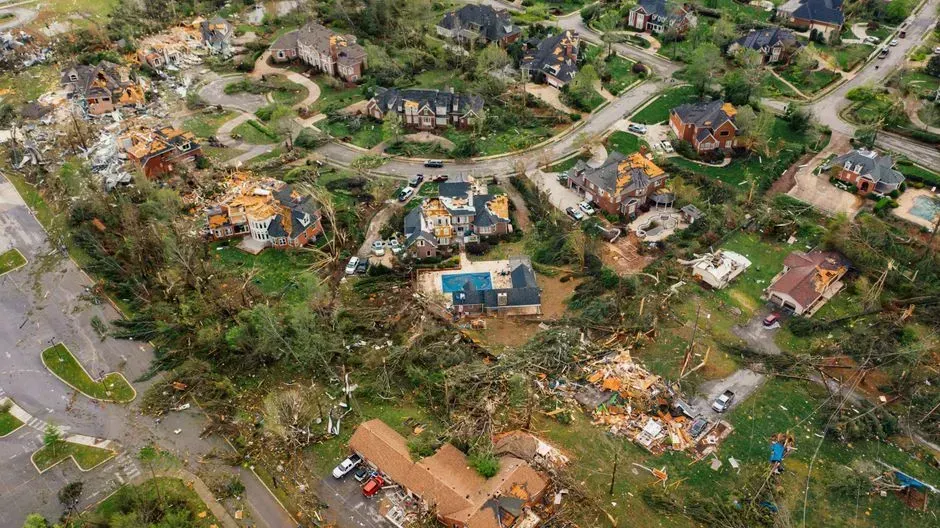
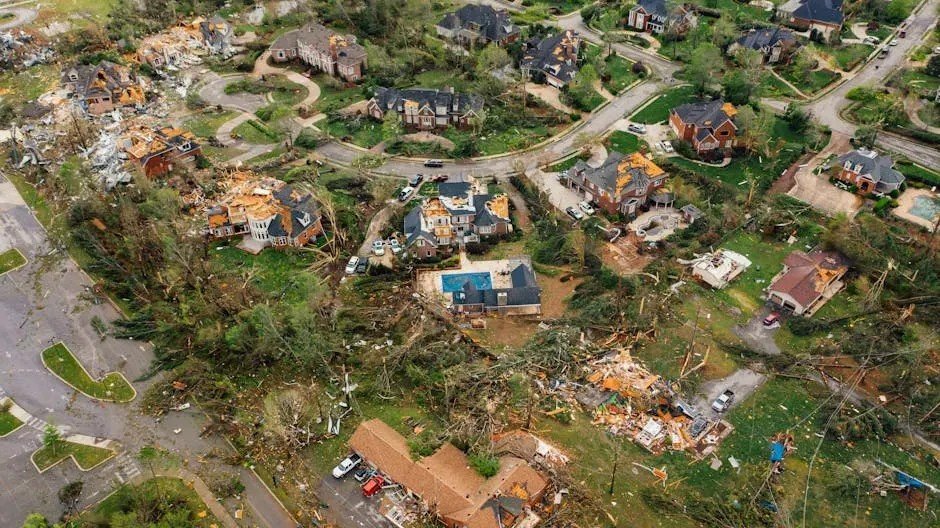
In a matter of minutes, in the face of cyclonic winds that likely topped 300 mph, hundreds of homes and businesses were utterly destroyed; thousands of cars were damaged or totaled; almost 600 people were injured and 114 were killed. The destruction was concentrated in the heart of the city, where old brick commercial buildings crumbled into the streets.
Thirty people died in the R. T. Dennis building alone, and five others died while in their cars. Newer buildings with steel reinforcement, including the 22-story Amicable office building (now called the ALICO Building), weathered the storm. Bricks from the collapsed structures piled up in the street to a depth of five feet. Some survivors were trapped under rubble for 14 or more hours; numerous bodies remained buried beneath piles of rubble, and for many days were unaccounted for.
A Record That Still Stands Today
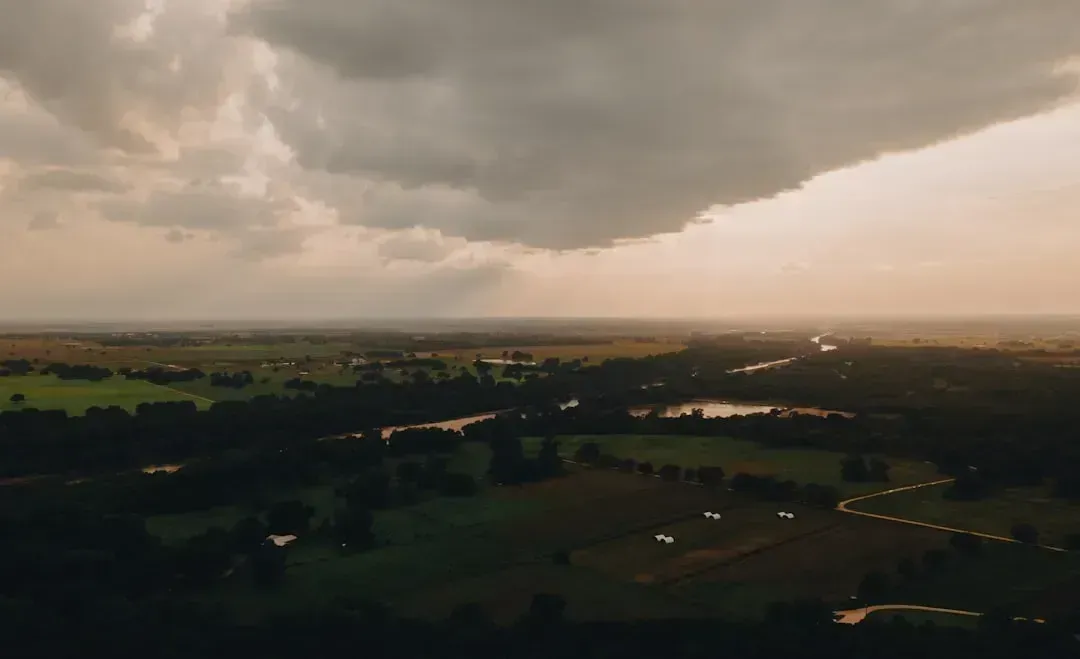
In all, 114 deaths occurred in the Waco area, with 597 injured, making it the deadliest tornado in Texas history. Damage costs were estimated at around $51 million. The tornado destroyed 196 businesses and factories. Adjusted for inflation, the damage would translate to well over $400 million today.
Alongside the 1902 Goliad tornado, it was the deadliest tornado in Texas history and is the 11th deadliest tornado in U.S. history. Historians call the Waco tornado a “once-in-a-century” storm. More than seven decades later, no tornado in Texas has come close to matching that death toll, a grim benchmark that endures to this day.
How Waco Changed the Way America Warns Itself

The destruction dispelled a myth that the geography of the region spared Waco from tornadoes, and along with other deadly tornadoes in 1953, the Waco disaster was a catalyst for advances in understanding the link between tornadoes and radar-detected hook echoes. It also generated support for improved civil defense systems, the formation of weather radar networks, and improved communications between stakeholders such as meteorologists, local officials, and the public.
Two years later, on June 26, 1955, the Texas Radar Tornado Warning Network was formally dedicated at Texas A&M University, and the school was instrumental in the formation of what is believed to be the first advance warning system of tornadoes in the country, one that was clearly ahead of its time. By the end of 1955, despite a record 164 tornadoes in Texas, there were only two deaths related to the storms. The contrast with 1953 spoke for itself.
Lubbock, 1970: The Tornado That Struck After Dark
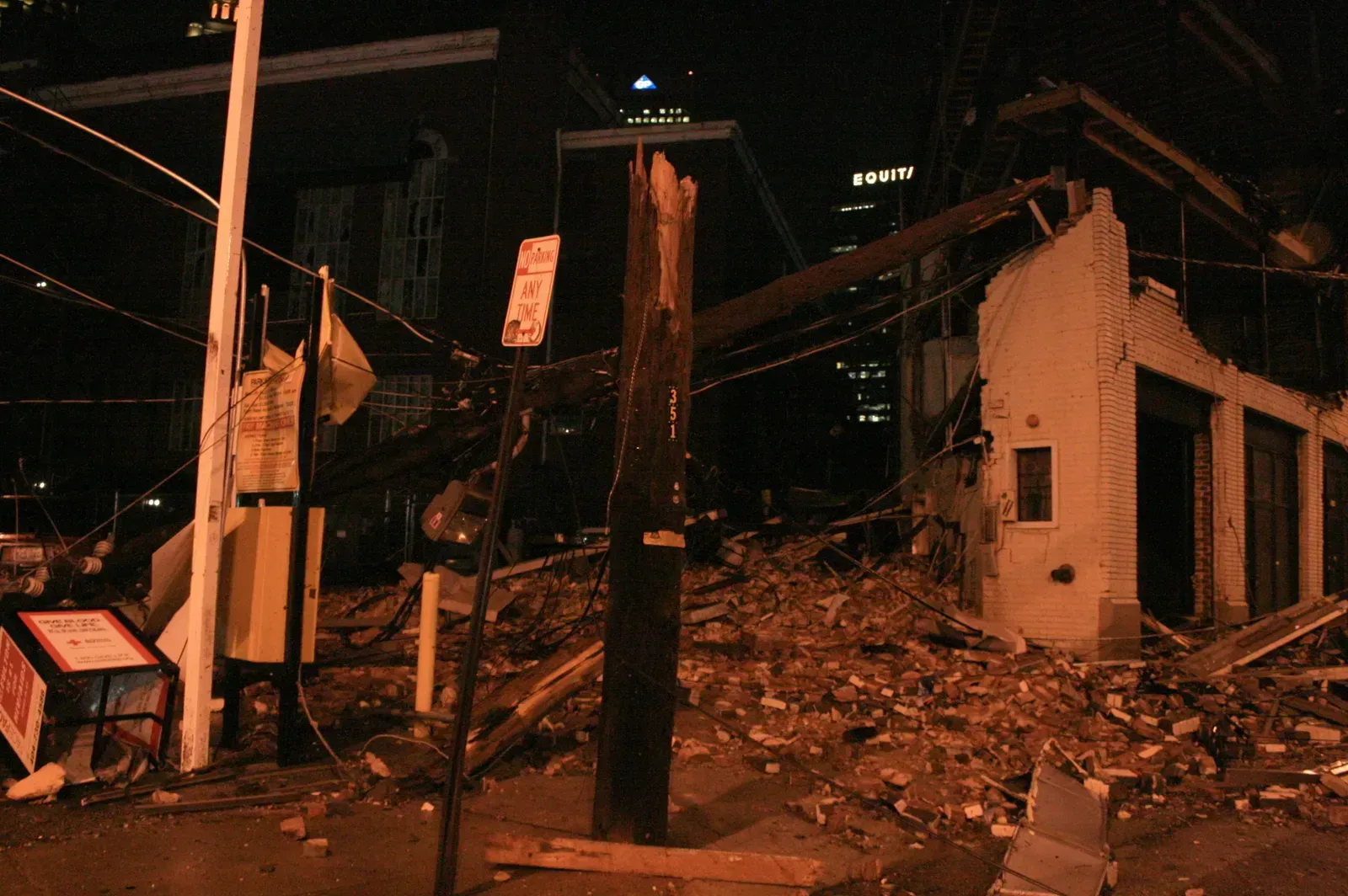
During the evening hours of May 11, 1970, an extremely violent multiple-vortex tornado struck a large portion of the city of Lubbock, located in the state of Texas. The incident resulted in 26 fatalities and an estimated $250 million in damage (equivalent to $2.07 billion in 2025). Unlike the Waco disaster, this one came at night – a detail that, ironically, may have saved lives.
Most of that comes down to timing. The tornado struck in the evening, and luckily, many office buildings had emptied for the day. It killed 26 people and injured more than 1,500 along its 8.5-mile track, while covering about 15 square miles of Lubbock. The sheer physical footprint of the storm was staggering, blanketing a significant portion of the city in wreckage.
A City Ripped Apart: The Physical Toll in Lubbock
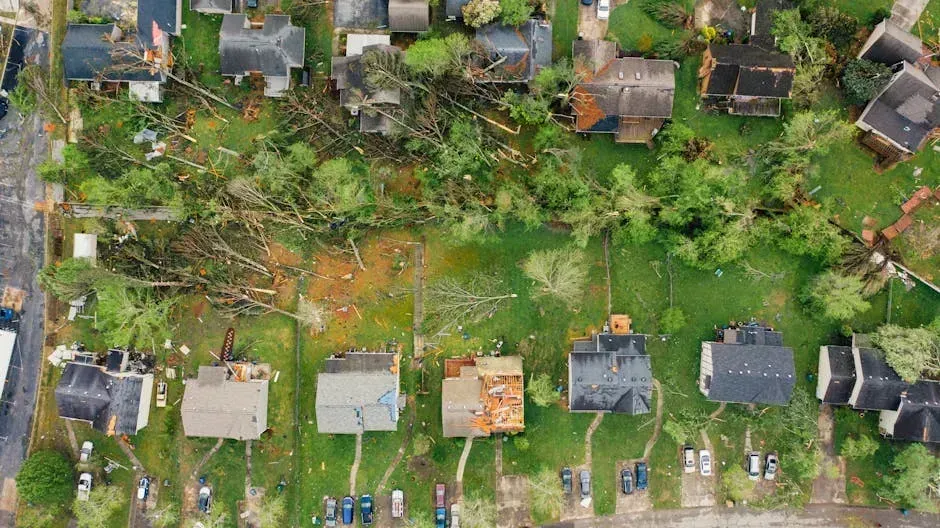
The second, most destructive tornado was one and a half miles wide early on, before narrowing to about a quarter mile wide by the time it reached the airport. Some 600 apartment units were demolished, 250 businesses were damaged or destroyed, and 8,800 family units were damaged, of which 430 were destroyed. In downtown Lubbock, an estimated 80% of all plate glass windows were smashed.
As of 2026, this remains the westernmost F5/EF5 tornado recorded in the United States. The 1970 Lubbock Tornado claimed the lives of twenty-six people – men, women, and children, ranging in age from nine months to eighty-eight years – who perished in their homes and vehicles during their desperate attempts to seek shelter from the raging storm.
The Birth of the Fujita Scale
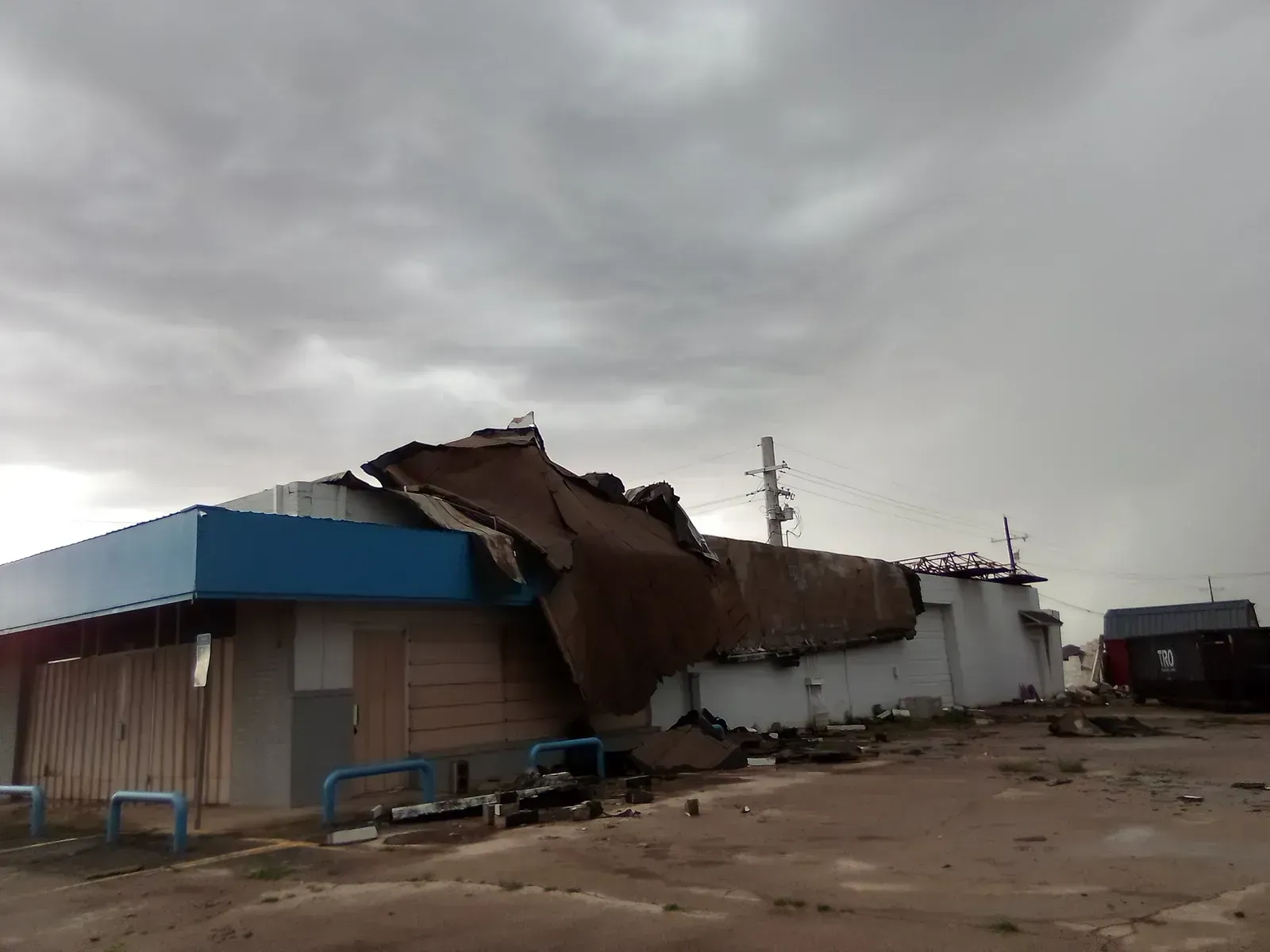
The Lubbock tornado was a catalyst for additional research into severe weather. The study of the meteorological data from the event in combination with an extensive damage survey completed in the aftermath was used in the development of the Fujita Tornado Damage Scale in 1971 by Dr. Ted Fujita. The storm earned an F5 rating, the highest possible. Before this scale existed, there was no standardized, widely accepted way to measure a tornado’s intensity.
The study of the damage patterns, especially from overhead with aerial photos, allowed Dr. Fujita to further develop his theory that some tornadoes contained more than one vortex. This was evident with the Lubbock tornado, where swaths of extreme damage were located immediately adjacent to locations of very light damage, all within the tornado path itself. In the aftermath, Fujita conducted an extensive damage survey of the 1970 Lubbock tornado. His analysis was later described as “the most detailed mapping ever done, up to that time, of the path of a single tornado.”
Lubbock’s Scientific Legacy and Lasting Resilience
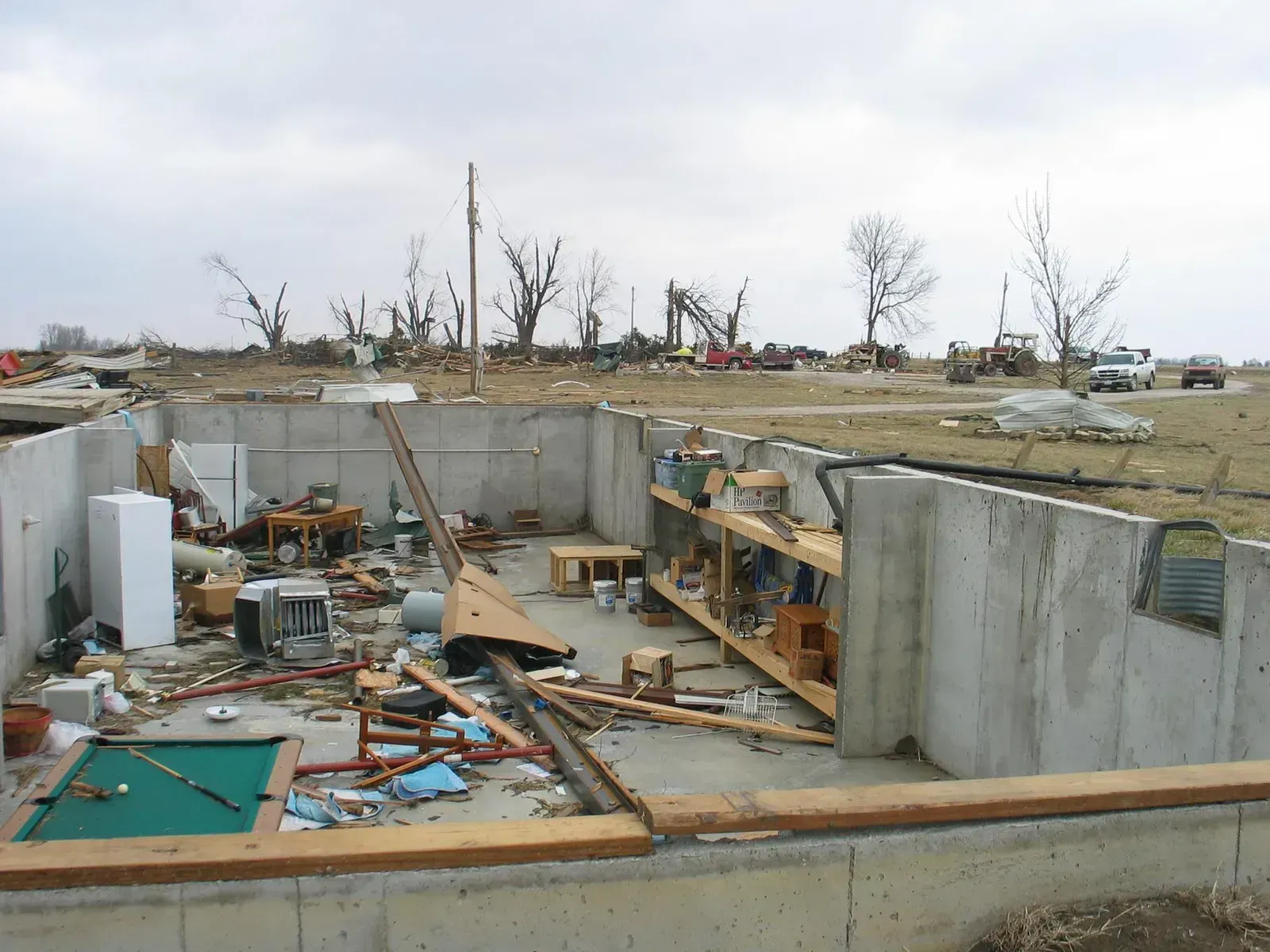
The F Scale became the Enhanced Fujita Scale in 2007, when meteorologists and wind engineers saw a need for improvements to the original and limited scale. The EF Scale considers more variables such as 28 damage indicators, including structures and trees. This tornado is what eventually led to the development of the National Wind Institute at Texas Tech. That institution continues producing wind engineering research that influences building codes and safety standards to this day.
Despite the destruction wrought by the tornado, the recovery effort revitalized the stagnating Lubbock economy and helped to bring about a period of sustained economic and physical growth. A memorial was erected on May 11, 2021, as a tribute to the destruction and the lives lost that day in 1970. It is located off Avenue Q at Glenna Goodacre Boulevard just before the Lubbock Memorial Civic Center entrance.
Two Storms, One Shared Legacy
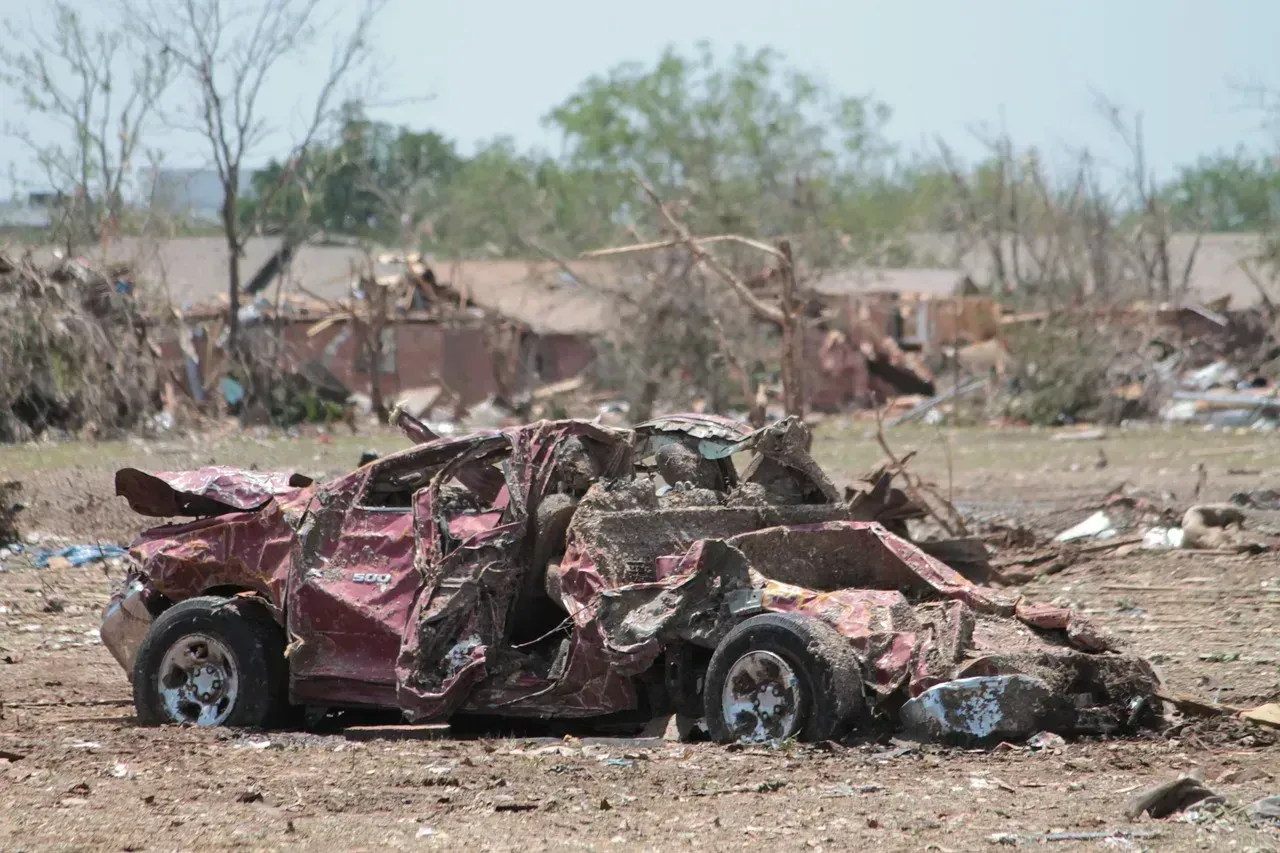
Waco and Lubbock experienced very different tornadoes – one struck on a busy Monday afternoon with no meaningful warning, the other swept through a city at night when thousands of people were already home. Yet both events produced lasting changes that went far beyond the cities themselves. The aftermath of the Waco tornado contributed to the development of an efficient tornado warning system for the entire nation, and promoted greater communication amongst relief agencies to better deal with future disasters. Lubbock, in turn, gave the scientific community the data needed to measure and understand tornado intensity in a rigorous, systematic way.
May 11 is not just an anniversary – it is a reminder of how catastrophic natural events, as devastating as they are, have historically driven the advances that protect later generations. The storm caused more than $40 million in damage at the time – equivalent to about $400 million today. While it may not be immediately apparent more than 70 years later, the storm’s impact is still felt throughout downtown Waco. The same quiet persistence lives in Lubbock, in its memorials, its building codes, and in a tornado damage scale used by meteorologists around the world every time a violent storm touches down.
