
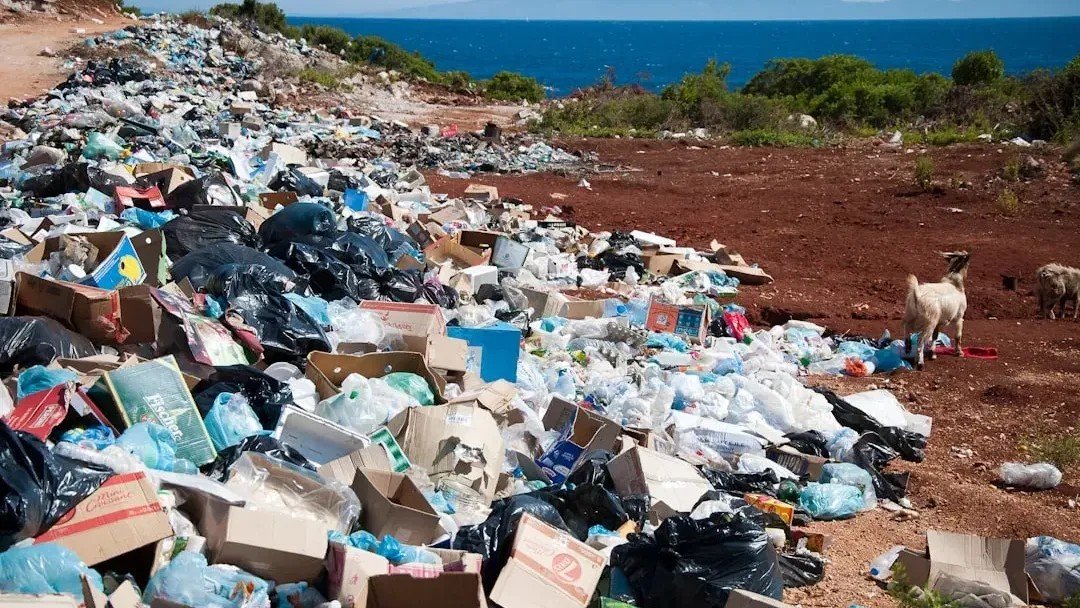
Most of us trying to do right by the planet are acting in good faith. We swap out plastic, read labels, choose the “eco” option, and feel a small sense of satisfaction at the checkout line. The problem is that a surprising number of these well-intentioned choices don’t hold up under scrutiny.
Science has a way of complicating the story. What looks sustainable on a label, in a store display, or in a social media post often carries a far messier backstory once you trace it back through supply chains, chemistry labs, and life-cycle assessments. Here are nine habits that experts say deserve a second look.
1. Stockpiling Cotton Tote Bags

Cotton totes have become a cultural symbol of environmental awareness, but the numbers behind them are genuinely sobering. A study by the Danish Ministry of Environment in 2018 found that a cotton tote bag needs to be reused 7,100 times to make up for its higher environmental footprint compared to a plastic bag used once. Cotton seems like a natural, biodegradable choice, but conventional cotton farming is one of the most resource-intensive agricultural practices on Earth, requiring vast amounts of water, land, and pesticides.
A single cotton tote creates the same environmental impact as 7,100 plastic bags, and organic cotton bags are far worse, since organic cotton yields are roughly a third less than conventional cotton, meaning a single organic cotton tote generates the carbon equivalent of around 20,000 plastic bags. The real culprit isn’t the bag itself – it’s the habit of collecting more than you ever use. Many people are drowning in reusable bags that retailers sell cheaply or give away as an ostensibly greener alternative to single-use plastic. One well-used tote for years is genuinely helpful. A drawer full of them is a different matter entirely.
2. Buying “Biodegradable” or “Compostable” Plastics
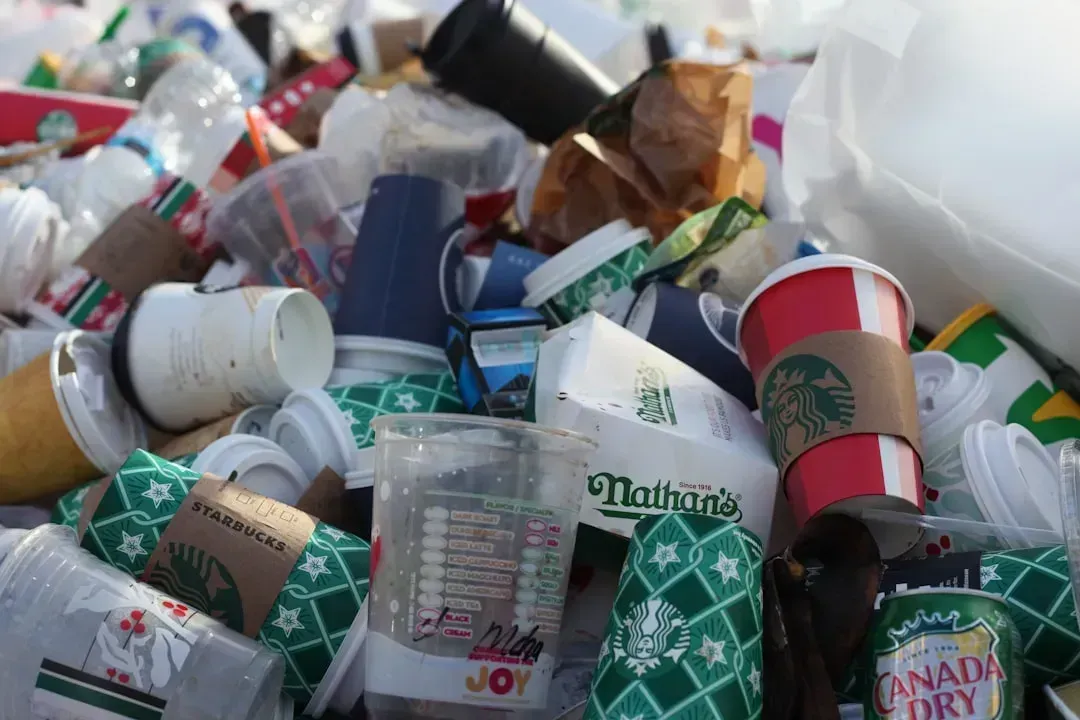
Compostable plastic often doesn’t break down as advertised, contaminates compost with microplastics, and perpetuates single-use culture. The label sounds reassuring, but most people don’t have access to the industrial composting conditions these products require to actually break down. Although your backyard compost can handle food waste and yard trimmings, most of the compostable products on the market require the high temperatures of an industrial composting facility to break down.
Although compostable and bioplastic packaging are touted as being environmentally friendly, they may have even greater environmental impacts than their conventional plastic counterparts, often producing significantly more greenhouse gas emissions due in part to the emissions created during the agricultural phase. Studies have found that the majority of bioplastics labeled as compostable do not actually break down in home compost systems, and these items may remain virtually intact for years, endangering wildlife through ingestion and entanglement. The “compostable” stamp on a product is not a guarantee of safe disposal.
3. Eating Local, Regardless of the Season

Buying local sounds like one of the simplest green choices you can make. New research has found that this isn’t always true, and in fact food products that travel thousands of miles can actually have a lower carbon footprint than local produce, especially if you’re eating them out of season. The energy used to heat greenhouses or store food through winter often dwarfs what a cargo ship uses to transport produce from a warmer climate.
Food transport accounts for only about five percent of the average household’s food emissions, meaning that if a household sourced all of their food locally, the maximum reduction in their footprint would be around five percent. What you eat matters far more than where it came from. Substituting less than one day per week’s worth of calories from beef and dairy products for chicken, fish, eggs, or a plant-based alternative reduces greenhouse gas emissions more than buying all your food from local sources. What you eat is much more important than how far that food has travelled, since transport and packaging typically account for only a small fraction of food’s greenhouse gas emissions.
4. “Wishful Recycling” – Tossing Anything That Seems Recyclable
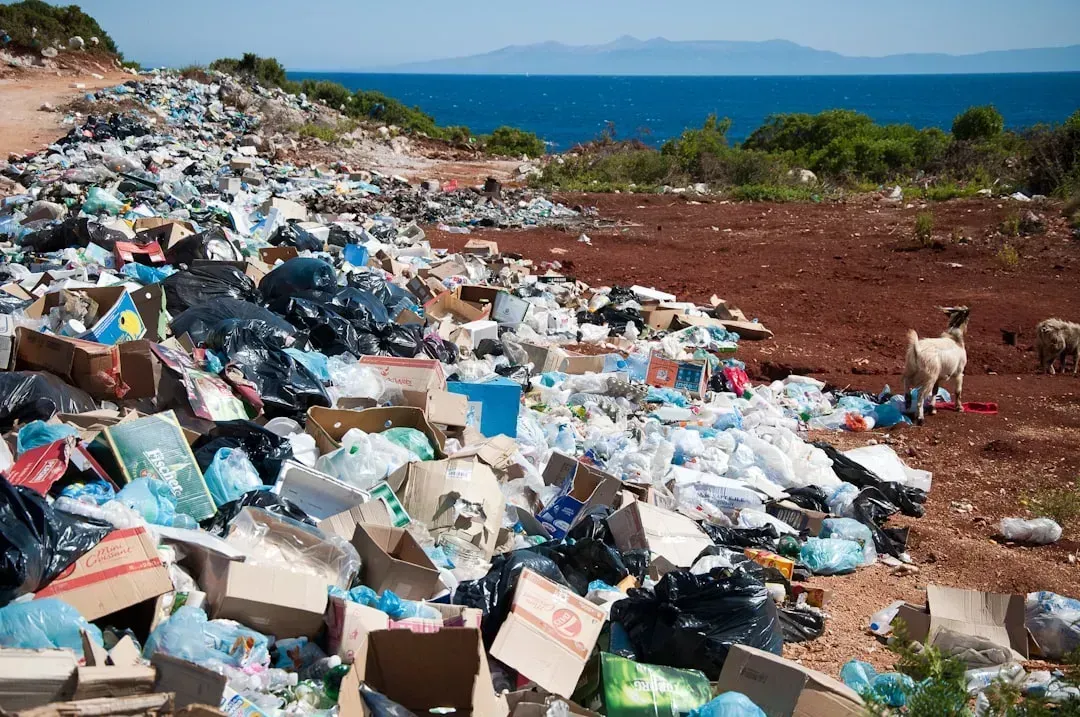
Wishful composting and recycling is a growing problem because it can lead to contaminated soil at home or disrupt industrial composting and recycling operations. Many well-meaning people place greasy pizza boxes, plastic film, or unlabeled containers in the recycling bin hoping the facility will sort it out. They don’t. Just like other recycling systems, depositing incorrect materials in collection bins can contaminate a truckload of material, causing nutrients and recyclable resources that could have enriched the soil or been repurposed to be lost entirely.
Lookalike non-compostable items can disrupt composting systems, and if a load of compost is contaminated, the entire batch may be rejected and sent to landfill or incineration. Contamination doesn’t just neutralize your effort – it actively undoes the recycling work of everyone else in that collection batch. Environmental experts call for more clarity on recycling symbols and information, but until that arrives, the safest rule is to check your local guidelines rather than assume.
5. Choosing “Bamboo” Clothing for Its Eco Credentials
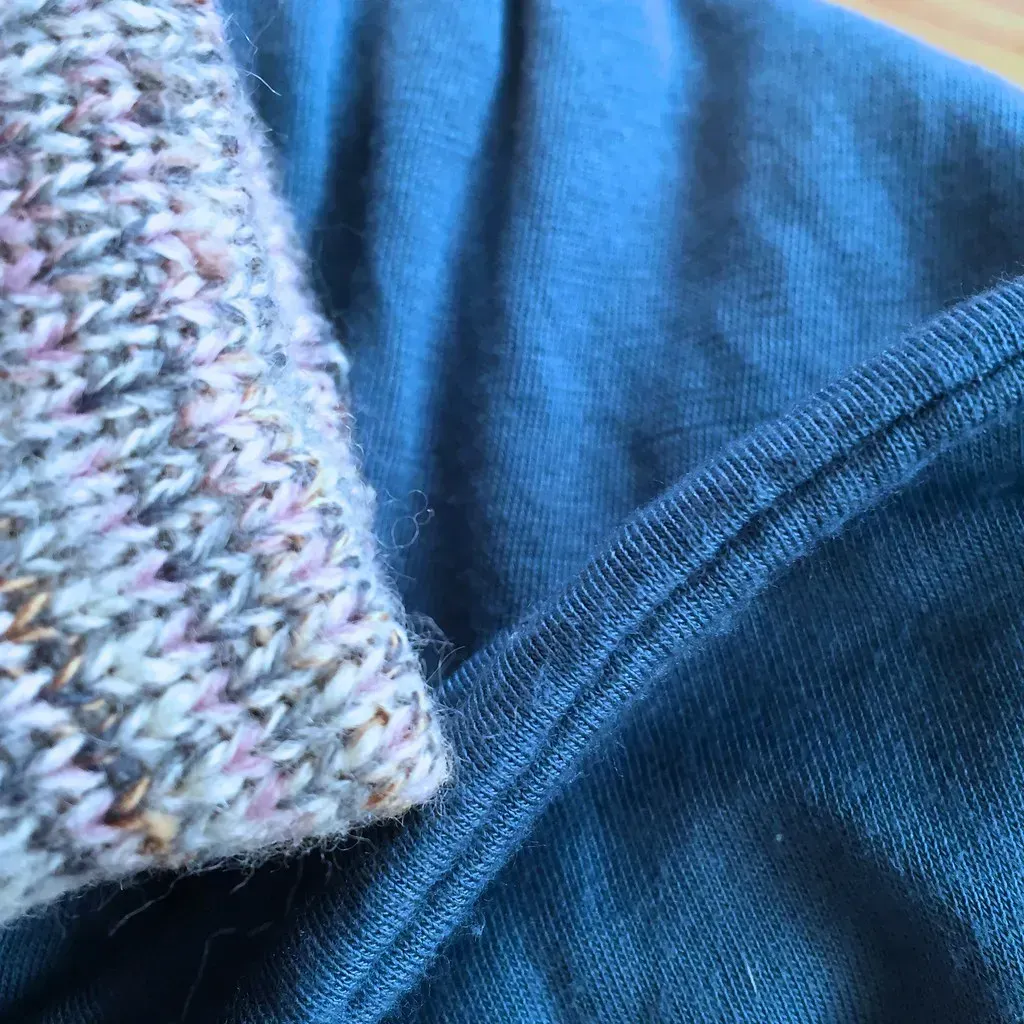
Bamboo as a plant is genuinely impressive. It grows fast, regenerates without replanting, and doesn’t demand heavy pesticide use. The problem is what happens between the forest floor and your wardrobe. The vast majority of bamboo textiles are made from viscose, a type of reconstituted cellulose fiber derived from bamboo, and this distinction fundamentally changes the conversation about bamboo’s sustainability in the fashion industry.
Unlike cotton, bamboo and other tough fibers have to be processed multiple times to produce soft fabric, with suppliers breaking down the hard woody material using chemicals like sodium hydroxide and carbon disulfide into a cellulose pulp, then liquifying the cellulose further with more chemicals, and finally forming fibers through yet another round of processing involving sulfuric acid. While bamboo can be a relatively eco-friendly crop, the production process for bamboo fabric uses toxic chemicals which cause massive environmental damage, endanger workers who produce the fabric, and potentially leave traces on the fabric itself. Some cleaner closed-loop alternatives do exist, but they represent a small minority of what’s on shelves today.
6. Planting Trees Without Considering What Gets Planted or Where

Tree planting has become one of the most popular feel-good green gestures of the past decade, with countless apps, brands, and campaigns offering to plant a tree with every purchase. The intention is sound. The execution is often not. If you’re looking to support a tree-planting project, it’s worth doing research first, since the most effective initiatives use native species, work closely with ecological experts, involve local communities, are transparent about where and how they’re planting, and focus on long-term impact to make sure those trees actually survive and benefit the local ecosystem.
Non-native monocultures planted for carbon offset credits can actually harm local biodiversity rather than support it. A field of fast-growing single-species trees provides far less ecological value than a naturally regenerating mixed woodland. The tree count in a press release rarely reflects what’s actually happening on the ground years later, and many offset-linked planting programs have faced scrutiny for overcounting trees that don’t survive.
7. Obsessing Over Paper Straws While Ignoring Bigger Choices
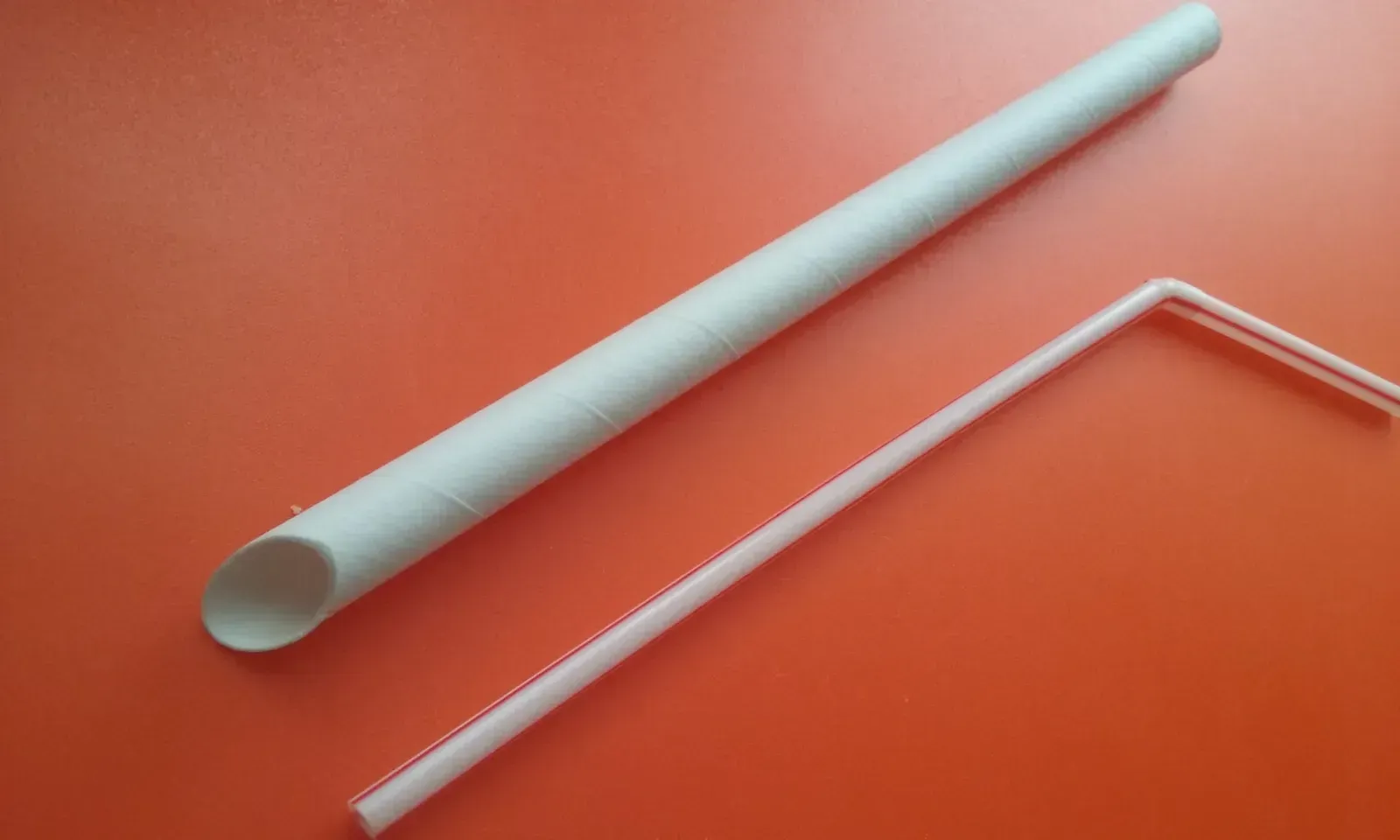
Swapping a plastic straw for a paper one is a legitimate small step. The issue is when that swap becomes the end of the story – a way to feel environmentally responsible without looking at the bigger picture. While personal eco choices are important steps, focusing only on them can make us lose sight of the bigger picture, since studies show that the majority of global greenhouse gas emissions are not generated by individuals but by industries and large-scale commercial activities.
Individual consumption and household behavior do play a central role in greenhouse gas emissions, with households responsible for about twenty percent of global CO2 emissions. That figure matters. Yet spending energy on the least impactful choices – straws, paper vs. plastic cups, individual packaging decisions – while overlooking high-impact changes like diet, flying, and home energy use creates a false sense of progress. The smaller the gesture, the less it tends to move the needle on actual emissions.
8. Buying “Green” or “Eco” Products Without Checking the Claim
In 2024, greenwashing incidents continued to be highest in Europe and North America, followed by Asia and Latin America. The word “natural,” “eco,” “plant-based,” or “sustainable” on a label carries no standardized legal definition in most markets, which means it can be placed on almost any product by almost any brand. There are no federal standards defining or regulating bioplastic, biodegradable, or compostable products, and most states do not require “compostable” products to be certified, meaning manufacturers can label products as biodegradable or compostable without meeting any standards at all.
Purchasing a product specifically because of a green label, without verifying the claim, can actively reward deceptive marketing. Companies used to be accused of faking sustainability via greenwashing, and now some are even hiding actual climate progress. The more you look for specific certifications, transparent supply chains, and verifiable data rather than vague eco language, the less likely you are to fund practices you’d want no part of if you could see them clearly.
9. Donating Fast Fashion to Charity Shops as a Guilt-Free Exit

Dropping off a bag of old clothes at a charity bin feels responsible. It’s a cleaner conscience with minimal effort. The reality of where most donated fast fashion actually ends up is much less comfortable. The fashion industry accounts for roughly ten percent of global carbon emissions, and fast fashion in particular relies on energy-intensive production processes, excessive water usage, and toxic dyes that pollute waterways, with most items designed to be disposable, resulting in vast amounts of textile waste.
Charity organizations receive far more textile donations than they can sell, and a significant portion gets shipped to secondary markets in countries across Africa and South Asia, where it creates its own waste problem. In the past twenty years, global clothing consumption has increased by more than four hundred percent. Donating worn-out, low-quality synthetic garments doesn’t resolve the waste – it relocates it. Buying less to begin with, choosing durable items, and keeping clothing longer are the interventions that actually reduce the industry’s footprint.
None of these habits are proof of bad intentions – quite the opposite. The people most likely to fall for green-washed products or misapplied advice are the same people who care enough to try. The honest takeaway here isn’t to stop trying. It’s to direct that energy toward the changes that actually matter at scale, and to hold both companies and labels to a higher standard of proof.

- The 7 Strangest Planets Astronomers Have Ever Found - September 25, 2026
- The 6 U.S. States With the Widest Temperature Swings - September 25, 2026
- The 7 Ways Scientists Measure Distances Between Stars - September 24, 2026
