


- 7 Signs a Region Is Becoming More Drought-Prone - September 26, 2026
- The 6 Most Extreme Environments Found on Other Planets - September 25, 2026
- 7 Ways Coral Reefs Respond to Warmer Ocean Water - September 25, 2026
Three electric vehicles over six years. That’s not a casual experiment. I was an early adopter, genuinely excited about the technology, and I made real sacrifices to keep choosing electric. The first car felt like the future. The second felt like a commitment. By the third, I was counting the months until I could walk into a dealership and just fill up a tank again.
This isn’t a hit piece on the idea of electric vehicles. They work brilliantly for a lot of people under the right conditions. My conditions, it turns out, were not those conditions. Here’s what finally pushed me over the edge, and why I’m done.
1. The Public Charging Infrastructure Is Still Not Ready
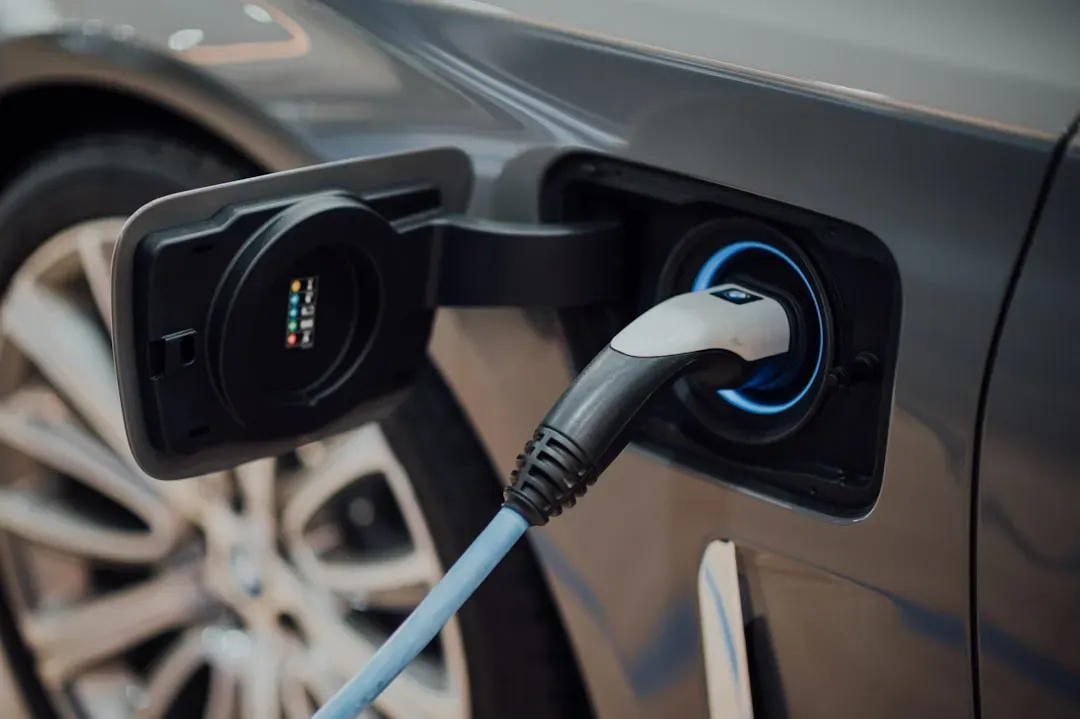
A 2025 study by Consumer Reports indicates that over one in five EV charging episodes involve some sort of problem, with some charging networks being unreliable nearly half the time. That’s not a minor inconvenience. When you pull into a charging station with 40 miles of range left after a long drive, a broken cable or a dead screen is a genuinely stressful situation.
Across six major interstates and 40 states, only about one third of charging stations provide real-time status data to PlugShare, a leading charge-finding app for EV drivers. That means even the apps you rely on to plan a route can’t tell you whether the charger actually works when you arrive. The J.D. Power 2024 study confirmed that public charger availability not only remained the least satisfying aspect of owning a battery electric vehicle, but that the experience had become notably worse.
2. Cold Weather Turns Range Numbers Into Fiction

Fully electric vehicles typically lose an average of 41% of their range when outdoor temperatures drop to 20 degrees Fahrenheit and the heat is turned on, according to AAA researchers. That’s not a rounding error. A car advertised at 280 miles of range can realistically deliver closer to 165 miles on a cold winter morning, which changes everything about how you plan your day.
Consumer Reports found in winter testing at around 16 degrees that cold weather depletes about 25% of range when cruising at 70 mph compared with driving in the same conditions during mild weather. There have even been reports of public charging stations not working at all in sub-zero temperatures, while gas pumps work just fine in any climate. For those of us in northern states, this is a real seasonal reckoning, not a theoretical concern.
3. Depreciation Hits Harder Than Anyone Warned Me
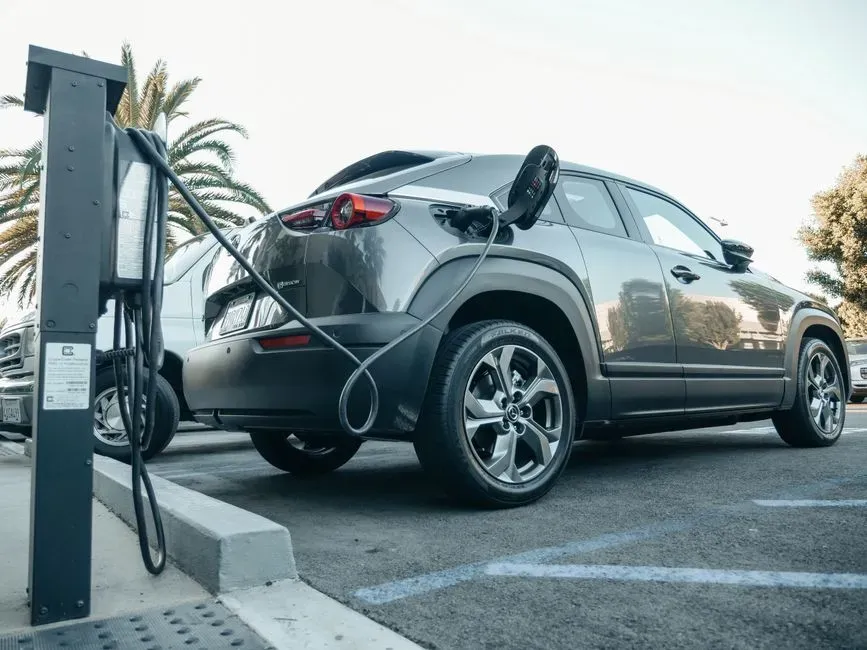
Electric vehicles depreciate faster than gasoline vehicles in early ownership years, losing roughly half to three-fifths of value by year three, versus about 40 to 50% for conventional cars, primarily due to rapid technology improvements, substantial purchase incentives, and battery degradation concerns. I experienced this firsthand when I went to trade in my second EV. The number the dealer quoted wasn’t just low. It was demoralizing.
Used EV values dropped dramatically during 2023 to 2025 as new EV price cuts from Tesla and competitors created downward pressure on the used market. Three-year-old EVs that sold for $35,000 in 2022 were trading at $20,000 to $25,000 by 2025, a 30 to 40% additional decline. Older EVs with shorter range, slower charging, or weaker software age faster than an equivalent gas car, accelerating that value loss. Gasoline car buyers rarely deal with this kind of compounding.
4. Battery Replacement Is an Expensive Wildcard
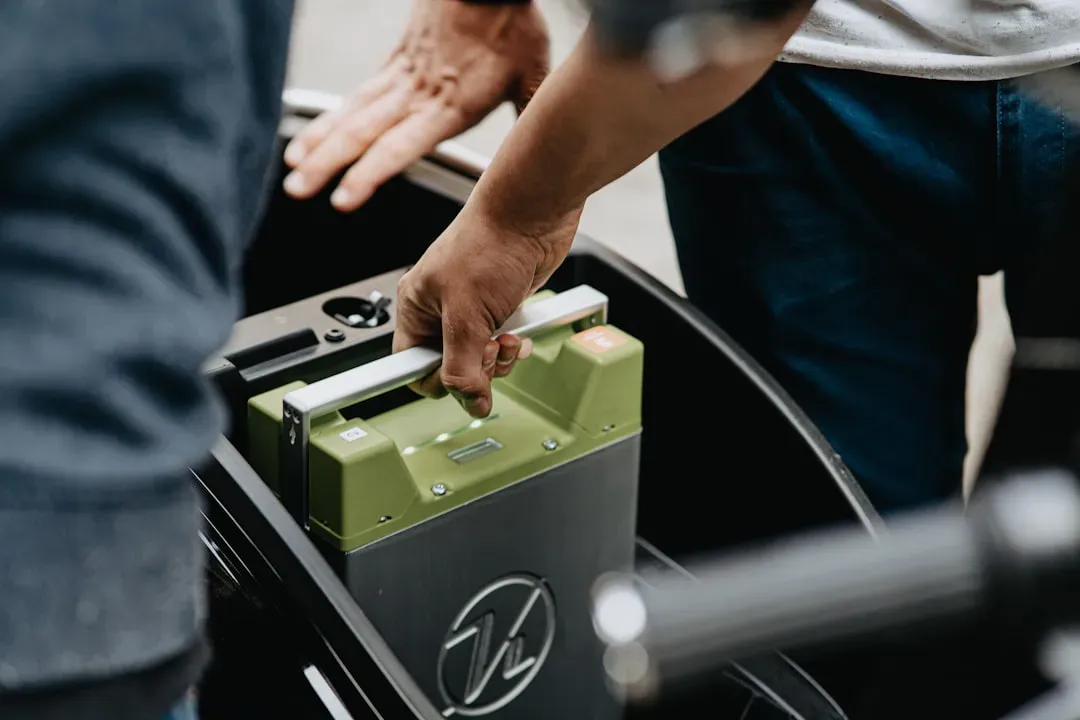
Across recent 2024 to 2025 data, most full EV battery replacements land between $5,000 and $20,000 for parts and labor combined. Compact EVs with smaller packs sit on the lower end, while long-range luxury sedans and electric pickups live at the top. Most owners won’t face this bill within warranty, but once you drive past that coverage window, the possibility hangs over every used EV purchase.
Real-world examples from 2024 to 2025 show that a Tesla Model 3 Long Range battery replacement through Tesla costs approximately $13,000 to $15,000 including labor, while third-party options offer refurbished packs for around $9,000 with warranties. This expense can negate some of the savings gained from lower fuel and maintenance costs, making long-term ownership more costly than anticipated. For instance, replacing the battery in a Chevrolet Bolt can cost upwards of $10,000, which is a significant investment.
5. Towing Capability Is Severely Compromised
EV pickup trucks offer significantly more torque, especially from a standing stop, than traditional piston trucks. However, towing can cut the range by as much as half. That’s a serious limitation for anyone who actually uses their truck as a truck. A vehicle rated at 300 miles of range suddenly becomes a 150-mile vehicle the moment you hook up a trailer.
EV pickup trucks also provide a much lower payload limit than combustion pickup trucks. While the maximum payload for a Ford F-150 is 2,440 pounds, the F-150 Lightning EV with the extended range battery has a 1,900-pound payload limit. Many truck buyers aren’t able to trade the work capability of piston pickups for the fuel-economy benefits of an EV pickup. For people who genuinely need a work vehicle, these are not small compromises.
6. Charging at Home Isn’t an Option for Everyone
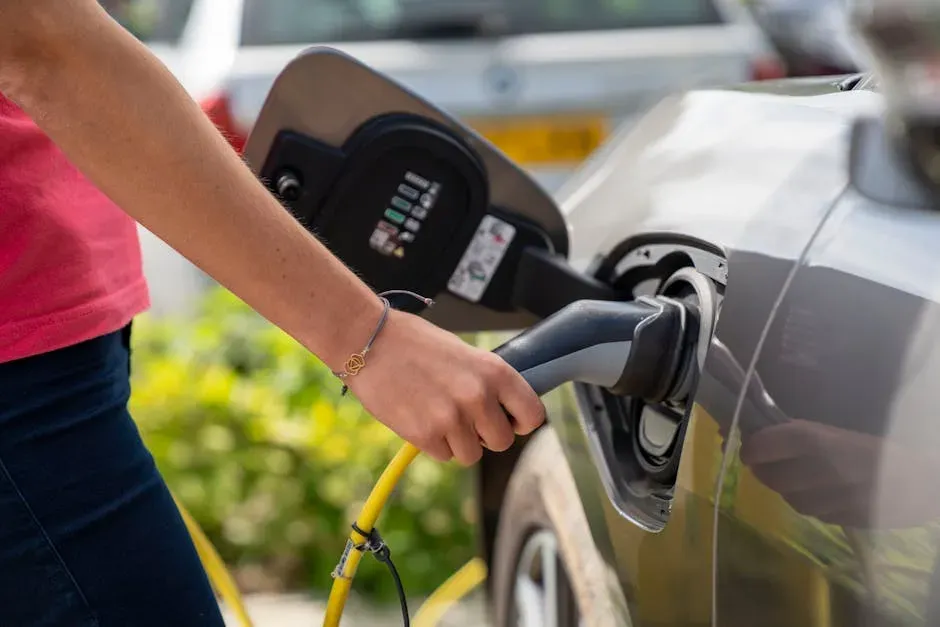
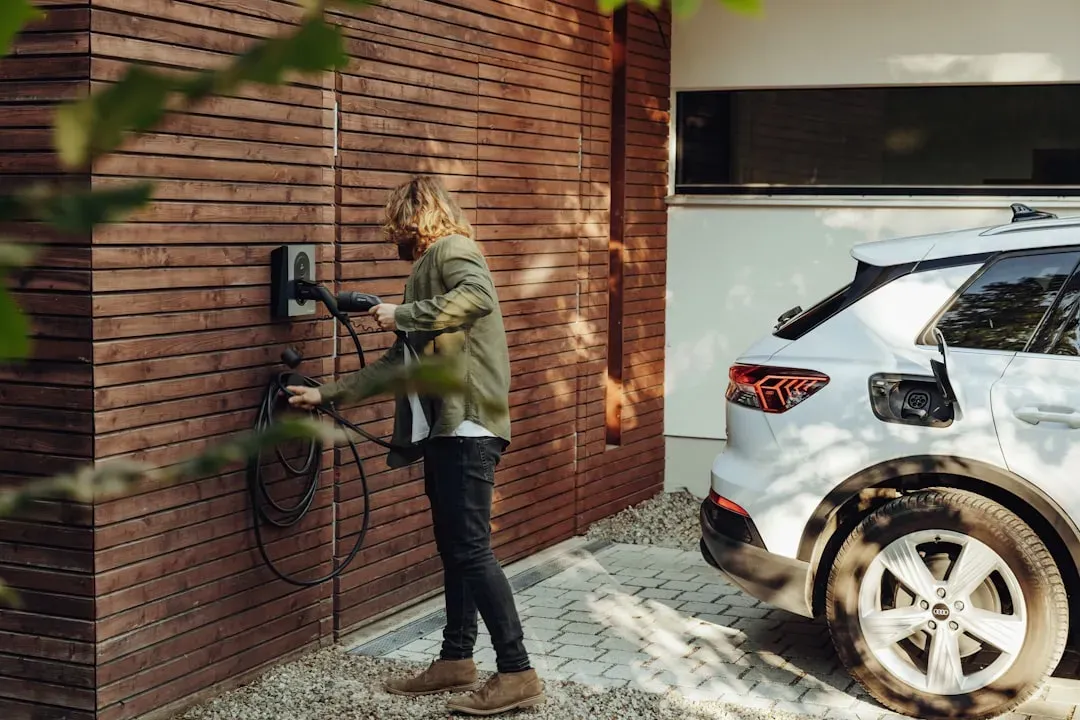
While charging might be easy at home, it’s a significant hassle for apartment dwellers who don’t have that option. I moved mid-ownership. My new building had no charging infrastructure and no plans to install any. What had been a frictionless daily routine turned into a logistical puzzle overnight.
In the U.S., 60% of urban residents live less than a mile from the nearest public charger, compared to 41% of suburban residents and only 17% of rural residents. Most charging stations are prevalently set up to serve those with private, convenient chargers in garages. While public infrastructure has improved in recent years, it remains limited to urban areas. If your living situation changes, your entire relationship with the car changes too.
7. The Gap Between Rated Range and Real-World Range Is Misleading
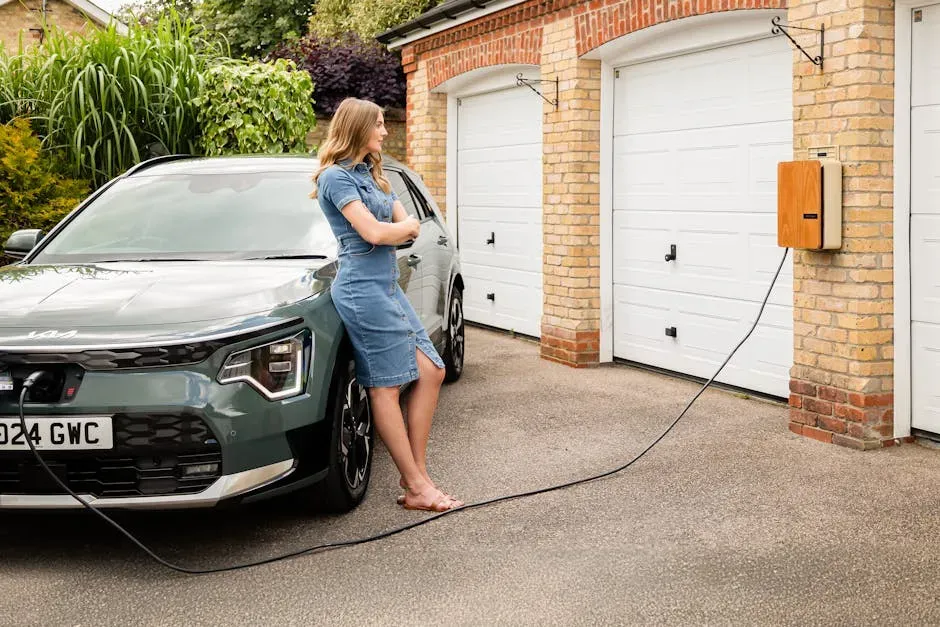
The average real-world range cited by owners in the J.D. Power 2025 U.S. Electric Vehicle Experience Ownership Study is 281 miles, and the average range for gasoline-powered vehicles is 403 miles. That’s already a meaningful gap, and it grows wider once you factor in weather, highway speeds, cargo, and climate control.
EV range isn’t a simple, all-purpose measurement. Weather, hills, speed, traffic, cargo, passengers, and climate settings all have an impact. The number on the window sticker assumes conditions that rarely exist in real life. After years of mentally adjusting every trip based on temperature and load, the mental overhead gets genuinely exhausting.
8. A Significant Number of EV Owners Are Switching Back
Nearly 30% of electric vehicle owners globally are likely to switch back to internal combustion engine cars, according to a McKinsey global consumer survey. A study from Edmunds found that in Q2 2024, just under 40% of EVs utilized as a trade-in were used to purchase or lease a new gasoline vehicle. These aren’t uninformed buyers who never tried an EV. These are people who lived with one and made a deliberate choice to go back.
The percentage of Americans who either own or express interest in owning an electric vehicle decreased from 59% in 2023 to 51% in 2024. A Gallup poll found fewer non-EV owners in the U.S. saying they might consider an EV purchase, down from 43% in 2023 to 35% in 2024. The percentage of American adults who do not intend to buy an EV went up from 41% to nearly half year over year. The disillusionment is real and it’s documented.
9. The Uncertain Policy Landscape Adds Financial Risk
The Trump administration has taken aim at both regulations and government incentives that encourage the adoption of EVs. In 2025, Congress and the Trump Administration cancelled or curtailed investment in many of these programs, creating uncertainty in the EV landscape. The tax credits and infrastructure funding that once made the economics of EV ownership more attractive are no longer guaranteed.
Vehicle prices, a challenge for the entire auto market, are even higher for EVs. Lower fuel and maintenance costs can’t always overcome that up-front sticker shock, even for people who are hypothetically interested in buying. EVs are still purchased mainly by higher-income consumers, and most EV tax incentives have been claimed by households in the top income bracket. When policy shifts unpredictably, it’s the buyer who absorbs the risk.
None of this means electric vehicles are worthless. For someone who commutes a short distance, owns a home with a garage, and lives in a mild climate, an EV can be genuinely excellent. But the narrative that EVs are simply better cars for everyone, in every circumstance, was never quite true. After three of them, I’ve earned the right to say that.
