

- Top 6 Countries With the Most Extreme Temperature Swings - September 23, 2026
- The Snowbird Backlash: Why Ski Towns Are Pushing Back on Winter Tourists - September 23, 2026
- 11 Ways Different Generations Have Adapted Their Homes to the Weather - September 23, 2026
Some places on Earth barely notice the seasons change. Others get thrown from bone-cracking cold to blistering heat within the span of a single year, sometimes within a single day. These wild swings usually happen in vast, landlocked countries far from the moderating influence of oceans, where continental climates let winter and summer fight it out with almost no buffer in between.
The following six countries stand out for hosting some of the widest temperature ranges ever recorded anywhere on the planet. Each one offers a different flavor of extremity, from Siberian cold poles to desert-fringed steppes, and together they paint a picture of just how far the mercury can travel in a single location.
1. Russia
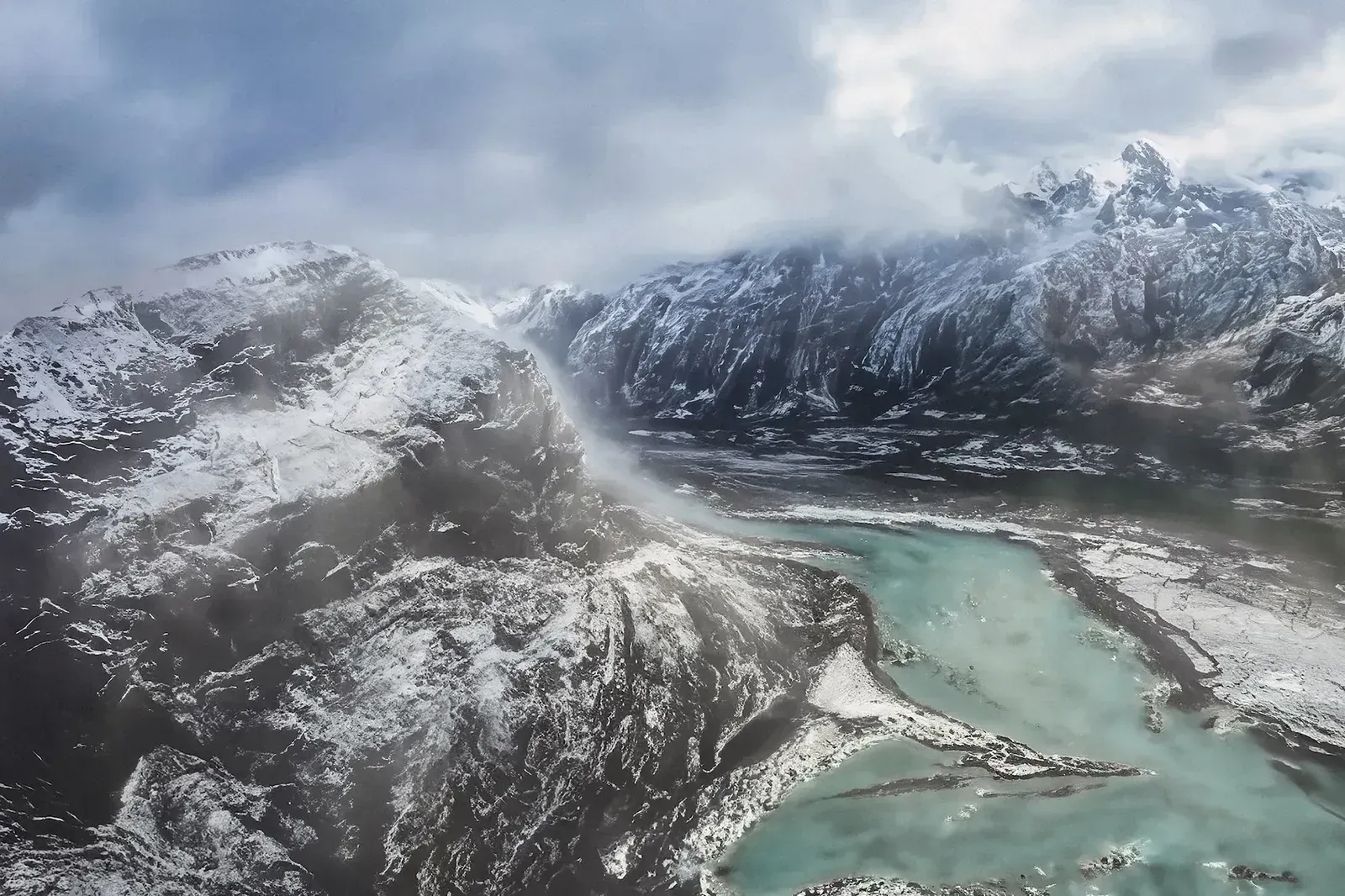
Russia owns the single greatest temperature range ever measured at any fixed location on Earth, and it happens in the Sakha Republic town of Verkhoyansk. According to Guinness World Records, temperatures in Verkhoyansk have ranged 106°C (190.4°F), from a low of -67.7°C (-90°F) in February 1892 to a high of 38°C (100.4°F) on 20 June 2020. That 2020 reading also happened to be the highest ever temperature recorded within the Arctic Circle, ratified by the World Meteorological Organization in December 2021.
Nearby Oymyakon competes for the title of coldest inhabited place on Earth, having recorded -67.7°C (-90°F) on 6 February 1933 in a village with roughly five hundred residents. The country’s sheer size drives this volatility, since Russia’s vast landmass provides minimal maritime moderation, positioning it deep within the Siberian High pressure system in winter and allowing intense solar heating during the summer. Cities like Yakutsk add to the pattern too, with winter lows near -45°C (-49°F) and summer highs approaching +30°C (86°F), resulting in extreme annual temperature swings of up to 75°C (135°F).
2. Canada
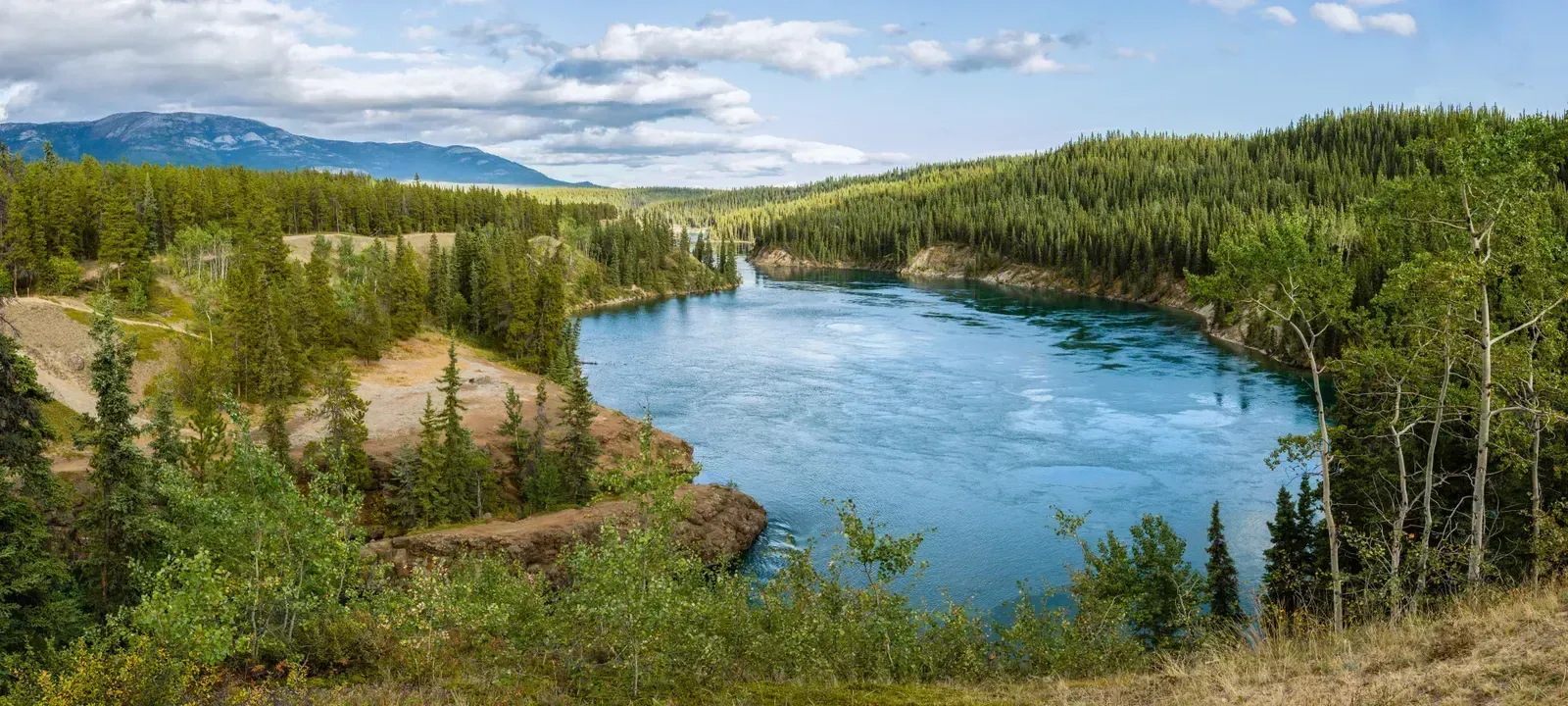
Canada’s most infamous cold record comes from Snag, a tiny former settlement in the Yukon. On February 3, 1947, the temperature there dropped to -63°C (-81.4°F), and it’s still the lowest ever recorded in Canada. Witnesses described surreal conditions, with vapour trails hanging in the air for up to four minutes and sounds like talking or dogs barking heard more than six kilometres away.
On the opposite end of the scale, Canada’s summer heat can also spike dramatically in its continental interior. Britannica notes that the highest temperature recorded in Canada was 113°F (45°C) at Midale and Yellow Grass, both in Saskatchewan, in 1937. Put those two extremes together and Canada’s national range stretches beyond 100°C, driven by a climate where the Yukon’s interior climate is shaped by its distance from moderating ocean influences and its mountainous terrain, with winter days short, giving the sun little chance to warm the ground.
3. Kazakhstan
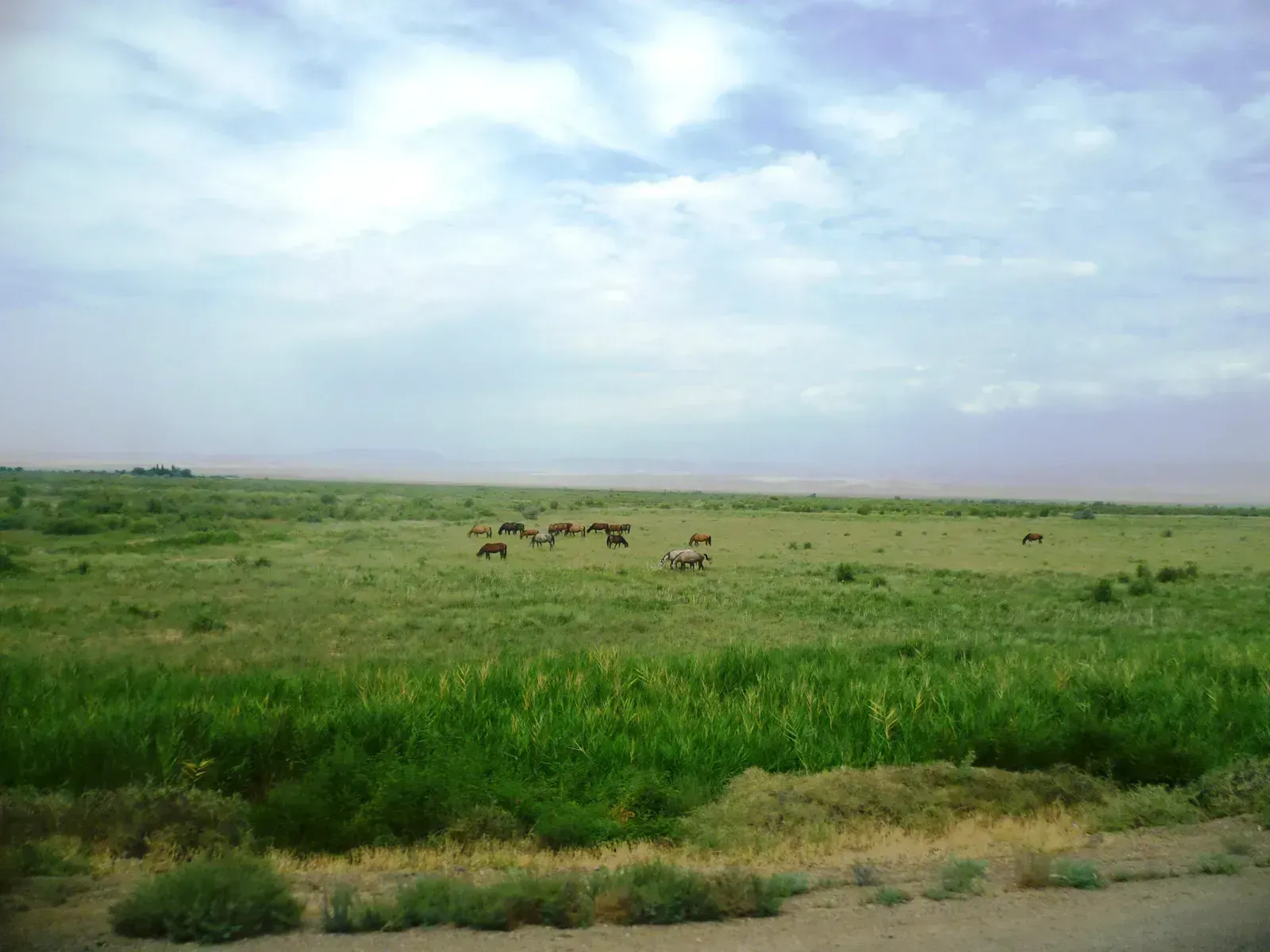
Kazakhstan is the world’s largest landlocked country, and that geography alone explains much of its temperature volatility. As one climate overview puts it, winters can dip to -20°C (-4°F) or colder while summers regularly soar above 30°C (86°F), registering annual ranges of 50°C or more, a pattern explained by Kazakhstan’s position deep within the Eurasian landmass, far from moderating oceans, combined with its vast steppe and desert-like terrains.
The extremes get even sharper during heat events. During the summer of 2021, western parts of Kazakhstan, specifically the Kyzylorda, Mangystau, and Turkistan regions, saw temperatures reach up to 46.5°C (115.7°F) by 7 July. Combine that kind of summer spike with the region’s routine sub-zero winters, and Kazakhstan’s swing between seasons rivals almost anywhere outside Siberia itself.
4. Mongolia
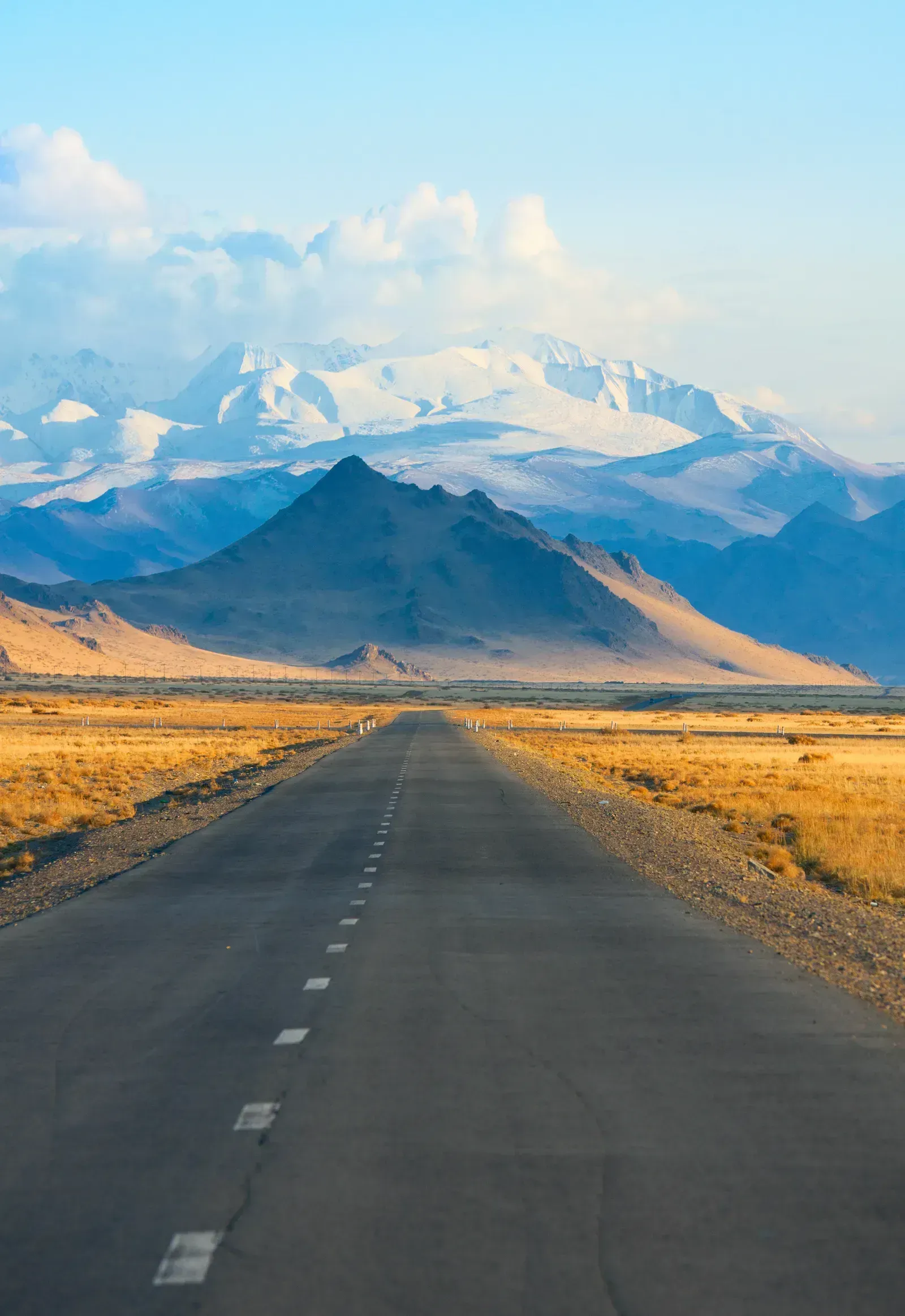
Mongolia’s climate is shaped by its position wedged between Siberia and the Gobi Desert, which exposes it to brutal seasonal contrasts. Winters bring the Siberian Anticyclone, driving intense cold with frigid, dry air, while in summer intense solar heating warms the air, and the region’s low humidity allows significant temperature drops at night.
The numbers back this up dramatically. One climate summary notes that winter nights of -40°C are common most years, with a minimum recorded of -55°C at Lake Uvs, while summer extremes reach as high as +40°C in the Gobi Desert and +33°C in the capital Ulaanbaatar, with monthly temperature variations of +45°C and more not uncommon in many regions. The Gobi Desert itself sees striking swings even within a single day, since day-night temperature fluctuations in the Gobi can reach up to 35°C (63°F), with scorching daytime heat followed by sharp nighttime drops.
5. The United States
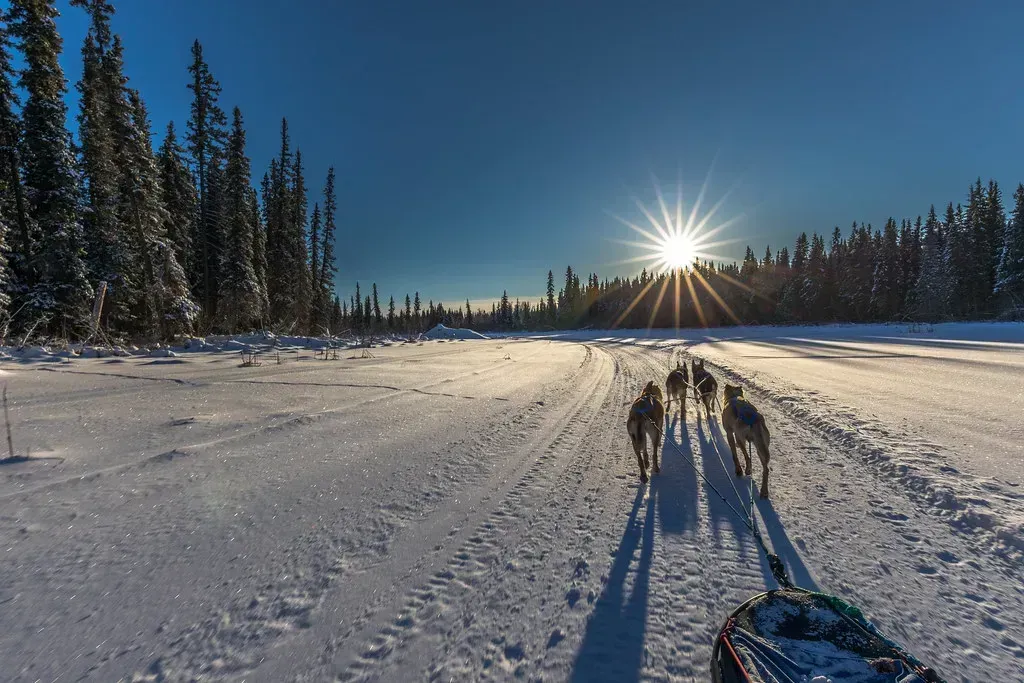
Thanks largely to Alaska and the interior mountain states, the United States hosts one of the widest temperature spreads of any country on Earth. The record cold reading came in Alaska, where NOAA records -80°F, roughly -62.2°C, at Prospect Creek, Alaska, on January 23, 1971, the lowest official temperature ever recorded in U.S. history.
Other western states have posted similarly punishing lows, since Montana has recorded -70°F, Wyoming -63°F, and Colorado -61°F. Meanwhile, the same country regularly bakes under desert heat exceeding 50°C in places like Death Valley, and interior states swing from harsh winters to scorching summers within the same calendar year. That combination of Arctic Alaska and desert Southwest gives the U.S. one of the broadest national temperature spans anywhere in the world.
6. China
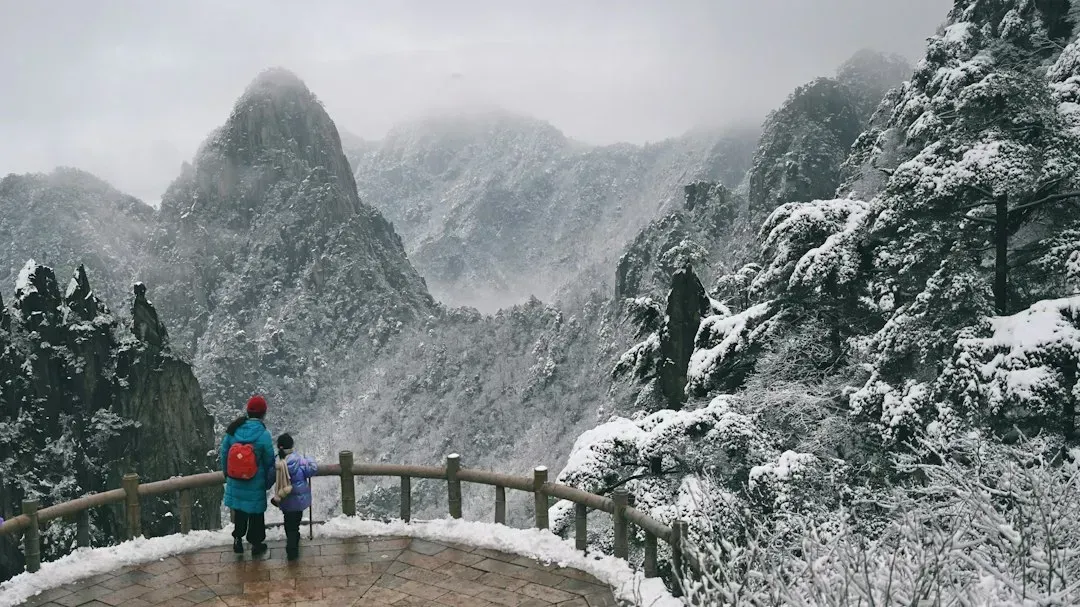
China’s enormous north-to-south stretch and its interior deserts and mountains give it a genuinely split personality when it comes to temperature. In the far north, the city of Mohe has become known for shattering cold records, having gotten as cold as -63.4°F (-53.0°C) in January 2023, breaking its previous record of -52.3°C.
Yet the same country sees a completely different climate reality elsewhere, since China’s climate shifts from one side of the Asian nation to the other, with frigid winters in the north plummeting to a bitter -72°F (-58°C) in 2009, while the southern climate maintains a steady average of 59°F (15°C) year-round. Add in the scorching summer highs recorded in interior basins and deserts, and China’s overall national temperature range easily rivals that of Russia and Canada, even if no single city there holds a world record.
What ties these six countries together is geography more than anything else. Vast interiors, high latitudes, and distance from the sea all strip away the natural buffering that oceans provide, leaving these regions exposed to whatever the atmosphere throws at them. Whether it’s a Siberian village swinging nearly two hundred Fahrenheit degrees between its coldest and warmest recorded days, or a Mongolian steppe baking under the sun only to freeze solid a few months later, these places are living proof of just how far a thermometer can travel on a spinning, tilted planet.
