

- Top 6 Countries With the Most Extreme Temperature Swings - September 23, 2026
- The Snowbird Backlash: Why Ski Towns Are Pushing Back on Winter Tourists - September 23, 2026
- 11 Ways Different Generations Have Adapted Their Homes to the Weather - September 23, 2026
For decades, ski towns sold themselves on a simple promise: come spend your money, enjoy the mountain, and leave the rest to us. That bargain is starting to look a lot less appealing to the people who actually live in these places year-round. From Colorado to the Alps, longtime residents, seasonal workers, and even some local governments are openly questioning whether the tourism economy that built their towns is now quietly hollowing them out.
The frustration isn’t really about skiers themselves. It’s about what winter tourism has done to housing, wages, traffic, and the sense that these communities still belong to the people who work in them. What started as grumbling in employee break rooms has turned into ballot initiatives, protests, and serious policy fights playing out from Telluride to Tyrol.
The Housing Crunch That Started It All
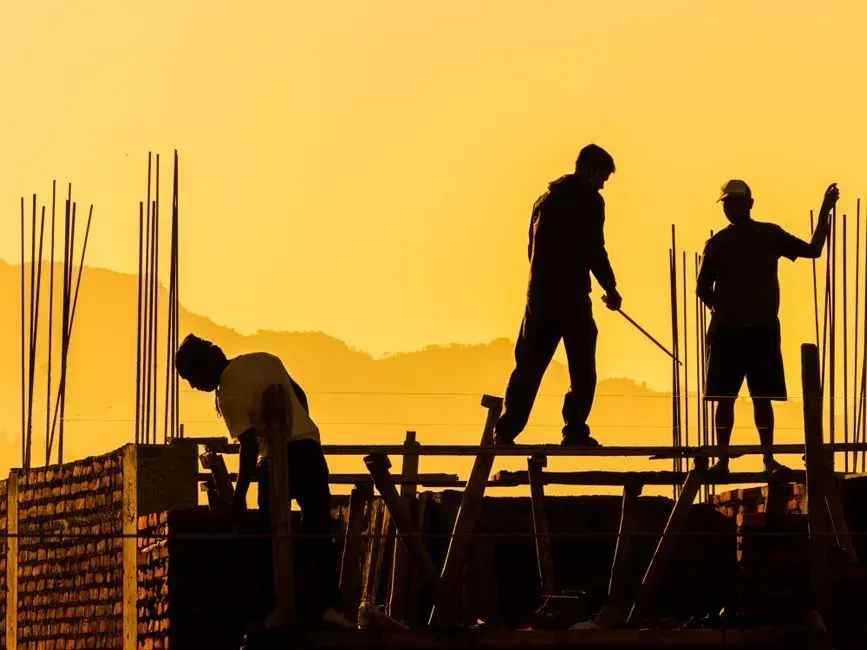
Nearly every conversation about ski town backlash eventually circles back to housing. The nation faces a critical shortage of not only affordable housing but workforce housing, and nowhere is that shortfall more pronounced than in America’s top ski towns, playgrounds of the ultra-rich that have endured an ever-worsening dearth of housing for the people who work in hotels, restaurants, and essential services. In Park City, Utah, the lack of workforce housing has become so dire that only about 15 percent of the city’s workforce actually resides within city limits.
The scale of the problem is staggering when you look at the numbers. A 2024 municipal report in Park City found that 52 percent of homes were either empty or used seasonally, while only 24 percent were occupied by their owners. Meanwhile, in Lake Tahoe, 76 percent of locals fork over more than the nationally recommended 30 percent of their income on housing, and the wait time for affordable units can take up to two years. That’s not a minor inconvenience. It’s a slow-motion eviction of the very people who make these towns function.
A Housing “Utilization” Problem, Not Just a Shortage

Here’s the twist that makes locals especially bitter: it’s not always that there aren’t enough homes, it’s that the homes that exist sit empty most of the year. “We don’t have a housing problem. We have a housing utilization problem,” said Margaret Bowes, executive director of the Colorado Association of Ski Towns, noting there are plenty of units, they just sit empty. That framing has become a rallying cry across the Rockies.
In Summit County, one housing official put it even more bluntly, telling a reporter “more than a housing inventory problem, we have a housing use problem.” The math backs this up. In some resort towns, roughly seventy five percent of the housing stock is empty, is short-term rental, or might not even be used for most of the year, leaving only about a quarter available to serve the workforce. When three out of four homes in a town exist primarily for occasional visitors, it’s hard to convince a bartender or a ski patroller that the community still has room for them.
Short-Term Rentals Become Public Enemy Number One

If there’s a single villain in this story, for many locals it’s Airbnb and Vrbo. Platforms like Airbnb and Vrbo have allowed property owners to earn far more renting to tourists than to locals, which has dramatically reduced the supply of long-term rentals and left seasonal and full-time workers with nowhere to live. The economics are simple and brutal: why rent to a ski instructor for a modest monthly check when a rotating cast of vacationers will pay several times as much?
Telluride became ground zero for this fight. A citizens’ initiative to reduce the number of short-term rental licenses in the town successfully made it onto the November 2021 ballot, proposing to limit short-term rental business licenses to 400. The fight got personal fast. A local county commissioner called the fight over short-term rental regulation in Telluride “pretty ugly,” saying she wouldn’t want to subject anyone to the social media surrounding it. Voters ultimately rejected the strict cap, though the episode revealed just how raw the tension had become.
When Regulation Backfires (Or Gets Reversed)
The Telluride saga didn’t end with that 2021 vote. Just two years later, town leaders began walking back the restrictions they’d fought so hard to pass. After two years of analysis, the Telluride town council appeared ready to end a voter-approved cap from 2021 and impose higher taxes on short-term rental homes instead. One council member who had originally championed the cap even choked up describing her reversal, saying “the only way we are going to solve this problem is to build affordable housing and in order to do that we need to make money.”
This back-and-forth captures the core dilemma facing ski towns everywhere. Cracking down on tourism revenue can starve the very programs meant to fix the housing crisis, since so much affordable housing funding comes from taxes on visitors. Yet leaving short-term rentals unchecked accelerates the displacement that sparked the backlash in the first place. There’s no clean answer, and town councils keep flip-flopping as they search for one.
Staffing Shortages Are Breaking Down the Guest Experience
The housing crisis isn’t just a moral or political issue anymore, it’s operational. Resorts simply can’t find enough workers to run lifts, staff restaurants, and patrol slopes. If ski towns can’t house their workers, their entire economies are at risk, and in recent years staffing shortages have led to shorter lift hours, reduced terrain openings, longer food and rental lines, and poor guest experiences.Business leaders are sounding alarms in increasingly stark terms. The head of Park City’s tourism bureau was quoted describing a “severe” shortage of workers, adding that “almost every single business” she talks to says their number one issue is the workforce shortage and finding employees. Some resorts have resorted to cramming staff into shared housing just to keep operations running, with Vail resort employees reportedly asked to live two to a room. That’s a hard sell for anyone considering a ski town job as a lifestyle choice rather than a hardship posting.
The “Ski Bum” Pipeline Is Drying Up
Part of what makes this backlash sting is cultural, not just financial. Ski towns have long depended on a steady stream of young, adventurous workers willing to live cheaply for a season or two in exchange for great skiing and mountain culture. That pipeline is drying up. Moving to a ski town used to be a rite of passage after college, but nowadays it’s just not as popular because of financial burdens and pressures, especially when student loans and inflation are factored in.
The wealth gap driving this shift is stark. In Jackson Hole’s home county, Teton County has the nation’s highest per-capita income from assets according to one study, reflecting a sharp increase in the geographic concentration of asset ownership over recent decades. When a town’s median resident is either a hedge fund manager’s second-home tenant or a minimum-wage lift operator commuting ninety minutes each way, the middle ground that once defined ski town life starts to vanish.
Traffic, Infrastructure, and the Strain of Popularity
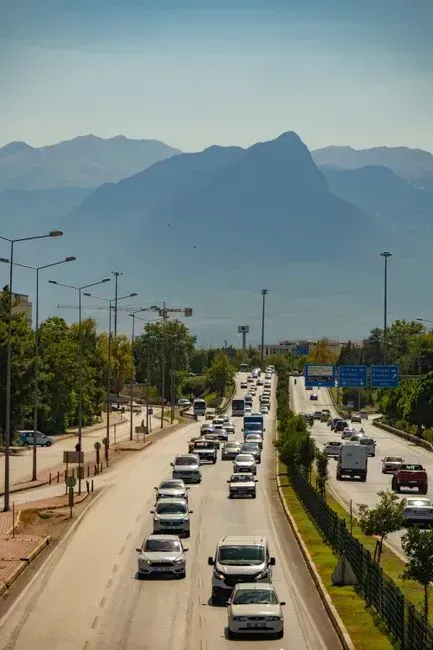
Housing dominates the headlines, but it’s far from the only complaint. Small mountain roads never built for modern visitor volumes are buckling under pressure. In Telluride, locals have pointed to increased traffic complaints and a shortage of spots in schools for the children in town as tangible signs that growth has outpaced infrastructure. It’s one thing to deal with a busy ski weekend; it’s another to watch your kid lose a spot in the local elementary school because of population churn tied to tourism.
Montana’s Whitefish tells a similar story on a broader scale. The town felt pressure not only on housing and staffing but also on infrastructure, traffic, and local character. Community leaders responded with ambitious plans, yet progress has been slow. Whitefish identified an immediate deficit of 730 to 980 affordable housing units needed by 2020, but since 2017 only about 120 new deed-restricted housing units have actually been built. The gap between stated goals and delivered housing is a recurring theme across nearly every mountain town attempting reform.
Europe’s Alpine Towns Face Their Own Reckoning
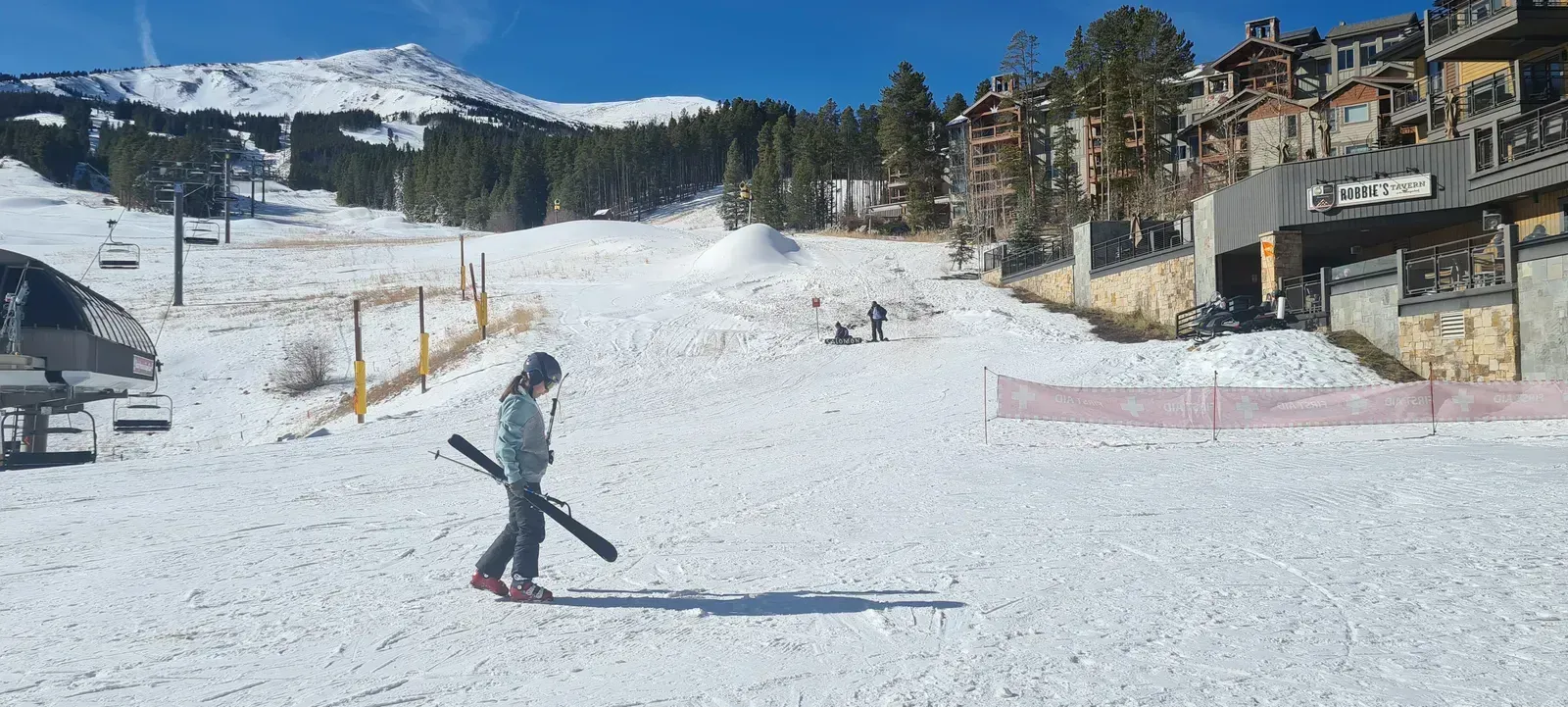
This isn’t just an American phenomenon. European resort towns are wrestling with parallel pressures, layered on top of a broader continental backlash against overtourism. Italy has kept its summer tourist entry tax in Venice, introduced in 2024, and is reducing ski passes in the Dolomites as part of a wider push to manage visitor numbers.
Housing pressure is showing up in the Alps too, even in regions with historically strong local labor traditions. Austria, particularly in Tyrol and Salzburgerland, has historically relied on strong local populations and family-run hospitality, but local discussions increasingly highlight labour shortages linked to housing availability and affordability. Spain’s ski regions face similar strain, where high-end second-home development in areas like Val d’Aran coexists with a seasonal workforce that must find accommodation within a limited market. The pattern repeats itself with remarkable consistency regardless of language or currency: wealthy visitors and second-home buyers squeeze out the workers a resort economy actually needs.
Some Towns Are Finding Workable Fixes

Not every story here is bleak. Some resort communities have made genuine, if incomplete, progress by rethinking their approach to employee housing directly. In destinations linked to Vail Resorts such as Vail and Breckenridge, significant investment has been made in employee housing, treating it as core infrastructure rather than an afterthought. Developers have also stepped in with targeted projects, like Rifle Apartments, a 60-unit rental community in Rifle, Colorado, built specifically to serve resort workers near Aspen.
Aspen offers a longer view of what sustained effort can accomplish, along with its limits. Aspen has run one of the most developed housing systems in ski tourism for decades, yet demand continues to exceed supply, and access to subsidised housing remains competitive with strict qualification systems and long waiting lists. The lesson seems to be that even the most committed, well-funded housing programs can manage the crisis without ever fully solving it. Ski towns aren’t dealing with a temporary problem; they’re dealing with a permanent structural tension between what makes these places desirable and what makes them livable.
A Fragile Balance Going Forward

The backlash against winter tourism isn’t a rejection of visitors altogether. Most mountain towns still depend on tourist dollars to fund the very affordable housing programs meant to fix the crisis, creating an uncomfortable circular dependency. Tourism remains the lifeblood of many mountain communities, with money from out-of-towners helping pay for everything from fixing roads and building affordable housing to maintaining parks. Cutting off that revenue stream would solve nothing.
What residents and officials seem to actually want is rebalancing, not retreat. They’re pushing for policies that ensure the workers who scoop the ice cream, groom the runs, and teach the ski lessons can still afford to live in the towns they serve. Whether that happens through short-term rental caps, employer-built housing, vacancy taxes, or some combination none of these towns have quite figured out yet, the pressure to act keeps building. The snow will keep falling and the tourists will keep coming; the real question is whether there will be anyone left in town to greet them.
