

- The Real Cost of Ignoring Flood Risk: 7 Numbers That Will Change How You Think About It - July 22, 2026
- The Midwest vs. the Northeast: Which Region Will Take In More Climate Migrants? - July 22, 2026
- The Fastest-Warming State in America Is Not Where You’d Expect – Here’s Where It Actually Is - July 22, 2026
$25,000: What One Inch of Water Can Do to a Home
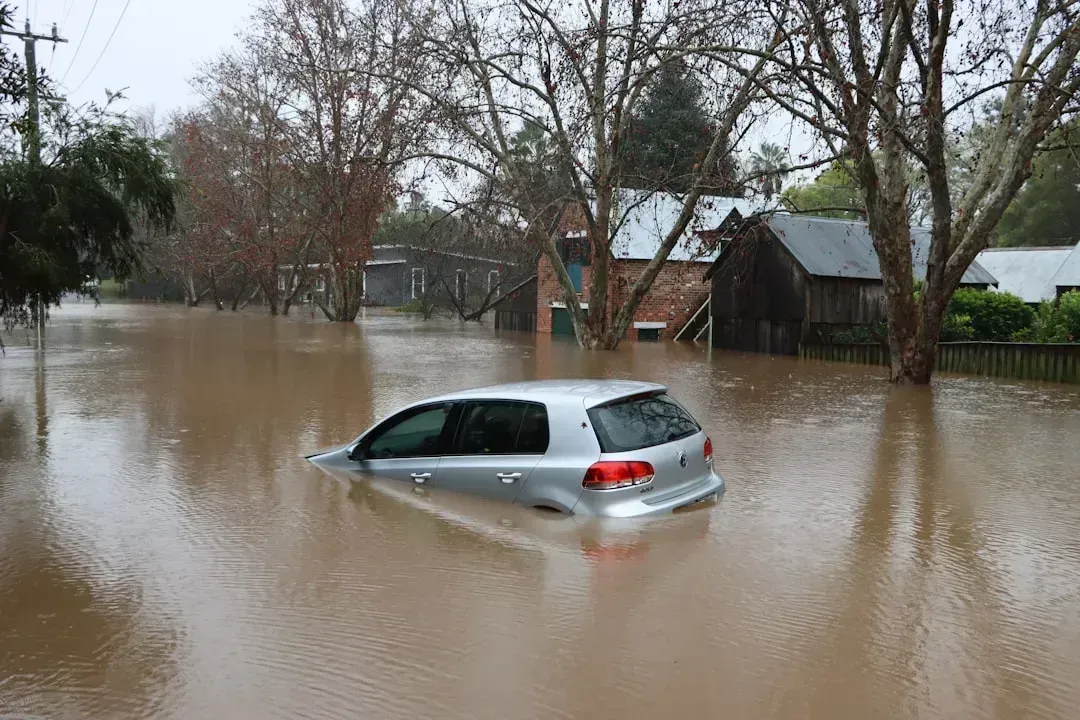
It sounds almost absurd until you see the receipts. FEMA warns that even just 1 inch of floodwater could result in $25,000 of damage to your home. That number covers drywall, flooring, insulation, and the mold remediation that follows almost any standing water event.
An inch is not a hypothetical worst case scenario. It is the kind of shallow seepage that happens during a heavy rainstorm, a clogged drain, or a slow-rising creek nobody was watching closely. The damage scales fast from there, which is part of why flood claims tend to surprise people who assumed “a little water” meant a minor inconvenience.
99%: Almost No County in America Is Truly Exempt

Flooding has a reputation for being a coastal problem or a floodplain problem, something that only affects people living near a specific river or shoreline. The data does not support that comfort. In the last 20 years, 99% of U.S. counties have had at least one flood event.
That statistic alone should reshape how homeowners think about risk assessment. A county without a major river running through it can still flood from flash rain, poor drainage, or a storm system that stalls overhead longer than expected. Geography helps, but it does not exempt anyone.
$8 Billion: The Price Tag of a Single Year
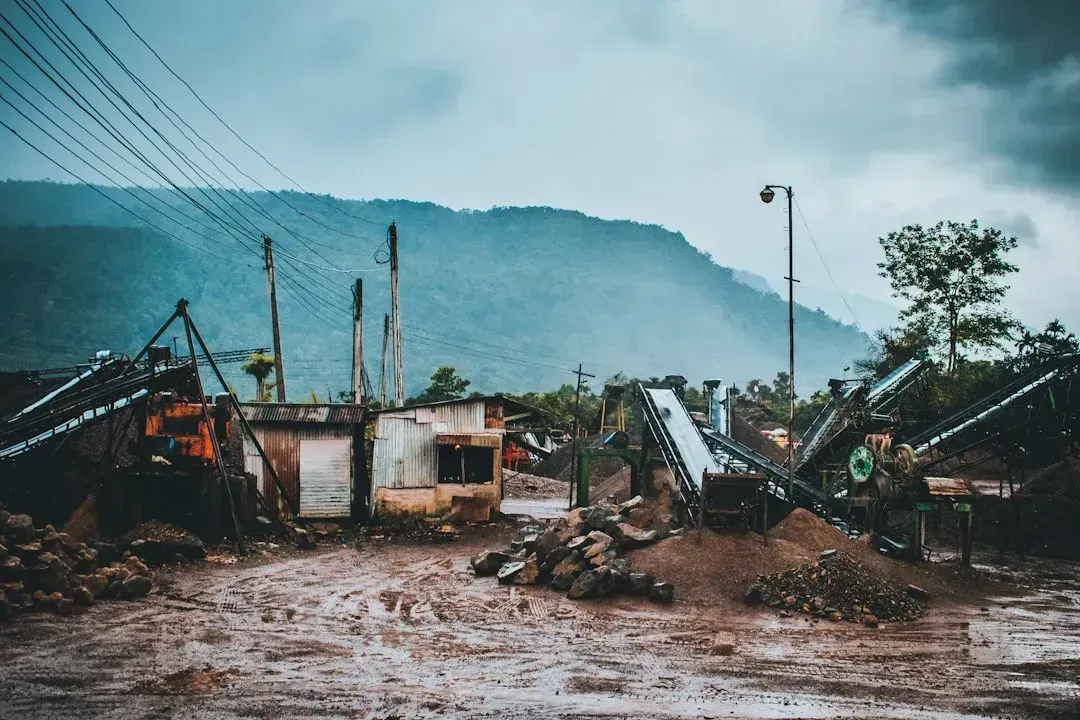
Numbers get abstract quickly when they involve billions, so it helps to anchor this one in a specific year. Floods are the costliest and most common natural disaster in the U.S., causing more than $8 billion in damage in 2024, according to the Federal Emergency Management Agency. That figure covers homes and businesses nationwide, not just a single hard-hit region.
What makes this number more unsettling is where the damage actually landed. Of the flood damage in 2024, FEMA reported $3.8 billion occurred in communities that aren’t considered high-risk. Nearly half the year’s damage happened in places that, on paper, were not supposed to be especially vulnerable.
One in Three: Claims That Happen Outside “High-Risk” Zones
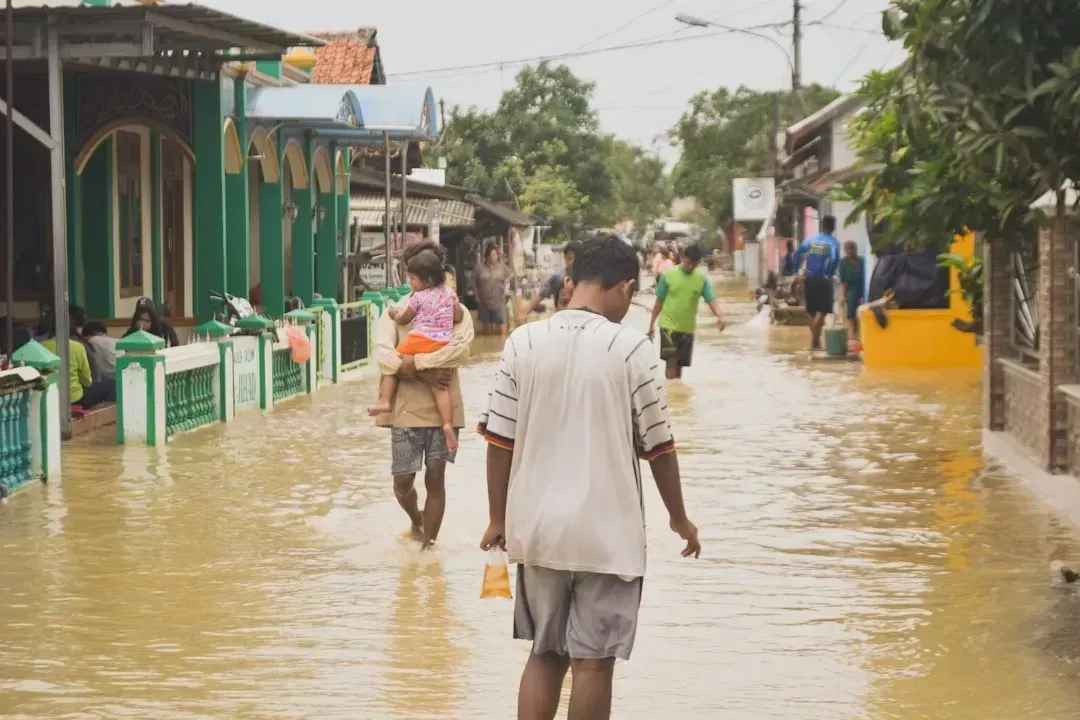
Flood zone maps create a false sense of security for people who fall outside the shaded high-risk areas. The claims data tells a more complicated story. In the decade between 2014 and 2024, nearly one-third of NFIP claims came from outside of high-risk areas, according to NFIP data.
Some industry analysis puts that share even higher depending on the time period examined, with roughly 29% of NFIP flood insurance claims coming from areas that are not high risk. Either way, the pattern holds. A third of the people filing claims never expected to need one, which is exactly the gap that leaves so many homeowners financially exposed.
$82,000: The Average Claim That Catches Homeowners Off Guard
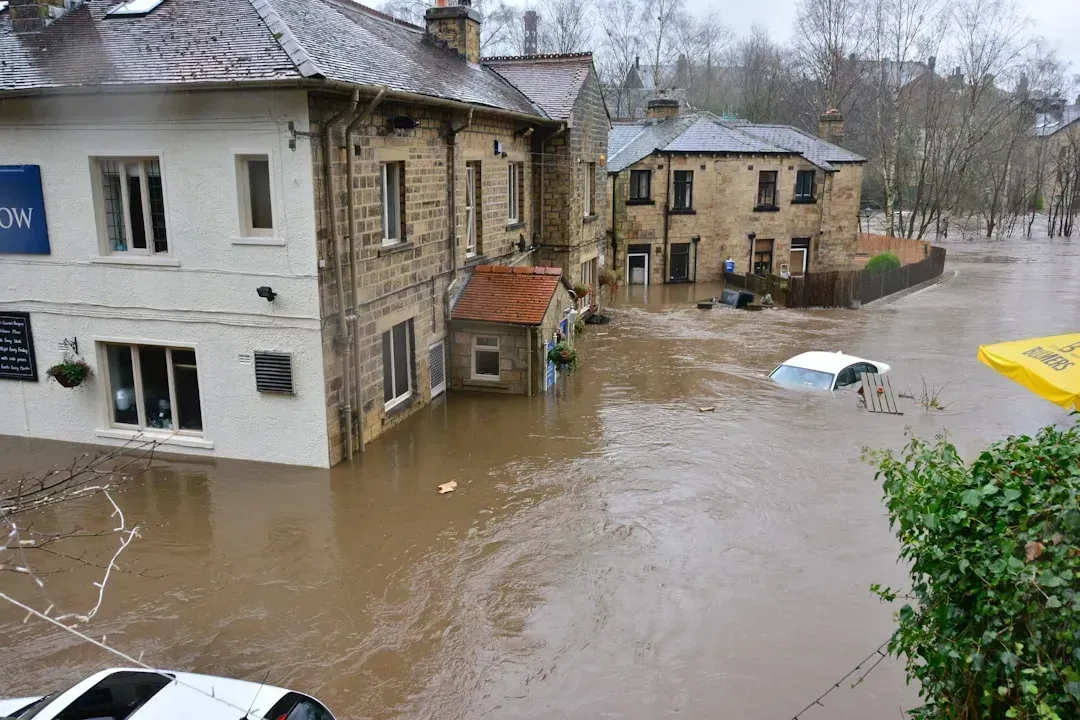
Insurance math rarely feels real until it is attached to an actual dollar figure someone had to pay out of pocket, or thankfully did not have to. The average NFIP claim payment from 2020 to 2024 was more than $82,000. That is not a rounding error on a home repair budget. It is closer to a down payment on an entire second home in many parts of the country.
Other long-term estimates land in a similar range. NFIP policyholder claims average $68,000 over a longer historical window, and separate state-level insurance data has noted that average flood insurance claim payments can exceed six figures depending on the severity of the event. The spread between these figures mostly reflects timing and geography, but the conclusion stays consistent: flood damage is rarely a cheap fix.
Less Than 25%: The Insurance Gap in the Riskiest States
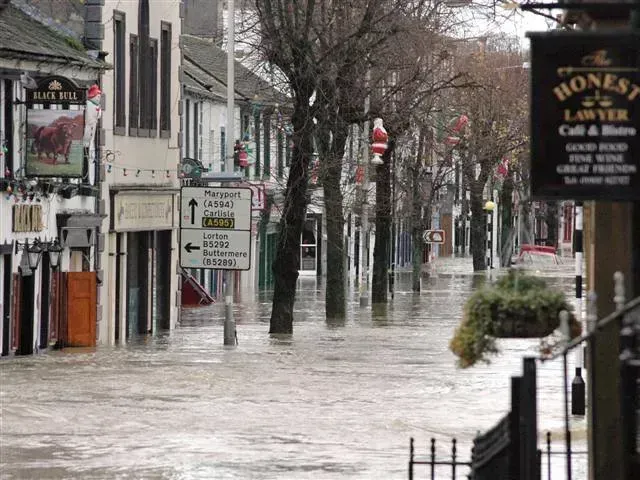
Here is where the numbers turn from concerning to genuinely alarming. In the states facing the fastest-rising flood risk in the country, insurance uptake has not kept pace at all. In Louisiana, where flood risk is rising the fastest, fewer than 23% of homeowners carry flood insurance; in second-ranked Florida, it’s fewer than 15%.
It gets more extreme in other high-exposure states. In both South Carolina and Texas, fewer than 7% of homes have flood insurance, according to FEMA data. These are not obscure inland towns with no flood history. These are among the states projected to see the steepest increases in flood losses over the coming decades, yet the vast majority of homeowners there are simply uninsured for the one disaster most likely to hit them.
72.6%: How Much Worse This Gets by 2050
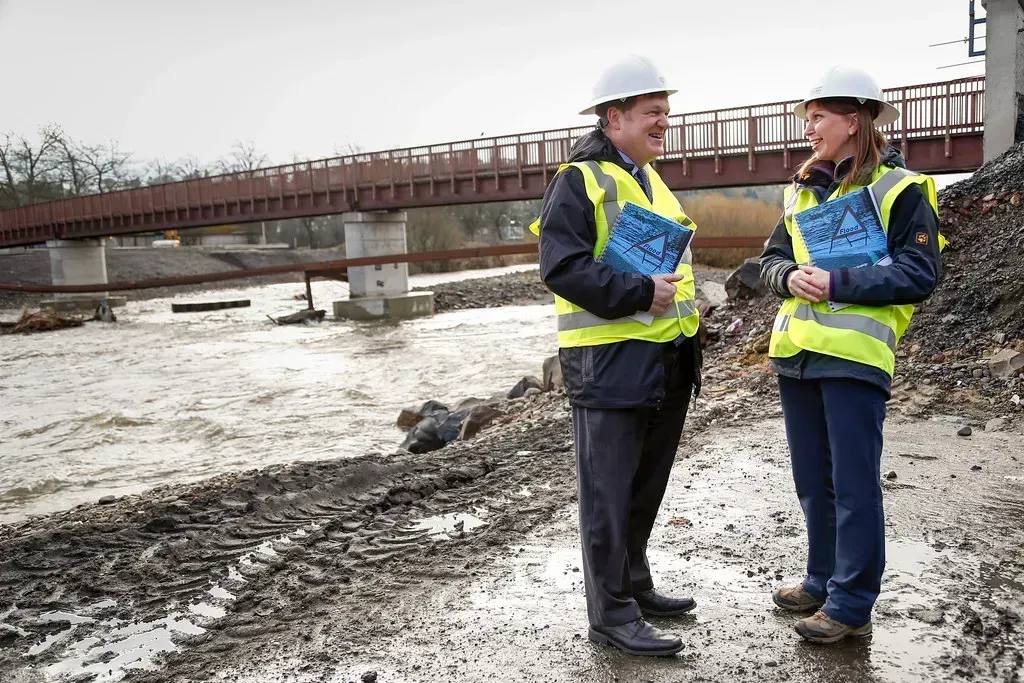
The seven numbers above describe where things stand today, but flood risk is not static. It is trending in one direction. Fathom’s U.S. Flood Risk Index estimates that the average annual exposure of the U.S. population will increase by 72.6% by 2050 from 2020 levels.
The projection gets even starker at the population level. Fathom projects that 97% of the U.S. population will be exposed to flood risk by 2050, but flood insurance uptake isn’t keeping up. Whatever gap exists today between actual risk and insured protection is not closing on its own. Without a shift in how people plan for flooding, that gap is set to widen right alongside the rising water.
What These Numbers Add Up To
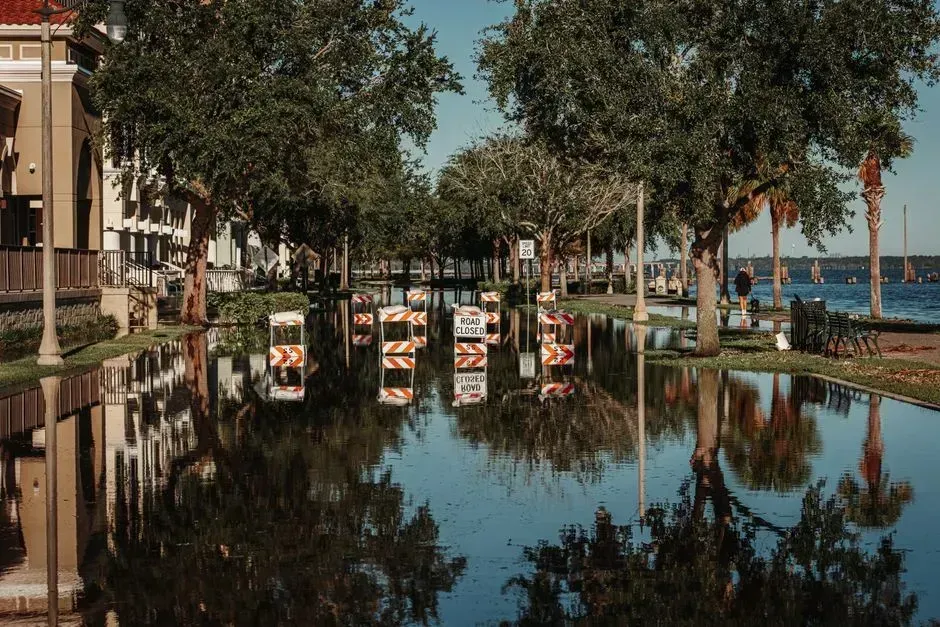
Put together, these seven figures describe a risk that is broader, more expensive, and more geographically scattered than most people assume. Flooding does not wait politely for a hurricane warning or a spot on a flood zone map. It shows up in counties that have never flooded before, in homes sitting comfortably outside any high-risk designation, and in communities where insurance penetration remains far below what the actual exposure would suggest.
None of this means every homeowner needs to panic or overhaul their finances overnight. It does mean that the old assumption, flooding is someone else’s problem, deserves a second look given what the data from 2024 through 2026 actually shows. The cost of ignoring flood risk is not hypothetical. It has a price tag, and it is written into these seven numbers.
