

- The Real Cost of Ignoring Flood Risk: 7 Numbers That Will Change How You Think About It - July 22, 2026
- The Midwest vs. the Northeast: Which Region Will Take In More Climate Migrants? - July 22, 2026
- The Fastest-Warming State in America Is Not Where You’d Expect – Here’s Where It Actually Is - July 22, 2026
The state that actually tops the long-term list
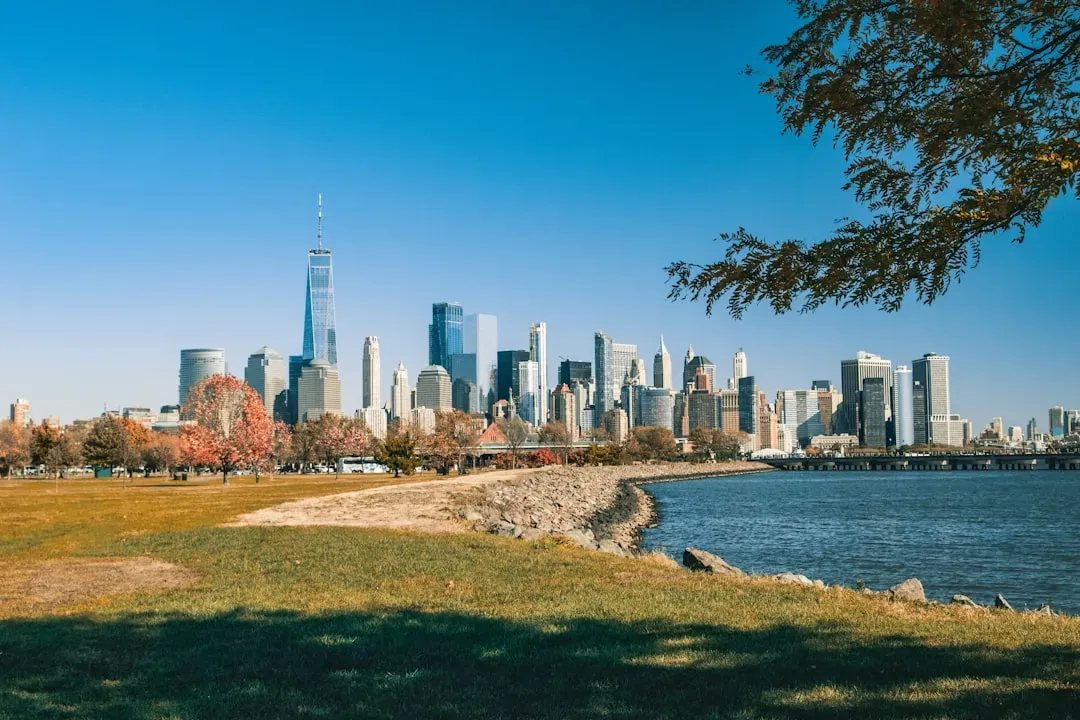
According to climatology research from the National Oceanic and Atmospheric Administration, New Jersey has been the fastest-warming of all 50 U.S. states by average air temperature over a 100-year period beginning in the early 20th century. That is not a typo and it is not a fluke of one unusually hot summer. It’s a century-long trend, tracked and verified through some of the most rigorous climate data collection in the country.
New Jersey’s own state climatologist has put numbers on it too. Annual temperatures in the state have increased by about 4 degrees Fahrenheit since 1900, roughly twice the global average. That’s a striking figure for a state that isn’t in the Arctic, isn’t a desert, and doesn’t sit anywhere near the equator.
Why everyone assumes it’s somewhere else
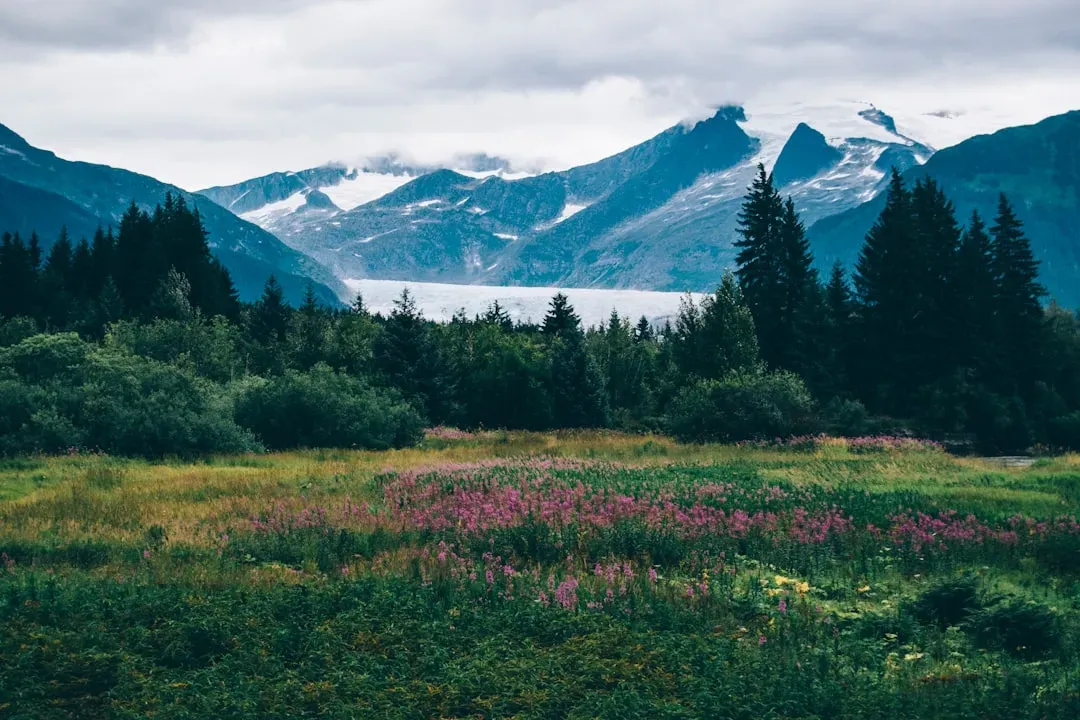
The instinct to name Alaska isn’t wrong exactly, it’s just measuring a different thing. Depending on the time frame used, Alaska is the fastest-warming state from 1970 to 2025, warming 4.4 degrees Fahrenheit since 1970, due to its high latitude. Arctic and near-Arctic regions warm faster than the global average because of feedback loops involving melting ice and shrinking snow cover, so the instinct makes physical sense.
The confusion comes from mixing up two different measurement windows. Climate Central’s widely cited analysis looks at data since 1970, which puts Alaska on top, while NOAA’s longer, century-scale record tells a different story that places New Jersey ahead when you stretch the timeline back to 1900. Both are technically correct, they’re just answering slightly different questions about slightly different stretches of history.
What the numbers actually show
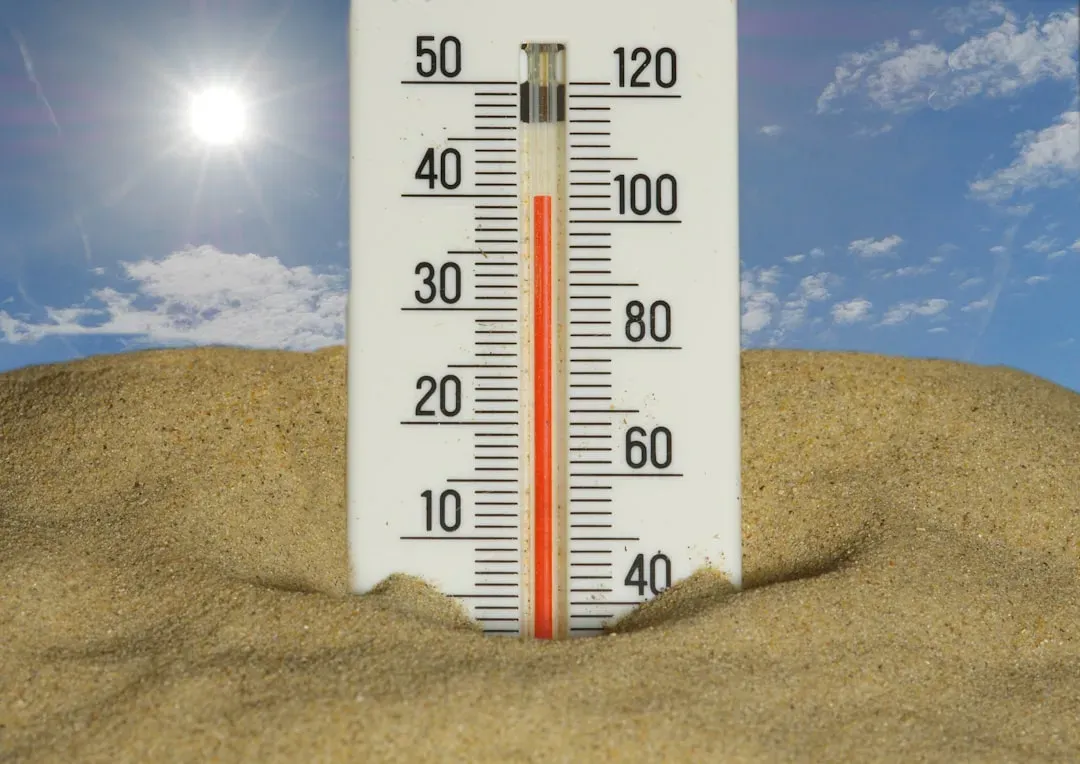
Even within the shorter modern record, New Jersey still ranks near the very top. Climate Central’s most recent analysis found that the fastest-warming U.S. states from 1970 to 2025 are Alaska, New Jersey, New Mexico, Delaware, Massachusetts, and Vermont, with New Jersey and New Mexico essentially tied for second place. Specifically, New Jersey and New Mexico have both warmed 3.7 degrees Fahrenheit since 1970, trailing only Alaska’s 4.4 degree increase.
What makes New Jersey different is consistency across timeframes. It isn’t just warming quickly in recent decades, it has been warming faster than the national average for well over a century, according to NOAA data showing annual average temperatures have risen more than 3.5 degrees Fahrenheit in New Jersey since the beginning of the 20th century. That kind of sustained trend, stretching across generations, is rarer than a single hot decade.
The urban heat island effect, explained simply

So why New Jersey specifically? A big part of the answer has nothing to do with latitude or ocean currents and everything to do with pavement. Experts point to New Jersey’s rapid urban and suburban development over the 20th century contributing to it warming faster than all other U.S. states, an effect called the urban heat island effect, largely due to its small size and high urban to rural proportion compared to other states.
New Jersey is the most densely populated state in the country, and that density comes with a lot of asphalt, concrete, and rooftops that absorb heat during the day and release it slowly at night. The state’s own environmental agency describes the mechanism plainly: causes for the urban heat island effect include lack of vegetation and water bodies, an abundance of hard and dry surfaces that can absorb and retain sunlight, and heat generated through human activities. Newark offers a vivid local example, where summer heat regularly climbs into triple digits while nearby, less developed areas stay noticeably cooler.
The ocean is part of the story too

Being wedged between two major metro areas isn’t the only factor working against New Jersey. Its coastline sits along an Atlantic Ocean that has been running unusually warm in recent years, and that matters more than people might assume. Researchers have described the state’s rapid warming as most likely a combination of factors, including the warming of the ocean bordering the coastal state and overdevelopment in some areas.
Warmer coastal waters push warmer, moisture-laden air inland, which raises both daytime highs and, notably, nighttime lows. That second part matters for public health, since nights that never cool down give the body less chance to recover from daytime heat stress. It’s a quieter mechanism than a heat wave making headlines, but it adds up over the course of a year, and over the course of a century it adds up even more.
Sea level rise adds another layer of risk
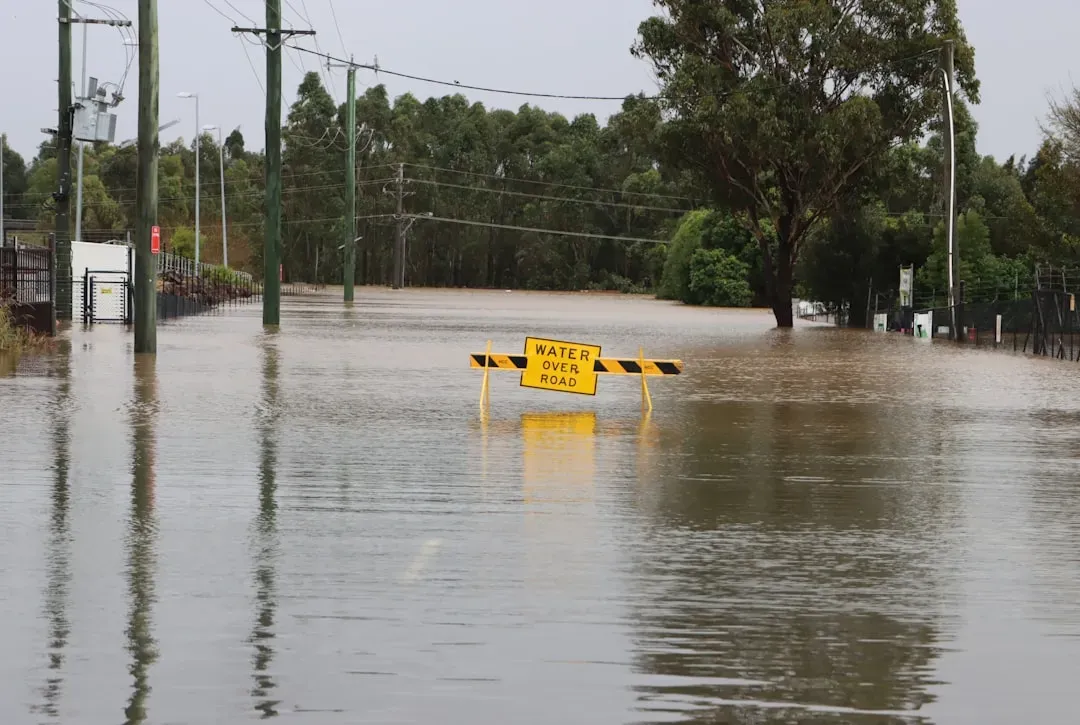
Temperature isn’t the only metric where New Jersey stands out, and the coastal geography that helps drive its warming also comes with a separate but related problem. According to NOAA’s state climate summary, sea level along the New Jersey coast has risen by more than 16 inches, double the global average, since 1911. Some of that is tied to warming waters expanding in volume, and some of it is simply geology.
The land itself is sinking in parts of the state, a slow aftereffect of the last Ice Age. As one explanation puts it, ice sheets that covered New Jersey during the last Ice Age pushed the Earth’s crust down into the mantle below, and that sinking continues today. Combine a warming coast with a sinking coast, and the flooding risk compounds in ways that a simple temperature chart doesn’t fully capture.
How this plays out in daily life

The abstract numbers eventually translate into things residents actually notice. NOAA’s climate summary for the state found that since the late 1980s the number of very hot days has been near or above the long-term average, while very cold nights have become an increasingly rare occurrence since the early 1990s. Winters that used to reliably dip below freezing for stretches now do so less often, and summers bring more stretches of oppressive heat than they used to.
Agriculture feels it too, in ways that cut both directions. Rutgers researchers note that warmer winters mean harmful insects are active for longer periods and their populations may not be reduced by severe winter cold as they once were, while rising temperatures also encourage the northward spread of pests and weeds from southern states. Crops that depend on a proper winter chill, like certain blueberry and cranberry varieties that New Jersey is known for, may become less productive as those cold periods shrink.
What the state government is doing about it
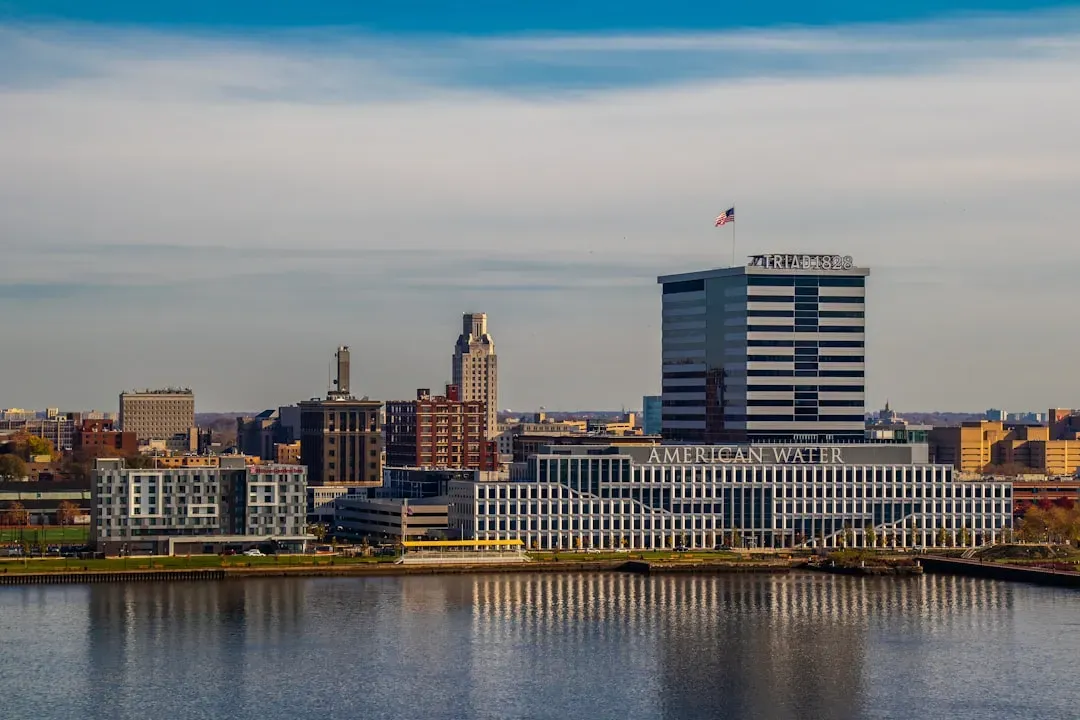
New Jersey hasn’t ignored its unusual distinction. The state passed the Global Warming Response Act back in 2007, and lawmakers have kept updating it since. Under that framework, the law puts a statutory limit on greenhouse gas emissions, aiming for an 80 percent reduction from 2006 levels by 2050.
The law was strengthened further in 2019 with more specific mandates attached to the original targets. Progress has been real but incomplete, and state officials acknowledge as much. New Jersey has taken many steps toward achieving the 2050 goal but still has a long way to go, which is a fairly candid admission for a government report to make.
Where Alaska and the Southwest fit into the bigger picture
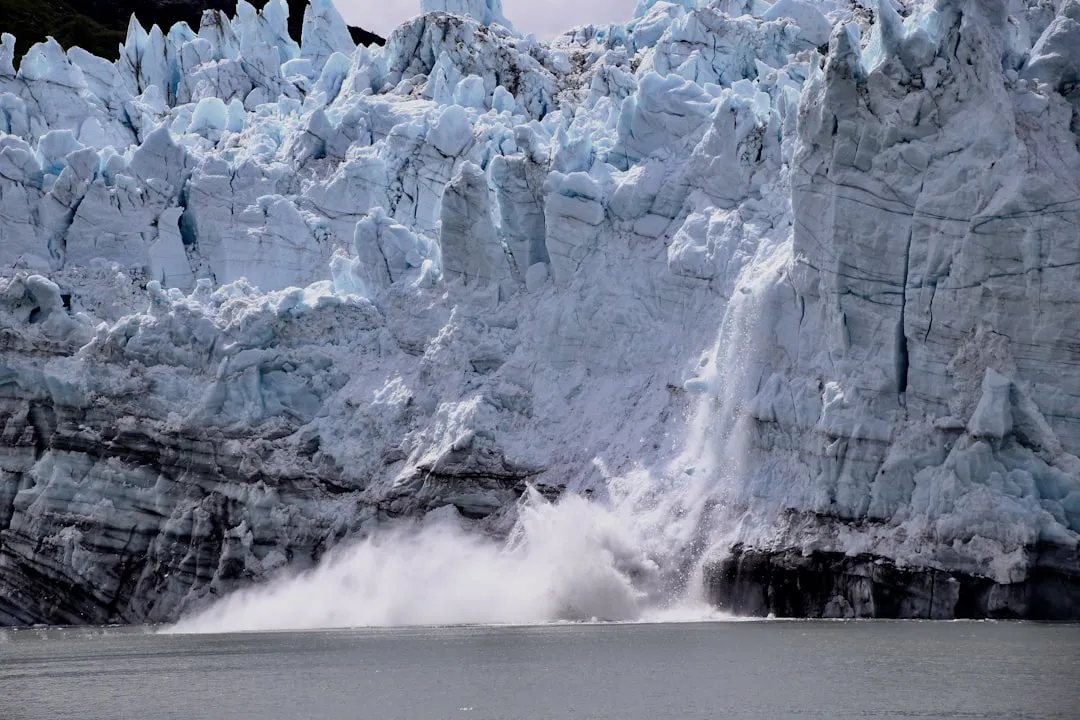
None of this means Alaska or the desert Southwest are off the hook, far from it. They remain critical parts of the national warming story, just measured on a different clock. Alaska’s high latitude location makes it a target for rapid warming, with Arctic regions experiencing warming at about twice the rate of the global average, and that trend shows no sign of slowing.
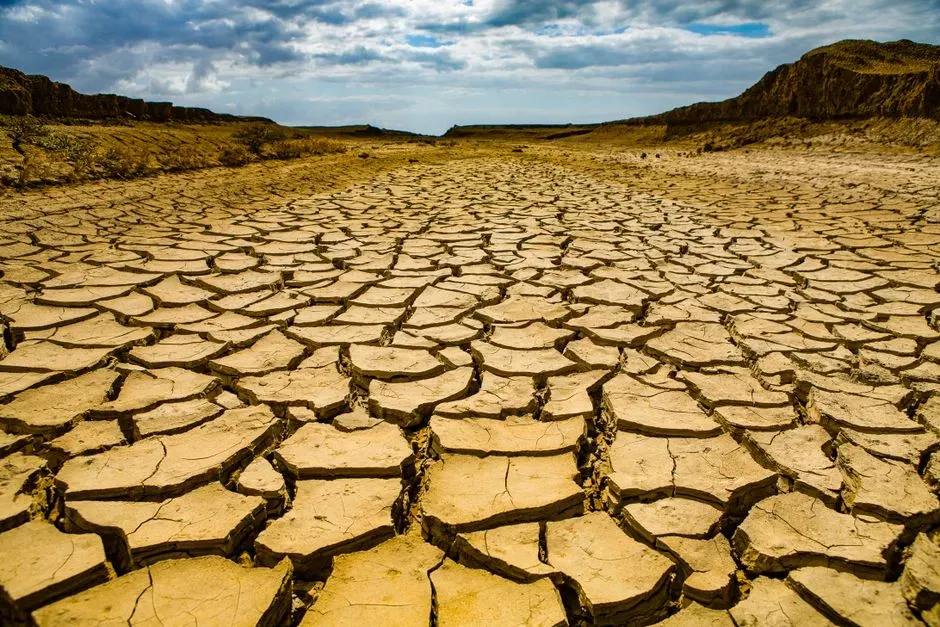
Meanwhile the Southwest carries its own distinct burden, tied more to drought and water scarcity than to raw temperature increase alone. Many of the fastest-warming locations were in the Southwest, a region vulnerable to droughts and heat extremes, which are likely to worsen with climate change. Each region is dealing with a different flavor of the same underlying problem, which is exactly why a single “fastest-warming state” answer depends so heavily on which years you’re counting.
Why this matters beyond New Jersey’s borders
The lesson here isn’t really about one small mid-Atlantic state. It’s about how easily assumptions can steer people toward the wrong answer when climate data gets simplified into a single headline. A dense, developed, coastal state without dramatic mountains or deserts turns out to be a near-perfect case study in how urbanization and ocean proximity can quietly outpace more obvious climate hot spots.
Other densely built, coastal Northeastern states show similar patterns for related reasons, which is part of why Delaware and Massachusetts also appear among the fastest-warming states in the more recent 1970 to 2025 dataset. It suggests that population density and coastal exposure deserve just as much attention in climate planning as latitude or desert geography, even if they don’t fit the mental image most people carry around of where climate change hits hardest.
The takeaway
New Jersey’s place at the top of America’s warming charts isn’t a data quirk or a one-year anomaly. It’s the product of a century of urban growth, a warming Atlantic Ocean, and a coastline that’s sinking as fast as the water around it is rising. The state serves as a useful reminder that climate risk doesn’t always look like the images people expect, sometimes it looks like a crowded highway corridor between two major cities, quietly setting records nobody predicted.
