
- The Real Cost of Ignoring Flood Risk: 7 Numbers That Will Change How You Think About It - July 22, 2026
- The Midwest vs. the Northeast: Which Region Will Take In More Climate Migrants? - July 22, 2026
- The Fastest-Warming State in America Is Not Where You’d Expect – Here’s Where It Actually Is - July 22, 2026
Why this question suddenly matters

Climate relocation used to sound like science fiction. It doesn’t anymore. As the southern U.S. becomes increasingly hotter and more vulnerable to rising seas, flooding, and storms, millions of Americans could move to the Pacific Northwest and the Northeast. One widely cited model suggests cities in these regions might grow by roughly 10 percent in the coming decades.
This isn’t purely theoretical anymore either. About 3.2 million Americans have moved due to the mounting risk of flooding, according to a First Street Foundation report focused on so-called climate abandonment areas. Meanwhile, Redfin reported that for the first time since 2019, high flood risk areas in the United States saw a net domestic outflow of 29,027 people in 2024. Somebody has to absorb those departures, and both the Midwest and Northeast want a piece of it.
The Midwest’s pitch: cheap land and quiet weather
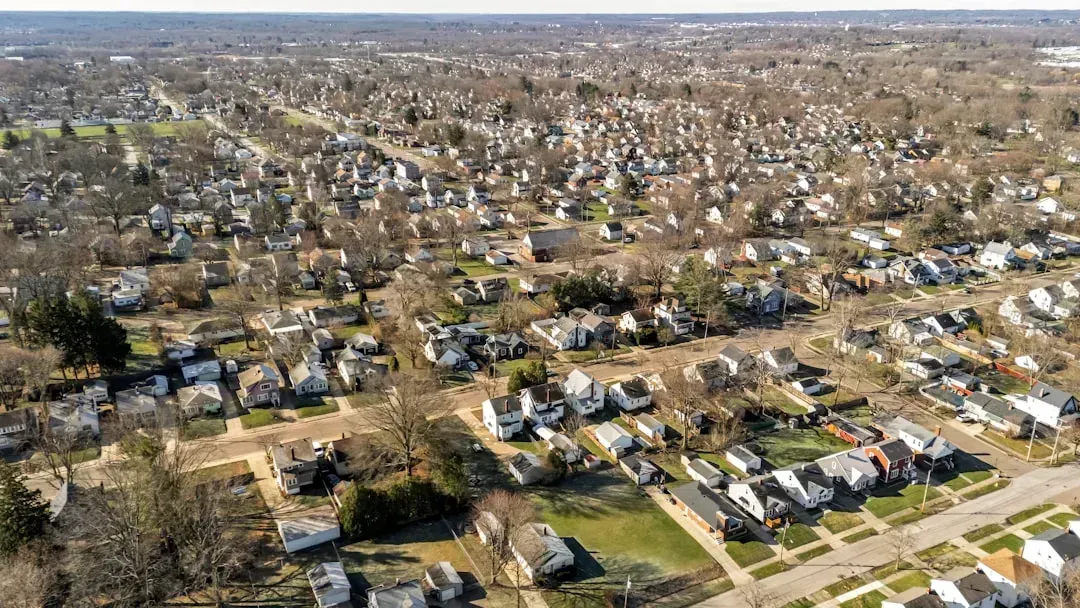
The Midwest’s argument is mostly about money, and it’s a compelling one. National median home prices reached $414,900 in the fourth quarter of 2025, with the West at $625,800 and the Northeast at $514,600, compared to just $317,100 in the Midwest. That gap alone changes household budgets in ways storms and heat waves rarely do.
The regional numbers back this up. Minneapolis and Indianapolis both flipped from net domestic outflow to net inflow in the most recent year, according to Redfin’s analysis of Census data. On the housing side, Zillow’s hottest housing markets of 2025 were dominated by affordable Midwest cities including Rockford, Illinois; Toledo, Ohio; Dearborn, Michigan; South Bend, Indiana; and Carmel, Indiana.
The Northeast’s pitch: infrastructure and institutional weight
The Northeast isn’t competing on price. It’s competing on legacy, education, and a built environment that already exists. Vermont and New Hampshire rank highly on the FEMA resilience map because they sit far from the coast and have strong community support systems in place.
There’s also the old infrastructure argument that keeps surfacing in migration research. Cities like Rochester, New York, and Buffalo could see a renaissance, with their excess capacity in infrastructure, water supplies and highways once again put to good use. That’s a real asset. Roads, sewer lines, and hospital systems built for larger populations decades ago are sitting mostly idle now, waiting for someone to move back in.
The freshwater advantage nobody can build from scratch
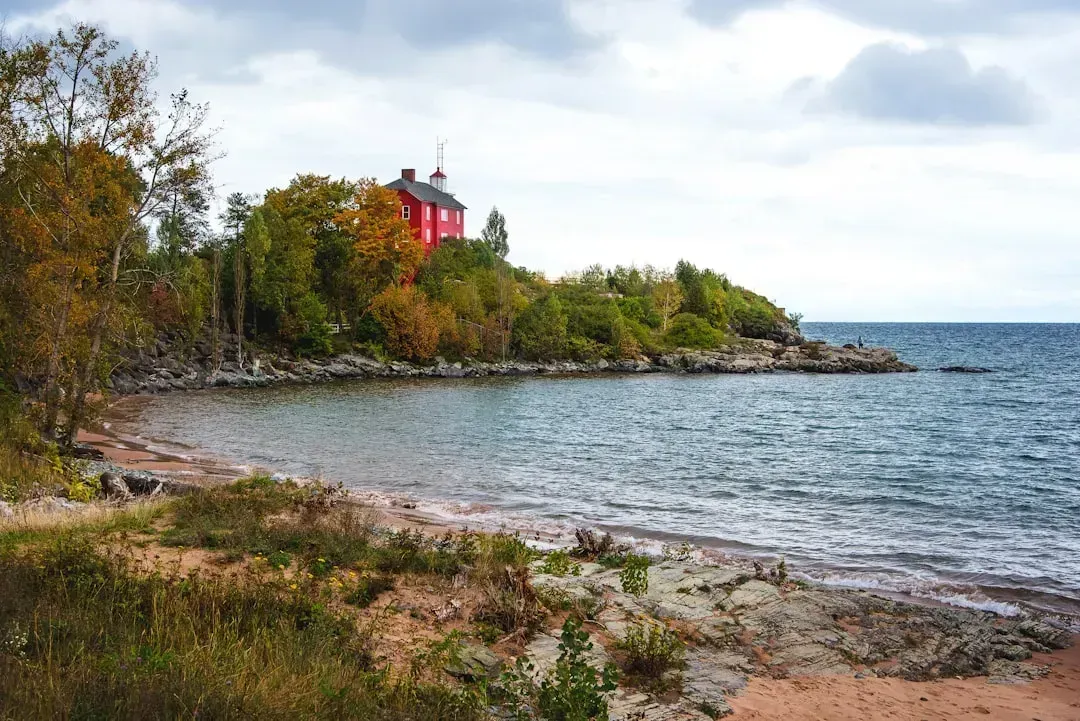
If there’s one thing the Midwest has that money genuinely can’t replicate elsewhere, it’s the Great Lakes. The Great Lakes comprise about 21 percent of the world’s supply of surface fresh water, and 84 percent of North America’s supply. As droughts intensify across the Sun Belt and Southwest, that kind of water security becomes a serious long-term selling point.
Researchers studying the region have leaned into this. The Great Lakes region faces less risk of climate hazards and has an abundance of natural resources including fresh water, along with infrastructure capacity to accommodate an increased population. The Northeast has plenty of rivers and reservoirs too, but nothing on quite that scale.
Cracks in the Northeast’s safe haven story
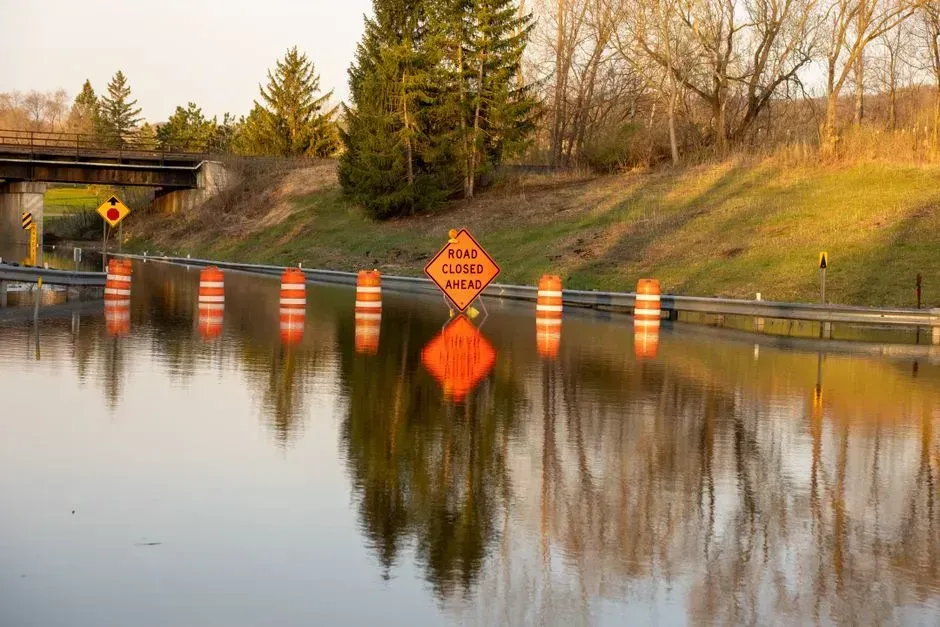
Vermont spent years being held up as the quintessential climate haven state, tucked away from coastlines and hurricanes. That reputation took a beating starting in 2023. On a single day in late July 2024, a normal looking summer storm dropped a record eight inches of rain over the Northeast Kingdom in just 24 hours.
The pattern isn’t a one-off fluke either. Research shows the Northeast now sees 50 percent more extreme precipitation than it did before 1995. One county in Vermont has felt this more than most, since Washington County, home to Montpelier, is now tied for being the second most disaster prone county in America based on federal disaster declarations from 2011 through 2023. A region marketed as climate proof is having a hard time squaring that label with its own flood maps.
The Midwest isn’t invincible either
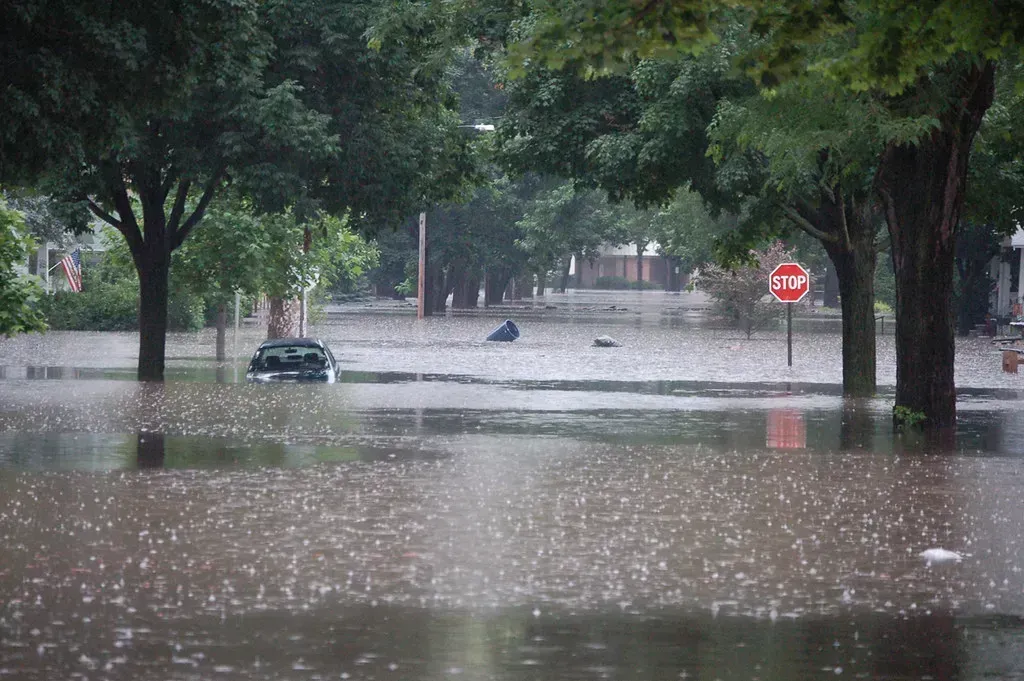
It would be a mistake to treat the Midwest as some kind of climate bunker. Extreme weather there just tends to look different, less flood and hurricane, more heat and cold whiplash. The Northeast and Midwest both face rising risk from extreme cold events, even as other parts of the country worry more about heat and fire.
Aging infrastructure is a genuine concern too. The Rapidan Dam, a 1910 hydroelectric dam in Minnesota, was badly damaged by the second worst flood in its history. Meanwhile, people in the Midwest are increasingly searching for cooler summers as heat waves drag on longer each year. The region markets calm weather, but calm is relative, not absolute.
What the population data actually shows right now

Set aside the marketing copy for a second and look at where people are physically moving today. The numbers lean Midwest, at least for the moment. Minnesota appeared on United Van Lines’ top 10 inbound list for the first time, and Minneapolis cracked U-Haul’s top 25 growth metros, also a first.
The Northeast’s growth, by contrast, has stayed sluggish. The South as a region grew at 0.9 percent, more than four times the rate of the Northeast at 0.2 percent, according to Census estimates. Some Northeastern states are actually shrinking outright, since Vermont lost roughly 1,800 residents between July 2024 and July 2025, according to Census estimates. None of that is proof climate is the driving force, but it does undercut the idea that the Northeast is quietly filling up with climate refugees.
Duluth as a living case study
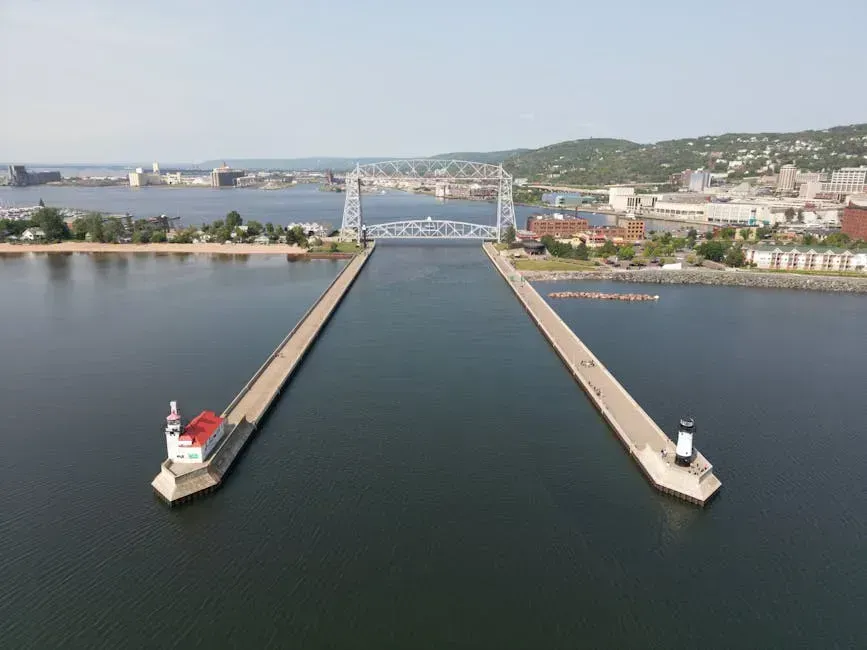
No single city illustrates this contest better than Duluth, Minnesota. Researchers there have actually gone out and tracked where new residents come from. In terms of net migration to Duluth, the Los Angeles metro area has the second largest positive net migration to Duluth, behind Minneapolis-St. Paul.
The city has leaned into this reputation deliberately, sometimes with a wink. Researchers created a prototype marketing strategy called Destination Duluth that featured online ads tailored to Floridians and Texans. Buffalo, in the Northeast, gets similar attention, and a travel publication once ranked Duluth No. 1 for cities best prepared for climate change, followed by Buffalo, N.Y., Cincinnati, and Madison, Wis. That list itself is telling, since it mixes both regions rather than crowning one outright winner.
What the long range forecasts say
Zoom out to the multi decade projections and the picture gets murkier, though the Midwest still shows up more often as the bigger draw. Jesse Keenan, a Tulane University associate professor who studies climate change adaptation, estimates that 50 million Americans could eventually move to regions like New England or the Upper Midwest to escape severe climates. That estimate spans both regions rather than picking a clear winner.
Economist Solomon Hsiang’s modeling adds some texture to the timeline. At first, we’ll probably see an outflow of people in their twenties and thirties, who tend to be the most mobile, he says. If that early wave skews toward affordability seekers rather than institution seekers, it would tilt the early advantage toward the Midwest’s cheaper housing stock rather than the Northeast’s pricier legacy cities.
Final thoughts