

Every summer, emergency managers across the country repeat the same message: check your supplies before the next storm, fire, or flood forces the issue. This year, that message is landing with a bit more urgency in a handful of states, where recent briefings, proclamations, and public safety campaigns have specifically called out stale or missing emergency kits.
Some of these warnings tie back to a hurricane season that forecasters expect to be milder than usual. Others are tied to wildfire risk that no longer waits for a single season. Either way, officials in these seven states have made it clear that now is not the time to assume last year’s supplies will do the job.
Hawaii: A governor’s proclamation puts kits back on the calendar
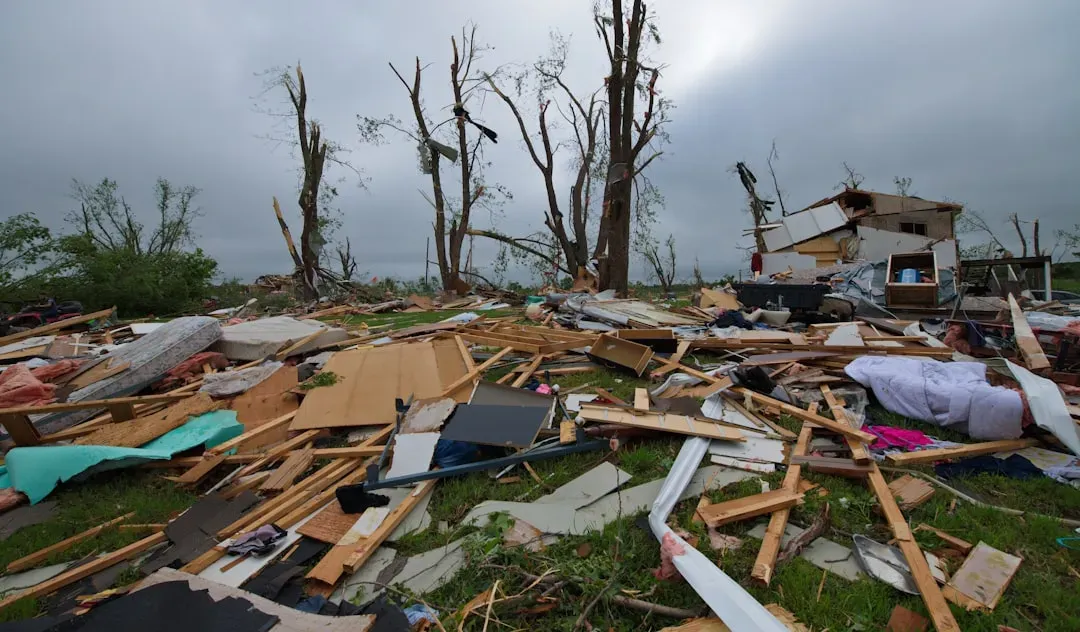
Hawaii kicked off its hurricane readiness push with an official event at the state Capitol, where Gov. Josh Green joined representatives from the National Weather Service, the Hawaii Emergency Management Agency and county emergency management leaders to present the 2026 Hurricane Weather Outlook and discuss preparedness efforts statewide. The governor also used the occasion to formally recognize the season ahead, since Green proclaimed May as Hurricane Awareness and Preparedness Month.
The state’s top emergency official was direct about what residents should actually be doing with that time. James Barros, administrator of the Hawaii Emergency Management Agency, encouraged residents to review emergency plans, refresh disaster supply kits and stay informed through official sources. It’s a simple ask, but one that officials say gets skipped more often than people admit, especially once a kit has sat untouched in a closet for a year or two.
North Carolina: A quieter forecast hasn’t lowered the guard
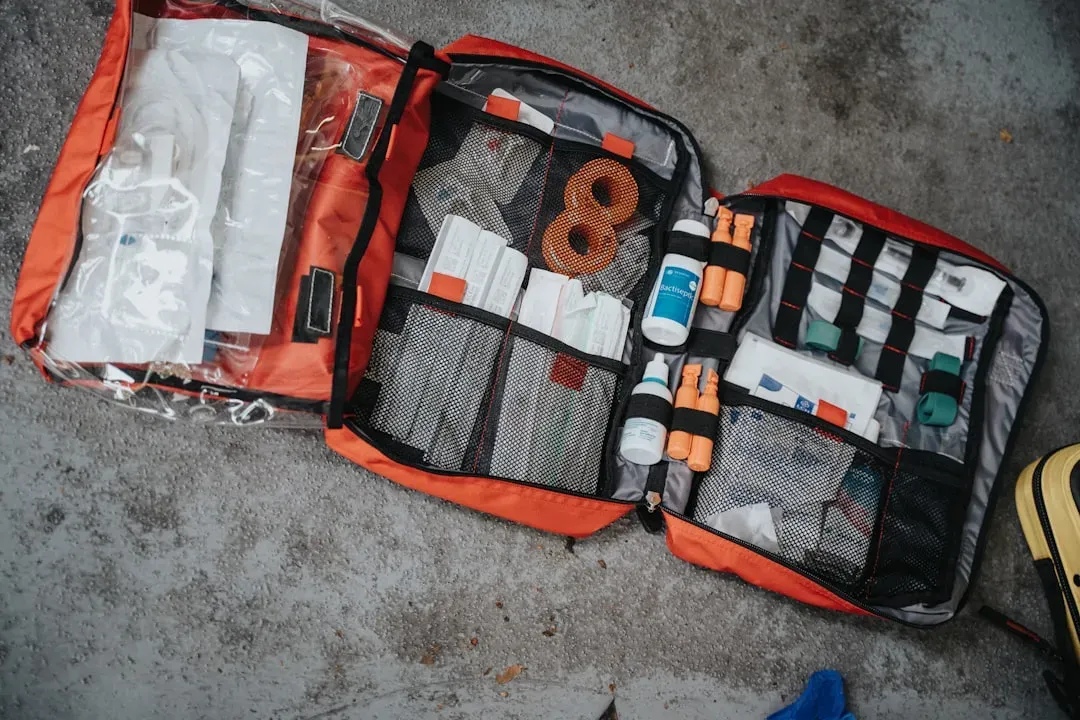
North Carolina’s emergency management team spent much of the spring reminding residents that a mild seasonal outlook doesn’t guarantee a mild year. As officials noted, the National Hurricane Center predicts a below-normal season, though North Carolinians know that it takes only one storm to affect communities statewide. That framing showed up again and again in state guidance, which recommended residents put together an emergency kit, including non-perishable food and water at one gallon per person per day for three to seven days, a battery-powered or hand crank radio, and prescription and over-the-counter medication.
Local emergency managers echoed the same point at the county level throughout May. In Buncombe County, officials explained that with the 2026 hurricane season approaching, emergency management leaders urge all residents to take time now to update their emergency plans and supply kits. That urgency isn’t abstract there, since the county has experienced widespread flooding and damage from Hurricanes Matthew and Florence, Tropical Storm Fred, and Tropical Storm Helene in recent years.
Virginia: New leadership, same warning about readiness
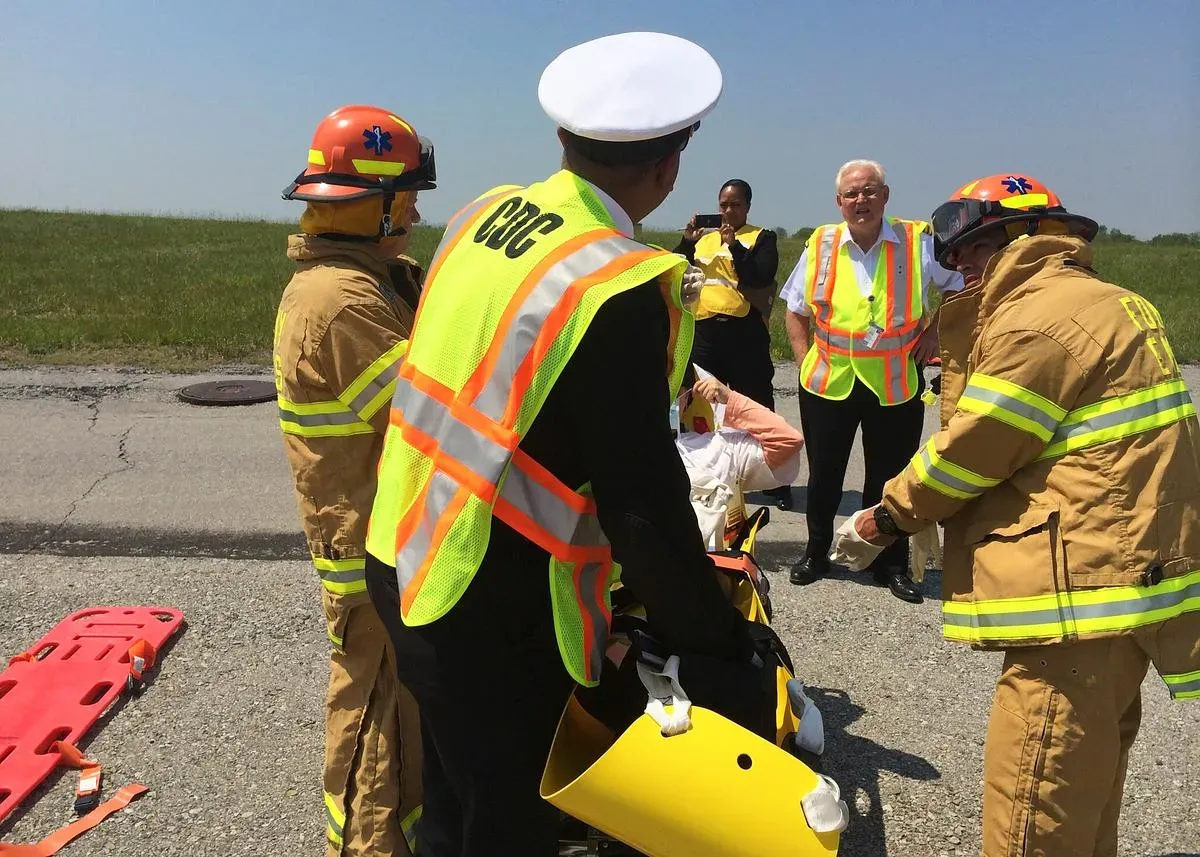
Virginia’s emergency operations team gathered in Richmond for hurricane briefings and tabletop exercises meant to sharpen coordination before the season’s busiest stretch. During that event, Gov. Spanberger directed Virginians to KnowYourZoneVA.org for evacuation information while emphasizing the importance of building emergency kits with supplies to last at least 72 hours. State materials released the same day went further, advising residents to stock flashlights, batteries, medications and other essentials.
Officials also stressed that a kit alone isn’t enough without a plan around it. The state’s acting emergency management coordinator noted that preparedness starts long before a storm appears on the forecast map, and the best time to gather supplies, review evacuation plans, and discuss emergency procedures with your household is now. Virginia’s team also pointed out something easy to forget: hurricanes and tropical storms can trigger inland flooding, tornadoes, storm surge, heavy rain and power outages far from the coast, meaning even residents well away from the shoreline have reason to take the warning seriously.
Florida: Officials are asking for more than the usual three days

Florida’s guidance this year leans heavier than the standard three day rule many people default to. State and local officials have been telling residents to prepare a two-week supply of medications, non-perishable food, water, and pet medications, along with copies of important documents. That extended timeline reflects lessons from past storms, where roads and stores stayed inaccessible far longer than expected.
Federal forecasters have also asked Floridians not to fixate on the numbers alone. NOAA’s outlook predicted a below-normal season, citing a strong El Niño pattern, warmer ocean temperatures, and weaker trade winds, with 8 to 14 named storms, 3 to 6 hurricanes, and 1 to 3 major hurricanes. Even so, the National Weather Service’s director urged people to focus on storm impacts rather than category labels, since every system and every storm carries risks like flooding and storm surge, regardless of how the season’s overall numbers shake out.
Alabama: A calm 2025 is being treated as a warning, not a relief
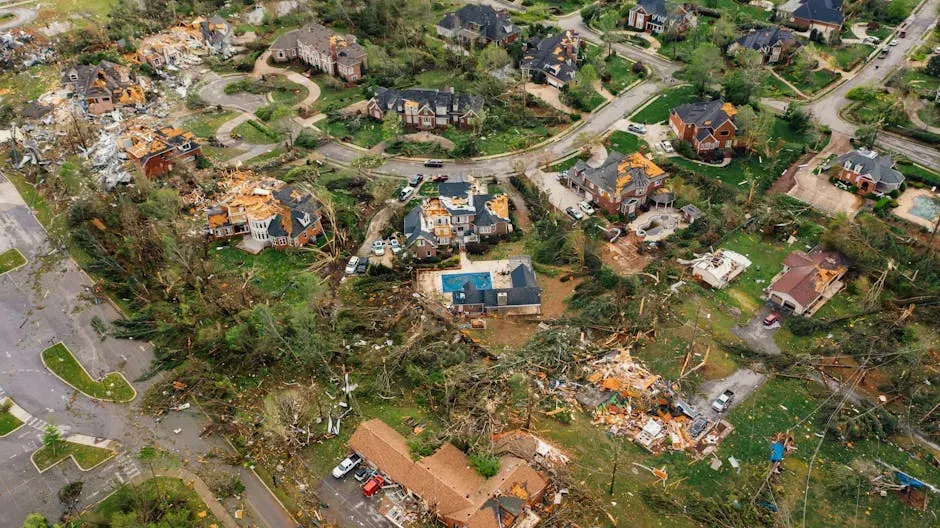
Alabama’s public health department has been blunt about why residents shouldn’t relax after a quiet year. Officials noted that NOAA is forecasting a below-normal hurricane season, following a 2025 season in which not a single hurricane struck the United States. Rather than treating that as good news, the department framed it as a reason to double down, reminding residents that now is the time to plan and prepare, since waiting until a major storm is just hours away is never a good idea.
The state’s checklist goes beyond the basics most people already know. Guidance calls for a full month’s worth of all prescription medications, with a reminder to rotate the stockpile based on expiration dates. Officials also flagged something coastal residents sometimes overlook, noting that hurricane risk in Alabama is not just a coastal problem, since inland flooding and wind damage can reach communities far from the Gulf.
California: Fire season now runs longer than the calendar suggests
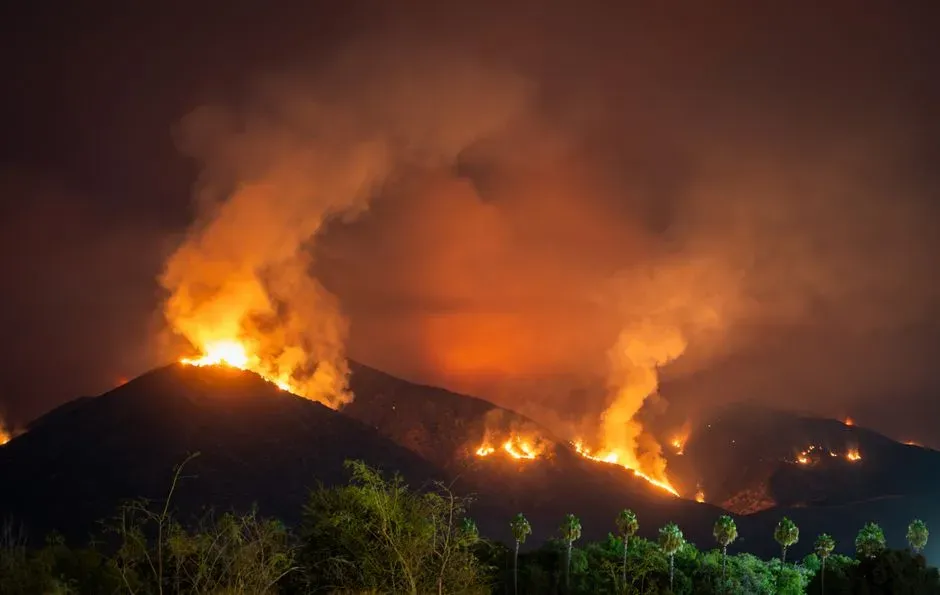
California’s readiness push this year has focused less on a single season and more on a shifting baseline. Emergency officials in Sonoma County described conditions bluntly, noting that as they gear up for an early, long and hot fire season across Northern California, they’ve been urging residents to do the same, reminding people to brush up on evacuation plans and refresh their go bags. That advice followed a stretch of catastrophic fires, and a local spokesperson observed that residents in fire-prone areas have taken a more proactive approach to emergency preparedness since then, even if not everyone has caught up.
At the state level, Governor Newsom’s office reinforced the same themes during Wildfire Preparedness Week, encouraging residents toward developing an evacuation plan, assembling emergency supply kits, home hardening, and staying informed through local alerts. The stakes behind that message are real: broader reporting on Western wildfire trends has noted recent fires, from the devastating Palisades Fire in Southern California to large scale fires across Colorado, Nebraska, Oregon, and the Southwest, destroyed more than 16,000 homes and businesses and forced mass evacuations across Los Angeles County. That kind of damage has pushed many California emergency offices to treat kit checks as a year round habit rather than a seasonal chore.
Louisiana: A storm already tested readiness this summer
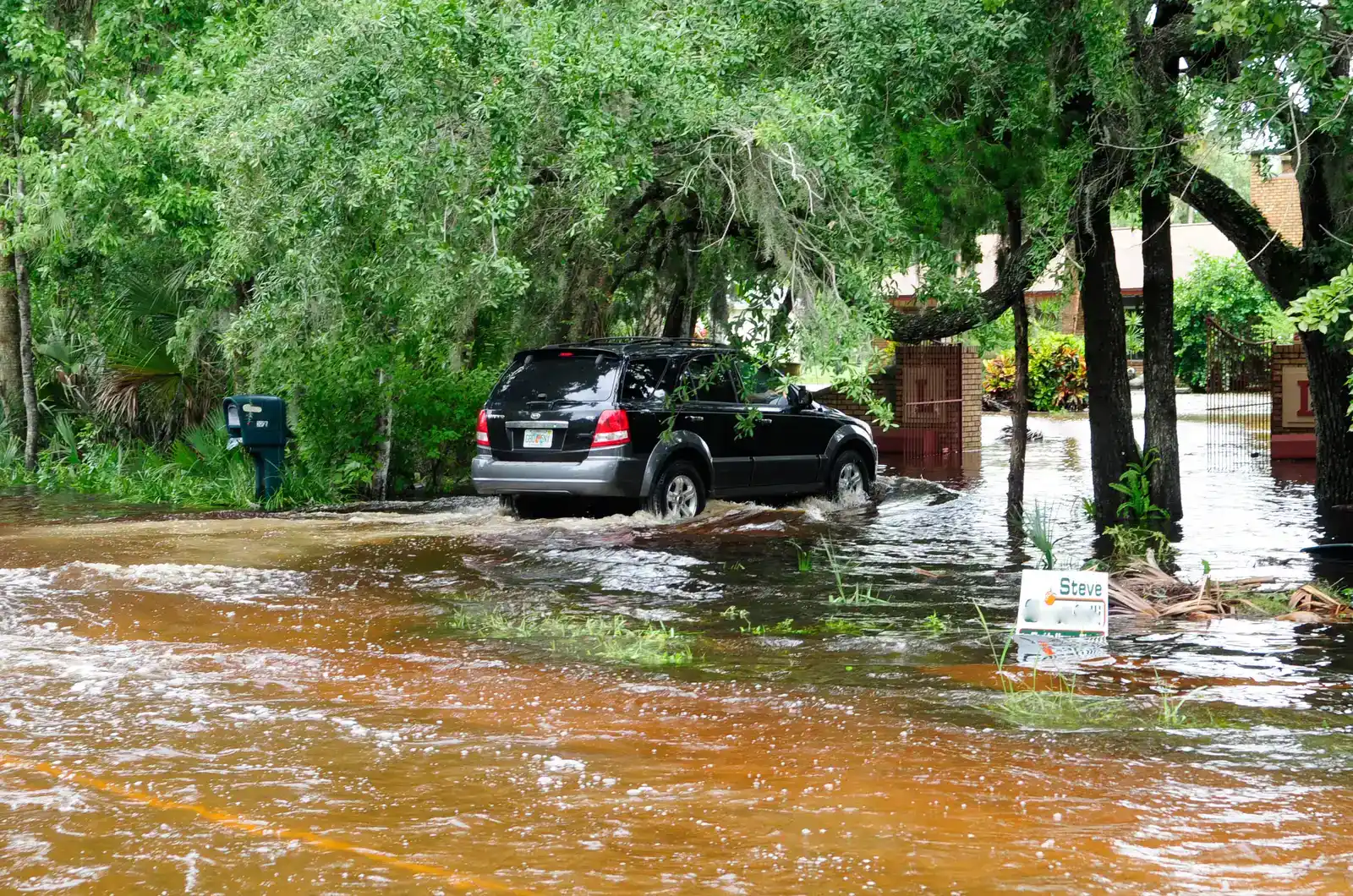
Louisiana’s preparedness messaging didn’t stay theoretical for long. The state’s homeland security office confirmed that Louisiana survivors should be aware that con artists and criminals may try to obtain money or steal personal information through fraud or identity theft after Tropical Storm Arthur that occurred June 17 and 18, with recovery centers still active in several parishes weeks later. That early season storm gave officials a real world reminder of why they keep pushing the same basic advice each spring.
Before that storm hit, the National Hurricane Center’s standard guidance was already circulating statewide, recommending residents focus on building an emergency kit, making an evacuation plan, and knowing your risk for storm surge, flooding and wind. Coastal experts added detail to that advice, suggesting households keep an emergency kit on hand with at least three days worth of food and water, flashlights, batteries, necessary medications, and important documents. With hurricane season only partway through, Louisiana officials continue to frame kit checks as an ongoing task rather than a one time errand completed each June.

- The Shoreline Sucked Dry in Seconds – 5 Tsunami Signals Beachgoers Mistake for Low Tide - November 14, 2026
- 9 Dark-Sky Destinations Around the World Where the Stars Look Unreal - November 14, 2026
- The Fault Line That Never Slips – 7 Locked Seismic Zones Overdue for a Massive Release - November 14, 2026
