

The urban heat island effect turns concrete into an oven

Cities absorb and hold heat differently than the land around them. Asphalt, brick, and glass soak up solar energy during the day and release it slowly after dark, while tall buildings block the wind that might otherwise carry hot air away. Cities are generally warmer and drier than adjacent rural land. This is not a new phenomenon, but it has intensified as urban footprints have expanded and green space has shrunk.
Researchers who track this pattern globally have found that the effect is not uniform. Inland cities demonstrate pronounced spatial gradients, and metropolitan regions at low-to-mid latitudes display higher spatial heterogeneity than those at high latitudes. In practical terms, that means two cities at similar latitudes can experience very different heat burdens depending on how they’re built, not just where they sit on a map.
Humidity: why it feels worse than the thermometer says
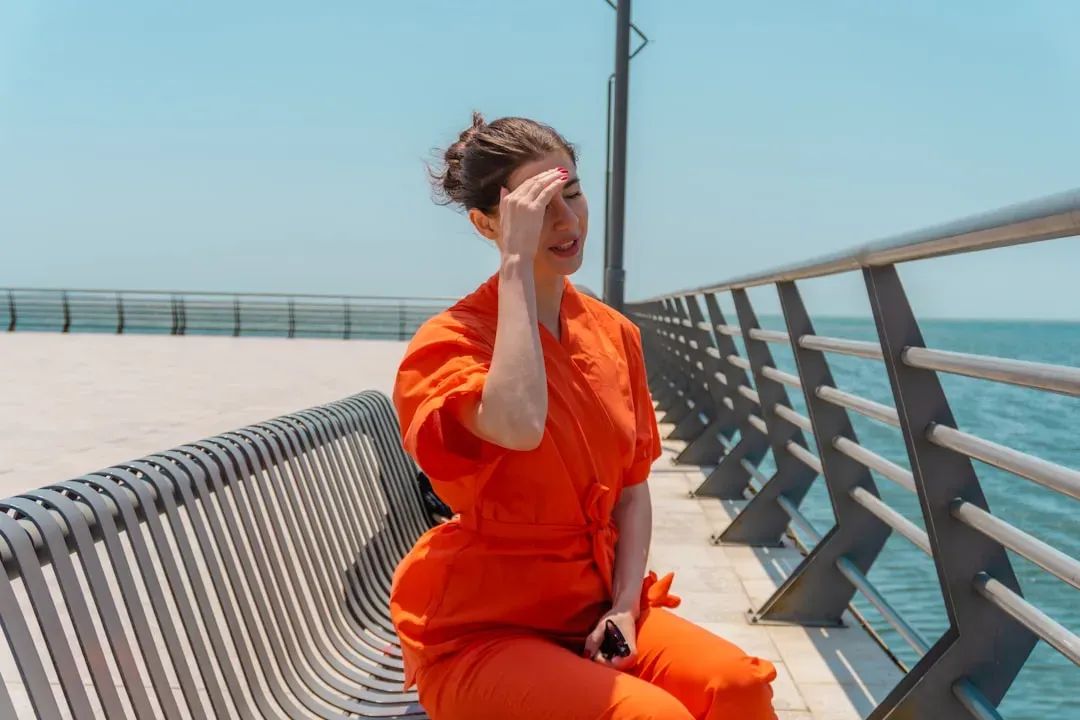
Temperature alone doesn’t capture what a body actually experiences on a sweltering day. Wet-bulb temperature, which combines heat and moisture, is a far better predictor of danger. Cities are generally warmer than their adjacent rural land, a phenomenon known as the urban heat island, and often accompanying it is the urban dry island, whereby the humidity of urban land is lower than that of surrounding rural land. The UHI exacerbates heat stress on urban residents, whereas the UDI may instead provide relief because the human body can cope with hot conditions better at lower humidity through perspiration.
But that relief doesn’t apply everywhere. There have been pronounced increases in global urban wet-bulb temperature since 2020, with tropical coastal cities such as Jakarta and Bangkok exhibiting relatively stable and high wet-bulb temperature, where warm humid climate substantially offsets the urban heat island effect. In those cities, humidity doesn’t cancel out the heat island effect, it compounds it, making sweat far less effective at cooling the body down.
Nights that no longer offer relief
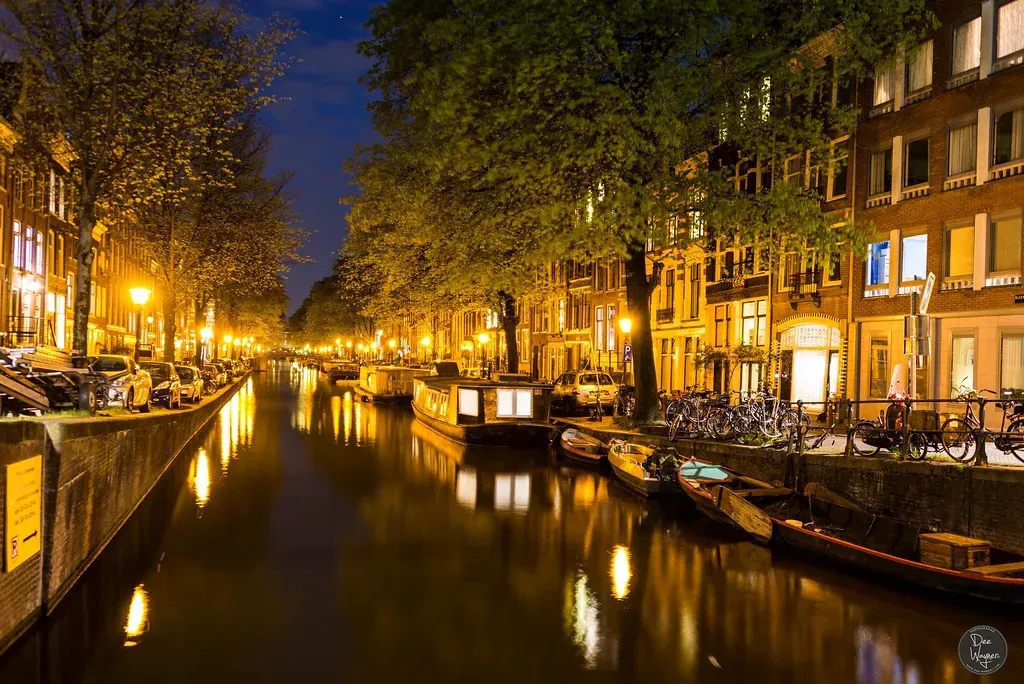
One of the quieter dangers of summer in a city is what happens after the sun goes down. Rural areas cool off fairly quickly at night, but urban surfaces keep radiating stored heat for hours. Due to the heat island effect, urban areas are significantly warmer than nearby rural areas, even at night.
This matters because the human body needs a break from heat stress to recover, and that break usually comes overnight. During a recent heat dome, forecasters found temperatures were not forecast to drop below 80 F (27 C) at night in Fort Lauderdale, Florida; Miami; Tampa, Florida; Galveston, Texas; and Charleston, South Carolina. Even northern cities unaccustomed to such conditions saw nighttime temperatures remain above 70 F (21 C), including Fargo, North Dakota; International Falls, Minnesota; and Portland, Maine.
Power grids strained to the breaking point
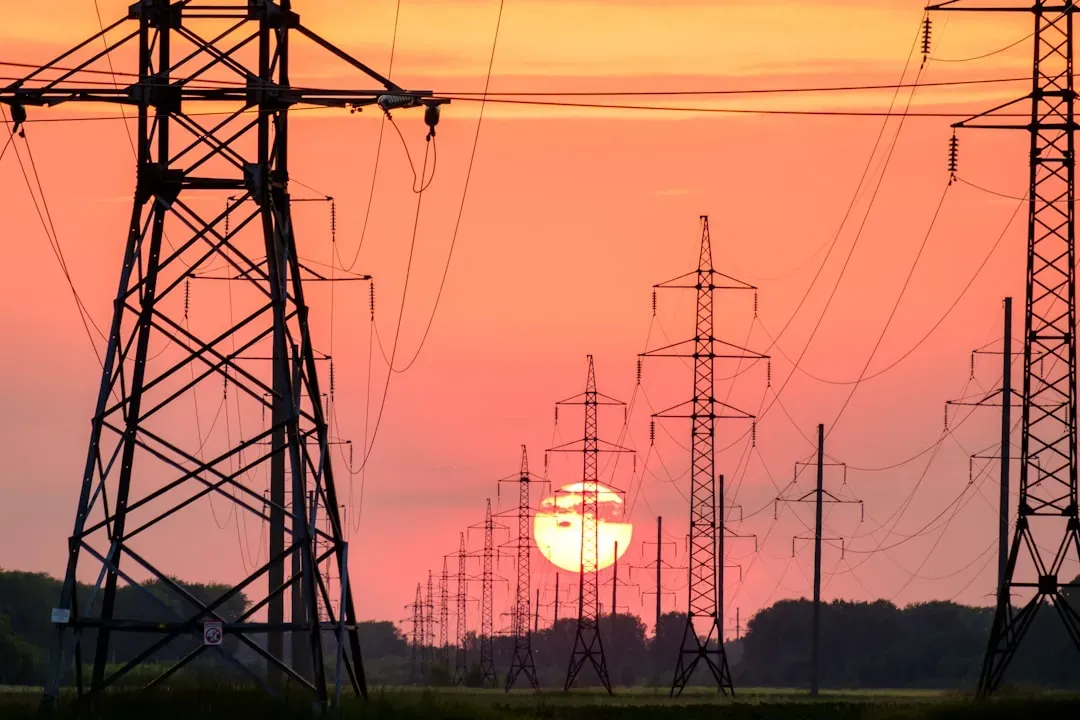
As indoor temperatures climb, so does electricity demand, and the systems meant to deliver that power weren’t necessarily built for this scale of stress. Electric grids are under unprecedented strain as record-high temperatures drive up air conditioning use, and power generation and transmission are impeded when demand outpaces supply, causing communities and businesses to experience blackouts. The heat doesn’t just raise demand, it also degrades the equipment meant to meet it.
Transmission infrastructure loses efficiency exactly when it’s needed most. Turbines can become up to 25% less efficient in high temperatures, and transmission lines lose up to 5.8% of their capacity to carry electricity as temperatures increase, resulting in reliability issues such as rolling blackouts. That’s a troubling mismatch: the hotter it gets, the less capable the grid becomes of handling the surge it’s facing.
The cooling paradox: air conditioning that feeds the problem
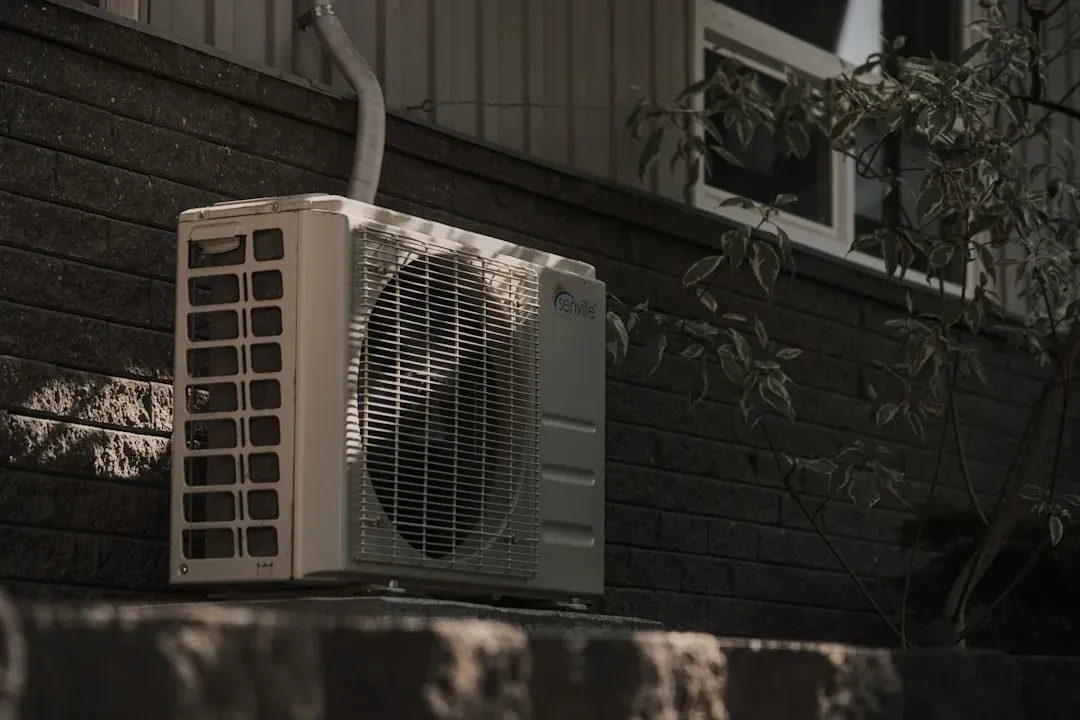
Air conditioning is often the single biggest driver of summer power use, and in some regions it dominates the load almost entirely. During a heat wave, air conditioning alone can account for as much as 70% of peak electricity demand in some regions, a worst-case scenario that highlights the significant strain cooling puts on the summer grid. When that demand outpaces supply, utilities are left scrambling.
The problem compounds itself in a way that’s hard to escape. Between 2014 to 2023, the number of heat season power outages increased by 60% compared to the 2000 to 2009 timeframe, per a report from Climate Central. More air conditioners running harder means more strain on aging equipment, which in turn raises the odds of the very outages that cut off cooling in the first place, often at the moment people need it most.
A legacy of unequal shade: redlining’s long shadow
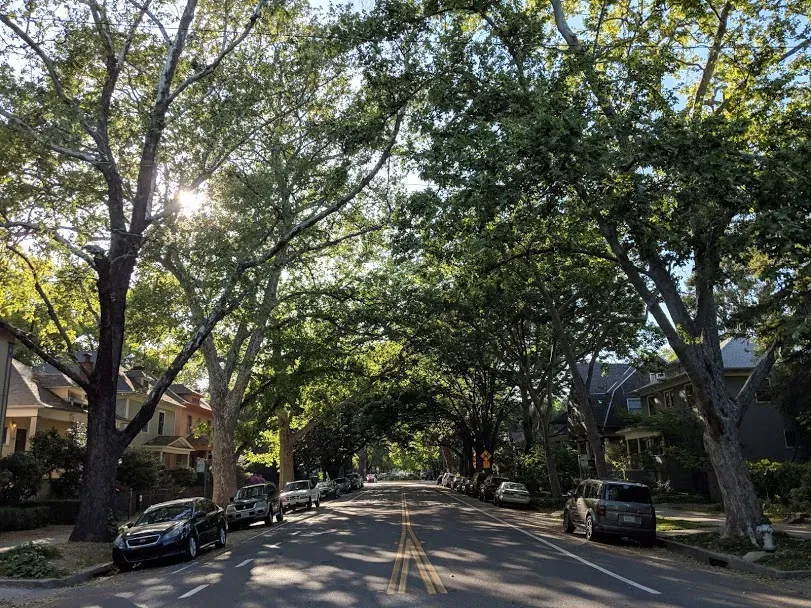
Not every neighborhood in a city experiences summer the same way, and the reasons trace back nearly a century. A study of 108 U.S. urban areas found that formerly redlined neighborhoods are on average 4.5°F hotter than non-redlined neighborhoods. That gap didn’t happen by accident.
The mechanism is fairly straightforward once you see it. Non-redlined neighborhoods tend to be cooler in times of extreme heat because they have denser tree canopies that help keep the area cool and protected from the sun, as well as less pavement and more green space. Nationally, in 92% of the urbanized areas surveyed, low-income blocks have less tree cover than high-income blocks, and on average, low-income blocks have 15.2% less tree cover and are 1.5°C hotter than high-income blocks. In parts of the Northeast, that gap widens considerably, with some areas showing a difference of 30% less tree cover and 4.0°C hotter temperatures between low- and high-income blocks.
Aging infrastructure buckles in the heat
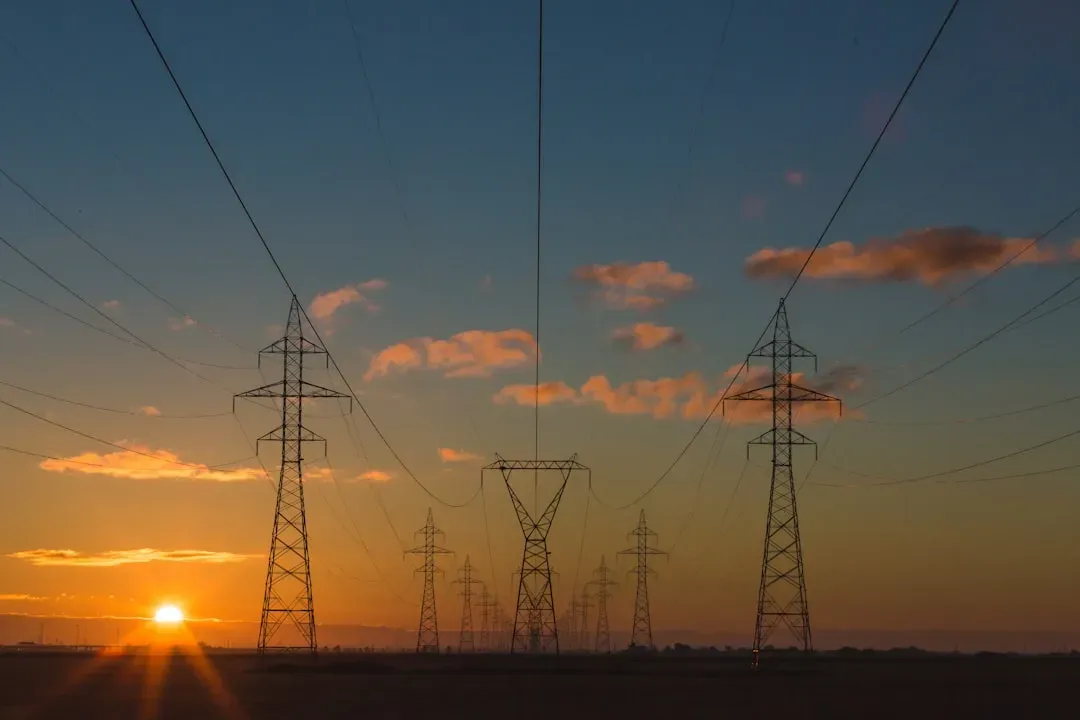
Extreme heat doesn’t just strain power lines, it wears down nearly every piece of urban infrastructure built for a milder era. Roads, rail lines, and water systems designed decades ago were engineered around temperature assumptions that no longer hold in many regions. Grid operators have had to take emergency action in real time to keep systems from failing outright.
In one recent case, the U.S. Department of Energy issued two emergency orders aimed at reducing blackout risks in the mid-Atlantic, allowing PJM Interconnection to dispatch specified power units and authorize backup generation resources to operate as a last resort before or during the most serious level of grid emergency, with the orders taking effect late June 30 and set to expire late July 3. These are not hypothetical scenarios anymore. They’re becoming a routine part of how utilities manage summer.
The uneven health toll of extreme heat
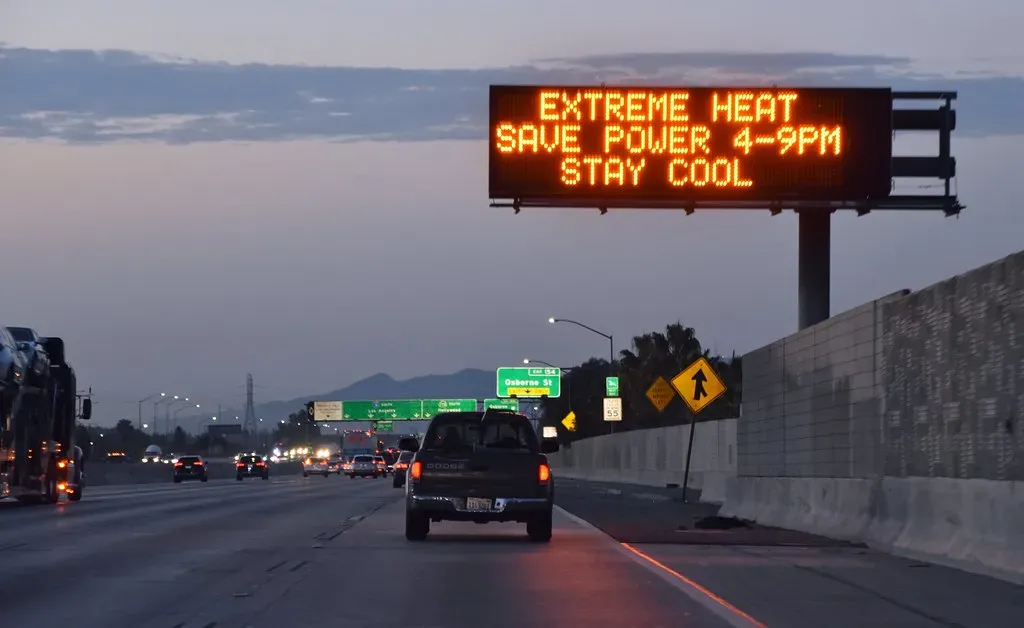
Heat is quietly one of the deadliest weather hazards a city faces, and it disproportionately affects people without reliable access to cooling. Extreme heat is the leading cause of weather-related deaths in the United States, resulting in an average of 238 fatalities a year between 1995 and 2024, and between 2000 and 2025, heat deaths in the United States increased by more than 50%. Those numbers reflect a slow, steady rise rather than a single dramatic event.
In New York City, the pattern is stark. Each summer, on average, more than 500 New Yorkers die prematurely because of hot weather, and lack of access to home air conditioning is the most important risk factor for heat-stress death, with the place of death most often being an un-air-conditioned home. In Arizona, a similar pattern has emerged, where three-quarters of people who died indoors from heat-related factors in 2023 had a non-functioning air conditioner.
How cities are starting to adapt
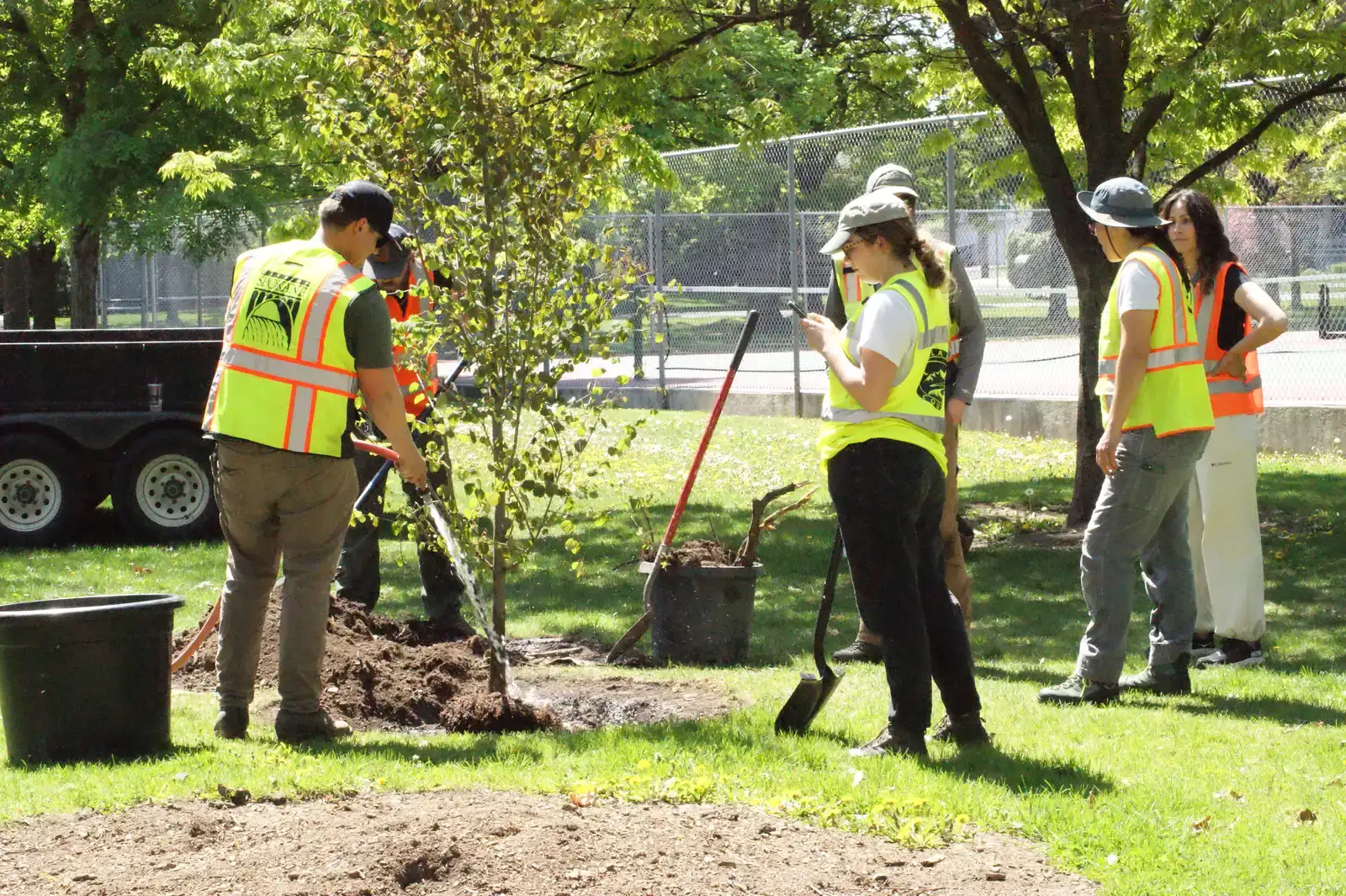
Some municipalities have begun treating extreme heat as the infrastructure emergency it actually is, rather than a seasonal inconvenience. New York City, for instance, has moved to expand its tree canopy and improve access to cooling. The New York City Council passed laws adding trees to the city charter’s sustainability plans and requiring the city to develop an urban forest plan to increase tree cover from 22 to 30 percent by 2035.
On the energy side, utilities and engineers are exploring tools to make the grid itself more resilient rather than simply reactive. Utility-scale batteries, smart grid technologies and distributed energy resources like rooftop solar and storage can balance supply and demand, while virtual power plants and long-distance transmission lines improve resilience. None of these fixes happen overnight, and most cities are still years away from having them at the scale needed.

- Insurers Ranked Every State by Climate Risk – This One Came in Dead Last - August 18, 2026
- I Asked 3 Water Engineers How Bad the Next Drought Will Be – Their Answers Didn’t Match - August 18, 2026
- The Real Reason Some Cities Are Becoming Unlivable in Summer – And It’s Not Just Heat - August 18, 2026
