


The old assumption that built a reputation
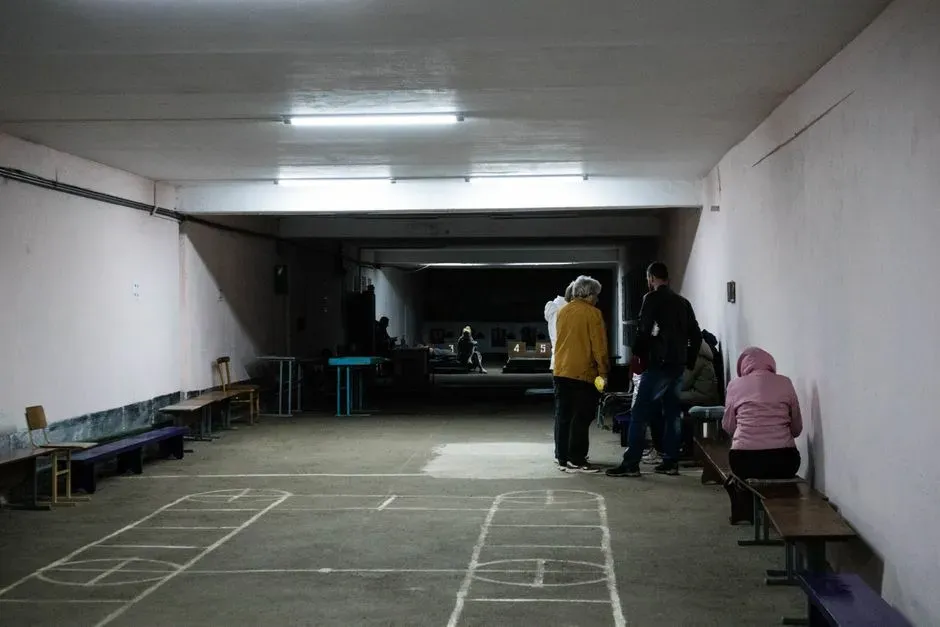
The idea that basements are automatically safe didn’t come from nowhere. Being below grade generally does put a layer of earth and structure between a person and flying debris, and for decades that was treated as close to sufficient. Basements or underground shelters offer the highest protection, while interior rooms on the lowest floor without windows are the safest alternative when underground spaces are not available.
That guidance still holds in a general sense, and most emergency agencies repeat it every storm season. The trouble is that “highest protection” was never the same thing as “complete protection,” and the fine print behind that phrase has become a lot more relevant as storms and rainfall patterns change.
Flash flooding is changing the calculus
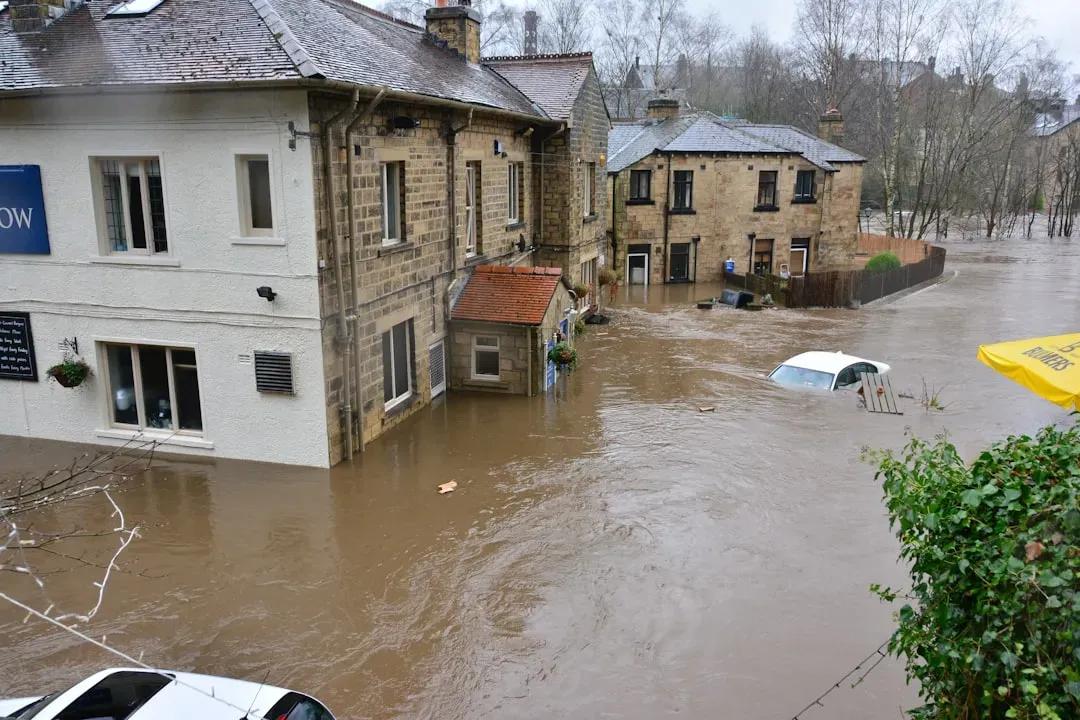
Tornadoes rarely arrive alone anymore. They tend to show up with heavy rain bands, sometimes with thunderstorms that stall over the same area for hours. A basement can flood quickly during a tornado outbreak when thunderstorms train over one area, when power loss stops sump pumps, or when sewer systems back up, and it can turn a shelter into a disaster.
This isn’t a rare edge case. Tornadoes frequently occur alongside heavy rainfall, flash flooding, and storm surge, and a basement can fill with water faster than occupants can safely exit, particularly when the structure above has been damaged and egress points are blocked. A shelter plan that only accounts for wind, and ignores water, is only half a plan.
Walkout basements carry a different risk profile
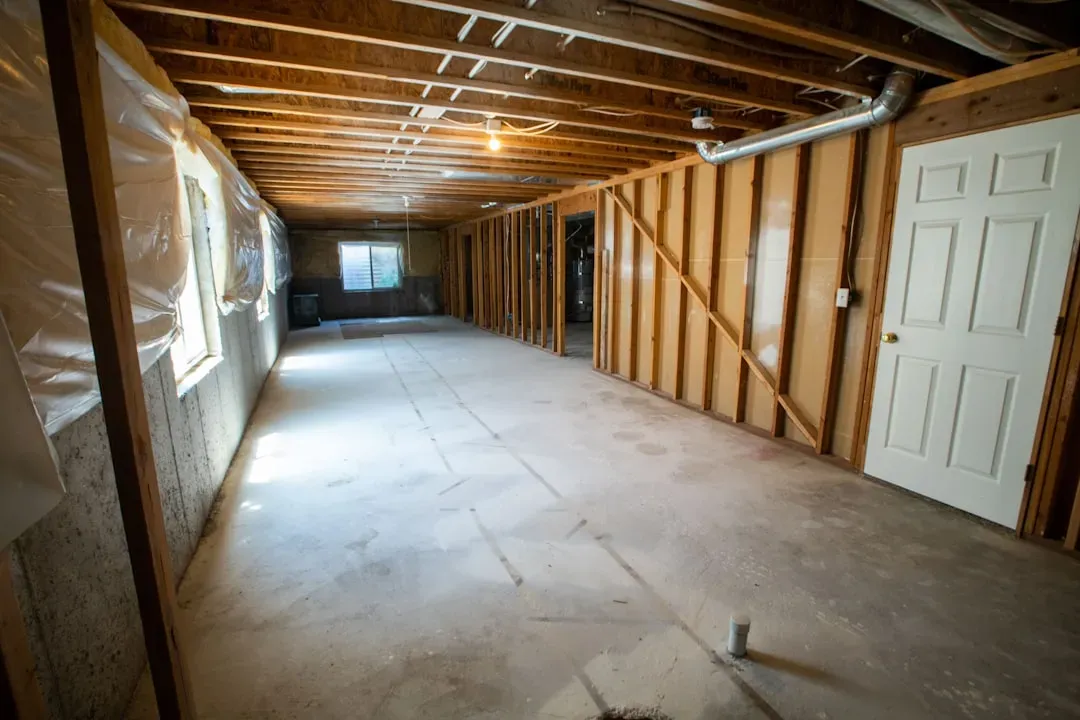
Not every basement is fully underground, and that distinction matters more than most homeowners realize. Walkout basements carry additional risk because at least one wall is at grade level, behaving more like a ground-floor room than a below-grade shelter in high winds.
That single exposed wall, often lined with windows or a sliding door for backyard access, removes much of the protective advantage a basement is supposed to offer. A common and important question is whether a walkout basement is safe during a tornado, and in most cases, walkout basements are less safe than fully underground basements, behaving more like ground-level rooms during tornadoes. Families with this layout often assume “basement” automatically means “safest room,” without checking which wall faces open ground.
When the house above gives way
A basement’s safety has always depended on one quiet assumption, that the house sitting on top of it stays where it is. In the most violent tornadoes, that assumption doesn’t always hold. Some strong tornadoes have resulted in loss of floor framing, collapse of basement walls potentially leading to death and injuries to individuals taking refuge in a basement.
Engineers who study storm damage break this down into distinct failure modes rather than one vague danger. The four primary risks are structural collapse of the home above into the basement, the home being lifted from its foundation and exposing occupants to open air, debris penetration through the ceiling and floor above, and flooding from tornado-associated rainfall. None of those risks are exotic. They’re the same handful of failure points that keep showing up after every major outbreak.
What FEMA actually says about basements

It’s worth pointing out that FEMA has never claimed a basement equals a certified safe room, even though many homeowners quietly assume the two are interchangeable. A basement may be the safest place to seek shelter in a home without a safe room, but the basement will not provide the same level of protection as a safe room unless it has been designed and constructed in accordance with the criteria in FEMA P-361.
The agency also flags the same flooding concern that keeps coming up elsewhere in storm research. A basement is a good location to install or build a safe room, but access for handicapped or physically challenged individuals may be limited, and the flood risk of your location may also help determine whether your basement is an appropriate place for a safe room. In other words, a basement is a good starting point, not a finished product.
Debris, pressure, and the limits of “underground”
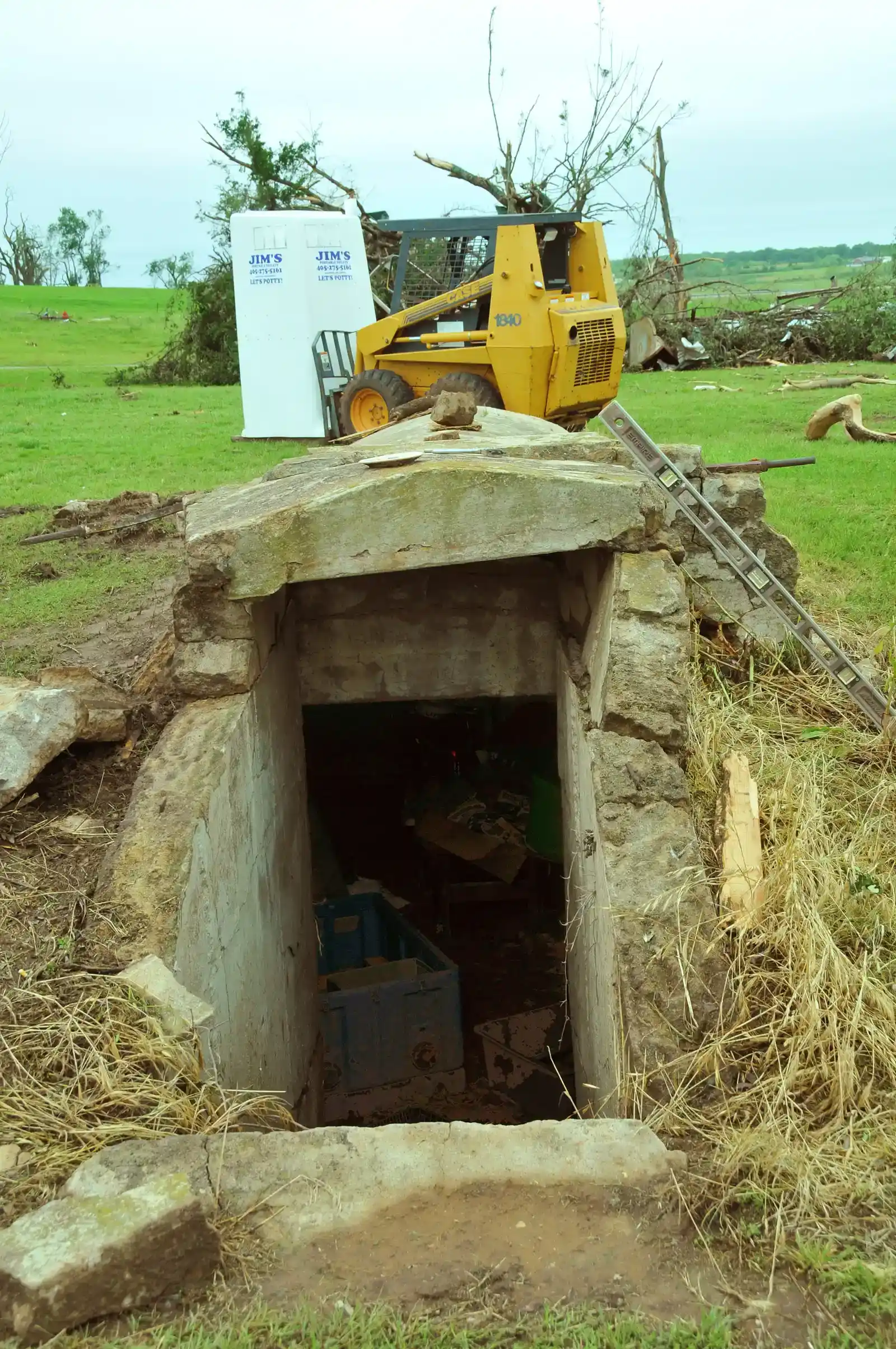
People sometimes picture a basement as sealed off from the storm entirely, but that’s not how violent tornadoes behave. Debris, wind-driven pressure changes, and falling structural material can all still reach a below-grade room once the floor above it fails. A basement tornado shelter is only as strong as the home above it, and in violent EF4 or EF5 tornadoes, entire structures can be swept away, exposing basements to debris and collapse.
That’s very different from an engineered shelter, which doesn’t rely on the surrounding structure at all. Certified shelters are tested against extreme conditions, including wind speeds of over 250 mph and direct debris strikes, protection no basement can promise. The gap between “usually fine” and “engineered to withstand” is exactly what’s driving the current reassessment of basements as a default plan.
The carbon monoxide problem nobody plans for
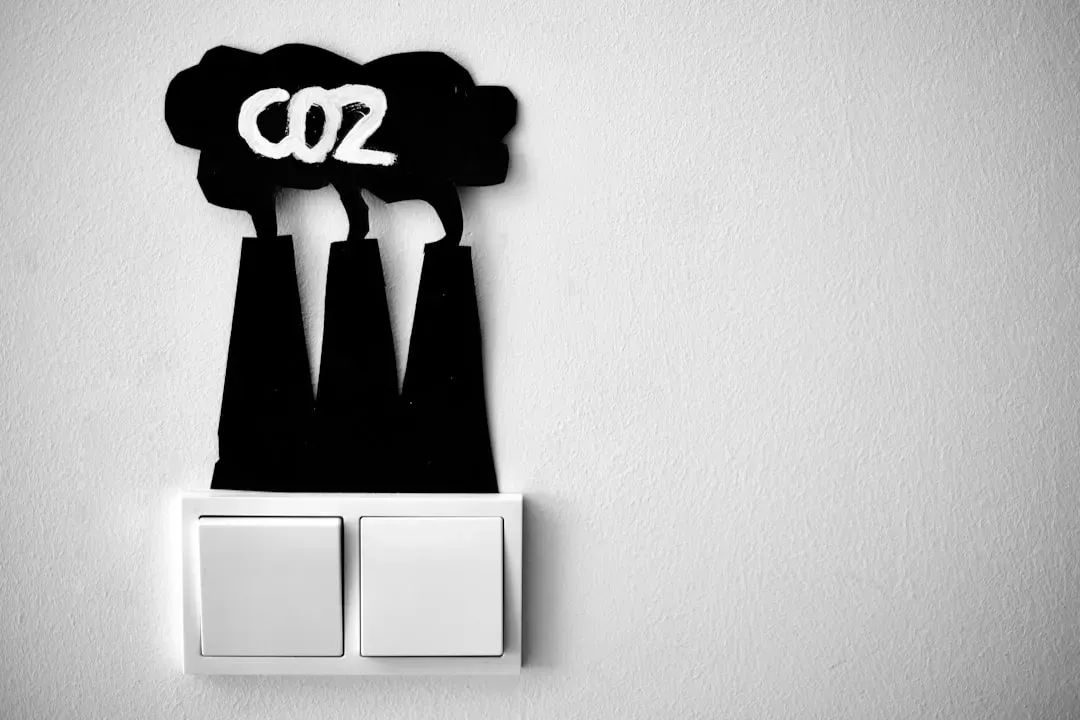
Storm danger doesn’t end when the wind stops. Basements often double as the spot where generators, camp stoves, or grills get used once the power goes out, and that combination has its own body count. Do not use gasoline, propane, natural gas or charcoal-burning devices inside a home, basement, garage, tent or camper, since carbon monoxide can’t be seen or smelled but can kill fast, and anyone who starts to feel sick, dizzy or weak should get to fresh air right away.
It’s an easy trap to fall into. The basement feels like the safe, enclosed space, so people bring generators or fuel-burning equipment down there without thinking about ventilation. That instinct, while understandable, turns a wind shelter into a poisoning risk within hours of the storm passing.
Basement apartments and the urban flood story
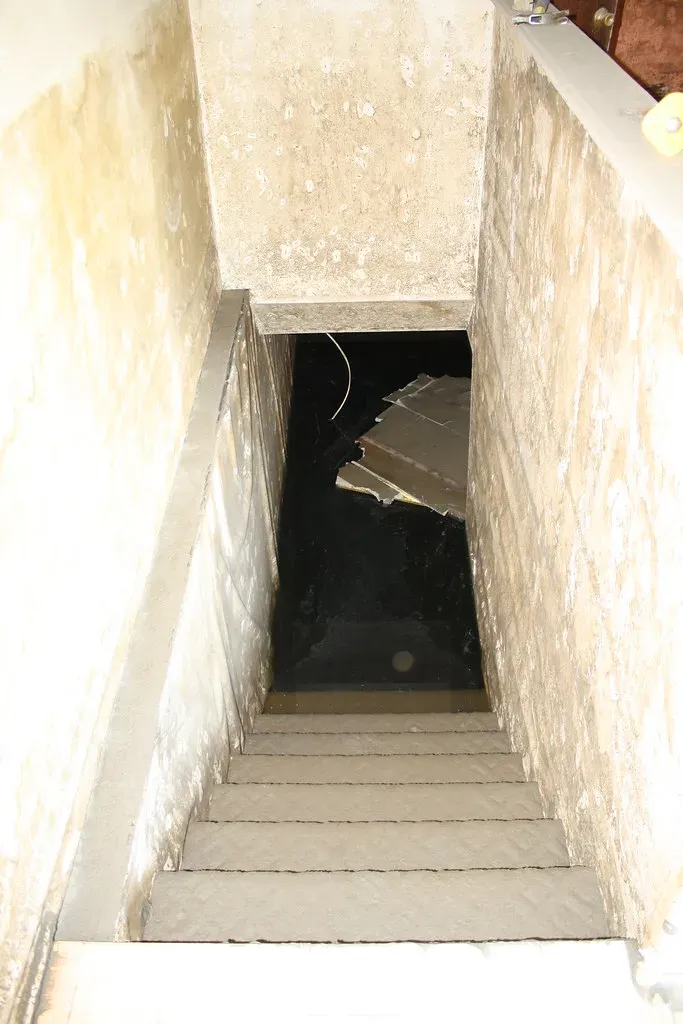
The flooding risk isn’t limited to rural homes with a creek nearby. Dense cities have their own version of this problem, playing out in below-grade apartments that were never designed with flash flooding in mind. More than a dozen New Yorkers were killed by the flood waters from the remnants of Hurricane Ida, and many of those deaths were in basement apartments.
The pattern that followed was familiar: renewed scrutiny, promises of reform, and a slow-moving conversation about affordable housing that hasn’t fully resolved the underlying risk. Recent flood deaths highlighted the dangers of living in basement apartments, prompting experts to look for ways to keep people safer below ground and find alternative affordable housing so they won’t have to. That story is a reminder that “basement” as a housing category and “basement” as a storm shelter carry overlapping, but not identical, risks.
What still makes a basement worth using
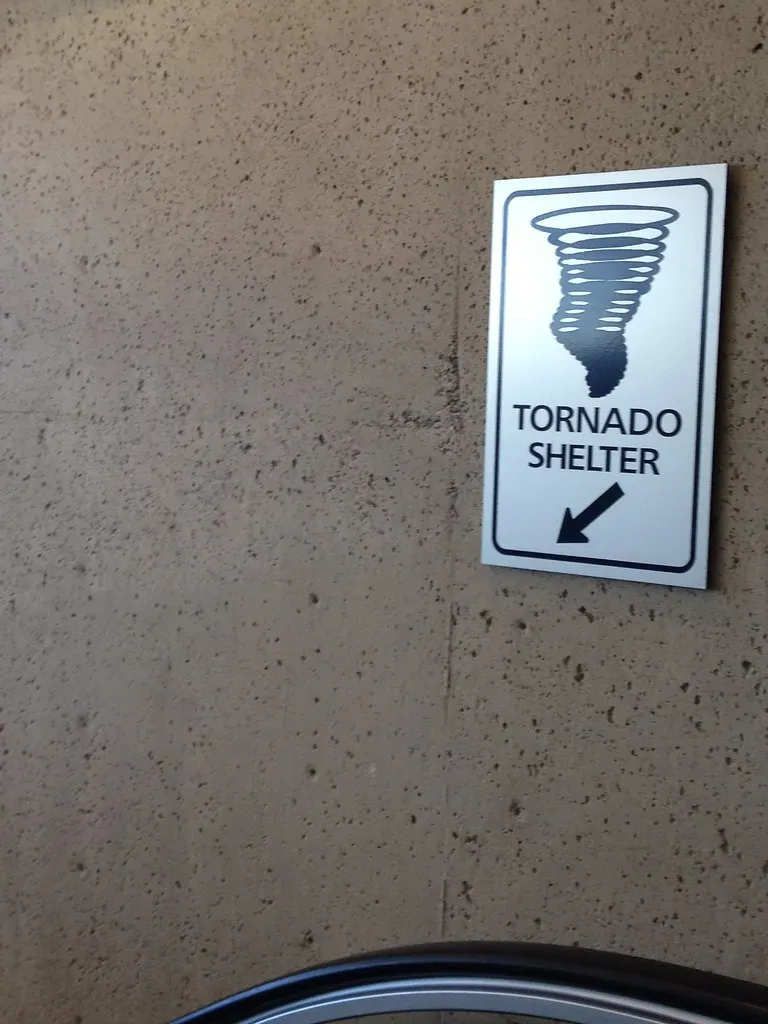
None of this means basements have become useless. For most tornadoes, which are weaker and don’t involve total structural failure, a basement still beats staying on an upper floor by a wide margin. The majority of people survive unharmed in their basements.
The advice that actually improves outcomes hasn’t changed much, it’s just gotten more specific. If you only have a basement, move to an interior corner away from windows, under a sturdy table, with mattresses and helmets for added protection. Position matters. So does avoiding basement sheltering altogether when a flash flood warning is active at the same time as a tornado warning, since that’s precisely the combination that turns a shelter into a trap.
Engineered safe rooms as the newer standard
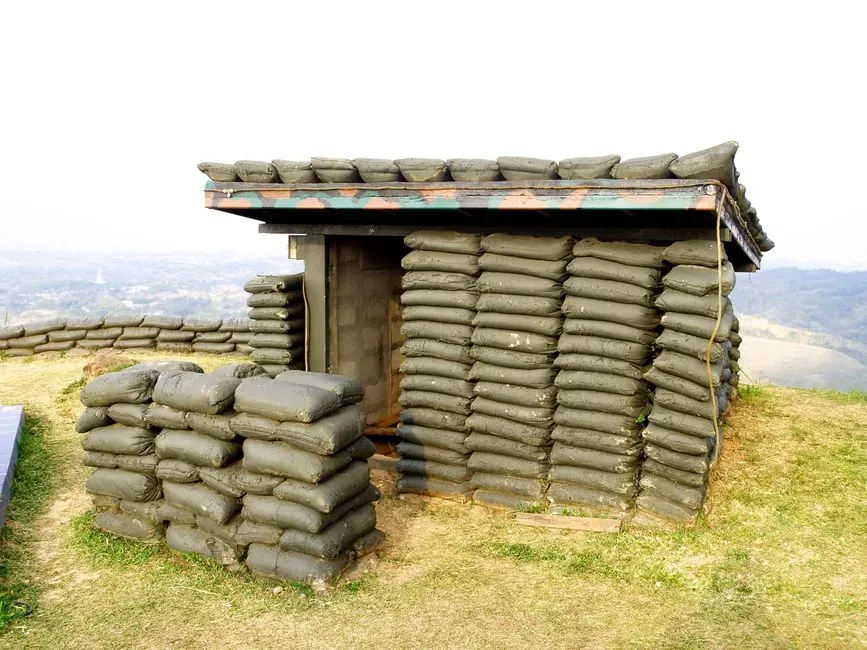
The clearest sign that basements are being reassessed is the growing popularity of purpose-built safe rooms, which don’t depend on the house around them at all. A FEMA P-320 and ICC-500 certified above-ground storm shelter provides a higher engineered standard of protection than a standard basement, and the shelter is structurally independent, meaning its protection does not rely on the home above remaining intact.
For homes in flood-prone areas, that independence solves two problems at once. It has no flooding risk, and for families in high-risk tornado regions, a certified above-ground shelter installed in a garage or carport provides a level of protection a basement simply cannot match in the most violent storm events. It’s not a cheap upgrade, and it’s not necessary for every household, but it’s increasingly the option engineers point to when someone asks what “safe” should actually mean.
The takeaway for homeowners this season
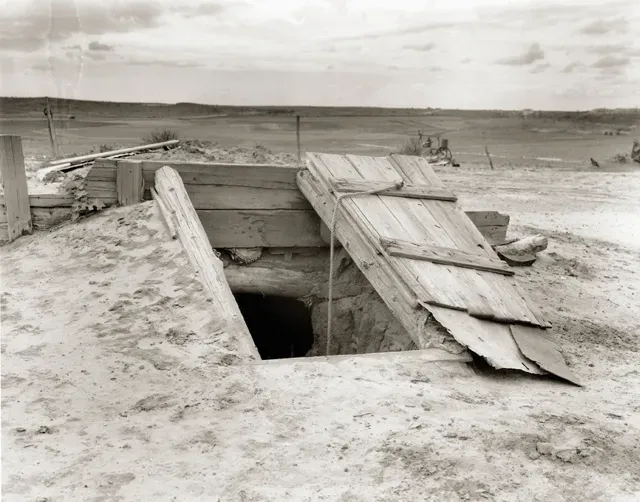
None of this is meant to scare anyone away from their basement during the next tornado warning. For the vast majority of storms, it’s still a reasonable place to be, provided the flooding risk has been ruled out and the family knows exactly where to stand once they get down there. The distinction worth carrying forward is between a basement that happens to be underground and a shelter that was actually engineered to survive the worst case.
Average warning times remain short, often just 10 to 15 minutes from the moment a warning is issued, which doesn’t leave much room for indecision. Knowing in advance whether your basement is fully below grade, whether it floods, and whether a flash flood warning is in play alongside the tornado warning turns a rushed decision into one that’s already been made.
